



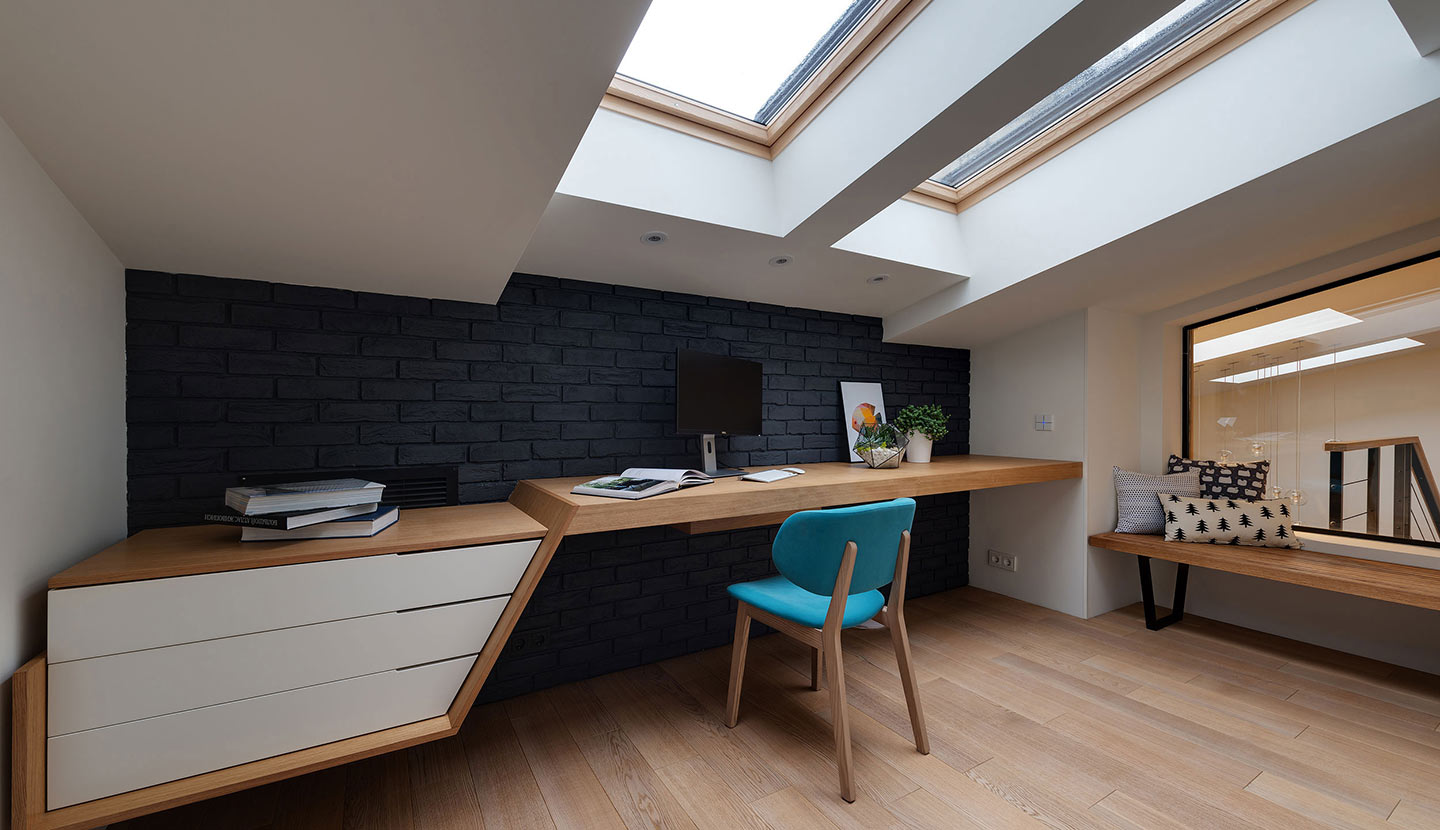


Countertop Removal and Replacement: A Step-by-Step Guide for Atlanta Homeowners
Countertop Removal and Replacement: A Step-by-Step Guide for Atlanta Homeowners
Are you planning to update your kitchen or bathroom with new countertops? Whether you’re looking to enhance your home’s aesthetic or improve functionality, knowing how to remove and replace countertops is essential. This guide will walk you through the process, ensuring you feel confident and prepared for your renovation journey. At Lotus Surfaces, we understand how overwhelming this task can be, and we’re here to help you every step of the way.
Understanding Your Countertop Materials
Before diving into the removal process, it’s crucial to understand the type of materials you’re working with. Different materials—such as quartz, granite, porcelain, and quartzite—require specific approaches for removal and replacement. Each material has its unique properties and installation challenges that can impact the process.
Quartz Countertops
Engineered quartz countertops are popular for their durability and low maintenance. They are non-porous and resistant to stains, making them ideal for busy kitchens. When removing quartz countertops, it’s important to handle them carefully to avoid chips or cracks.
Granite Countertops
Granite is a natural stone known for its unique patterns and durability. However, its heavy weight requires proper techniques for safe removal. Make sure to have help on hand, as granite can be cumbersome to manage.
Porcelain and Quartzite Countertops
Porcelain is ultra-thin and lightweight, making it easier to handle but requiring careful removal to prevent breaking. Quartzite, while beautiful and durable, can also be heavy and requires similar caution as granite.
Gathering Your Tools and Materials
Before starting the removal process, gather the necessary tools and materials:
- Utility knife
- Caulk scraper
- Drill with a socket wrench
- Hammer
- Pry bar or flat bar
- Safety goggles and gloves
- Moving straps
- Tarps or drop cloths
Step 1: Prepare the Area
Clear the workspace by removing all items from the countertops and nearby cabinets. Cover your floors and appliances with drop cloths or tarps to protect them from dust and debris. Make sure to turn off any water supply if you’re removing countertops with sinks.
Step 2: Disconnect Plumbing and Electrical Fixtures
If your countertops include a sink, cooktop, or other appliances, disconnect them before removal. For sinks, turn off the water supply, then disconnect the plumbing using a wrench. For electrical appliances, ensure the power is turned off at the circuit breaker, and disconnect any electrical connections. This is crucial for safety and to prevent damage.
Step 3: Remove Caulk and Adhesive
Using a utility knife, carefully cut through the caulk around the edges of the countertop. This includes the seams where the countertop meets the wall or backsplash. It’s important to be thorough to ensure a clean separation. If adhesives were used during installation, gently scrape them away with a caulk scraper.
Step 4: Detach the Countertop
Once the caulk and adhesive are removed, it’s time to detach the countertop. For granite or quartz surfaces, you may need to use a pry bar to gently lift the countertop away from the cabinets. Work slowly and carefully to avoid damaging the cabinets or the countertop itself. If you’re removing a large piece, enlist help to manage the weight and ensure safety.
Step 5: Remove the Old Countertop
Once detached, carefully lift the old countertop off the cabinets. Use moving straps if necessary for larger pieces. Place the old countertop on a flat surface or dispose of it according to local regulations. If you plan to reuse it, ensure it’s stored safely.
Step 6: Prepare for the New Countertop
Before installing your new countertop, make sure the cabinets are level and in good condition. Check for any damage or imperfections that need to be addressed. If necessary, use shims to level the cabinets. Cleaning the surface where the new countertop will sit is also essential for a proper fit.
Step 7: Install the New Countertop
Now comes the exciting part—installing your new countertop! The installation process may vary depending on the material chosen. For quartz or granite, ensure that the surface is positioned correctly and aligned with the edges of the cabinets. Secure it in place using the appropriate adhesive, following the manufacturer’s instructions.
Professional Installation
If you’re unsure about the installation process, considering professional help can be a wise choice. At Lotus Surfaces, our experienced countertop installers can ensure that your new surfaces are fitted perfectly, providing a high-end finish and lasting durability.
Step 8: Reconnect Plumbing and Electrical Fixtures
Once the new countertop is installed, reconnect any plumbing and electrical fixtures. Ensure all connections are secure and leak-free. Turn on the water supply and check for any issues before fully utilizing your new countertop.
Step 9: Finishing Touches
After everything is installed and connected, apply caulk around the edges to seal any gaps and prevent water damage. This helps maintain the integrity of your countertops and ensures a polished look. Then, clean your countertops with a gentle cleanser suitable for the material.
Frequently Asked Questions
How long does the countertop removal process take?
The duration of the removal process varies based on the size of the countertops and the complexity of the installation. Generally, it can take a few hours to a full day.
Can I remove my countertops myself?
Yes, homeowners can remove their countertops, but it requires careful attention to detail and safety precautions. If you’re unsure, consider hiring a professional.
What should I do with my old countertops?
Old countertops can be disposed of, recycled, or repurposed. Many local regulations have guidelines on disposal, so check with your local waste management.
What materials are best for countertops in Georgia’s climate?
Materials like quartz and granite are excellent choices due to their durability and resistance to humidity. They maintain their beauty and functionality in Georgia’s variable climate.
How can I ensure a professional installation?
Hiring a reputable local fabricator like Lotus Surfaces ensures quality craftsmanship and a seamless installation process. Our team is experienced with various materials and local home styles.
Conclusion
Replacing your countertops can significantly enhance your home’s beauty and functionality. By following this step-by-step guide, you can approach the process with confidence. Remember, if you seek expert help, Lotus Surfaces is here to assist you with high-quality materials and professional installation. Ready to start your countertop project? Contact us online to start your project, or Call +1 346-833-9076 to schedule your countertop consultation. Don’t forget to visit our Norcross showroom to view slabs in person and explore your options!
