
Heat Resistance in Countertops: Comparing Quartz, Granite, and Porcelain in Norcross, GA
Heat Resistance in Countertops: Comparing Quartz, Granite, and Porcelain in Norcross, GA
As homeowners in Norcross, GA embark on their kitchen or bathroom renovation journeys, one critical aspect they often consider is the heat resistance of the materials they choose for countertops. The kitchen is a hub of activity, and having surfaces that can withstand heat is essential for both functionality and aesthetics. In this article, we will explore the heat resistance of three popular countertop materials: quartz, granite, and porcelain. We aim to provide you with the information you need to make an informed decision for your home.
Understanding Heat Resistance in Countertops
Heat resistance refers to a material’s ability to withstand high temperatures without sustaining damage. In a kitchen setting, countertops are often exposed to hot pots, pans, and baking trays. Therefore, selecting a surface that can handle these high temperatures is crucial to avoid burns, discoloration, or structural damage.
Heat Resistance Properties of Quartz Countertops
Quartz countertops are engineered surfaces composed of approximately 90-95% crushed natural quartz crystals combined with resins and pigments. This composition gives quartz countertops a unique set of characteristics, including heat resistance. While quartz is quite durable, it is essential to note that exposing it to extreme heat can lead to irreparable damage.
- Heat Tolerance: Quartz can typically withstand temperatures up to 150-180°F. However, it is advisable to use trivets or heat pads for hot pots and pans to prevent any potential damage.
- Benefits: The non-porous nature of quartz makes it resistant to stains and easy to maintain, which is a significant advantage for homeowners.
- Design Versatility: Available in a wide range of colors and patterns, quartz can complement various kitchen styles while providing a stylish appearance.
Heat Resistance Properties of Granite Countertops
Granite is a natural stone known for its beauty and durability. Formed through volcanic activity, each granite slab is unique, featuring distinct patterns and colors. When it comes to heat resistance, granite is one of the most resilient materials available for countertops.
- Heat Tolerance: Granite can tolerate high temperatures, typically around 200-250°F or even higher without suffering damage. This makes it an ideal choice for busy kitchens where heat exposure is common.
- Natural Beauty: The inherent patterns and colors of granite provide a timeless elegance that can enhance the value of your home.
- Maintenance: While granite is durable, it does require periodic sealing to maintain its appearance and resist staining.
Heat Resistance Properties of Porcelain Countertops
Porcelain countertops are made from a refined clay that is fired at high temperatures. This process results in a dense, durable surface that is resistant to heat, stains, and scratches. Porcelain has gained popularity in modern kitchen designs due to its sleek appearance and performance.
- Heat Tolerance: Porcelain can handle extreme temperatures, often exceeding 250°F, which makes it suitable for direct contact with hot cookware.
- Lightweight and Versatile: Porcelain is available in large-format slabs, making it ideal for seamless installations and contemporary designs.
- Low Maintenance: Its non-porous surface means it doesn’t require sealing, and is easy to clean, making it a favorite among busy homeowners.
Material Comparisons: Heat Resistance and Beyond
While heat resistance is a critical factor in choosing a countertop material, it’s essential to consider other aspects such as durability, aesthetics, and maintenance. Here’s a comparison of quartz, granite, and porcelain based on these criteria:
Durability
Granite leads in terms of durability due to its natural composition, making it less susceptible to chipping or cracking. Quartz, while strong, can be vulnerable to scratching and damage from excessive heat. Porcelain also offers high durability but can be prone to chipping if heavy objects are dropped.
Aesthetics
All three materials excel in aesthetics, but they cater to different design preferences. Granite offers a natural, earthy feel with unique patterns, while quartz can mimic the look of stone with a more uniform appearance. Porcelain provides a modern and sleek look with endless design possibilities.
Maintenance
Quartz is low-maintenance due to its non-porous surface, requiring no sealing. Granite needs periodic sealing to maintain its integrity, while porcelain’s non-porous nature means it’s also low-maintenance, making it easy to clean and care for.
Why Choose Lotus Surfaces for Your Countertop Needs
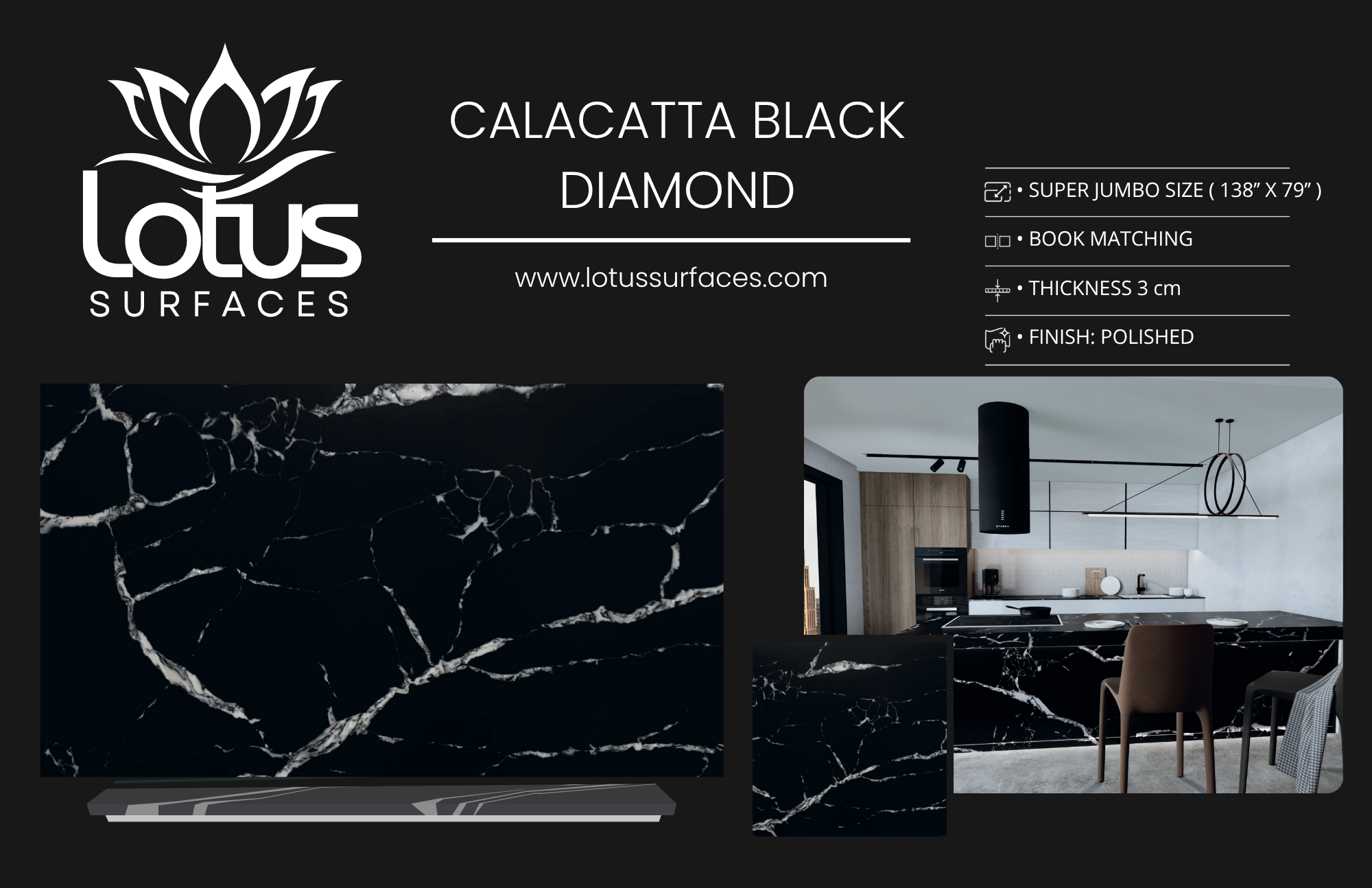
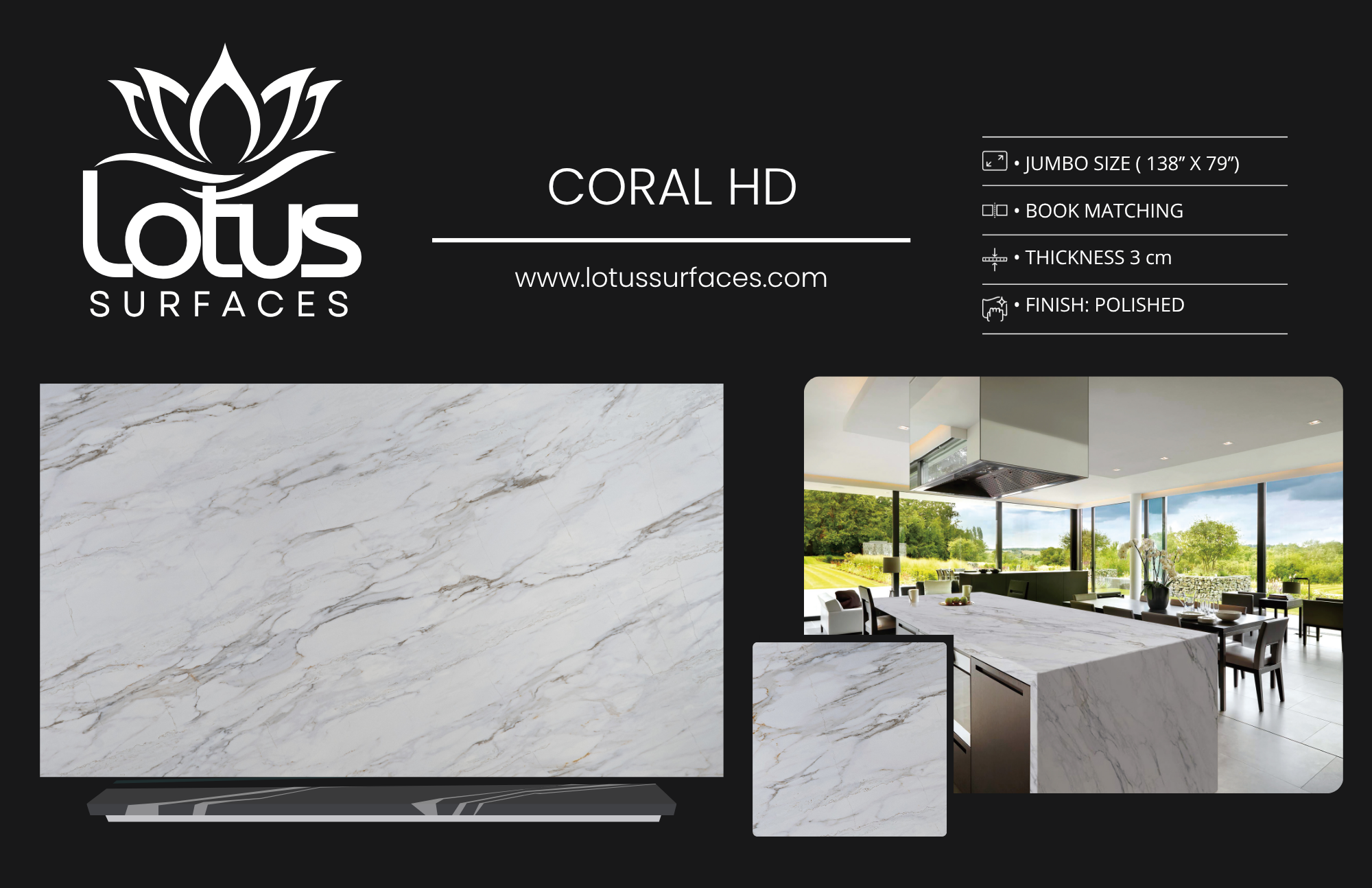
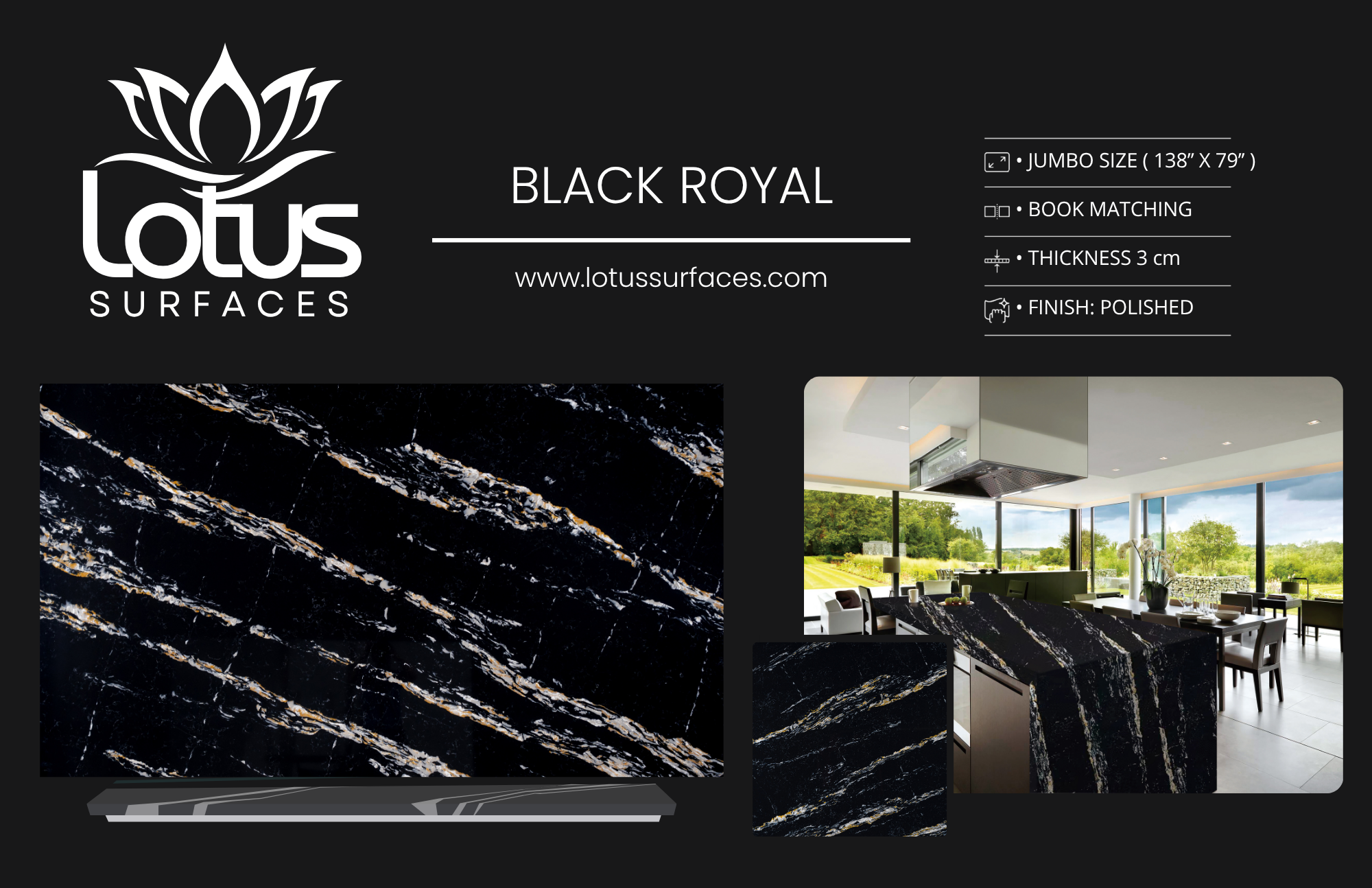
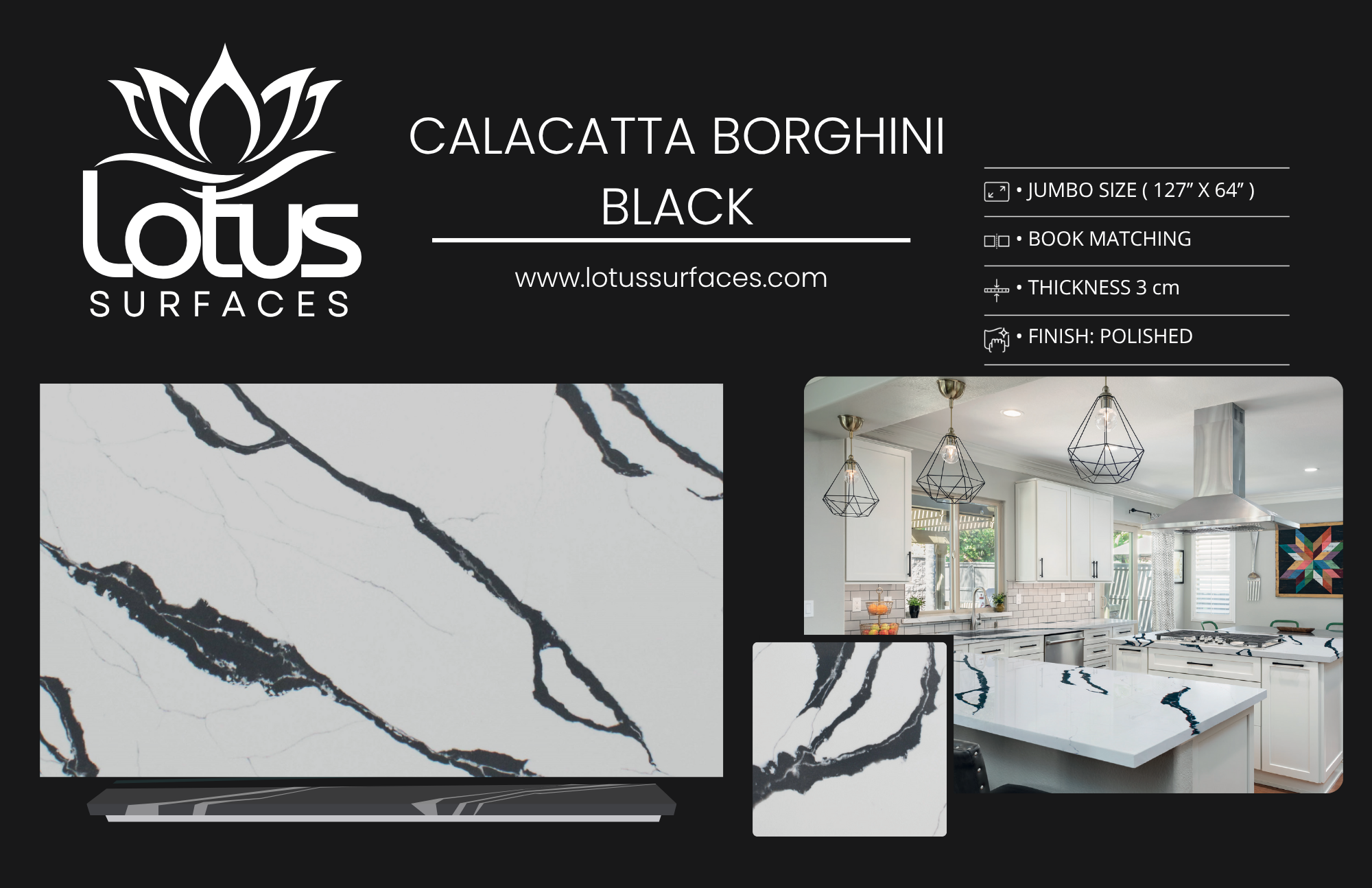
At Lotus Surfaces, we understand that choosing the right countertop material for your home is a significant decision. Our team is dedicated to providing homeowners in Norcross and the Greater Atlanta area with high-quality quartz, granite, and porcelain surfaces. With our in-house fabrication facility and experienced installers, we ensure that every project meets the highest standards of quality and craftsmanship.
Frequently Asked Questions
How do I protect my quartz countertop from heat?
To protect your quartz countertop from heat damage, always use trivets or heat pads when placing hot pots and pans on the surface.
What are the best countertop materials for a humid climate like Georgia?
Granite and porcelain are excellent choices for humid climates due to their durability and resistance to moisture. Quartz is also a good option, but it’s essential to avoid exposing it to excessive heat.
How often should I seal my granite countertops?
Granite countertops should be sealed every 1-2 years to maintain their appearance and prevent staining.
Can I place hot items directly on porcelain countertops?
Yes, porcelain countertops can handle high temperatures, so hot items can be placed directly on them without concern for damage.
What is the lifespan of quartz countertops?
Quartz countertops typically last 10-15 years with proper care and maintenance, making them a long-lasting investment for your home.
How long does the installation process take?
The installation process can vary depending on the project size, but most countertop installations can be completed within a few days.
What should I consider when choosing a countertop material?
Consider factors such as heat resistance, durability, aesthetics, maintenance requirements, and how the material will complement your overall design vision.
Do you offer custom countertop solutions?
Yes, we provide personalized consultation and can create custom countertop solutions tailored to your specific needs and preferences.
How can I get started with my countertop project?
To start your project, contact our team to schedule a consultation or visit our Norcross showroom to view our selection of materials in person.
Conclusion
When selecting the right countertop material for your kitchen or bathroom, understanding heat resistance is crucial. Quartz, granite, and porcelain each offer unique benefits and limitations regarding heat tolerance and overall performance. By considering your specific needs and preferences, you can choose the best material that fits your lifestyle and design vision.
Call +1 346-833-9076 to schedule your countertop consultation or visit our Norcross showroom at 1875 Graves Rd to view slabs in person. At Lotus Surfaces, we are committed to helping you find the perfect countertop solution for your home.
