
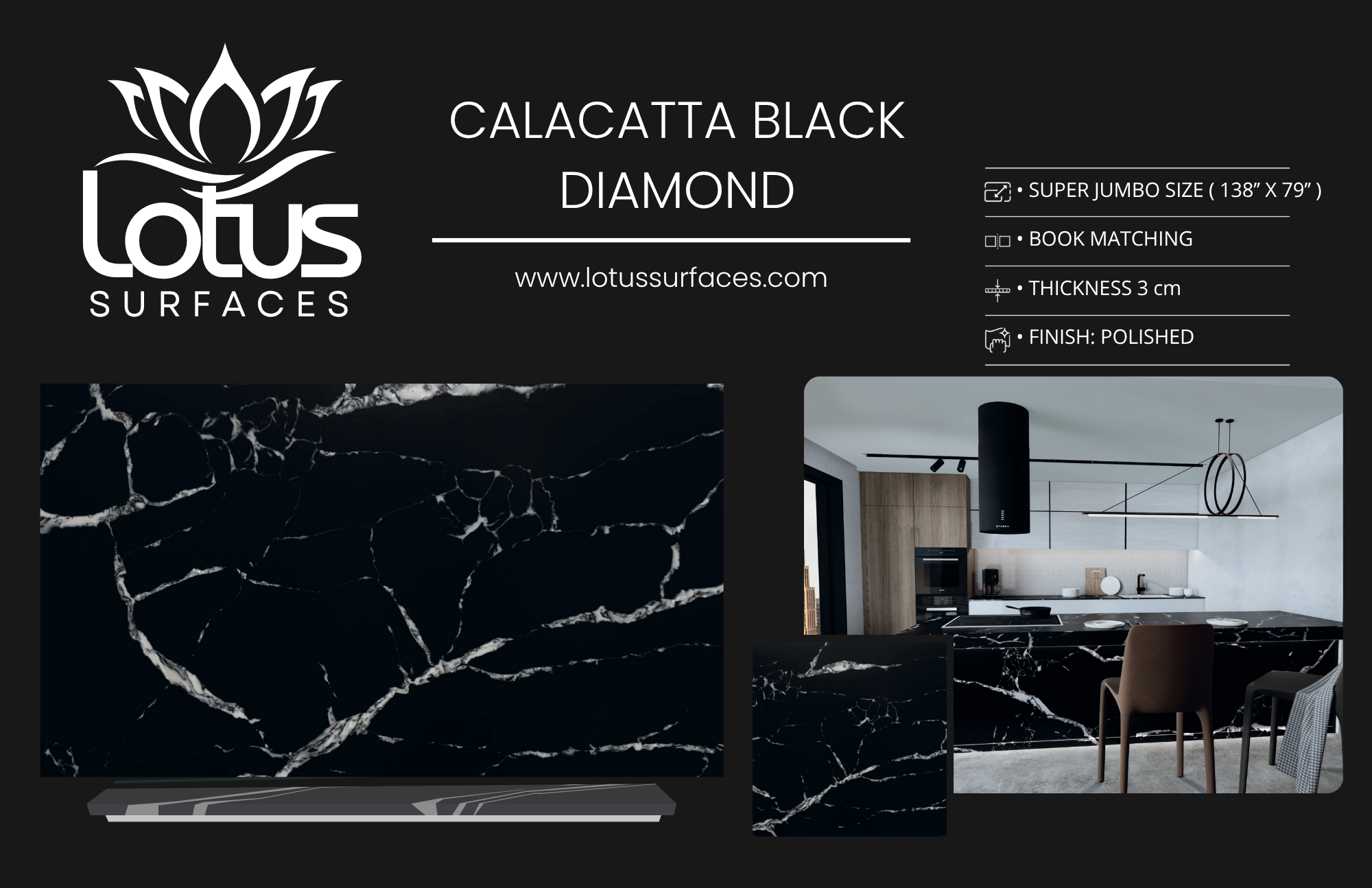
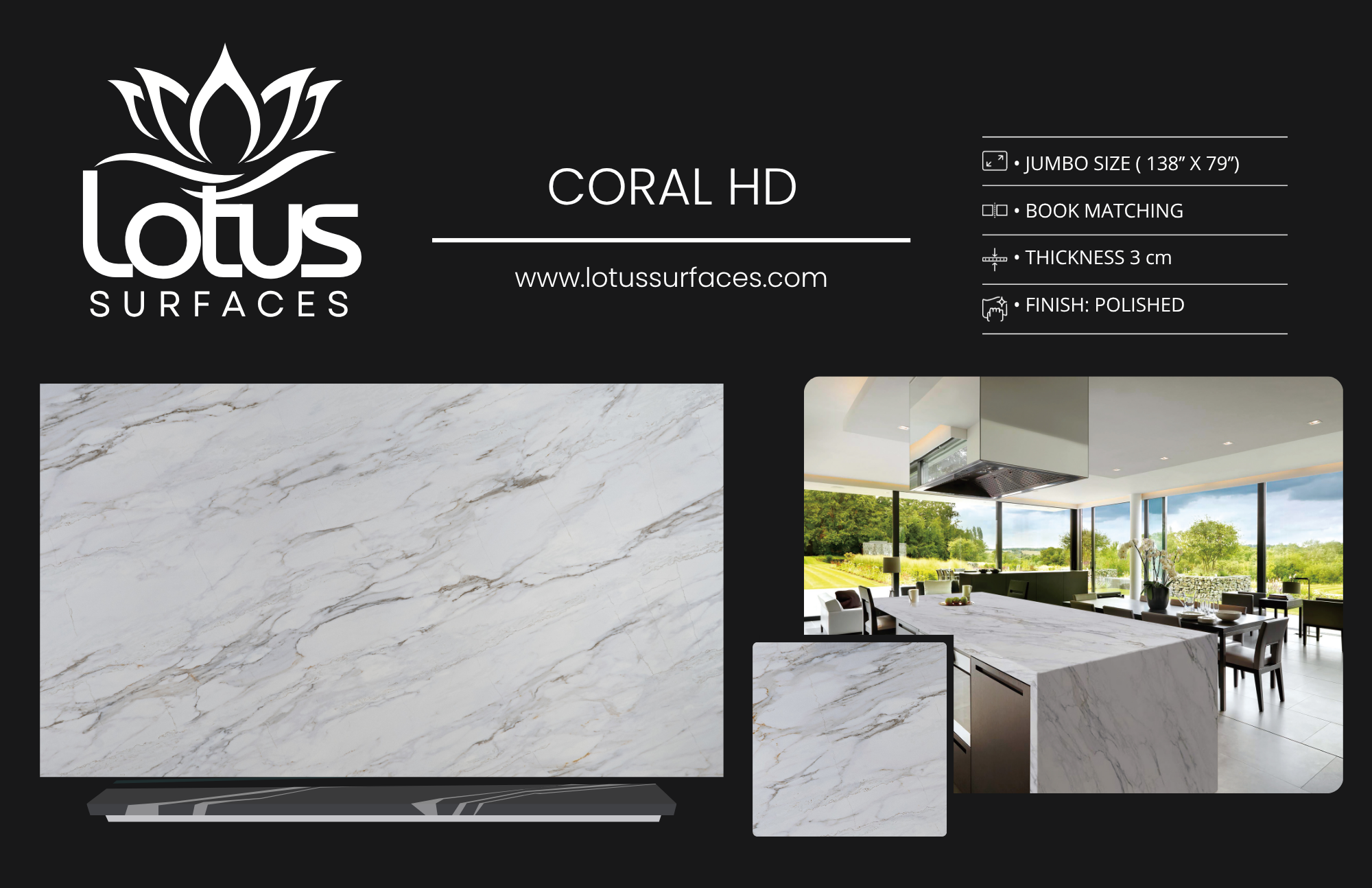
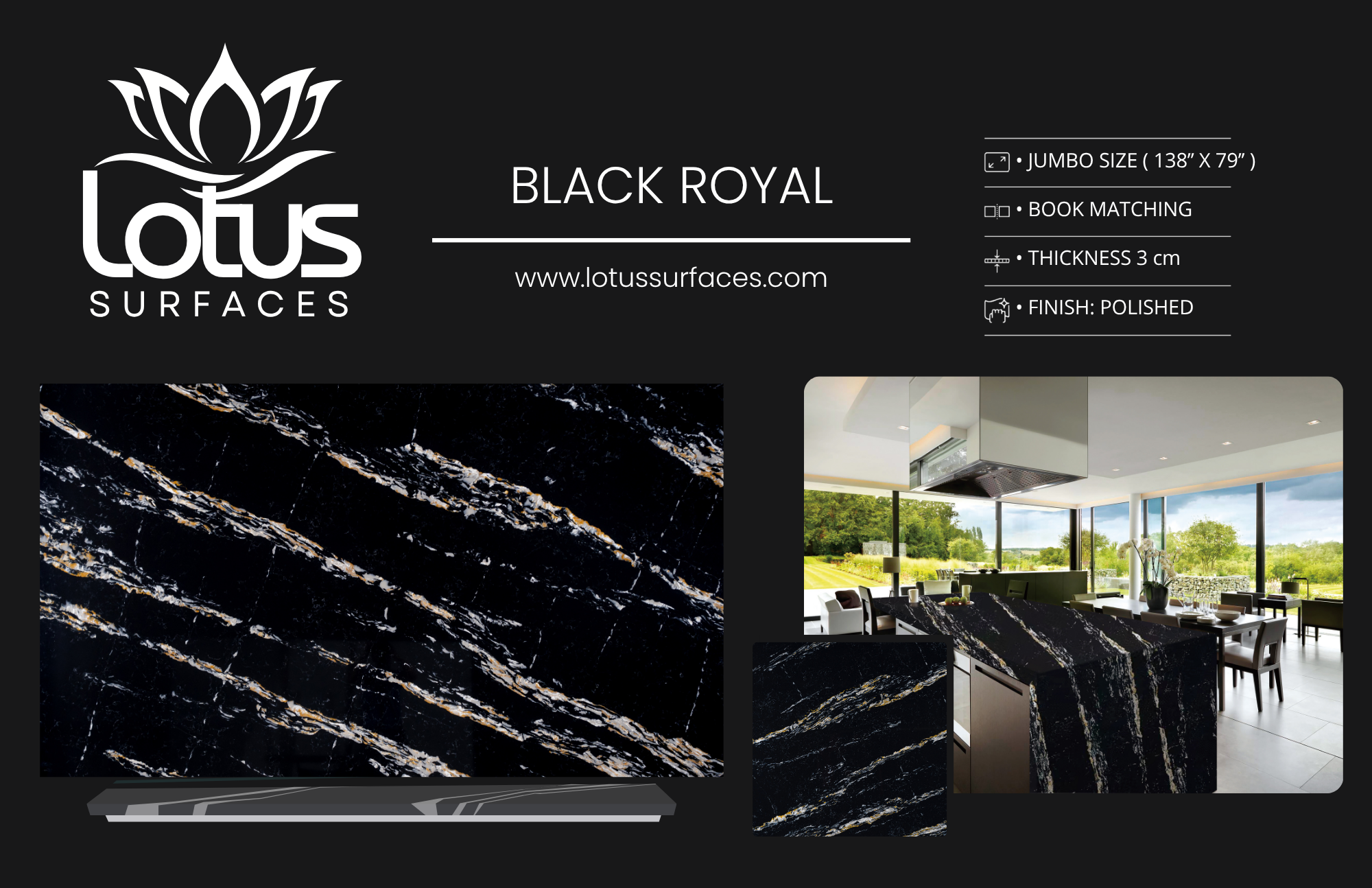
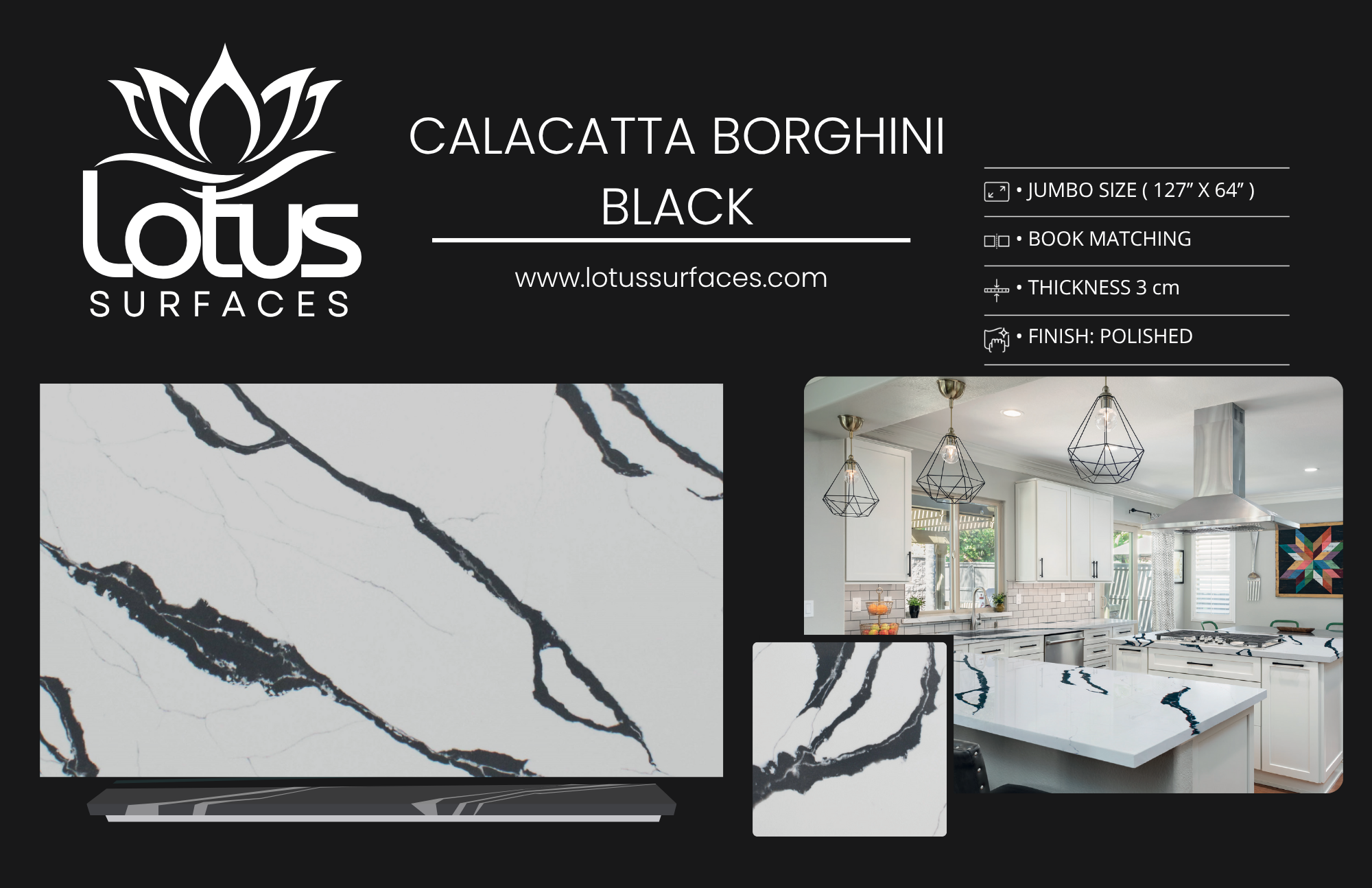
Quartz vs Porcelain: What’s Better for Atlanta Kitchens?
Quartz vs Porcelain: What’s Better for Atlanta Kitchens?
When it comes to selecting the perfect countertops for your kitchen, homeowners in Atlanta often find themselves weighing the options between quartz and porcelain. Both materials possess unique attributes, making them popular choices for modern kitchen designs. In this article, we aim to provide an in-depth comparison of quartz and porcelain surfaces, considering their benefits, performance characteristics, and suitability for Atlanta homes. This guide will help you make an informed decision as you embark on your kitchen renovation journey.
Understanding Quartz and Porcelain
Before diving into the specifics, it’s essential to understand what quartz and porcelain are. Quartz countertops are engineered surfaces made from about 90% crushed natural quartz crystals combined with resins and polymers. This process results in a non-porous, durable surface that can mimic the appearance of natural stone.
On the other hand, porcelain countertops are crafted from a mixture of clay and minerals, formed into large slabs and fired at high temperatures. This creates a dense, durable surface that is often thinner and lighter than quartz. Porcelain is known for its versatility and can be used for countertops, backsplashes, and even wall cladding.
Material Benefits and Performance Characteristics
Durability
Both quartz and porcelain are recognized for their impressive durability, making them excellent choices for kitchen applications. Quartz’s non-porous nature makes it resistant to stains and bacteria, ensuring a hygienic workspace. Its hardness also means it is less likely to chip or crack under normal kitchen use.
Porcelain, being fired at high temperatures, is incredibly resilient, making it resistant to heat, scratches, and UV rays. This makes porcelain a great option for outdoor kitchens or areas that receive direct sunlight, as it won’t fade over time.
Maintenance
In terms of maintenance, quartz is relatively low-maintenance. Its non-porous surface means that it does not require sealing, and cleaning it involves simple soap and water. However, it’s essential to avoid harsh chemicals to maintain its finish.
Porcelain also requires minimal maintenance. Its dense surface is less prone to staining and can easily be cleaned with mild detergents. However, due to its thinner profile, care should be taken to avoid heavy impacts that could crack the surface.
Design Versatility
Quartz offers an extensive range of colors and patterns, enabling homeowners to achieve their desired aesthetic. From sleek, modern designs to classic stone looks, the versatility of quartz is unmatched. Additionally, quartz can be fabricated with various edge profiles to suit different styles.
Porcelain also comes in a variety of colors and finishes, including options that mimic natural stone, wood, and even concrete. Its large-format slabs allow for fewer seams, creating a seamless look that can enhance modern kitchen designs.
Why Choose Quartz for Your Atlanta Kitchen?
Local Climate Considerations
In Atlanta, the humid climate can impact material performance. Quartz’s non-porous nature makes it less susceptible to moisture-related issues, which is particularly important in kitchens where spills are common. This can provide peace of mind for homeowners concerned about mold or mildew.
Timeless Appeal
Quartz countertops have gained popularity due to their timeless appeal and aesthetic flexibility. Whether you’re renovating a traditional Southern kitchen or a contemporary open-concept space, quartz can complement any design vision while providing long-term value.
Why Choose Porcelain for Your Atlanta Kitchen?
Lightweight and Easy to Handle
One of the significant advantages of porcelain is its lightweight nature, which can simplify the installation process. This can be particularly beneficial for homeowners looking to reduce labor costs or for those planning DIY installations.
Innovative Applications
Porcelain’s versatility extends beyond countertops. It can be used for backsplashes, wall cladding, and even flooring, allowing homeowners to create cohesive design elements throughout their kitchen. This multi-functional aspect makes porcelain a practical choice for modern renovations.
Installation Quality: A Key Factor
Regardless of your choice between quartz and porcelain, the installation quality plays a critical role in the overall performance of your countertops. Working with experienced countertop fabricators and installers, such as Lotus Surfaces, ensures precision and minimizes potential issues down the line. Our team is well-versed in the unique challenges presented by Georgia homes, providing reliable installation that meets the highest standards.
Frequently Asked Questions
How do I choose between quartz and porcelain for my kitchen?
Consider factors such as style preferences, durability needs, and maintenance requirements. Both materials have unique advantages, so it’s essential to evaluate which features align best with your lifestyle.
Which material is better for high-traffic kitchens?
Both quartz and porcelain are durable options for high-traffic kitchens. However, quartz’s non-porous surface offers greater stain resistance, making it a practical choice for busy households.
Will quartz fade in sunlight?
Quartz is generally resistant to fading, but prolonged exposure to direct sunlight may affect the resin over time. If your kitchen receives a lot of natural light, consider using window treatments or choosing lighter colors to minimize fading.
Can porcelain be used for outdoor kitchens?
Yes! Porcelain is an excellent choice for outdoor kitchens due to its resistance to UV rays and weather conditions, making it ideal for Atlanta’s climate.
What is the installation process like for quartz and porcelain?
The installation process typically involves measuring, cutting, and fitting the material to your space. It’s essential to hire experienced professionals to ensure precision and avoid common pitfalls.
How do I maintain my quartz or porcelain countertops?
Both materials can be maintained with mild soap and water. Avoid harsh chemicals and abrasive materials that could damage the surface finish.
What is the price difference between quartz and porcelain?
While pricing can vary based on specific selections and installation, quartz tends to have a wider price range due to its extensive customization options. It’s best to consult with a local fabricator to understand the investment in your home.
Can I use quartz or porcelain for bathroom vanity tops?
Absolutely! Both materials are suitable for bathroom vanity tops and offer similar benefits in terms of durability and maintenance.
What is the lifespan of quartz and porcelain countertops?
With proper care, both quartz and porcelain countertops can last for decades, making them a valuable investment for your home.
How can I get started with my countertop project?
Contact Lotus Surfaces to schedule a consultation. Our team is ready to help you explore your options and find the perfect material for your kitchen.
Conclusion
Choosing between quartz and porcelain for your Atlanta kitchen ultimately depends on your specific needs, style preferences, and lifestyle. Both materials offer durability, aesthetic appeal, and low maintenance, making them suitable choices for modern kitchens. As you consider your options, remember that working with a trusted local fabricator like Lotus Surfaces can provide the professional guidance and support needed to bring your design vision to life.
Call +1 346-833-9076 to schedule your countertop consultation and visit our Norcross showroom at 1875 Graves Rd to view slabs in person. Let us help you take the next step in your kitchen renovation journey!
