
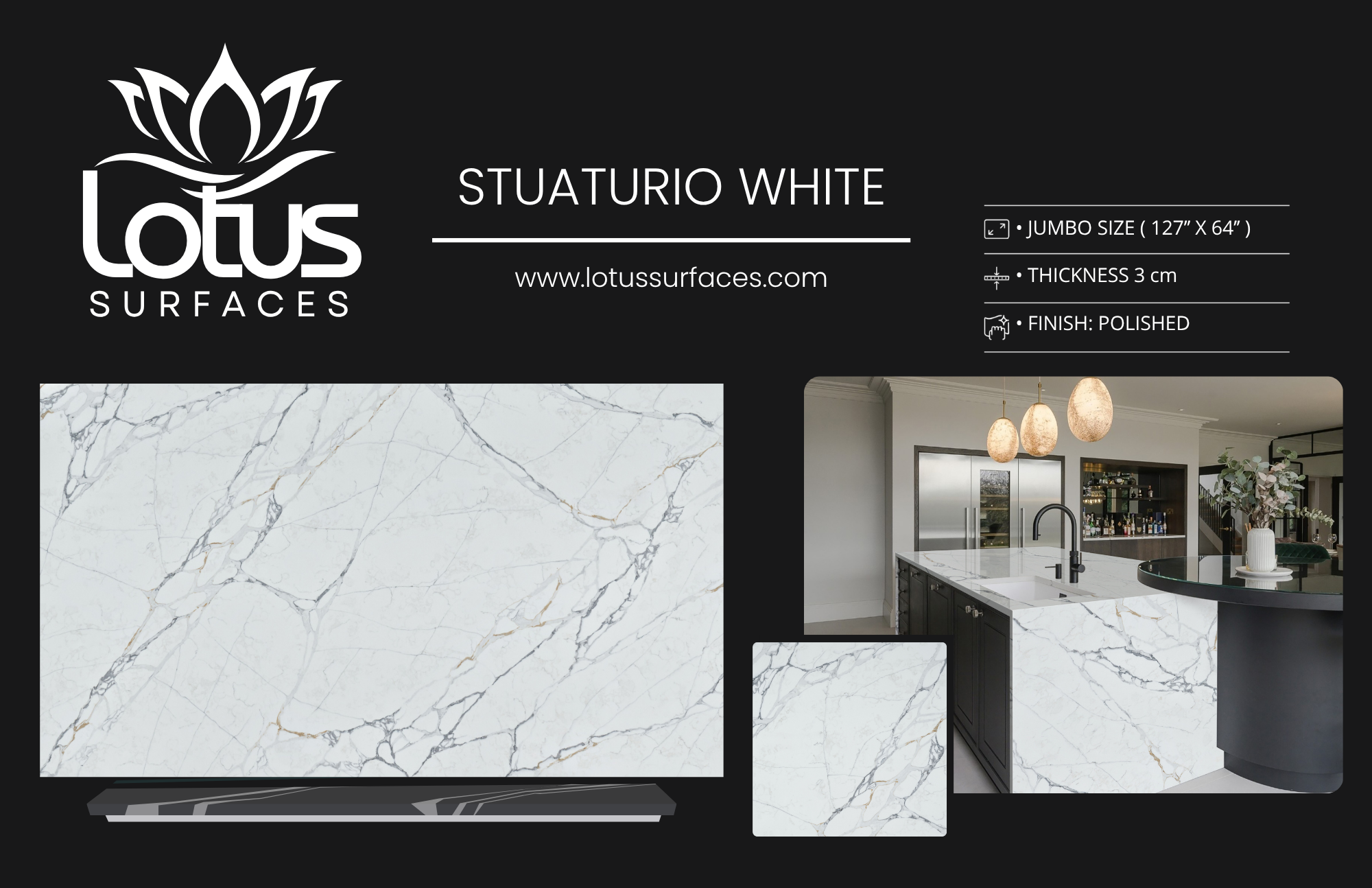
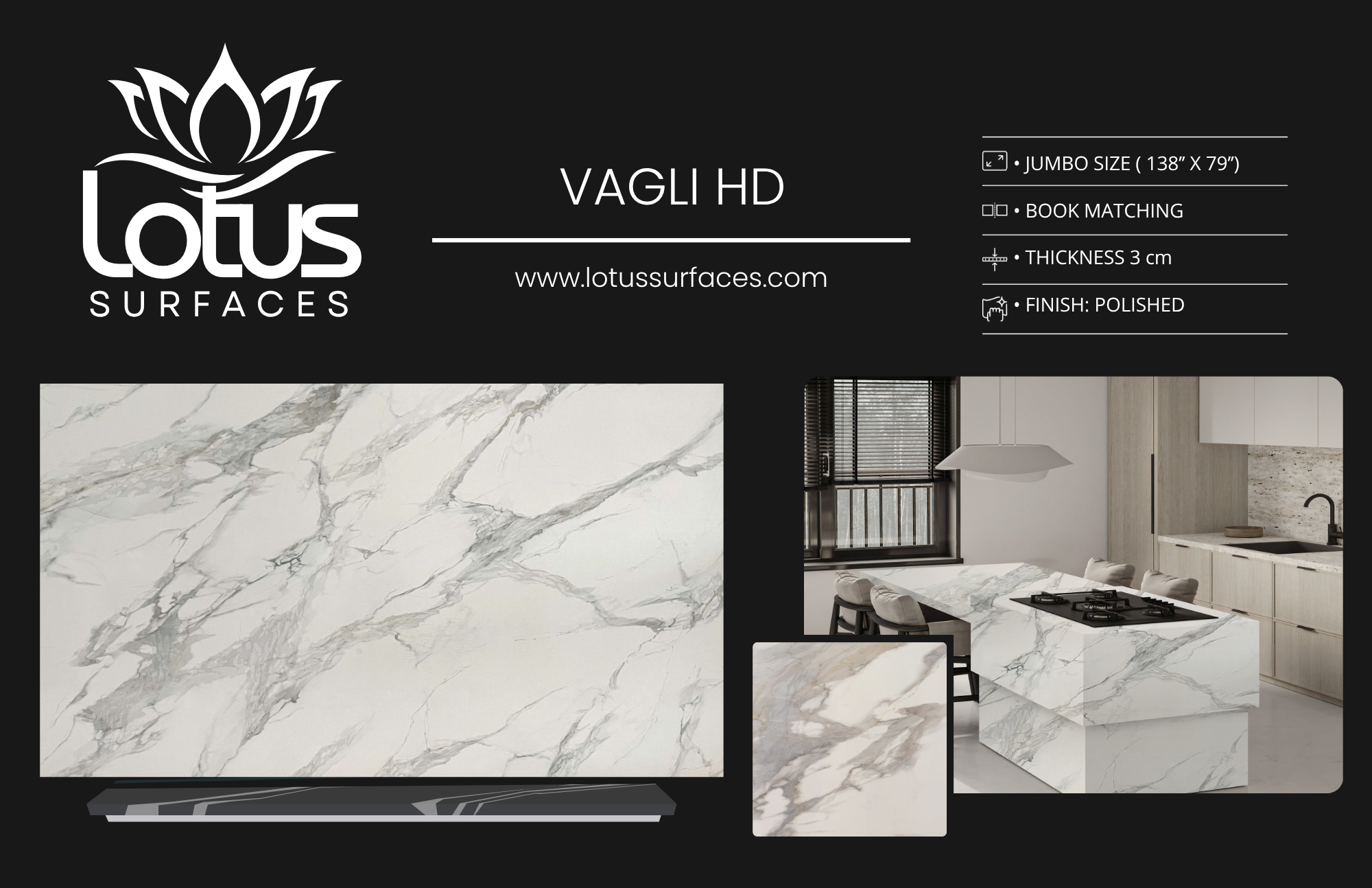
Open Concept vs. Closed Kitchen: Which Countertop Works Best in Georgia?
Open Concept vs. Closed Kitchen: Which Countertop Works Best in Georgia?
As homeowners embark on the journey of kitchen renovations, one of the most critical decisions revolves around the kitchen layout. In the vibrant state of Georgia, where home styles vary from modern to traditional, the choice between an open concept and a closed kitchen can significantly influence not only the aesthetics but also the functionality of the space. In this article, we will explore the advantages and disadvantages of both kitchen layouts and which countertop materials work best in each setting, considering Georgia’s unique climate and design preferences.
Understanding the Open Concept Kitchen
The open concept kitchen has gained immense popularity in recent years, particularly in urban settings and among families looking for a more integrated living space. This layout combines the kitchen with adjacent living areas, creating a spacious feel and facilitating interaction among family members and guests.
Benefits of Open Concept Kitchens
- Social Interaction: An open kitchen encourages socialization, allowing the cook to engage with family and friends while preparing meals.
- Natural Light: The absence of walls often leads to better natural light flow, making the space feel brighter and more welcoming.
- Flexible Design: Open concepts provide flexibility in design, allowing for unique countertop configurations and larger islands that can serve multiple purposes.
Countertop Considerations for Open Concept Kitchens
When selecting countertops for an open concept kitchen, it’s essential to consider materials that not only enhance the aesthetic appeal but also withstand the demands of a busy household. Here are some top choices:
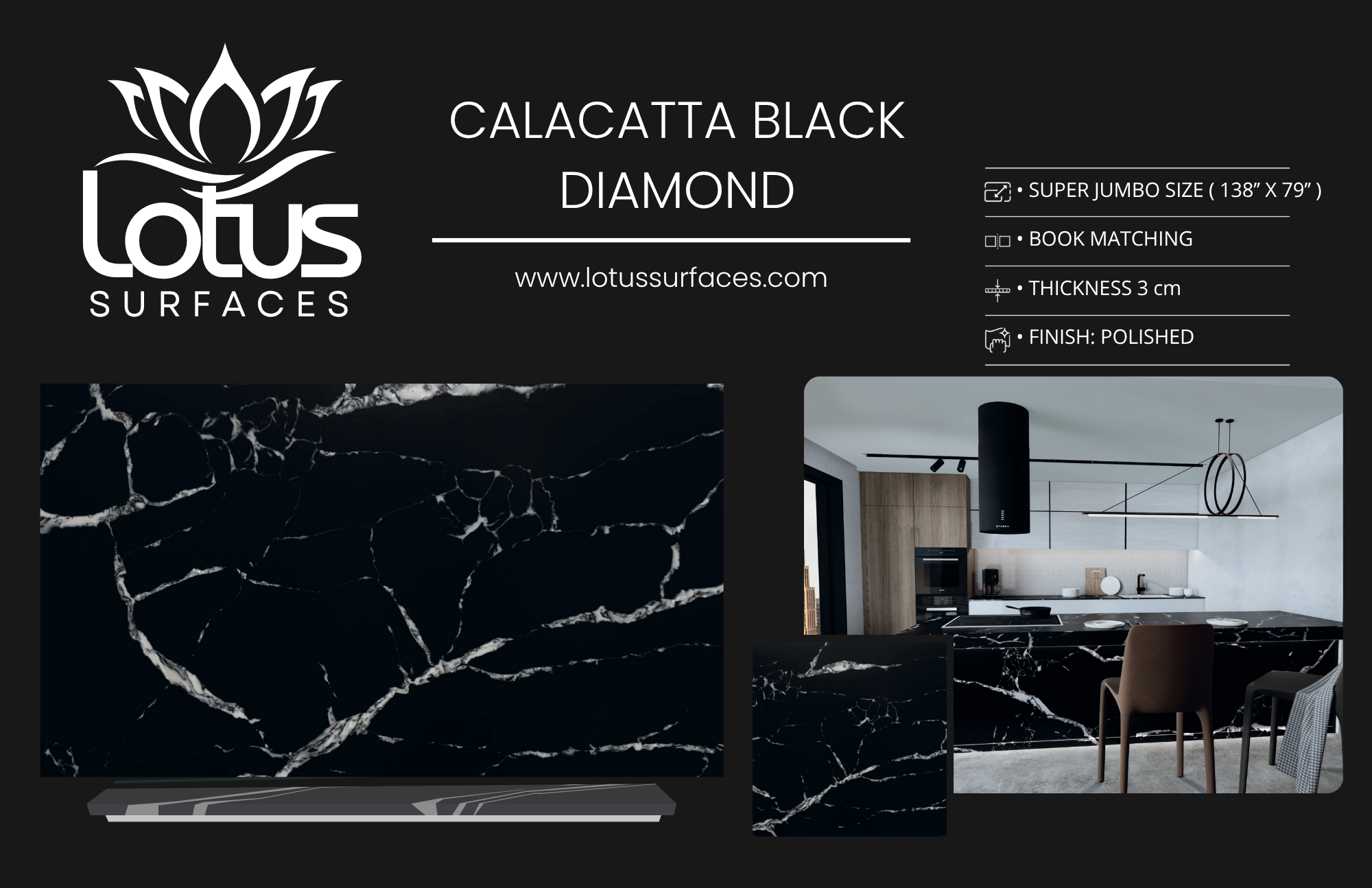
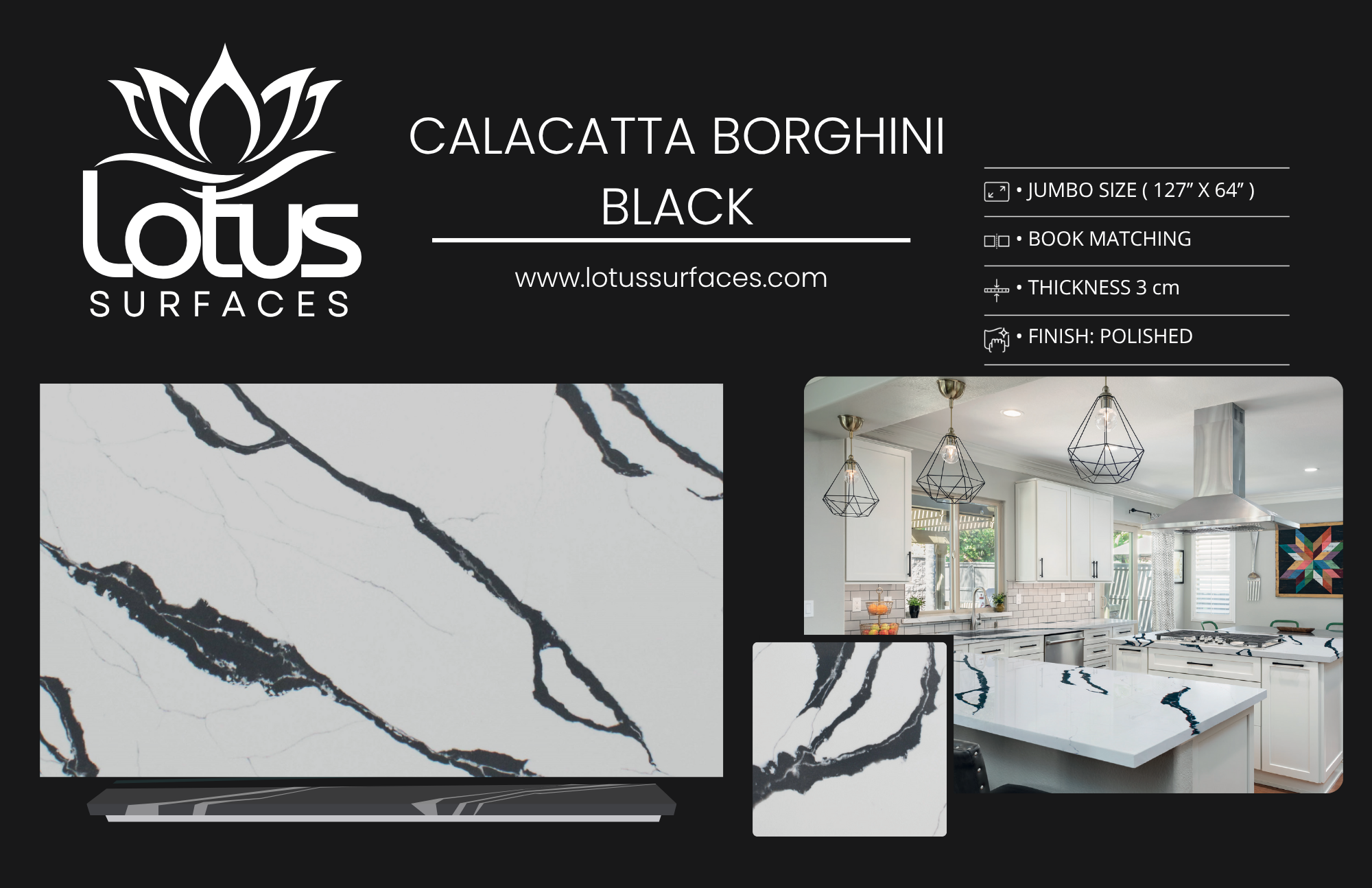
- Quartz: Engineered quartz offers durability and a wide range of colors and patterns, allowing homeowners to create a cohesive look that flows into the living area. Its non-porous surface also makes it resistant to stains, perfect for families with children.
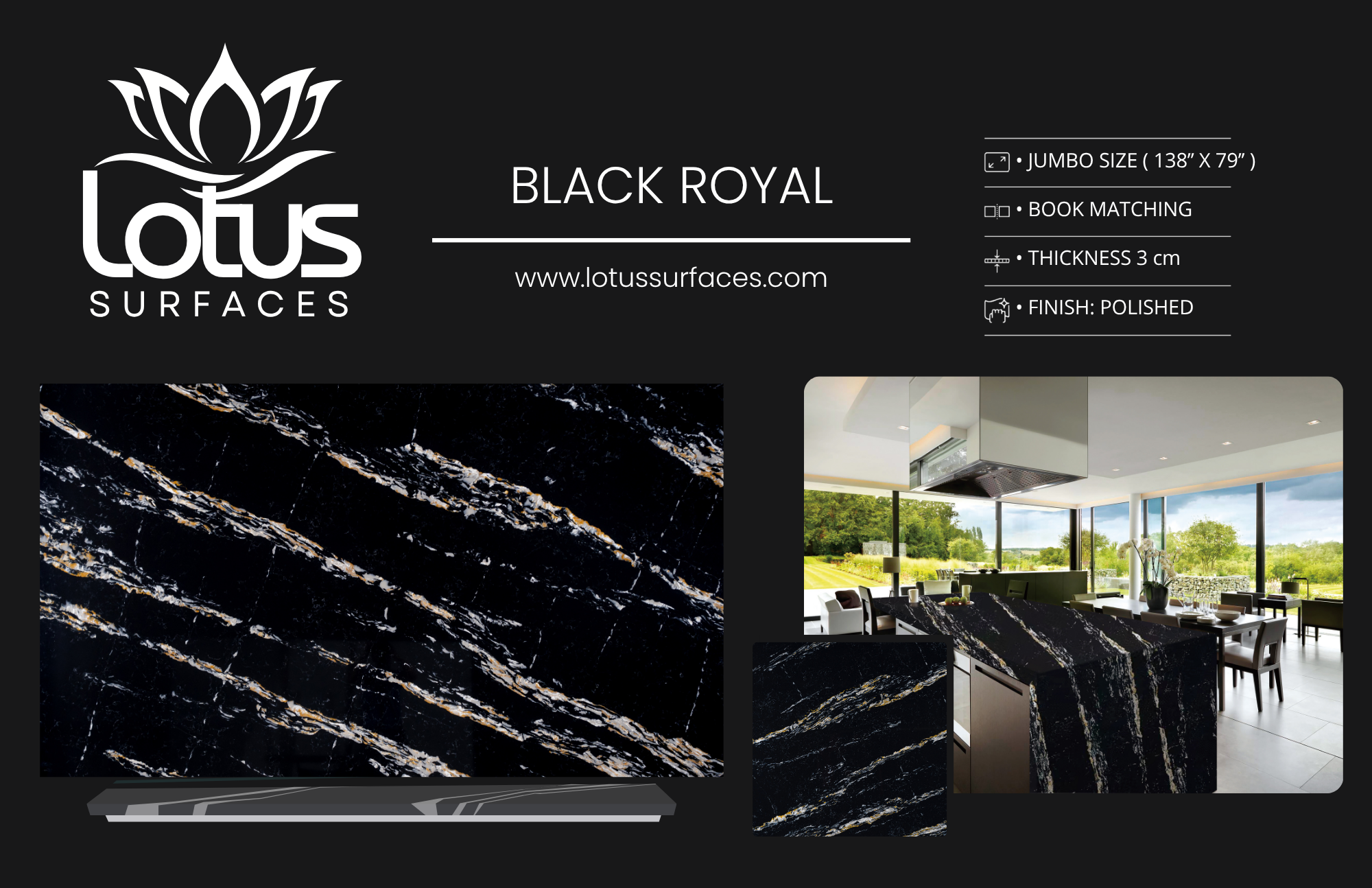
- Granite: The timeless beauty of granite countertops adds a touch of elegance to any kitchen. Each slab is unique, providing character and visual interest. Granite’s heat resistance and durability make it a practical choice for active kitchens.
- Porcelain: For those seeking a modern touch, porcelain countertops are lightweight and available in large formats, making them ideal for expansive surfaces in open layouts. They are also heat and scratch-resistant, perfect for busy cooking environments.
The Closed Kitchen: A More Traditional Approach
Contrastingly, closed kitchens offer a more traditional design, with separate rooms for cooking and dining. This layout is often favored for its ability to contain cooking smells and mess, providing a more organized space.
Advantages of Closed Kitchens
- Defined Spaces: Closed kitchens allow for designated cooking and dining areas, which can enhance organization and functionality.
- Privacy: This layout offers privacy for the cook, allowing them to focus on meal preparation without distractions from the living area.
- Noise Control: A closed kitchen can help contain noise, making it ideal for homes with children or for those who prefer a quieter environment.
Choosing Countertops for Closed Kitchens
In a closed kitchen, the countertop should complement the overall design while providing functionality. Here are some materials to consider:
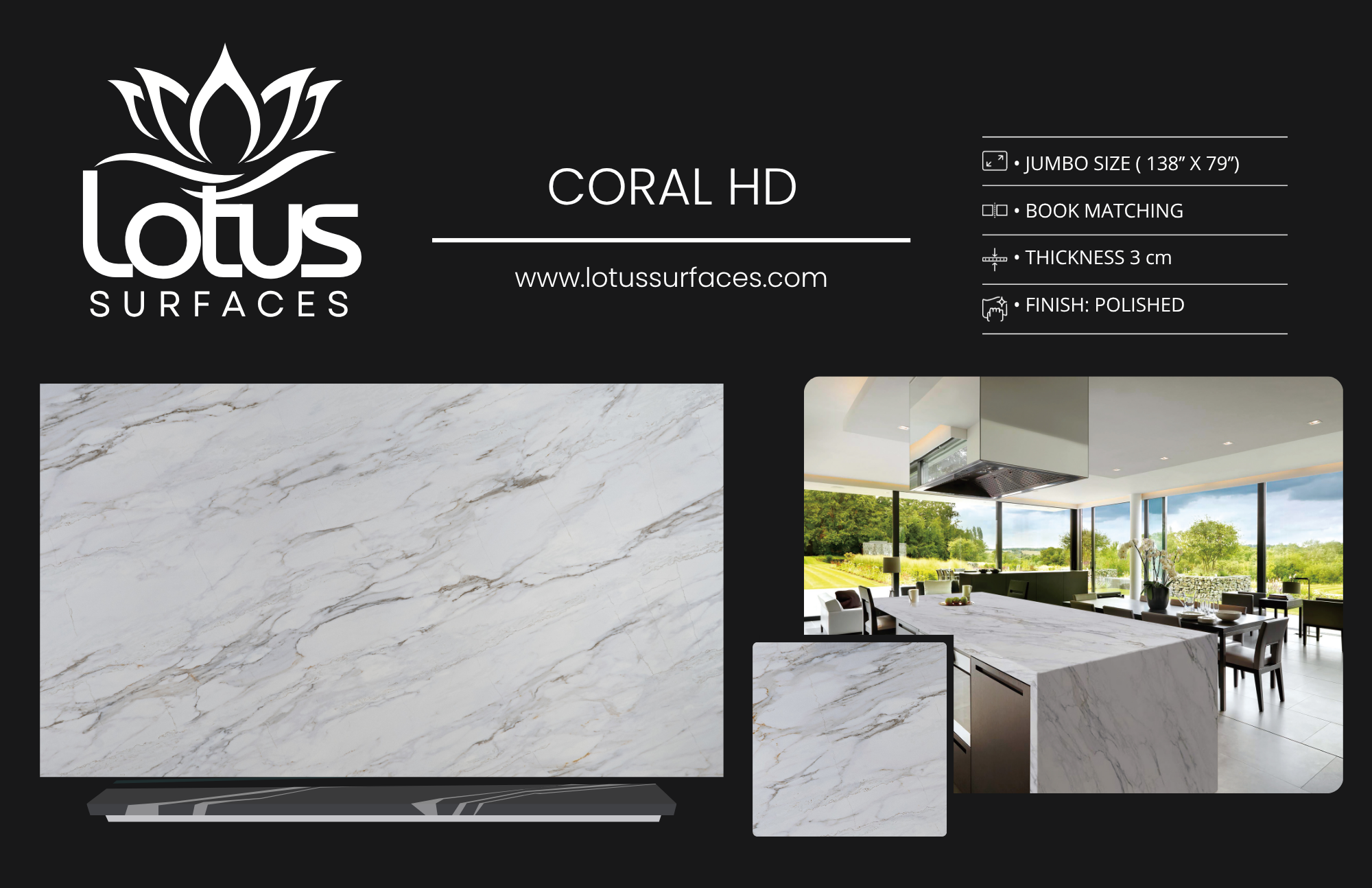
- Quartzite: This natural stone combines the beauty of marble with the durability of granite, making it an excellent choice for elegant closed kitchens. Its unique veining adds visual interest while remaining tough against scratches and heat.
- Granite: As with open kitchens, granite remains a favorite for closed kitchens. Its durability and timeless appeal make it suitable for traditional or contemporary designs, accommodating a wide range of styles.
- Custom Laminate: For homeowners on a tighter budget, high-quality laminate materials can mimic the appearance of stone while being easier to maintain. They are available in various colors and patterns, providing versatility.
Material Performance in Georgia’s Climate
When selecting countertops for either kitchen layout, it’s crucial to consider Georgia’s humid climate. Humidity can affect material performance, particularly in natural stones like granite and quartzite. Here’s how different materials stand up to Georgia’s conditions:
Durability and Maintenance
In Georgia’s climate, materials that can withstand humidity and temperature fluctuations are paramount. Quartz and porcelain countertops are non-porous, making them resistant to moisture and bacterial growth, ideal for humid environments. On the other hand, granite and quartzite require periodic sealing to maintain their durability and prevent moisture infiltration.
Why Choose Lotus Surfaces for Your Kitchen Countertop Needs
At Lotus Surfaces, we understand the importance of selecting the right countertop material for your kitchen. Our experienced team in Norcross, Georgia, is dedicated to providing homeowners with high-quality fabrication and professional installation services. We offer a wide selection of quartz, granite, porcelain, and quartzite, ensuring you find the perfect fit for your open concept or closed kitchen.
Personalized Consultation
We invite you to visit our Norcross showroom to explore our extensive range of countertop options. Our team is here to provide personalized consultations, helping you choose the right materials that align with your design vision and functional needs.
Frequently Asked Questions
What countertop material is best for humid climates like Georgia?
In humid climates, non-porous materials like quartz and porcelain are ideal as they resist moisture and bacterial growth, making them easier to maintain.
Can I use granite in an open concept kitchen?
Absolutely! Granite is a durable and beautiful option for open concept kitchens, providing both functionality and elegance.
How do I maintain quartz countertops in Georgia?
Quartz countertops require minimal maintenance. Regular cleaning with mild soap and water will keep them looking great. Avoid harsh chemicals that can damage the surface.
What is the lifespan of granite countertops?
With proper care and maintenance, granite countertops can last a lifetime, making them a worthwhile investment for your home.
Do I need to seal quartzite countertops?
Yes, quartzite countertops should be sealed periodically to protect against moisture and stains, especially in humid environments like Georgia.
How long does the countertop installation process take?
Typically, the installation process can take anywhere from a few days to a week, depending on the project scope and material selection.
What is the difference between quartz and granite?
Quartz is engineered and non-porous, offering a wide range of colors and patterns, while granite is a natural stone with unique patterns and requires sealing.
Why should I choose a local fabricator?
Choosing a local fabricator, like Lotus Surfaces, guarantees personalized service, local expertise, and easier communication throughout your project.
How can I get started with my countertop project?
Contact us today to schedule a consultation or visit our Norcross showroom to view our stunning selection of slabs in person.
Conclusion
Ultimately, the choice between an open concept and a closed kitchen depends on your lifestyle and design preferences. Both layouts offer unique advantages, and the right countertop material can enhance the functionality and beauty of your space. At Lotus Surfaces, we are committed to helping you find the perfect countertop solution that meets your needs and complements your home. Call us today at +1 346-833-9076 to schedule your countertop consultation or visit our Norcross showroom to explore our selections firsthand.
