





Countertop Seams: How to Minimize Them in Your Norcross Kitchen
Countertop Seams: How to Minimize Them in Your Norcross Kitchen
When it comes to renovating your kitchen, the countertops you choose can dramatically impact both the aesthetics and functionality of the space. One of the key considerations in countertop installation is the presence of seams. Countertop seams are the joints where two pieces of material meet, and while they are often necessary, minimizing their visibility and impact is crucial for achieving a seamless look. In this article, we will explore how to minimize countertop seams in your Norcross kitchen, ensuring a cohesive and visually appealing design.
Understanding Countertop Seams
Seams are an inevitable part of countertop installation, especially in larger spaces where a single slab of material may not suffice. Seams can occur in various materials, including quartz, granite, and porcelain, and can affect the overall look and feel of your kitchen. Understanding how seams are created and how they function can help you make informed decisions about your countertop choice and installation process.
What Causes Countertop Seams?
Countertop seams arise from the need to join two or more pieces of material together for several reasons:
- Size Limitations: Most natural stone slabs and engineered materials come in standard sizes. For expansive countertops, multiple slabs may be necessary.
- Design Considerations: A specific design or layout may require seams to achieve the desired aesthetic.
- Material Characteristics: Some materials are inherently limited in size, necessitating seams for larger installations.
Types of Seams
There are different types of seams that can be used in countertop installations, including:
- Butt Seams: This is the most common seam, where two pieces are joined edge to edge without any overlapping.
- Mitered Seams: This seam is cut at a 45-degree angle, creating a more seamless appearance often used in waterfall edges.
- Overlapping Seams: In this case, one piece overlaps the other, often used to hide the seam but can create a bulkier look.
Benefits of Minimizing Countertop Seams
While seams are a practical necessity, minimizing their visibility offers several advantages:
- Aesthetic Appeal: Fewer seams lead to a cleaner, more polished look, enhancing the overall beauty of your kitchen.
- Maintenance Ease: Fewer seams mean fewer joints to clean and maintain, reducing the chances of dirt and moisture accumulation.
- Durability: Minimizing seams can contribute to the structural integrity of the countertop, reducing the risk of cracking or chipping around seam areas.
How to Minimize Countertop Seams in Your Norcross Kitchen
Now that we understand the importance of minimizing seams, let’s explore some practical strategies to achieve this in your kitchen:
1. Choose Larger Slabs
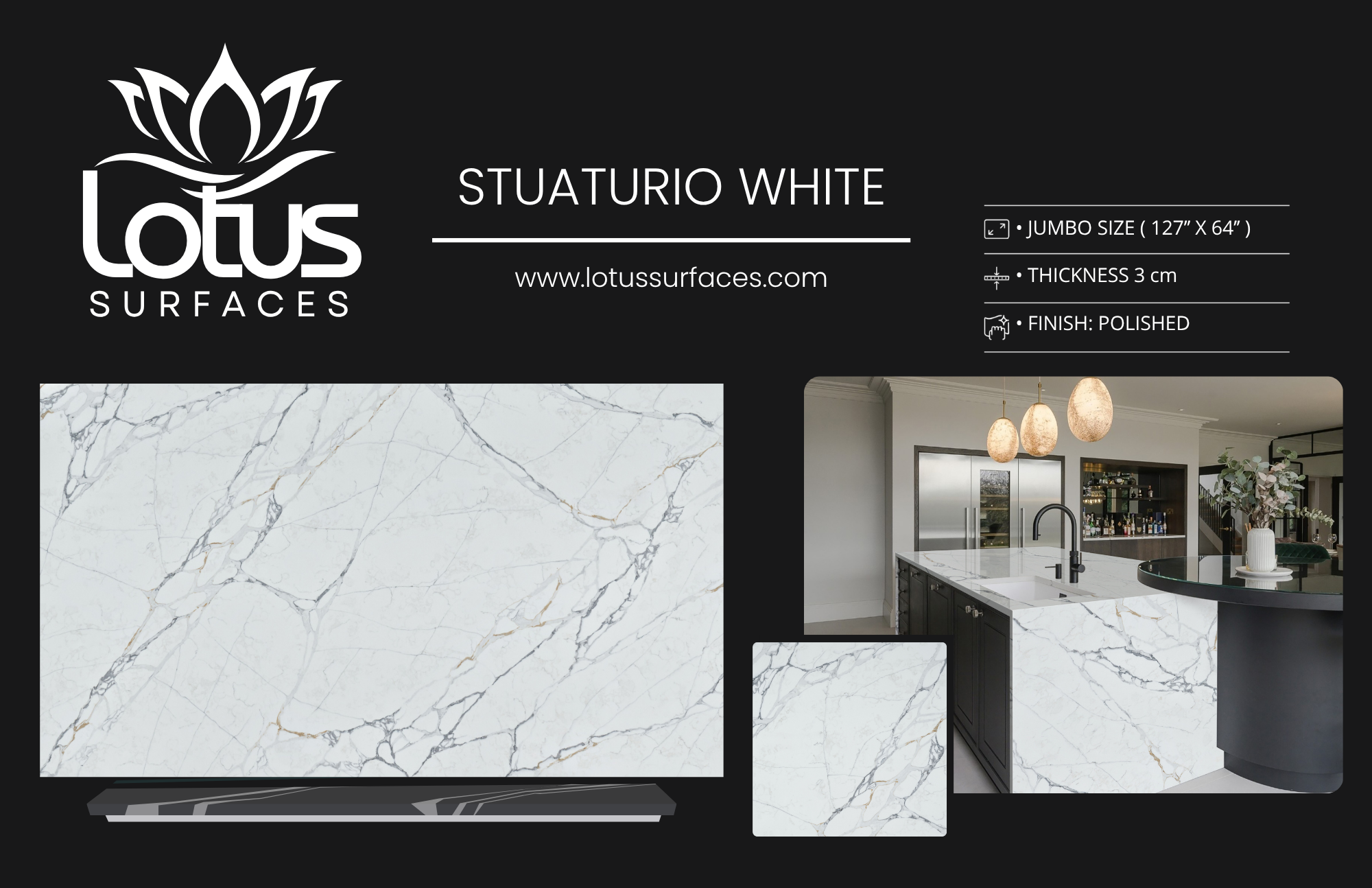
One of the most effective ways to reduce seams is to opt for larger slabs of material. Many manufacturers offer oversized slabs that can cover more surface area without the need for joins. At Lotus Surfaces, we provide a wide selection of premium quartz, granite, and porcelain slabs, including large format options that can significantly reduce the number of seams in your kitchen.
2. Plan Your Layout Wisely
Before installation, work closely with your designer or fabricator to plan the layout of your countertops. Thoughtful design can help minimize the number of seams by orienting the slabs strategically. Consider placing seams in less visible areas, such as behind appliances or along backsplashes, where they are less likely to draw attention.
3. Use Mitered Seams for Waterfall Edges
If you’re considering a waterfall edge for your kitchen island or countertop, opt for mitered seams. This technique provides a visually appealing transition between surfaces, creating a seamless appearance while maintaining structural integrity. Mitered seams can enhance the elegance of your kitchen design.
4. Invest in Professional Installation
Another critical factor in minimizing seams is ensuring professional installation. Experienced countertop installers, like those at Lotus Surfaces, understand how to align seams for optimal appearance and strength. Professional installation also includes precise digital templating, which can significantly improve the fit and minimize visible seams.
5. Consider Material Selection
Different materials have varying seam visibility. For instance, quartz surfaces typically have a more uniform appearance, making seams less noticeable compared to natural stones like granite. When selecting countertops, consult with your fabricator about the characteristics of each material and how they may impact seam visibility.
6. Optimize Seam Placement
During the installation process, take advantage of modern techniques like laser measurement and digital templating to optimize seam placement. Skilled fabricators can ensure that seams align with natural patterns in the stone or quartz, creating a more cohesive look. Accurate seam placement can make a significant difference in the overall aesthetic.
Why Choose Lotus Surfaces for Your Kitchen Countertops
At Lotus Surfaces, we pride ourselves on providing exceptional countertop solutions for homeowners in Norcross and the Greater Atlanta area. Our commitment to quality craftsmanship, professional installation, and personalized consultation makes us the trusted partner for your kitchen renovation. With our local Norcross fabrication facility, you can view slabs in person and receive expert guidance tailored to your design vision.
Frequently Asked Questions
How can I maintain my countertop seams?
Regular cleaning and sealing (if applicable) can help maintain the integrity and appearance of your countertop seams. Avoid harsh chemicals that may damage the surface.
What should I do if my seams begin to show wear?
If seams show signs of wear or damage, consult a professional for repair options. They can assess the situation and recommend the best course of action.
Why is professional installation important for seams?
Professional installation ensures that seams are aligned correctly, enhancing the overall appearance and durability of your countertops. Experienced installers can also advise on optimal seam placement.
Can I choose my seam type?
Yes, you can discuss your preferences with your fabricator during the design process. They can help you choose the best seam type for your specific materials and design vision.
How do I know if my countertop material is suitable for my kitchen?
Consult with a knowledgeable fabricator who can evaluate your kitchen’s needs and recommend appropriate materials based on factors like durability and maintenance.
What are the best countertop materials for minimizing seams?
Materials like large-format porcelain and engineered quartz are excellent choices for minimizing seams due to their size and uniform appearance.
Will seams affect the resale value of my home?
Visible seams can impact the aesthetic appeal of your kitchen, potentially affecting resale value. Minimizing seams can enhance the overall look and value of your home.
How long does the countertop installation process take?
The installation timeline varies based on the project size, material selection, and complexity. Discuss your specific project with your fabricator for a more accurate estimate.
How can I get started with my countertop project?
To begin your countertop project, contact us at Lotus Surfaces for a personalized consultation. We’ll guide you through the selection and installation process.
Conclusion
Minimizing countertop seams is an essential aspect of achieving a polished and cohesive look in your Norcross kitchen. By choosing larger slabs, planning your layout wisely, and investing in professional installation, you can significantly reduce the visibility of seams. At Lotus Surfaces, we are committed to helping homeowners create beautiful, functional kitchen spaces with our expert fabrication and installation services. Contact us today to schedule your countertop consultation and start your journey towards a stunning kitchen.
