
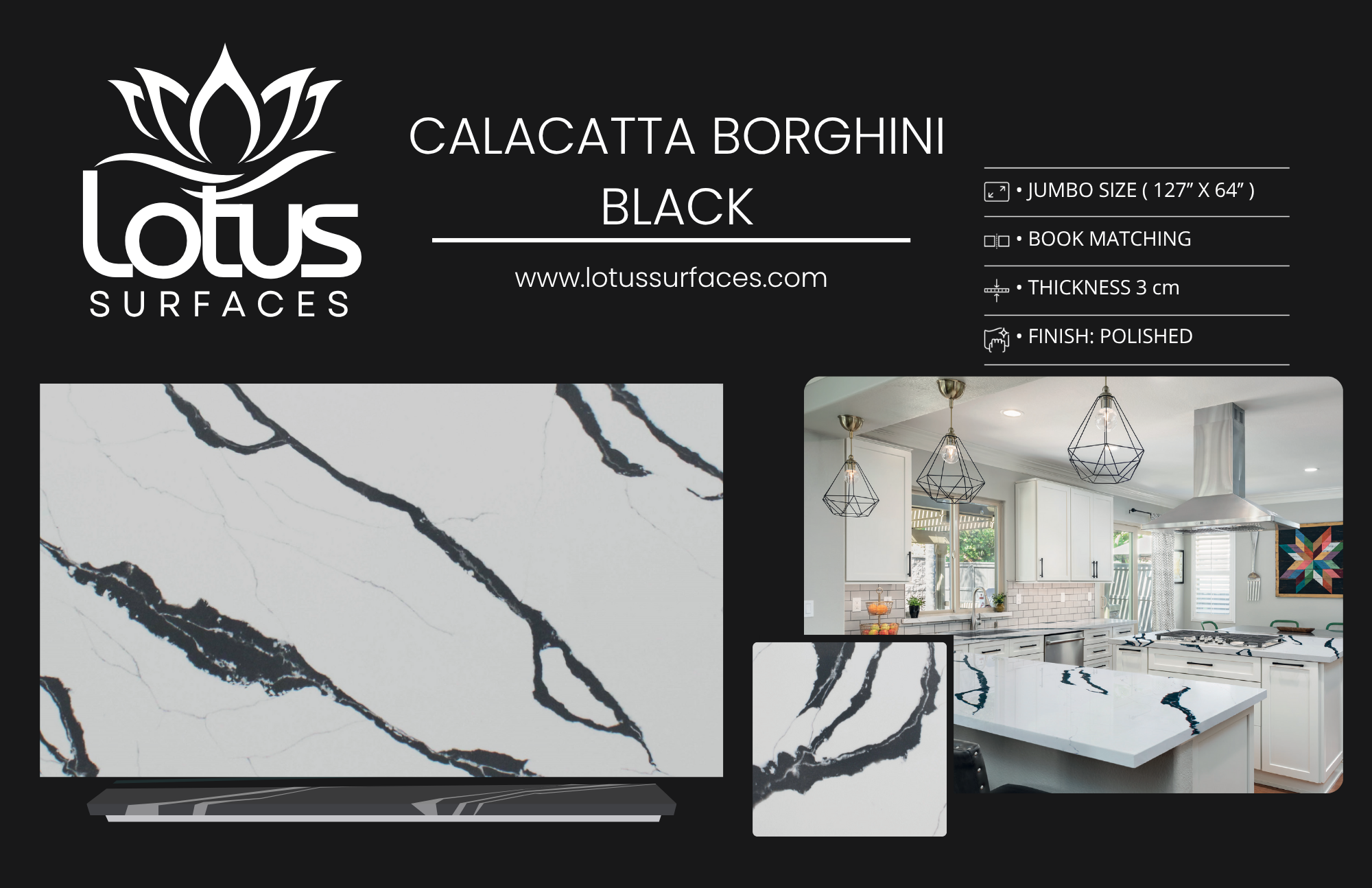
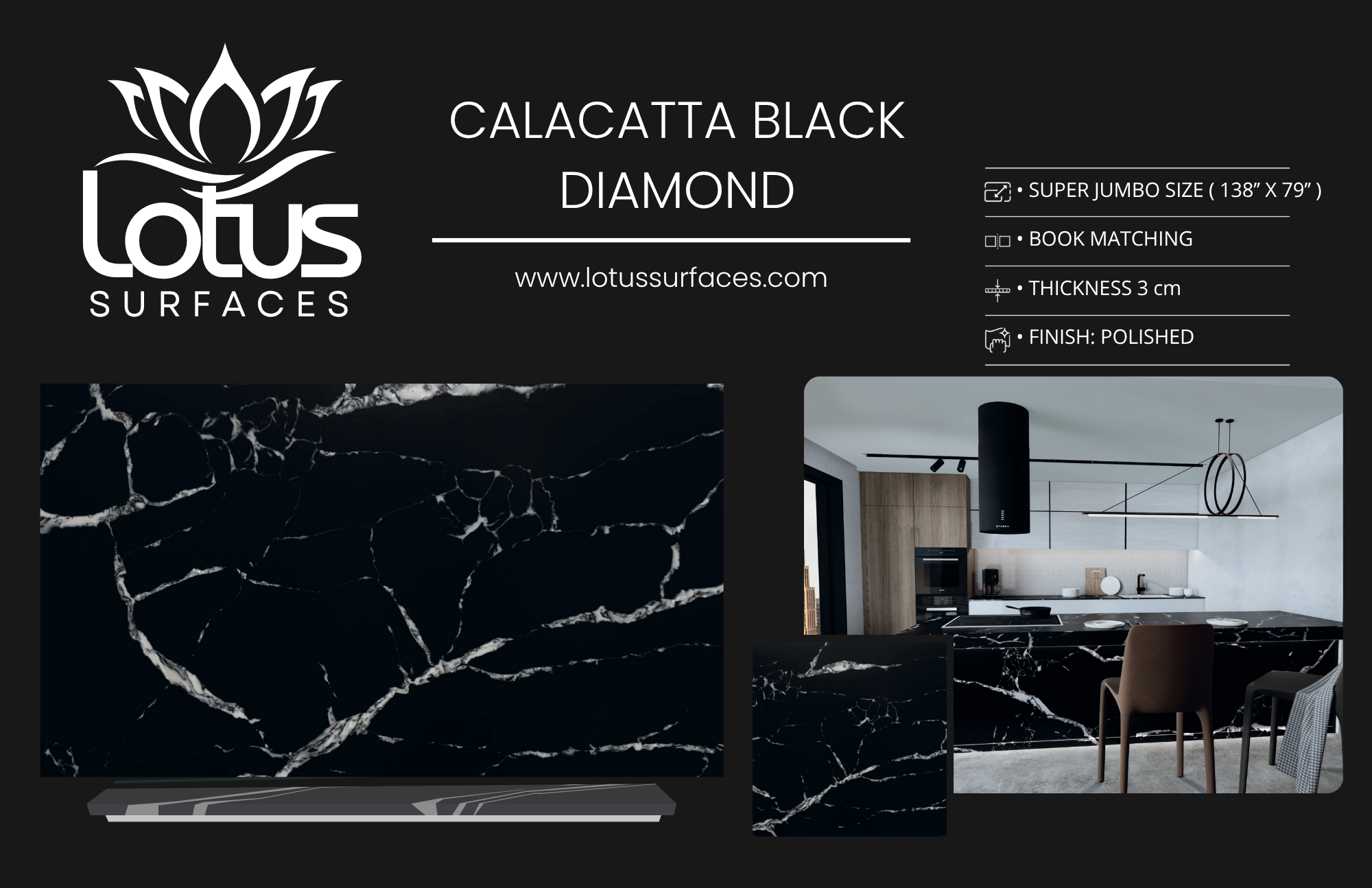
The Homeowner’s Guide to Porcelain Slab Countertops: Strength, Beauty, and Versatility
The Homeowner’s Guide to Porcelain Slab Countertops: Strength, Beauty, and Versatility
When it comes to selecting countertop materials for your home, the choices can be overwhelming. Among the many options available, porcelain slab countertops have emerged as a top contender, offering a unique blend of strength, beauty, and versatility. Whether you’re renovating your kitchen or bathroom, understanding the benefits and features of porcelain can help you make an informed decision. This comprehensive guide will explore the ins and outs of porcelain slab countertops, their advantages, and why they are ideal for homeowners in Norcross, Atlanta, and the Greater Atlanta Metro Area.
What Are Porcelain Slab Countertops?
Porcelain slab countertops are made from a mixture of natural clay, sand, and other minerals, which are fired at extremely high temperatures to create a dense and durable surface. This process results in a non-porous material that is resistant to stains, scratches, and heat, making it an excellent choice for high-traffic areas like kitchens and bathrooms. The versatility of porcelain allows for a wide variety of colors, patterns, and finishes, catering to diverse design aesthetics.
Benefits of Porcelain Slab Countertops
Porcelain slab countertops offer numerous advantages that make them an attractive choice for homeowners:
- Durability: Porcelain is known for its strength and resilience. It can withstand heavy use without chipping or cracking.
- Non-Porous Surface: Unlike granite or marble, porcelain does not absorb liquids, making it resistant to stains and bacteria.
- Heat Resistance: Porcelain can handle high temperatures, making it safe for placing hot pots and pans directly on the surface.
- Easy Maintenance: Cleaning porcelain countertops is simple; a damp cloth and mild detergent are often all that’s needed.
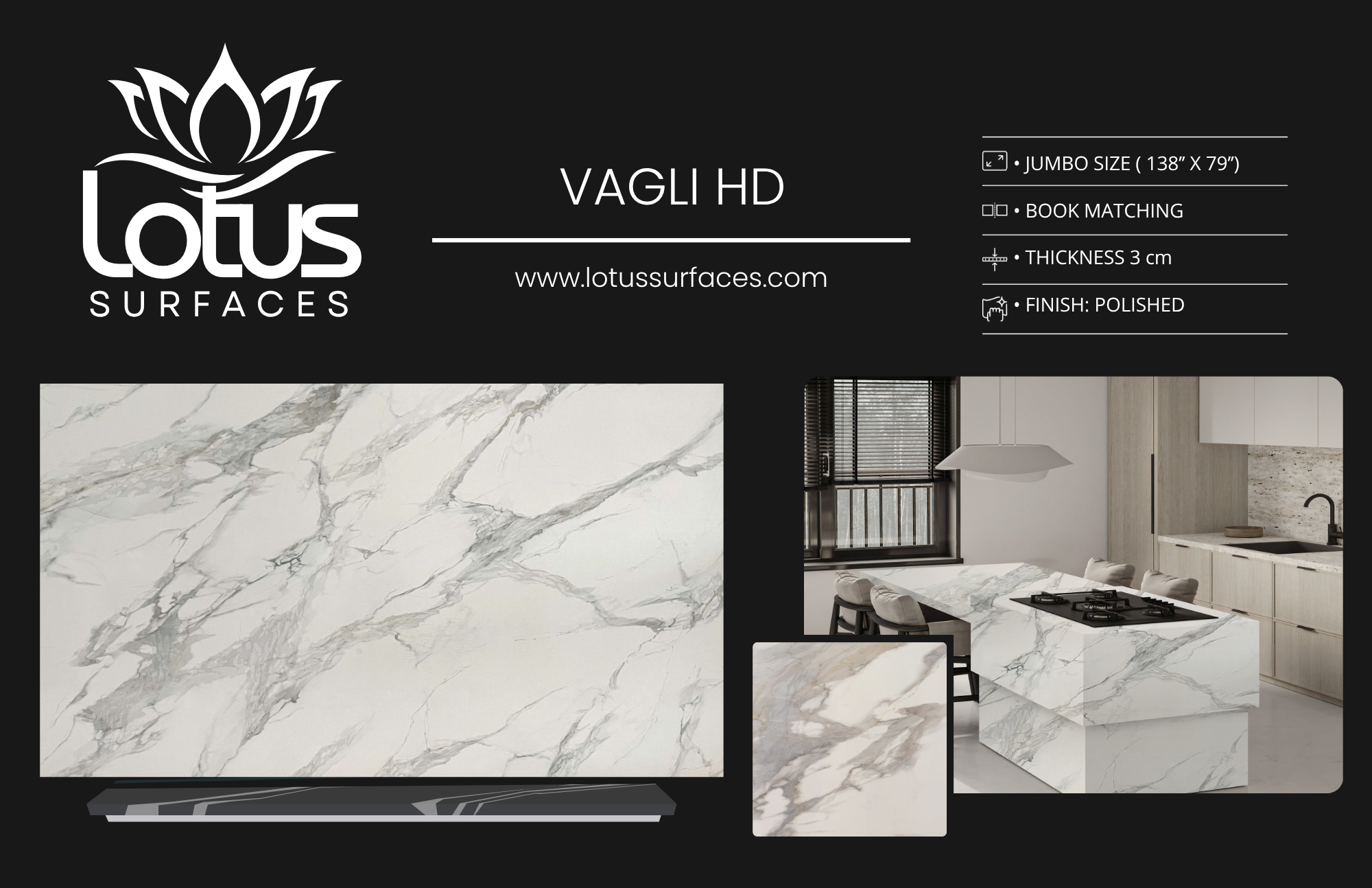
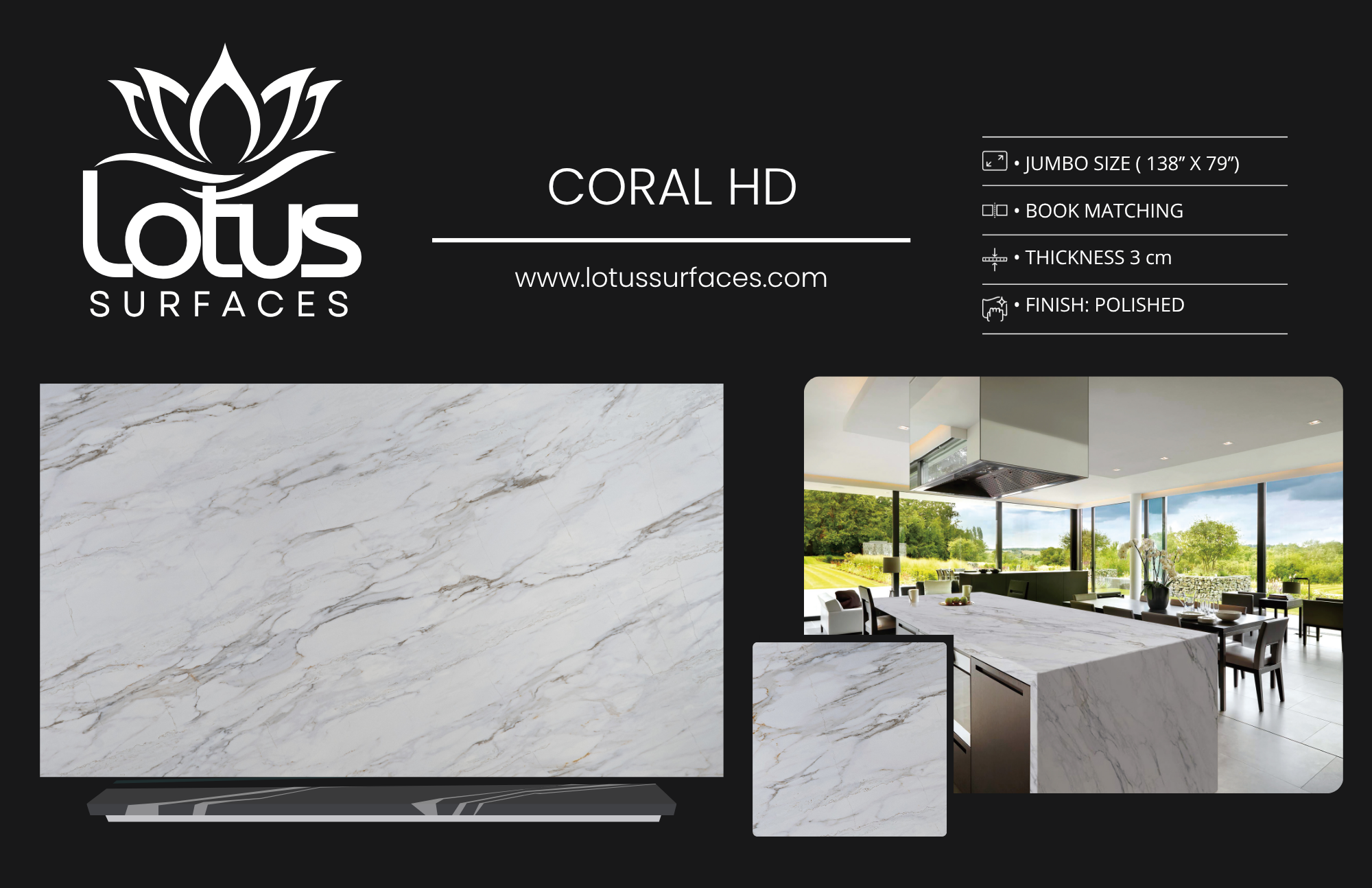
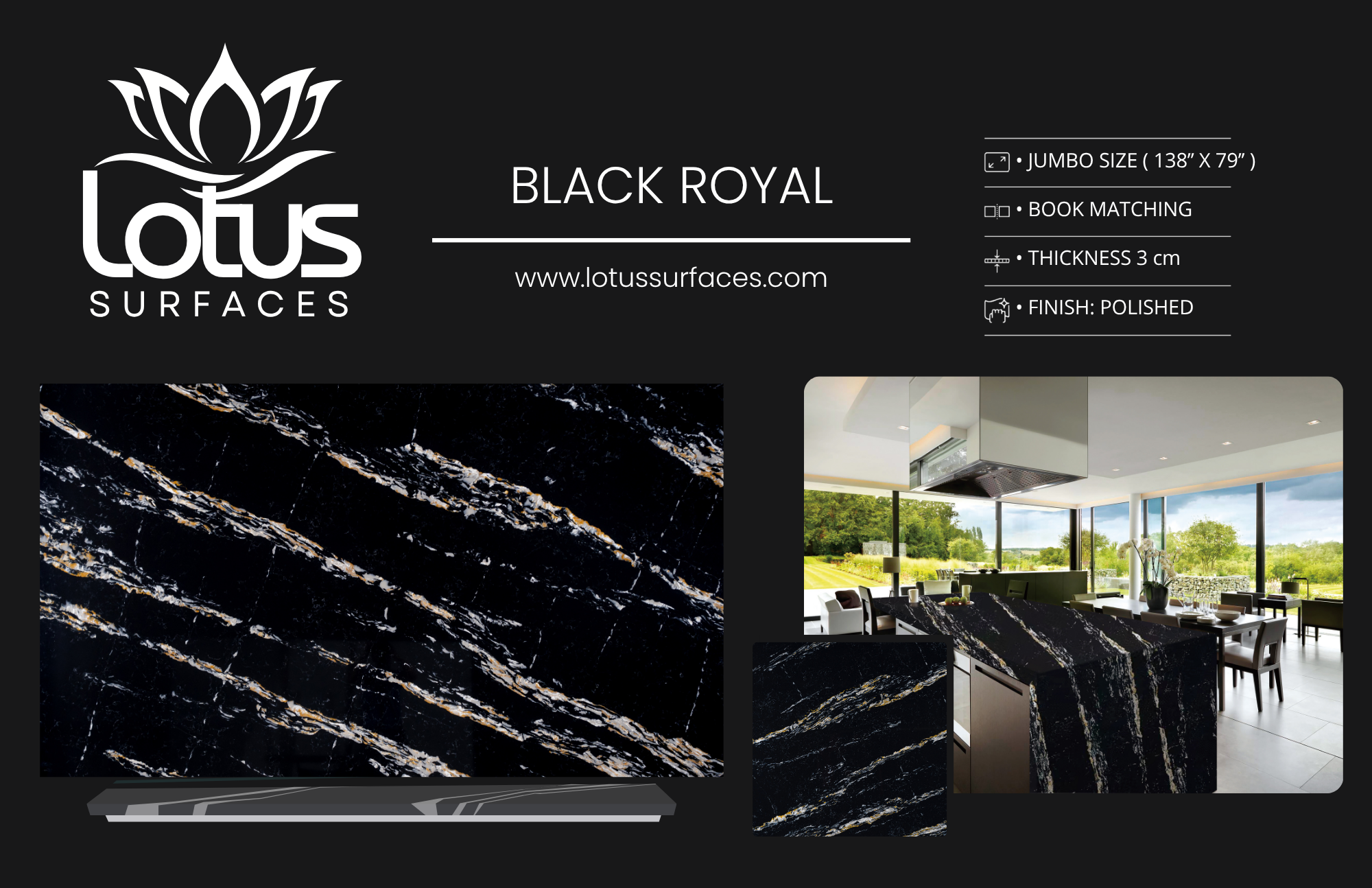
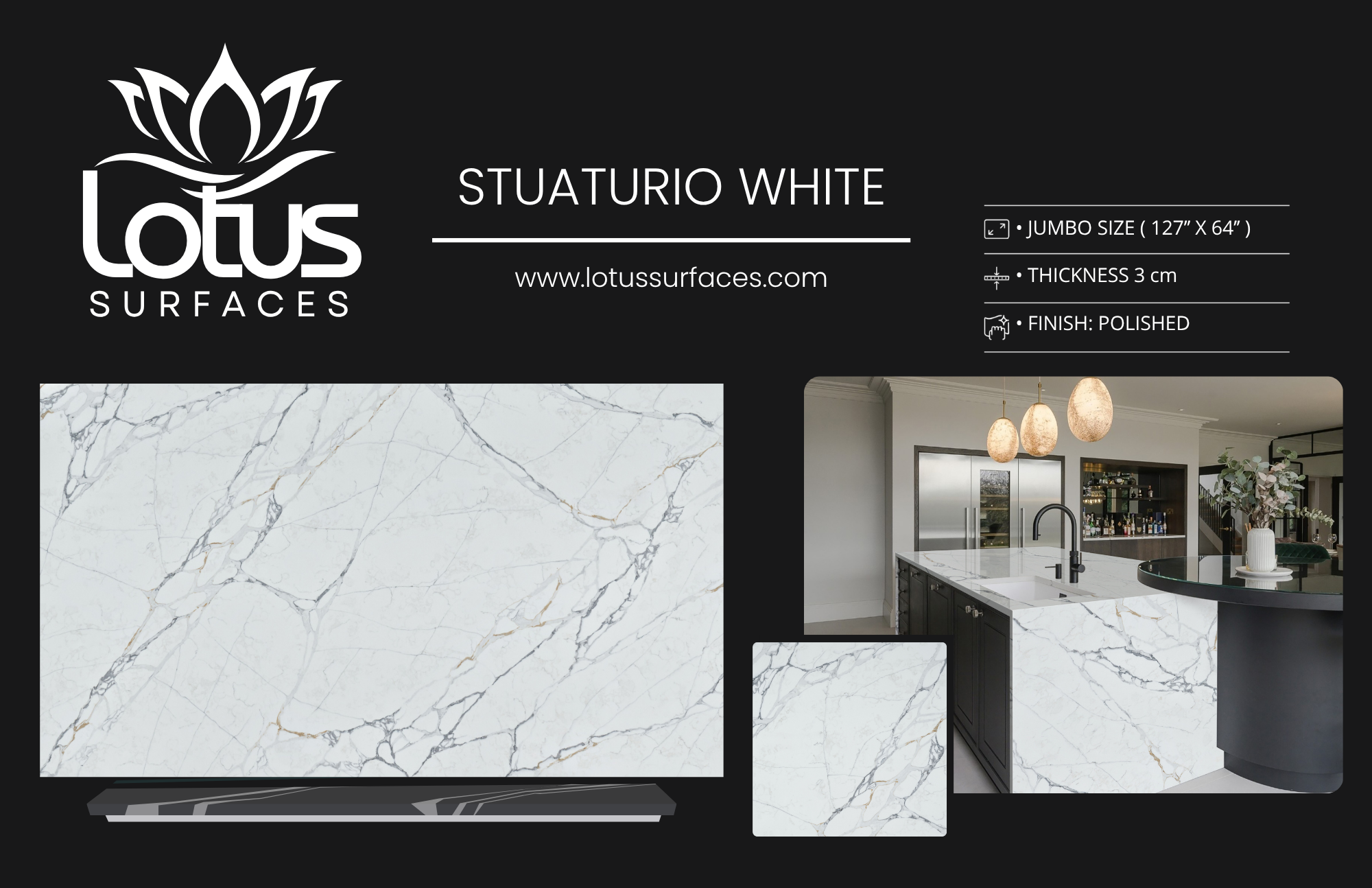
- Design Versatility: Available in a wide range of colors and patterns, porcelain can mimic the look of natural stone, wood, or even concrete.
Porcelain vs. Other Countertop Materials
When considering countertop options, it’s essential to compare porcelain with other popular materials. Here’s a detailed comparison:
| Material | Durability | Stain Resistance | Heat Resistance | Maintenance |
|---|---|---|---|---|
| Porcelain | High | Non-Porous | Excellent | Easy |
| Granite | High | Somewhat Porous | Good | Moderate |
| Quartz | High | Non-Porous | Good | Easy |
| Marble | Moderate | Very Porous | Good | High |
As shown in the table above, porcelain stands out due to its non-porous nature and exceptional heat resistance, making it a superior choice for many homeowners.
Design Options and Aesthetics
One of the most appealing aspects of porcelain slab countertops is their aesthetic versatility. Homeowners can choose from a vast array of colors, textures, and patterns. Whether you prefer a sleek, modern look or a rustic, natural finish, porcelain can accommodate your style preferences. Additionally, porcelain can be customized to fit any space, allowing for seamless integration into your kitchen or bathroom design.
Installation Process
Installing porcelain slab countertops requires precision and expertise. Here’s a step-by-step overview of the installation process:
- Measurement: Accurate measurements of the countertop space are crucial for a proper fit.
- Template Creation: A template is created based on the measurements to ensure precise cuts.
- Cutting: The porcelain slabs are cut to size using specialized equipment, often involving CNC technology for accuracy.
- Dry Fitting: The slabs are dry-fitted to check alignment and fit before final installation.
- Installation: The slabs are secured in place using adhesive and properly aligned.
- Finishing Touches: Any seams are carefully aligned and finished for a seamless appearance.
For homeowners in Norcross and the Greater Atlanta area, working with a local countertop installer like Lotus Surfaces ensures that you receive expert guidance throughout the installation process.
Maintenance and Care
Maintaining porcelain slab countertops is straightforward due to their non-porous nature. Here are some tips for keeping your countertops looking pristine:
- Regular Cleaning: Wipe down the surfaces daily with a soft cloth and a mild detergent to remove any spills or debris.
- Avoid Harsh Chemicals: Stay away from abrasive cleaners or harsh chemicals that could damage the surface.
- Use Cutting Boards: While porcelain is scratch-resistant, using cutting boards can help maintain the integrity of the surface.
- Heat Protection: Although porcelain is heat-resistant, using trivets or hot pads is recommended for added protection.
Cost Considerations
The cost of porcelain slab countertops can vary based on factors such as size, design complexity, and installation requirements. On average, homeowners can expect to pay between $50 to $100 per square foot for the material itself, with installation costs adding an additional $30 to $60 per square foot. While this may seem higher than some other materials, the long-term durability and low maintenance requirements often make porcelain a cost-effective choice in the long run.
Frequently Asked Questions
1. Are porcelain slab countertops heat resistant?
Yes, porcelain slab countertops are highly heat resistant, making them safe for placing hot pots and pans directly on the surface.
2. How do I clean porcelain countertops?
Cleaning porcelain countertops is easy. Use a damp cloth and mild detergent for daily cleaning, avoiding abrasive cleaners.
3. Are porcelain countertops scratch-resistant?
Porcelain is known for its scratch-resistant properties, but using cutting boards is still recommended to maintain the surface.
4. Can porcelain countertops be used outdoors?
Yes, many porcelain slabs are designed for outdoor use, as they are resistant to UV rays and weather conditions.
5. How do porcelain countertops compare to granite?
While both materials are durable, porcelain is non-porous and requires less maintenance than granite, which can be porous and may need sealing.
6. What colors are available for porcelain countertops?
Porcelain countertops come in a wide range of colors and patterns, including options that mimic natural stone, wood, or concrete.
7. How much do porcelain slab countertops cost?
The average cost for porcelain slab countertops ranges from $50 to $100 per square foot, with additional installation costs.
8. Are porcelain countertops environmentally friendly?
Porcelain is made from natural materials and can be recycled, making it an eco-friendly choice for homeowners.
