
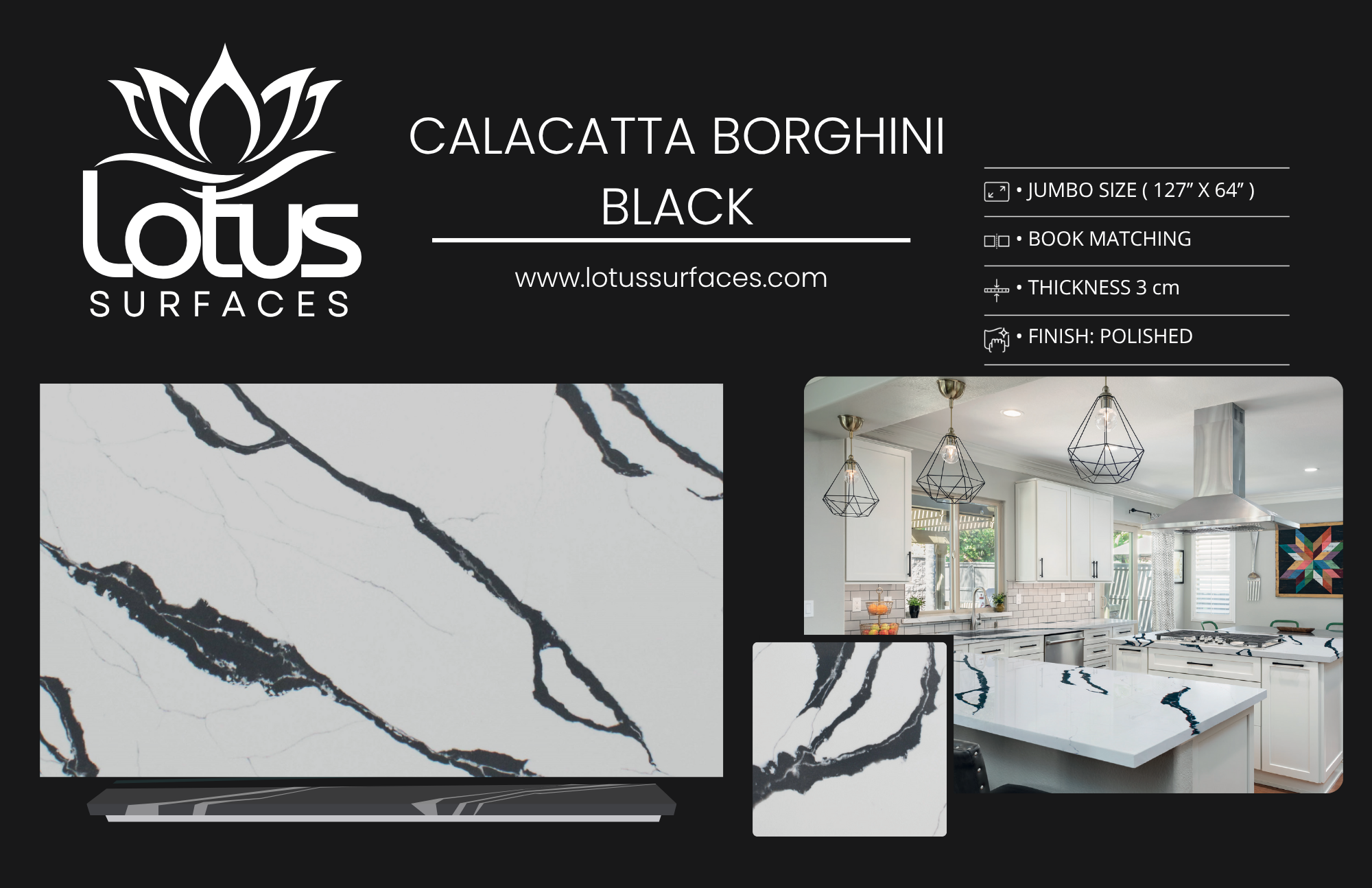
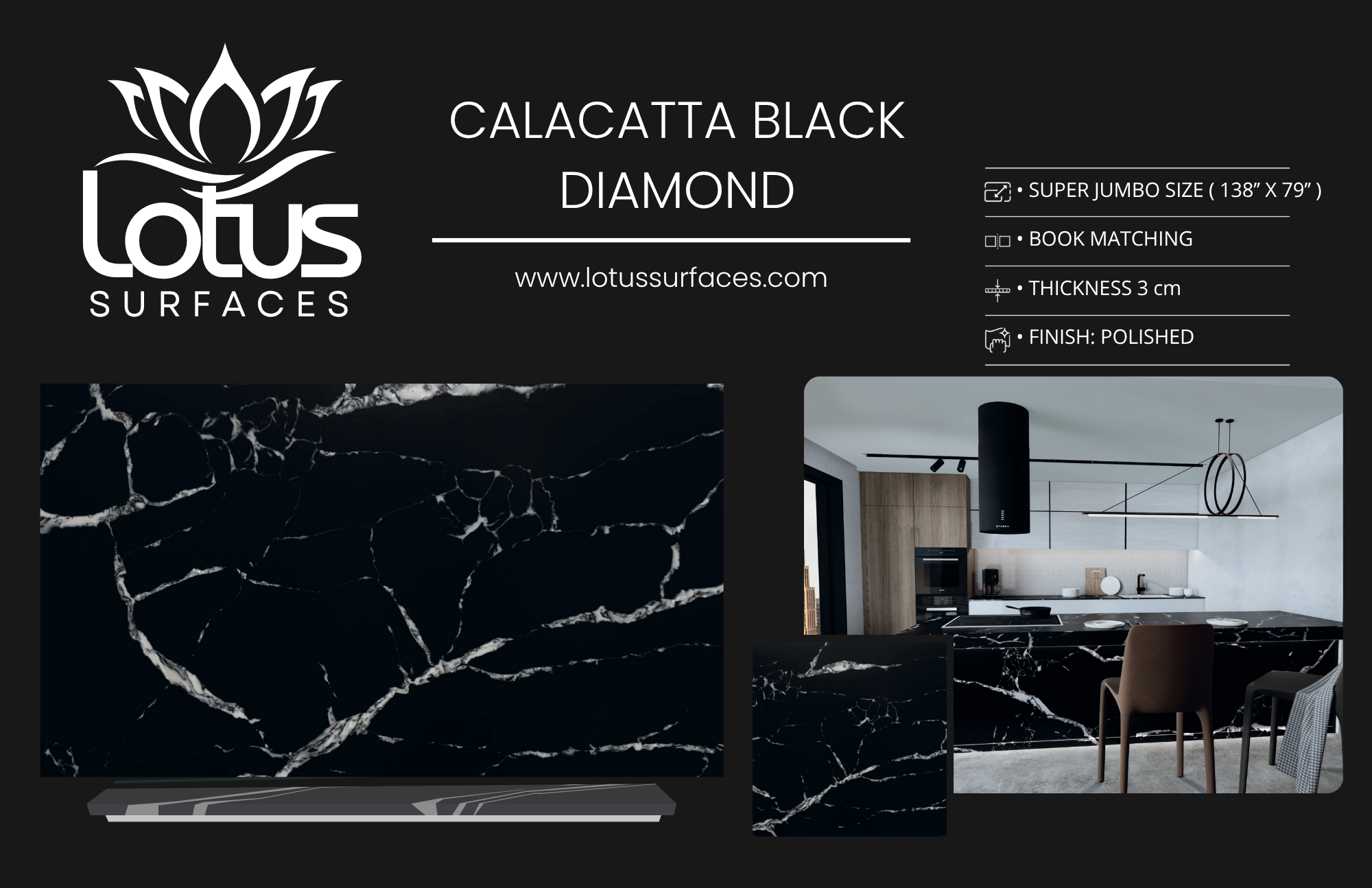
How Waterfall Kitchen Islands Create a Dramatic Focal Point in Modern Kitchens
How Waterfall Kitchen Islands Create a Dramatic Focal Point in Modern Kitchens
In the realm of modern kitchen design, the waterfall kitchen island stands out as a striking centerpiece that brings both functionality and aesthetic appeal. By allowing the countertop material to flow seamlessly over the edges, waterfall islands create a dramatic focal point that enhances the overall ambiance of the space. In this article, we will explore how waterfall kitchen islands can transform your cooking area into a sophisticated hub, the various materials available, and practical tips for incorporating them into your home. As you consider renovations, particularly if you’re in Norcross or the greater Atlanta area, understanding the benefits of waterfall islands can help you make informed choices for your kitchen remodel.
1. The Aesthetic Appeal of Waterfall Kitchen Islands
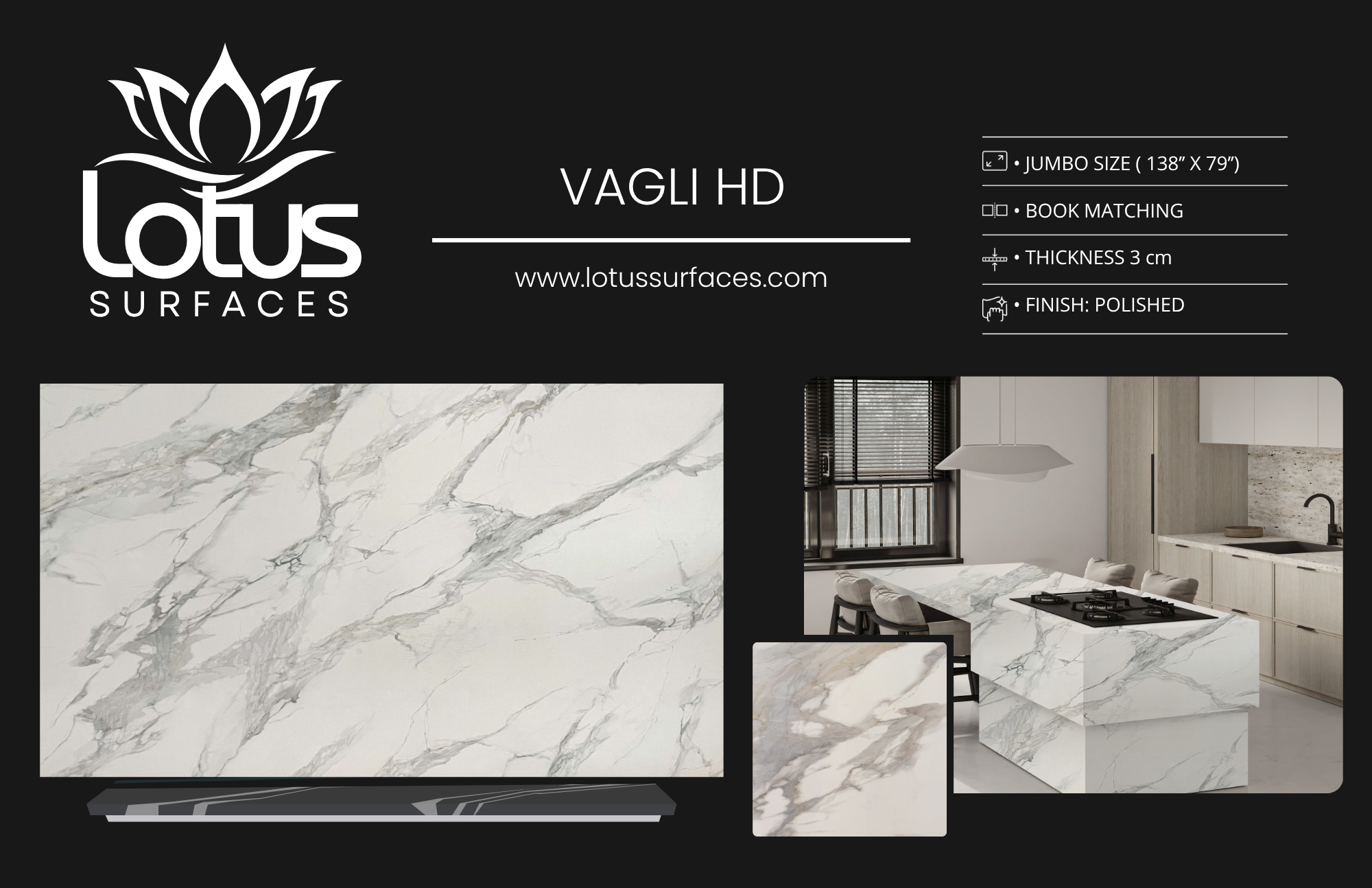
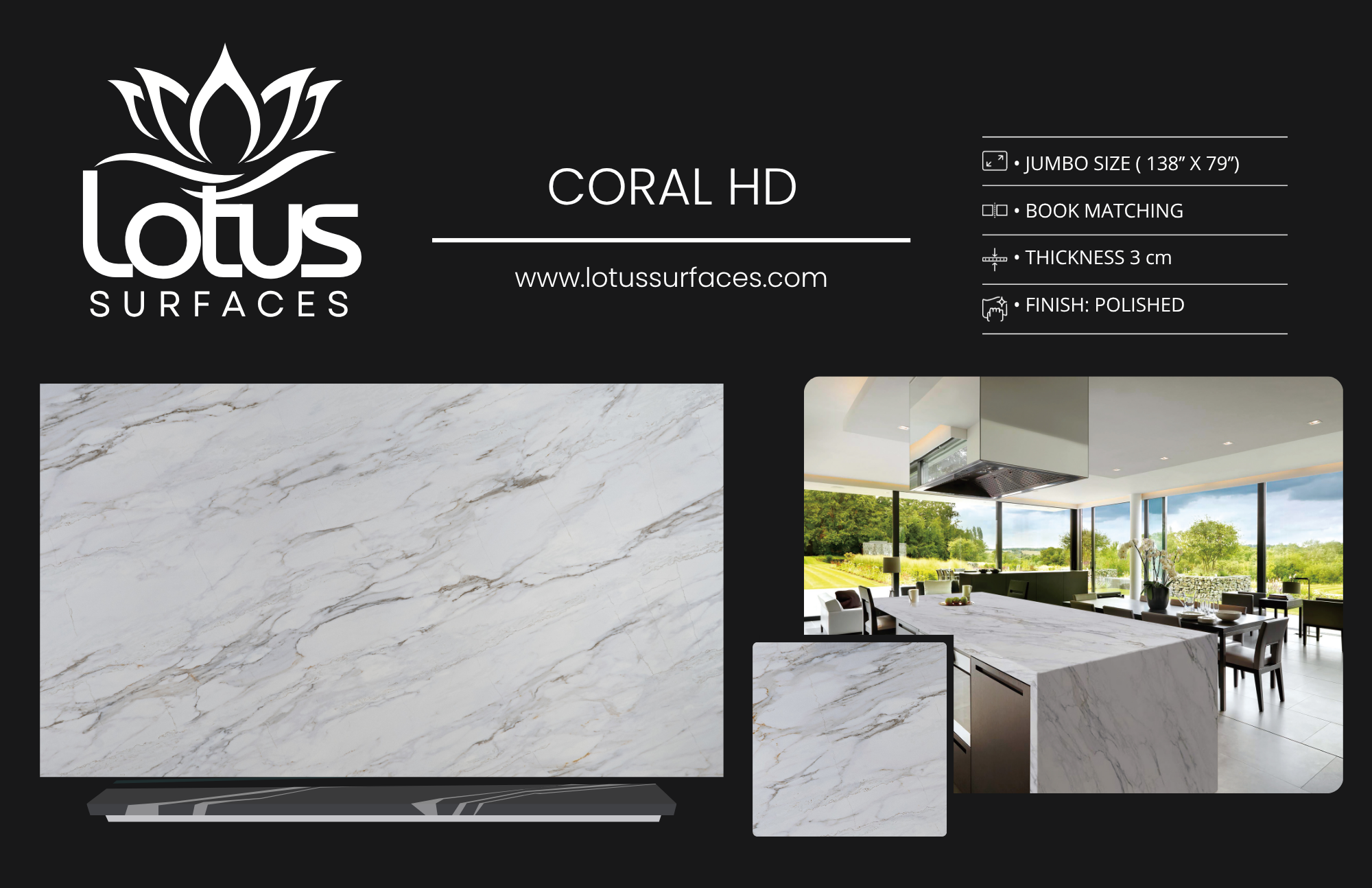
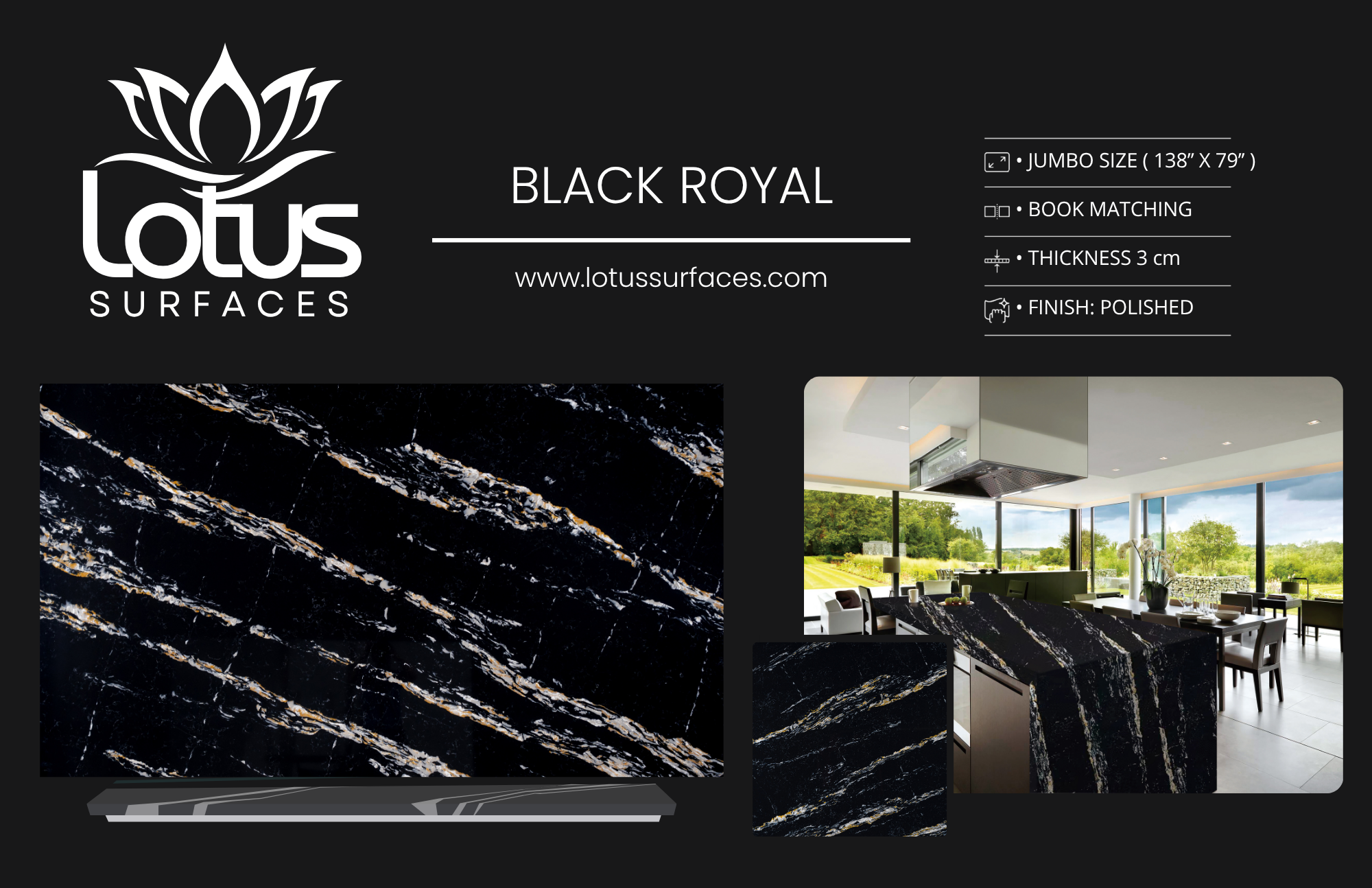
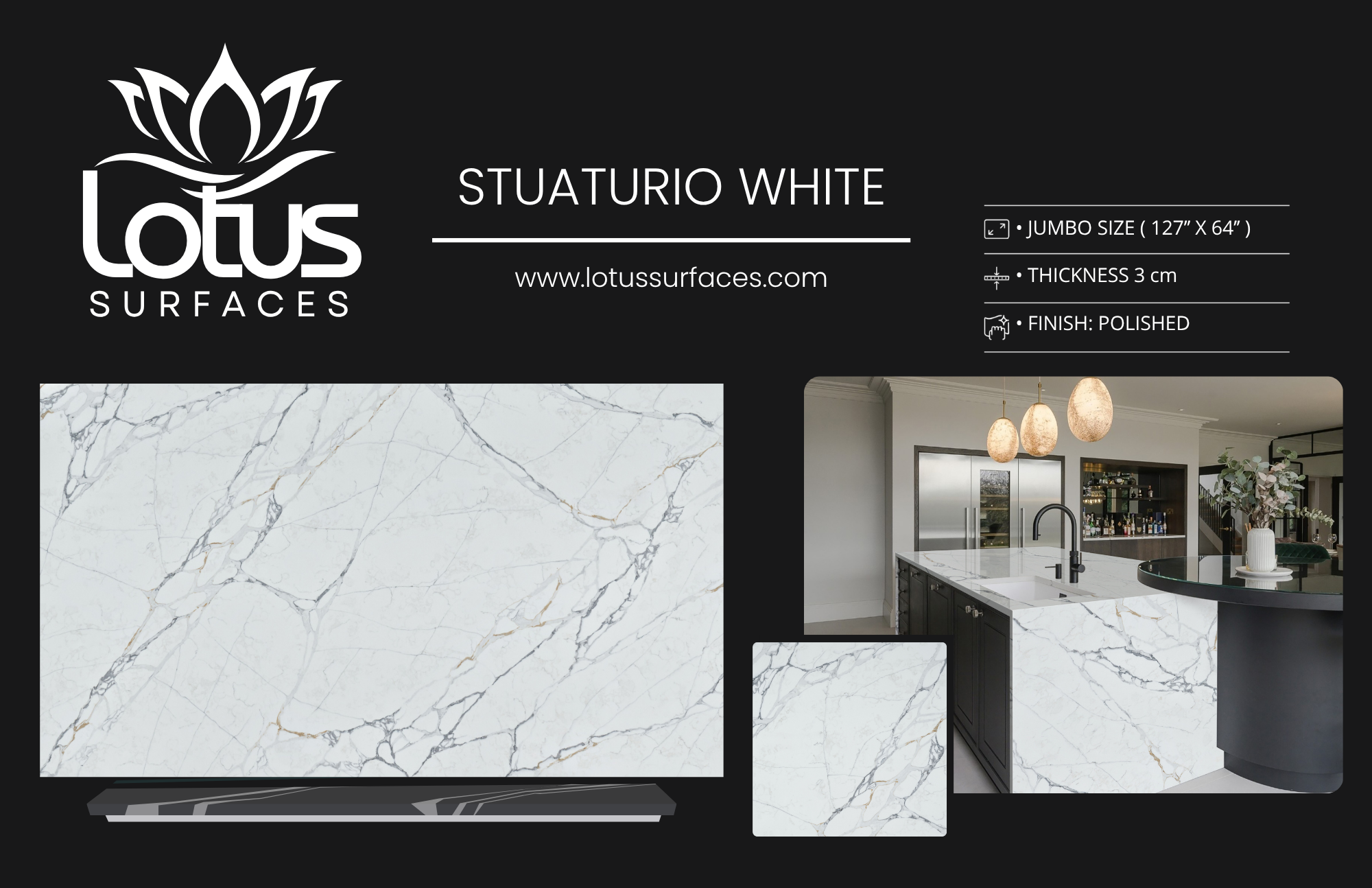
Waterfall kitchen islands are designed to make a bold statement. By extending the countertop material vertically down the sides of the island, these installations create a sense of continuity and flow that is visually captivating. This design element can enhance the perception of space and elevate the overall elegance of your kitchen.
One of the primary reasons homeowners in Norcross and the greater Atlanta area are opting for waterfall islands is their ability to blend style with functionality. The clean lines and sleek surfaces of a waterfall island can complement various design styles, from contemporary to traditional.
2. Functional Benefits of Waterfall Islands
Beyond their aesthetic appeal, waterfall kitchen islands offer numerous functional benefits:
- Increased Counter Space: Waterfall islands often provide more surface area for food preparation, dining, and entertaining, making them ideal for busy households.
- Versatile Design: They can serve multiple purposes, from a casual dining area to a sophisticated cooking space, enhancing the overall utility of your kitchen.
- Easy Maintenance: Many waterfall islands are made from materials like quartz or granite, which are resistant to stains and scratches, ensuring your island remains beautiful for years to come.
Expert Insight:
3. Choosing the Right Material for Your Waterfall Island
The choice of material for your waterfall kitchen island is crucial, as it will influence both the look and functionality. Here are some popular options:
| Material | Pros | Cons |
|---|---|---|
| Quartz | Durable, non-porous, available in various colors | Can be more expensive than other options |
| Granite | Natural beauty, heat resistant, unique patterns | Requires periodic sealing, heavier than other materials |
| Porcelain | Resistant to scratches and stains, modern look | Can chip if not handled carefully |
| Marble | Luxurious appearance, cool surface for baking | More susceptible to staining and scratching |
For homeowners in Norcross, Georgia, selecting the right material is essential, especially considering the climate’s impact on countertop performance. For example, quartz countertops are particularly popular due to their durability and low maintenance, making them ideal for busy kitchens.
4. Design Tips for Incorporating Waterfall Islands
When planning your kitchen remodel, consider these design tips for incorporating a waterfall island:
- Color Coordination: Choose a countertop color that complements your cabinetry and flooring. Neutral tones can create a timeless look, while bold colors can add drama.
- Lighting: Install pendant lights above the island to highlight its features and create an inviting atmosphere.
- Seating Arrangements: Consider adding bar stools or chairs for informal dining, making the island a social hub in your kitchen.
- Functional Accessories: Incorporate built-in features such as a sink or cooktop to enhance the island’s utility.
5. Installation Process: What to Expect
Installing a waterfall kitchen island requires careful planning and execution. Here’s a general overview of the installation process:
- Design Consultation: Start with a design consultation to finalize your island’s dimensions, materials, and features.
- Measurement and Template Creation: Accurate measurements are critical. A digital templating process can ensure precision.
- Fabrication: Your chosen material will be fabricated to the specified dimensions, with attention to detail for edges and seams.
- Installation: Professional installers will secure the island in place, ensuring stability and perfect alignment with existing countertops.
For a seamless experience, consider working with a local countertop fabricator like Lotus Surfaces, where you can expect expert guidance throughout the process.
6. Waterfall Islands vs. Traditional Islands: A Comparison
The choice between a waterfall island and a traditional island comes down to personal preference and design goals. Here’s a comparison to help you decide:
| Feature | Waterfall Island | Traditional Island |
|---|---|---|
| Aesthetic Appeal | Modern, sleek, and dramatic | Classic and versatile |
| Surface Area | Often larger, with more usable space | Varies widely |
| Material Variety | Typically high-end materials | Wide range of materials available |
| Maintenance | Low maintenance with durable materials | Varies by material |
Ultimately, your decision should reflect your style preferences and how you plan to use your kitchen. If you’re looking for a dramatic focal point that enhances modern aesthetics, a waterfall island may be the perfect choice.
7. Frequently Asked Questions
What is a waterfall kitchen island?
A waterfall kitchen island features a countertop that extends down the sides of the island, creating a seamless flow of material that enhances the visual appeal.
What materials are best for waterfall islands?
Popular materials include quartz, granite, porcelain, and marble, each offering unique benefits and aesthetic qualities.
How much does it cost to install a waterfall kitchen island?
The cost can vary significantly depending on the materials chosen and the complexity of the installation. On average, homeowners can expect to pay between $3,000 and $10,000.
Are waterfall islands practical for small kitchens?
Yes, waterfall islands can be designed to fit smaller spaces, providing additional counter space without overwhelming the room.
Can I customize my waterfall island?
Absolutely! Many fabricators offer customization options, including size, shape, and material finishes.
How do I maintain a waterfall kitchen island?
Maintenance depends on the material. Generally, quartz and granite require minimal upkeep, while marble may need more care to prevent staining.
What are the design trends for waterfall kitchen islands in 2026?
Current trends include the use of bold colors, mixed materials, and integrated appliances for a more functional design.
Can I add seating to my waterfall island?
Yes, many homeowners choose to incorporate seating for informal dining or entertaining, enhancing the island’s functionality.
Conclusion
Waterfall kitchen islands are more than just a design trend; they are a functional and aesthetic enhancement to modern kitchens. By providing increased counter space, a dramatic focal point, and a variety of materials to choose from, they can transform your cooking area into a sophisticated hub for both cooking and socializing. As you consider your kitchen remodel, remember to consult with experienced fabricators like Lotus Surfaces to ensure you select the perfect materials and designs for your waterfall island. With the right planning and execution, your waterfall kitchen island can become the centerpiece of your home.
