
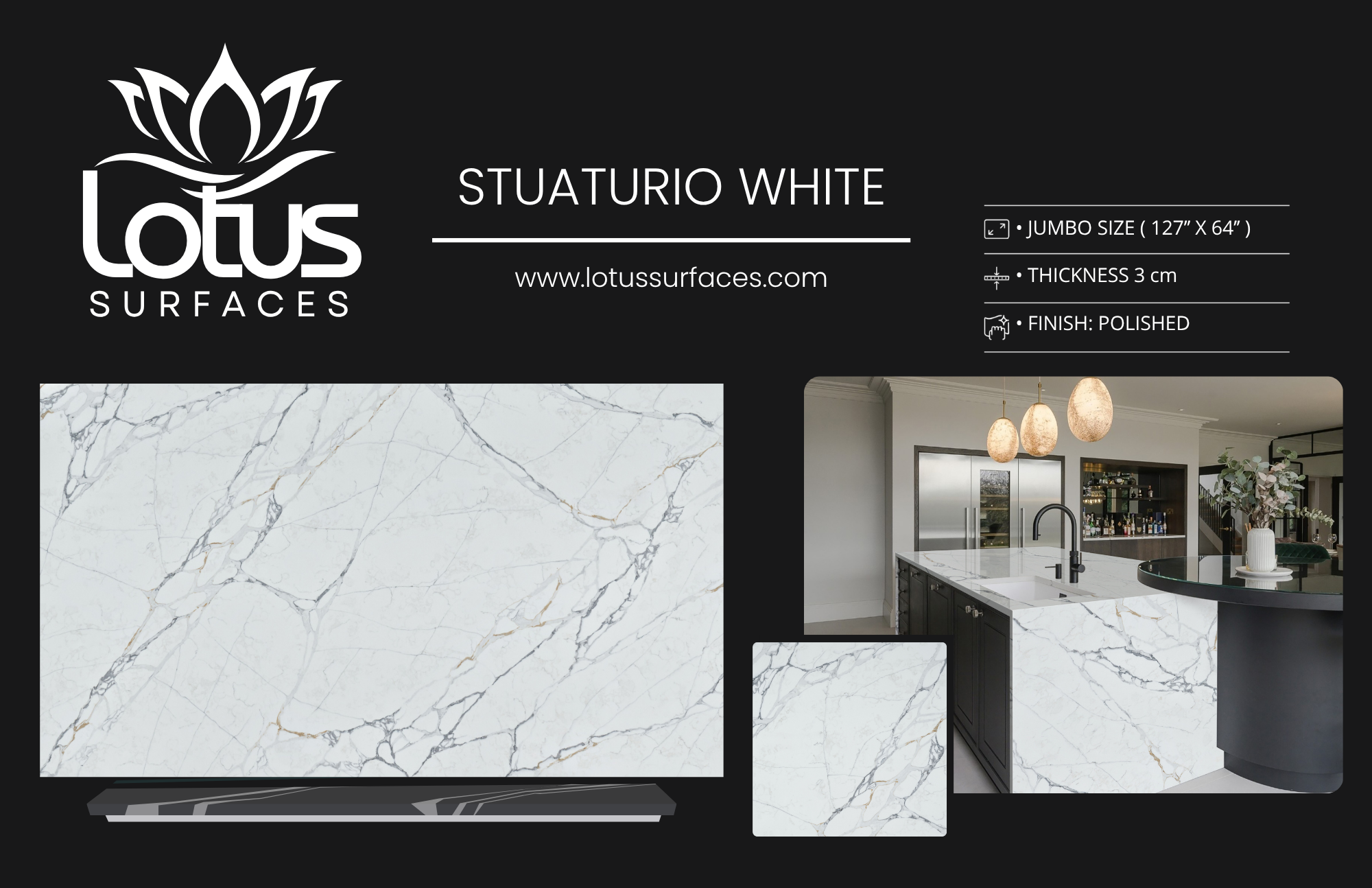
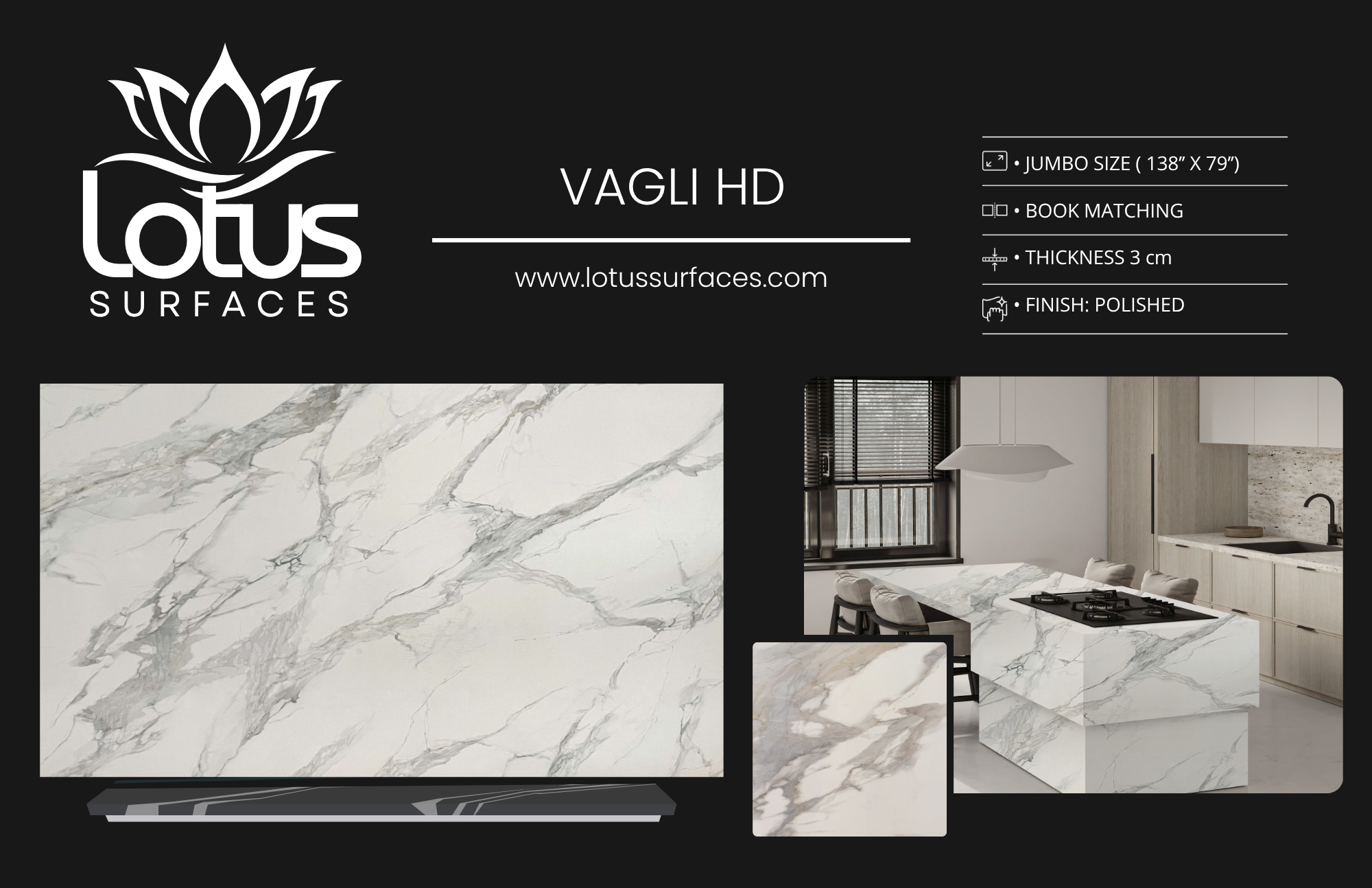
The Complete Guide to Bathroom Vanity Top Materials for Atlanta Homeowners
The Complete Guide to Bathroom Vanity Top Materials for Atlanta Homeowners
Choosing the right bathroom vanity top materials is crucial for Atlanta homeowners looking to enhance the beauty, strength, and functionality of their bathrooms. As you embark on this journey, you’ll discover a wide range of options, each with its unique benefits and considerations. In this comprehensive guide, we aim to empower you with the knowledge you need to make informed decisions that align with your aesthetic preferences, lifestyle needs, and budget constraints. From quartz and granite to porcelain and other materials, we’ll cover everything you need to know to select the perfect vanity top for your space.
1. Understanding Bathroom Vanity Tops
Bathroom vanity tops serve as both a functional surface and a design element in your bathroom. They are the surfaces on which sinks are mounted and are typically made from various materials, each offering distinct advantages. The choice of vanity top can significantly influence the overall aesthetic, durability, and maintenance requirements of your bathroom. This makes understanding the materials available and their characteristics essential for Atlanta homeowners.
2. Popular Bathroom Vanity Top Materials
When it comes to bathroom vanity tops, several materials stand out for their popularity and performance. Here are some of the most widely used materials:
- Quartz: Engineered from crushed quartz crystals, quartz vanity tops are non-porous, durable, and available in an array of colors and patterns.
- Granite: A natural stone that offers unique patterns and colors, granite is known for its durability and heat resistance.
- Porcelain: Often used for its sleek and modern appearance, porcelain is easy to maintain and resistant to stains and moisture.
- Marble: Renowned for its luxurious look, marble requires more maintenance due to its porous nature but offers a timeless aesthetic.
- Solid Surface: Made from acrylic or polyester, solid surface materials provide a seamless appearance and are highly customizable.
3. Pros and Cons of Each Material
Understanding the advantages and disadvantages of each material is essential for making an informed decision. Here’s a detailed comparison:
| Material | Pros | Cons |
|---|---|---|
| Quartz | Durable, non-porous, low maintenance, variety of designs | Can be more expensive than other options |
| Granite | Natural beauty, heat resistant, unique patterns | Requires sealing, can be heavy |
| Porcelain | Modern look, easy to clean, stain resistant | Can chip or crack if not handled properly |
| Marble | Elegant and timeless, unique veining | High maintenance, porous, can stain easily |
| Solid Surface | Seamless, easy to repair, customizable | Can be scratched, limited heat resistance |
4. How to Choose the Right Vanity Top Material
Choosing the right bathroom vanity top material involves considering several factors:
- Style: Determine the overall look you want to achieve. For a modern bathroom, quartz or porcelain may be ideal, while traditional spaces may benefit from granite or marble.
- Maintenance: Consider how much time you’re willing to spend on upkeep. Non-porous materials like quartz and porcelain tend to require less maintenance.
- Durability: Assess the durability of the material, especially if you have a busy household. Granite and quartz are known for their resilience.
- Budget: Establish a budget that includes both material and installation costs. Solid surface options may be more budget-friendly, while natural stones can be pricier.
5. Installation Process Overview
The installation of bathroom vanity tops is a critical step that requires precision and expertise. Here’s a general overview of the process:
- Measurement: Accurate measurements are essential. Professional measurement and digital templating ensure a perfect fit.
- Fabrication: Depending on the material, fabrication may involve cutting, polishing, and edge profiling to achieve the desired look.
- Installation: Professional installers will secure the vanity top, ensuring proper seam alignment and placement of sink cutouts.
For a seamless experience, consider partnering with a trusted local countertop installer like Lotus Surfaces. Our experienced team in Norcross, GA, specializes in bathroom vanity top fabrication and installation.
6. Maintenance Tips for Vanity Tops
Proper maintenance is vital for preserving the beauty and functionality of your bathroom vanity tops. Here are essential maintenance tips:
- Quartz: Wipe with a damp cloth and mild soap. Avoid harsh chemicals.
- Granite: Seal annually to prevent staining. Clean with pH-balanced cleaners.
- Porcelain: Use non-abrasive cleaners to maintain the surface.
- Marble: Clean spills immediately to prevent staining and use a marble-specific cleaner.
- Solid Surface: Clean with soapy water and avoid excessive heat.
7. Frequently Asked Questions
1. What is the best material for bathroom vanity tops?
The best material depends on your needs. Quartz is highly recommended for its durability and low maintenance, while granite offers natural beauty.
2. How often should I seal my granite vanity top?
It’s advisable to seal granite countertops at least once a year, but you can check for signs of wear and seal more frequently if needed.
3. Are porcelain vanity tops durable?
Yes, porcelain is durable and resistant to stains and moisture, making it a great choice for bathroom environments.
4. Can I install a vanity top myself?
While DIY installation is possible, it’s recommended to hire a professional for precise measurements and installation to avoid costly mistakes.
5. What are the maintenance requirements for marble vanity tops?
Marble requires regular sealing and immediate cleaning of spills to prevent staining due to its porous nature.
6. How do I clean a quartz vanity top?
Quartz tops can be cleaned with a damp cloth and mild soap. Avoid abrasive cleaners to maintain the finish.
7. What should I consider when choosing a color for my vanity top?
Consider the overall color scheme of your bathroom, the size of the space, and the amount of natural light when selecting a color.
8. Are solid surface vanity tops easy to repair?
Yes, solid surface materials can be sanded down to remove scratches, making them easy to repair compared to other materials.
Conclusion
Choosing the right bathroom vanity top materials is an essential decision for Atlanta homeowners. By understanding the various options available, their pros and cons, and the installation and maintenance processes, you can make an informed choice that enhances your bathroom’s beauty and functionality. For personalized guidance and premium quality materials, reach out to Lotus Surfaces. Our experienced team is dedicated to providing exceptional service and helping you create the bathroom of your dreams.
