
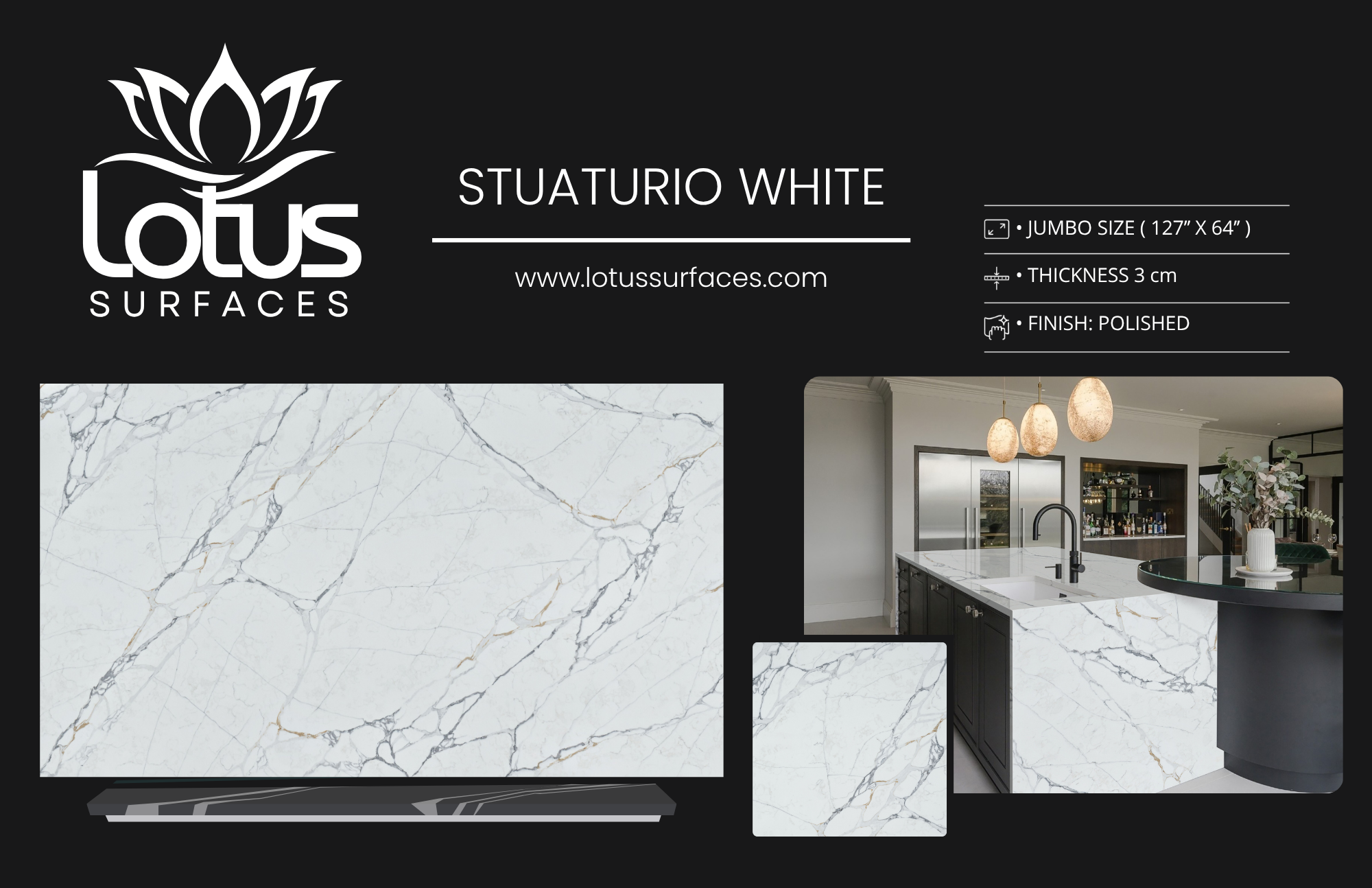
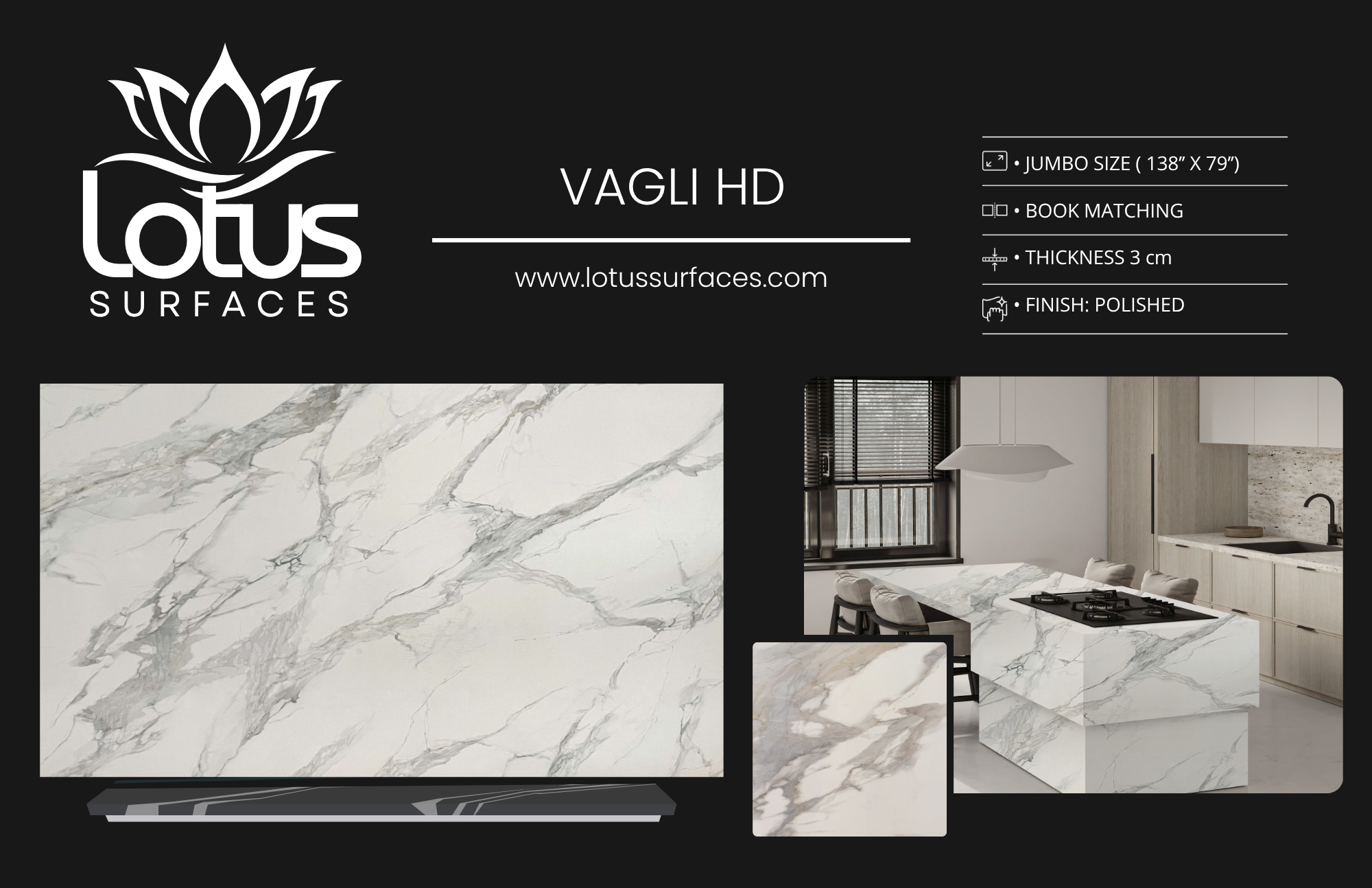
The Complete Guide to Countertop Materials: Quartz vs. Granite vs. Porcelain
The Complete Guide to Countertop Materials: Quartz vs. Granite vs. Porcelain
Choosing the right countertop material is a pivotal decision for any homeowner embarking on a renovation project. With options like quartz, granite, and porcelain available, understanding the differences in durability, aesthetics, maintenance, and cost can help you make an informed choice. This comprehensive guide will delve into the characteristics of each material, providing you with valuable insights to ensure your kitchen or bathroom renovation is a success. By the end of this article, you’ll be equipped with the knowledge to select the perfect countertop material that fits your style and functionality needs.
Quartz Countertops
Quartz countertops are engineered stone surfaces made from approximately 90-95% crushed natural quartz crystals mixed with resins and pigments. This composition results in a durable, non-porous surface that is highly resistant to staining and scratching, making it an excellent choice for busy kitchens.
- Durability: Quartz countertops are incredibly durable, offering resistance to chips, cracks, and scratches. They can withstand heavy use, making them ideal for kitchens.
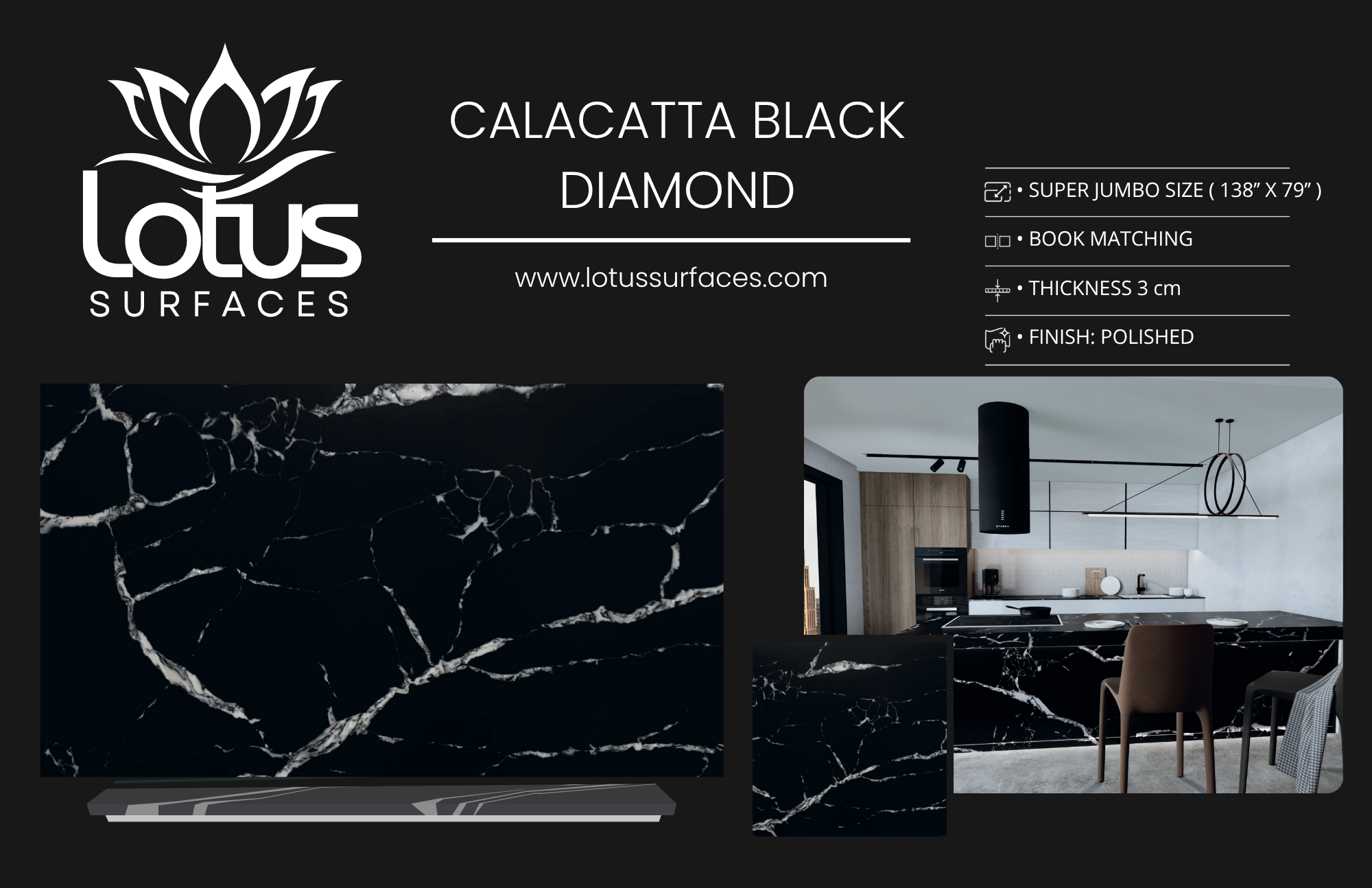
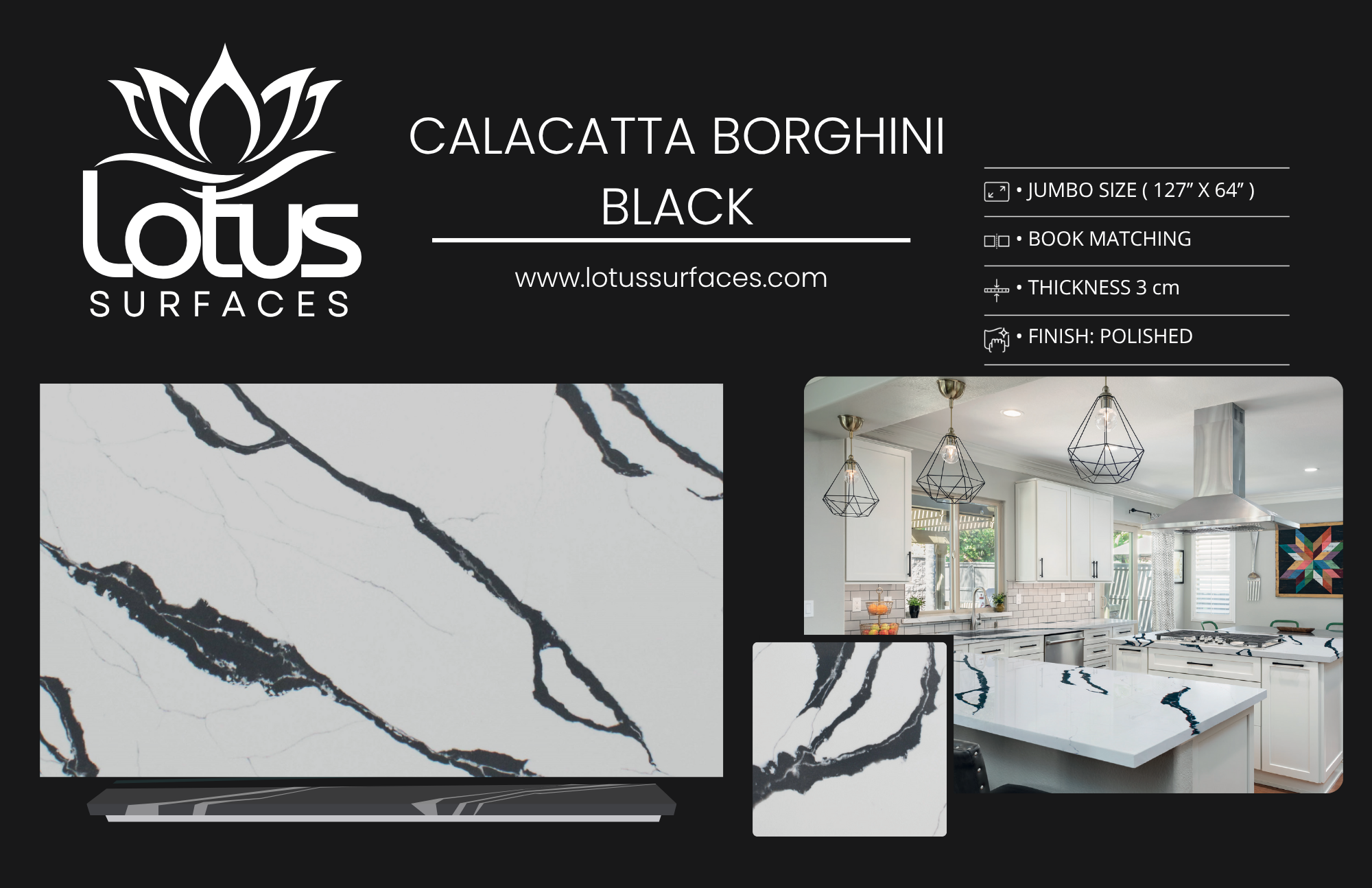
- Design Options: Available in a wide variety of colors and patterns, quartz can mimic the look of natural stone, providing versatility for any design aesthetic.
- Low Maintenance: Unlike natural stones, quartz does not require sealing, and regular cleaning with soap and water is typically sufficient to keep it looking pristine.
In Greater Atlanta, quartz countertops are a popular choice among homeowners seeking high-quality surface solutions. At Lotus Surfaces, we offer a diverse selection of beautiful quartz options tailored to fit your unique style.
Granite Countertops
Granite is a natural stone that is mined and cut into slabs for use as countertops. Renowned for its beauty and durability, granite is a popular choice for homeowners looking for a timeless and elegant look.
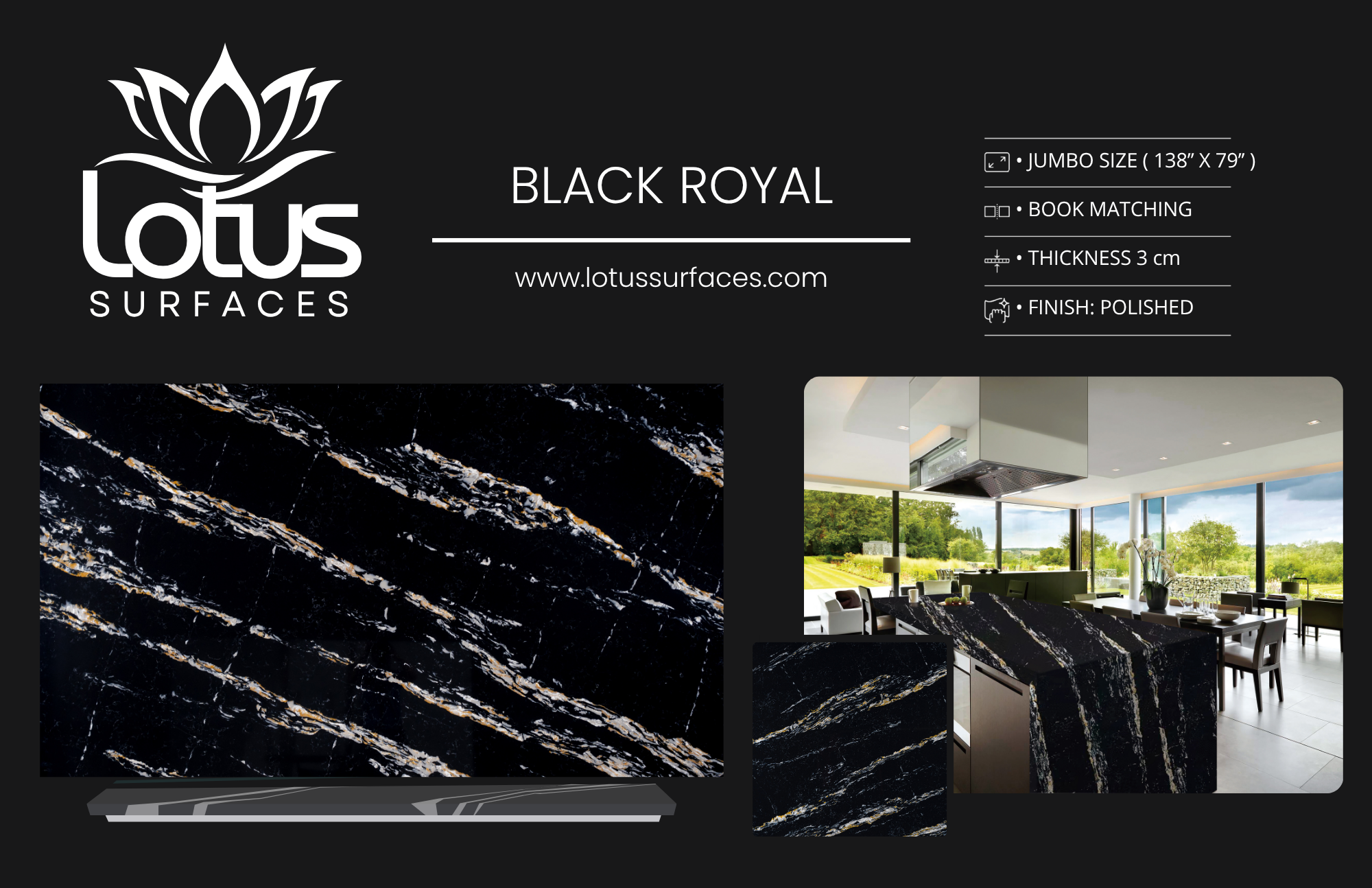
- Natural Beauty: Each slab of granite is unique, featuring natural variations in color and pattern that can enhance the aesthetic of any space.
- Heat Resistance: Granite can withstand high temperatures, making it a suitable choice for kitchens where hot pots and pans are frequently placed.
- Sealing Required: Unlike quartz, granite is porous and requires sealing to prevent stains and bacteria buildup. Regular maintenance is essential to keep granite countertops looking their best.
For homeowners in Atlanta, granite countertops offer a luxurious feel and lasting durability. Our team at Lotus Surfaces can guide you through the selection and installation process to ensure your granite countertop meets your functional needs and aesthetic desires.
Porcelain Countertops
Porcelain countertops are made from a blend of natural clay and minerals, which are fired at high temperatures to create a dense, non-porous surface. This innovative material has gained popularity in recent years due to its exceptional properties.
- Stain Resistance: Porcelain is highly resistant to stains, making it an excellent option for kitchens and bathrooms.
- Scratch and Heat Resistant: The durability of porcelain countertops rivals that of granite, providing an ideal surface for heavy use.
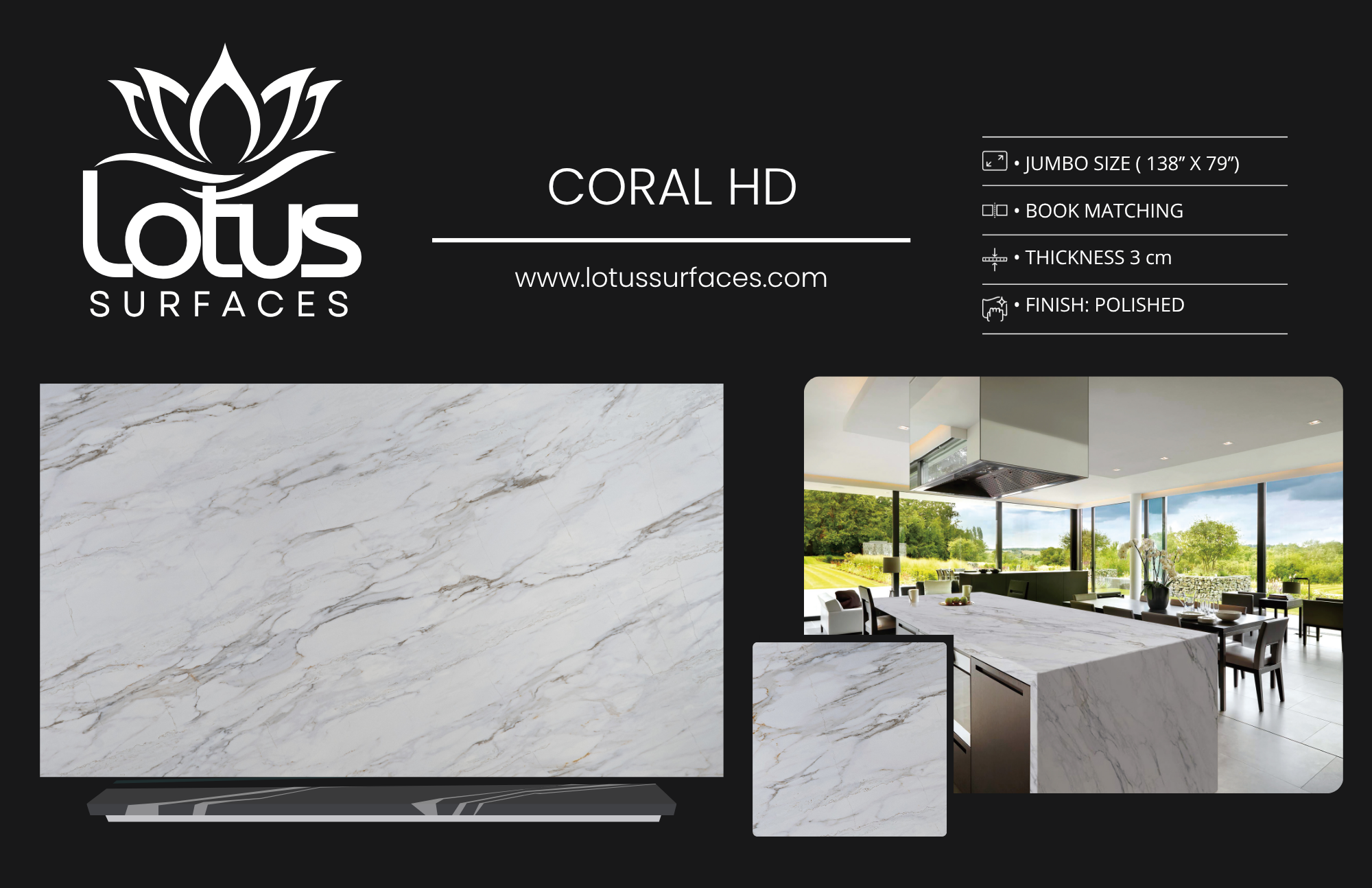
- Variety of Designs: Available in an extensive range of colors, patterns, and finishes, porcelain can easily mimic the look of natural stone or wood.
As a trusted provider of porcelain countertops in Atlanta, we at Lotus Surfaces can help you explore the various styles available to find the perfect match for your home.
Comparison Table: Quartz vs. Granite vs. Porcelain
| Feature | Quartz | Granite | Porcelain |
|---|---|---|---|
| Durability | High | High | Very High |
| Stain Resistance | Excellent | Good (requires sealing) | Excellent |
| Scratch Resistance | High | High | Very High |
| Heat Resistance | Moderate | Excellent | Excellent |
| Maintenance | Low | Moderate (requires sealing) | Low |
| Design Variety | High | Moderate | High |
| Cost (per sq. ft.) | $50-$100 | $40-$100 | $60-$100 |
This table summarizes the key differences between quartz, granite, and porcelain countertops, helping you visualize which material aligns best with your needs. Each option has its unique advantages, and understanding these can empower you to make a more informed decision.
Maintenance and Care
Proper maintenance is crucial for ensuring the longevity and appearance of your countertops. Here are some general care tips for each material:
Quartz Care
- Clean daily with warm, soapy water and a soft cloth.
- Avoid harsh chemicals and abrasive cleaners.
- Use cutting boards to prevent scratches.
Granite Care
- Seal granite countertops every 1-2 years to maintain stain resistance.
- Wipe up spills immediately to prevent staining.
- Use coasters and trivets to protect the surface from heat and moisture.
Porcelain Care
- Clean with a mild detergent and soft cloth.
- Avoid abrasive scrubbing pads that can scratch the surface.
- Use a cutting board as porcelain can be damaged by knives.
By following these maintenance tips, you can ensure that your countertops remain beautiful and functional for years to come.
Expert Tips for Choosing Countertops
When selecting the right countertop material for your home, consider the following expert tips:
- Consider the overall design of your kitchen or bathroom. Choose a countertop that complements your cabinetry and flooring.
- Evaluate your budget. While quartz, granite, and porcelain can vary in price, it’s essential to find a material that fits your financial plan.
- Consult with professionals, like those at Lotus Surfaces, to gain insights into installation techniques and design options that work best for your space.
Frequently Asked Questions
What is the most durable countertop material?
Porcelain is often considered the most durable countertop material, offering excellent resistance to scratches, stains, and heat.
How do I choose between quartz and granite?
Consider your lifestyle, maintenance preferences, and desired aesthetic. Quartz is low-maintenance, while granite offers unique natural beauty.
Can porcelain countertops be used outdoors?
Yes, porcelain countertops are suitable for outdoor use due to their exceptional durability and resistance to weather elements.
Are quartz countertops more expensive than granite?
Quartz and granite can be similarly priced, but quartz may be slightly higher due to its manufacturing process.
How often should I seal my granite countertops?
Granite countertops should be sealed every 1-2 years to maintain their stain resistance.
What is the best way to clean quartz countertops?
Use warm, soapy water and a soft cloth for daily cleaning. Avoid abrasive cleaners.
Do porcelain countertops scratch easily?
Porcelain is highly scratch-resistant, but it’s still best to use cutting boards to protect the surface.
What are the design options for quartz countertops?
Quartz countertops come in a wide range of colors, patterns, and finishes, allowing for extensive design customization.
