
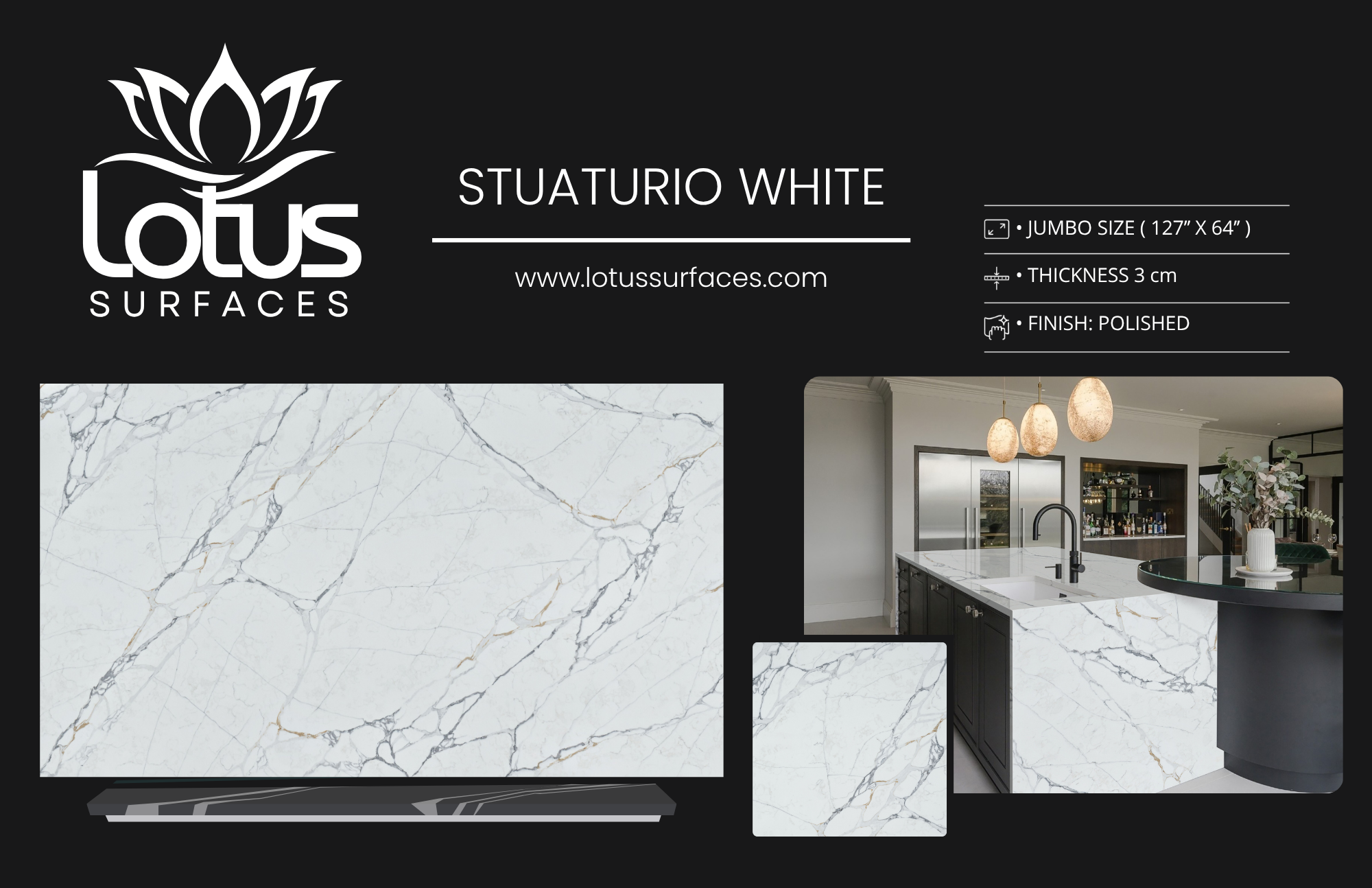
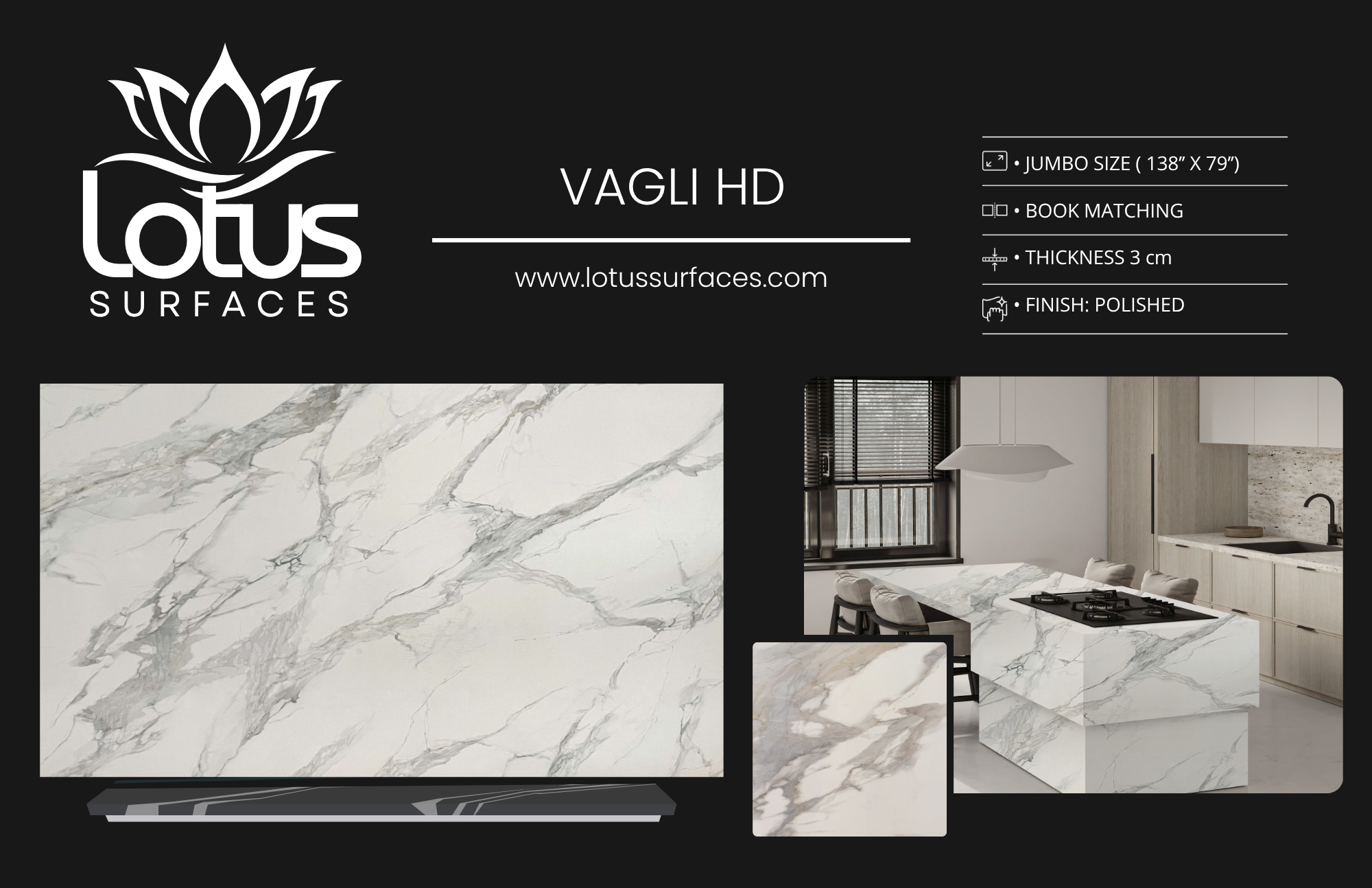
Why Porcelain Countertops Resist Stains, Heat, and UV Better Than Most Natural Stones
Why Porcelain Countertops Resist Stains, Heat, and UV Better Than Most Natural Stones
When it comes to choosing the perfect surface for kitchens and bathrooms, many homeowners in Greater Atlanta are faced with a plethora of options. Among these, porcelain countertops stand out as a premium choice due to their impressive durability and aesthetic appeal. In this article, we will delve into why porcelain countertops resist stains, heat, and UV radiation better than most natural stones, and how they can redefine beauty, strength, and functionality in your home.
As an experienced countertop fabricator based in Norcross, GA, Lotus Surfaces understands the importance of selecting the right materials for your home renovation projects. Our expertise in fabricating and installing high-quality countertops allows us to guide homeowners through the decision-making process, ensuring they choose the best options for their specific needs.
1. Understanding Porcelain Countertops
Porcelain countertops are crafted from a type of ceramic material made from finely ground clay, feldspar, and other natural minerals. This mixture is fired at extremely high temperatures, resulting in a dense and durable surface that is both aesthetically pleasing and functional. Homeowners in the Greater Atlanta area who are considering kitchen or bathroom renovations often seek out porcelain countertops for their modern look and impressive performance.
2. The Composition of Porcelain Countertops
The unique composition of porcelain countertops is key to their outstanding performance. The manufacturing process involves:
- High temperatures: Porcelain is fired at temperatures exceeding 2,400°F, which creates a non-porous surface that is less susceptible to staining compared to natural stones like granite or marble.
- Natural materials: The primary ingredients in porcelain are clay and minerals, which are abundant and environmentally friendly.
- Density: The high firing temperature results in a dense material that is less likely to absorb liquids, making it more resistant to stains and spills.
3. Stain Resistance: Why Porcelain Outperforms Natural Stones
One of the most significant advantages of porcelain countertops is their exceptional stain resistance. Unlike natural stones, which can be porous and absorb liquids, porcelain’s non-porous surface prevents stains from penetrating. This is particularly beneficial in kitchens and bathrooms where spills are common.
For example, while a granite countertop may require regular sealing to maintain its stain resistance, porcelain countertops maintain their integrity without the need for additional treatments. This ease of maintenance not only saves homeowners time but also enhances the longevity of the countertops.
Real-World Performance
In practical terms, this means that common household substances like red wine, coffee, or acidic foods can be wiped away without leaving a mark. In contrast, natural stones may require immediate attention to prevent staining. According to a study by the Natural Stone Institute, sealed granite can still be prone to staining from certain substances, while porcelain remains unaffected.
4. Heat Resistance: The Superiority of Porcelain
Porcelain countertops also excel in heat resistance, making them ideal for kitchen environments where hot pots and pans are common. The high firing temperature during manufacturing results in a surface that can withstand high temperatures without warping or cracking.
In comparison, natural stones like granite can handle heat but may not be as resilient as porcelain. While granite can tolerate hot items, it is still advisable to use trivets or hot pads to protect the surface. Porcelain, on the other hand, can handle direct heat from cookware, providing peace of mind for homeowners who frequently cook.
5. UV Resistance: How Porcelain Stands the Test of Time
Another remarkable feature of porcelain countertops is their UV resistance. Homeowners in sunny areas, like those in the Greater Atlanta region, will appreciate that porcelain does not fade or discolor when exposed to sunlight. This is especially important for outdoor kitchens or spaces with large windows.
Unlike natural stones, which can be affected by UV rays over time, porcelain retains its color and finish, ensuring that your countertops look vibrant for years to come. This durability makes porcelain an excellent choice for both indoor and outdoor applications.
6. Comparison: Porcelain vs. Natural Stones
| Feature | Porcelain Countertops | Natural Stones |
|---|---|---|
| Stain Resistance | Excellent, non-porous | Good, requires sealing |
| Heat Resistance | High, can withstand direct heat | Moderate, should use trivets |
| UV Resistance | Excellent, no fading | Variable, can fade over time |
| Maintenance | Low, no sealing required | Moderate to high, requires sealing |
| Durability | Highly durable | Durable but can chip or crack |
7. Expert Tips for Choosing the Right Countertop
When selecting countertops, it’s essential to consider various factors beyond just aesthetics. Here are some expert tips to help you make an informed choice:
- Assess your lifestyle: If you cook frequently or have children, durability and stain resistance should be top priorities.
- Consider maintenance: Porcelain countertops require minimal upkeep compared to natural stones, which may need regular sealing.
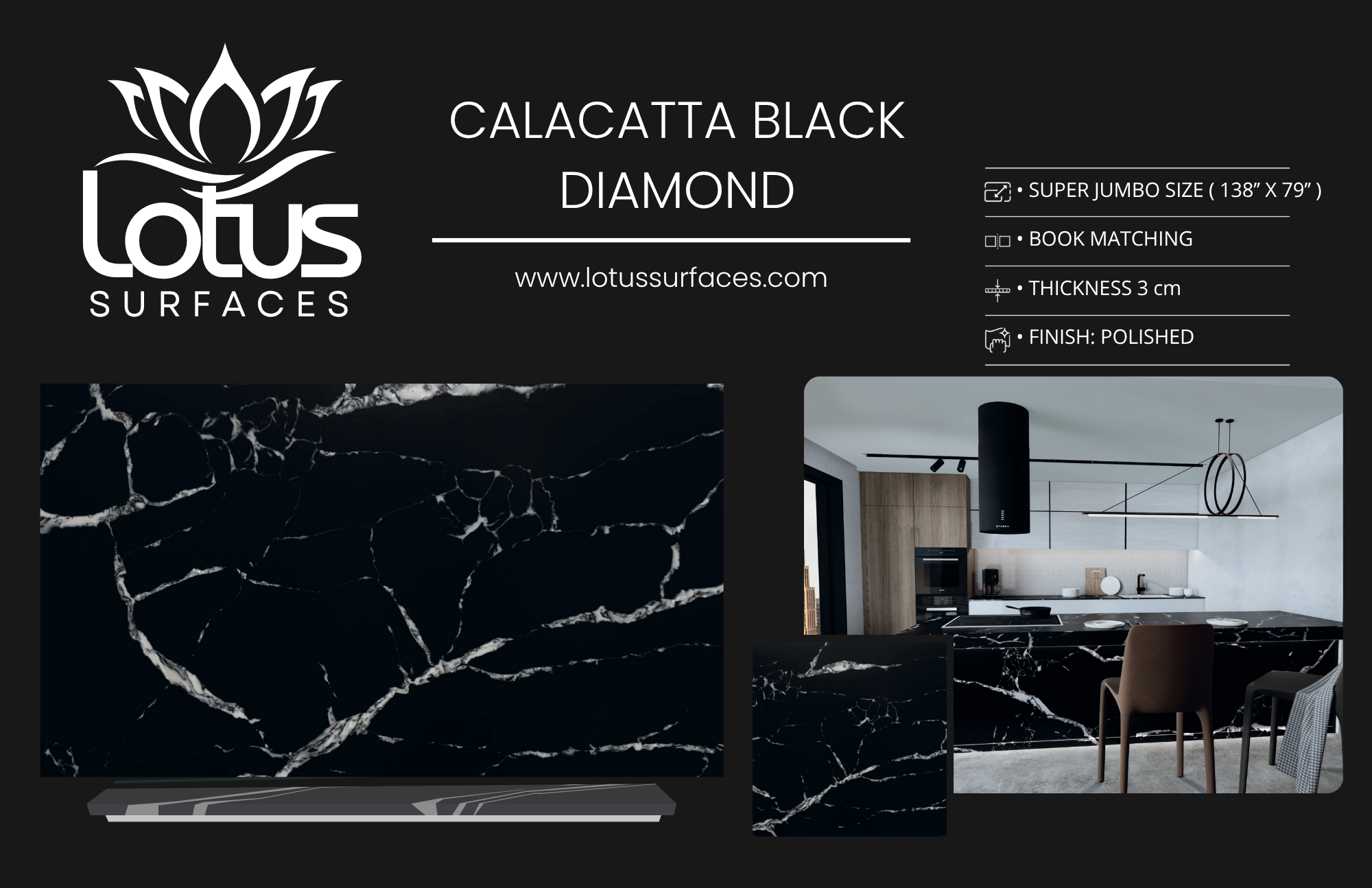
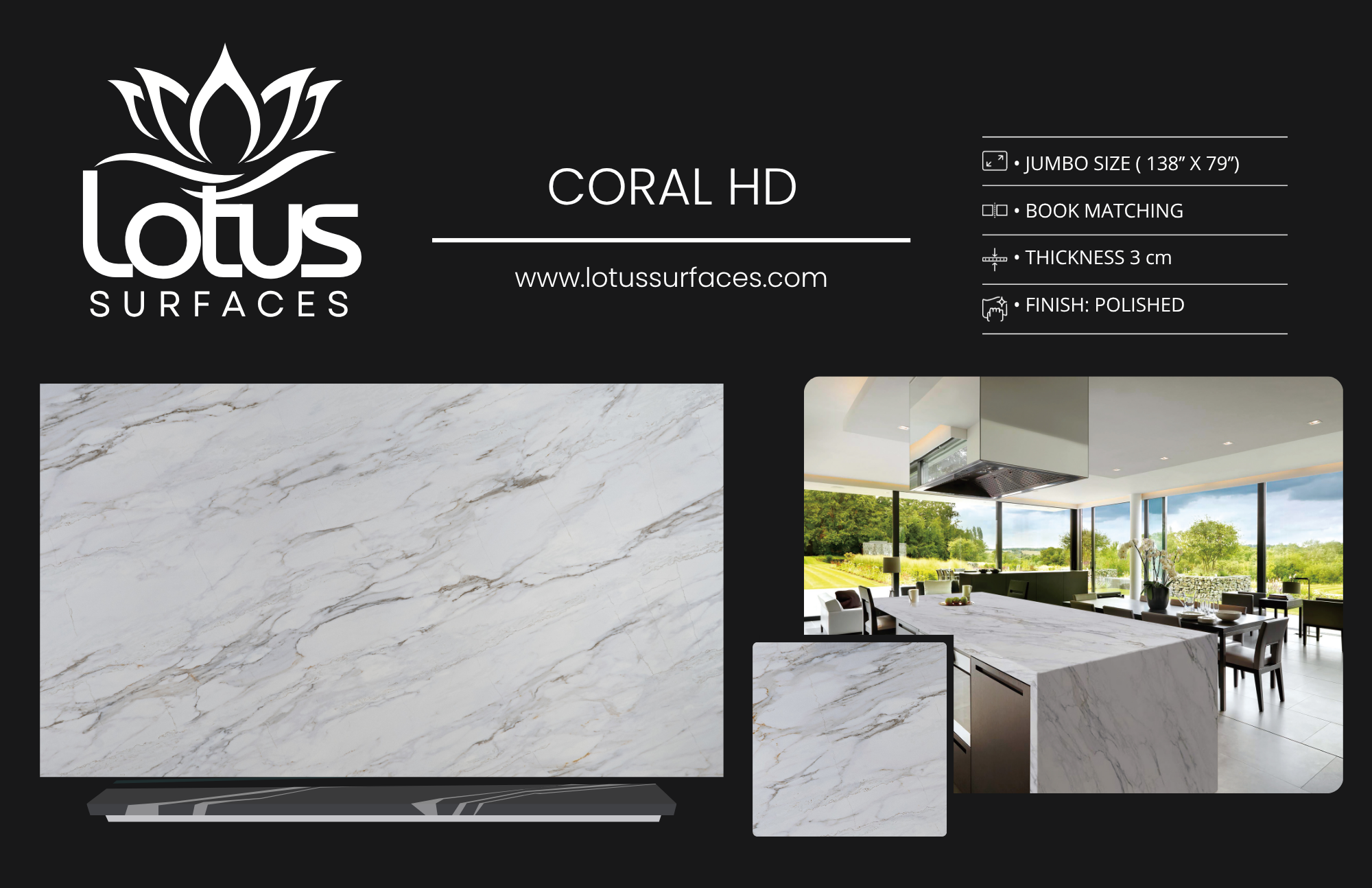
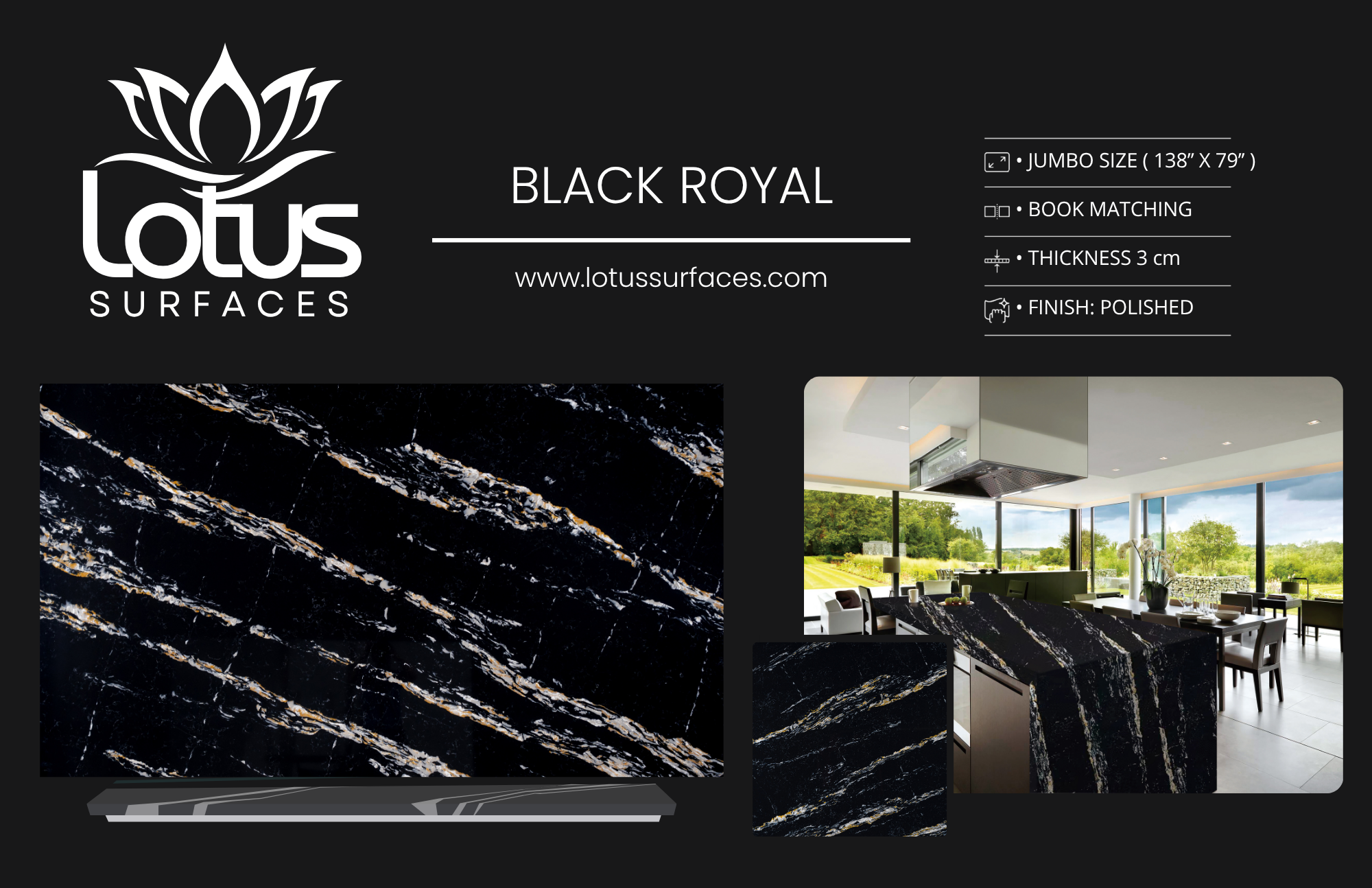
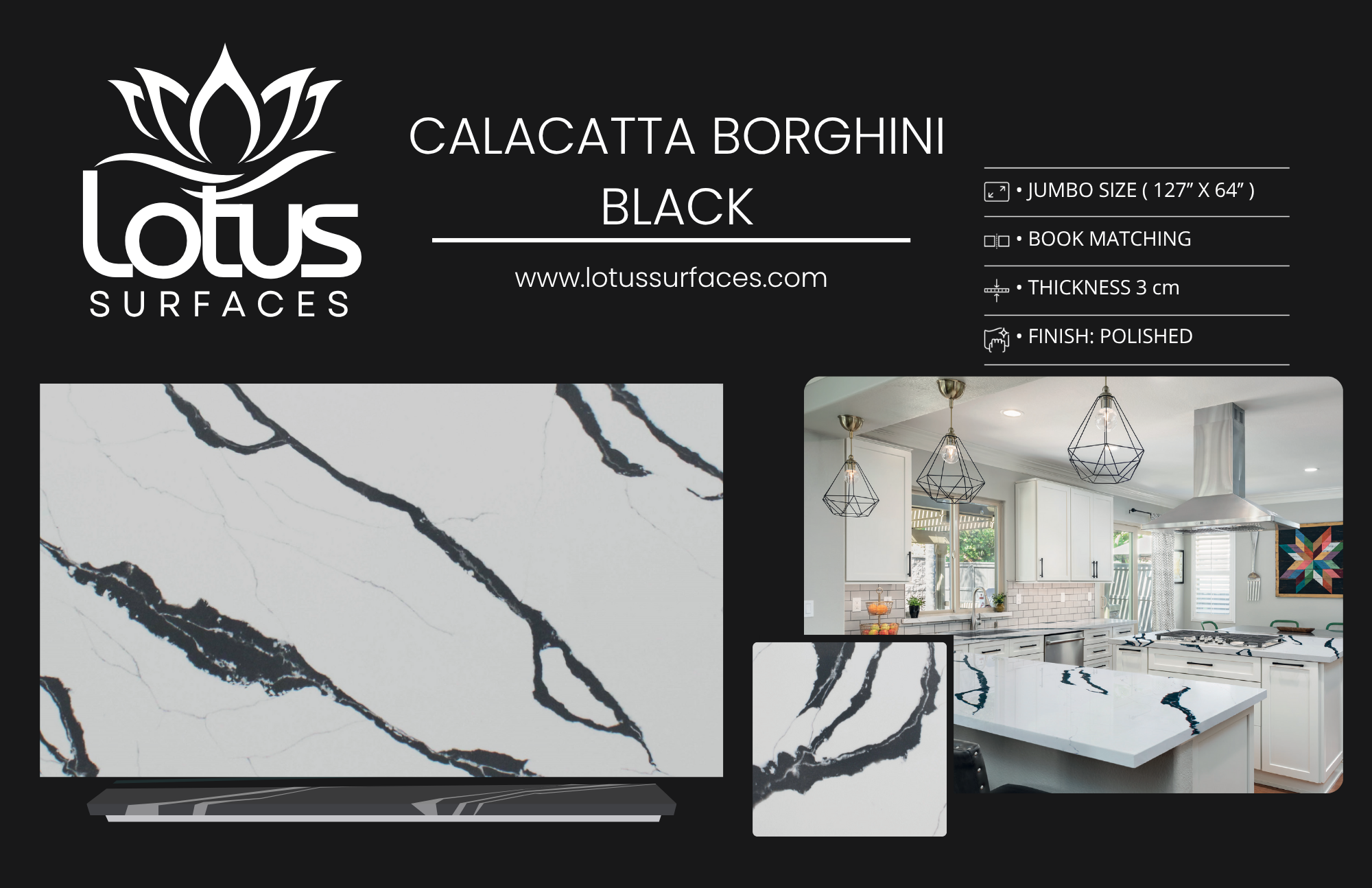
- Look for customization options: At Lotus Surfaces, we offer a wide selection of colors and patterns in our porcelain countertops, allowing you to find the perfect match for your home design.
- Consult with professionals: Our experienced team can provide guidance on material selection and installation to ensure the best results for your renovation project.
8. FAQs
1. Are porcelain countertops more expensive than granite?
While porcelain countertops can be comparable in price to high-quality granite, they often offer better long-term value due to their low maintenance and durability.
2. Can I use porcelain countertops outdoors?
Yes, porcelain countertops are an excellent choice for outdoor spaces due to their UV resistance and durability.
3. How do I clean porcelain countertops?
Simply use mild soap and water for routine cleaning. Avoid harsh chemicals that could damage the surface.
4. Do porcelain countertops chip easily?
While porcelain is highly durable, it can chip if subjected to extreme impact. However, it is less prone to chipping compared to natural stones.
5. How do porcelain countertops compare to quartz?
Both materials offer excellent durability and aesthetic appeal, but porcelain is generally more resistant to heat and UV rays than quartz.
6. Can I cut directly on porcelain countertops?
While porcelain is durable, it’s advisable to use cutting boards to protect your knives and maintain the surface’s integrity.
7. Are porcelain countertops environmentally friendly?
Yes, porcelain is made from natural materials and is recyclable, making it an environmentally friendly choice.
8. How can I ensure proper installation of my porcelain countertops?
Working with a professional countertop installer, like those at Lotus Surfaces, ensures accurate measurements and proper installation techniques.
9. Conclusion
In conclusion, porcelain countertops offer a superior combination of stain resistance, heat resistance, and UV resistance compared to most natural stones. Their unique composition and manufacturing process contribute to their durability and low maintenance requirements, making them an excellent choice for homeowners in the Greater Atlanta area. At Lotus Surfaces, we are committed to providing high-quality porcelain countertops that redefine beauty, strength, and functionality in your home. Contact us today to explore our extensive selection and schedule a personalized slab viewing experience.
