
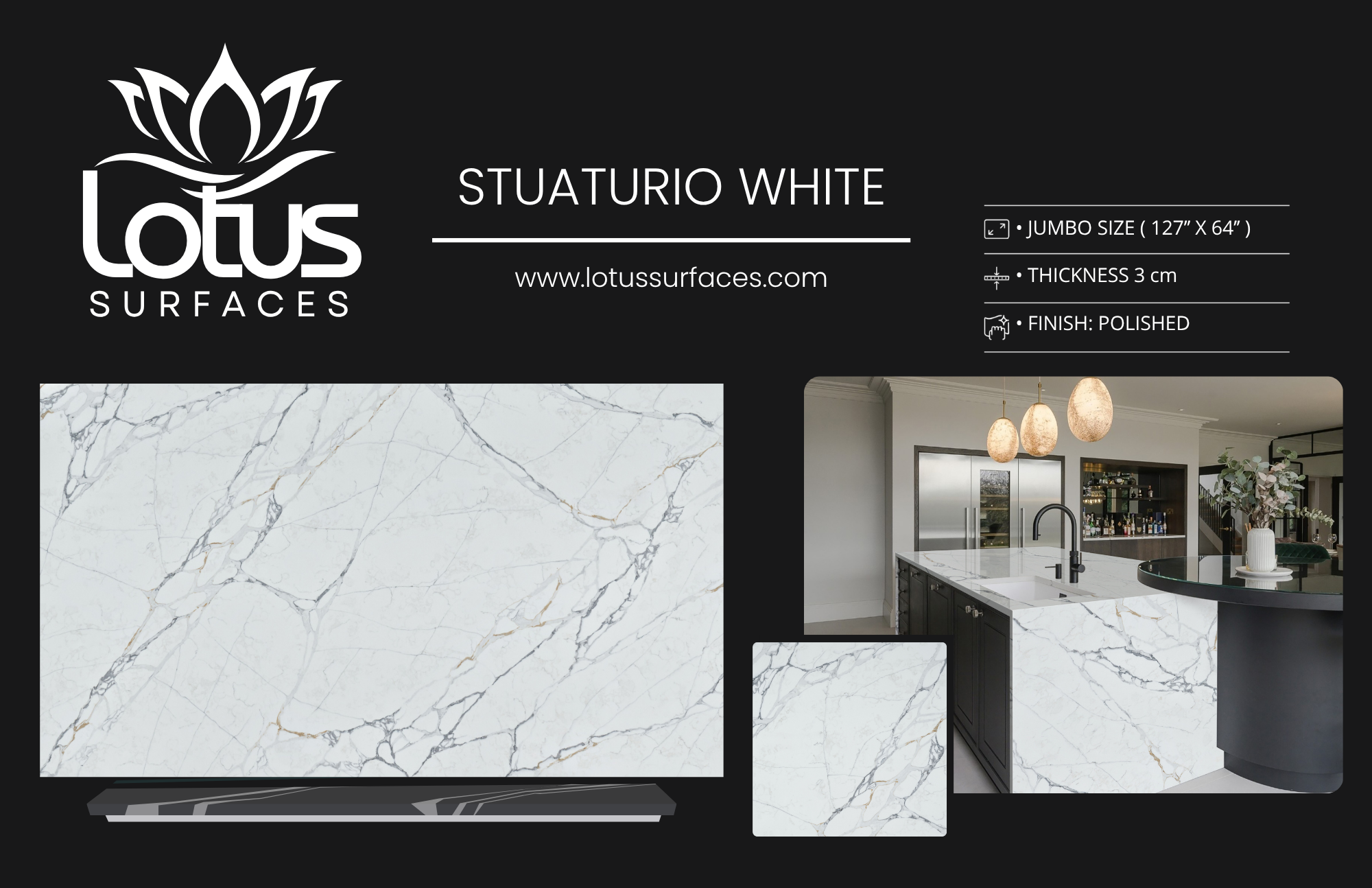
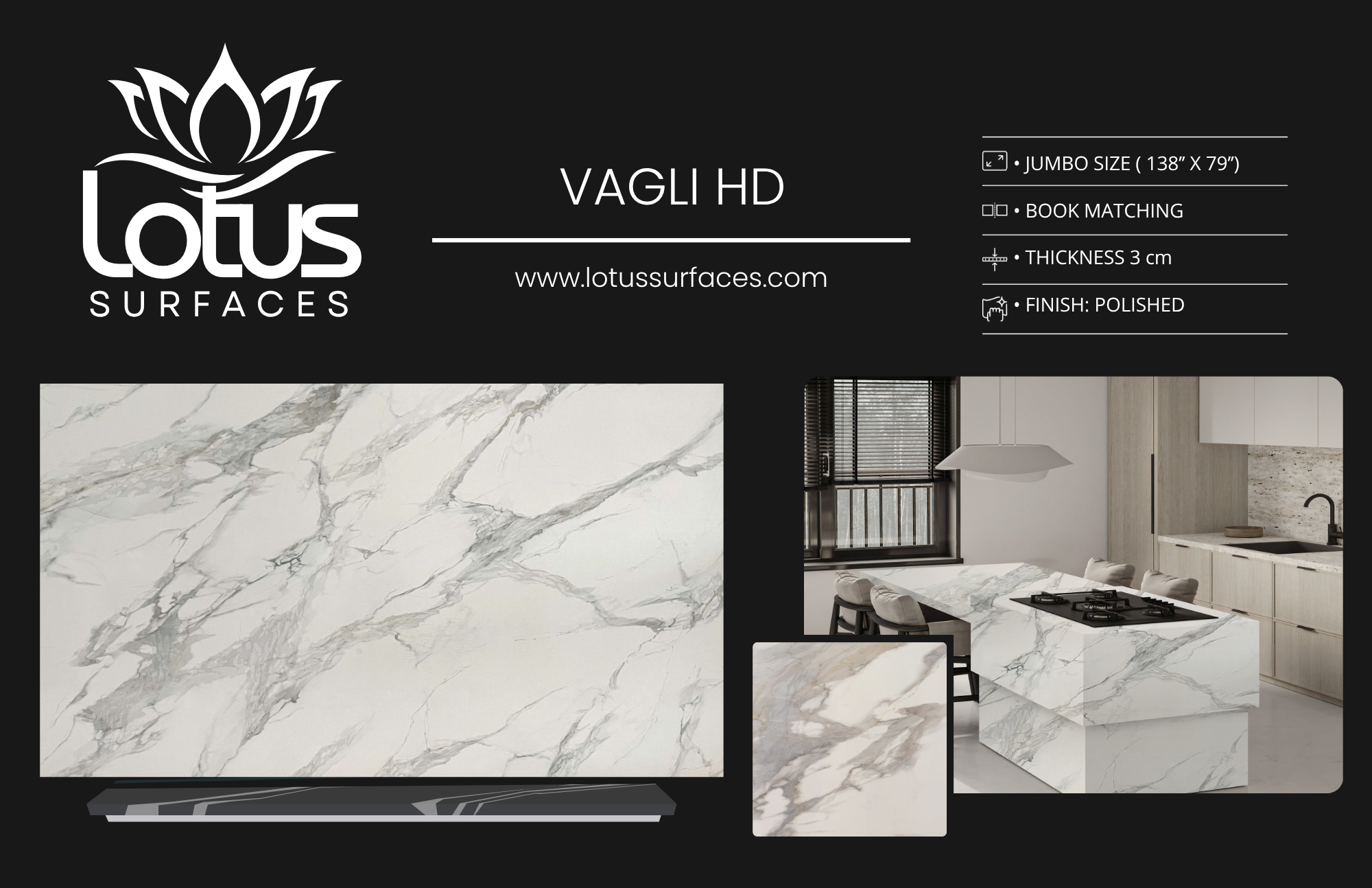
How to Choose Countertops for an Open-Concept Kitchen That Flow with Your Living Space
How to Choose Countertops for an Open-Concept Kitchen That Flow with Your Living Space
Choosing the right countertops for your open-concept kitchen is crucial in creating a cohesive living space that exudes style and functionality. With the growing trend of open-concept designs, homeowners are faced with the challenge of selecting materials that not only enhance the kitchen but also harmonize with adjacent areas such as the living room and dining space. In this comprehensive guide, we will explore essential factors to consider, the best materials available, and expert tips to ensure your countertops flow seamlessly with your living environment. By the end of this article, you will have the knowledge to make an informed decision that transforms your open-concept kitchen into a stunning centerpiece of your home.
Understanding Open-Concept Design
Open-concept design has revolutionized the way we live and interact within our homes. It promotes a sense of spaciousness and encourages social interaction by eliminating walls that traditionally separated the kitchen, dining, and living areas. According to a report by the National Association of Home Builders (NAHB), nearly 70% of new homes feature open floor plans, making it essential for homeowners to consider how their choices impact the overall aesthetic and functionality of their living space.
When designing an open-concept kitchen, it’s important to recognize that your countertops will serve as a visual bridge between different areas of your home. Therefore, the selection process should involve careful consideration of how your chosen material, color, and style will complement adjacent spaces.
Key Factors to Consider When Choosing Countertops
Choosing countertops for your open-concept kitchen involves several key factors that can influence both the practical and aesthetic aspects of your living space. Here are some essential considerations:
- 1. Functionality: Your countertops should be functional for cooking, entertaining, and everyday use. Consider how you plan to use the space and choose materials that can withstand wear and tear.
- 2. Style and Design: Think about the overall style of your home. Whether you prefer modern, rustic, or transitional designs, your countertop choice should align with your interior aesthetics.
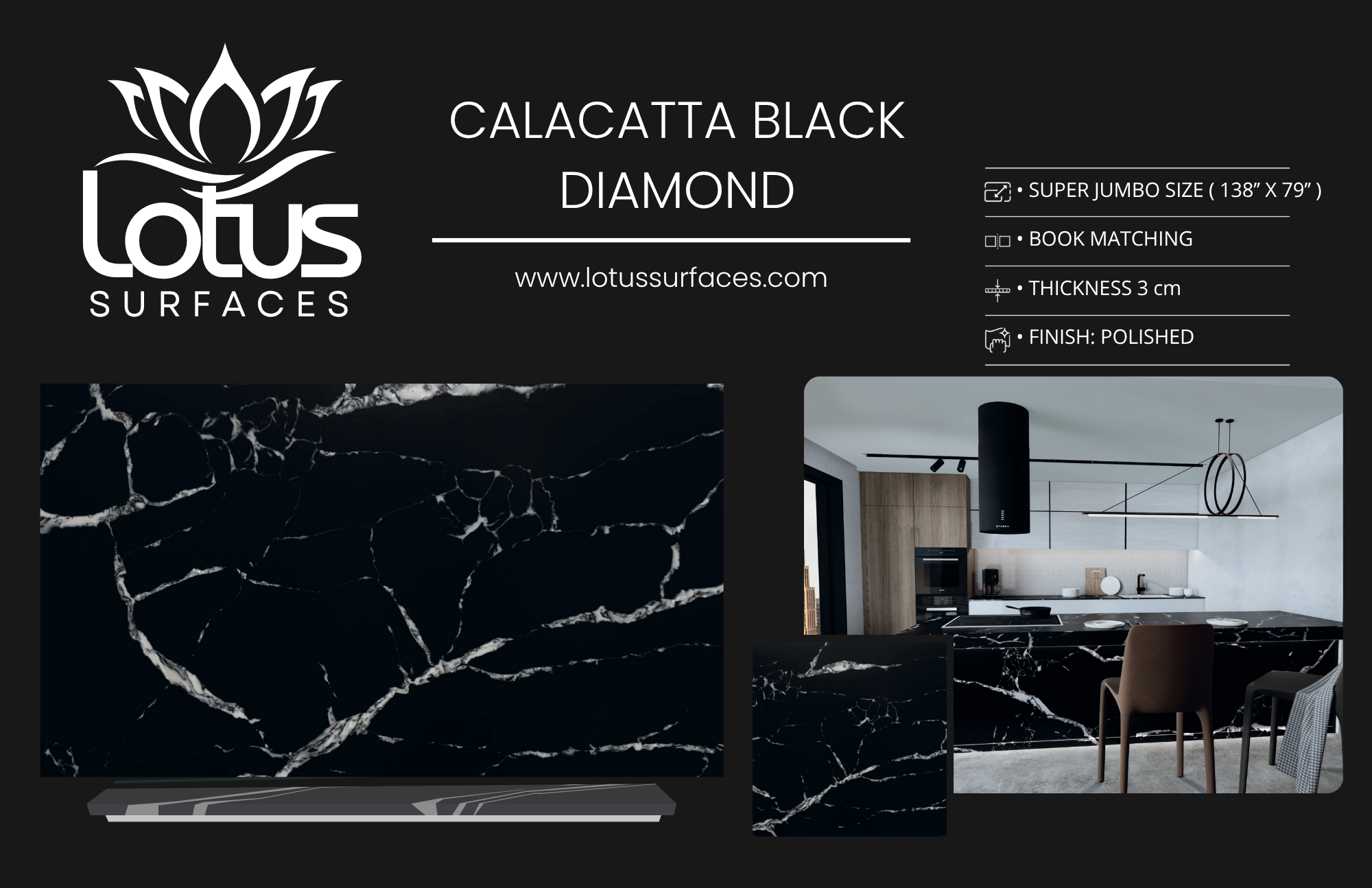
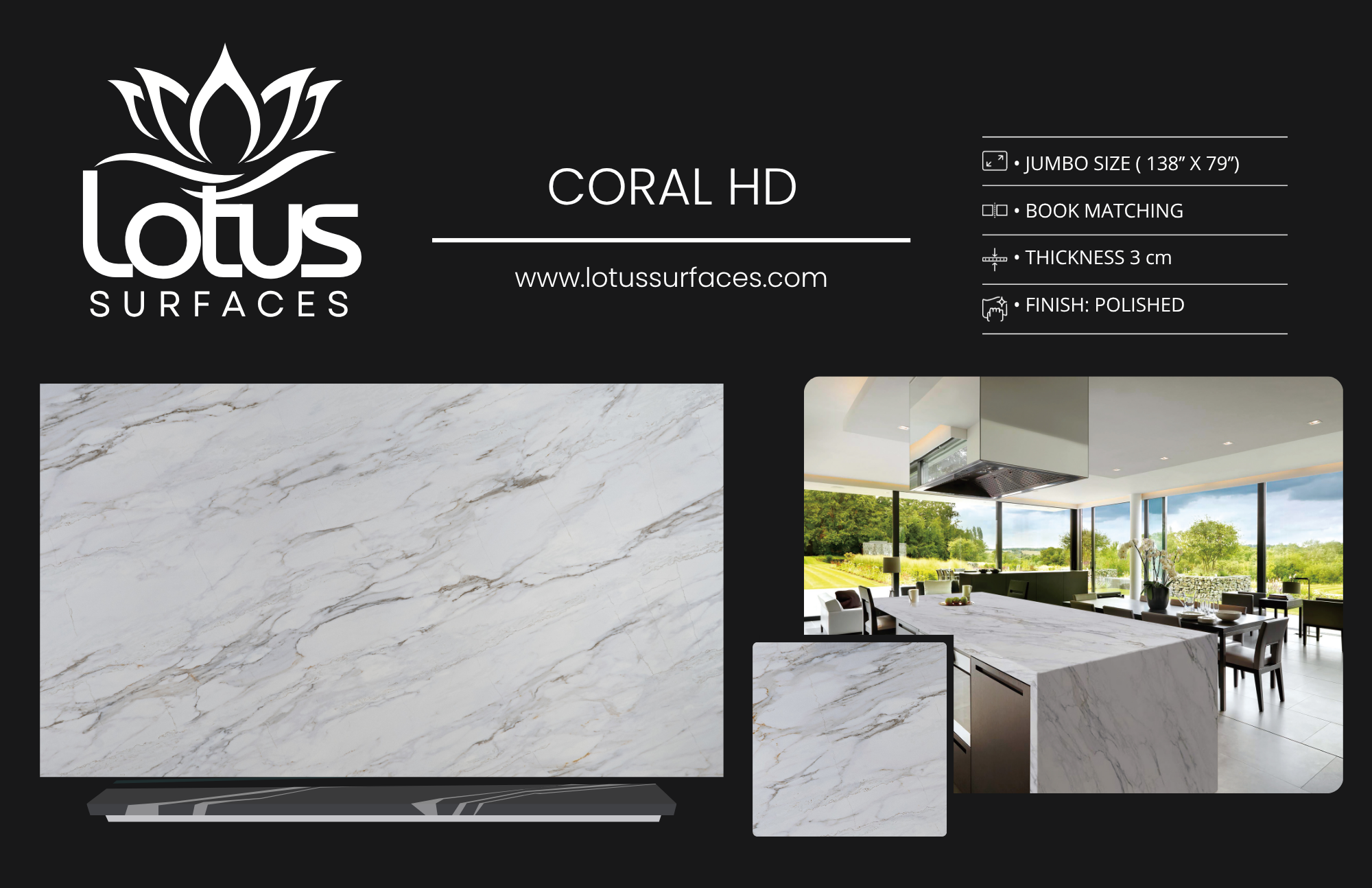
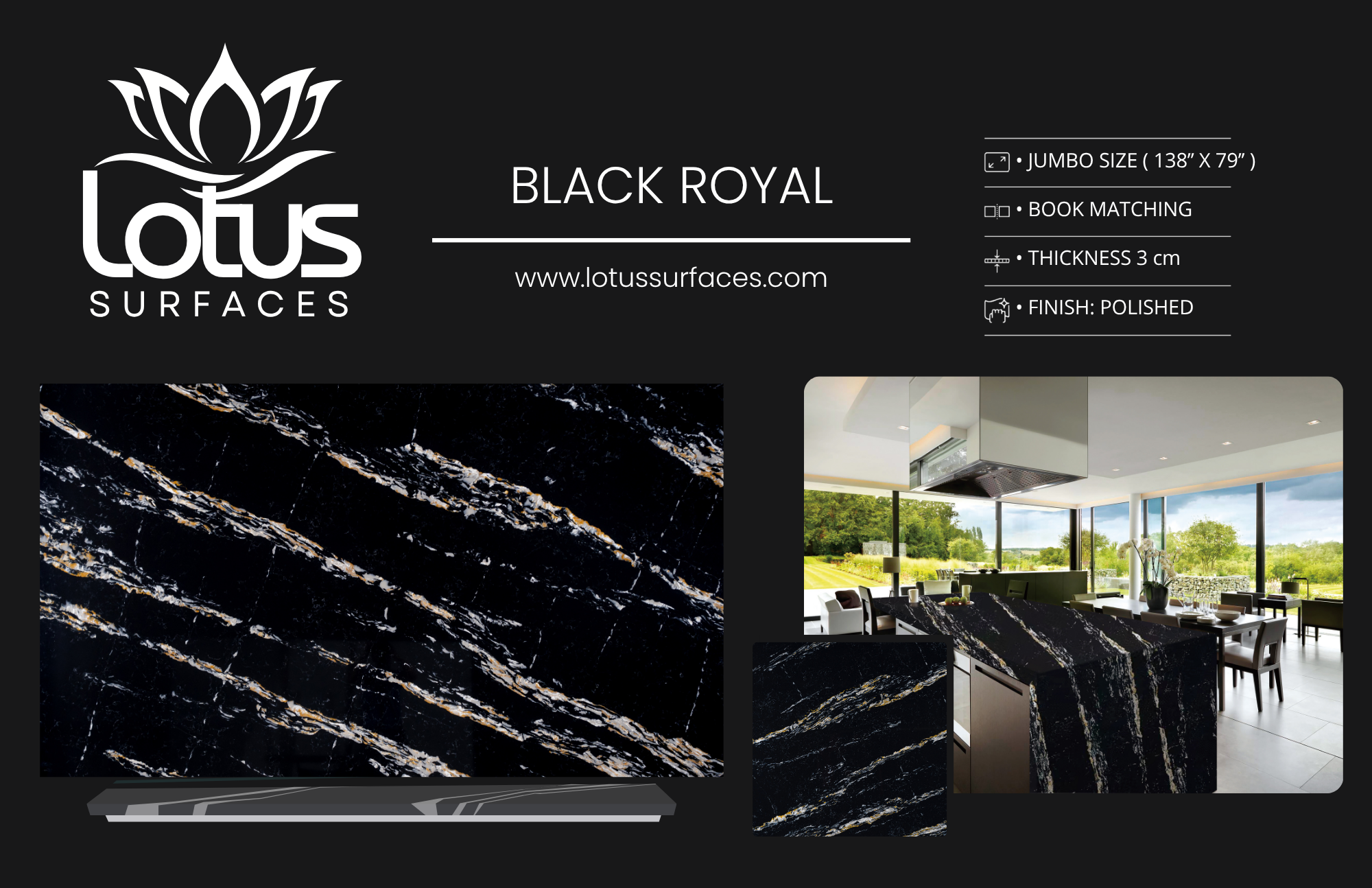
- 3. Color and Texture: The color and texture of your countertops can significantly impact the ambiance of your open-concept space. Lighter colors can create an airy feel, while darker tones add drama and sophistication.
- 4. Maintenance: Some materials require more upkeep than others. Consider how much time you’re willing to invest in maintaining your countertops.
- 5. Budget: Countertop prices can vary widely. Determine your budget early in the process to narrow down options without overspending.
Popular Countertop Materials for Open-Concept Kitchens
When selecting countertops, homeowners often gravitate toward materials that offer a balance of beauty and durability. Here’s a breakdown of some popular options:
| Material | Durability | Maintenance | Cost (per sq. ft.) |
|---|---|---|---|
| Quartz | High | Low | $50-$100 |
| Granite | High | Medium | $40-$100 |
| Porcelain | High | Low | $60-$120 |
| Marble | Medium | High | $50-$150 |
| Laminate | Medium | Low | $20-$50 |
As you can see from the table above, each material has its own set of advantages and disadvantages. Quartz countertops are particularly popular among homeowners in Norcross, GA, due to their durability and low maintenance requirements. For a more traditional look, granite offers a timeless appeal but may require periodic sealing to maintain its beauty.
Color Schemes and Aesthetics
The color scheme of your countertops plays a pivotal role in tying your open-concept kitchen together with the rest of your living space. Here are some tips for choosing the right color:
- 1. Create a Cohesive Palette: Select colors that complement the hues in your living and dining areas. If your living room features warm tones, consider choosing countertops with similar undertones.
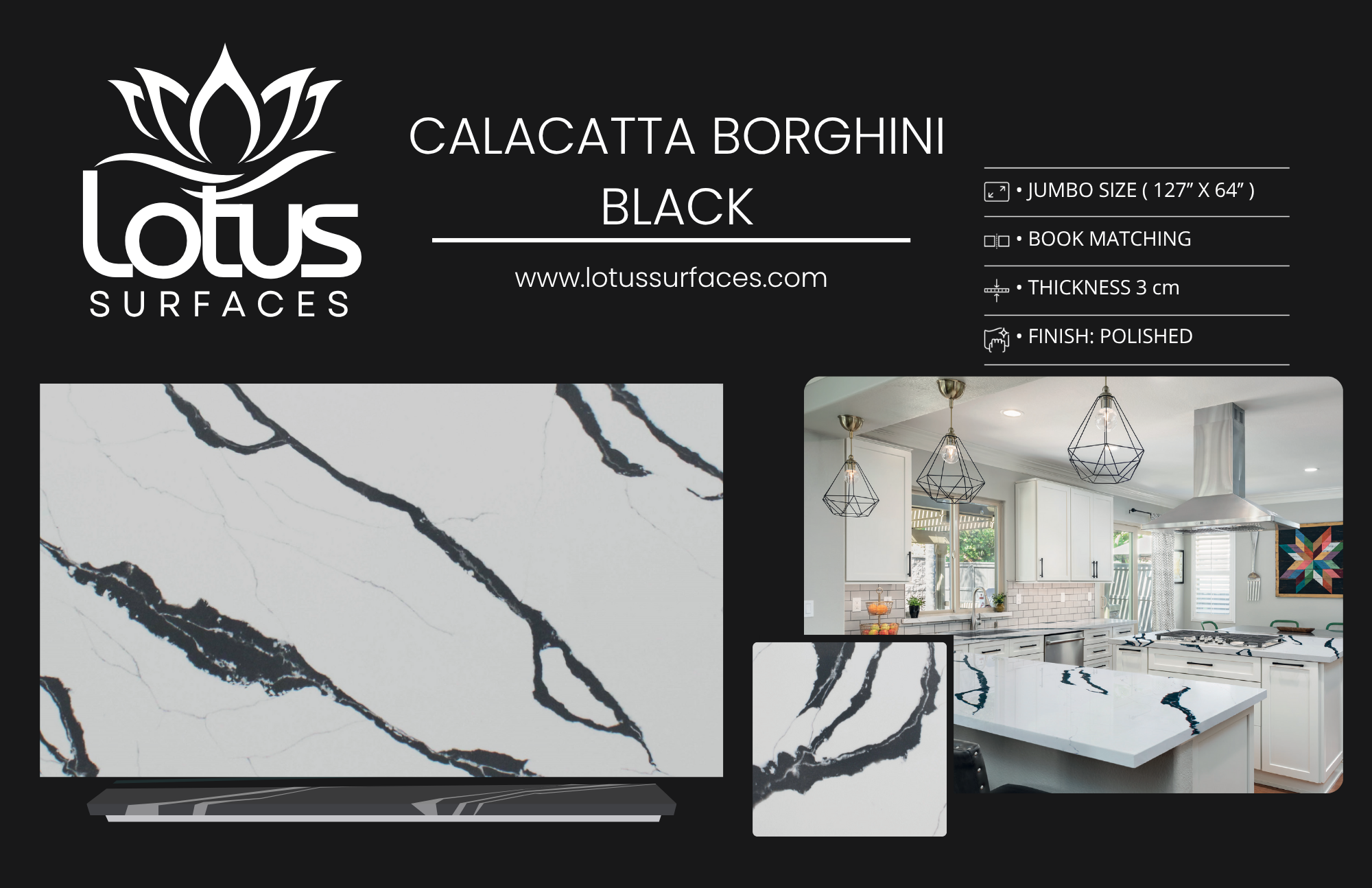
- 2. Contrast for Impact: If you prefer a bolder look, contrasting your countertops with cabinetry and flooring can create a striking visual effect. For instance, dark countertops paired with light cabinets can add depth and interest.
- 3. Texture Matters: Consider the texture of your countertops. A polished finish can enhance light reflection, while a matte finish offers a more subdued, modern look.
For example, if your open-concept space features a lot of natural wood, a warm-toned granite countertop can accentuate that organic feel while providing a durable work surface.
Expert Tips for Selecting Countertops
To ensure your countertops meet both functional and aesthetic needs, consider the following expert tips:
Additionally, here are some actionable steps to guide your selection process:
- Assess Your Space: Take measurements of your kitchen and adjacent areas. Consider the flow of traffic and how you want to use the space.
- Visit Showrooms: Explore local showrooms to see materials in person. Pay attention to how different lighting affects the appearance of each option.
- Consult Professionals: Seek advice from experienced countertop fabricators in your area, such as those at Lotus Surfaces. Their expertise can help you navigate your choices effectively.
- Consider the Future: Think about your long-term needs. Will your family grow? Do you plan to sell your home? Choose materials that will stand the test of time.
Maintenance and Durability Considerations
Maintaining the beauty of your countertops is essential, especially in an open-concept kitchen where they are a focal point. Here are some maintenance tips for various materials:
- Quartz: Wipe down with mild soap and water; avoid harsh chemicals.
- Granite: Clean with a pH-balanced cleaner; reseal every 1-3 years.
- Porcelain: Resistant to stains and scratches; clean with a damp cloth.
- Marble: Use coasters for drinks; clean spills immediately to prevent staining.
- Laminate: Avoid excessive heat and sharp objects; clean with a soft cloth.
By understanding the maintenance requirements of each material, you can choose countertops that align with your lifestyle and ensure they remain beautiful for years to come.
Conclusion
Choosing the right countertops for your open-concept kitchen is a vital step in creating a harmonious living space. By considering factors such as functionality, style, color, and maintenance, you can select materials that enhance both the beauty and practicality of your home. Remember to consult with experienced professionals for tailored advice, and always prioritize your long-term needs. With the right countertops, your open-concept kitchen will not only be a culinary haven but also a stunning centerpiece that flows effortlessly with your living space.
FAQs
1. What is the best countertop material for an open-concept kitchen?
The best countertop material depends on your needs. Quartz is popular for its durability and low maintenance, while granite offers a timeless appeal.
2. How do I choose a color for my countertops?
Consider the color palette of your living space. Choose colors that complement each other or create a bold contrast for visual interest.
3. Are quartz countertops better than granite?
Quartz countertops are engineered and non-porous, making them more resistant to stains. Granite is natural stone and may require more maintenance.
4. How can I maintain my countertops?
Maintenance varies by material. Generally, clean with mild soap and water, avoid harsh chemicals, and follow specific care instructions for each type.
5. Should I use the same countertop material throughout my open-concept space?
It’s not necessary, but using similar materials can create a cohesive look. Consider using complementary colors or textures for visual flow.
6. What is the average cost of countertops?
Costs vary widely based on material. On average, expect to pay between $20 to $150 per square foot, depending on the material chosen.
7. Can I install countertops myself?
While some homeowners attempt DIY installations, it’s best to hire professional installers to ensure precision and avoid potential damage.
8. How do I know if my countertops are suitable for my lifestyle?
Consider your cooking habits, family size, and maintenance preferences. Choose materials that align with your lifestyle for optimal satisfaction.
