
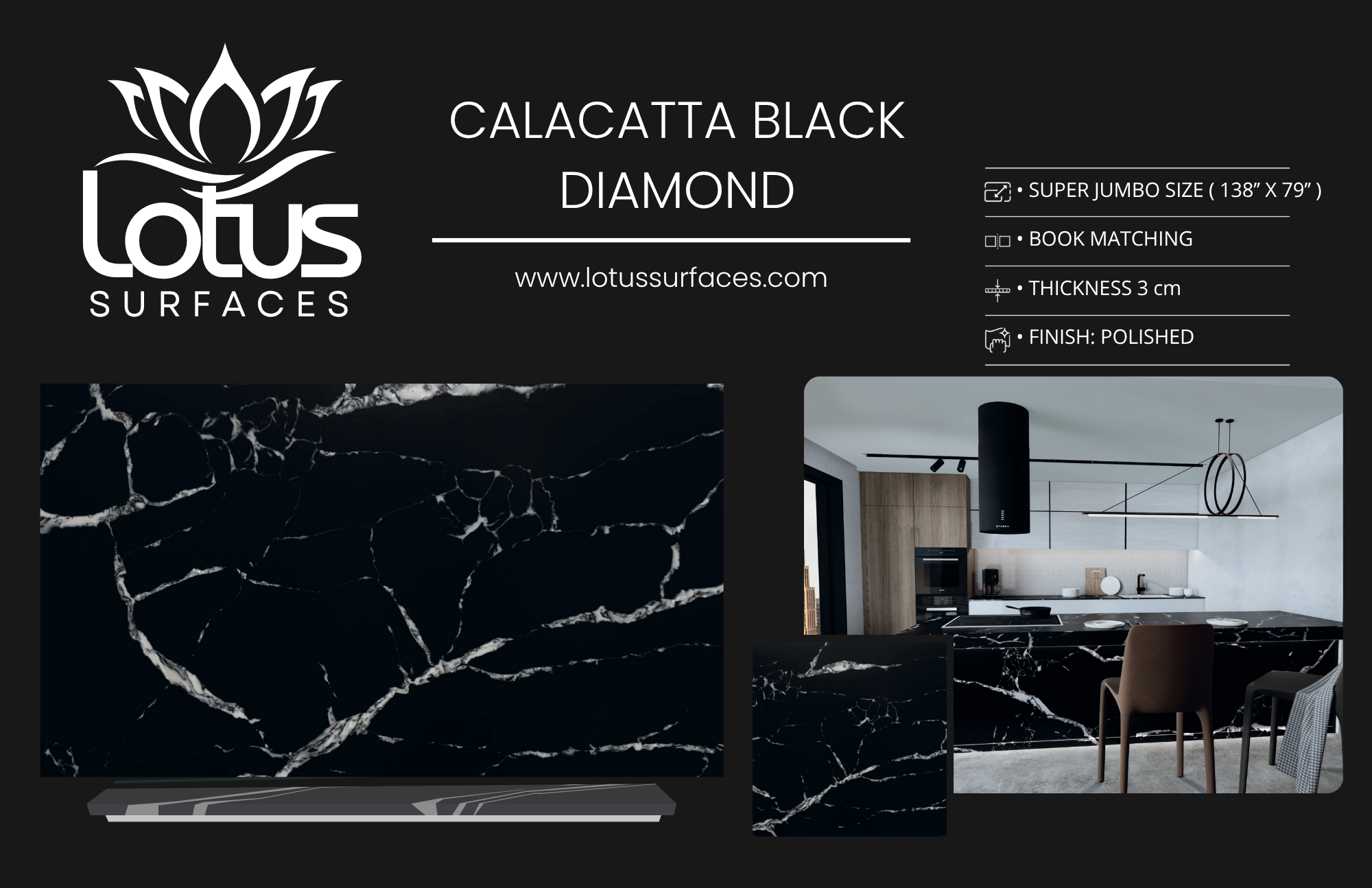
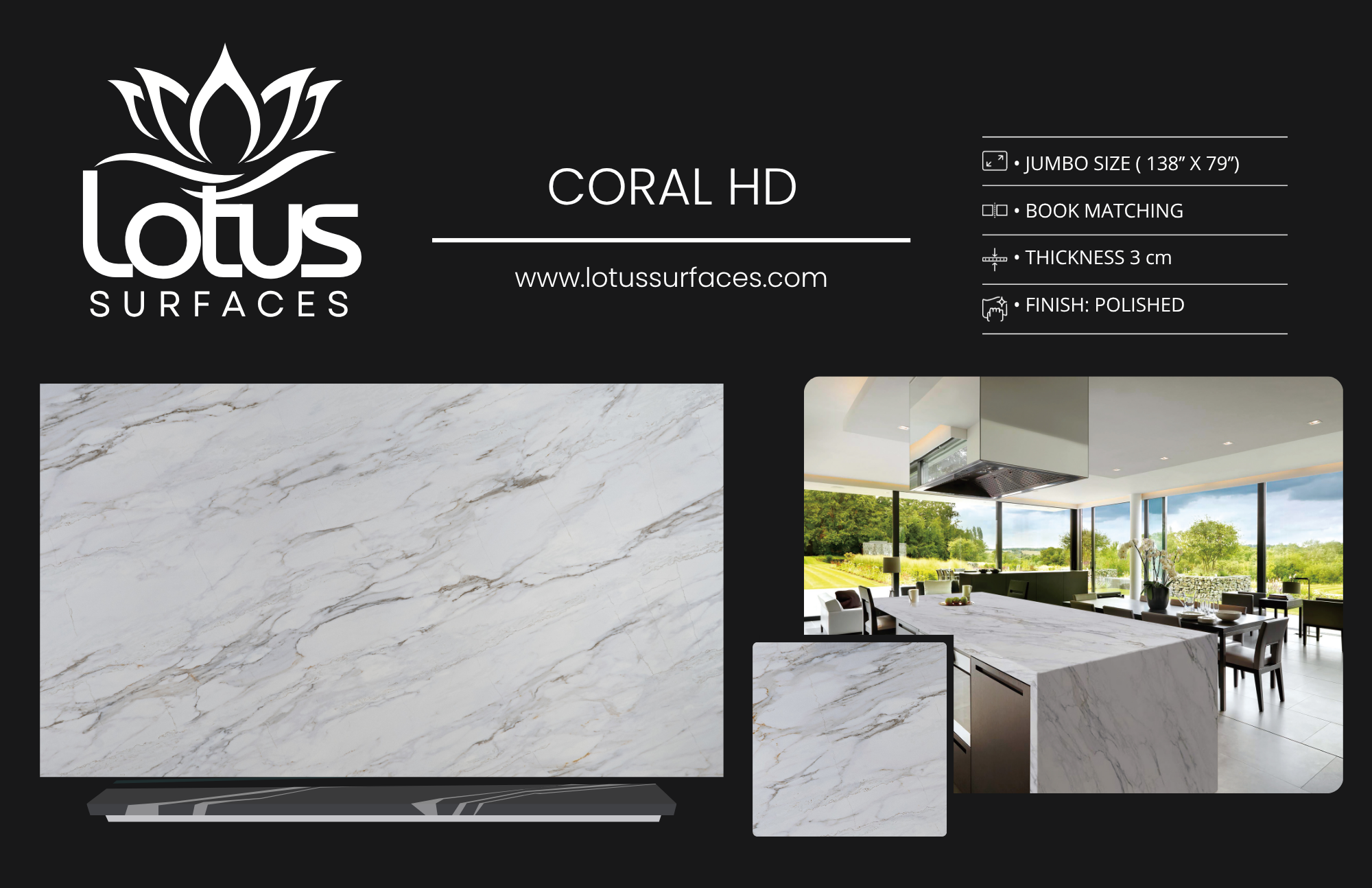
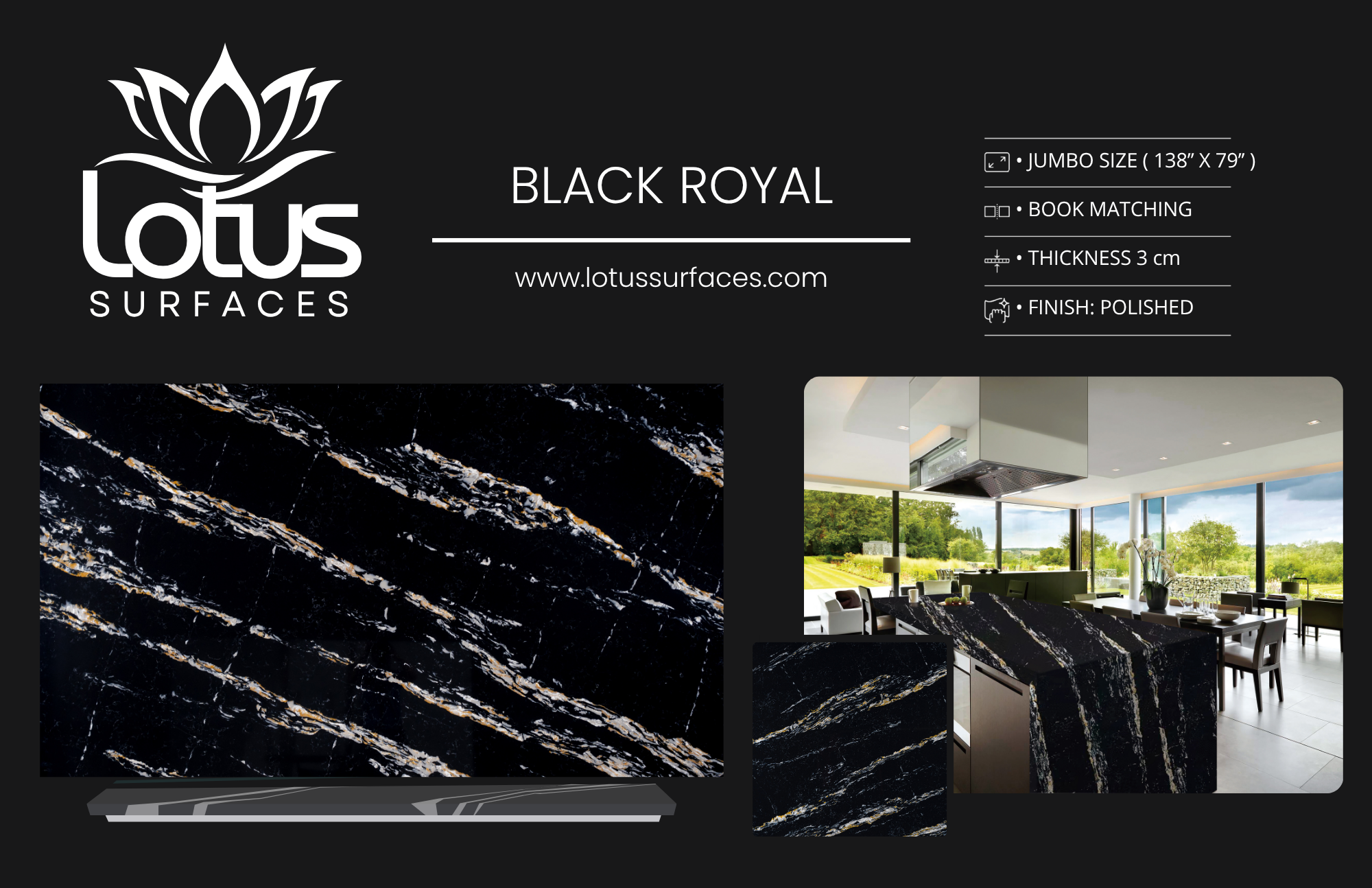
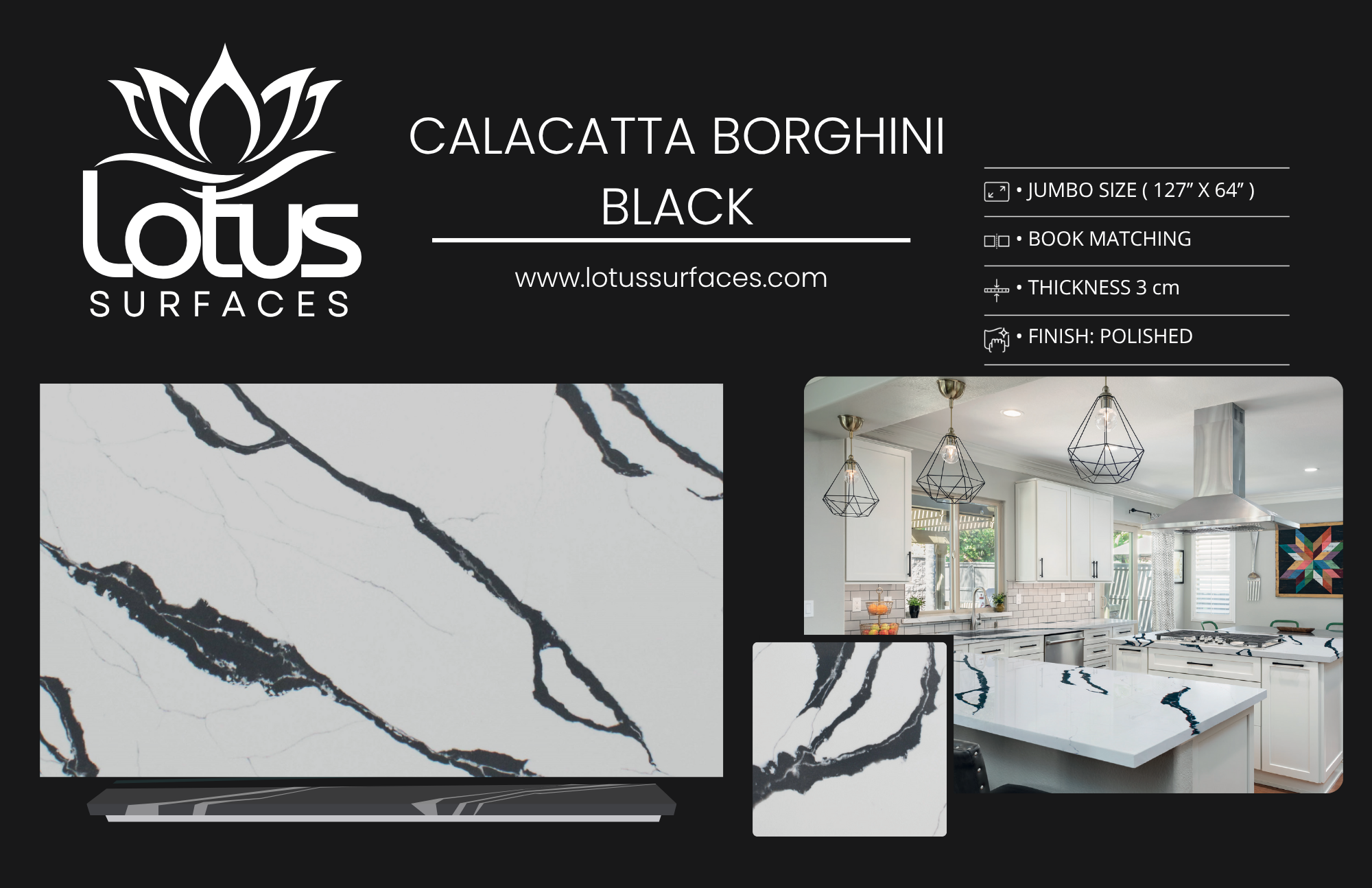
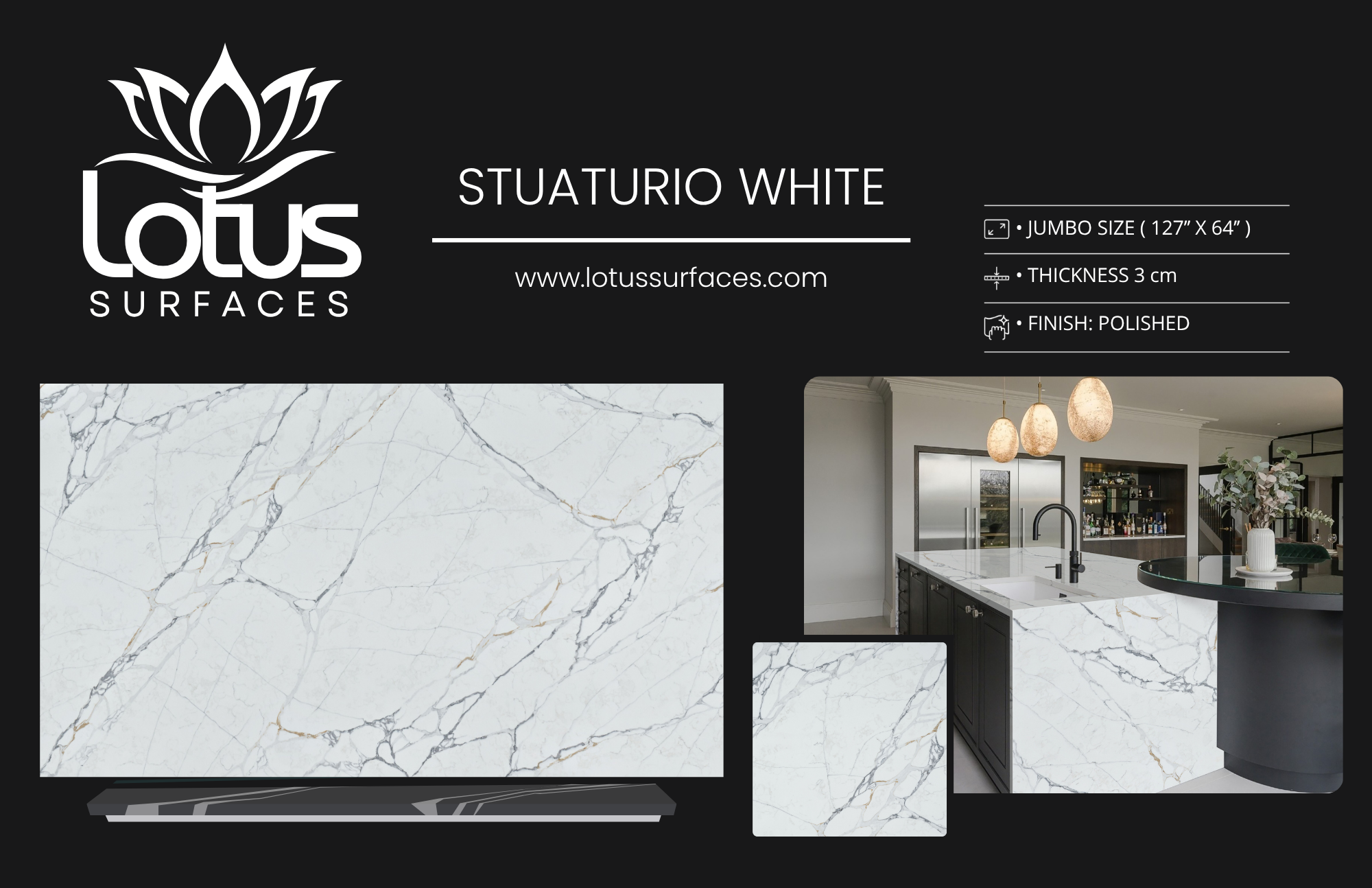
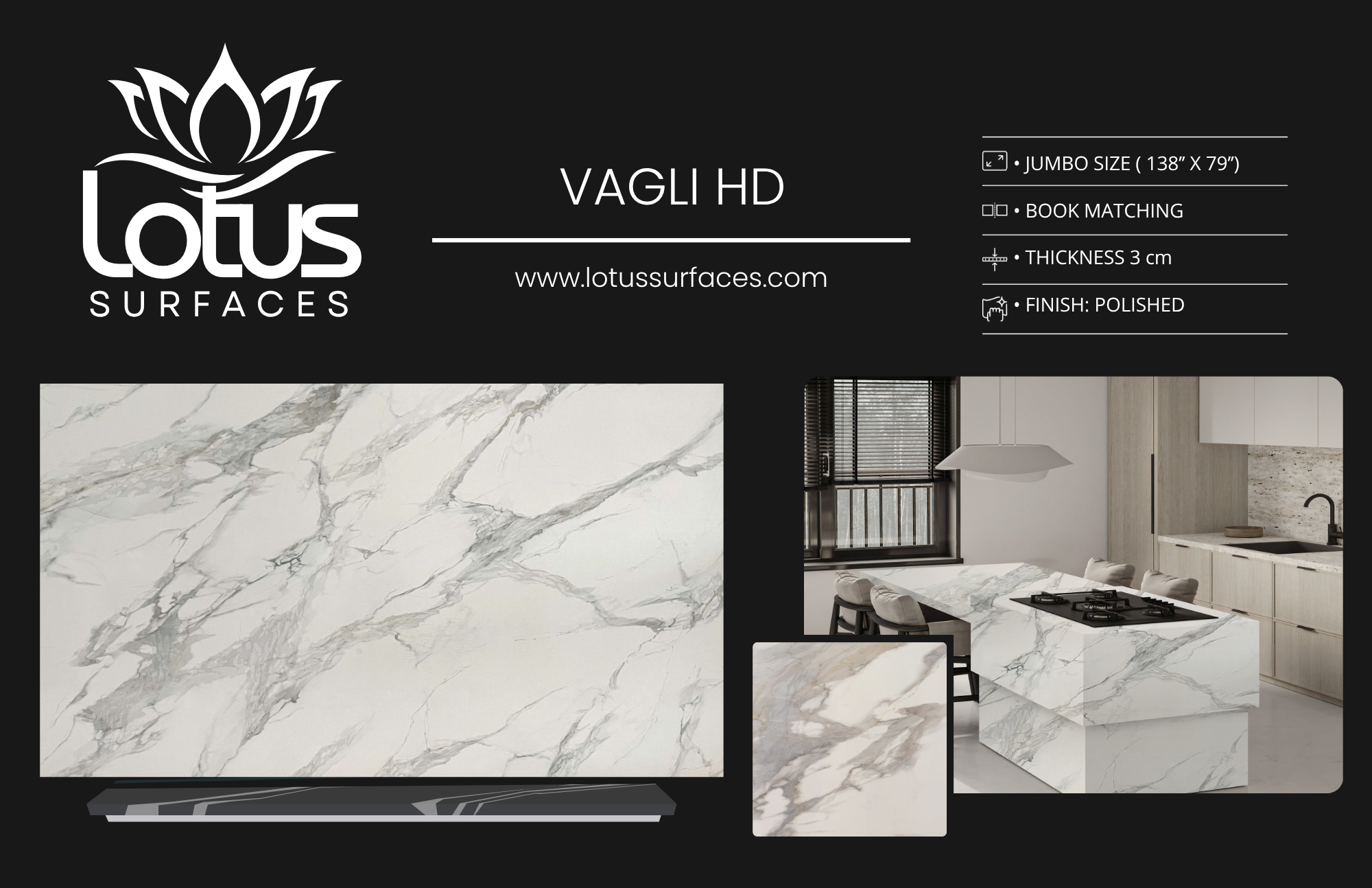
Why Natural Stone Variation Is a Feature, Not a Flaw, in Granite and Quartzite
Why Natural Stone Variation Is a Feature, Not a Flaw, in Granite and Quartzite
When it comes to choosing the perfect countertop for your kitchen or bathroom, the material you select plays a crucial role in the overall aesthetic and functionality of your space. Granite and quartzite are two of the most popular natural stone options, celebrated for their beauty and durability. However, one aspect that often raises questions among homeowners is the natural variation found in these stones. In this comprehensive guide, we will explore why this variation is not a flaw but rather a feature that enhances the uniqueness and charm of your surfaces.
You’ll learn about the geological processes that create these stunning variations, how they can complement your design choices, and why embracing this characteristic can lead to a more personalized and visually appealing home. Our expertise at Lotus Surfaces, located in Norcross, GA, ensures that we provide you with insights rooted in years of experience in the countertop industry.
Understanding Natural Stone Variation
Natural stone, by its very nature, is a product of geological processes that span thousands to millions of years. When we refer to natural stone variation, we are talking about the differences in color, texture, and pattern that occur within a single slab or across multiple slabs of stone. This variation arises from several factors, including the mineral composition, the environment in which the stone formed, and the specific geological processes involved.
Granite is an igneous rock that forms from the slow crystallization of magma beneath the Earth’s surface. This process can lead to a wide range of colors and patterns, depending on the minerals present. Quartzite, on the other hand, is a metamorphic rock that originates from sandstone. It undergoes a process of high pressure and temperature, which alters its composition and texture. Both stones exhibit unique variations that contribute to their beauty and individuality.
The Geological Processes Behind Granite and Quartzite
To truly appreciate the natural variation in granite and quartzite, it’s essential to understand the geological processes that create these stones. Let’s break it down:
Granite Formation
Granite forms from magma that cools slowly beneath the Earth’s surface. As the magma cools, minerals crystallize at different rates, leading to a variety of colors and patterns. Common minerals found in granite include:
- Quartz: The most abundant mineral in granite, giving it strength and durability.
- Feldspar: Contributes to the color variations, ranging from pink to white.
- Mica: Adds a shimmering effect and can be black or silver in color.
Quartzite Formation
Quartzite is formed when sandstone is subjected to high heat and pressure, transforming it into a dense, durable rock. This metamorphic process can result in stunning variations in color and texture, often featuring beautiful swirls and patterns. The primary mineral in quartzite is quartz, making it exceptionally hard and resistant to scratches.
Both granite and quartzite are available in a range of colors, from classic whites and grays to vibrant blues and greens. The variation in color and pattern is not only natural but also adds depth and character to your surfaces.
Embracing Variation: Aesthetic and Practical Benefits
One of the most significant advantages of choosing natural stone countertops is the unique aesthetic appeal that variation brings. Here are several reasons why you should embrace this feature:
1. Uniqueness
No two slabs of granite or quartzite are alike. This uniqueness allows homeowners to create a one-of-a-kind look in their kitchens and bathrooms. By selecting a stone with distinct variations, you can ensure that your space reflects your personal style.
2. Design Versatility
The diverse color palettes and patterns found in natural stone enable homeowners to incorporate these materials into various design styles. Whether your home is modern, rustic, or traditional, there’s a granite or quartzite option that can enhance your aesthetic.
3. Concealing Imperfections
Natural stone variation can help conceal minor imperfections, such as scratches or stains. The intricate patterns and colors can distract from any wear and tear, allowing your countertops to maintain their beauty over time.
4. Increased Value
Investing in high-quality natural stone countertops can increase the resale value of your home. Potential buyers are often drawn to the luxury and uniqueness of granite and quartzite, making them more appealing in the competitive real estate market.
Comparing Granite and Quartzite: What You Need to Know
While both granite and quartzite offer stunning variations, they have distinct characteristics that may influence your decision. Below is a comparison table highlighting the key differences between granite and quartzite:
| Feature | Granite | Quartzite |
|---|---|---|
| Composition | Igneous rock primarily composed of quartz, feldspar, and mica | Metamorphic rock formed from sandstone, primarily composed of quartz |
| Durability | Durable but can chip or scratch | Extremely hard and resistant to scratches |
| Heat Resistance | Good heat resistance | Excellent heat resistance |
| Maintenance | Requires sealing to prevent staining | Requires sealing but is less porous than granite |
| Aesthetic | Wide range of colors and patterns | Unique swirls and patterns, often with vibrant colors |
As you can see, both granite and quartzite have their advantages, and the choice ultimately depends on your specific needs and preferences. If you’re looking for a more durable option that can withstand heavy use, quartzite may be the better choice. However, if you prefer a wider variety of colors and patterns, granite can offer that flexibility.
How to Choose the Right Stone for Your Home
Choosing the right natural stone for your countertops involves considering your lifestyle, design preferences, and maintenance capabilities. Here are some steps to guide your decision:
1. Assess Your Lifestyle
Consider how you use your kitchen or bathroom. If you frequently cook or entertain, you may want a more durable option like quartzite. On the other hand, if you prefer aesthetics and are willing to maintain your countertops, granite may be suitable.
2. Explore Color and Pattern
Visit a local countertop showroom, such as Lotus Surfaces, to see samples of granite and quartzite slabs. Take note of the colors and patterns that resonate with your design vision. Remember that natural stone can vary from slab to slab, so it’s essential to view multiple options.
3. Consult with Experts
Engage with professionals who can provide insights based on their experience. At Lotus Surfaces, we offer personalized slab viewing and selection experiences, ensuring you make an informed decision that aligns with your needs.
4. Consider Maintenance Requirements
Understand the maintenance needs of each stone. While both granite and quartzite require sealing, quartzite is generally less porous and may require less frequent sealing. Be sure to factor in the time and effort you can dedicate to maintenance when making your choice.
Expert Tips for Selecting and Maintaining Your Countertops
Once you’ve selected the perfect stone for your home, keeping it in pristine condition is essential. Here are some expert tips:
1. Regular Cleaning
Clean your granite or quartzite countertops regularly with a mild soap and water solution. Avoid harsh chemicals that can damage the sealant.
2. Sealing
Seal your countertops as recommended by your fabricator. This process helps protect against stains and enhances the stone’s natural beauty.
3. Avoid Abrasive Tools
Use soft cloths and non-abrasive sponges for cleaning to prevent scratching the surface.
4. Address Stains Promptly
If you do spill something on your countertop, clean it up immediately to prevent staining. For tough stains, consult with a professional for cleaning solutions specific to granite or quartzite.
FAQs
1. What causes the variation in granite and quartzite?
The variation is caused by the unique mineral composition and geological processes that form each slab of stone.
2. Is natural stone variation a problem for countertops?
No, it is a feature that adds beauty and uniqueness to your surfaces.
3. How can I choose the right granite or quartzite for my home?
Consider your lifestyle, explore color options, and consult with experts for guidance.
4. How do I maintain my granite or quartzite countertops?
Regular cleaning, sealing, and using protective measures can help maintain their beauty.
5. Are granite and quartzite heat resistant?
Yes, both materials offer good heat resistance, but quartzite generally performs better.
6. Do I need to seal my granite or quartzite countertops?
Yes, sealing is recommended to protect against stains and enhance durability.
7. Can I use abrasive cleaners on my countertops?
No, abrasive cleaners can scratch and damage the surface of the stone.
8. Where can I find high-quality granite and quartzite in Atlanta?
Lotus Surfaces offers a wide selection of premium granite and quartzite options. Visit our countertop page for more information.
Conclusion
Natural stone variation in granite and quartzite is not a flaw; it’s a feature that enhances the beauty and individuality of your home. By understanding the geological processes that create these stunning variations, embracing their unique aesthetic, and choosing the right stone for your needs, you can make an informed decision that elevates your living space. At Lotus Surfaces, we are committed to providing high-quality materials and expert guidance to help you create the perfect countertops for your kitchen or bathroom. Contact us today to begin your journey toward a beautifully designed home.
