
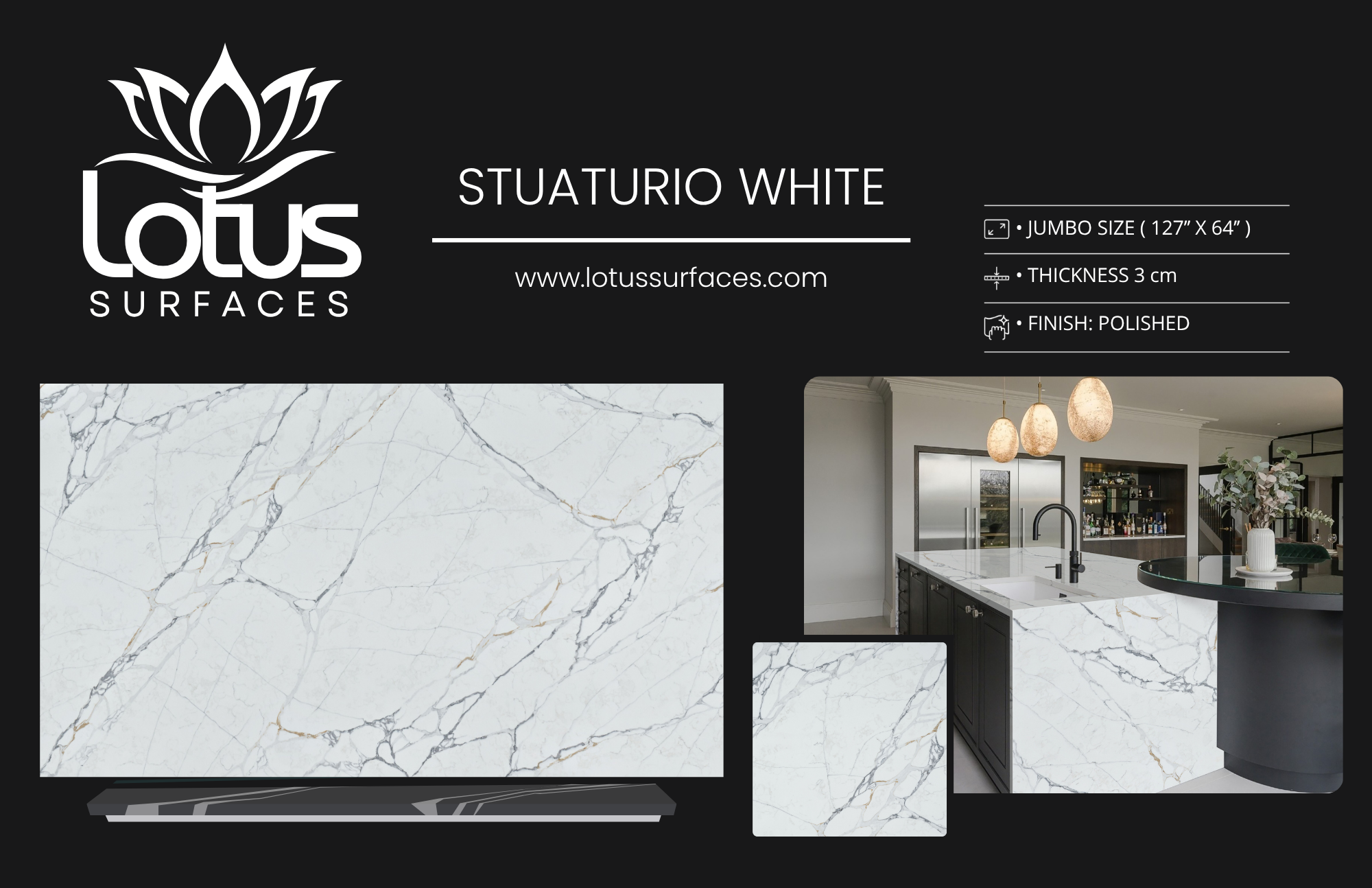
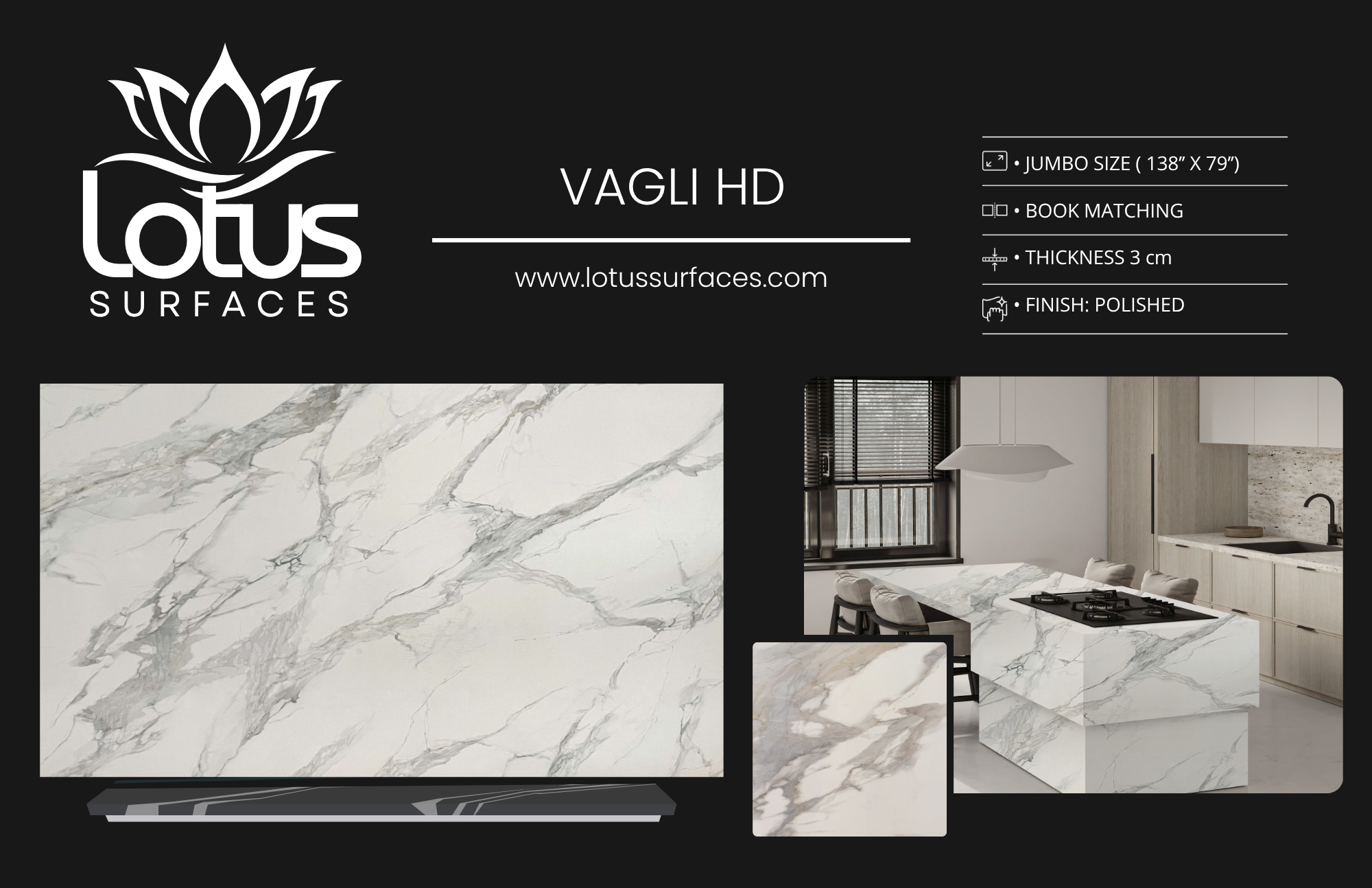
The Complete Guide to Recycled and Eco-Friendly Countertop Material Options
The Complete Guide to Recycled and Eco-Friendly Countertop Material Options
In today’s world, more homeowners are prioritizing sustainability in their renovation projects. When it comes to choosing kitchen and bathroom surfaces, eco-friendly and recycled materials have gained significant traction. This comprehensive guide will explore the best recycled and eco-friendly countertop material options available, focusing on their benefits, applications, and unique features. If you are considering a renovation in Norcross or the Greater Atlanta area, this guide is designed to help you make informed decisions that align with your values while enhancing the beauty and functionality of your home.
What Are Recycled and Eco-Friendly Countertops?
Recycled and eco-friendly countertops are surfaces made from sustainable materials that minimize environmental impact. These materials are often derived from post-consumer or post-industrial waste, helping to divert waste from landfills while reducing the demand for new raw materials. Eco-friendly countertops can also include products manufactured with low volatile organic compounds (VOCs) and materials that are biodegradable or recyclable at the end of their life cycle. As homeowners increasingly seek to reduce their carbon footprint, these countertops offer both aesthetic appeal and environmental responsibility.
Benefits of Choosing Eco-Friendly Countertops
Adopting eco-friendly countertops comes with a multitude of benefits:
- Environmental Impact: The most significant benefit is the reduction in environmental harm. By choosing recycled materials, you contribute to less energy consumption and lower greenhouse gas emissions.
- Healthier Indoor Air Quality: Many eco-friendly materials are free from harmful chemicals, improving the air quality in your home.
- Durability: Many recycled materials, such as quartz and recycled glass, offer long-lasting durability, making them ideal for high-traffic areas in your home.
- Aesthetic Variety: Eco-friendly countertops come in various styles, colors, and finishes, allowing homeowners to find the perfect match for their design vision.
- Increased Home Value: Sustainable features can enhance your home’s value and appeal to environmentally-conscious buyers.
Types of Recycled and Eco-Friendly Countertop Materials
There are several types of recycled and eco-friendly countertop materials available. Here’s a closer look at some popular options:
1. Recycled Glass Countertops
Recycled glass countertops are made from crushed glass that is combined with resins or concrete. They are available in a wide range of colors and styles, offering a unique and modern look. These countertops are non-porous, making them resistant to stains and easy to clean.
2. Reclaimed Wood Countertops
Reclaimed wood countertops are crafted from salvaged wood, giving new life to materials that would otherwise go to waste. They add warmth and character to kitchens and bathrooms. However, they require more maintenance than other materials to protect against moisture and damage.
3. Bamboo Countertops
Bamboo is a rapidly renewable resource, making it a popular choice for eco-friendly countertops. It is strong, durable, and has a unique aesthetic. Bamboo countertops can be used in various applications, but they also require care to maintain their appearance.
4. Quartz Countertops
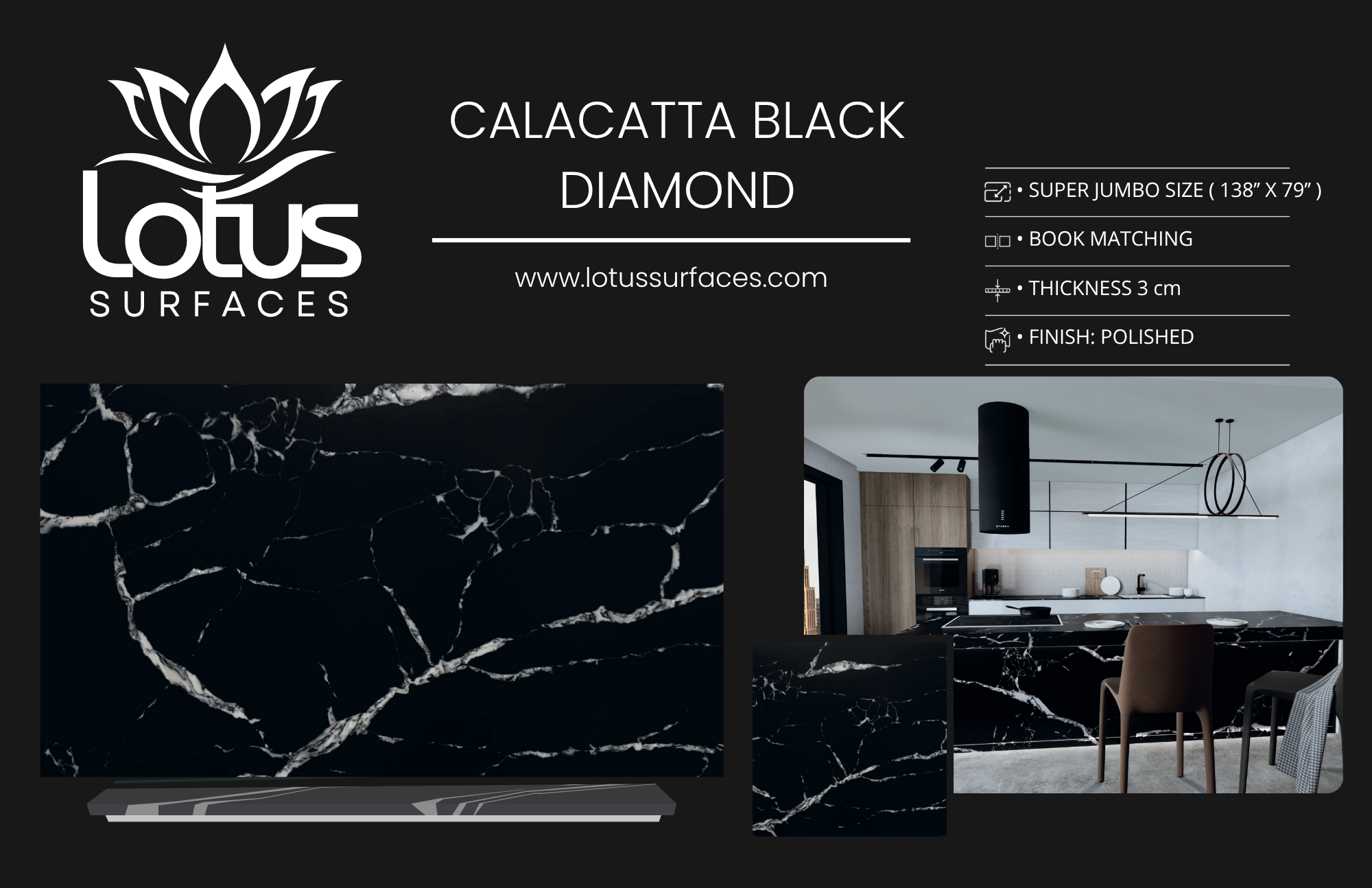
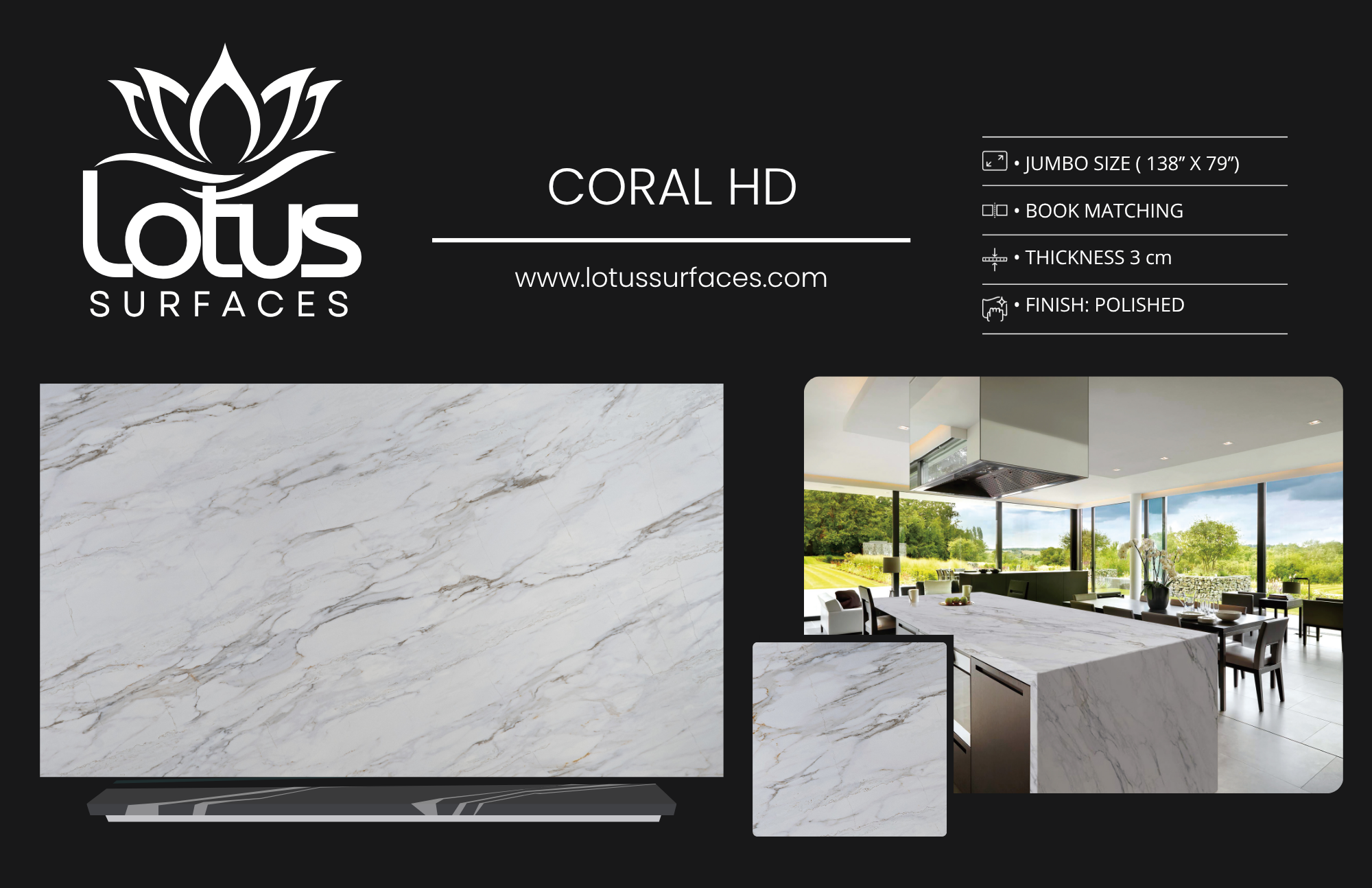
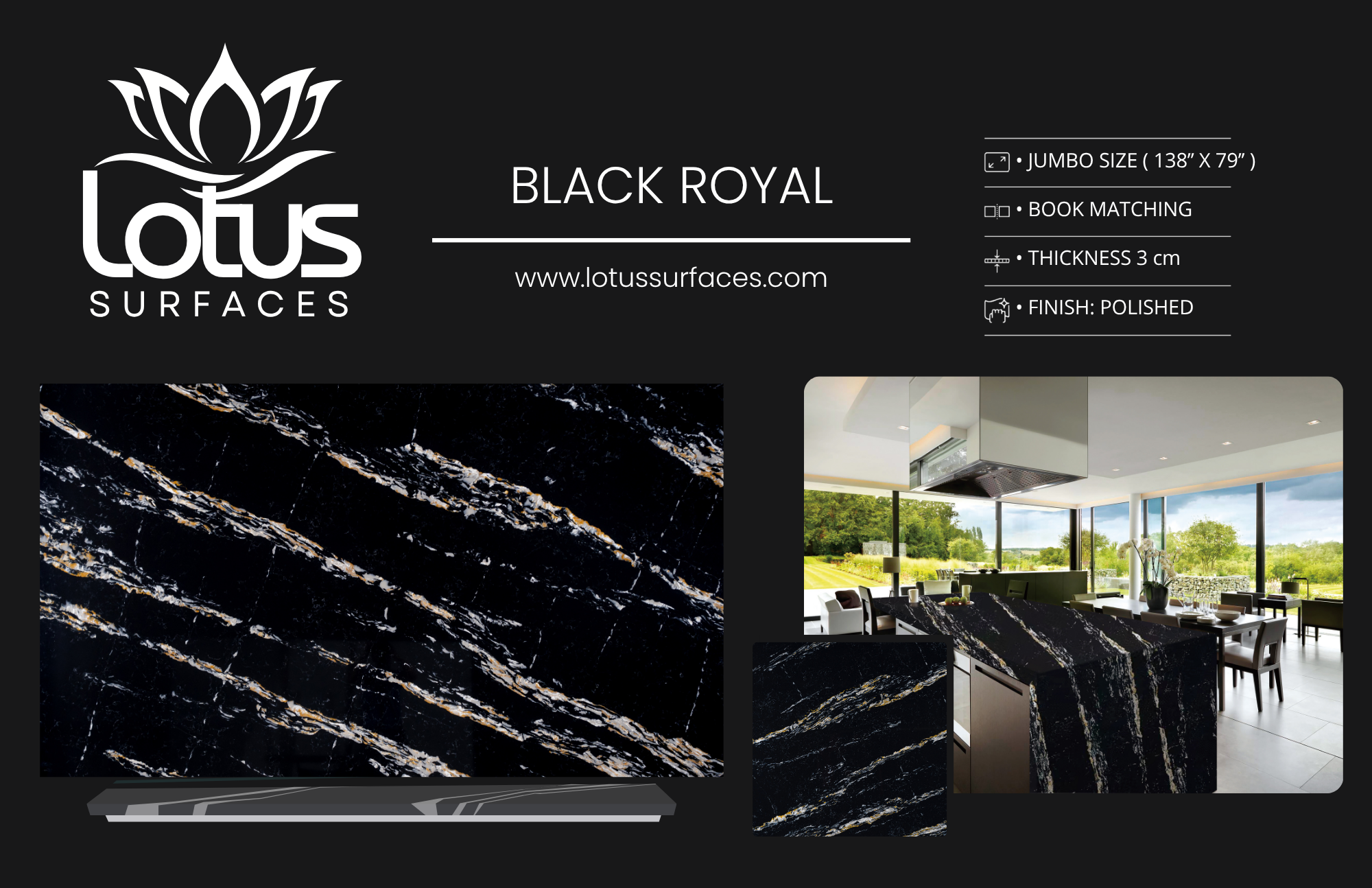
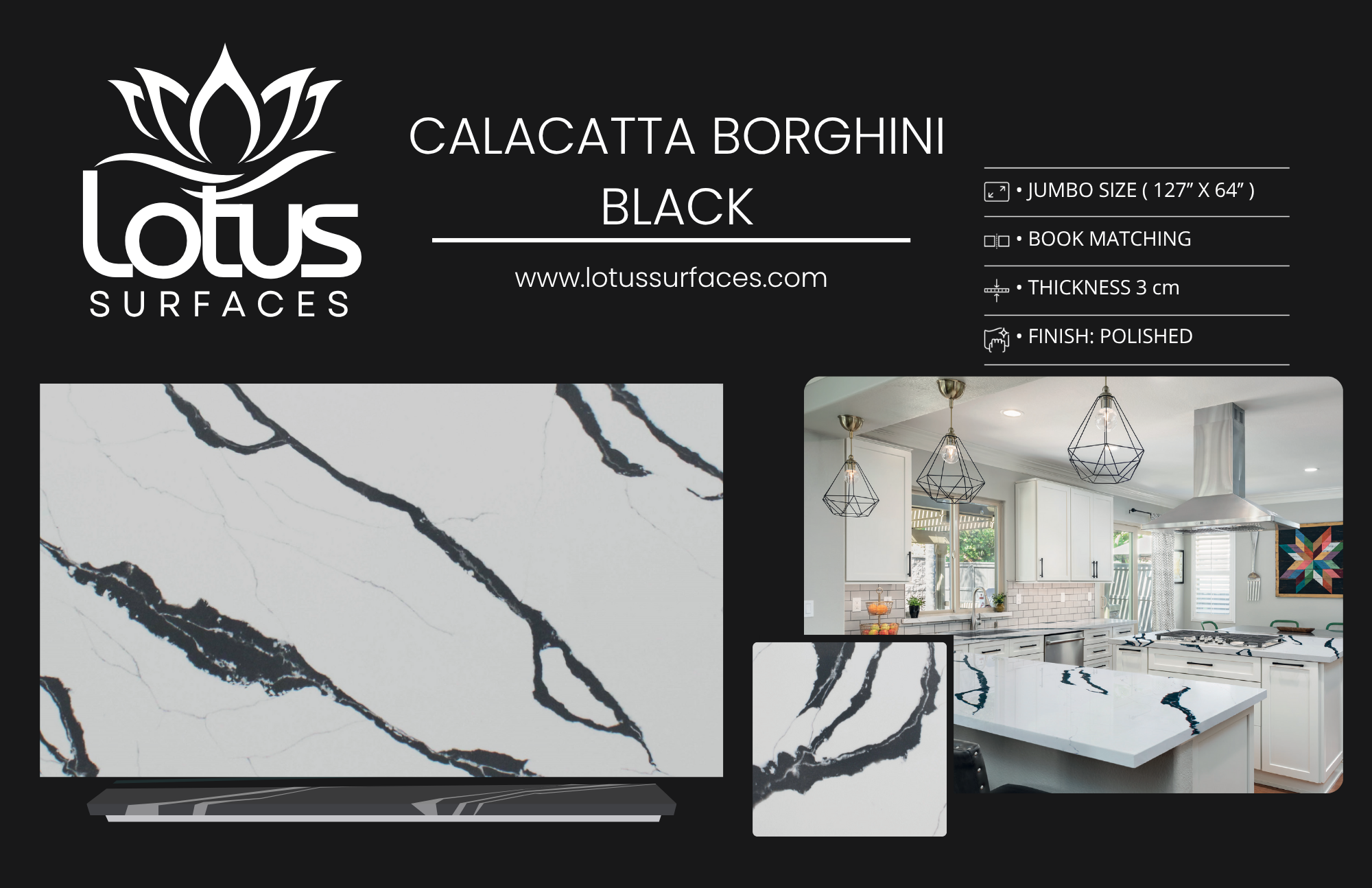
While not entirely recycled, many quartz countertops are made with a percentage of recycled materials like glass or mirror. They offer the durability of natural stone while providing a more eco-friendly option. Quartz countertops are non-porous, making them resistant to bacteria and stains.
5. Concrete Countertops
Concrete is a versatile material that can be tailored to any design. Some manufacturers create eco-friendly concrete countertops using recycled aggregates or eco-resins. They can be stained or polished to achieve various looks.
6. Paper Composite Countertops
Paper composite countertops are made from recycled paper and resin, resulting in a durable and sustainable surface. They are available in various colors and patterns, providing a unique design element in any kitchen or bathroom.
Comparison of Popular Eco-Friendly Countertop Materials
| Material | Durability | Maintenance | Aesthetic Variety | Environmental Impact |
|---|---|---|---|---|
| Recycled Glass | High | Low | High | Positive |
| Reclaimed Wood | Moderate | High | Moderate | Positive |
| Bamboo | High | Moderate | High | Positive |
| Quartz | High | Low | High | Moderate |
| Concrete | High | Low | High | Positive (when using recycled aggregates) |
| Paper Composite | Moderate | Moderate | High | Positive |
How to Choose the Right Eco-Friendly Countertop for Your Home
Choosing the right eco-friendly countertop involves several considerations:
1. Assess Your Lifestyle
Consider how much wear and tear your countertops will endure. If you have a busy kitchen, opt for materials with higher durability, such as quartz or recycled glass.
2. Determine Your Aesthetic Preferences
Think about the overall style of your home. Do you prefer a modern look? Recycled glass or concrete may be ideal. For a rustic charm, reclaimed wood or bamboo could be the better choice.
3. Evaluate Maintenance Needs
Some materials require more maintenance than others. If you prefer low-maintenance options, consider quartz or recycled glass. If you’re willing to invest time, reclaimed wood offers unique beauty.
4. Budget Considerations
Set a budget for your countertop project. While some eco-friendly materials may be more expensive upfront, they can lead to savings in maintenance and longevity.
5. Consult with Professionals
Engage with experienced countertop fabricators like Lotus Surfaces to explore your options and receive expert guidance tailored to your project.
Installation and Maintenance Tips for Eco-Friendly Countertops
Once you have selected your eco-friendly countertop, proper installation and maintenance are crucial for longevity:
Installation Tips
- Professional Installation: Always consider hiring professionals for installation, especially for materials like concrete or quartz that require precision.
- Follow Manufacturer Guidelines: Adhere to all guidelines provided by the manufacturer for best practices in installation.
- Consider Local Climate: In areas like Georgia, humidity may affect certain materials. Consult with professionals about the best choices for your local climate.
Maintenance Tips
- Regular Cleaning: Clean countertops regularly with mild soap and water. Avoid harsh chemicals that can damage the surface.
- Seal When Necessary: Some materials, like concrete and wood, may require sealing to protect against moisture.
- Avoid Heat and Impact: Use cutting boards and trivets to prevent damage from heat or sharp objects.
FAQs about Recycled and Eco-Friendly Countertops
What are the most eco-friendly countertop materials?
The most eco-friendly options include recycled glass, reclaimed wood, bamboo, quartz with recycled content, concrete with recycled aggregates, and paper composite countertops.
Are recycled countertops durable?
Yes, many recycled countertops, such as quartz and recycled glass, are highly durable and can withstand daily use.
How do I maintain eco-friendly countertops?
Maintenance varies by material, but generally includes regular cleaning with mild soap, avoiding harsh chemicals, and sealing when necessary.
Can I use heat on recycled glass countertops?
While recycled glass countertops are heat-resistant, it’s best to use trivets or hot pads to prevent thermal shock.
Are eco-friendly countertops more expensive?
Some eco-friendly materials can be more expensive than traditional options, but they often provide long-term savings through durability and lower maintenance costs.
Where can I find eco-friendly countertops in Atlanta?
For high-quality eco-friendly countertops, consider visiting Lotus Surfaces, a trusted local fabricator in Norcross, GA.
How do I choose the right countertop material?
Evaluate your lifestyle, aesthetic preferences, maintenance needs, and budget to determine the best countertop material for your home.
Are recycled countertops safe for food preparation?
Most recycled countertops, such as quartz and recycled glass, are non-porous and safe for food preparation, provided they meet health and safety standards.
Conclusion
Choosing recycled and eco-friendly countertops is a significant step towards creating a sustainable home. With a variety of materials available, homeowners can find beautiful and functional options that align with their environmental values. As you embark on your renovation journey, consider consulting with professionals like Lotus Surfaces to ensure you make the best choices for your kitchen and bathroom surfaces.
