
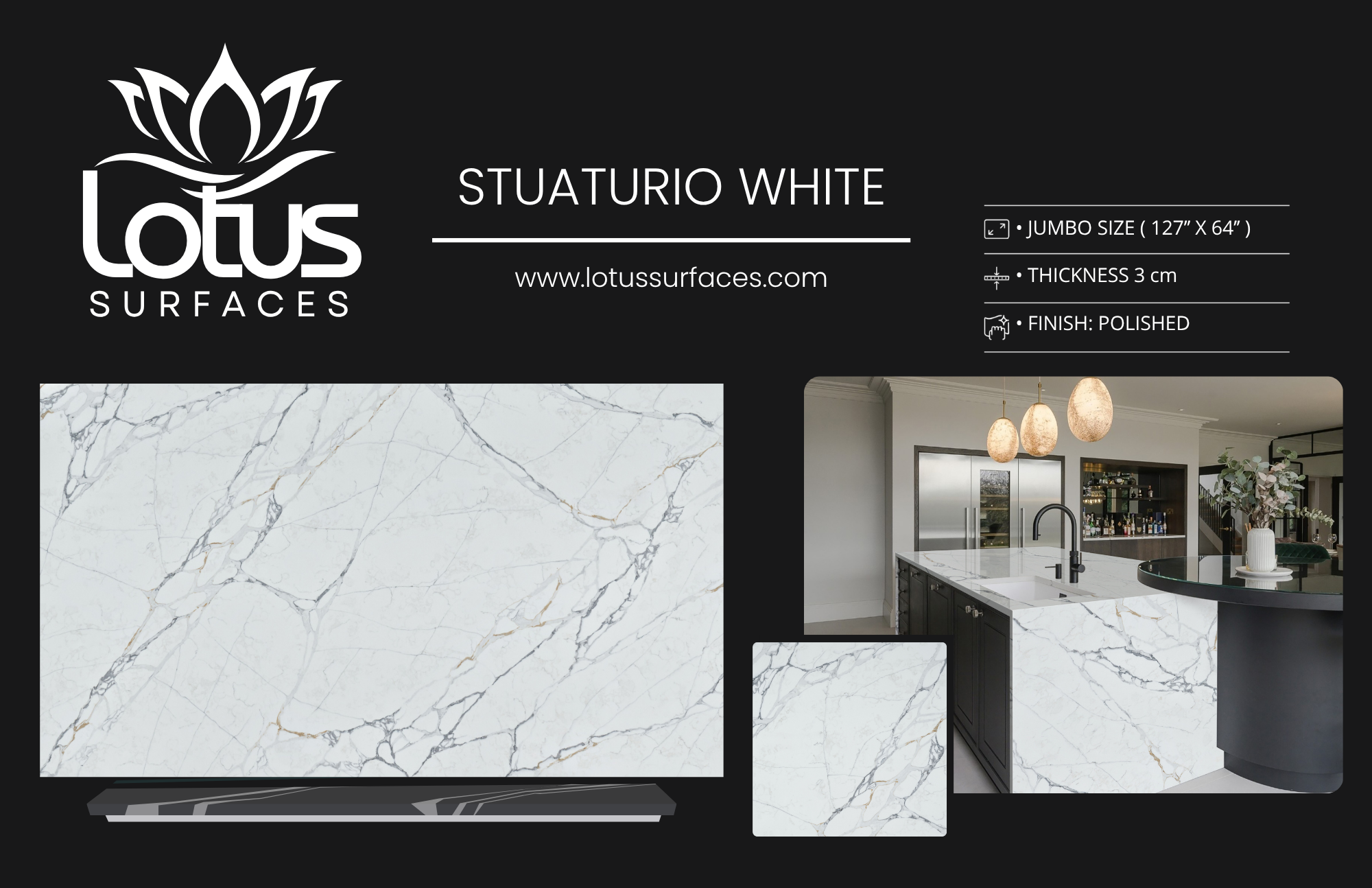
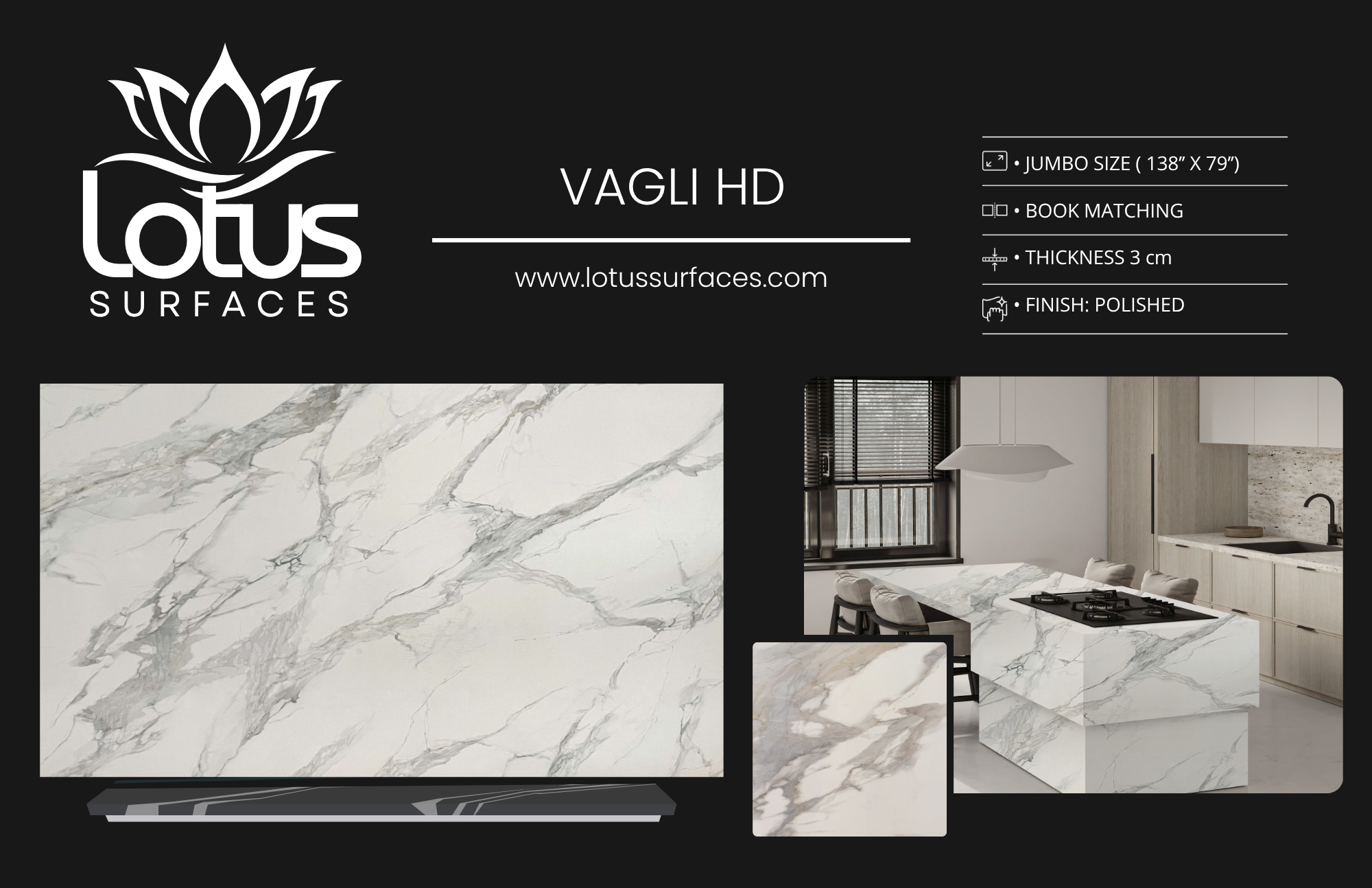
Why Ogee Edge Profiles Add Classic Elegance to Traditional Kitchen Designs
Why Ogee Edge Profiles Add Classic Elegance to Traditional Kitchen Designs
When it comes to kitchen design, every detail matters, and one often-overlooked element is the edge profile of your countertops. Ogee edge profiles have gained popularity among homeowners and designers alike, particularly in traditional kitchen designs. This elegant edge style adds a timeless aesthetic while enhancing the overall functionality of your kitchen. In this comprehensive guide, we will explore the reasons why ogee edge profiles are a favorite choice for traditional kitchens, how they complement various countertop materials, and the expert tips for selecting and maintaining these beautiful edges.
What is an Ogee Edge?
The ogee edge is characterized by its elegant, S-shaped curve that creates a soft and sophisticated appearance. This design has been used for centuries in architecture and furniture, making it a classic choice for kitchen countertops. The ogee edge profile not only enhances the aesthetics of the countertop but also provides a smooth transition between the countertop surface and the cabinetry beneath.
Benefits of Ogee Edge Profiles
Incorporating ogee edge profiles into your kitchen renovation can bring numerous advantages, particularly for those aiming for a traditional look.
- Timeless Elegance: The flowing lines of an ogee edge profile evoke a sense of classic beauty that aligns perfectly with traditional kitchen designs.
- Enhanced Durability: The rounded edges are less prone to chipping compared to sharp edges, making them a practical choice for high-traffic areas.
- Versatility: Ogee edges can be applied to various countertop materials, including quartz, granite, and marble, allowing homeowners to choose the best fit for their aesthetic and functional needs.
- Improved Safety: The smooth curves reduce the risk of injury, especially in homes with children, as they eliminate sharp corners.
- Increased Value: High-quality countertop edges often increase property value, making your investment worthwhile.
Complementing Traditional Kitchen Designs
Traditional kitchen designs often feature rich woods, intricate cabinetry, and classic color palettes. Ogee edge profiles enhance these elements by adding a touch of refinement without overwhelming the overall design. Here are some ways that ogee edges can complement traditional kitchens:
- Pairing with Natural Materials: Ogee edges work beautifully with natural stone countertops, enhancing their organic beauty and creating a seamless flow throughout the kitchen.
- Harmonizing with Cabinetry: The curves of the ogee edge can echo the details in cabinet doors, creating a cohesive and harmonious design.
- Balancing Modern Elements: While traditional designs are the primary focus, many homeowners incorporate modern appliances. Ogee edges can bridge the gap between old and new, ensuring a balanced aesthetic.
Materials for Ogee Edge Countertops
When selecting materials for your ogee edge countertops, it is essential to consider both aesthetics and functionality. Here are some popular options:
| Material | Durability | Maintenance | Cost |
|---|---|---|---|
| Quartz | High | Low (non-porous) | Moderate |
| Granite | High | Moderate (requires sealing) | Moderate to High |
| Marble | Moderate | High (prone to staining) | High |
Each of these materials offers unique benefits, and the choice often depends on personal preferences and lifestyle needs. For example, quartz countertops are an excellent choice for homeowners seeking low maintenance and durability, while granite offers natural beauty and strength.
Installation Process of Ogee Edge Profiles
The installation of ogee edge profiles requires precision and expertise. Here’s a step-by-step guide to the process:
- Consultation: Discuss your design preferences and material choices with a professional countertop fabricator.
- Measuring: Accurate measurements are crucial for ensuring a perfect fit. A professional will use digital templating to capture the exact dimensions of your kitchen.
- Fabrication: The countertop is cut and shaped to your specifications, including the ogee edge profile.
- Installation: The fabricated countertop is installed, ensuring proper alignment and seam placement.
- Finishing Touches: Final adjustments are made, and any necessary sealing or polishing is completed.
For homeowners in the Greater Atlanta area, entrusting this process to a local expert like Lotus Surfaces can ensure high-quality results and a smooth experience. Explore our countertop fabrication services to learn more.
Maintenance and Care for Ogee Edge Countertops
To keep your ogee edge countertops looking pristine, regular maintenance is essential. Here are some effective tips:
- Daily Cleaning: Use a soft cloth and mild soap to clean the surface daily. Avoid harsh chemicals that can damage the finish.
- Sealing: For granite and marble, reseal your countertops every 6-12 months to maintain their resistance to stains and moisture.
- Avoid Heat Damage: Always use trivets or hot pads to protect the surface from hot pots and pans.
- Prevent Scratches: Use cutting boards for food preparation to prevent scratches on the countertop surface.
Expert Tips for Selecting Ogee Edge Profiles
Choosing the right ogee edge profile involves considering various factors. Here are some expert tips:
Additionally, think about the thickness of your countertop. Thicker materials can enhance the visual impact of the ogee edge, making it a more prominent feature in your kitchen. Lastly, consult with professionals to ensure that your selection aligns with both your aesthetic goals and functional needs.
Frequently Asked Questions
1. What is the difference between an ogee edge and a straight edge?
Ogee edges feature a decorative S-shaped curve, while straight edges are flat and angular. Ogee edges add elegance and sophistication, making them a popular choice for traditional designs.
2. Can I use an ogee edge on any countertop material?
Yes, ogee edges can be applied to various materials, including granite, quartz, and marble. Each material offers different aesthetics and durability.
3. How do I maintain my ogee edge countertops?
Regular cleaning with mild soap and water, sealing (for granite and marble), and avoiding hot items without protection will help maintain your ogee edge countertops.
4. Are ogee edges more expensive than other edge profiles?
Ogee edges can be more expensive than simpler edge profiles due to the additional craftsmanship required. However, they often enhance the overall aesthetic and value of your kitchen.
5. Is an ogee edge profile suitable for modern kitchens?
While ogee edges are traditionally associated with classic designs, they can also complement modern kitchens when paired with the right materials and color schemes.
6. How thick should my countertop be for an ogee edge?
Countertop thickness can vary, but a thickness of 1.25 inches or more is often recommended to enhance the visual impact of an ogee edge.
7. How long does the installation process take?
The installation process can typically take 1-3 days, depending on the complexity of the project and the materials involved.
8. Can I customize my ogee edge profile?
Yes, many fabricators offer customization options for ogee edges, allowing you to choose the specific design that best fits your kitchen style.
