




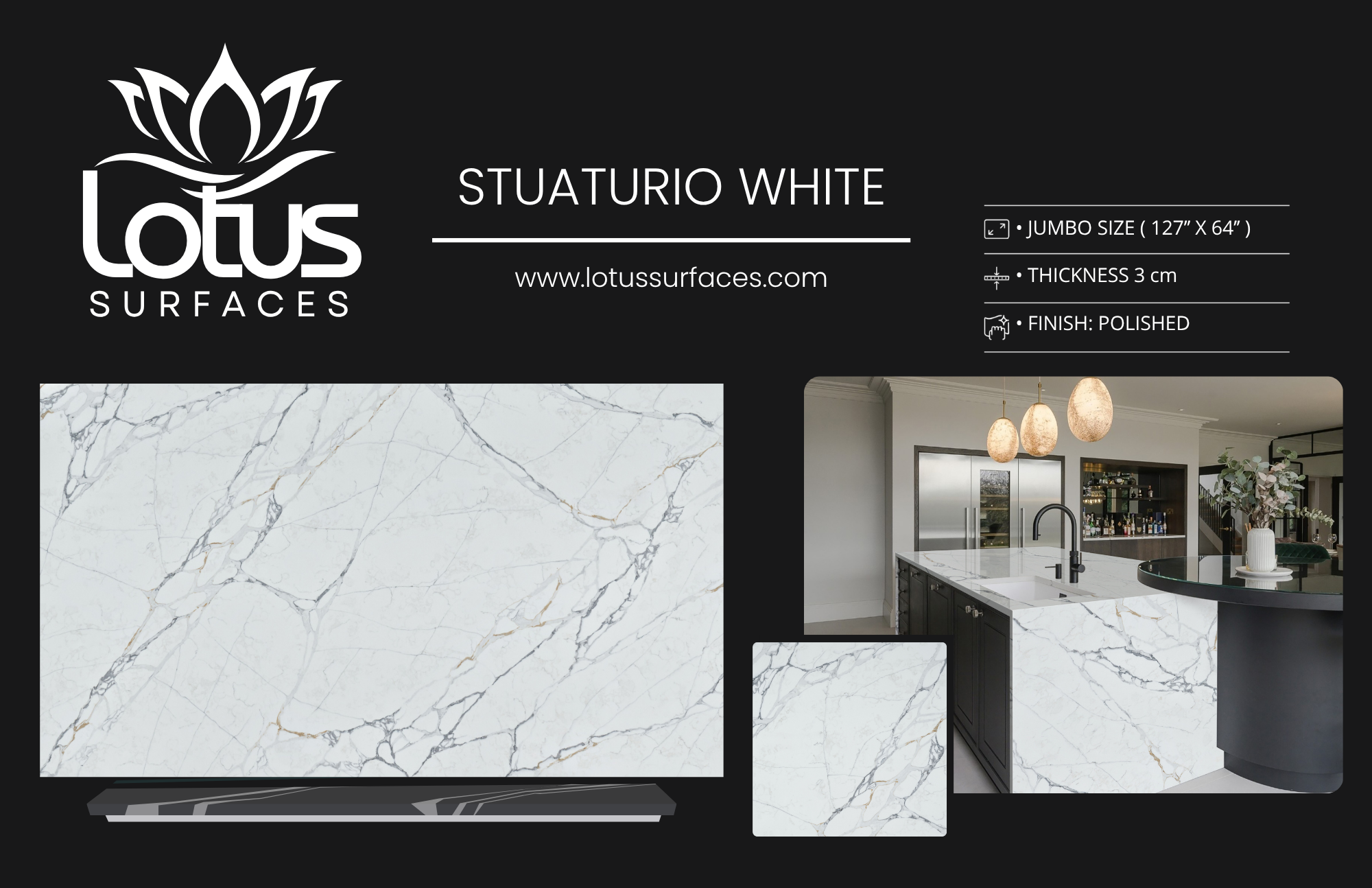

How Countertop Samples Help You Make a Confident Material and Color Decision
How Countertop Samples Help You Make a Confident Material and Color Decision
Choosing the right countertops for your kitchen or bathroom is a significant decision that can impact the aesthetics, functionality, and value of your home. With so many materials and colors available, it can be overwhelming for homeowners in the Greater Atlanta area to make a confident choice. This is where countertop samples come into play. By utilizing samples, you can make informed decisions that align with your design vision and practical needs. In this comprehensive guide, we will explore the importance of countertop samples, how to effectively use them, and the benefits they offer in making confident material and color decisions.
Understanding Countertop Materials
Before diving into the world of countertop samples, it’s essential to understand the various materials available. Each type of countertop offers unique advantages and aesthetic qualities. Here’s a brief overview of the most popular countertop materials:
- Quartz Countertops: Engineered from natural quartz crystals, these surfaces are non-porous, resistant to stains, and available in a wide range of colors and patterns. They are a popular choice among homeowners seeking durability and low maintenance.
- Granite Countertops: A timeless classic, granite is a natural stone that offers unparalleled beauty and uniqueness. Each slab is different, providing a one-of-a-kind look. Granite is also heat and scratch-resistant, making it ideal for busy kitchens.
- Porcelain Countertops: Known for their versatility, porcelain slabs are made from clay and fired at high temperatures. They are incredibly durable, resistant to scratches, and available in many colors and designs, including those that mimic natural stone.
- Quartzite Countertops: A natural stone that’s harder than granite, quartzite is known for its stunning veining and patterns. It’s an excellent choice for homeowners looking for both beauty and durability.
Understanding these materials will help you narrow down your choices when selecting countertop samples. For a more detailed comparison, check out our Granite vs Quartz Countertops article.
The Value of Countertop Samples
Countertop samples are a valuable tool in the decision-making process. Here are several reasons why utilizing samples can enhance your selection experience:
1. Visualize the Final Look
Seeing a countertop sample in your home allows you to visualize how it will look in your space. The lighting, surrounding colors, and textures can all affect how a material appears. By placing samples in your kitchen or bathroom, you can better assess their compatibility with your overall design scheme.
2. Feel the Material
Beyond aesthetics, the tactile experience of handling countertop samples is crucial. Different materials have varied textures and finishes. For instance, the smoothness of a polished granite surface or the matte finish of a quartz countertop can influence your comfort level. This hands-on experience helps you determine which materials resonate with you.
3. Compare Colors and Patterns
Countertop samples allow you to compare different colors and patterns side by side. This is particularly important for materials like granite and quartzite, where the natural variations can be significant. By comparing samples, you can identify which color complements your cabinetry, flooring, and other design elements.
4. Assess Durability and Maintenance
Different countertop materials have varying levels of durability and maintenance requirements. Using samples enables you to consider how a material will hold up against daily use, spills, and stains. For example, quartz countertops in Norcross, GA, are known for their resistance to staining, while granite may require periodic sealing. Understanding these differences is essential for long-term satisfaction.
5. Make Confident Decisions
Ultimately, countertop samples empower you to make informed decisions. Instead of relying solely on online images or showroom displays, you can base your choices on real-life experiences. This confidence in your selections leads to greater satisfaction with your final choices.
How to Use Countertop Samples Effectively
To maximize the benefits of countertop samples, consider the following steps:
1. Request Samples from Local Fabricators
When looking for countertop samples, start by reaching out to local fabricators like Lotus Surfaces. We offer a wide selection of samples for quartz, granite, porcelain, and quartzite countertops. Requesting samples from a trusted source ensures you receive high-quality materials.
2. Evaluate Samples in Your Space
Once you have your samples, take the time to evaluate them in the actual space where they will be installed. Consider the following:
- Place samples next to your cabinets and flooring to see how they interact.
- Observe how natural and artificial lighting affects the color and texture of the samples.
- Consider the overall style of your home and whether the samples align with your vision.
3. Take Photos
Capture images of the samples in your space from different angles and lighting conditions. These photos will serve as visual references when discussing options with your fabricator or designer.
4. Get Feedback
Share your sample evaluations with family members or friends whose opinions you value. Getting diverse perspectives can help you make a more rounded decision.
5. Consult with Experts
Don’t hesitate to reach out to countertop installation professionals. At Lotus Surfaces, our experienced team can provide insights into material performance, installation challenges, and design trends. We’re here to help you find the perfect solution for your kitchen or bathroom renovation.
Expert Tips for Choosing Countertops
1. Consider Your Lifestyle
Your lifestyle plays a crucial role in determining the best countertop material. For example, if you have young children or pets, you may want to prioritize durability and stain resistance. In contrast, if you frequently entertain guests, you might opt for a material that enhances aesthetics.
2. Think About Maintenance
Different materials have varying maintenance requirements. For instance, granite may require sealing every year, while quartz typically does not. Be sure to factor in the level of maintenance you are willing to commit to over time.
3. Embrace Trends, but Stay True to Your Style
While it’s essential to be aware of current design trends, your countertop choice should ultimately reflect your personal style. Trends come and go, but your countertops should stand the test of time. Explore options like waterfall edges or integrated sinks, but ensure they align with your vision.
4. Make Use of Technology
Consider using design software or apps that allow you to visualize how different countertop materials will look in your space. Some programs even let you upload photos of your kitchen for a more accurate representation.
Common Mistakes to Avoid When Choosing Countertops
To ensure a smooth selection process, be mindful of these common pitfalls:
1. Rushing the Decision
Choosing countertops is a significant investment, so take your time. Rushing the decision can lead to regrets down the line. Utilize samples to ensure you are making informed choices.
2. Ignoring Lighting Conditions
Lighting can drastically affect how a countertop appears. What looks great in the showroom may not translate well in your kitchen. Always evaluate samples in the lighting conditions of your space.
3. Overlooking Practicality
While aesthetics are important, practicality should not be overlooked. Consider how each material will hold up against your cooking habits, cleaning routines, and daily wear and tear.
4. Focusing Solely on Price
While budget is a crucial factor, don’t let it be the only determining element in your decision. Consider the long-term value and performance of the material over its lifespan.
Frequently Asked Questions
1. Why should I use countertop samples?
Countertop samples help you visualize and evaluate how different materials and colors will look in your kitchen or bathroom, ensuring you make a confident decision.
2. How do I request countertop samples?
You can request samples from local fabricators like Lotus Surfaces. We offer a variety of materials and colors to choose from.
3. What should I consider when evaluating samples?
Consider the material’s appearance next to your cabinets and flooring, how it looks under different lighting conditions, and its texture.
4. How do I know which countertop material is best for my home?
Consider your lifestyle, maintenance preferences, and design vision. Consult with professionals for personalized recommendations.
5. How can I ensure my countertop choice is timeless?
Focus on materials and colors that reflect your personal style rather than fleeting trends. Choose classic designs that will stand the test of time.
6. Are there any materials I should avoid for high-traffic areas?
Materials like marble, while beautiful, may not be the best choice for high-traffic areas due to their susceptibility to scratches and stains.
7. How often should I seal my granite countertops?
Granite countertops typically require sealing every 1-3 years, depending on usage and the specific type of granite.
8. Can I mix different countertop materials in my kitchen?
Yes, mixing materials can create a unique and personalized look. Just ensure they complement each other in color and style.
