
How Porcelain Slab Countertops Mimic Natural Marble with Zero Maintenance
How Porcelain Slab Countertops Mimic Natural Marble with Zero Maintenance
When it comes to choosing the perfect countertop material for your kitchen or bathroom, homeowners often find themselves torn between the timeless elegance of natural marble and the practical advantages of modern materials. Enter porcelain slab countertops, a revolutionary option that not only mimics the luxurious appearance of marble but also offers the added benefit of zero maintenance. In this comprehensive guide, we will explore how porcelain slabs can transform your space while providing a durable, low-maintenance solution that stands up to the demands of everyday life.
1. Understanding Porcelain Slab Countertops
Porcelain slab countertops are made from a type of ceramic material that is fired at high temperatures, resulting in a dense, non-porous surface. This manufacturing process allows for a wide variety of colors, patterns, and finishes, making porcelain slabs an incredibly versatile choice for homeowners. Unlike traditional ceramic tiles, which can be susceptible to chipping and cracking, porcelain slabs are designed to be robust and resilient.
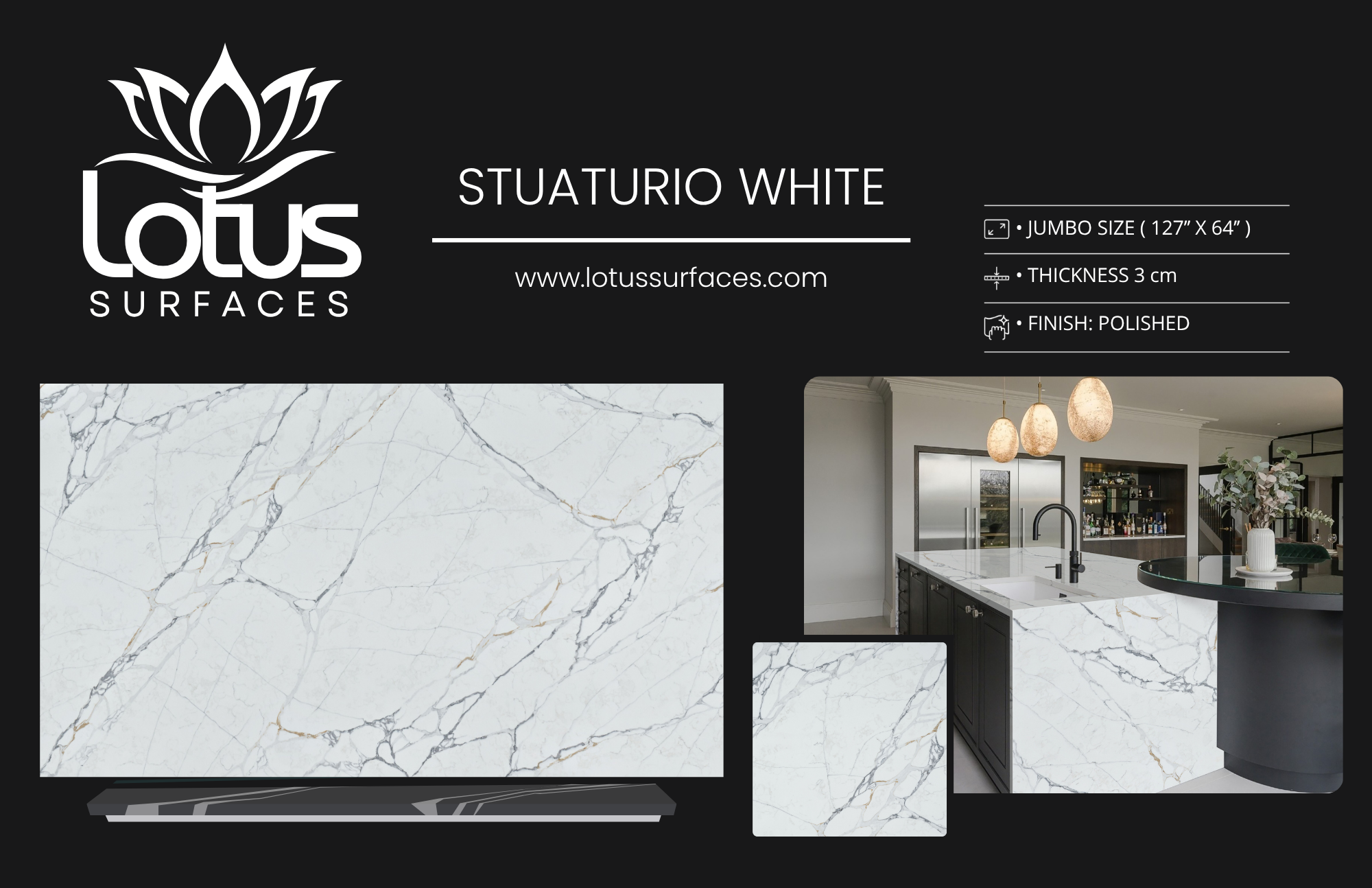
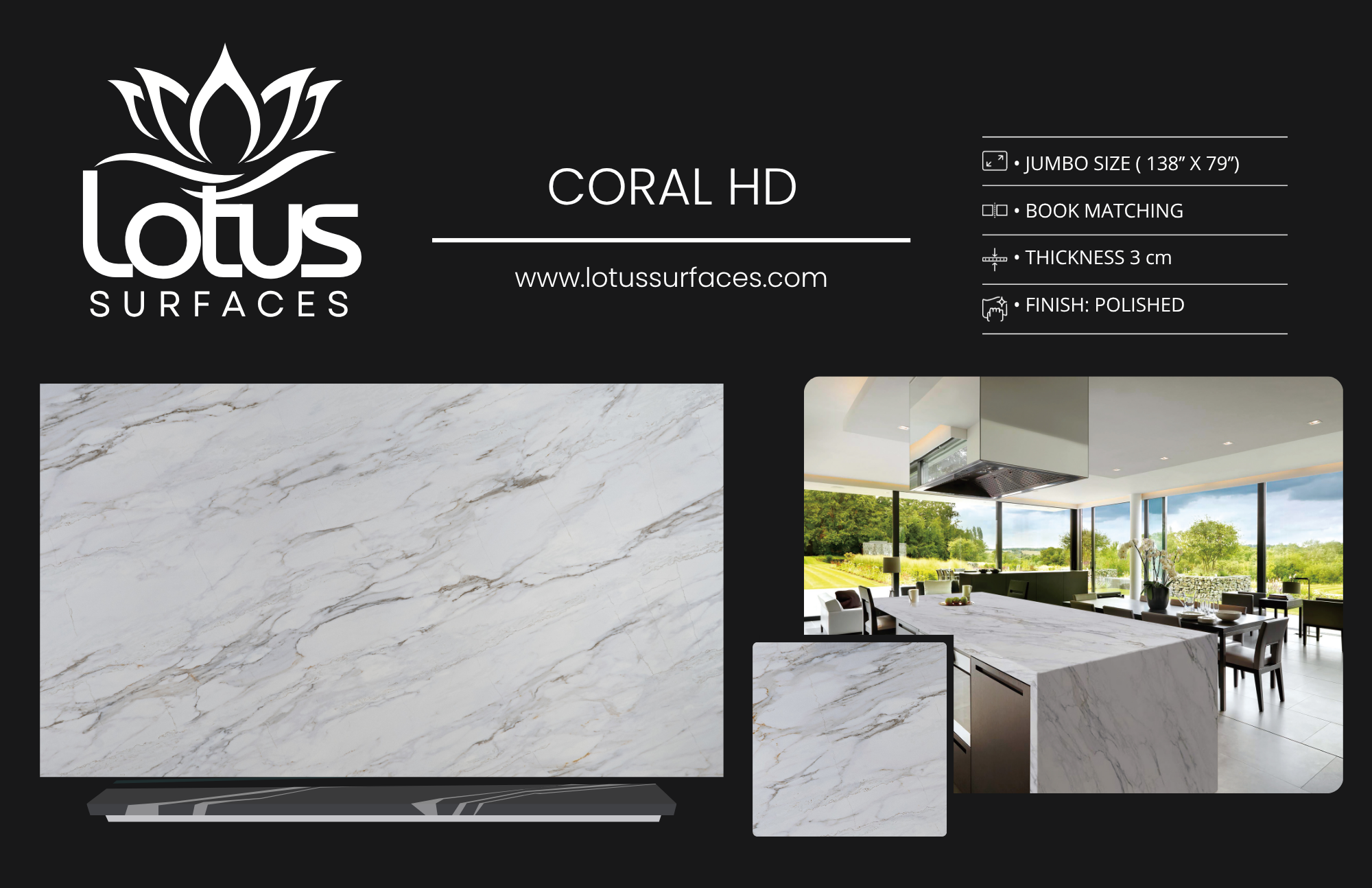
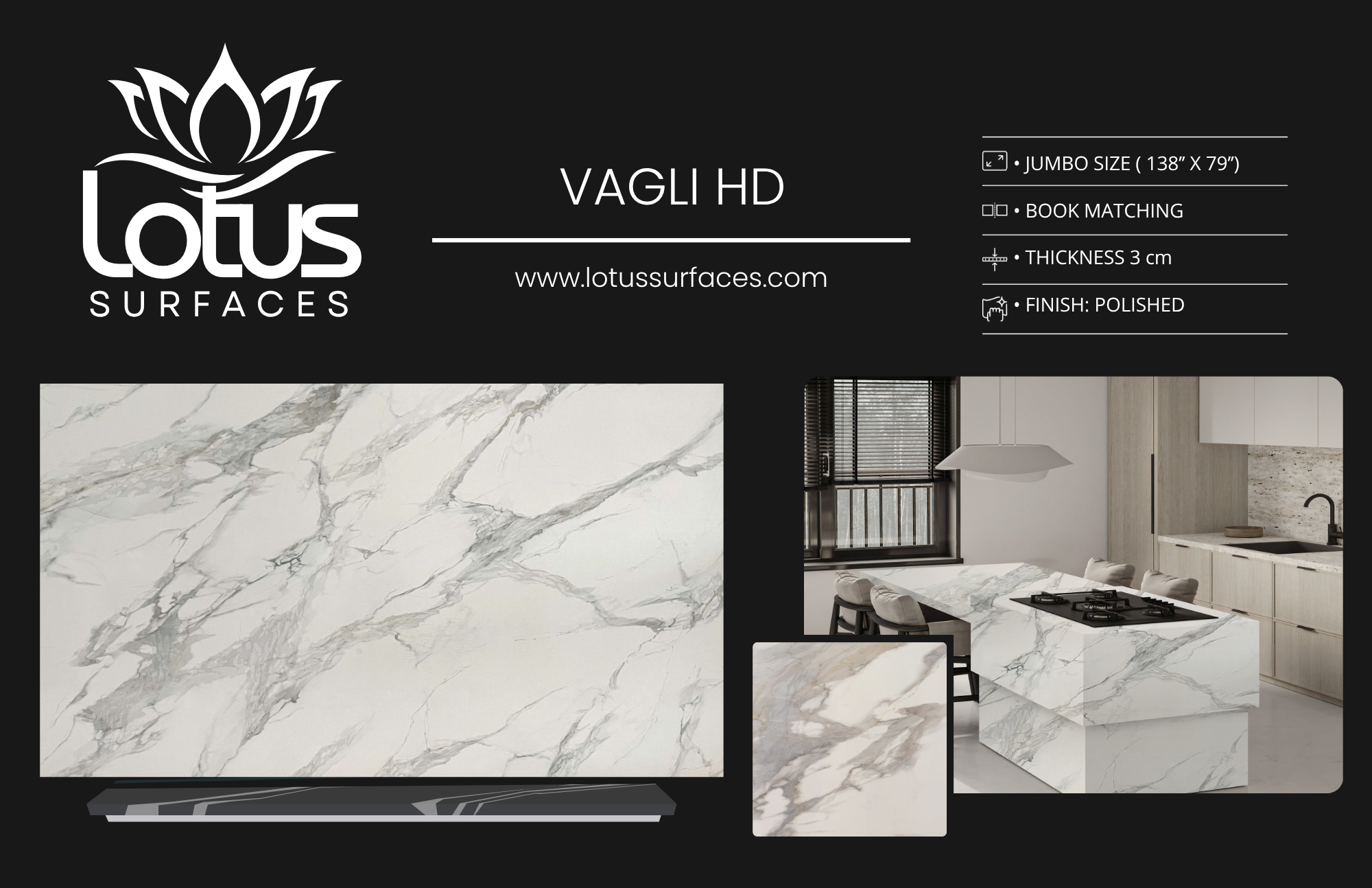
One of the standout features of porcelain slabs is their ability to mimic the look of natural stone, particularly marble. The advanced technology used in the production of porcelain slabs allows for realistic veining and coloration, making it nearly indistinguishable from its natural counterparts. This means homeowners can achieve the luxurious appearance of marble without the associated maintenance challenges.
2. The Aesthetic Appeal of Porcelain vs. Natural Marble
Natural marble has long been revered for its stunning beauty and unique patterns. However, it comes with its share of drawbacks, including susceptibility to staining, scratching, and etching. In contrast, porcelain slab countertops offer a similar aesthetic without the high maintenance demands.
Here are some key aesthetic benefits of porcelain over natural marble:
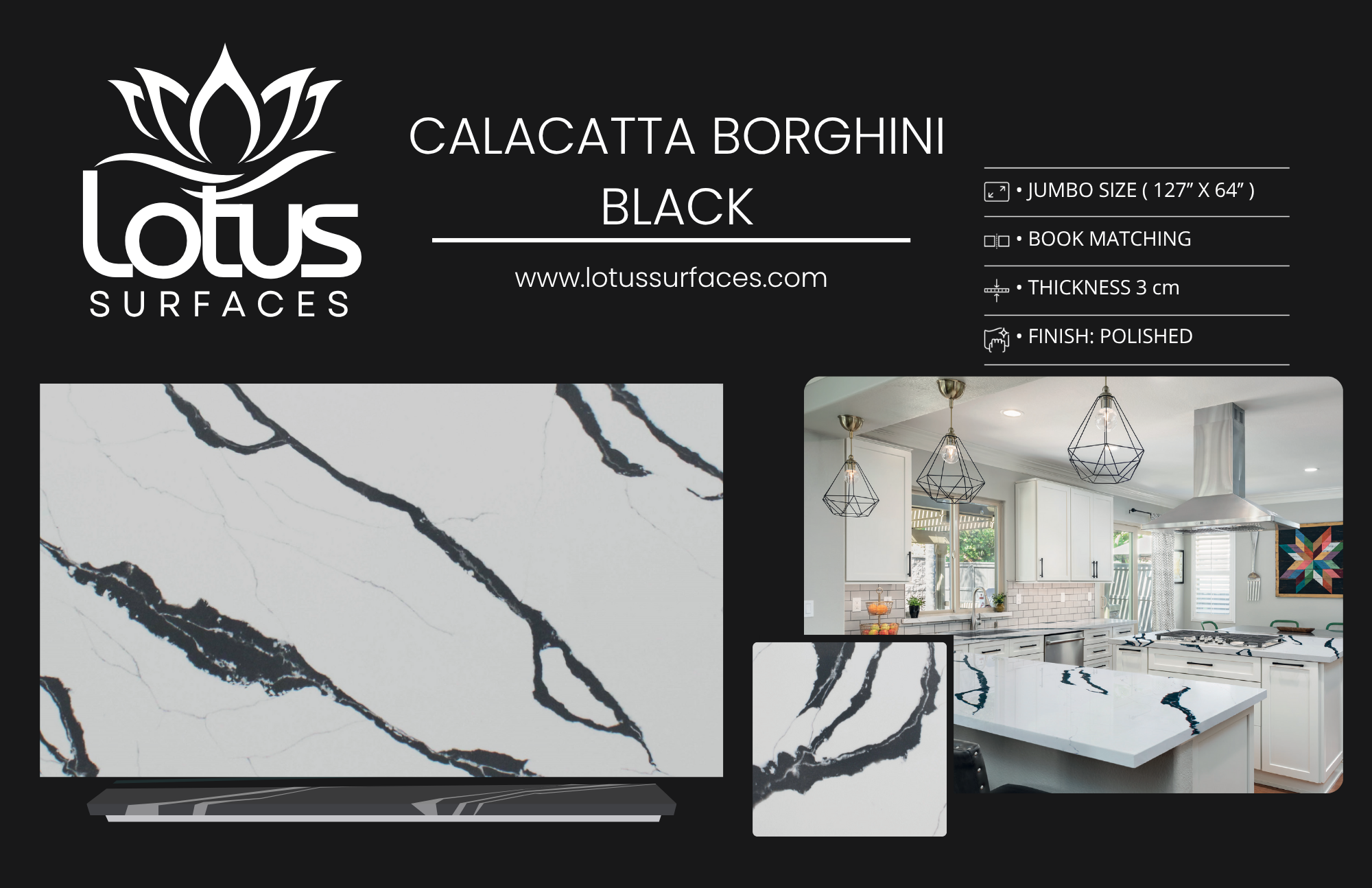
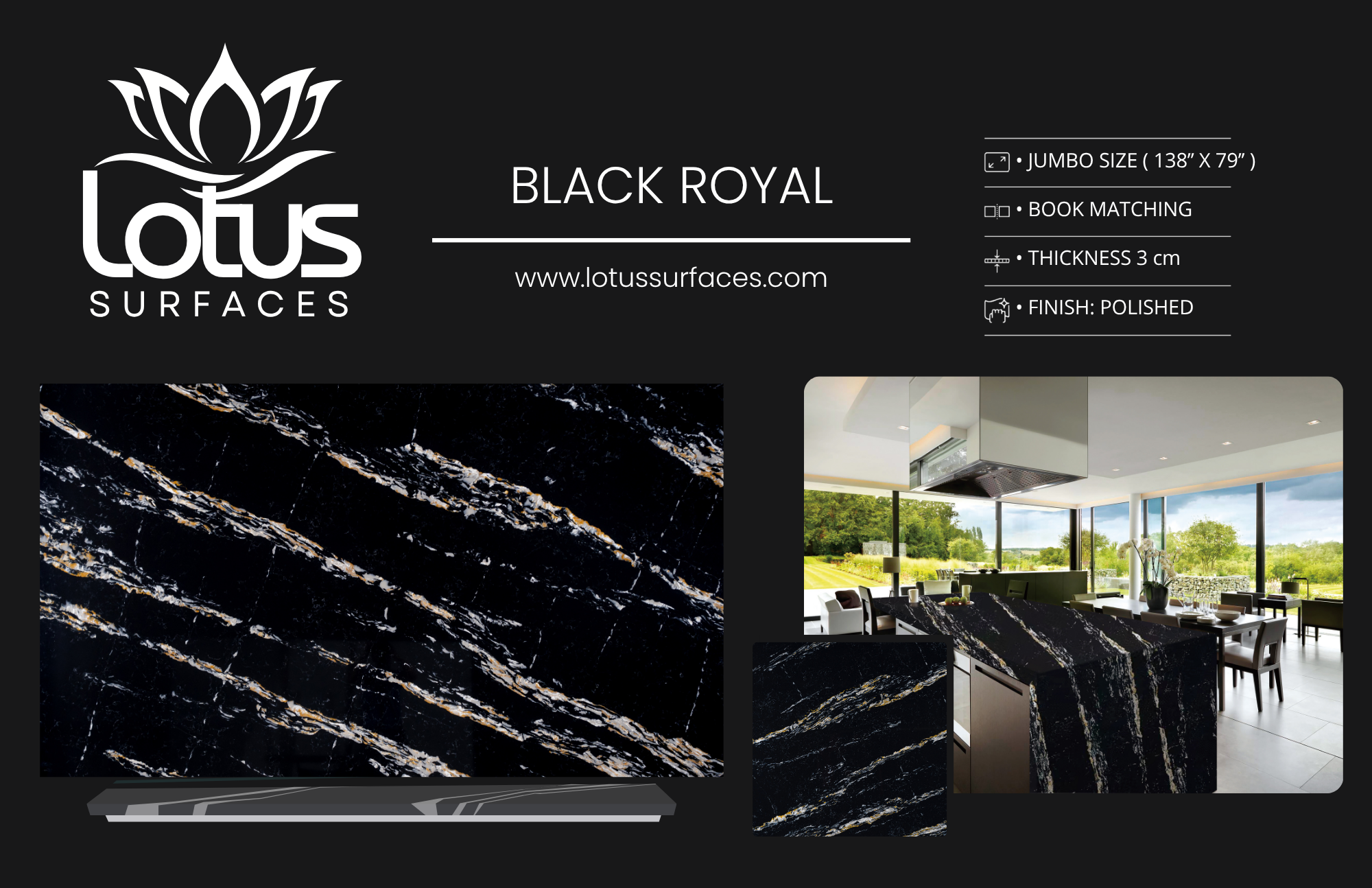
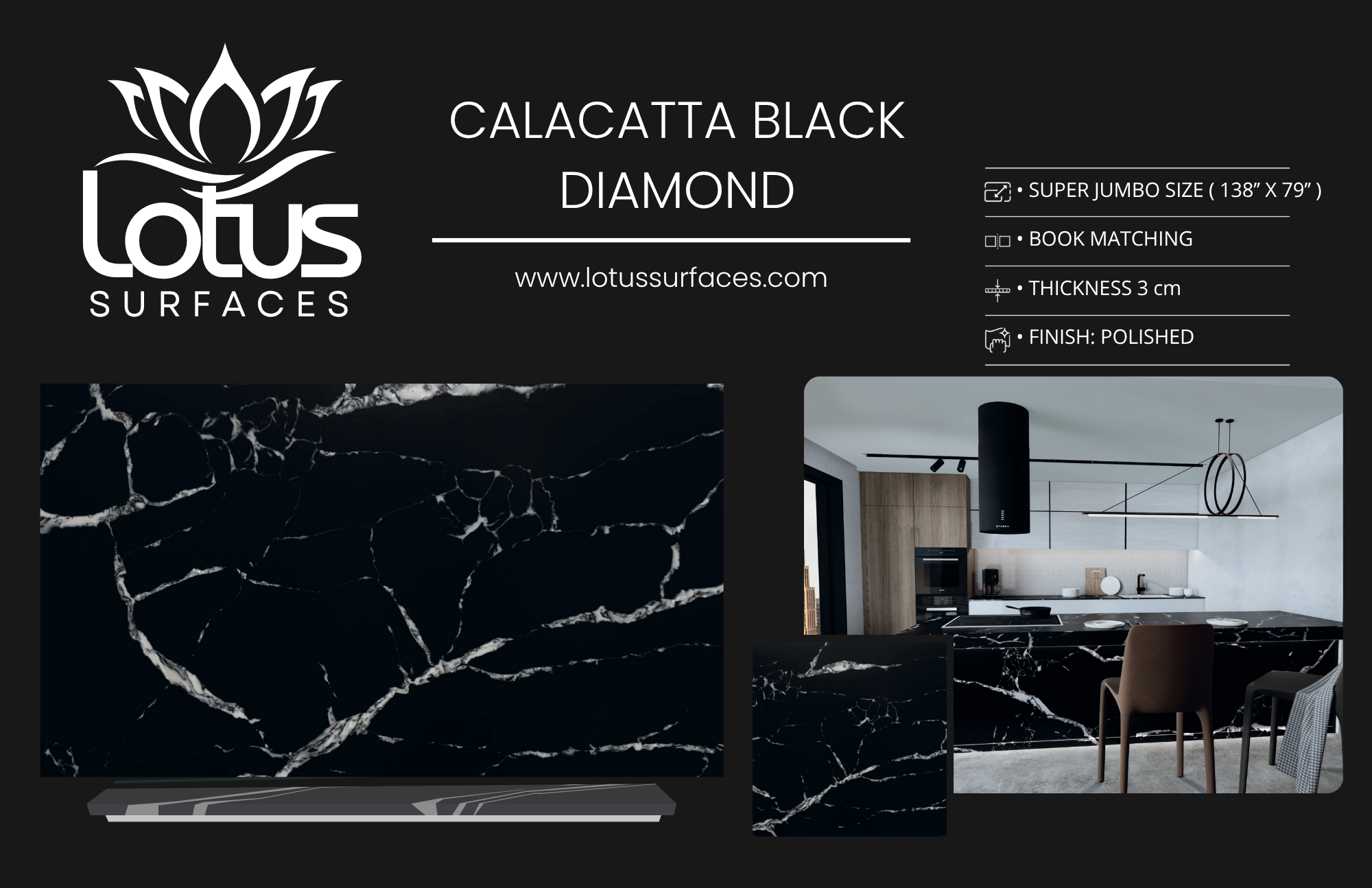
- Variety of Designs: Porcelain slabs come in a plethora of colors and patterns, from classic whites with gray veining to bold blacks with dramatic swirls. This variety allows homeowners to find the perfect match for their design vision.
- Uniformity: Unlike natural marble, which can have inconsistencies in color and pattern, porcelain slabs offer a more uniform appearance, making them ideal for contemporary designs.
- Customizability: Porcelain slabs can be easily cut and shaped to fit any space, allowing for customized installations that enhance the overall aesthetic of your kitchen or bathroom.
3. Maintenance: The Game-Changer
One of the most significant advantages of porcelain slab countertops is their zero maintenance requirement. Unlike natural marble, which requires regular sealing and careful cleaning to prevent stains and damage, porcelain slabs are virtually impervious to spills and stains.
Here’s why porcelain slabs are a maintenance dream:
- Non-Porous Surface: The non-porous nature of porcelain means that liquids cannot penetrate the surface, preventing stains from wine, oil, or acidic foods.
- Easy Cleaning: A simple wipe with a damp cloth and mild detergent is all that is needed to keep porcelain countertops looking pristine. No special cleaners or sealants are required.
- Scratch and Heat Resistance: Porcelain slabs are highly resistant to scratches and heat, making them perfect for busy kitchens where hot pots and pans are frequently placed on the countertop.
4. Durability and Performance
In addition to their aesthetic appeal and low-maintenance qualities, porcelain slab countertops are known for their exceptional durability. Here are some performance features that make them a top choice:
- Impact Resistance: Porcelain slabs are less likely to chip or crack compared to natural marble, which can be vulnerable to impact damage.
- Long Lifespan: With proper care, porcelain countertops can last for decades, making them a worthwhile investment for your home.
- Eco-Friendly Option: Many porcelain slabs are made from recycled materials, making them a sustainable choice for environmentally-conscious homeowners.
5. Cost Comparison: Porcelain vs. Marble
When considering countertop options, cost is always a significant factor. Natural marble is often more expensive due to its quarrying, processing, and transportation costs. In contrast, porcelain slab countertops are generally more budget-friendly while still delivering the look of luxury.
| Countertop Material | Average Cost per Square Foot | Maintenance Cost (Annual) |
|---|---|---|
| Natural Marble | $50 – $150 | $200 – $500 |
| Porcelain Slab | $40 – $100 | $0 (zero maintenance) |
As illustrated in the table above, opting for porcelain slabs can lead to significant savings not only in initial costs but also in long-term maintenance expenses. This makes porcelain an attractive option for homeowners looking to balance beauty and budget.
6. Installation Process for Porcelain Slab Countertops
The installation of porcelain slab countertops is a crucial step to ensure their longevity and performance. Here’s a step-by-step guide to the installation process:
- Consultation and Measurement: Work with a professional countertop fabricator, such as Lotus Surfaces, to assess your space and take accurate measurements.
- Material Selection: Choose the perfect porcelain slab that fits your style and needs from a wide selection available.
- Digital Templating: Utilize advanced digital templating technology to create precise templates for cuts and installations.
- Cutting and Fabrication: Skilled fabricators will cut and shape the porcelain slabs according to your specifications.
- Installation: Professional installers will carefully position and secure the slabs, ensuring accurate seam placement and alignment.
- Final Inspection: After installation, a thorough inspection ensures everything is perfect and meets quality standards.
7. Expert Tips for Choosing the Right Countertop
When selecting the right countertop for your home, consider the following expert tips:
- Assess Your Lifestyle: Consider how you use your kitchen or bathroom. If you frequently cook or entertain, opt for materials that offer durability and easy maintenance.
- Color Coordination: Choose colors that coordinate with your cabinetry, flooring, and overall design theme to create a cohesive look.
- Consult Professionals: Don’t hesitate to reach out to experienced professionals like Lotus Surfaces for guidance and support throughout the selection process.
8. Frequently Asked Questions
What are porcelain slab countertops made of?
Porcelain slab countertops are made from a dense ceramic material that is fired at high temperatures, resulting in a non-porous surface that mimics the appearance of natural stone.
How do porcelain slabs compare to natural marble?
Porcelain slabs offer a similar aesthetic to natural marble but are more durable, require zero maintenance, and are generally more cost-effective.
Are porcelain countertops resistant to stains?
Yes, porcelain countertops are non-porous, making them resistant to stains from liquids such as wine, oil, and acidic foods.
Can I use hot pots on porcelain countertops?
Porcelain slabs are highly heat-resistant, making them suitable for placing hot pots and pans directly on the surface.
What is the average lifespan of porcelain slab countertops?
With proper care, porcelain slab countertops can last for decades, providing a long-lasting solution for your kitchen or bathroom.
Do porcelain countertops require sealing?
No, porcelain countertops do not require sealing due to their non-porous nature.
How are porcelain slabs installed?
The installation process involves consultation, measurement, material selection, cutting, and professional installation to ensure a perfect fit.
Where can I find porcelain slab countertops near me?
For high-quality porcelain slab countertops in Norcross, GA, contact Lotus Surfaces to explore a wide selection and receive professional guidance.
Are porcelain countertops eco-friendly?
Many porcelain slabs are made from recycled materials, making them a sustainable choice for environmentally-conscious homeowners.
What are the best uses for porcelain countertops?
Porcelain countertops are ideal for kitchens, bathrooms, outdoor spaces, and commercial applications due to their durability and low maintenance requirements.
How do I clean porcelain slab countertops?
Cleaning porcelain slabs is easy—simply use a damp cloth and mild detergent to wipe down the surface.
Can I customize my porcelain slabs?
Yes, porcelain slabs can be cut and shaped to fit your specific design needs, allowing for a customized look in your space.
Conclusion
Porcelain slab countertops represent a remarkable evolution in countertop materials, offering the elegance of natural marble without the maintenance hassles. With their stunning aesthetic appeal, exceptional durability, and zero maintenance requirements, porcelain slabs are an excellent choice for homeowners looking to enhance their kitchens and bathrooms. If you’re considering a countertop upgrade, explore the wide selection available at Lotus Surfaces, where our experienced team can assist you in finding the perfect solution for your home.
