
How Kitchen Peninsula Countertops Extend Work Surface Without a Full Island
How Kitchen Peninsula Countertops Extend Work Surface Without a Full Island
When it comes to maximizing your kitchen’s functionality and aesthetics, kitchen peninsula countertops are an ingenious solution. They serve as a versatile work surface that enhances your kitchen without the need for a full island. This article will delve into the many benefits of kitchen peninsula countertops, their design possibilities, and how they can seamlessly integrate into your home, particularly in the Greater Atlanta area.
What is a Kitchen Peninsula?
A kitchen peninsula is a countertop that is attached to a wall or cabinet, extending into the room to create a functional workspace. Unlike a full island, which stands independently, a peninsula is often L-shaped or U-shaped, connecting to existing cabinetry. This design not only offers additional counter space but also serves as a barrier to separate the kitchen from adjacent living areas.
Benefits of Kitchen Peninsula Countertops
Kitchen peninsula countertops provide numerous advantages, making them an appealing choice for homeowners, especially those planning renovations in Atlanta, Norcross, or the surrounding areas. Here are some key benefits:
- Space Efficiency: For smaller kitchens, a peninsula can maximize usable space without the footprint of a full island. This is particularly important in homes where every square foot counts.
- Enhanced Functionality: Peninsulas can serve multiple purposes, such as additional cooking space, a breakfast bar, or even a place for family gatherings. This multifunctionality is ideal for homeowners who enjoy entertaining.
- Seamless Integration: A peninsula can be designed to match existing cabinetry and countertops, creating a cohesive look that enhances the overall aesthetic of your kitchen.
- Increased Storage: The area beneath the countertop can be utilized for additional storage, whether through cabinets or open shelving, providing an organized way to keep kitchen essentials at hand.
- Improved Traffic Flow: Unlike a full island that can block pathways, a peninsula allows for smoother movement within the kitchen, making it easier to navigate while cooking or entertaining.
Design Options for Kitchen Peninsula Countertops
The design possibilities for kitchen peninsula countertops are virtually limitless. Here are some options to consider:
1. Shape and Size
Kitchen peninsulas can come in various shapes—L-shaped, U-shaped, or even straight. The size can also vary depending on the kitchen layout and available space. When designing your peninsula, consider the flow and how it interacts with other elements in the kitchen.
2. Overhangs for Seating
Adding an overhang to your peninsula can create a comfortable seating area for family and friends. This feature is particularly useful for casual dining and can accommodate bar stools or chairs, making it a perfect spot for meals or homework.
3. Color and Finishes
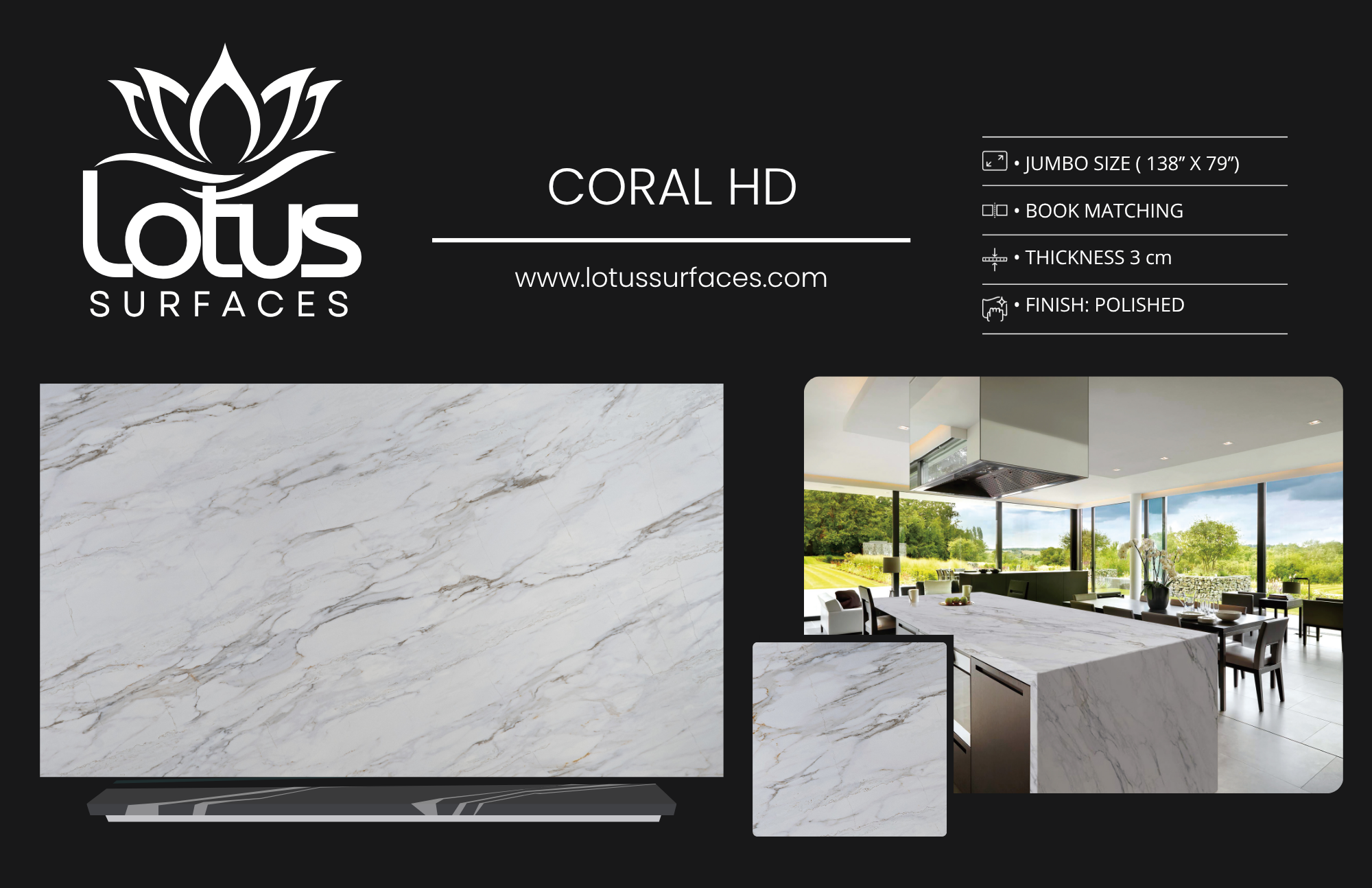
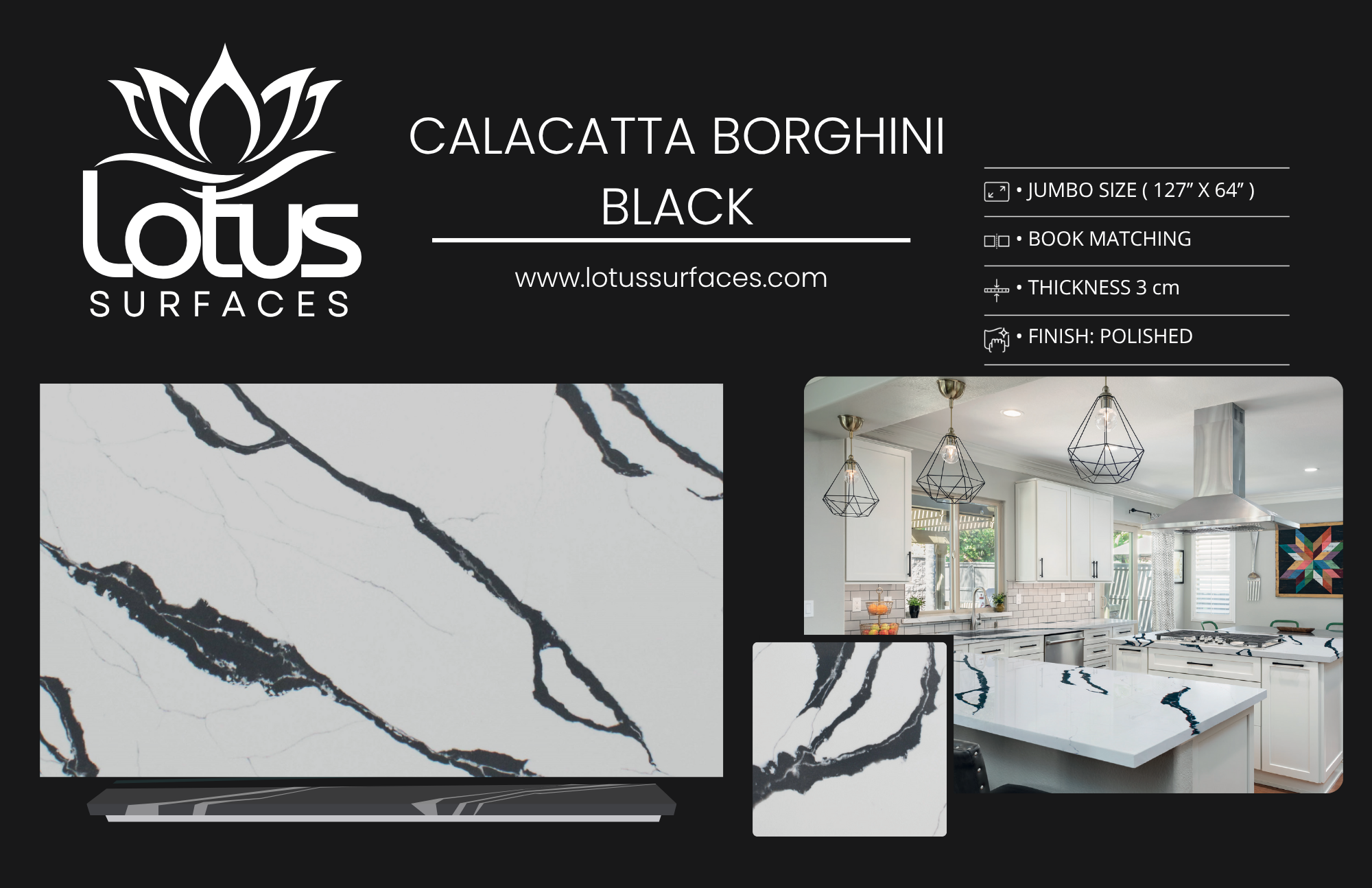
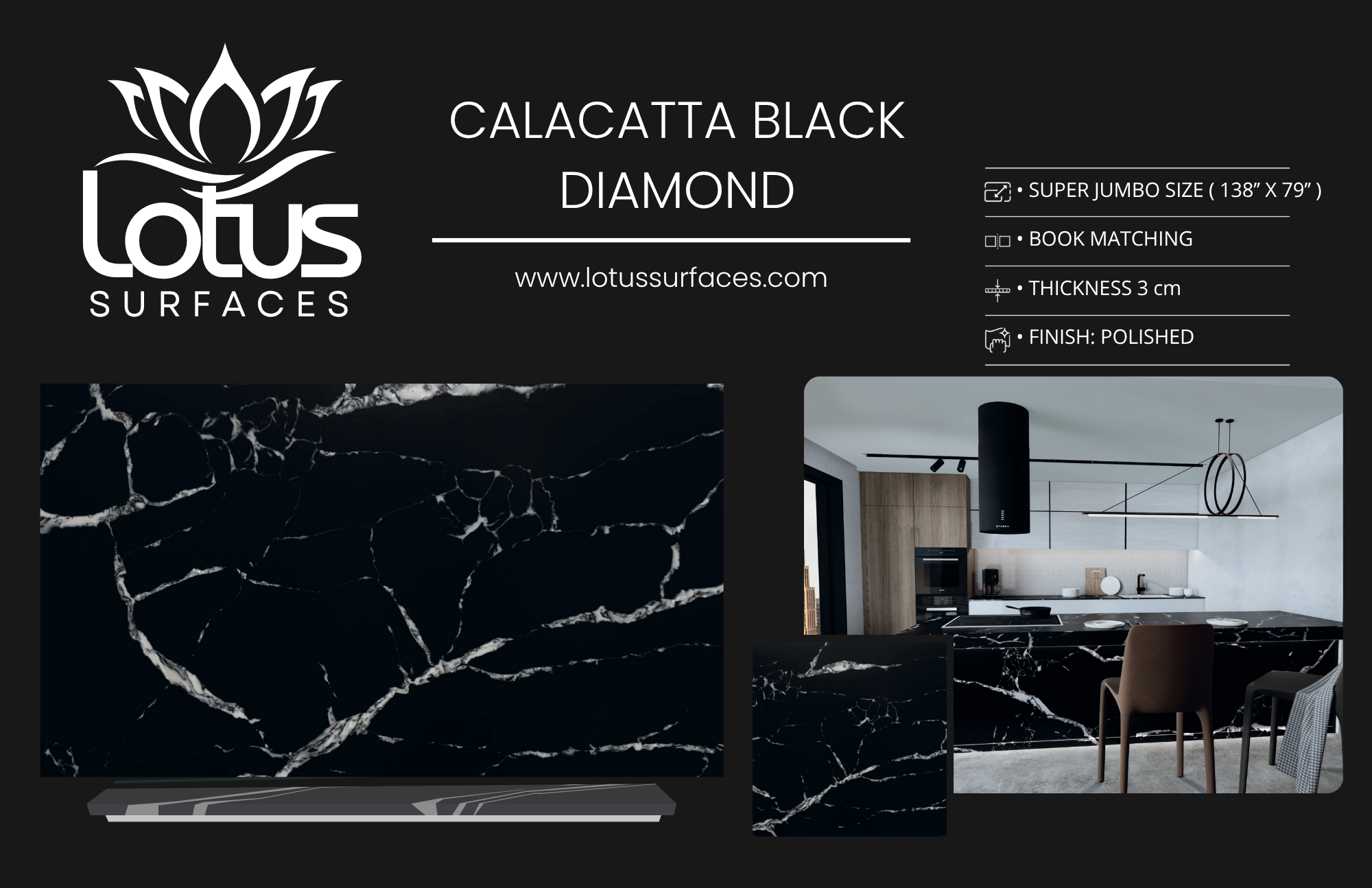
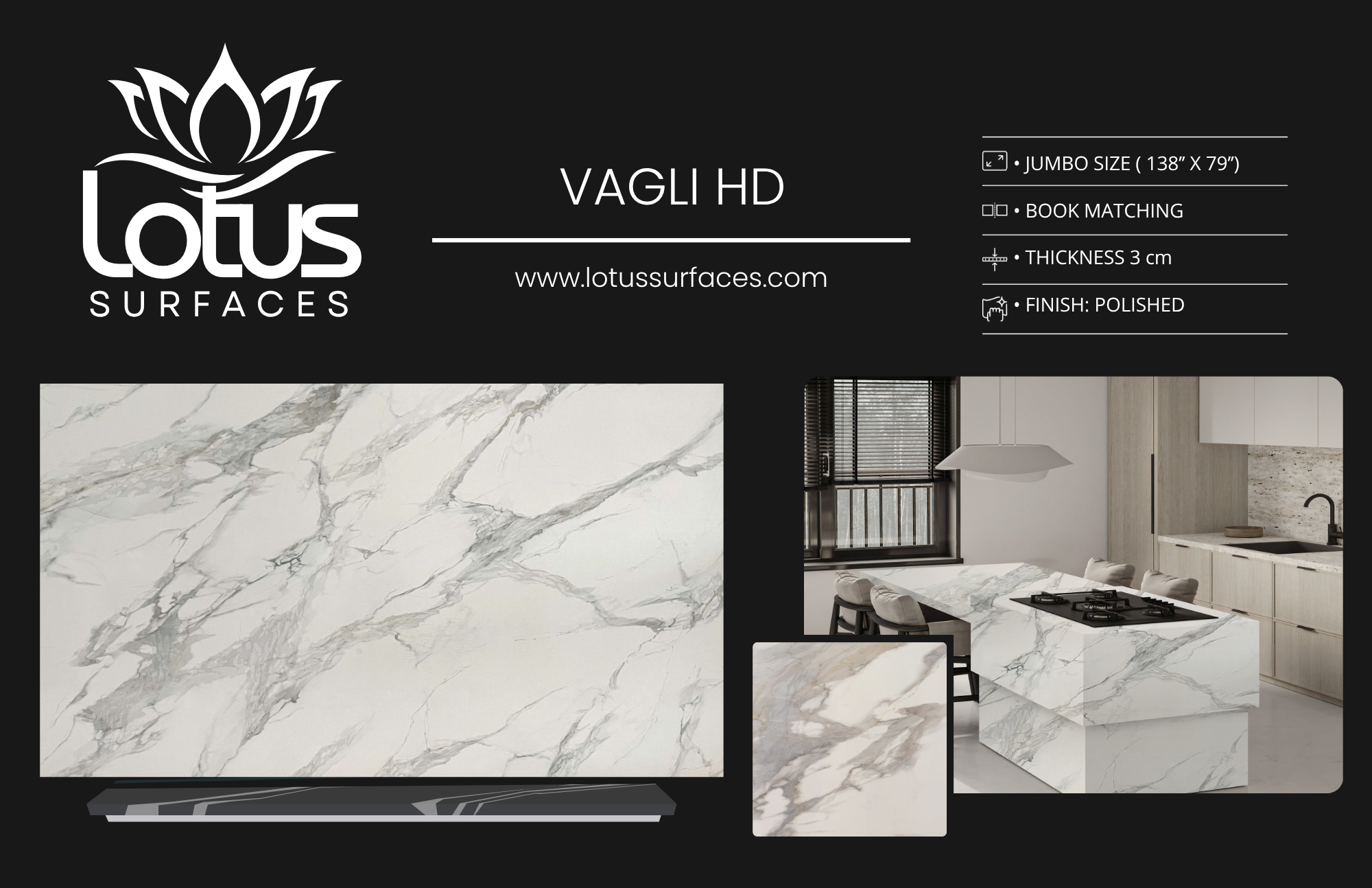
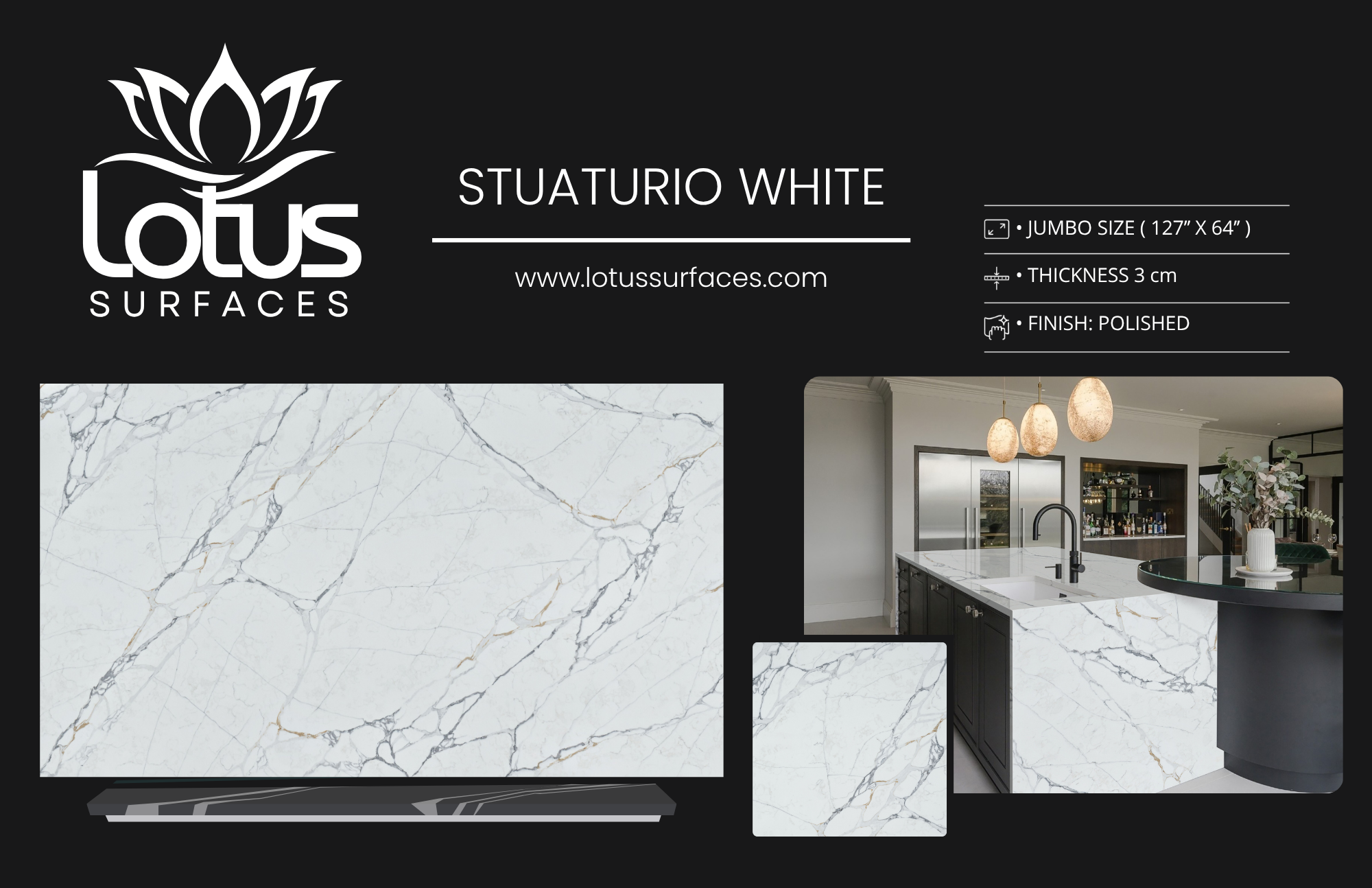
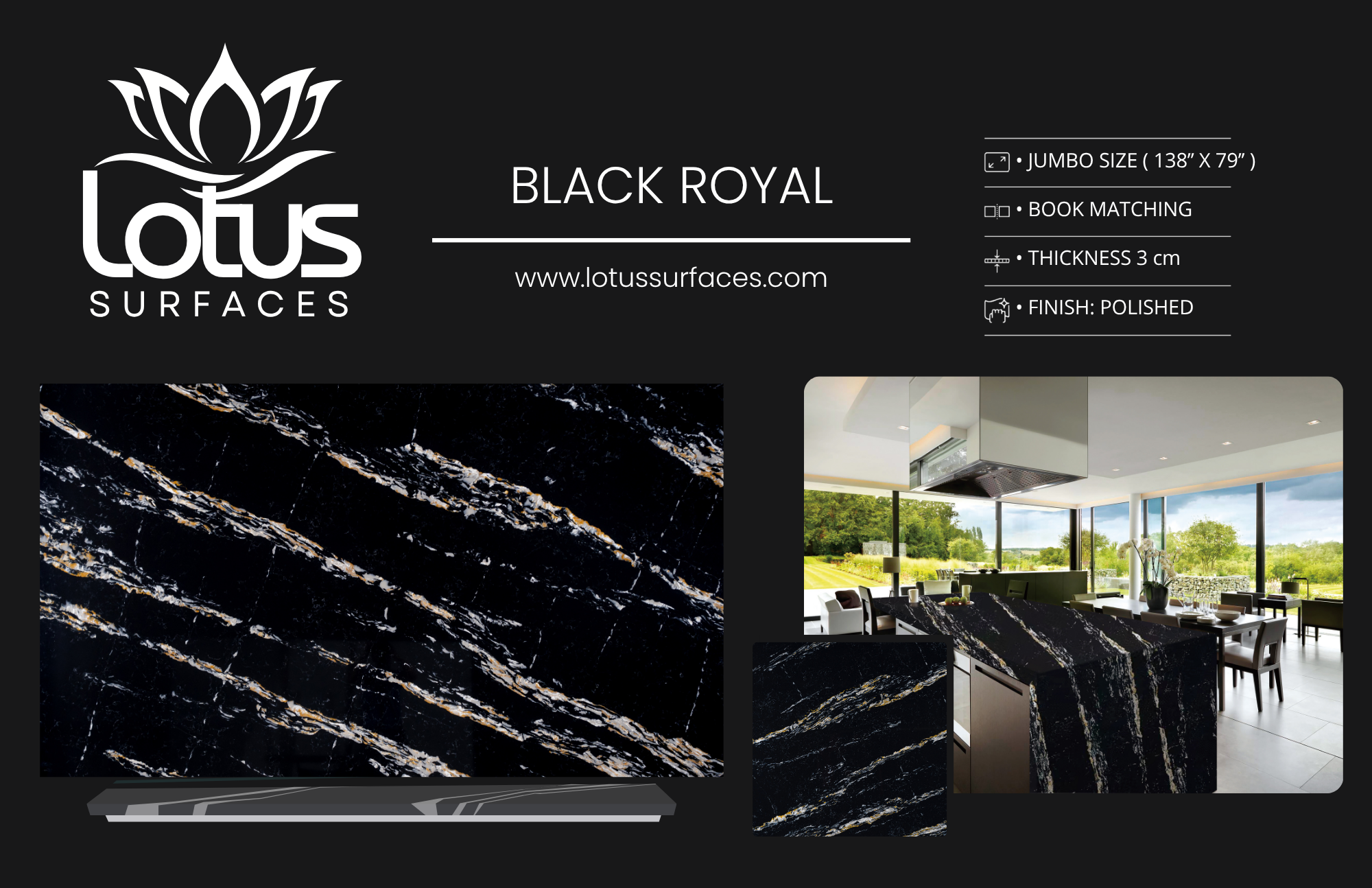
Choosing the right color and finish for your countertop can dramatically impact the kitchen’s overall look. Whether you prefer the sleek elegance of quartz, the timeless beauty of granite, or the modern appeal of porcelain, you have plenty of options. Consider materials that complement your existing color scheme and enhance the kitchen’s ambiance.
4. Integrated Appliances
Some homeowners opt to integrate appliances into their peninsula, such as a cooktop or sink, making it a central hub for food preparation. This design choice can streamline cooking tasks and improve efficiency.
5. Decorative Elements
Adding decorative elements such as pendant lighting, backsplash tiles, or decorative legs can elevate the design of your peninsula, turning it into a focal point in your kitchen.
Material Options for Kitchen Peninsula Countertops
The choice of materials for your kitchen peninsula countertop is crucial, as it affects both aesthetics and functionality. Here are some popular materials:
| Material | Durability | Maintenance | Cost |
|---|---|---|---|
| Quartz | Highly durable, non-porous | Easy to clean, no sealing required | Moderate to high |
| Granite | Very durable, heat-resistant | Requires periodic sealing | Moderate to high |
| Porcelain | Extremely durable, scratch-resistant | Easy to clean, no sealing required | Moderate to high |
| Laminate | Less durable, prone to scratches | Easy to clean, but can stain | Low to moderate |
When selecting the right material for your kitchen peninsula, consider factors such as your cooking habits, lifestyle, and the overall design of your kitchen.
The Installation Process
Installing a kitchen peninsula countertop involves several steps, which can vary based on the complexity of the design and the materials chosen. Here’s a general overview of the process:
- Consultation and Design: Work with a professional countertop fabricator, like Lotus Surfaces, to create a design that fits your kitchen layout and meets your needs.
- Measurement: Accurate measurements are essential for a perfect fit. Professionals will use digital templating to ensure precision.
- Material Selection: Choose your countertop material based on the design and functionality you desire.
- Fabrication: The selected material will be fabricated in a local facility to ensure quality and precision.
- Installation: Experienced installers will secure the countertop to the base, ensuring stability and alignment.
Maintenance Tips for Your Peninsula Countertops
To ensure your kitchen peninsula countertops remain beautiful and functional, follow these maintenance tips:
- Regular Cleaning: Use a gentle soap and water solution to clean your countertops daily. Avoid harsh chemicals that can damage the surface.
- Sealing (if applicable): For natural stone materials like granite, ensure you seal the surface periodically to prevent staining.
- Avoid Heat Damage: Use trivets or hot pads under hot pots and pans to prevent heat damage.
- Prevent Scratches: Use cutting boards when preparing food to avoid scratching the surface.
Cost Considerations
The cost of installing a kitchen peninsula countertop can vary widely based on several factors, including:
- Material Choice: Higher-end materials like quartz and granite tend to be more expensive than laminate.
- Size and Design Complexity: Larger or uniquely shaped peninsulas will increase costs due to more material and labor.
- Installation Fees: Professional installation typically adds to the overall cost, but it ensures quality workmanship.
On average, homeowners can expect to pay between $2,000 and $5,000 for a kitchen peninsula countertop, including materials and installation. For a more accurate estimate, consult with a local fabricator like Lotus Surfaces.
Frequently Asked Questions
1. What is the difference between a kitchen island and a peninsula?
A kitchen island is a standalone structure that is not attached to the walls, while a peninsula is connected to a wall or cabinetry, extending into the room.
2. Can I use a kitchen peninsula for seating?
Yes, many kitchen peninsulas include an overhang that allows for seating, making it a perfect spot for casual dining.
3. What materials are best for kitchen peninsula countertops?
Popular materials include quartz, granite, and porcelain, each offering unique benefits in terms of durability and maintenance.
4. How do I maintain my kitchen peninsula countertops?
Regular cleaning with gentle soap and water, avoiding harsh chemicals, and sealing natural stone surfaces are essential for maintenance.
5. How much does a kitchen peninsula countertop cost?
The cost can range from $2,000 to $5,000, depending on material choice, size, and complexity of the design.
6. Is a kitchen peninsula a good option for small kitchens?
Yes, a kitchen peninsula is an excellent choice for small kitchens as it provides additional workspace without requiring the footprint of a full island.
7. Can I integrate appliances into my kitchen peninsula?
Yes, many homeowners choose to integrate appliances such as cooktops or sinks into their peninsulas to enhance functionality.
8. How long does the installation process take?
The installation process can vary but typically takes a few hours to a couple of days, depending on the complexity of the project.
9. Can I customize my kitchen peninsula design?
Absolutely! Customization options include shape, size, material, and additional features like overhangs and integrated appliances.
10. What are the best colors for kitchen peninsula countertops?
Choose colors that complement your kitchen’s overall design. Neutral tones are popular for a timeless look, while bold colors can make a statement.
11. What should I consider when choosing a countertop material?
Consider durability, maintenance requirements, and how the material fits into your overall kitchen design.
12. Where can I find a reliable countertop fabricator in Atlanta?
Look for local fabricators like Lotus Surfaces, who offer a wide range of materials and professional installation services.
In conclusion, kitchen peninsula countertops are an excellent way to extend your kitchen’s work surface without the need for a full island. They provide functionality, enhance aesthetics, and can be customized to fit your specific needs. If you’re considering a kitchen renovation in the Greater Atlanta area, contact Lotus Surfaces for expert guidance and premium materials that can help you realize your dream kitchen.
