How Local Restaurants in Gwinnett County Choose Commercial Surfaces
As the dining scene in Gwinnett County continues to flourish, local restaurants face increasing demands for both aesthetics and practicality in their design. One of the most critical decisions they must make involves selecting the right commercial surfaces for their establishments. This article delves into the factors influencing this choice, the materials available, and why local expertise is essential for a successful outcome.
Understanding the Importance of Surface Selection
Choosing the right surfaces is crucial for restaurants, impacting everything from ambiance and hygiene to maintenance and durability. Restaurant owners need to consider how these surfaces will withstand the high traffic common in the food service industry, as well as how they contribute to the overall dining experience.
1. Aesthetic Appeal
The first impression is vital in the restaurant business. The right surfaces can enhance the aesthetic appeal of a restaurant, creating an inviting atmosphere that attracts customers. Many Gwinnett County restaurants opt for surfaces that reflect their brand identity, whether it’s rustic, modern, or eclectic. From countertops to tabletops, the choice of materials can set the tone and style of the entire space.
2. Durability and Maintenance
Restaurants are busy places, and surfaces must be able to withstand wear and tear. Durability is a top priority when selecting materials. Surfaces need to be resistant to scratches, stains, and heat. Popular choices include quartz and granite, known for their resilience and low maintenance requirements. Restaurant owners often consult with local fabricators to ensure the materials chosen can handle the specific demands of a commercial kitchen.
3. Hygiene Considerations
Hygiene is paramount in the food service industry, and the selected surfaces must meet stringent health standards. Non-porous materials, such as quartz and certain types of porcelain, offer the advantage of being easy to clean and resistant to bacteria. This is especially important for surfaces in food preparation areas and dining spaces.
Popular Surface Materials for Restaurants
In Gwinnett County, a variety of surface materials are favored for commercial applications. Here’s a closer look at some of the most popular options:
1. Quartz Surfaces
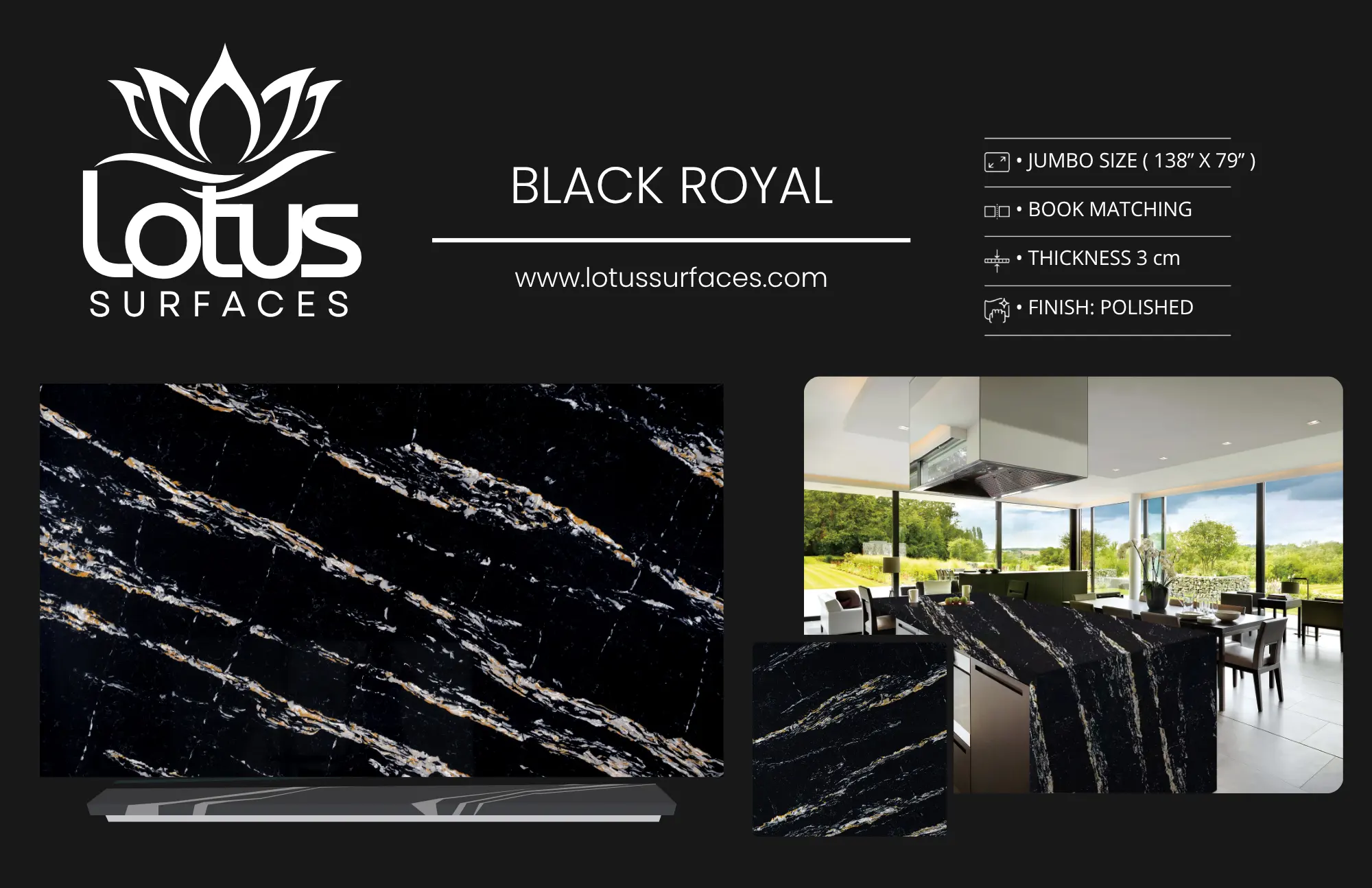
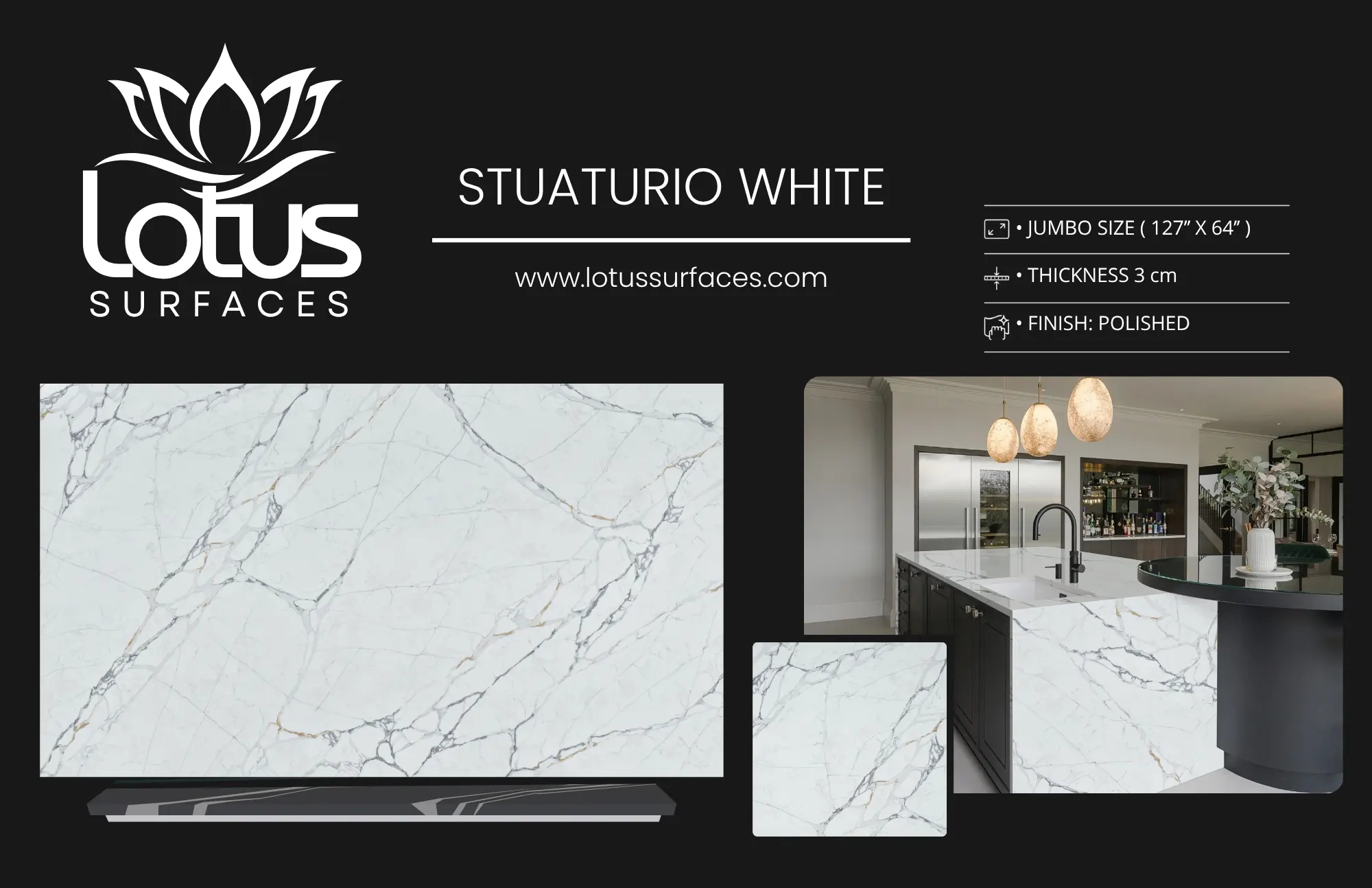
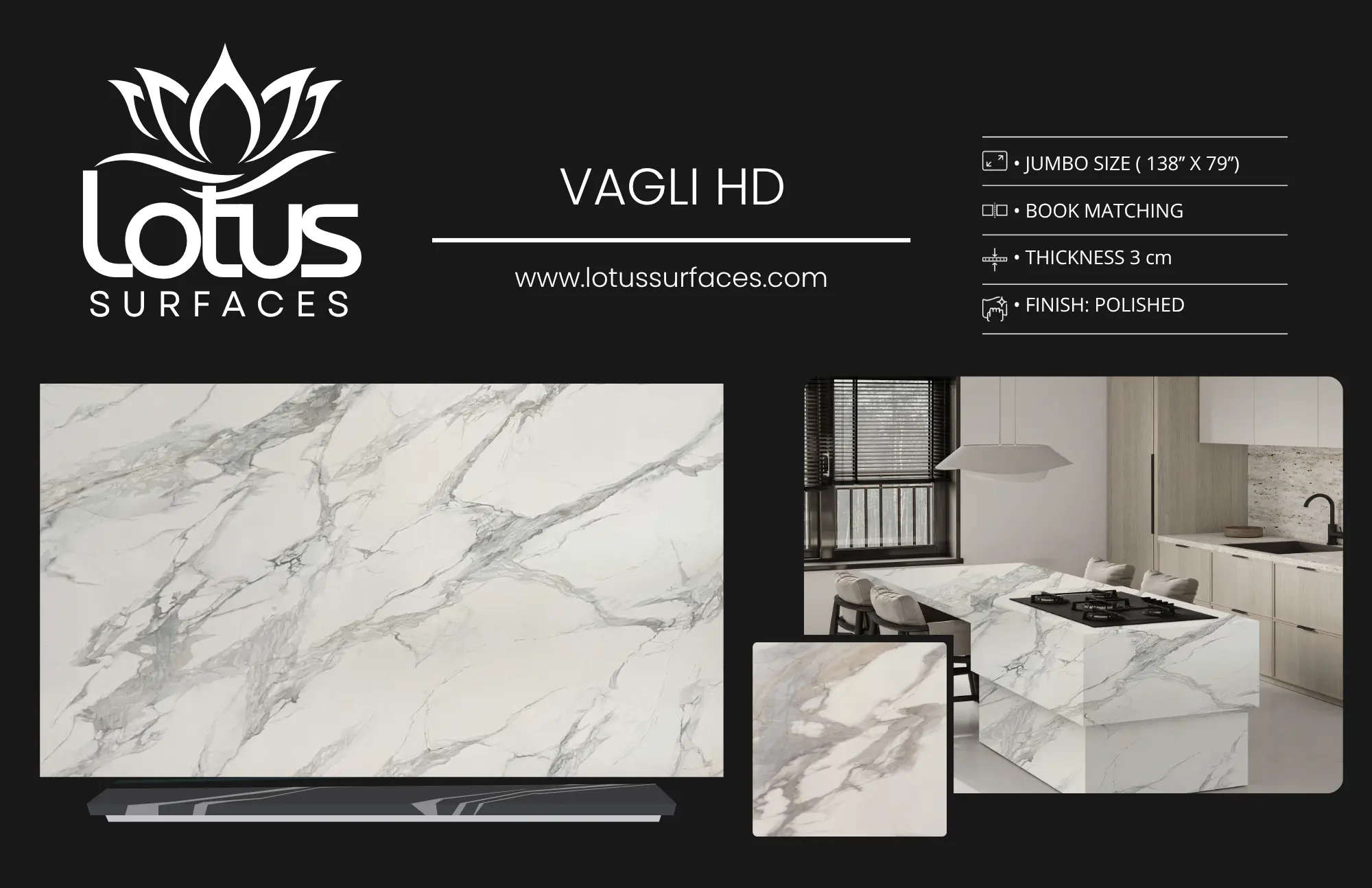
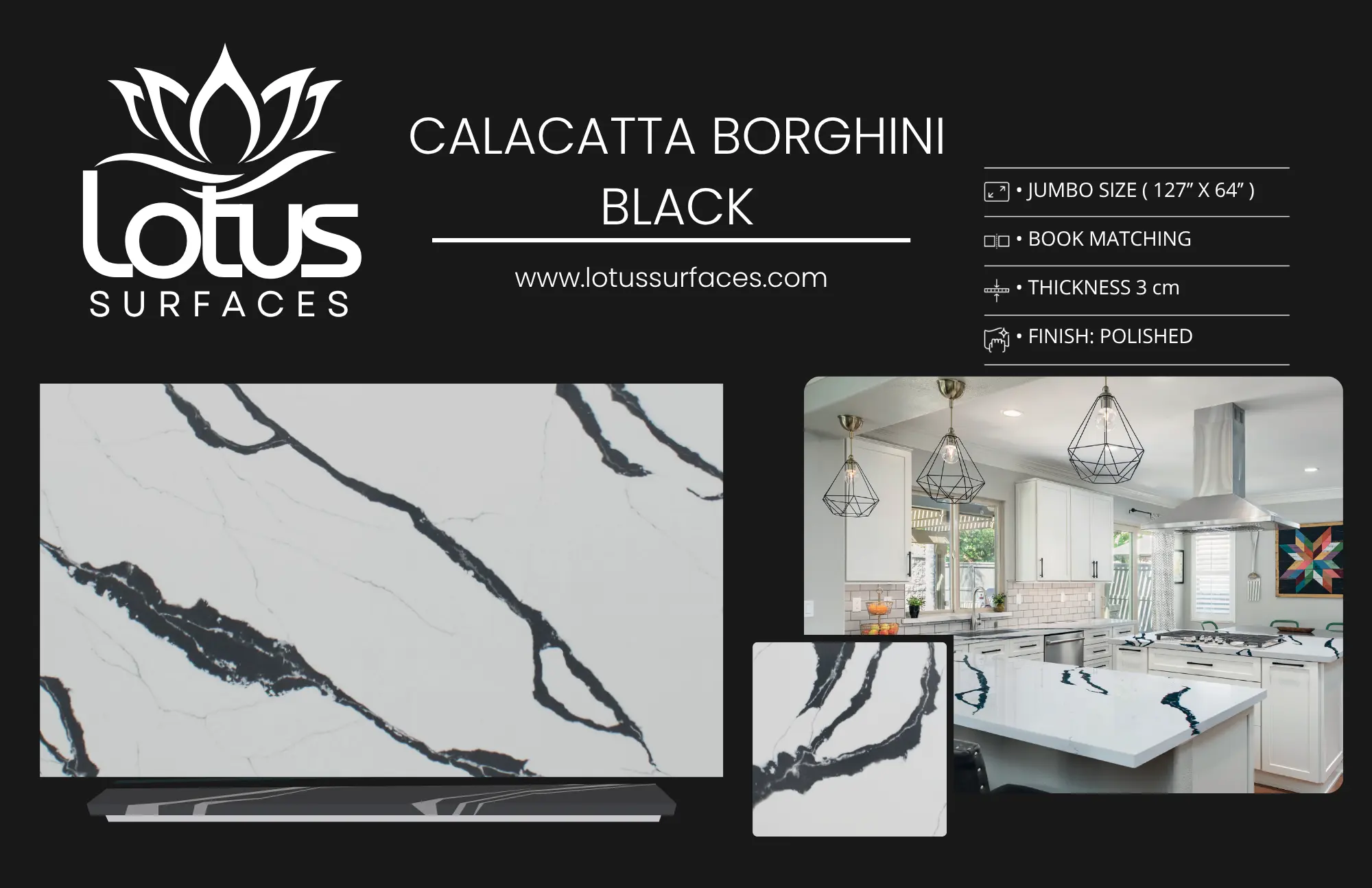
Engineered quartz is a favorite among restaurant owners due to its versatility and durability. With a wide range of colors and patterns, quartz can be tailored to fit any design aesthetic. Its non-porous nature makes it resistant to stains and easy to maintain, making it ideal for both countertops and tables.
2. Granite
Granite remains a classic choice for restaurant surfaces. Each slab is unique, showcasing natural beauty and elegance. While granite requires periodic sealing to maintain its resistance to stains, its durability and heat resistance make it a popular choice for kitchen countertops and bar tops.
3. Porcelain Tiles
Porcelain is increasingly being used for flooring and wall surfaces in restaurants. Its strength and aesthetic flexibility allow for creative designs while being easy to clean. Porcelain tiles can withstand heavy foot traffic without showing wear, making them an excellent choice for high-traffic areas.
4. Stainless Steel
A staple in commercial kitchens, stainless steel surfaces are favored for their hygienic properties and resistance to heat and corrosion. They are easy to clean and maintain, making them ideal for food preparation and cooking areas.
Factors Influencing Surface Choices
When it comes to selecting surfaces, several factors come into play:
1. Budget
While quality is essential, budget constraints often guide the decision-making process. Restaurant owners must balance their desire for high-end materials with practical financial considerations. Investing in durable surfaces can provide long-term value, decreasing the need for replacements and repairs.
2. Local Climate
The humid climate in Georgia can affect how certain materials perform. Restaurant owners often seek advice from local experts to understand which surfaces will fare best in the state’s weather conditions, ensuring longevity and performance.
3. Compliance with Regulations
Restaurants must adhere to health regulations that dictate the types of surfaces that can be used in food preparation areas. Understanding these requirements is crucial for restaurant owners to avoid costly fines and ensure safety.
Engaging Local Fabricators for Expert Guidance
Working with local fabricators and surface experts can significantly influence the success of a restaurant’s surface selection process. Local fabricators can provide insights into which materials are best suited for the specific needs of Gwinnett County restaurants, taking into account local trends and preferences.
1. Personalized Consultation
Local fabricators often offer personalized consultations, helping restaurant owners navigate their options based on their specific requirements. This tailored approach can lead to better decision-making and ensure the chosen surfaces align with the restaurant’s vision.
2. Accurate Measurement and Installation
Professional fabricators ensure that surfaces are accurately measured and installed, minimizing the risk of errors that can compromise the functionality and aesthetics of the space. This attention to detail is essential for creating a polished, professional environment.
Conclusion
The selection of commercial surfaces is a critical decision for local restaurants in Gwinnett County, impacting everything from aesthetics to functionality. By understanding the importance of material choice and engaging with local experts, restaurant owners can create inviting spaces that meet both customer expectations and operational needs. As the dining landscape continues to evolve, making informed decisions about surfaces will remain a cornerstone of successful restaurant design.
Frequently Asked Questions
1. What materials are best for restaurant countertops?
Quartz and granite are popular choices due to their durability and aesthetic appeal. Porcelain is also increasingly used for its versatility and ease of maintenance.
2. How often do restaurant surfaces need to be cleaned?
Surfaces should be cleaned regularly, especially in food preparation areas, to maintain hygiene and prevent contamination.
3. Are there specific materials recommended for high-traffic areas?
Yes, materials like porcelain tiles and quartz are recommended for high-traffic areas due to their durability and resistance to wear.
4. What should I consider when choosing surfaces for my restaurant?
Consider factors such as durability, maintenance, hygiene, budget, and compliance with health regulations.
5. How can local fabricators assist in the selection process?
Local fabricators provide personalized consultations, ensuring you choose the right materials for your specific needs and preferences.
6. Is granite suitable for kitchen countertops?
Yes, granite is a popular choice for kitchen countertops due to its natural beauty and heat resistance.
7. What are the benefits of using quartz surfaces?
Quartz surfaces are non-porous, stain-resistant, and require minimal maintenance, making them ideal for busy restaurant environments.
8. How do I ensure my surfaces comply with health regulations?
Consult with local experts who understand the regulations and can help you choose compliant materials.
9. Can I customize the design of my surfaces?
Yes, many fabricators offer customization options to match your restaurant’s design vision.
10. What is the expected lifespan of commercial surfaces?
The lifespan varies by material, but with proper care, high-quality surfaces like quartz and granite can last for many years.
For more information on choosing the right surfaces for your restaurant, contact us online to start your project or visit our Norcross showroom to view slabs in person.