
Why Porcelain Slab Vanity Tops Are the Preferred Choice for Modern Bathrooms
The evolution of bathroom design has seen a significant shift towards materials that not only offer aesthetic appeal but also enhance functionality and durability. Among these, porcelain slab vanity tops have emerged as a standout choice for modern bathrooms. In this comprehensive guide, we will explore the reasons behind the increasing popularity of porcelain slab vanity tops, examining their benefits, design versatility, and maintenance requirements. Whether you are a homeowner considering a bathroom renovation or a contractor looking for high-quality materials, understanding the advantages of porcelain slab vanity tops will empower you to make informed decisions.
1. What Are Porcelain Slab Vanity Tops?
Porcelain slab vanity tops are crafted from high-quality porcelain, a dense and durable ceramic material. These slabs are formed through a meticulous process that involves shaping and firing at high temperatures, resulting in a non-porous surface that is resistant to staining, scratching, and moisture absorption. The versatility of porcelain allows for a wide range of colors, patterns, and finishes, making it an ideal choice for contemporary bathroom designs.
2. Key Benefits of Porcelain Slab Vanity Tops
Porcelain slab vanity tops offer numerous advantages that contribute to their rising popularity:
- Durability: Porcelain is known for its strength and longevity. Unlike natural stones, porcelain is less prone to chipping and cracking, making it suitable for high-traffic bathrooms.
- Non-Porous Surface: The non-porous nature of porcelain means that it does not absorb moisture, which helps prevent the growth of mold and mildew. This is particularly beneficial in the humid environment of a bathroom.
- Stain Resistance: Porcelain is resistant to stains from common bathroom products such as toothpaste, soap, and cosmetics, ensuring that your vanity top remains pristine.
- Easy Maintenance: Cleaning porcelain vanity tops is simple; a damp cloth and mild detergent are usually sufficient to keep the surface looking new.
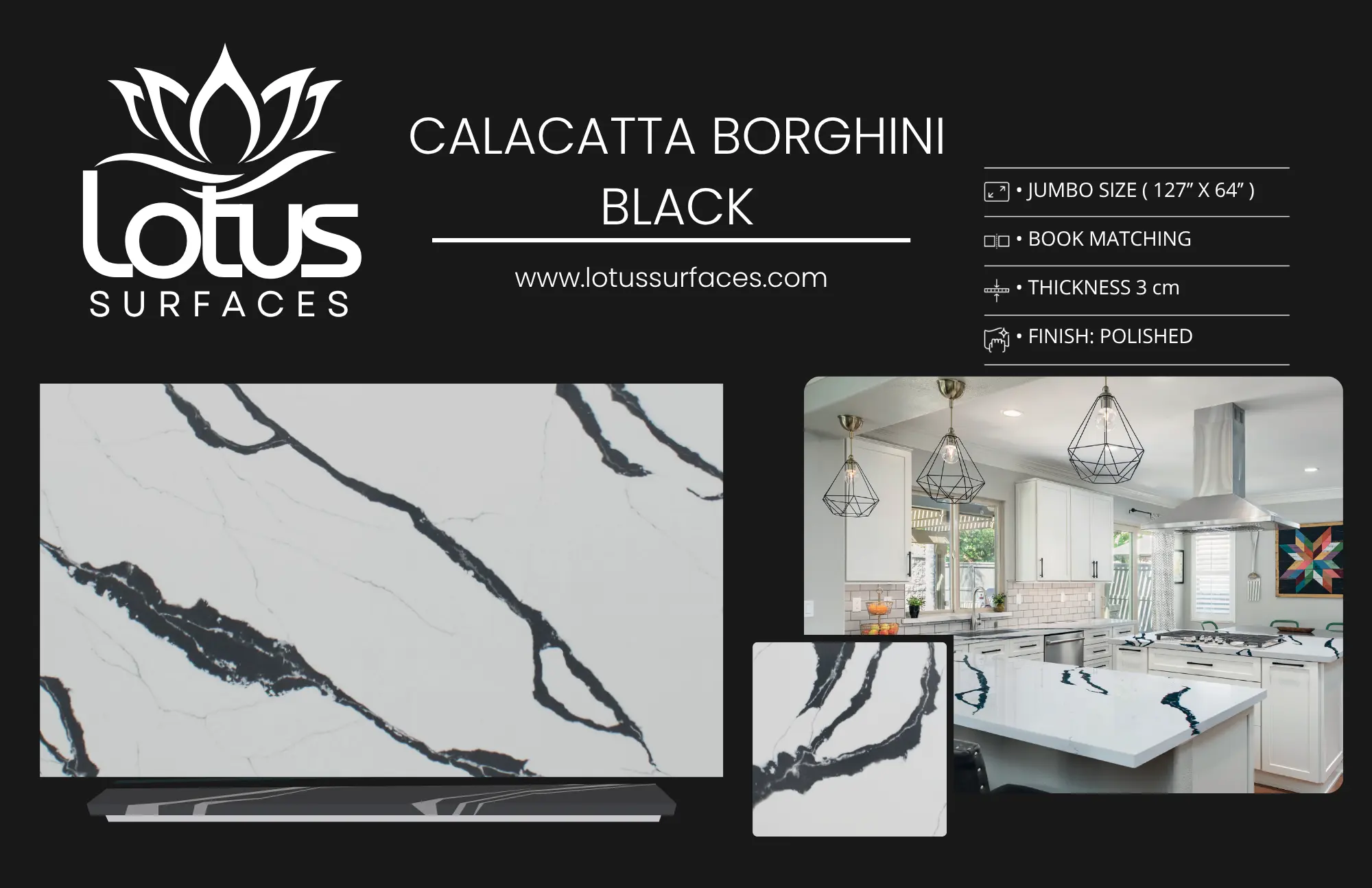
- Customizable Designs: With advanced printing technology, porcelain can mimic the appearance of natural stones, wood, or even unique artistic patterns, providing endless design possibilities.
3. Design Versatility in Porcelain Vanity Tops
One of the standout features of porcelain slab vanity tops is their design versatility. Homeowners and designers can choose from a wide array of colors, textures, and finishes, allowing for seamless integration into any bathroom aesthetic. Popular design trends include:
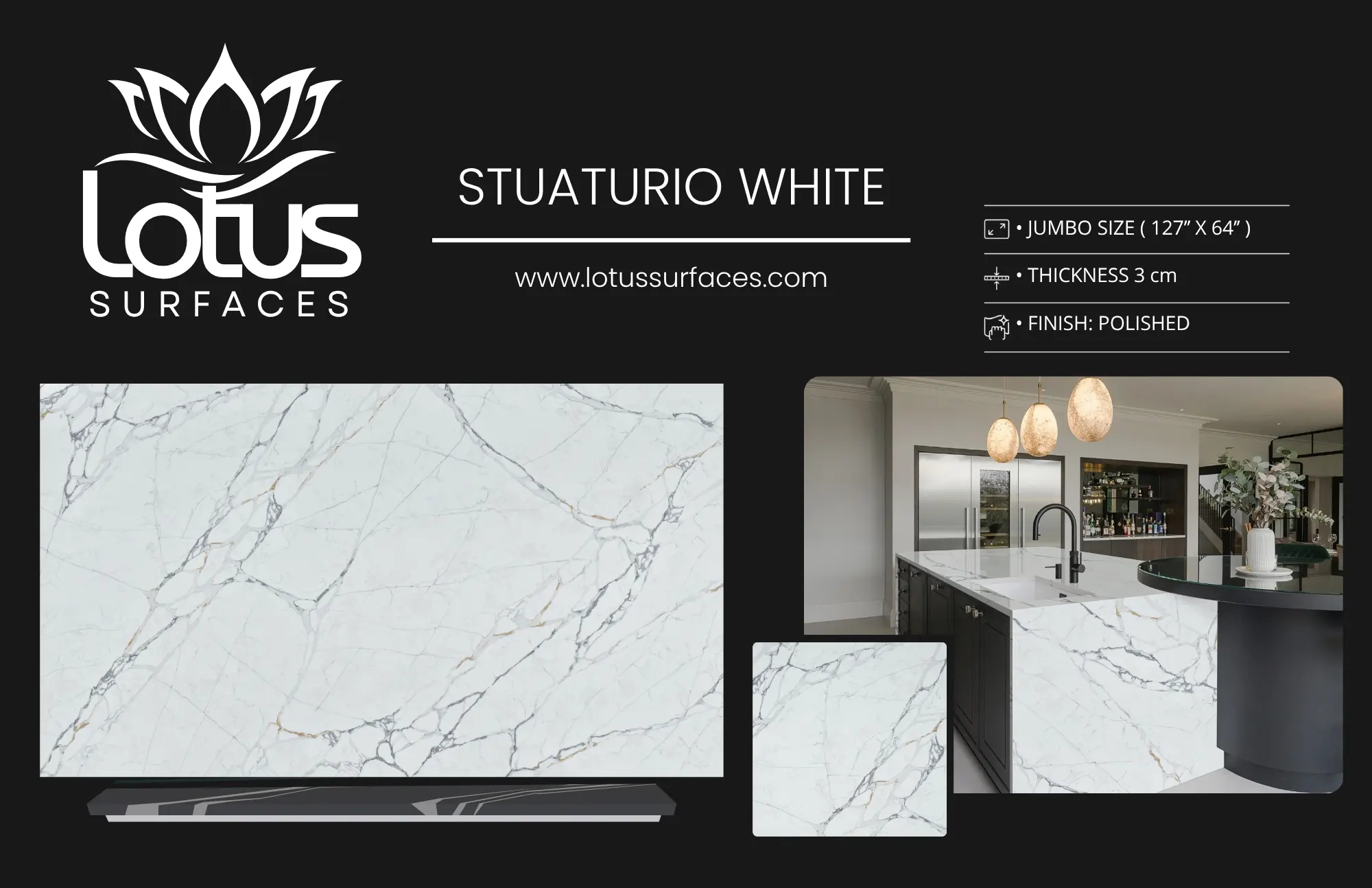
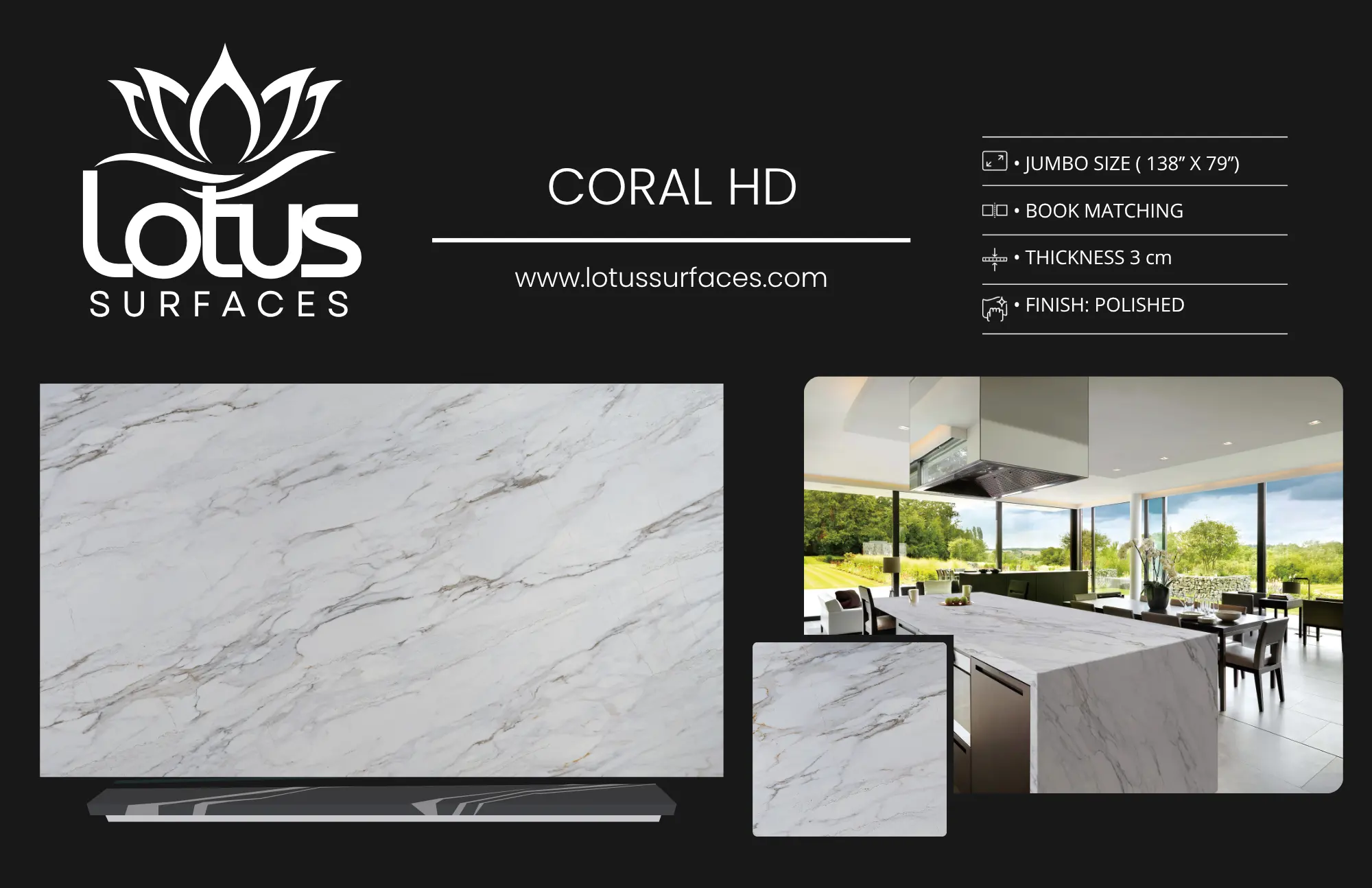
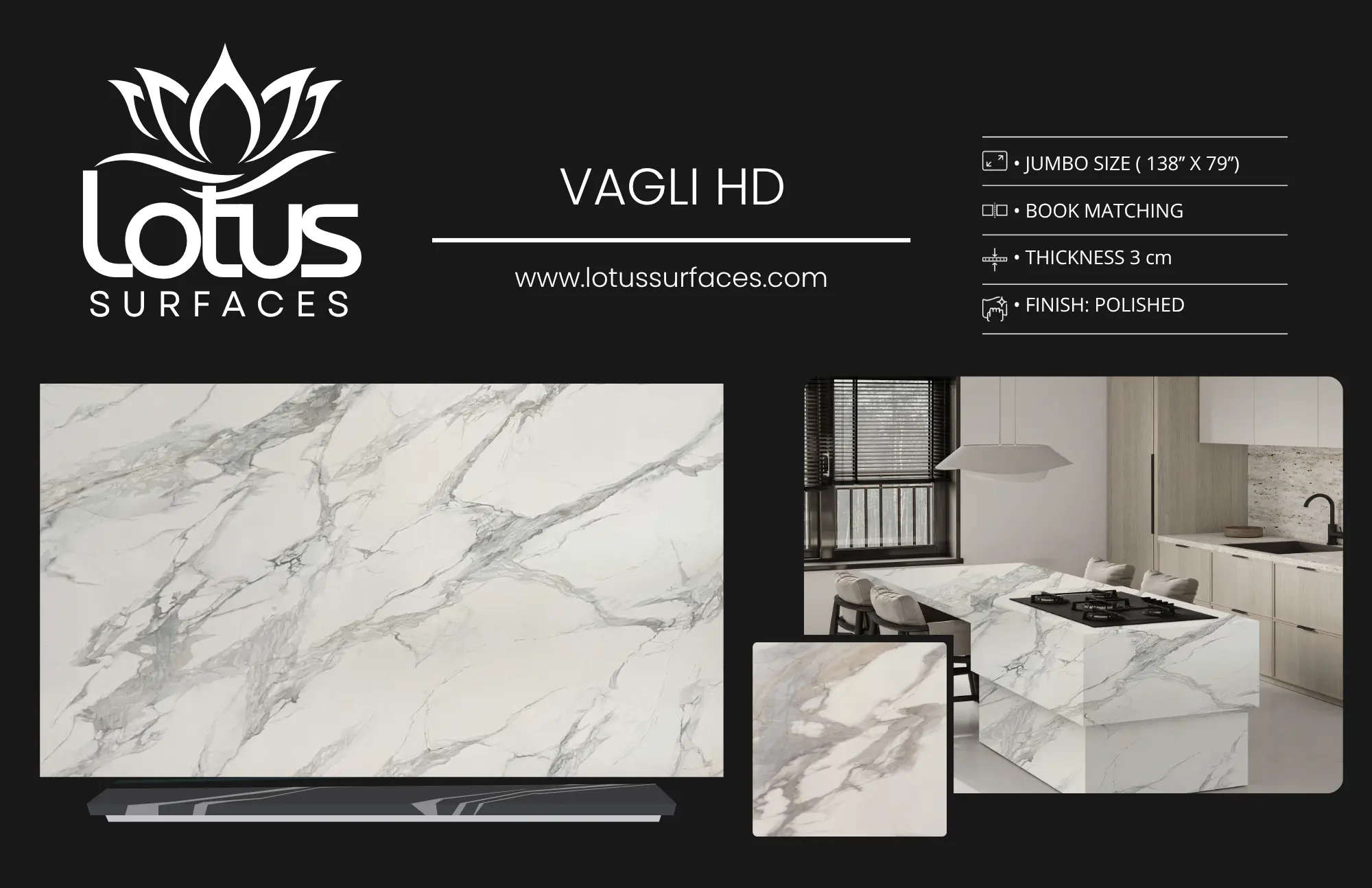
- Marble-Look Porcelain: Mimicking the elegance of marble, these vanity tops offer the luxurious appearance without the maintenance concerns associated with natural stone.
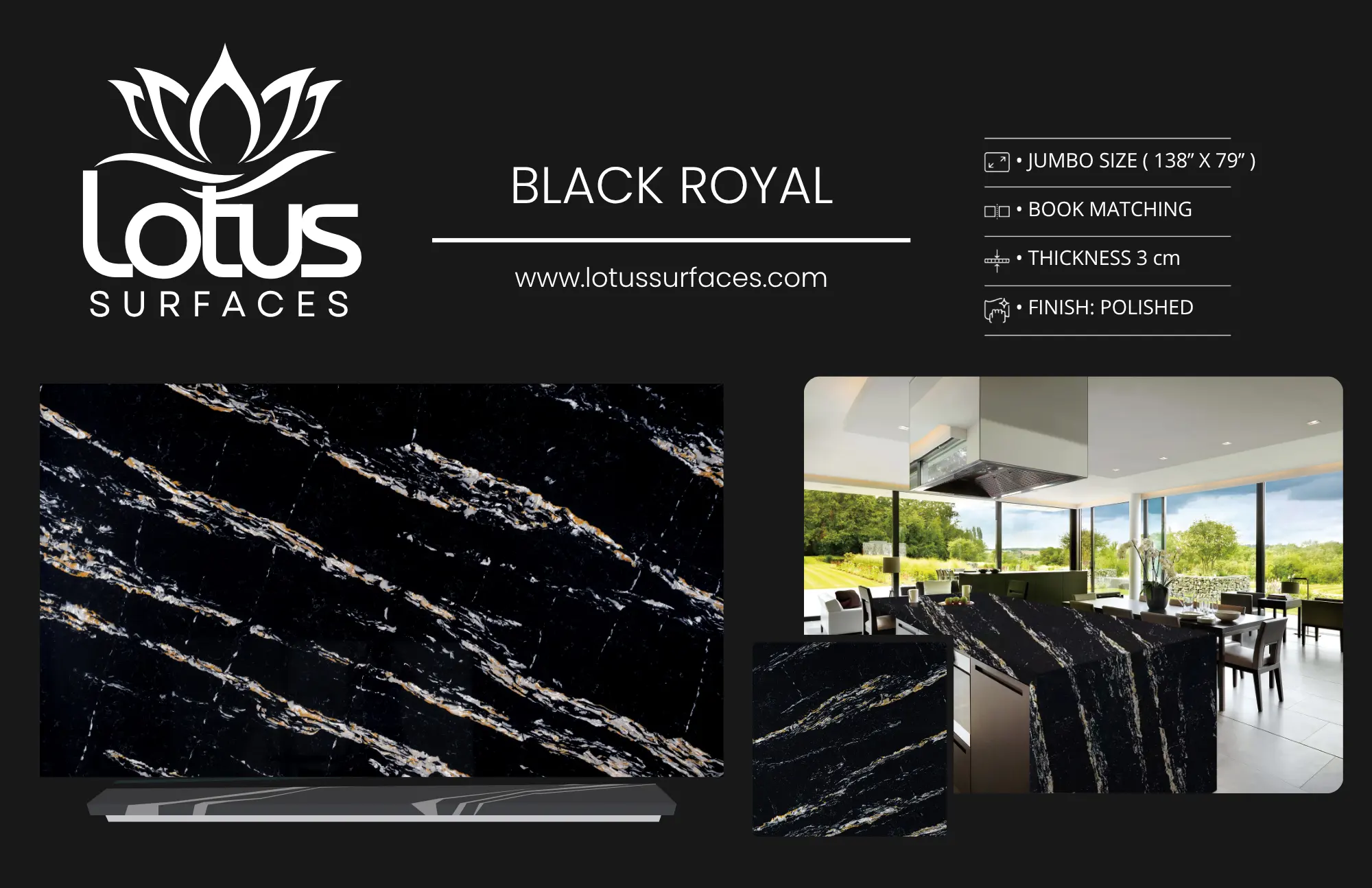
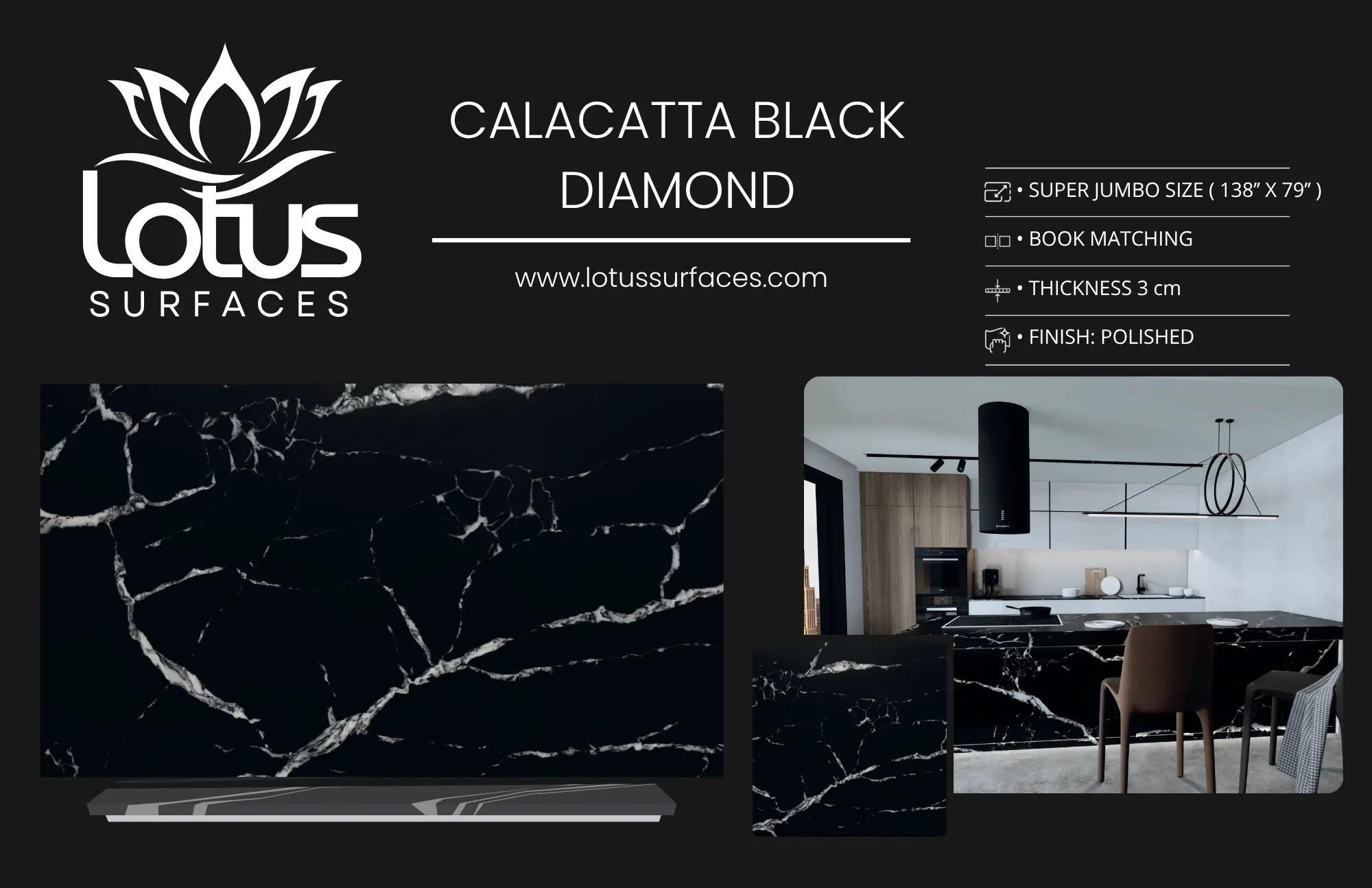
- Bold Colors: For a modern and striking look, bold colors such as deep blues, greens, or even black can make a statement in contemporary bathrooms.
- Textured Finishes: Textured porcelain surfaces can add depth and interest to vanity tops, enhancing the tactile experience of the bathroom.
4. Maintenance and Care for Porcelain Vanity Tops
Maintaining porcelain slab vanity tops is straightforward, contributing to their popularity among homeowners:
For tougher stains, a mixture of baking soda and water can be applied to the affected area, left for a few minutes, and then gently scrubbed before rinsing with water.
5. Porcelain vs. Other Vanity Top Materials
When considering vanity top materials, it’s essential to compare porcelain with other popular options. The table below highlights the key differences between porcelain, granite, quartz, and marble vanity tops:
| Material | Durability | Stain Resistance | Maintenance | Cost |
|---|---|---|---|---|
| Porcelain | High | Excellent | Low | Moderate |
| Granite | High | Good | Moderate | High |
| Quartz | High | Good | Low | Moderate to High |
| Marble | Moderate | Poor | High | High |
As shown in the table, porcelain slab vanity tops provide a compelling combination of durability, stain resistance, and low maintenance, making them an excellent choice for modern bathrooms.
6. Expert Tips for Choosing the Right Vanity Top
When selecting a porcelain slab vanity top, consider the following tips to ensure you choose the best option for your bathroom:
- Assess Your Bathroom Style: Determine the overall design aesthetic of your bathroom. Choose colors and patterns that complement existing fixtures and decor.
- Consider Size and Shape: Measure your vanity space carefully and select a slab that fits perfectly. Customization options are available to ensure a seamless fit.
- Evaluate Thickness: Thicker slabs can add a sense of luxury and are often more durable. Opt for a thickness that meets both aesthetic and functional needs.
- Check for Warranty: A good warranty can provide peace of mind. Ensure that your porcelain slab comes with a manufacturer’s warranty that covers defects.
- Consult Professionals: Working with experienced professionals, such as those at Lotus Surfaces, can help you navigate your options and make the best choice for your bathroom renovation.
7. Conclusion
Porcelain slab vanity tops are increasingly becoming the preferred choice for modern bathrooms due to their durability, design versatility, and low maintenance requirements. As homeowners seek to create stylish and functional spaces, the benefits of porcelain make it an attractive option. If you’re considering a bathroom renovation and want to explore high-quality porcelain slab options, reach out to the experts at Lotus Surfaces for personalized guidance.
8. FAQ Section
What are porcelain slab vanity tops made of?
Porcelain slab vanity tops are made from high-quality porcelain, a dense and durable ceramic material that is fired at high temperatures to create a non-porous surface.
How do I clean porcelain vanity tops?
Cleaning porcelain vanity tops is simple; use a damp cloth and mild detergent to wipe the surface. For tougher stains, a mixture of baking soda and water can be used.
Are porcelain vanity tops more expensive than granite?
Porcelain vanity tops are generally more affordable than granite, providing a cost-effective solution without compromising on quality or aesthetics.
Can porcelain vanity tops mimic the look of natural stone?
Yes, porcelain can be designed to mimic the appearance of natural stones, such as marble and granite, offering the beauty of these materials without the maintenance challenges.
How durable are porcelain vanity tops?
Porcelain vanity tops are highly durable and resistant to chipping, scratching, and staining, making them suitable for high-traffic bathrooms.
What thickness should I choose for my porcelain vanity top?
A thickness of 1.2 cm to 2 cm is standard for porcelain vanity tops. Thicker options can provide a more luxurious look and added durability.
Do porcelain vanity tops require sealing?
No, porcelain vanity tops do not require sealing due to their non-porous nature, which prevents moisture absorption and staining.
Where can I find porcelain slab vanity tops?
Porcelain slab vanity tops can be found at local countertop fabricators, such as Lotus Surfaces, where you can explore a wide selection of options.
Are porcelain vanity tops suitable for outdoor use?
Yes, porcelain vanity tops can be suitable for outdoor use due to their durability and resistance to weather elements.
What are the design options for porcelain vanity tops?
Porcelain vanity tops come in various colors, patterns, and finishes, allowing for extensive customization to match your bathroom’s aesthetic.
How do porcelain slabs compare to quartz and granite?
Porcelain slabs offer superior stain resistance and lower maintenance compared to granite and quartz, while also providing a wide range of design options.
Can I install a porcelain vanity top myself?
While it is possible to install a porcelain vanity top yourself, it is recommended to consult professionals for precise measurements and installation to ensure a perfect fit.
