
Quartz vs. Quartzite: Don’t Confuse These Two in Your Kitchen Remodel
Quartz vs. Quartzite: Don’t Confuse These Two in Your Kitchen Remodel
When it comes to choosing the perfect countertop for your kitchen remodel, the decision can be daunting, especially when it comes to two popular options: quartz and quartzite. While their names may be similar, these two materials are quite different in terms of composition, durability, and aesthetics. Understanding their unique characteristics can help you make an informed decision that enhances your kitchen’s beauty and functionality. In this article, we will explore the differences between quartz and quartzite, their benefits, and why knowing these distinctions is essential for achieving your design vision.
Understanding the Basics: What Are Quartz and Quartzite?
Quartz
Quartz countertops are engineered surfaces made from around 90-95% crushed natural quartz crystals mixed with resins and polymers. This combination creates a non-porous, uniform surface that offers a wide range of colors, patterns, and textures. The manufacturing process allows for precise control over the appearance and functionality of quartz surfaces, making them a popular choice for homeowners seeking consistency and customization.
Quartzite
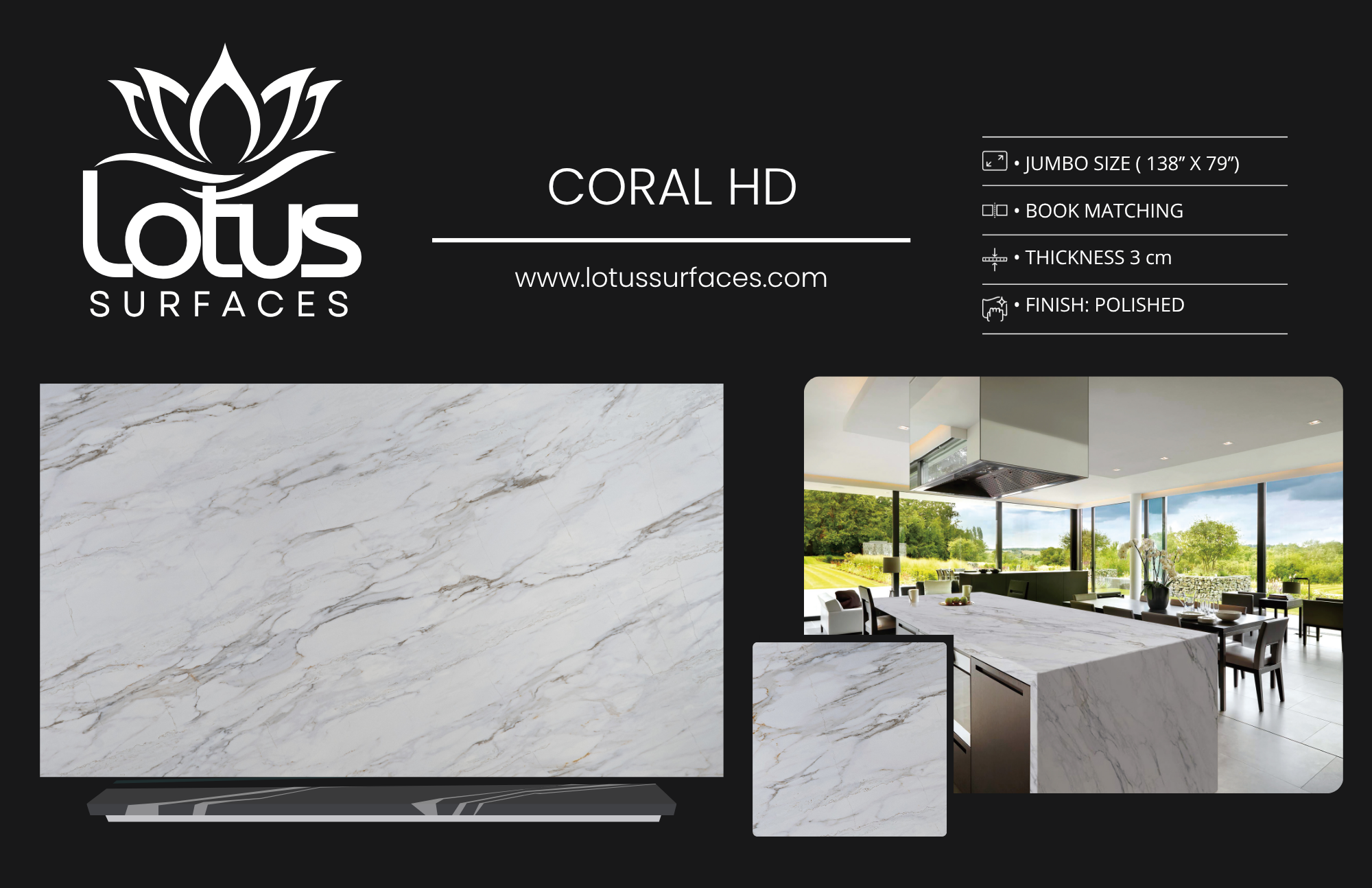
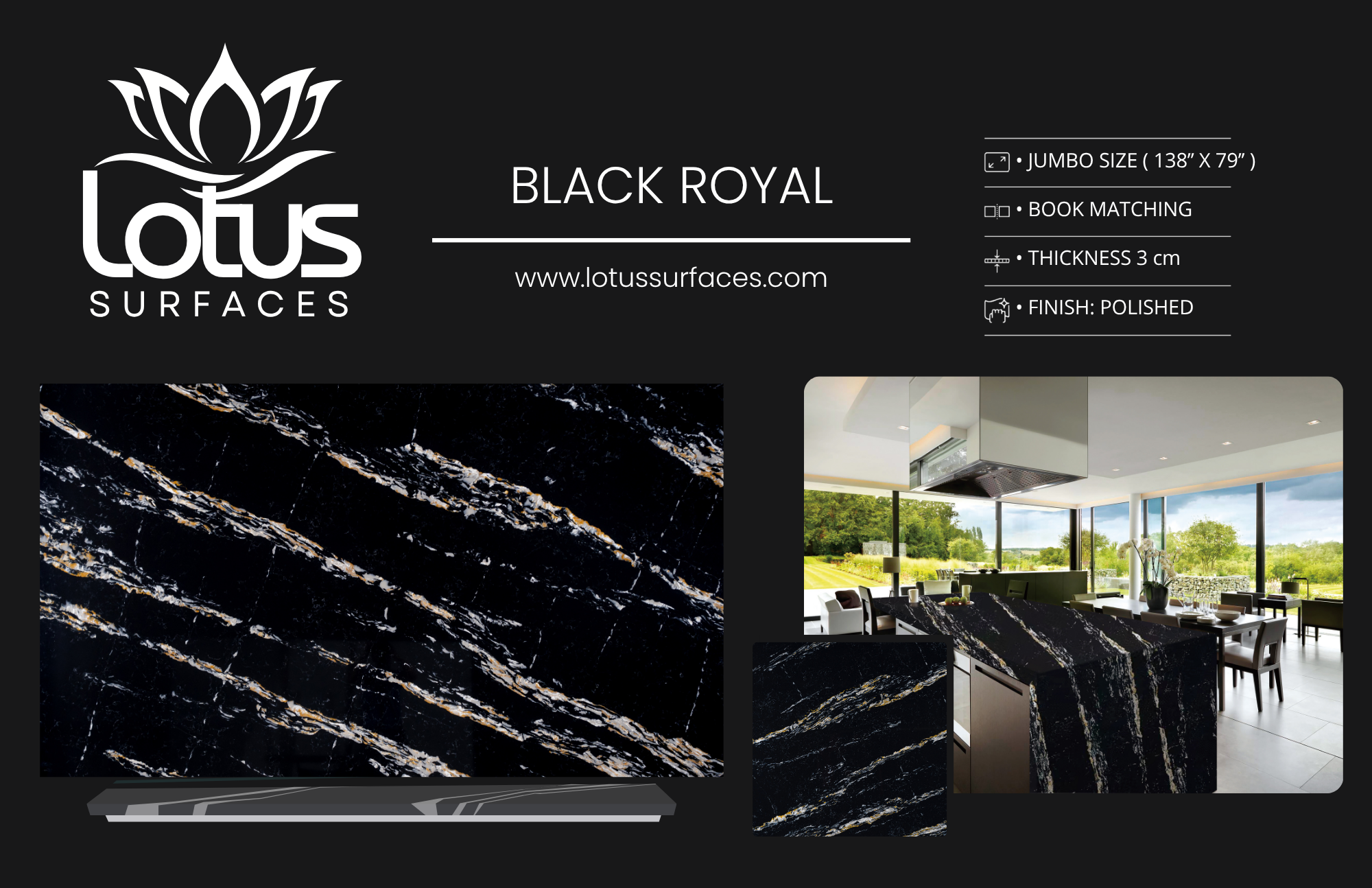
On the other hand, quartzite is a natural stone that forms from the metamorphism of sandstone. This process involves high heat and pressure, resulting in a dense and durable material with unique veining and color variations. Each slab of quartzite is one-of-a-kind, showcasing the natural beauty and intricacies of the stone. As a natural product, quartzite requires more care in terms of maintenance and sealing compared to its engineered counterpart.
Material Benefits and Performance Characteristics
Durability
Both quartz and quartzite are known for their durability, but they have different strengths. Quartz is non-porous, which makes it resistant to staining and bacteria growth. Its engineered nature allows for a uniform surface without weak spots. In contrast, quartzite is incredibly hard and resistant to scratching, making it suitable for high-traffic areas in your kitchen. However, it is essential to seal quartzite regularly to maintain its resistance to stains.
Maintenance
When it comes to maintenance, quartz has the upper hand. Its non-porous surface means it does not require sealing and can be easily cleaned with mild soap and water. Quartzite, being a natural stone, requires periodic sealing to protect it from stains and moisture. Regular maintenance is crucial to preserving its beauty and longevity, especially in a busy kitchen environment.
Aesthetics
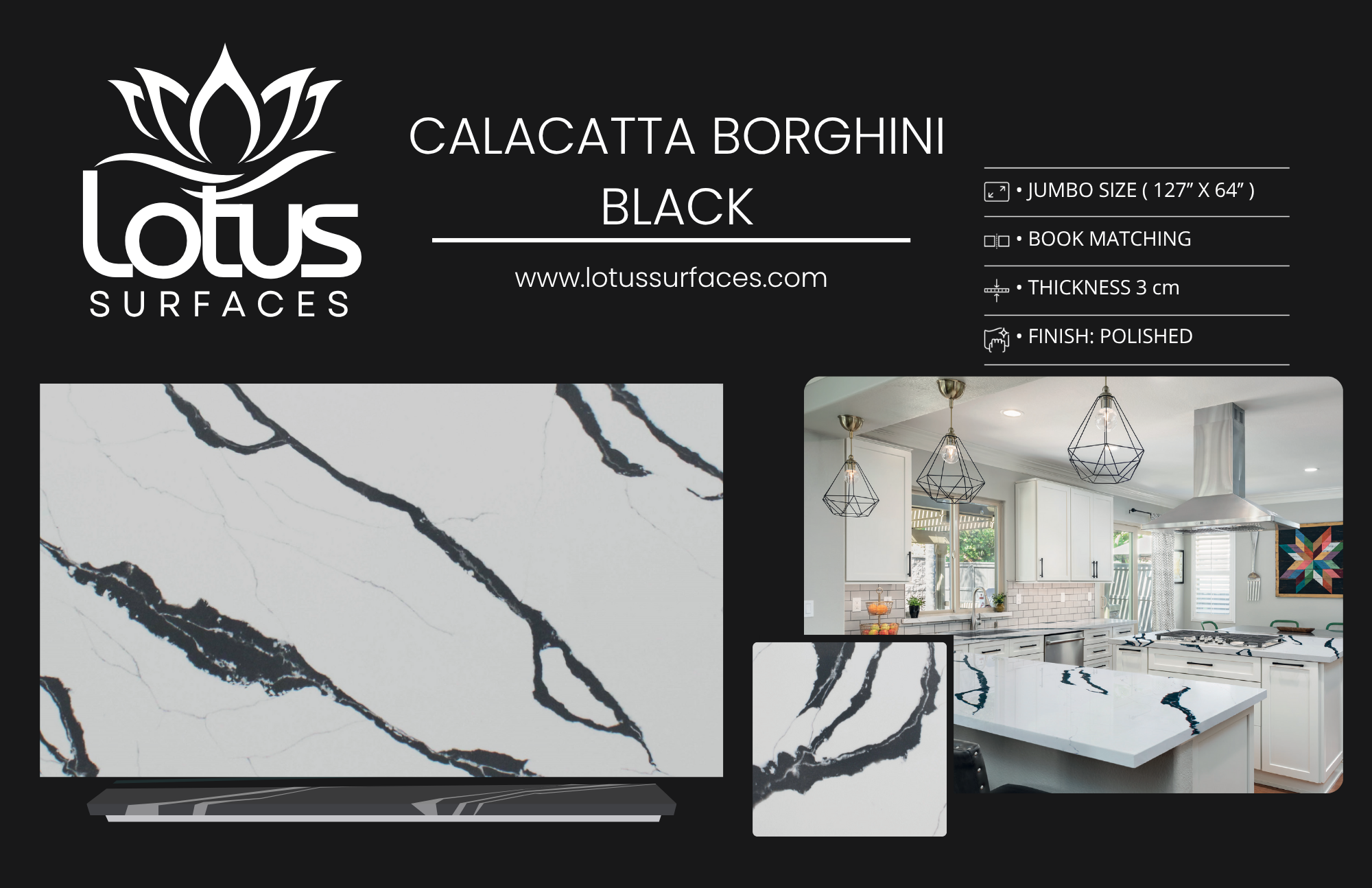
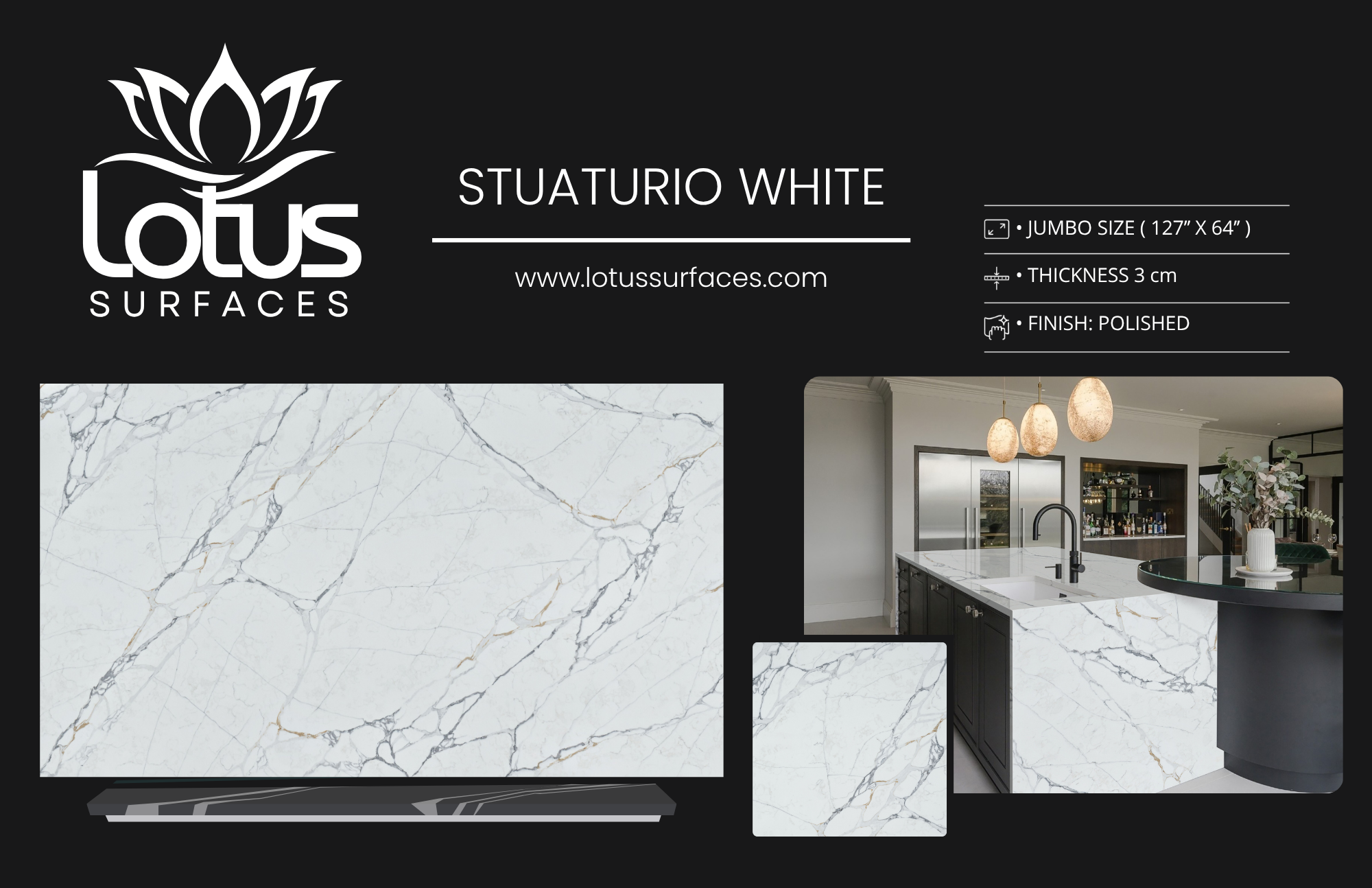
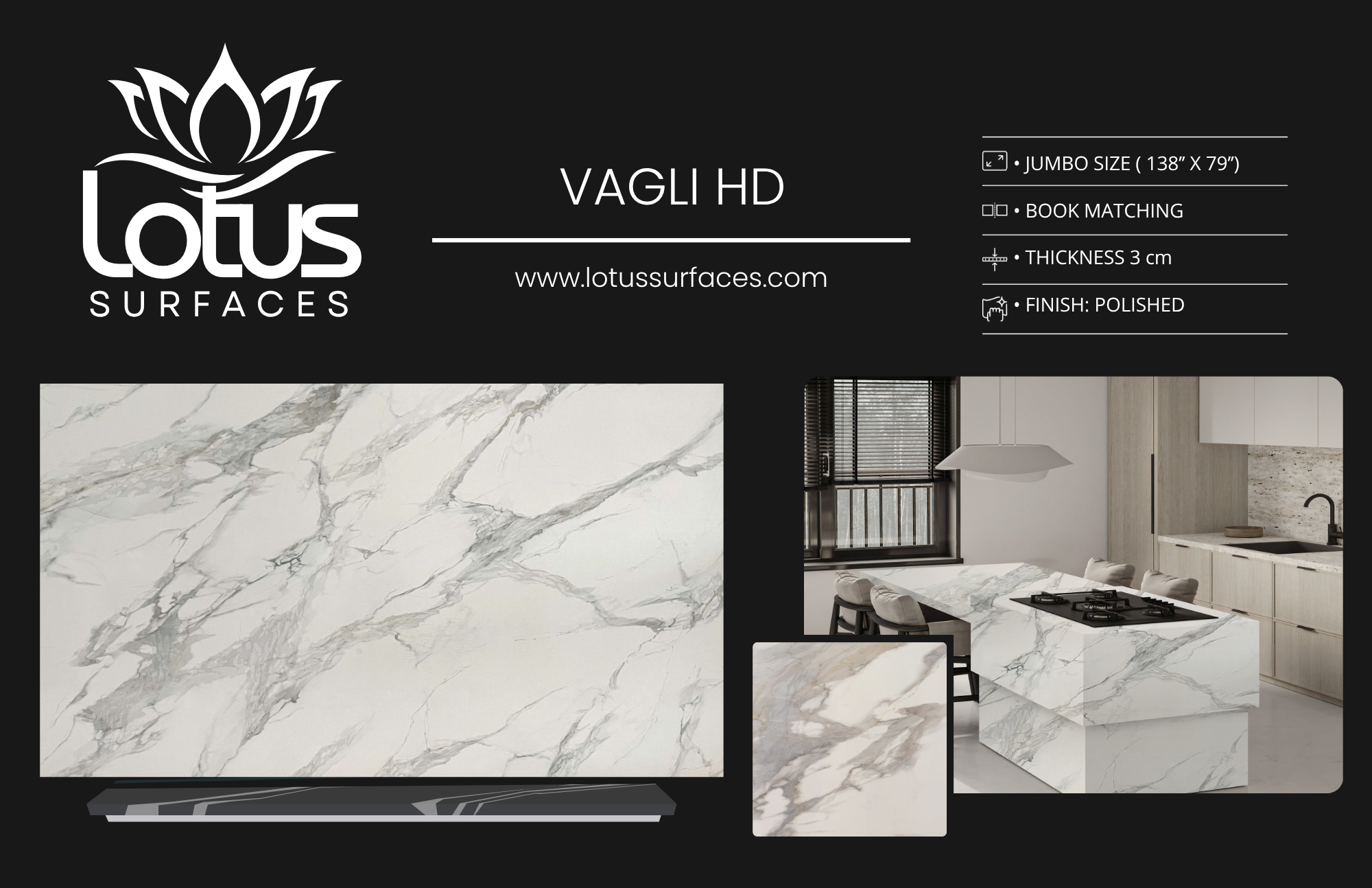
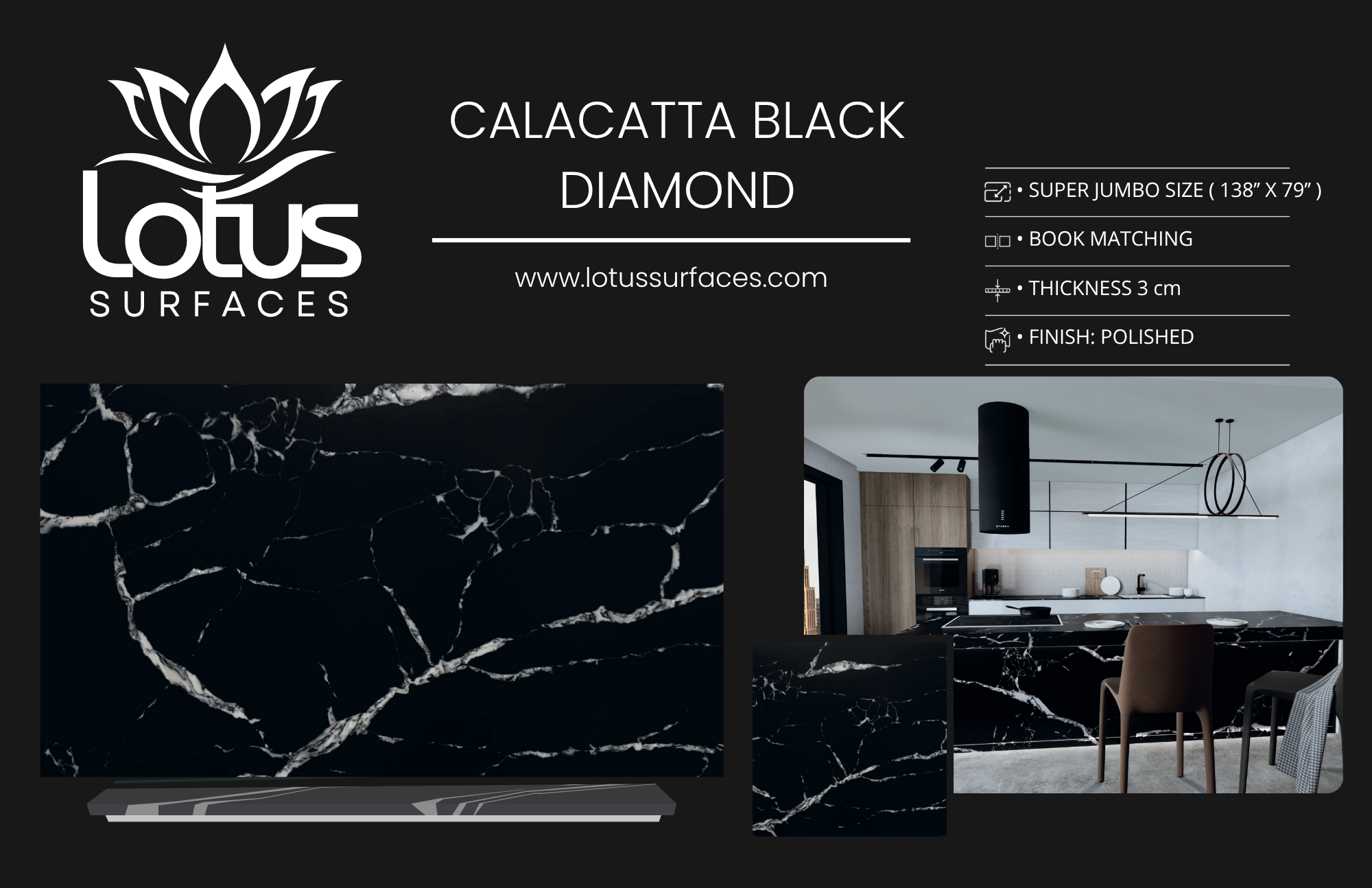
In terms of aesthetics, quartz offers a vast array of colors and patterns due to its engineered nature. Homeowners can choose from solid colors, speckled designs, and even patterns that mimic natural stone. This versatility allows for seamless integration with various kitchen styles. Quartzite, on the other hand, boasts stunning natural patterns and veining that can add a unique touch to your kitchen. If you appreciate the beauty of natural stone, quartzite may be the ideal choice.
Fabrication and Installation Process Explained
The fabrication process for quartz and quartzite differs significantly. Quartz is manufactured in slabs, allowing for precision cutting and shaping. This means that homeowners can enjoy a perfect fit for their countertops with minimal seams. Additionally, quartz can be customized with various edge profiles and finishes to match your kitchen design.
Quartzite, being a natural stone, requires more intricate handling during fabrication. Each slab is unique, and fabricators must work with the natural characteristics of the stone. This can result in a slightly longer installation process, as careful planning is needed to ensure the best seam placement and alignment.
Why Atlanta Homeowners Choose Lotus Surfaces
As a trusted local fabricator and installer serving the Greater Atlanta area, we at Lotus Surfaces understand the challenges homeowners face when selecting the right countertop material. Our experienced team is dedicated to providing personalized consultations, guiding you through the decision-making process, and ensuring that your kitchen remodel reflects your unique style and needs.
We offer a wide selection of quartz and quartzite options, allowing you to explore the differences firsthand. With our in-house fabrication facility located in Norcross, you can view slabs in person and receive expert guidance on material selection, installation, and maintenance.
Frequently Asked Questions
1. How do I know if quartz or quartzite is better for my kitchen?
The choice between quartz and quartzite depends on your personal preferences, lifestyle, and design vision. If you prefer low-maintenance surfaces with uniformity, quartz may be the right choice. If you appreciate the beauty of natural stone and are willing to invest time in maintenance, quartzite could be the better option.
2. What are the durability differences between quartz and quartzite?
Quartz is highly durable and resistant to staining and bacteria, while quartzite is harder and more resistant to scratching. Both materials are suitable for kitchen countertops, but quartzite requires periodic sealing to maintain its performance.
3. Can I use quartz and quartzite interchangeably?
While both materials can be used as countertops, they have distinct characteristics that may affect their suitability for specific applications. It is important to consider the maintenance requirements and aesthetic preferences when choosing between the two.
4. What is the installation process like for quartz and quartzite?
Quartz installation is generally more straightforward due to its engineered nature, allowing for precise cuts and minimal seams. Quartzite installation requires more careful handling to account for the natural characteristics of the stone.
5. How does the cost of quartz compare to quartzite?
While we refrain from discussing specific costs, it is important to note that quartz and quartzite can vary in price based on factors such as availability and fabrication complexity. Homeowners should consider their budget and long-term value when making a decision.
6. How do I maintain my quartz countertops?
Quartz countertops are low maintenance and can be cleaned with mild soap and water. Unlike quartzite, they do not require sealing, making them an excellent choice for busy kitchens.
7. How do I maintain my quartzite countertops?
Quartzite requires periodic sealing to protect it from stains and moisture. Regular cleaning with a pH-balanced cleaner is recommended to preserve its beauty.
8. What are the best design styles for quartz and quartzite?
Both quartz and quartzite can complement a variety of design styles. Quartz offers versatility in colors and patterns, while quartzite showcases the natural beauty of stone. Your choice will depend on your desired kitchen aesthetic.
How to Get Started
Ready to take the next step in your kitchen remodel? At Lotus Surfaces, we invite you to call +1 346-833-9076 to schedule your countertop consultation. Our experienced team is here to help you navigate your options and find the perfect material for your home.
Additionally, we encourage you to visit our Norcross showroom located at 1875 Graves Rd, where you can view quartz and quartzite slabs in person. Experience the beauty and quality of our surfaces firsthand, and let us assist you in bringing your design vision to life.
If you prefer a digital approach, feel free to contact us online to request a consultation. We look forward to helping you enhance your home with our premium surfaces!
