Why Granite Color and Pattern Uniqueness Makes Every Countertop One of a Kind
When it comes to kitchen and bathroom renovations, granite countertops stand out as a symbol of elegance and durability. The allure of granite lies not only in its strength but also in its stunning color and pattern variations. Each slab of granite is a unique masterpiece, shaped by natural forces over millions of years. In this article, we will explore the distinctiveness of granite colors and patterns, why they make every countertop one of a kind, and how you can select the perfect granite for your home. By the end, you will have a comprehensive understanding of granite’s uniqueness and how it can enhance your living space.
The Formation of Granite: Nature’s Artistry
Granite is an igneous rock formed from the slow crystallization of magma beneath the Earth’s surface. This process takes millions of years, resulting in a rock composed mainly of quartz, feldspar, and mica. The unique combination of minerals gives granite its characteristic color and pattern variations. For instance, the presence of biotite can create darker speckles, while the inclusion of feldspar contributes to lighter hues.
Moreover, the geological history of the region where the granite is sourced plays a significant role in its appearance. Different regions have distinct mineral compositions, leading to a wide range of colors and patterns. For example, granite from Brazil is known for its vibrant colors, while granite from the United States tends to have more muted tones. By understanding the formation of granite, homeowners can appreciate the natural artistry behind each countertop.
Understanding Granite Color Variations
One of the most compelling aspects of granite is its color variations. These colors can range from deep blacks and rich browns to vibrant reds, greens, and blues. The following are some common granite colors and the minerals that contribute to their unique shades:
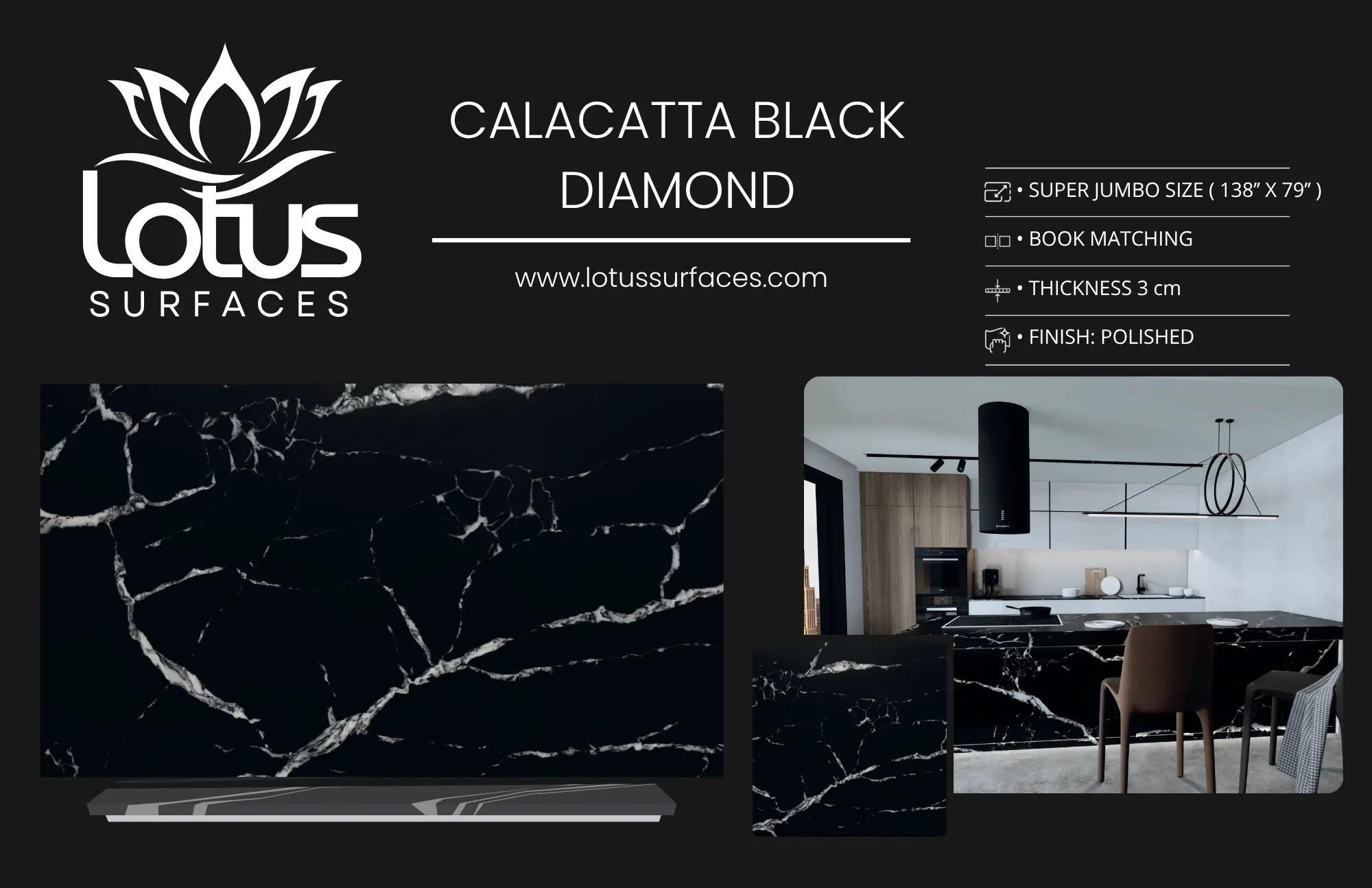
- Black Granite: Typically contains a high concentration of biotite or hornblende, giving it a sleek, modern appearance.
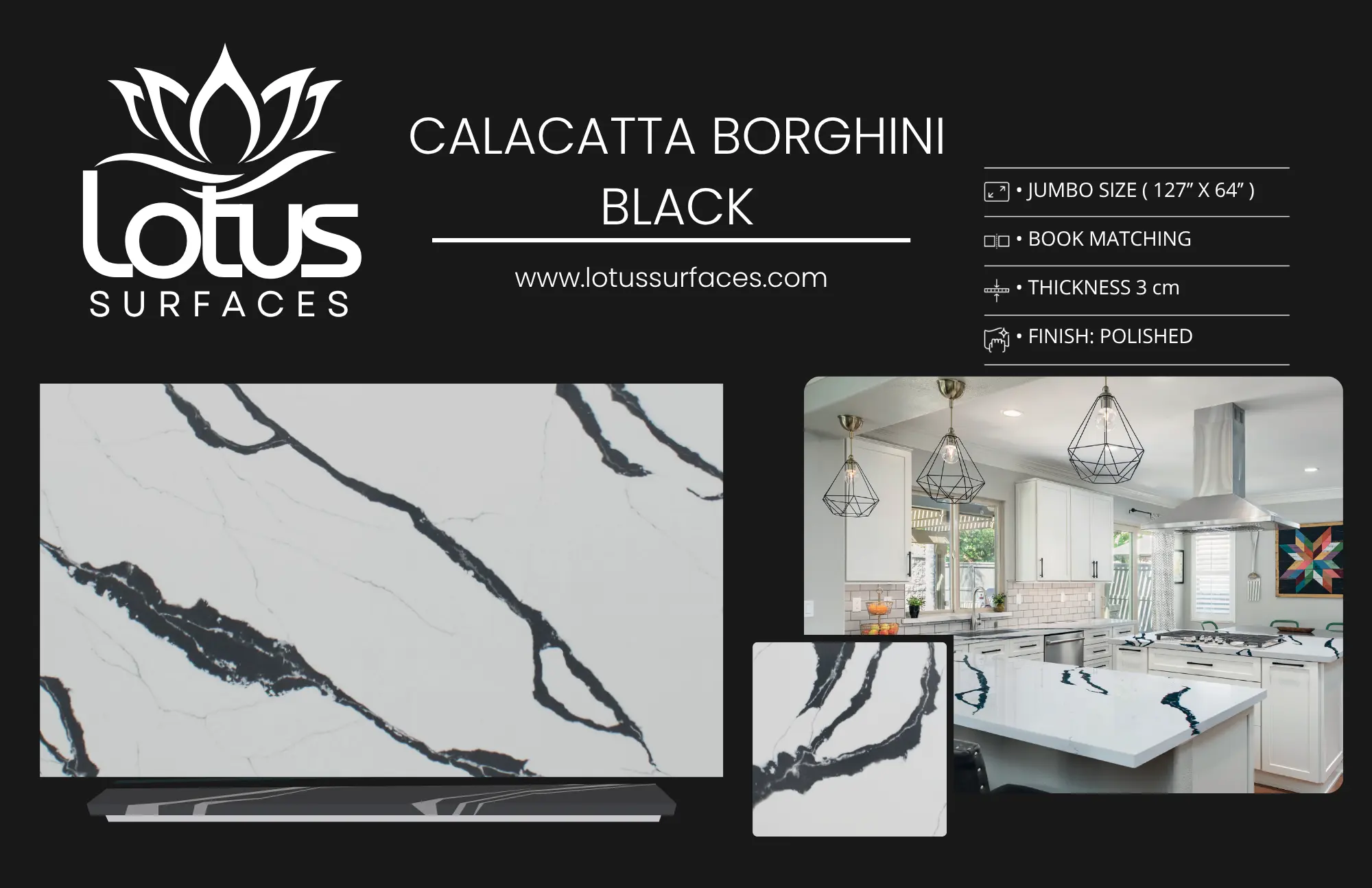
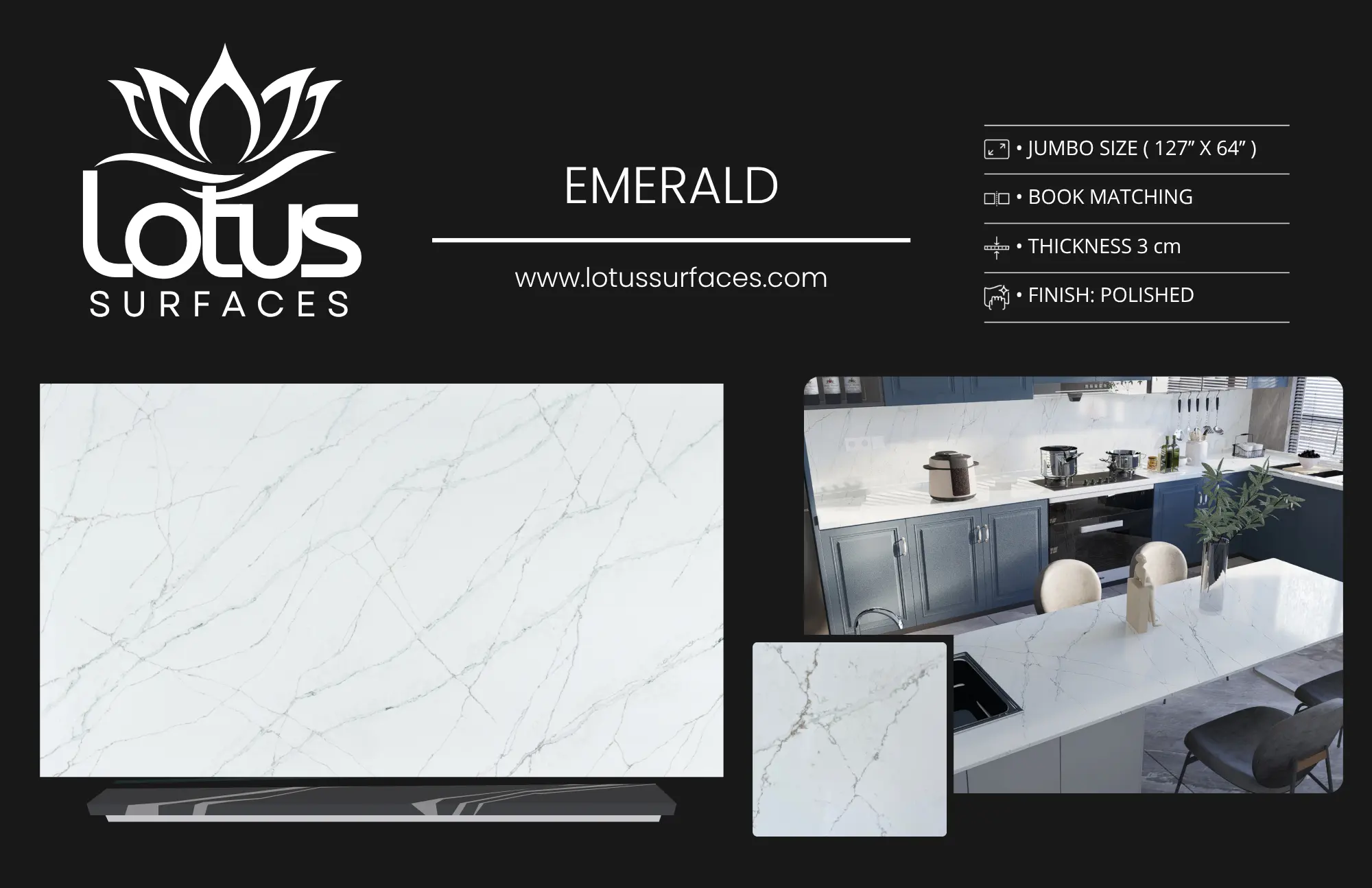
- White Granite: Often features quartz and feldspar, resulting in a bright and airy look, perfect for contemporary designs.
- Red Granite: Contains iron oxide, which gives it its distinctive reddish hue, making it a popular choice for traditional and rustic aesthetics.
- Green Granite: Known for its unique patterns, green granite often includes minerals like chlorite and amphibole, creating a rich, earthy feel.
- Blue Granite: Rare and exotic, blue granite is highly sought after for its stunning appearance, often featuring a mix of quartz and feldspar.
Additionally, granite colors can vary even within the same slab, showcasing a beautiful interplay of shades that enhances its uniqueness. For homeowners in the Greater Atlanta area, visiting a local granite fabricator like Lotus Surfaces allows you to see and select the perfect slab that resonates with your style.
Granite Patterns: The Dance of Nature
Granite’s patterns are as diverse as its colors. The way minerals crystallize can lead to a variety of patterns, including:
- Speckled Patterns: Characterized by small flecks of different colors, these patterns create a lively appearance, perfect for busy kitchens.
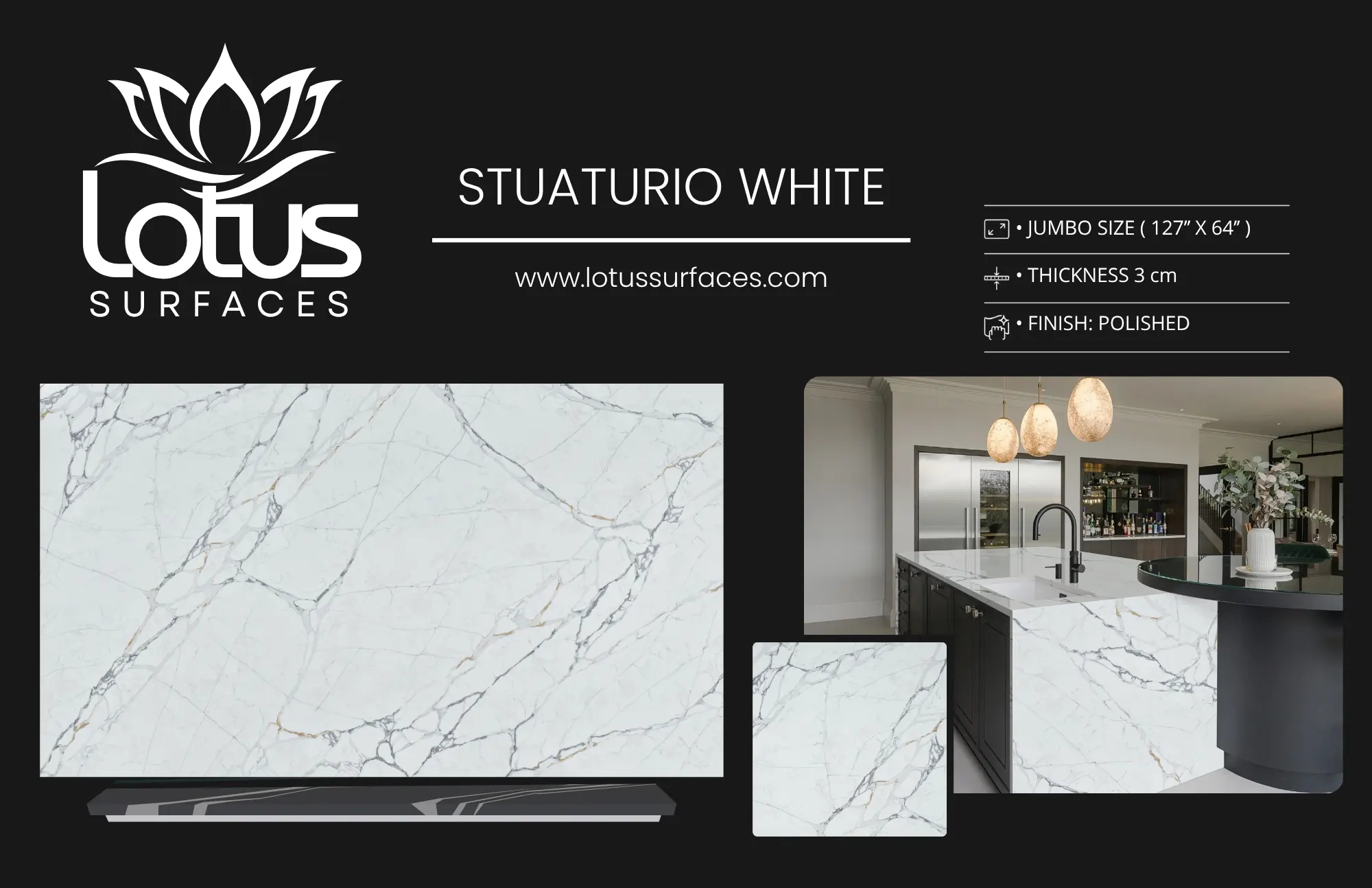
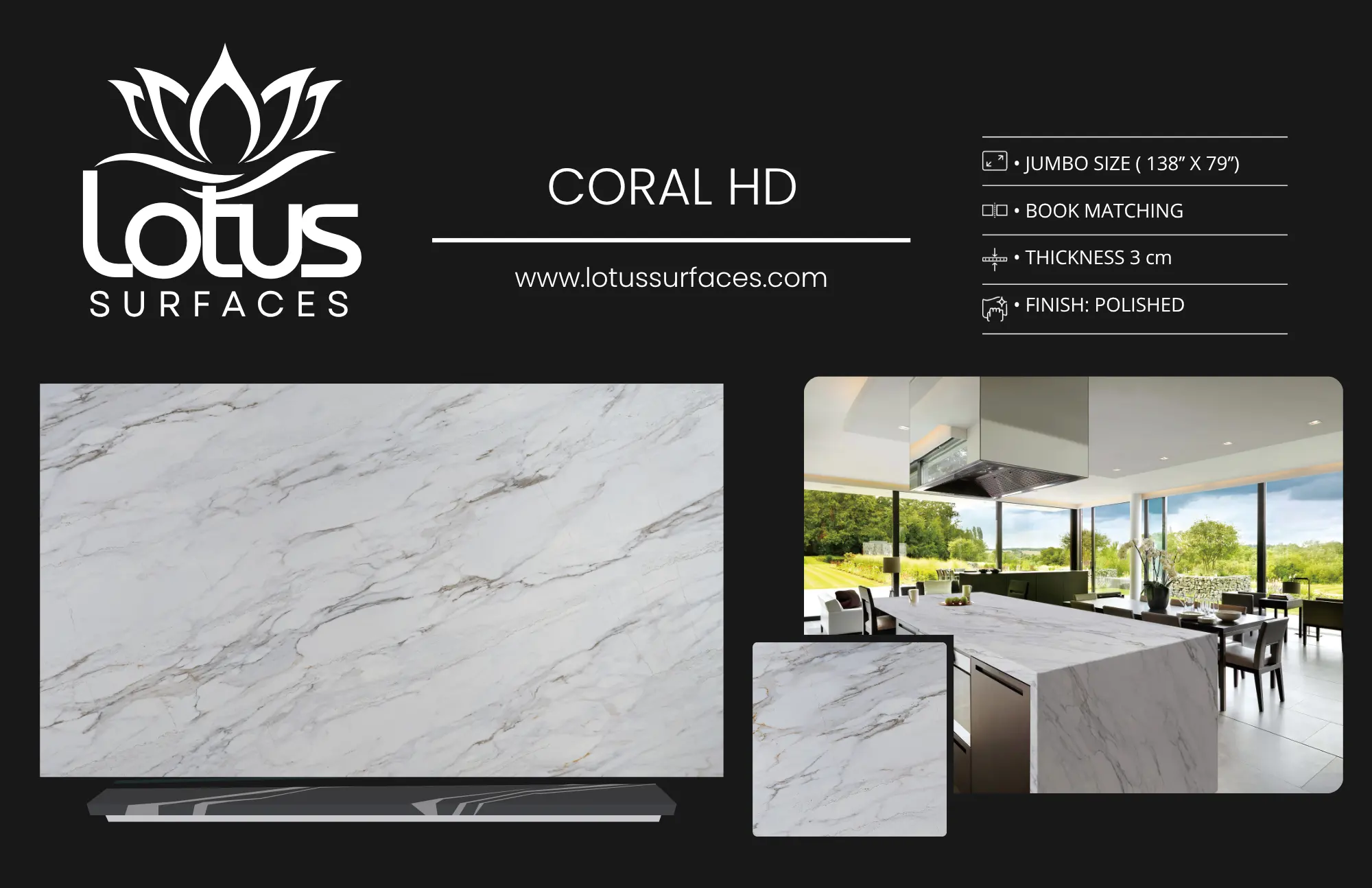
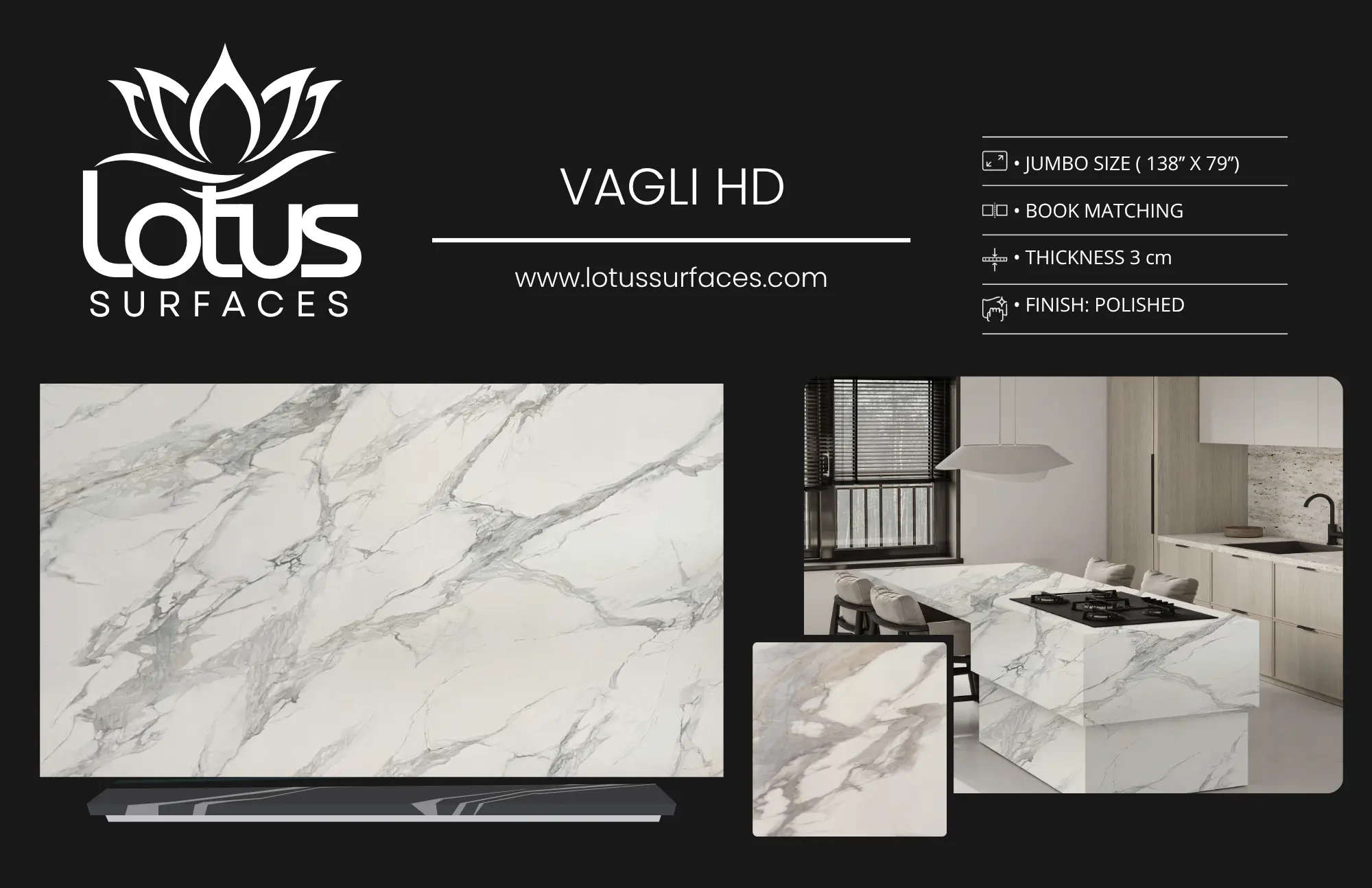
- Veined Patterns: These feature distinct lines or veins running through the slab, often resembling marble. Veined granite adds a touch of luxury to any space.
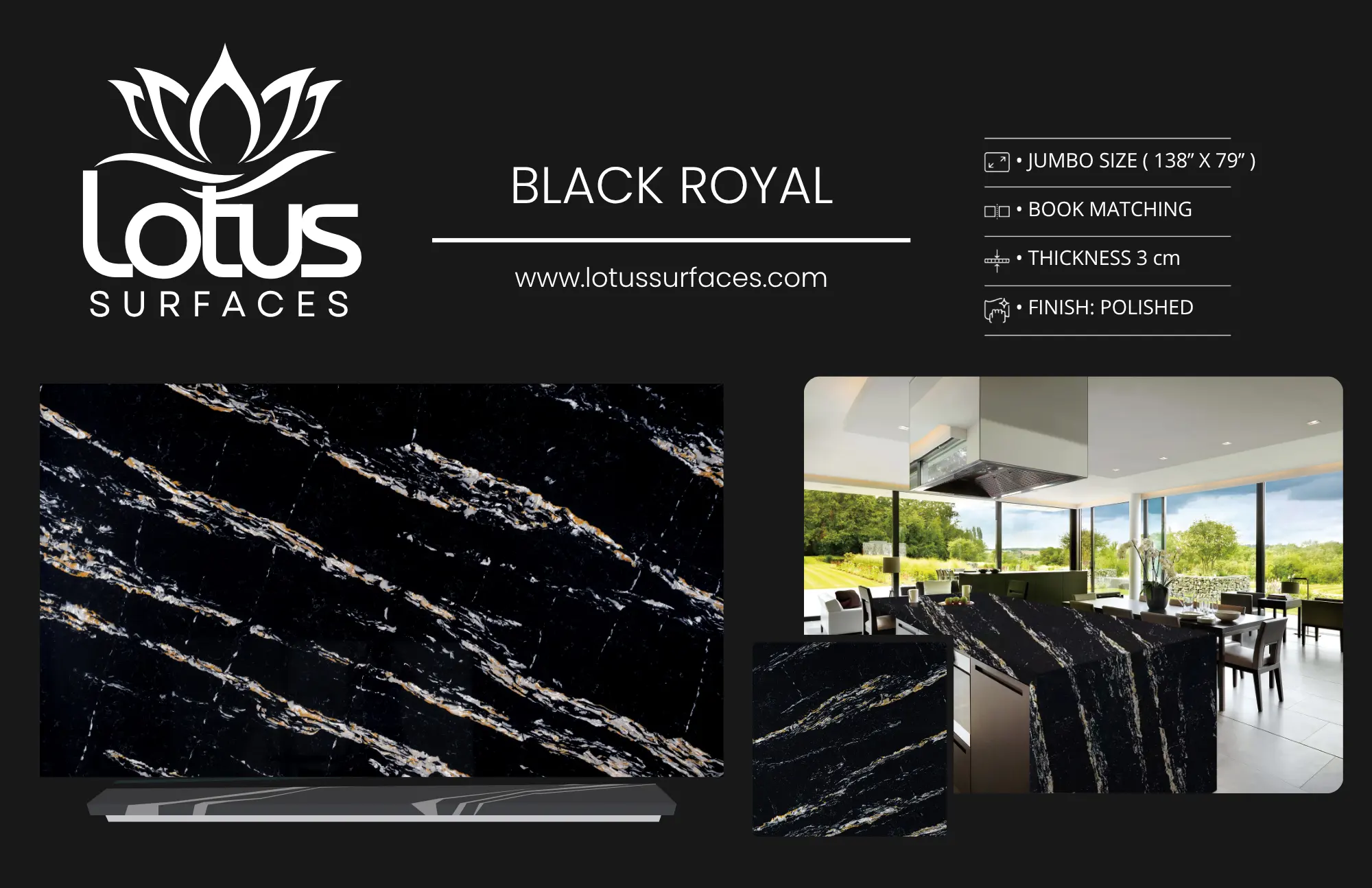
- Swirled Patterns: Created by the movement of molten rock, swirled patterns offer a dynamic and fluid appearance, making each countertop truly unique.
Each pattern tells a story of the geological processes that formed it, adding depth and character to your home. The uniqueness of granite patterns means that no two countertops are alike, making your choice a personal expression of style.
Choosing the Right Granite for Your Home
When selecting granite countertops, consider the following factors:
1. Color Coordination
Choose a granite color that complements your kitchen or bathroom design. Consider existing cabinetry, flooring, and wall colors. For example, a dark granite can create a striking contrast against light cabinetry, while lighter granite can enhance a cozy, inviting atmosphere.
2. Pattern Preference
Decide on the type of pattern that resonates with your aesthetic. If you prefer a bold statement, opt for veined or swirled patterns. For a more subtle look, speckled granite can provide a timeless feel.
3. Durability and Maintenance
Granite is known for its durability, but it’s essential to understand the maintenance requirements. Sealing your granite countertop every few years can help protect it from stains and scratches. Additionally, consult with a local countertop installer to learn about the best care techniques specific to your granite type.
4. Customization Options
Consider customizing your granite countertop with unique edge profiles or finishes. At Lotus Surfaces, we offer a range of edge profiles, including beveled, bullnose, and ogee, allowing you to create a countertop that perfectly fits your vision.
Caring for Your Unique Granite Countertop
Proper care and maintenance of your granite countertop will ensure its longevity and beauty. Here are some actionable tips:
- Regular Cleaning: Use a pH-balanced cleaner or mild soap with warm water to clean your granite surface. Avoid harsh chemicals that can damage the sealant.
- Immediate Spill Response: Wipe up spills immediately to prevent staining, especially from acidic substances like vinegar or citrus juices.
- Sealing: Seal your granite countertop every 1-3 years, depending on usage. A good sealant will protect against stains and enhance the stone’s natural beauty.
- Avoid Heat and Cutting: Always use cutting boards and trivets to protect your countertop from scratches and heat damage.
The Value of Customization in Granite Countertops
Customization is key when it comes to granite countertops. Here are some benefits of choosing a custom granite countertop:
1. Personalized Design
Every homeowner has a unique vision for their space. Custom granite allows you to select colors, patterns, and finishes that align with your personal style.
2. Perfect Fit
Custom granite ensures that your countertop fits perfectly in your kitchen or bathroom. This is especially important for intricate layouts or unique shapes.
3. Enhanced Functionality
By customizing your granite, you can incorporate features like sink cutouts, integrated backsplashes, or waterfall edges that enhance both aesthetics and functionality.
At Lotus Surfaces, we work closely with homeowners to create custom solutions that reflect their individuality while maintaining the highest standards of quality.
Conclusion
Granite countertops are more than just a surface; they are a testament to nature’s artistry and a reflection of personal style. The color and pattern uniqueness of granite make each countertop one of a kind, ensuring that your kitchen or bathroom stands out. By understanding the factors that contribute to granite’s beauty and durability, you can make an informed decision that enhances your home for years to come. For expert guidance on selecting and installing granite countertops in Norcross and the Greater Atlanta area, contact Lotus Surfaces today.
FAQs
1. What are the most popular granite colors for countertops?
Some popular granite colors include black, white, gray, and various shades of brown and red. Each color has its unique appeal and can complement different design styles.
2. How do I know if my granite needs to be sealed?
Perform a simple water test by placing a few drops of water on the surface. If the water beads up, the seal is still effective. If it soaks in, it’s time to reseal.
3. Can granite countertops be repaired if damaged?
Yes, minor scratches can often be buffed out, and chips can be repaired with epoxy or resin. For significant damage, consult a professional granite repair service.
4. How does granite compare to quartz in terms of durability?
Both granite and quartz are durable materials, but granite is more heat-resistant. Quartz, however, is non-porous and may require less maintenance.
5. Is granite environmentally friendly?
Granite is a natural stone, and when sourced responsibly, it can be considered environmentally friendly. However, the mining process does have an environmental impact.
6. How can I choose the right edge profile for my granite countertop?
Consider your design style and the overall look you want to achieve. Popular options include straight edges for a modern look and rounded edges for a softer, traditional feel.
7. What is the average cost of granite countertops?
The cost of granite countertops can vary widely based on factors like color, pattern, and installation. On average, prices range from $40 to $100 per square foot.
8. How do I clean my granite countertop?
Use a pH-balanced cleaner or mild soap with warm water. Avoid abrasive cleaners that can damage the surface.