
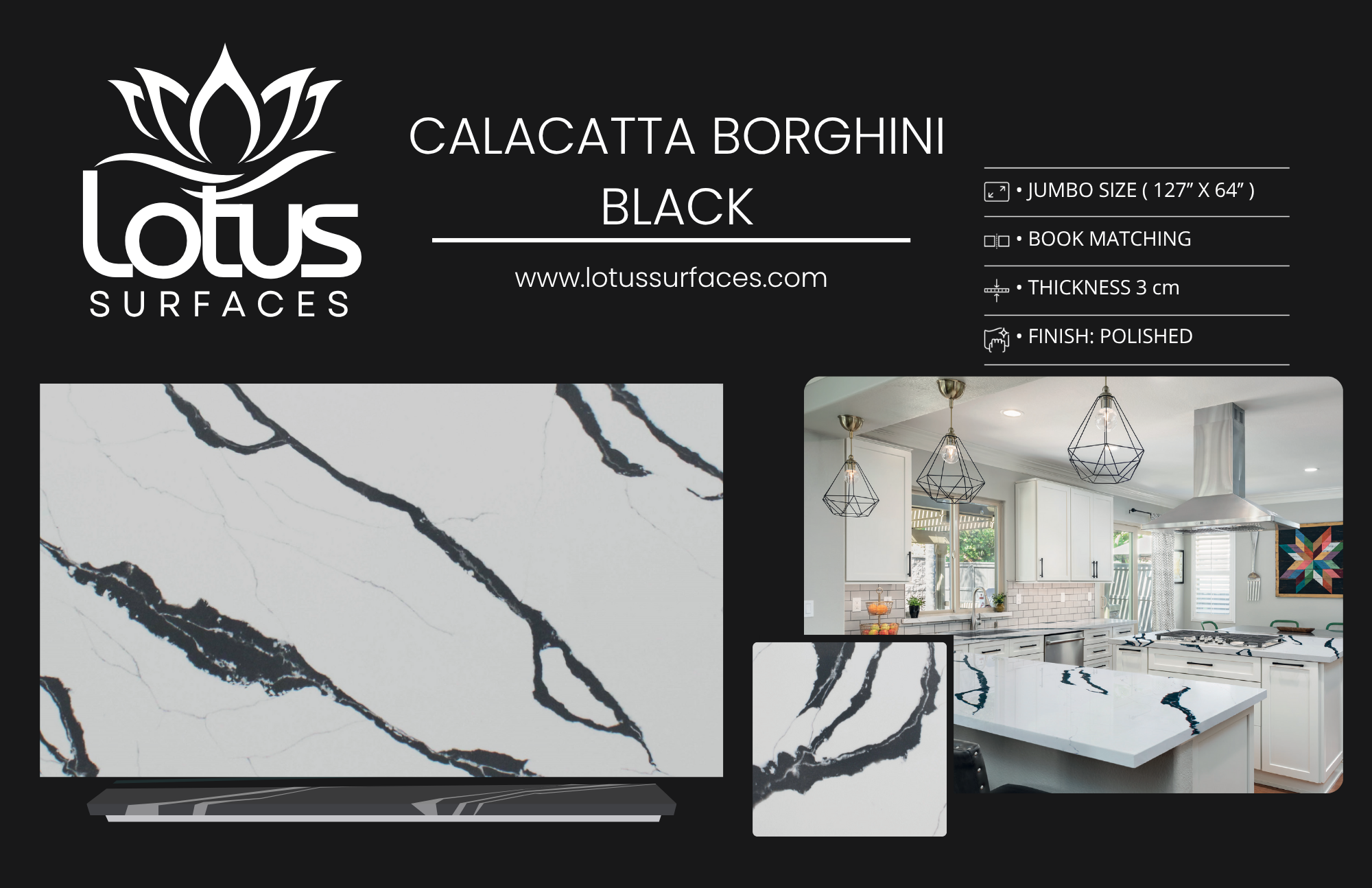
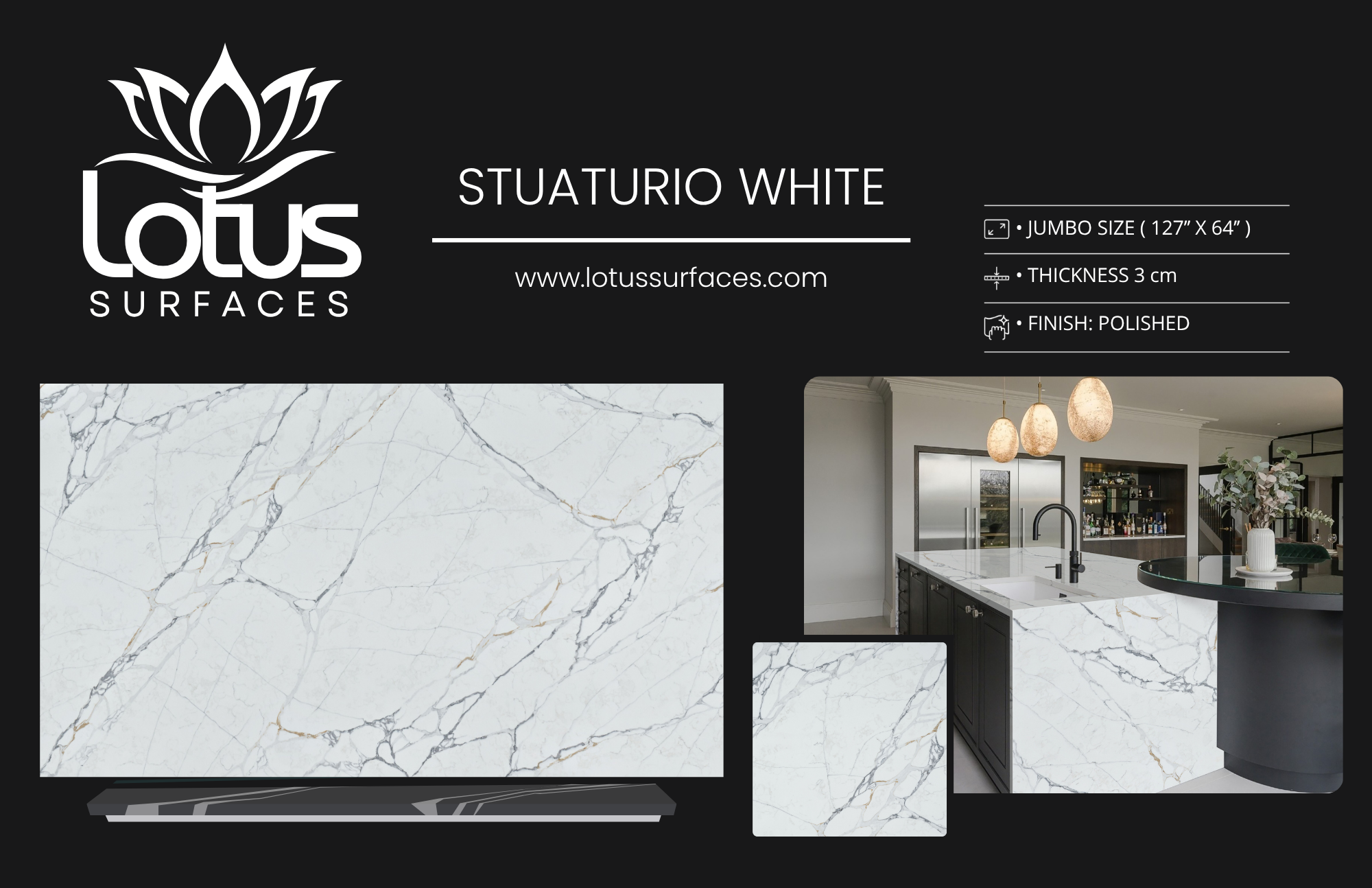
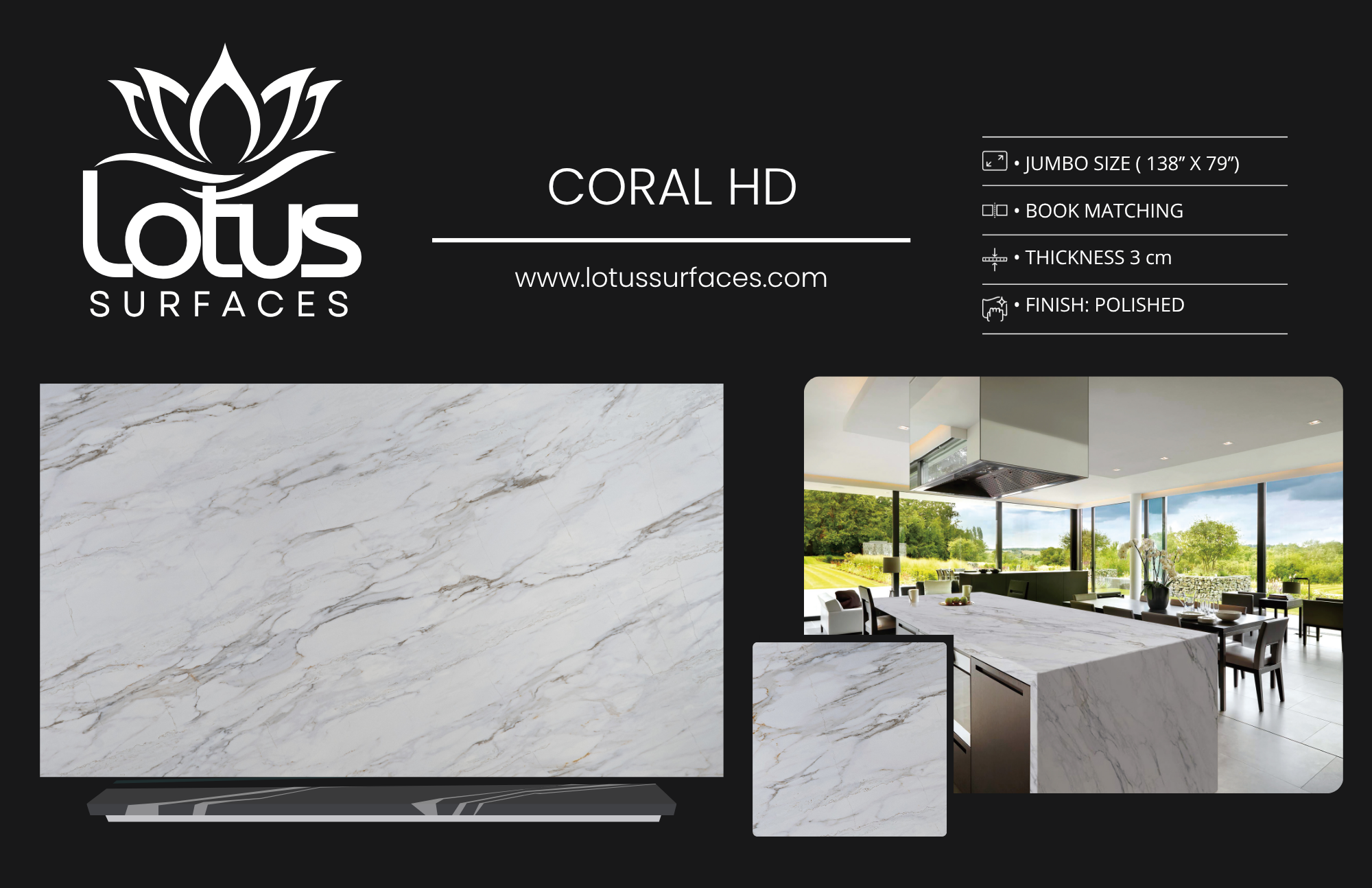
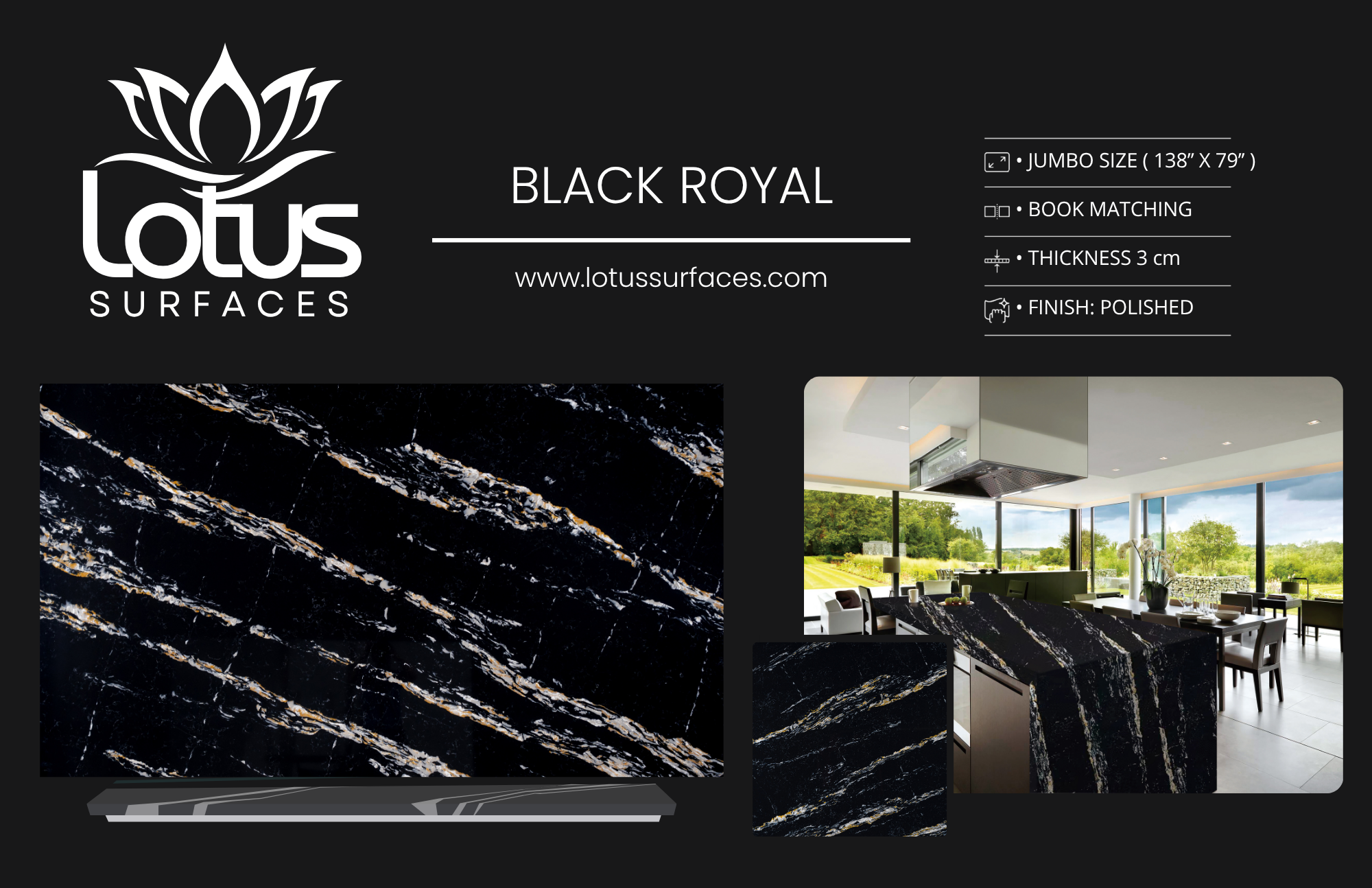
What Are Sintered Stone Countertops and Are They Popular in Georgia?
What Are Sintered Stone Countertops and Are They Popular in Georgia?
As homeowners in Georgia embark on the journey of kitchen and bathroom renovations, the choice of countertop material is often at the forefront of their minds. With a myriad of options available, one material that has gained attention in recent years is sintered stone. But what exactly are sintered stone countertops, and are they a popular choice among Georgia homeowners? In this article, we will delve into the characteristics of sintered stone, its benefits, and its growing popularity in the Peach State.
Understanding Sintered Stone
Sintered stone is an innovative material created through the process of sintering, wherein natural minerals and raw materials are heated to high temperatures and pressures to form a dense, non-porous surface. This advanced manufacturing process results in a product that combines the best attributes of various materials, making it an appealing option for countertops.
Key Characteristics of Sintered Stone
- Durability: Sintered stone is highly resistant to scratches, heat, and stains, making it ideal for bustling kitchens and high-traffic areas.
- Non-porous Surface: Unlike some natural stones, sintered stone does not absorb liquids, which prevents the growth of bacteria and makes it easier to maintain a hygienic surface.
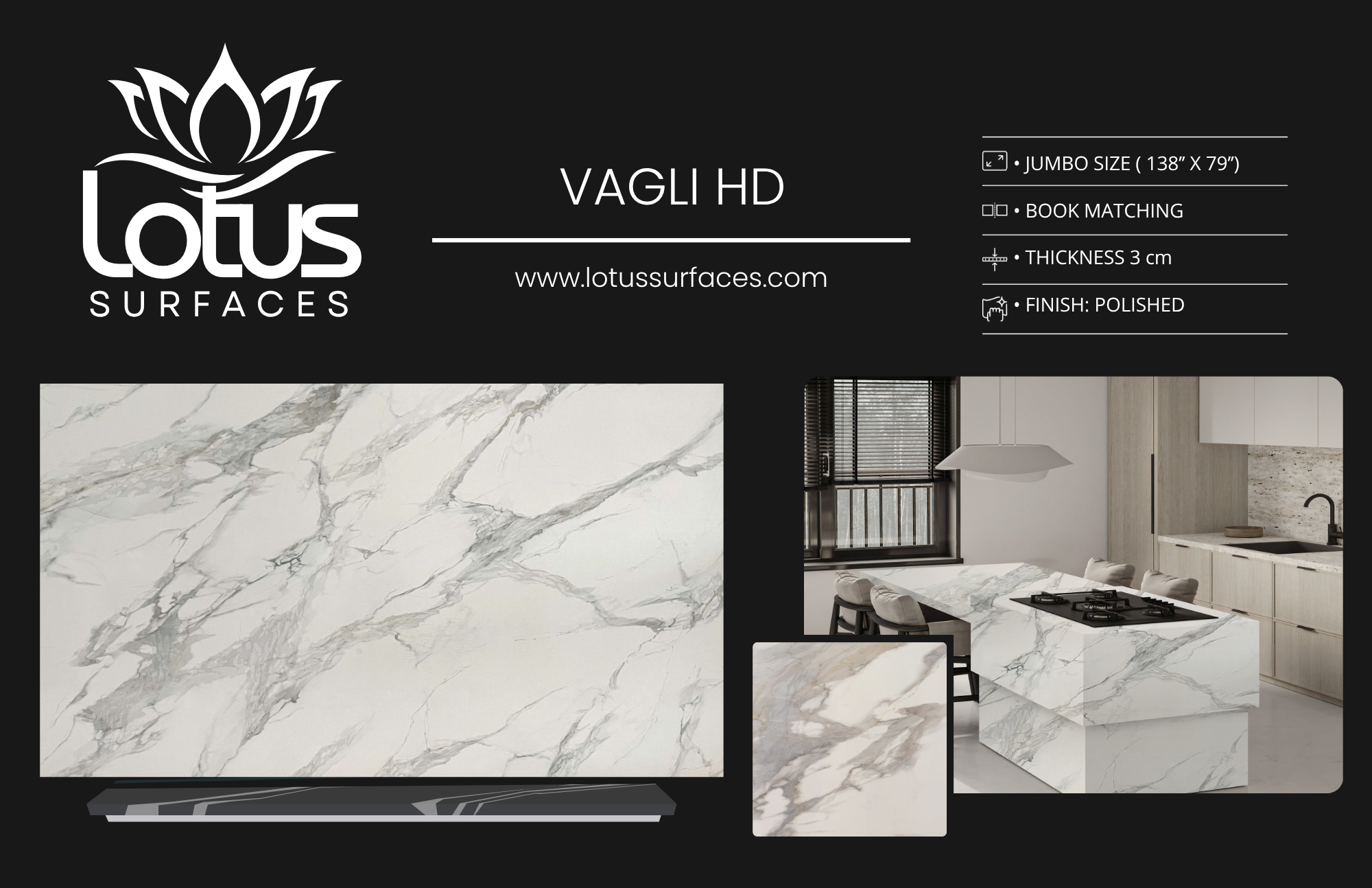
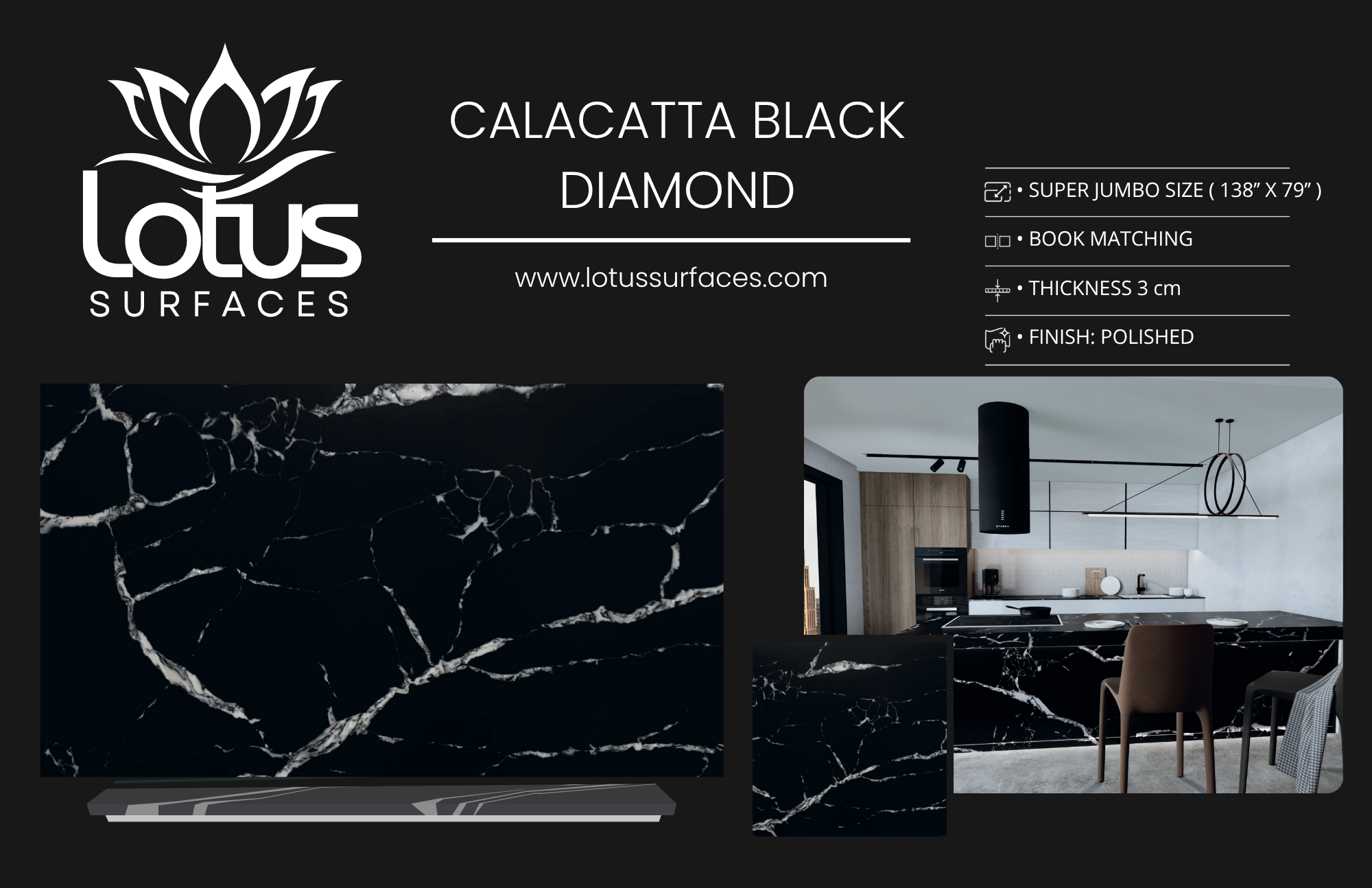
- Design Flexibility: Available in a variety of colors, patterns, and textures, sintered stone can mimic the appearance of natural stone, wood, or even concrete, allowing homeowners to achieve their desired aesthetic.
- UV Resistance: This material is resistant to fading and discoloration when exposed to sunlight, making it an excellent choice for outdoor kitchens and spaces.
Benefits of Sintered Stone Countertops
Many homeowners are drawn to sintered stone countertops due to their numerous benefits. Here are some key advantages:
1. Low Maintenance
One of the standout features of sintered stone is its low maintenance requirements. The non-porous surface means that spills can be wiped clean easily without the need for harsh chemicals or sealants. Regular soap and water are often sufficient to keep the surface looking pristine.
2. Versatile Applications
Sintered stone can be used in various applications beyond countertops. It is suitable for backsplashes, wall cladding, and even flooring, allowing homeowners to create a cohesive design throughout their space.
3. Eco-Friendly Option
Many manufacturers of sintered stone prioritize sustainability, utilizing eco-friendly production processes and materials. This makes sintered stone a responsible choice for environmentally-conscious homeowners.
Are Sintered Stone Countertops Popular in Georgia?
As we explore the popularity of sintered stone countertops in Georgia, it’s essential to consider the unique preferences of local homeowners.
1. Growing Demand
In recent years, there has been a noticeable increase in the demand for sintered stone countertops among Georgia homeowners. With the rise of modern design trends and the desire for durable, low-maintenance surfaces, sintered stone has found its place in many renovation projects.
2. Ideal for the Georgia Climate
Georgia’s diverse climate, characterized by hot summers and fluctuating humidity levels, makes sintered stone an excellent choice. Its UV resistance ensures that the countertops maintain their color and finish even under the intense Georgia sun, while its non-porous nature prevents issues related to moisture.
3. Alignment with Design Trends
As Atlanta and other Georgia cities experience a surge in modern and contemporary home designs, sintered stone’s ability to mimic natural materials while offering superior performance has made it a favored choice. Homeowners appreciate the aesthetic versatility that sintered stone provides, allowing them to achieve the look they desire without compromising on functionality.
Comparing Sintered Stone to Other Materials
When considering sintered stone for countertops, it’s helpful to compare it with other popular materials.
1. Sintered Stone vs. Quartz
Both sintered stone and quartz are engineered materials, but sintered stone offers greater flexibility in design and is more heat resistant. While quartz is non-porous and low maintenance, sintered stone has an edge in terms of UV resistance and can be a better fit for outdoor spaces.
2. Sintered Stone vs. Granite
Granite is a popular natural stone known for its beauty and durability. However, it requires periodic sealing to maintain its non-porous characteristics. In contrast, sintered stone does not require sealing, making it a more low-maintenance option.
3. Sintered Stone vs. Porcelain
While both materials are durable, sintered stone tends to have a more extensive range of design options. Porcelain is often thinner and may be less suitable for heavy-duty applications compared to sintered stone.
Our Fabrication Process at Lotus Surfaces
At Lotus Surfaces, we take pride in our fabrication expertise, ensuring that every sintered stone countertop is crafted to perfection. Our process includes:
1. Personalized Consultation
We begin with a personalized consultation to understand your design vision and project requirements. Our experienced team will guide you through the selection of materials, including sintered stone options.
2. Precision Digital Templating
Using advanced digital templating techniques, we ensure that your countertops are fabricated with the utmost accuracy. This step is crucial for achieving a perfect fit and seamless installation.
3. Expert Installation
Our skilled installers are well-versed in the unique challenges of Georgia homes. They handle every aspect of the installation process, ensuring that your sintered stone countertops are expertly placed and finished.
Frequently Asked Questions
What are sintered stone countertops made of?
Sintered stone countertops are made from natural minerals and raw materials that are subjected to high temperatures and pressures during the manufacturing process.
How do sintered stone countertops perform in humid climates?
Sintered stone is non-porous, making it resistant to moisture and preventing the growth of bacteria, which is particularly beneficial in humid climates like Georgia.
Can sintered stone be used outdoors?
Yes, sintered stone is UV resistant and can be used for outdoor kitchens and surfaces without fading or warping.
How do I maintain sintered stone countertops?
Maintaining sintered stone is simple; regular cleaning with soap and water is often sufficient, and there is no need for sealing.
Are sintered stone countertops more expensive than granite?
While sintered stone can be comparable in price to granite, its long-term durability and low maintenance can provide greater value over time.
How does sintered stone compare to quartz in terms of durability?
Sintered stone is generally more heat resistant than quartz, making it suitable for a wider range of applications, including outdoor settings.
Can I get a custom design with sintered stone?
Yes, sintered stone offers a wide variety of colors and patterns, allowing for custom designs to match your unique style.
What is the installation process for sintered stone countertops?
The installation process involves precise templating, fabrication, and expert installation to ensure a perfect fit and finish.
Get Started with Sintered Stone Countertops
If you are considering a kitchen or bathroom renovation and want to explore sintered stone countertops, we invite you to contact us at Lotus Surfaces. Our experienced team is here to help you navigate your options and create a stunning, durable surface for your home.
Call +1 346-833-9076 to schedule your countertop consultation, or visit our Norcross showroom at 1875 Graves Rd to view slabs in person. Let us bring your design vision to life with our quality craftsmanship and professional installation services.
