
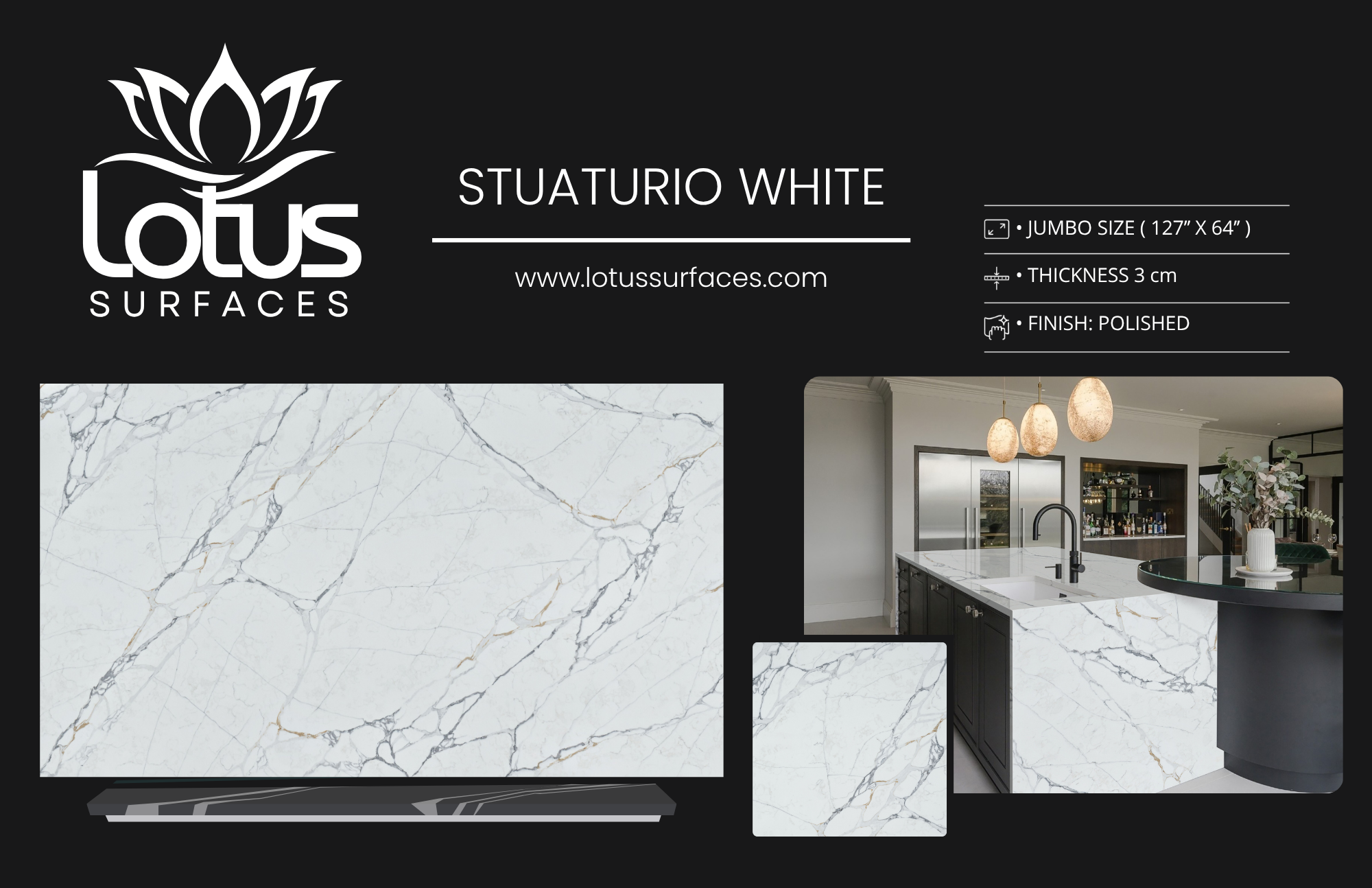
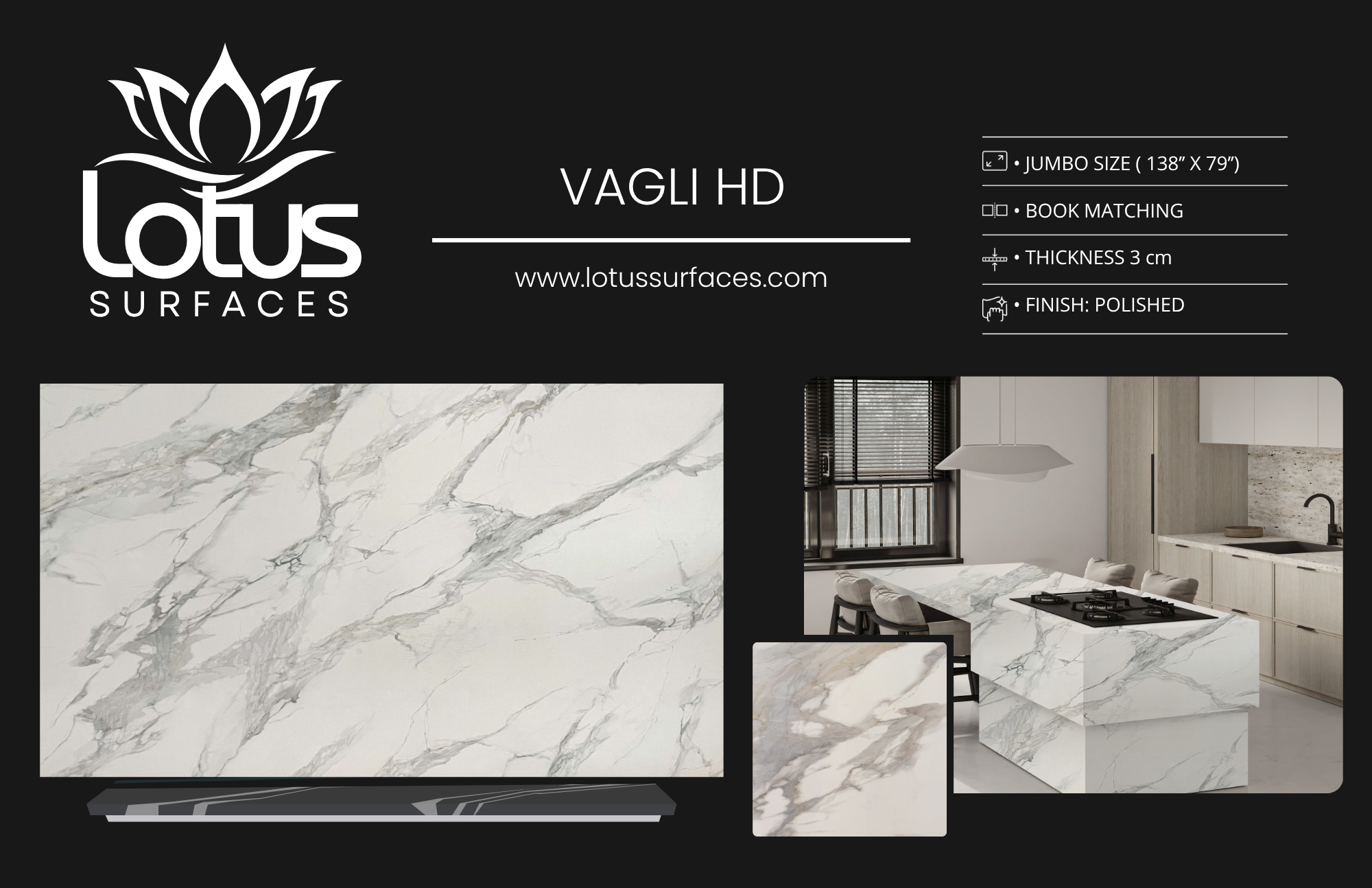
The Complete Guide to Outdoor Kitchen Countertop Materials for Atlanta’s Climate
The Complete Guide to Outdoor Kitchen Countertop Materials for Atlanta’s Climate
When it comes to creating the perfect outdoor kitchen, choosing the right countertop material is one of the most critical decisions you’ll make. In Atlanta’s humid subtropical climate, which features hot summers and mild winters, it’s essential to select materials that can withstand the elements while also providing style and functionality. In this comprehensive guide, we will explore the best outdoor kitchen countertop materials suited for Atlanta’s climate, offering expert insights and practical tips to help you make an informed choice.
Understanding Atlanta’s Climate and Its Impact on Countertops
Atlanta experiences a unique climate characterized by high humidity and fluctuating temperatures. Summers can reach the high 90s (°F), while winters are relatively mild, averaging around 40-50°F. This climate can significantly affect the performance and durability of outdoor countertops. For instance, high humidity can lead to mold and mildew growth, while intense sunlight can cause fading and thermal expansion in certain materials.
As a homeowner in the Greater Atlanta area, you must consider how these climate factors will impact your countertop choice. Materials that resist moisture, withstand UV rays, and offer durability against heat are essential for an outdoor kitchen that performs well year-round.
Top Outdoor Kitchen Countertop Materials
Now that we understand Atlanta’s climate, let’s explore the most popular outdoor kitchen countertop materials, their benefits, and drawbacks.
1. Granite Countertops
Granite is a natural stone that has long been favored for its beauty and durability. It is resistant to scratches, heat, and UV rays, making it an excellent choice for outdoor kitchens. In addition, each slab of granite is unique, offering a wealth of colors and patterns to complement your outdoor space.
Pros:
- Highly durable and scratch-resistant
- Heat resistant
- Variety of colors and patterns
Cons:
- Requires periodic sealing to maintain its appearance
- Can be heavy and may require professional installation
For more on granite installation, check out our guide to granite countertops in Brookhaven.
2. Quartz Countertops
Quartz countertops are engineered stones made from a blend of about 90% crushed natural quartz and resins. They are non-porous, making them resistant to staining and bacterial growth, which is particularly beneficial in humid climates like Atlanta.
Pros:
- Non-porous, easy to clean
- Available in a wide range of colors and patterns
- Requires minimal maintenance
Cons:
- Not as heat resistant as granite
- Can be more expensive than natural stone
For more information on quartz countertops, visit our complete homeowner’s guide to quartz countertops.
3. Porcelain Slab Countertops
Porcelain slabs are an excellent option for outdoor kitchens due to their exceptional durability and resistance to UV rays, making them less prone to fading. They are also non-porous, which helps resist stains and moisture.
Pros:
- Highly resistant to heat and UV rays
- Non-porous, preventing stains
- Available in large slabs, reducing seams
Cons:
- Can be prone to chipping if not handled carefully
- Requires professional installation
Explore more about porcelain countertops in our article on why Atlanta homeowners are making the switch to porcelain countertops.
4. Concrete Countertops
Concrete countertops offer a modern, customizable option for outdoor kitchens. They can be poured in place or precast, allowing for unique shapes and designs. However, they require sealing to prevent stains and damage from moisture.
Pros:
- Customizable in shape and color
- Durable and long-lasting
- Heat resistant
Cons:
- Requires sealing and maintenance
- Can crack over time if not properly reinforced
5. Soapstone Countertops
Soapstone is a softer natural stone that is prized for its rich, deep colors and smooth feel. It is resistant to stains and bacteria but can scratch more easily than harder stones like granite.
Pros:
- Non-porous and resistant to bacteria
- Beautiful deep colors
- Easy to repair minor scratches
Cons:
- Can be softer and more prone to scratches
- Requires regular oiling to maintain its appearance
Comparative Analysis of Countertop Materials
| Material | Durability | Maintenance | Heat Resistance | Cost |
|---|---|---|---|---|
| Granite | High | Moderate (requires sealing) | Excellent | $$$ |
| Quartz | High | Low (non-porous) | Good | $$$ |
| Porcelain | Very High | Low (non-porous) | Excellent | $$$ |
| Concrete | High | Moderate (requires sealing) | Excellent | $$ |
| Soapstone | Moderate | Moderate (requires oiling) | Good | $$$ |
This comparative analysis illustrates the strengths and weaknesses of each material, allowing you to choose the best option based on your specific needs and budget.
Installation Tips for Outdoor Countertops
Installing outdoor countertops requires careful planning and execution. Here are some essential tips to ensure a successful installation:
- Choose a Reputable Fabricator: Partner with a trusted countertop fabricator like Lotus Surfaces, which has extensive experience in the Atlanta area.
- Consider Weight and Support: Some materials, like granite and concrete, can be heavy, so ensure your cabinetry can support the weight.
- Plan for Seams: If using large slabs, plan for seam placement to minimize visibility and maintain aesthetics.
- Utilize Proper Sealants: For porous materials, use high-quality sealants that are suitable for outdoor use to protect against moisture.
- Professional Installation: Always hire professional installers who understand the unique challenges of outdoor kitchen setups.
Maintenance for Longevity
Proper maintenance is key to ensuring your outdoor countertops last for years. Here are some maintenance tips based on the material you choose:
Granite
Seal your granite countertops every 1-3 years to protect against stains and moisture.
Quartz
Simply clean with soap and water; no sealing is required.
Porcelain
Wipe with a damp cloth; no sealing is necessary due to its non-porous nature.
Concrete
Seal regularly to protect against stains and moisture damage.
Soapstone
Oil the surface every few months to maintain its appearance and enhance its natural beauty.
Frequently Asked Questions (FAQs)
1. What are the best outdoor kitchen countertop materials for humid climates?
Materials like granite, quartz, and porcelain are excellent for humid climates due to their resistance to moisture and mold.
2. How often should I seal my granite countertops?
Granite countertops should be sealed every 1-3 years, depending on usage and exposure to elements.
3. Can I use indoor countertops outdoors?
Indoor countertops are typically not suitable for outdoor use due to their inability to withstand outdoor elements.
4. Are concrete countertops a good option for outdoor kitchens?
Yes, concrete countertops are durable and customizable, but they require sealing to prevent moisture damage.
5. How do I maintain my porcelain countertops?
Porcelain countertops are low maintenance; simply wipe them down with a damp cloth.
6. What is the most cost-effective outdoor countertop material?
Concrete is often the most cost-effective option, especially when considering customizability and durability.
7. Can I DIY my outdoor countertop installation?
While some homeowners attempt DIY installations, professional installation is recommended for optimal results and longevity.
8. How do I choose the right color for my outdoor countertops?
Consider your home’s exterior and landscaping. Neutral colors often work well, but bold colors can make a statement.
Conclusion
Choosing the right outdoor kitchen countertop material is crucial for maximizing functionality and aesthetics in Atlanta’s unique climate. Whether you opt for the timeless beauty of granite, the low-maintenance appeal of quartz, or the versatility of concrete, each material offers its own set of advantages. By understanding the characteristics of these materials and following proper installation and maintenance guidelines, you can create an outdoor kitchen that not only enhances your home but also withstands the test of time. For personalized assistance with your outdoor kitchen project, contact us at Lotus Surfaces.
