Why Quartz Countertops Never Need Sealing Unlike Natural Granite and Marble
When it comes to selecting the perfect countertop for your kitchen or bathroom, homeowners often find themselves weighing the options between quartz, granite, and marble. One of the most significant differences that sets quartz countertops apart is their unique composition, which eliminates the need for sealing. In this comprehensive guide, we will explore why quartz countertops never need sealing, how they compare to natural granite and marble, and the benefits of choosing quartz for your home renovation project in Norcross, Atlanta, and the surrounding areas.
Understanding Quartz Countertops
Quartz countertops are engineered surfaces made from approximately 90-95% crushed natural quartz crystals combined with resins, pigments, and polymers. This combination results in a non-porous material that is incredibly durable and resistant to staining, making it an excellent choice for busy kitchens and bathrooms.
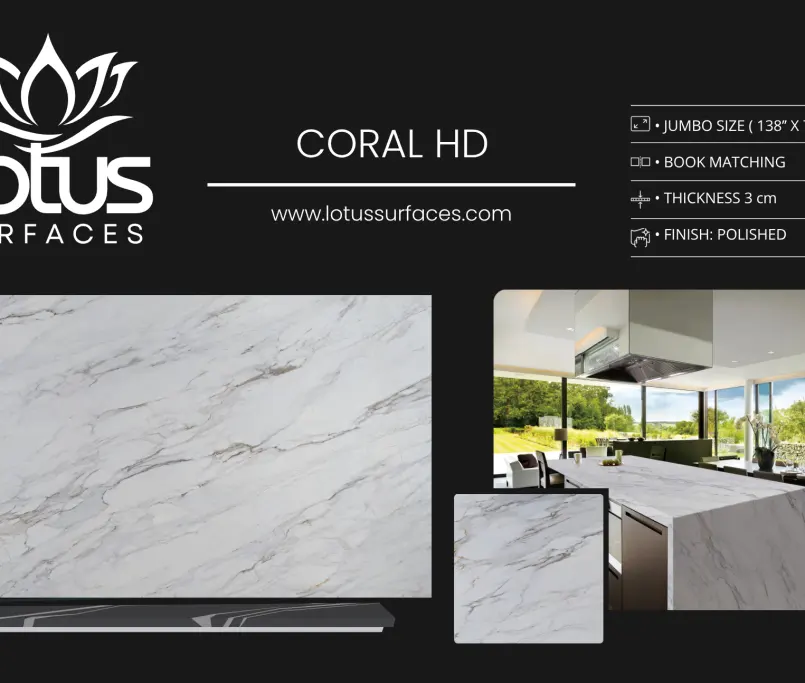
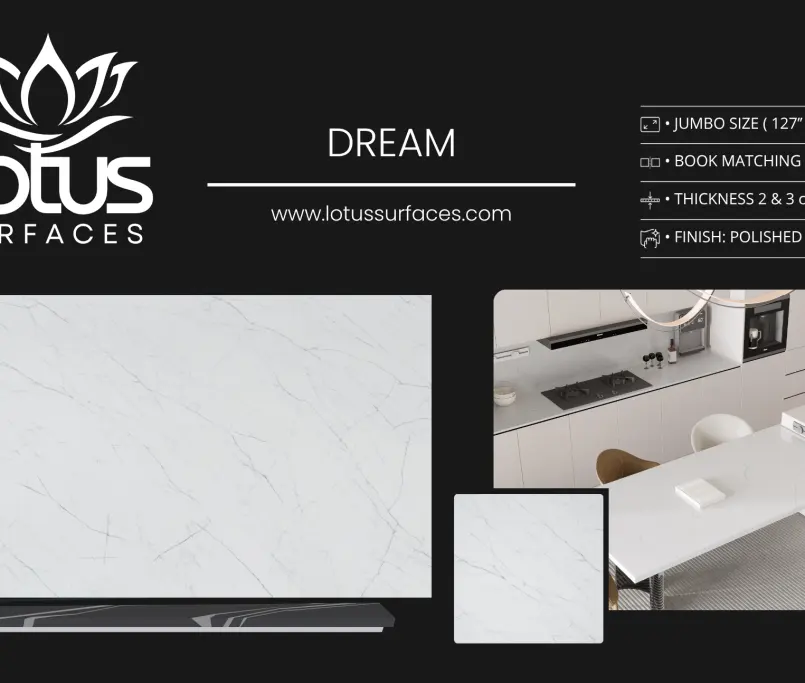
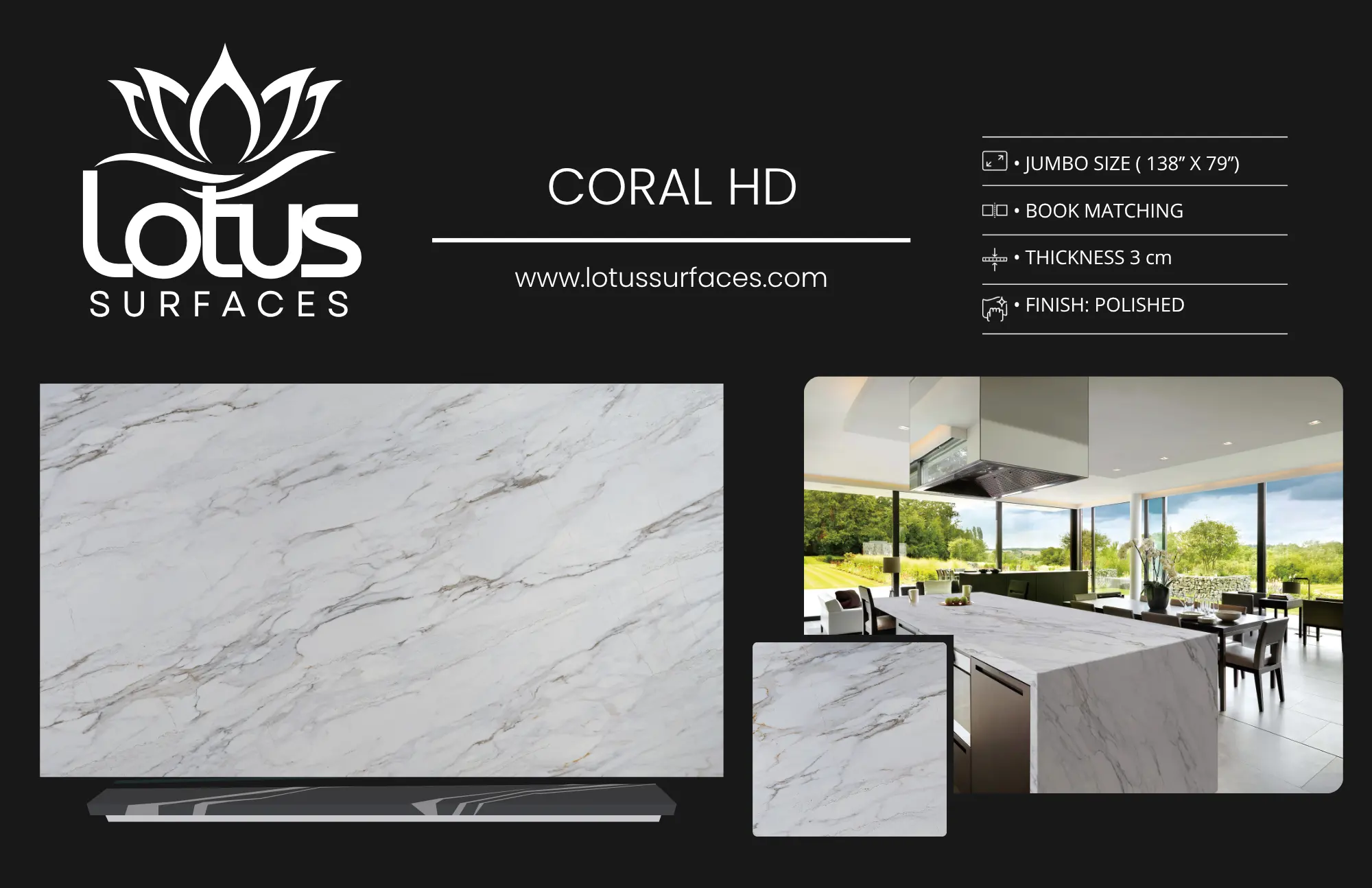
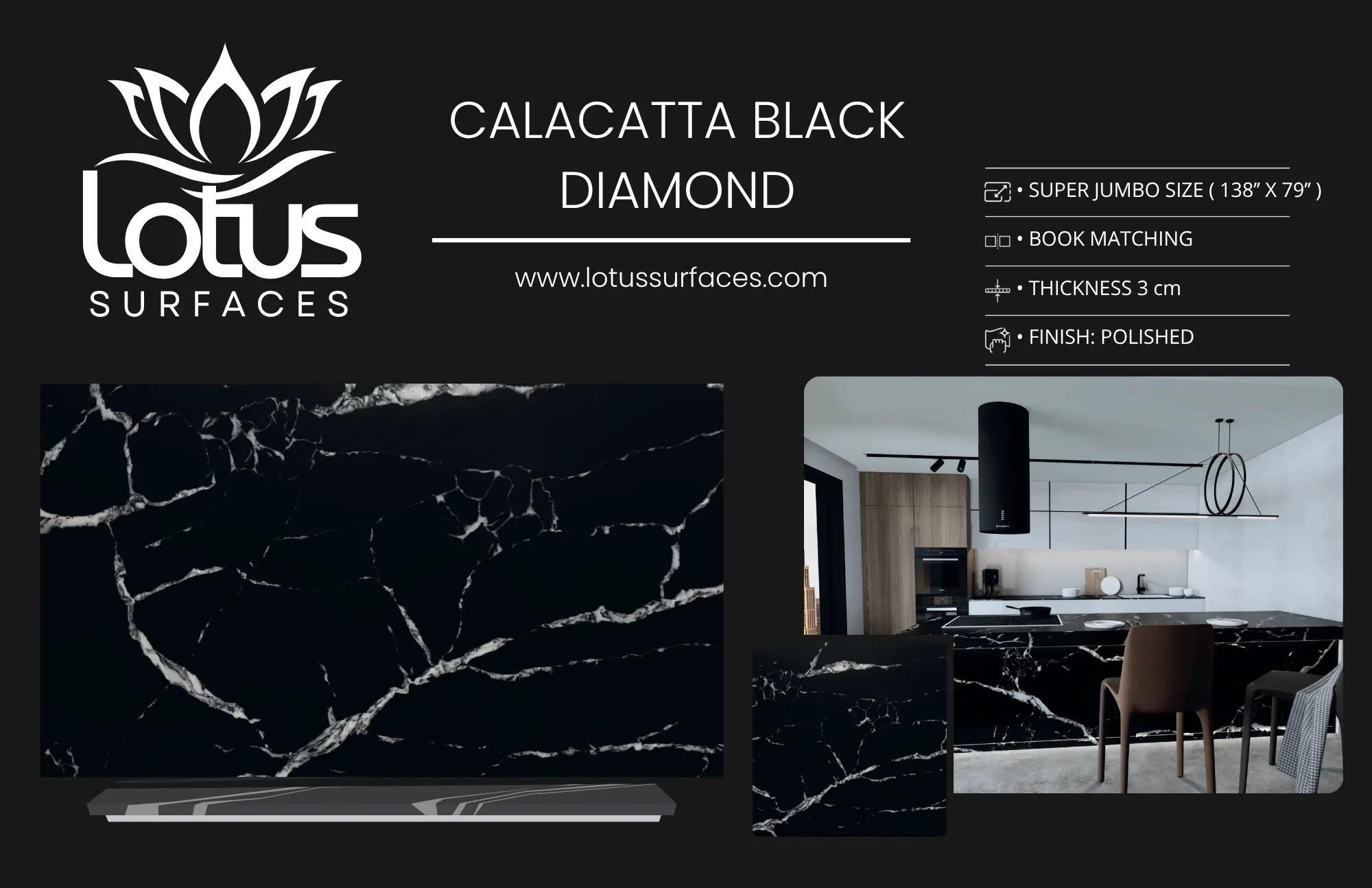
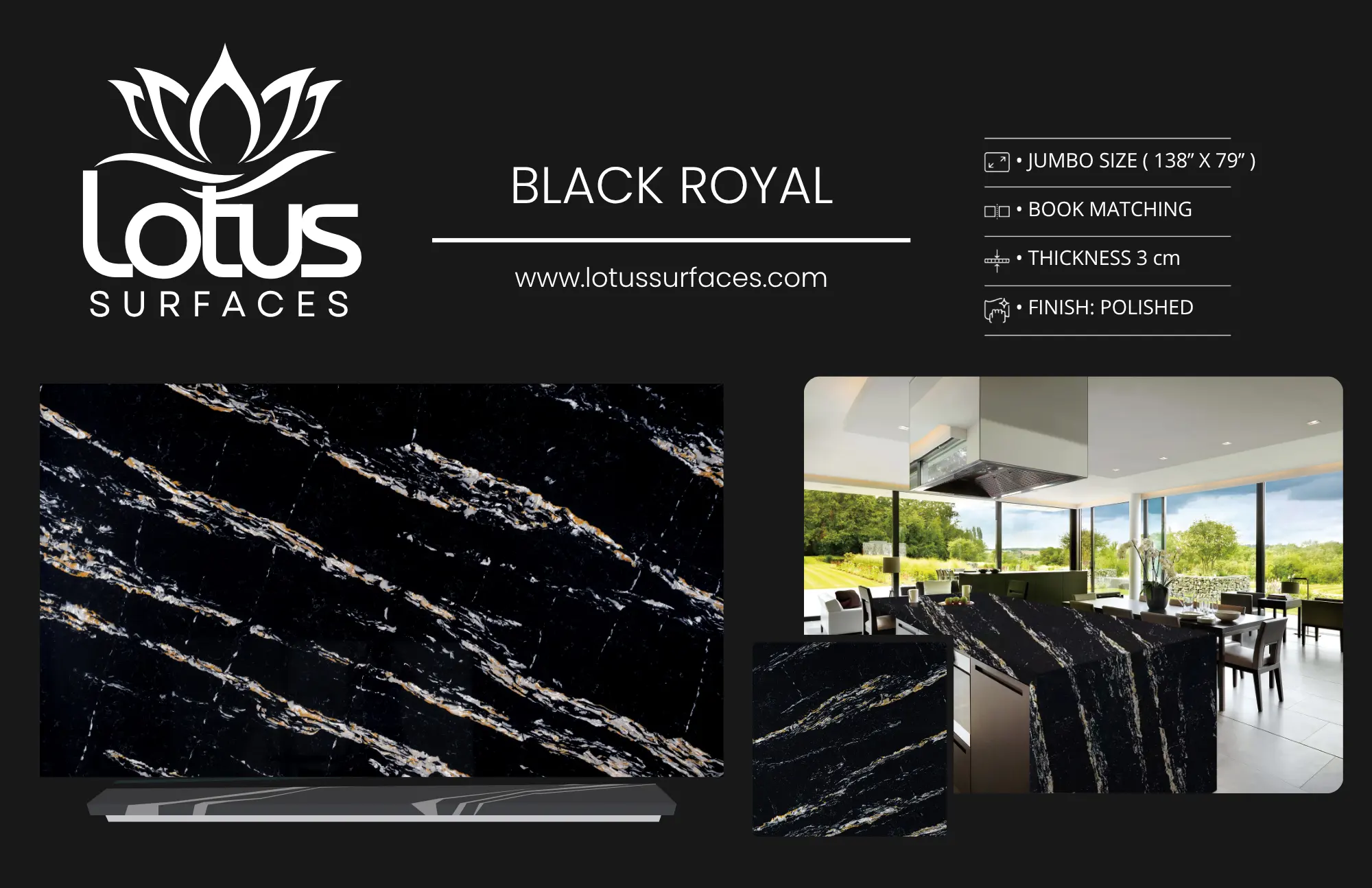
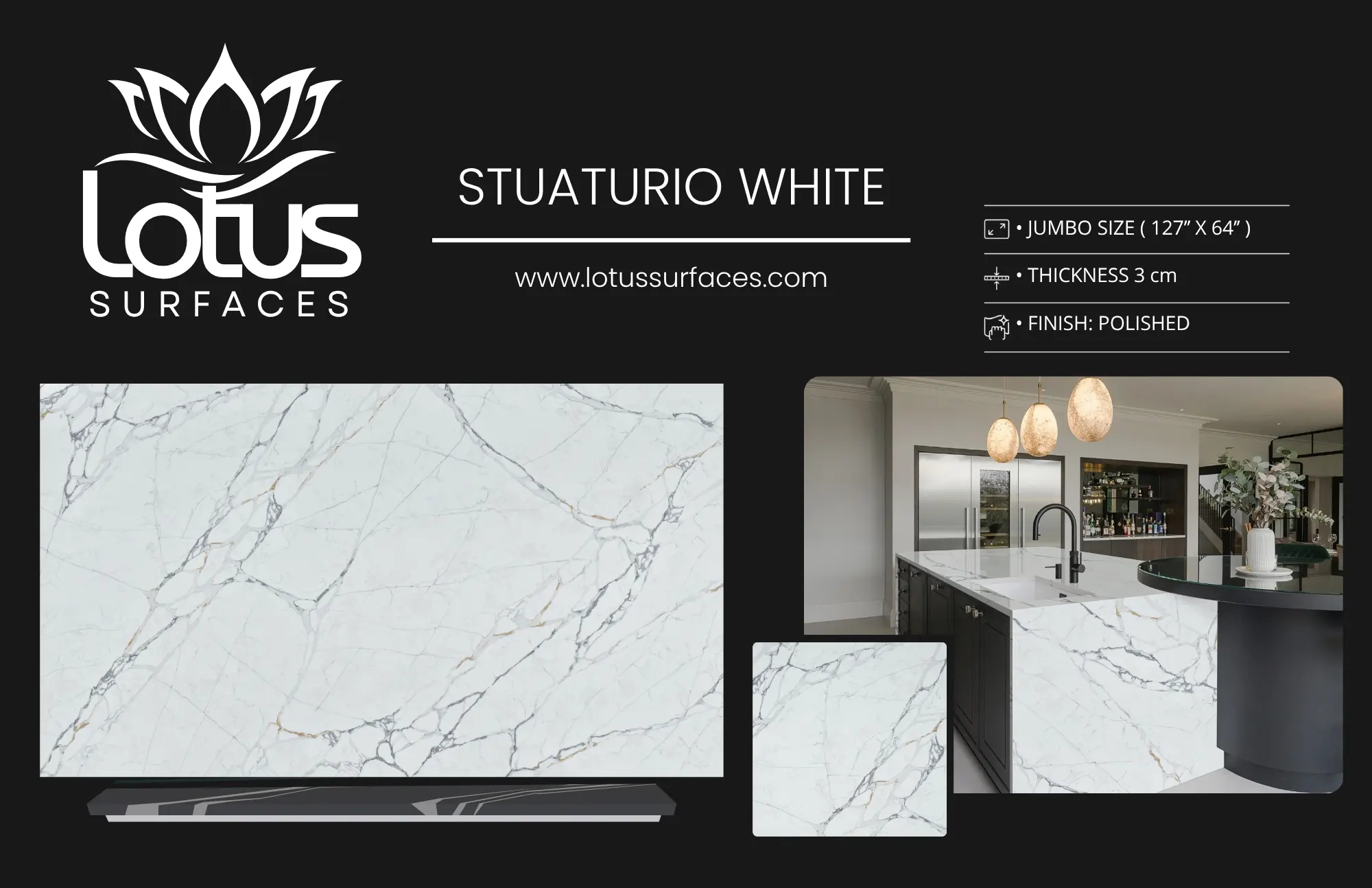
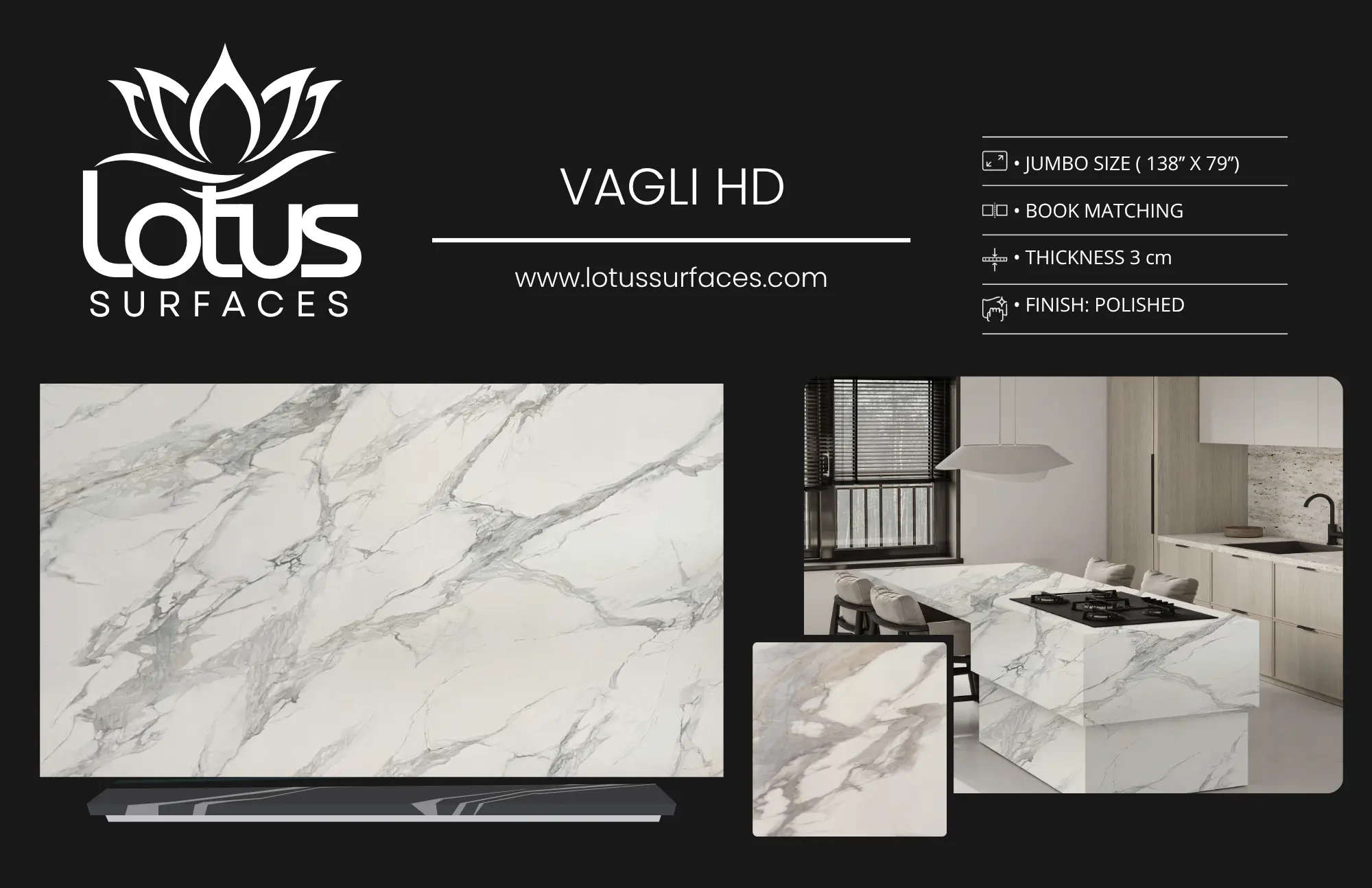
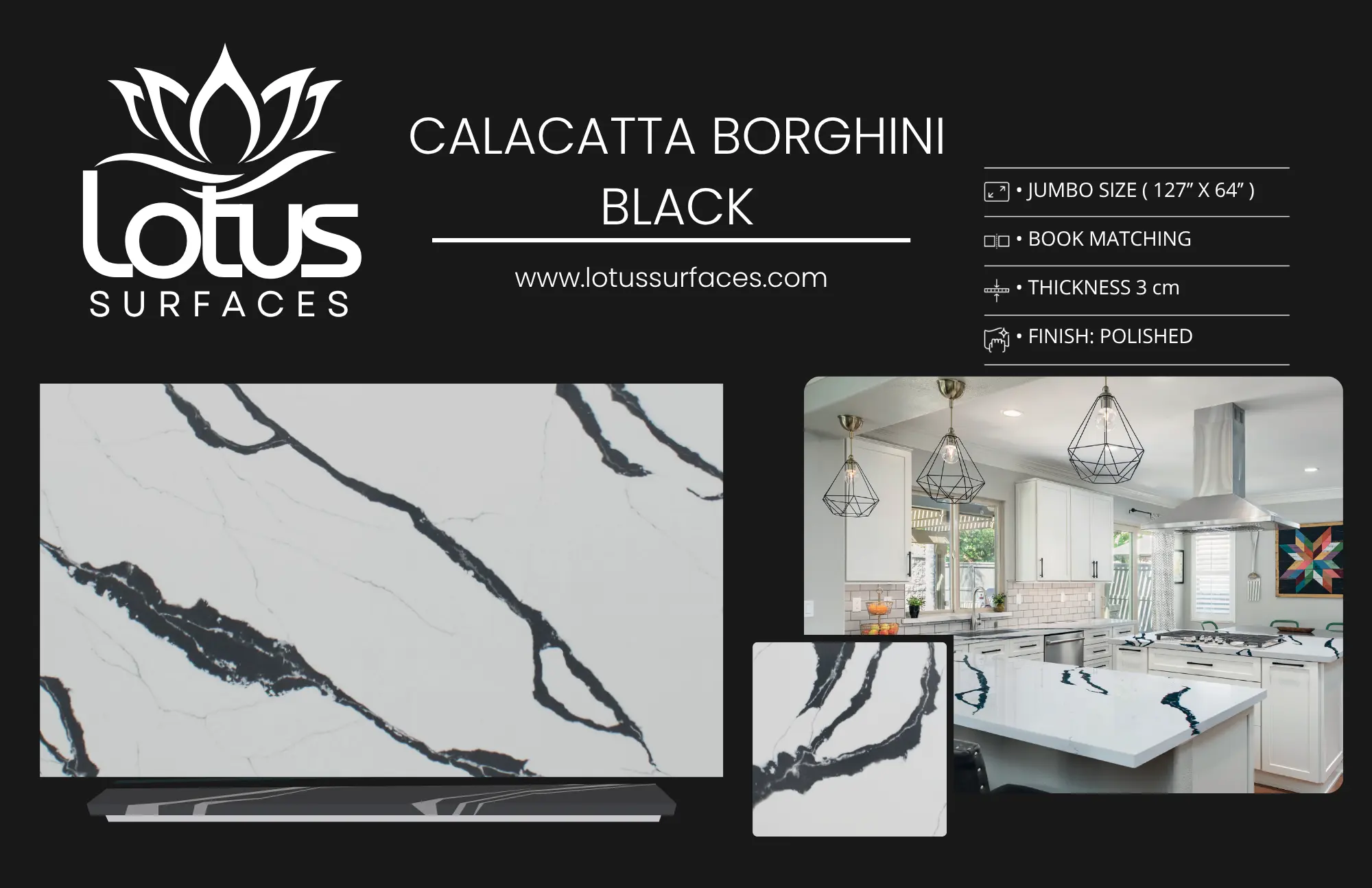
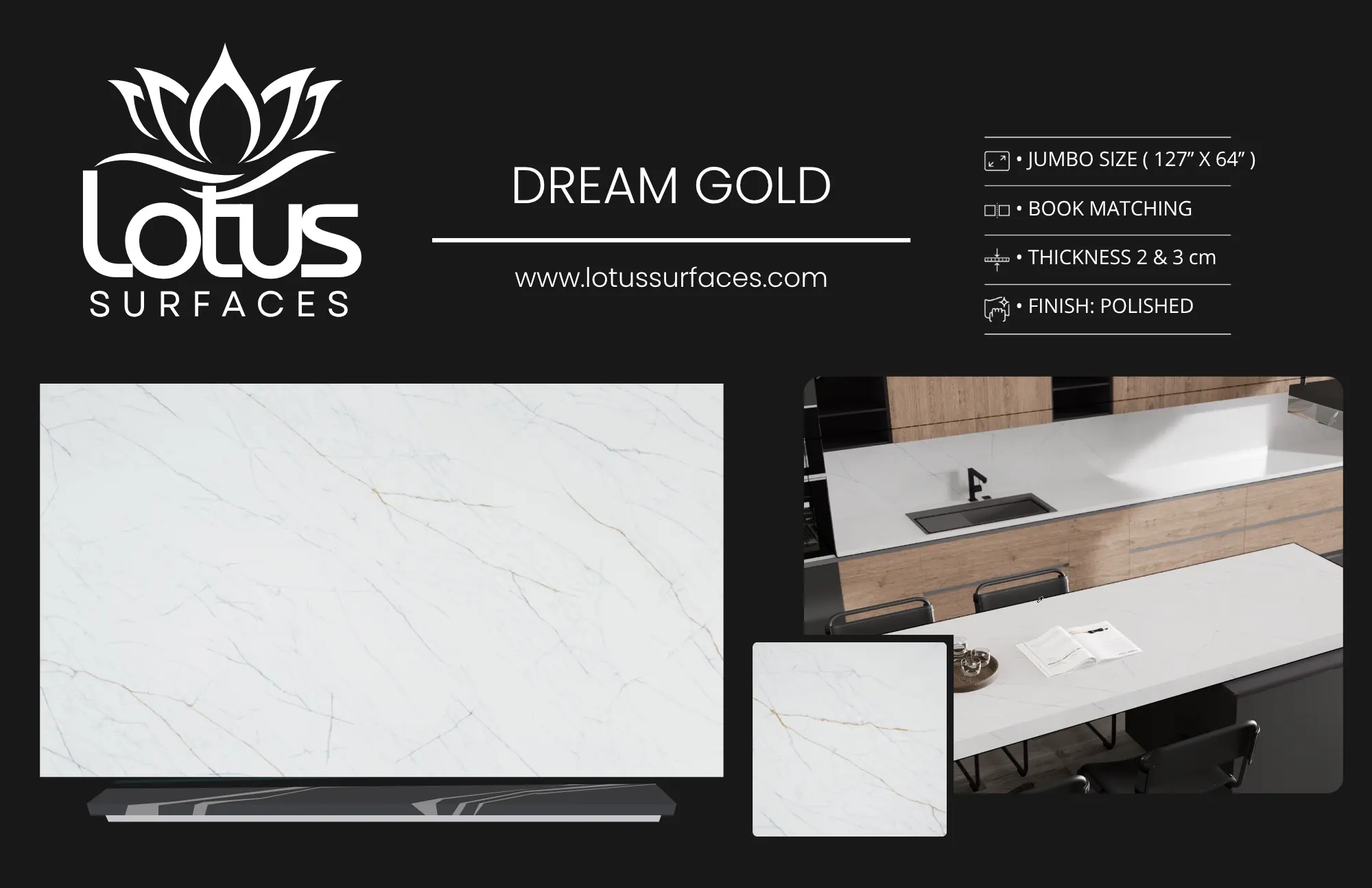
Unlike natural stone countertops, which are mined and cut from quarries, quartz surfaces are fabricated in controlled environments. This process allows for a wide variety of colors, patterns, and finishes that can suit any design aesthetic. Additionally, quartz countertops can mimic the appearance of natural stone, providing homeowners with the elegance of granite or marble without the associated maintenance concerns.
Granite and Marble: The Need for Sealing
Granite and marble, while beautiful and timeless, are porous natural stones. Their porous nature means they can absorb liquids, oils, and other substances, leading to potential staining and bacteria growth if not properly sealed. Sealing natural stone countertops is a necessary step to protect their surface and maintain their appearance over time.
Typically, granite and marble need to be sealed every 6 to 12 months, depending on usage and the specific type of stone. This process involves applying a protective sealant that penetrates the stone’s surface, creating a barrier against spills and stains. Failing to seal these surfaces regularly can lead to discoloration and damage, which can be costly to repair.
Why Quartz Countertops Don’t Need Sealing
The primary reason quartz countertops never need sealing is their non-porous nature. The resin used in the manufacturing process fills the spaces between the quartz crystals, preventing liquids from penetrating the surface. This characteristic makes quartz countertops highly resistant to stains, bacteria, and mold growth, making them an ideal choice for homeowners seeking low-maintenance surfaces.
The Benefits of Choosing Quartz Countertops
- Low Maintenance: As previously mentioned, quartz countertops do not require sealing, making them easier to maintain compared to granite and marble.
- Durability: Quartz is highly resistant to scratches, chips, and cracks, making it suitable for high-traffic areas.
- Design Versatility: With a wide range of colors and patterns, quartz countertops can complement any kitchen or bathroom design.
- Hygienic Surface: The non-porous surface of quartz prevents the growth of bacteria and mold, making it a hygienic choice for food preparation areas.
- Cost-Effective: While quartz countertops can be more expensive upfront than some natural stones, their durability and low maintenance requirements can lead to cost savings over time.
Comparing Quartz, Granite, and Marble
| Feature | Quartz | Granite | Marble |
|---|---|---|---|
| Porosity | Non-Porous | Porous | Porous |
| Sealing Required | No | Yes (every 6-12 months) | Yes (every 6-12 months) |
| Stain Resistance | High | Moderate | Low |
| Durability | High | High | Moderate |
| Design Options | Extensive | Limited | Limited |
| Cost | Moderate to High | Moderate to High | High |
This comparison table highlights the significant differences between quartz, granite, and marble countertops. As seen, quartz stands out as a low-maintenance, durable option that does not require sealing, making it an attractive choice for homeowners in Norcross and the Greater Atlanta area.
Maintenance Tips for Quartz Countertops
While quartz countertops are low maintenance, it is essential to follow some basic care guidelines to ensure their longevity and appearance:
- Wipe Up Spills Promptly: Although quartz is resistant to stains, it is still a good practice to clean up spills immediately to prevent any potential issues.
- Use Mild Cleaners: Clean quartz surfaces with mild dish soap and water or a gentle pH-balanced cleaner. Avoid harsh chemicals that could damage the resin.
- Avoid Excessive Heat: Use trivets or hot pads under hot pots and pans to prevent heat damage.
- Use Cutting Boards: While quartz is scratch-resistant, using cutting boards will help maintain the surface’s integrity and prevent dulling your knives.
- Regular Cleaning: Regularly clean your countertops with a soft cloth to maintain their shine and appearance.
FAQs
1. Do quartz countertops need to be sealed?
No, quartz countertops do not need to be sealed due to their non-porous nature.
2. How often should granite and marble countertops be sealed?
Granite and marble countertops typically need to be sealed every 6 to 12 months, depending on usage.
3. Are quartz countertops resistant to stains?
Yes, quartz countertops are highly resistant to stains due to their non-porous surface.
4. Can I use bleach to clean quartz countertops?
It is best to avoid bleach and harsh chemicals. Instead, use mild dish soap and water for cleaning.
5. How durable are quartz countertops?
Quartz countertops are very durable and resistant to scratches, chips, and cracks.
6. Are quartz countertops suitable for outdoor use?
Quartz countertops are not recommended for outdoor use due to potential UV damage and temperature fluctuations.
7. How can I maintain the shine of my quartz countertops?
Regular cleaning with a soft cloth and mild soap will help maintain the shine of your quartz countertops.
8. What are the design options available for quartz countertops?
Quartz countertops come in a wide range of colors, patterns, and finishes, allowing for versatile design options.
Conclusion
Choosing the right countertop for your home is a crucial decision that affects both aesthetics and functionality. Quartz countertops offer a unique combination of beauty, durability, and low maintenance that sets them apart from natural granite and marble. Their non-porous nature means you never have to worry about sealing, allowing you to enjoy your beautiful surfaces without the added hassle. If you’re considering a kitchen or bathroom renovation in Norcross, Atlanta, or the surrounding areas, quartz countertops may be the perfect solution for your home. For more information on quartz countertop options, visit our countertops page or contact us at Lotus Surfaces.