

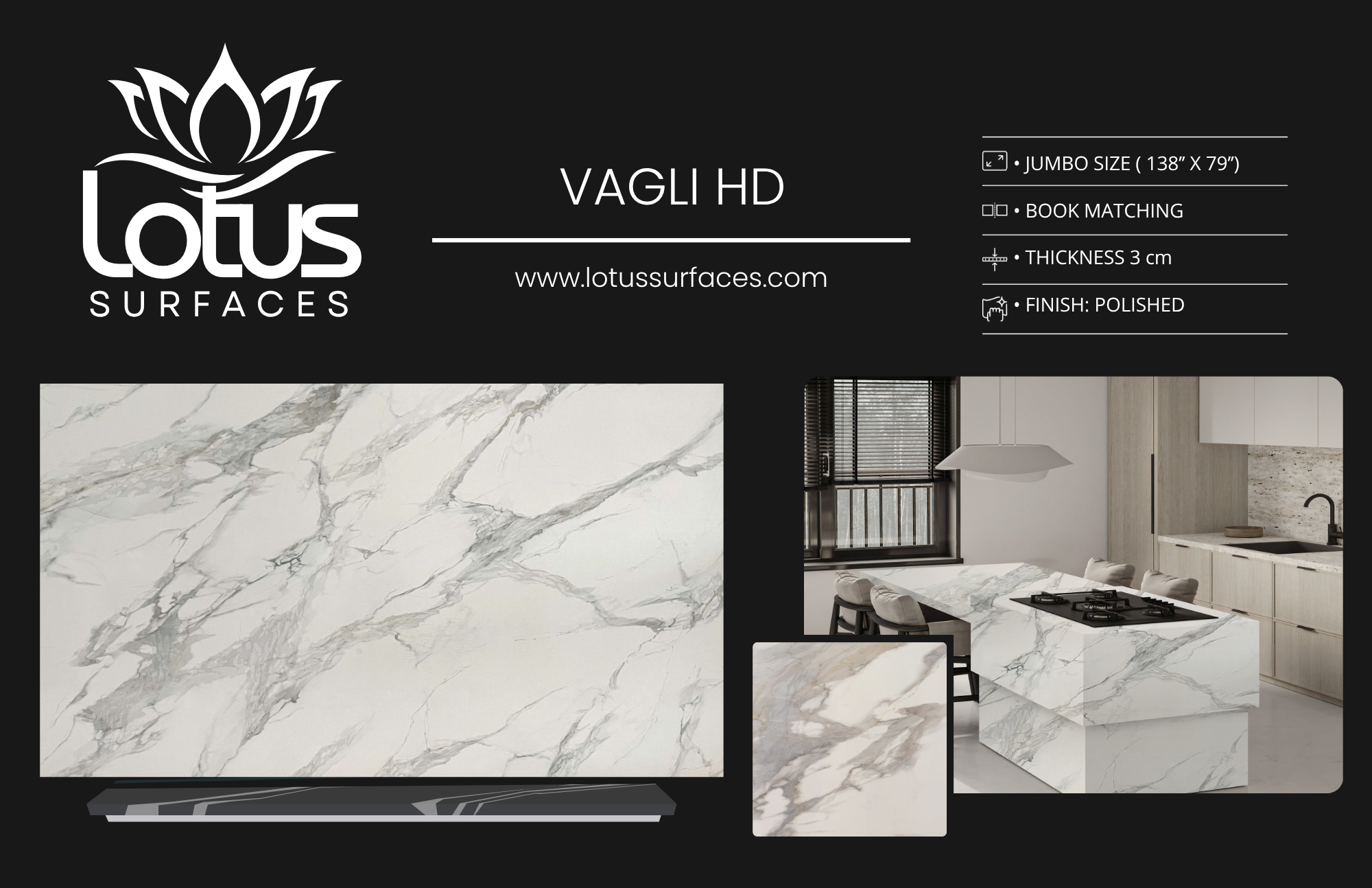
The Complete Guide to Countertop Veining Direction and Its Design Impact
The Complete Guide to Countertop Veining Direction and Its Design Impact
When it comes to selecting the perfect countertop for your kitchen or bathroom, one aspect often overlooked is the direction of the veining in the material. Understanding how countertop veining direction affects design can elevate the aesthetics of your space and ensure a cohesive look. In this comprehensive guide, we’ll delve into the significance of veining direction, explore various materials, and provide tips to help you make informed design choices for your home. By the end of this article, you’ll be equipped with the knowledge to choose countertops that not only suit your style but also enhance the functionality of your home.
What is Countertop Veining?
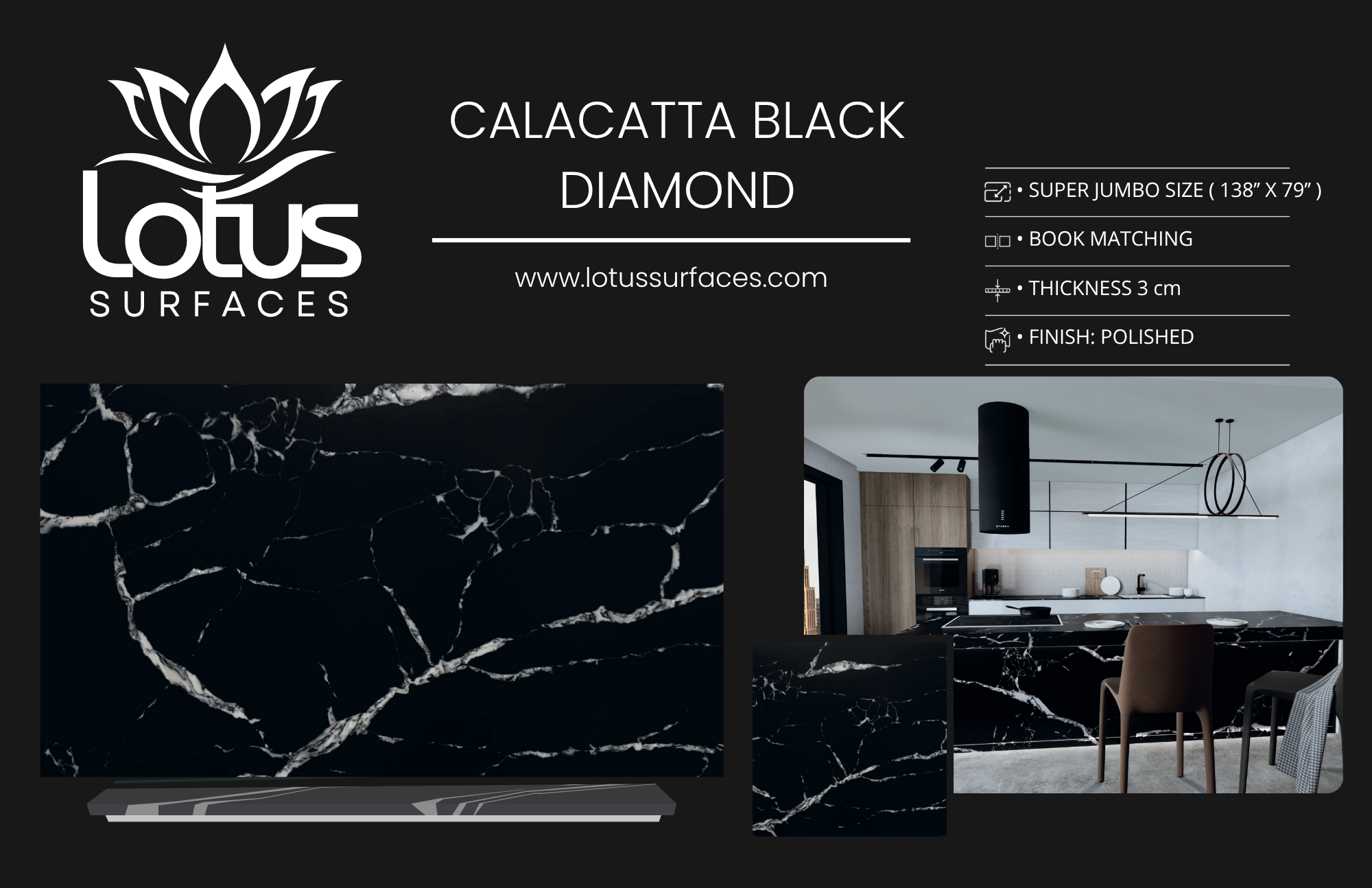
Countertop veining refers to the natural patterns and lines found in materials like granite, quartz, marble, and porcelain. These veins are formed through the geological processes that create the stone, resulting in unique designs that can vary significantly from one slab to another. In addition to aesthetic appeal, the veining can also affect the durability and maintenance of the countertop. For homeowners in the Greater Atlanta area looking for premium countertop solutions, understanding the types of veining and their implications is essential.
Types of Countertop Materials
There are several materials commonly used for countertops, each with its own distinct veining characteristics:
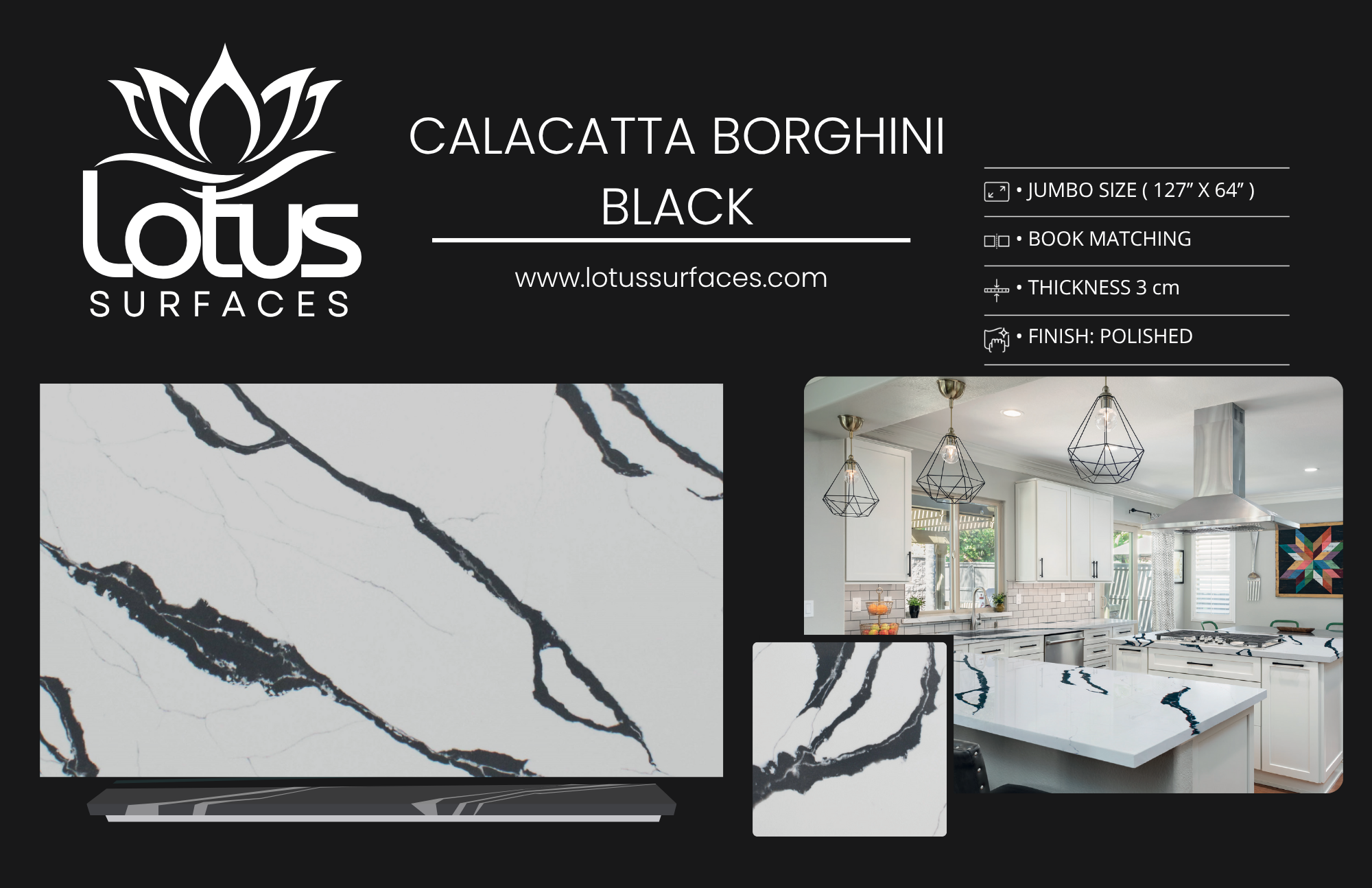
- Quartz: Engineered quartz surfaces feature a wide range of colors and patterns, including consistent veining that can be both subtle and dramatic.
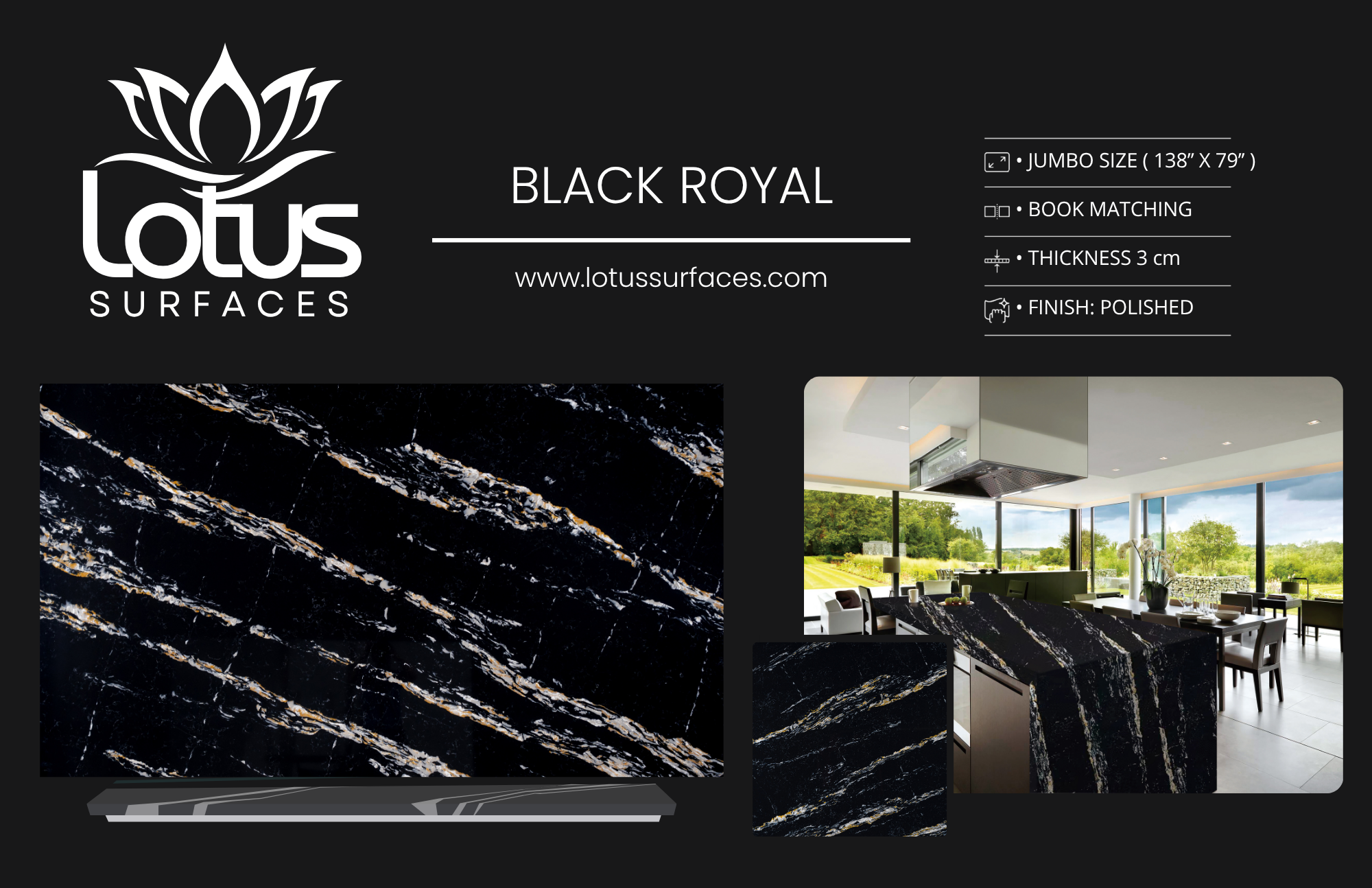
- Granite: This natural stone offers unique veining patterns that reflect the geological history of the stone, making each slab one-of-a-kind.
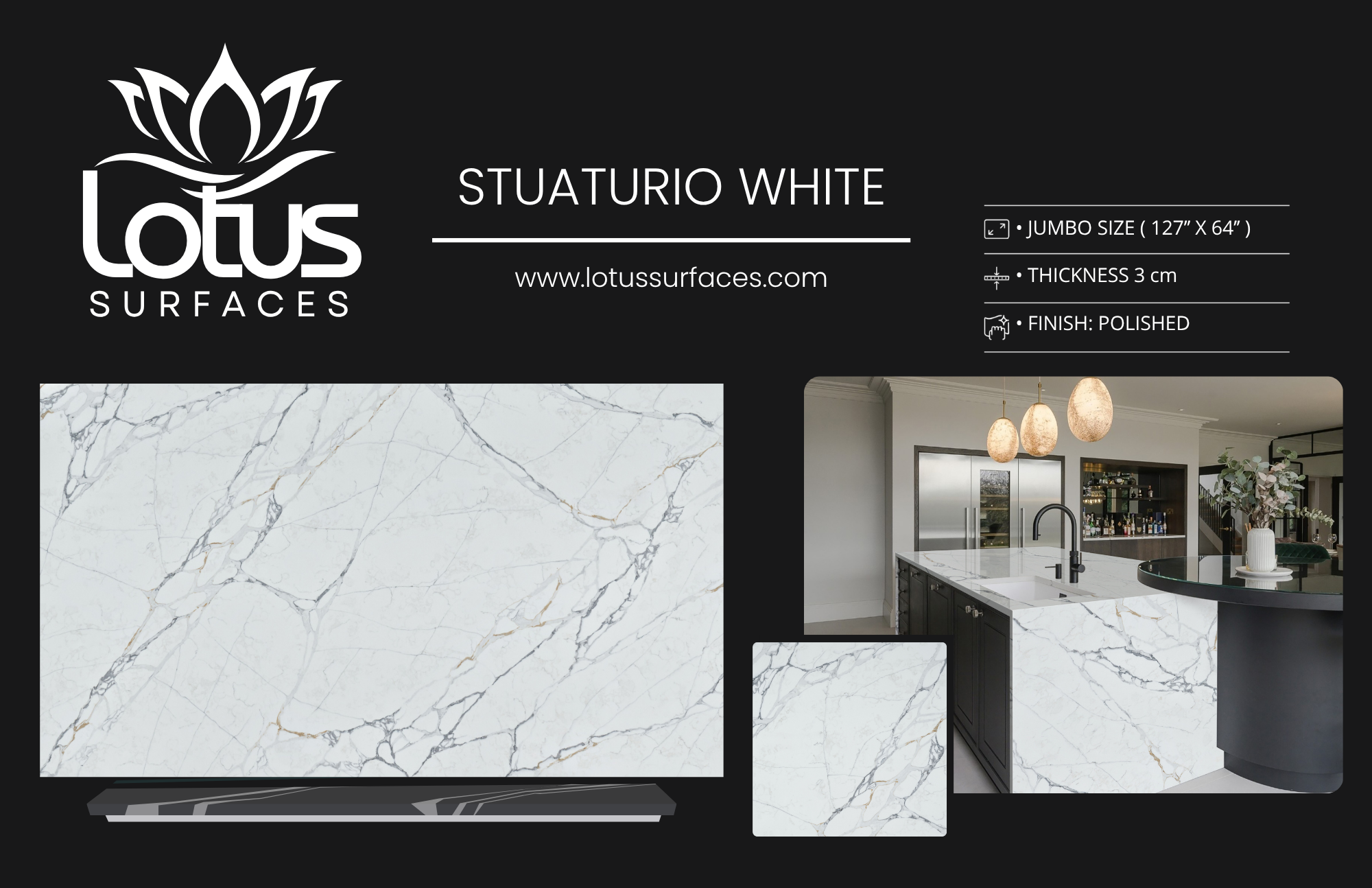
- Marble: Known for its luxurious appearance, marble often features bold, sweeping veins that can add elegance to any space.
- Porcelain: Porcelain countertops can mimic the look of natural stones, including veining patterns, while offering superior durability and ease of maintenance.
- Quartzite: This natural stone is highly durable and features striking veining similar to marble but is less porous.
Importance of Veining Direction
The direction of the veining can significantly impact the overall design of your space. Here’s why it matters:
- Aesthetics: The way the veins flow can influence the visual dynamics of your countertops. Horizontal veining can create a sense of width, while vertical veining can make a space feel taller.
- Design Cohesion: Ensuring that the veining direction aligns with other elements in your kitchen or bathroom can create a harmonious design. Mismatched veining can disrupt the flow of the space.
- Practical Considerations: The veining direction can also affect how seams are placed during installation. Proper seam placement is crucial for maintaining the beauty of the countertop.
How to Choose Veining Direction
Choosing the right veining direction involves considering both aesthetic preferences and practical aspects. Here are some steps to guide your decision:
- Assess Your Space: Consider the dimensions and layout of your kitchen or bathroom. If you have a smaller space, opt for a veining direction that enhances the sense of openness.
- Match with Design Elements: Look at other design features in your space, such as cabinetry, flooring, and backsplashes. Ensure that the veining direction complements these elements.
- Consider Functionality: Think about how the countertop will be used. For busy kitchens, a veining pattern that minimizes the visibility of stains or scratches may be ideal.
- Sample Viewing: Visit a local fabricator like Lotus Surfaces to see samples in person. This allows you to visualize how different veining directions will look in your space.
- Consult Professionals: Don’t hesitate to seek advice from experienced countertop installers. They can provide insights based on their expertise and the specific materials you’re considering.
Expert Tips on Countertop Veining
To help you make the best decision regarding countertop veining, here are some expert insights:
- Choose a Focal Point: If you have a particularly striking vein pattern, consider positioning it where it can serve as a focal point in your kitchen or bathroom.
- Seam Placement: Ensure that seams are placed strategically to align with the flow of the veining. This will help maintain the visual integrity of the countertop.
- Mixing Materials: If you’re considering mixing different countertop materials, pay attention to the veining direction in each material to ensure a harmonious design.
- Maintenance Considerations: Some veining patterns may be more prone to showing stains or wear. Choose a material that aligns with your lifestyle and maintenance preferences.
Comparison of Countertop Materials
| Material | Durability | Maintenance | Veining Options |
|---|---|---|---|
| Quartz | High | Low | Wide range, consistent patterns |
| Granite | High | Moderate | Unique, natural patterns |
| Marble | Moderate | High | Bold, dramatic veins |
| Porcelain | Very High | Low | Can mimic natural stones |
| Quartzite | Very High | Low | Stunning, natural patterns |
Frequently Asked Questions
What is the best direction for countertop veining?
The best direction for countertop veining depends on your space. Horizontal veining can create a wider appearance, while vertical veining can enhance the height of a room.
Can you change the veining direction in the same countertop?
While it is possible to change the veining direction within the same countertop, it requires careful planning and skilled installation to maintain a cohesive look.
How does veining affect countertop durability?
Veining itself does not directly affect durability, but certain materials with more pronounced veining may require more maintenance to keep them looking their best.
Is quartz a good choice for countertops?
Yes, quartz is an excellent choice for countertops due to its durability, low maintenance, and wide range of design options, including various veining patterns.
How do I maintain my veined countertops?
Regular cleaning with mild soap and water, avoiding harsh chemicals, and using coasters can help maintain the beauty of veined countertops.
Can I use veined countertops in a small kitchen?
Absolutely! Veined countertops can be used in small kitchens; just ensure that the veining direction complements the space to enhance its visual appeal.
What should I consider when choosing countertop veining?
Consider the overall design of your space, the dimensions of the room, and how the veining will interact with other design elements.
Are there any trends in countertop veining for 2026?
Current trends include bold, dramatic veining patterns in natural stones and minimalist designs in engineered materials, emphasizing simplicity and elegance.
Conclusion
Choosing the right countertop veining direction is a vital aspect of your design process that can significantly impact the overall look and feel of your space. By understanding the different materials available, the importance of veining direction, and expert tips, you can make informed decisions that enhance both aesthetics and functionality. For homeowners in the Greater Atlanta area looking for premium quality countertops, consider visiting Lotus Surfaces for personalized guidance and support tailored to your unique style and needs.
