Custom Countertop Shapes: Solving Non-Standard Kitchen Layout Challenges
In the world of kitchen design, one size rarely fits all. Homeowners in Greater Atlanta often face the challenge of integrating functional and stylish countertops into non-standard kitchen layouts. Whether it’s an unusually shaped island, a compact galley kitchen, or an open-concept space with unique angles, the right custom countertop shapes can redefine beauty, strength, and functionality. In this comprehensive guide, we will explore how custom countertop shapes can effectively address the challenges posed by these non-traditional layouts, ensuring that your kitchen is not only aesthetically pleasing but also maximally functional.
Understanding Custom Countertops
Custom countertops are tailored surfaces designed to fit specific dimensions, shapes, and styles, allowing homeowners to achieve a unique look that complements their kitchen’s design. Unlike standard countertops, which come in predetermined sizes and shapes, custom countertops can be created from various materials, including quartz, granite, and porcelain. This flexibility enables homeowners to maximize their kitchen space’s functionality while expressing their personal style.
Challenges in Non-Standard Kitchen Layouts
Non-standard kitchen layouts present several design challenges:
- Space Constraints: Compact kitchens often have limited space, making it difficult to incorporate traditional countertop shapes.
- Unique Angles: Open-concept layouts may feature unique angles that standard countertops cannot accommodate.
- Irregular Shapes: Kitchens with alcoves or protruding walls require countertops that can adapt to these irregularities.
- Functional Needs: Homeowners may have specific functional requirements, such as additional workspace or seating areas that standard countertops cannot provide.
Benefits of Custom Countertop Shapes
Choosing custom countertop shapes provides numerous benefits for homeowners facing these challenges:
1. Maximized Space Utilization
Custom countertops can be designed to fit snugly into any space, ensuring that every inch of the kitchen is utilized effectively. This is particularly beneficial for small or oddly-shaped kitchens, where maximizing space is crucial.
2. Enhanced Functionality
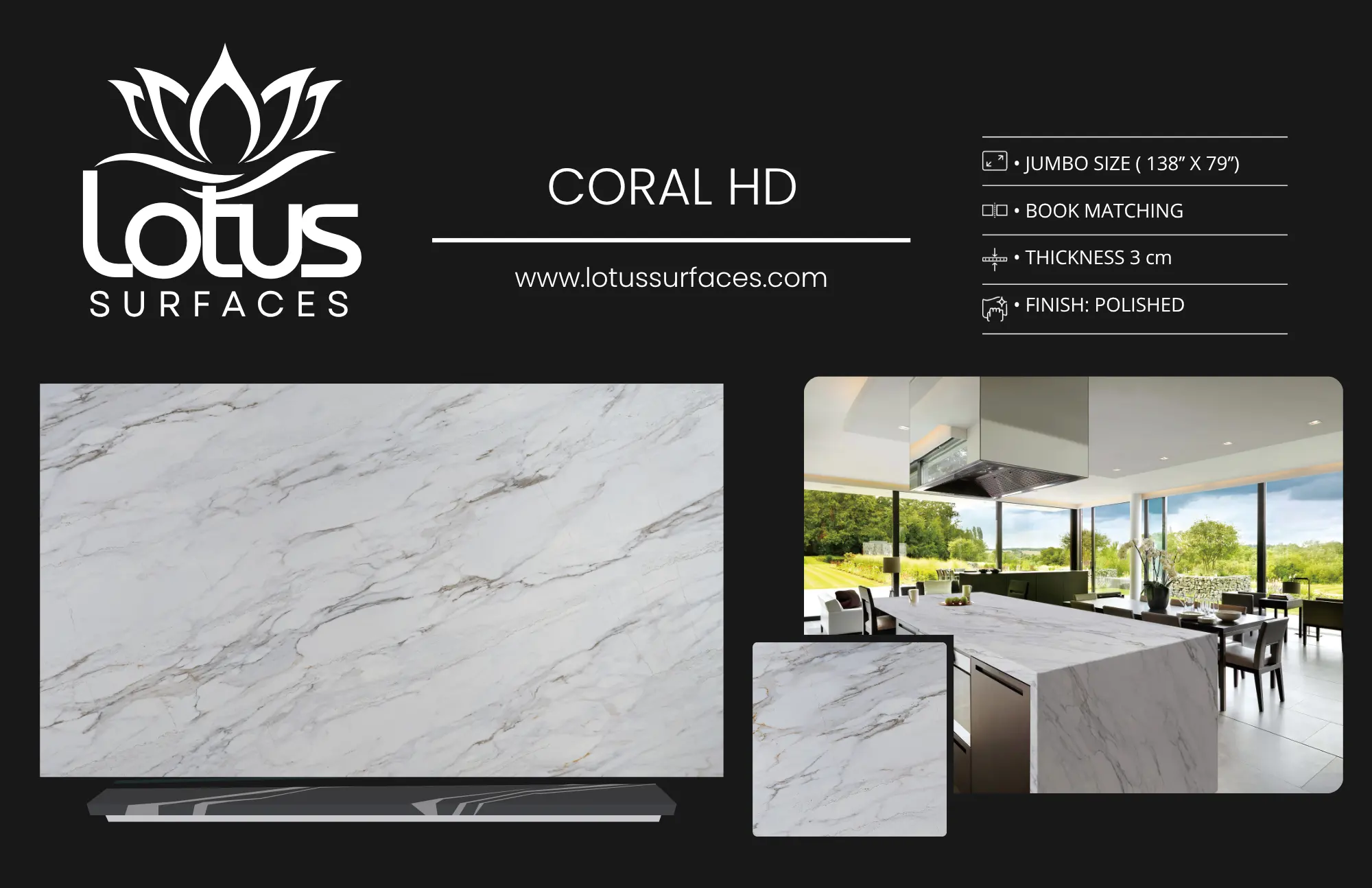
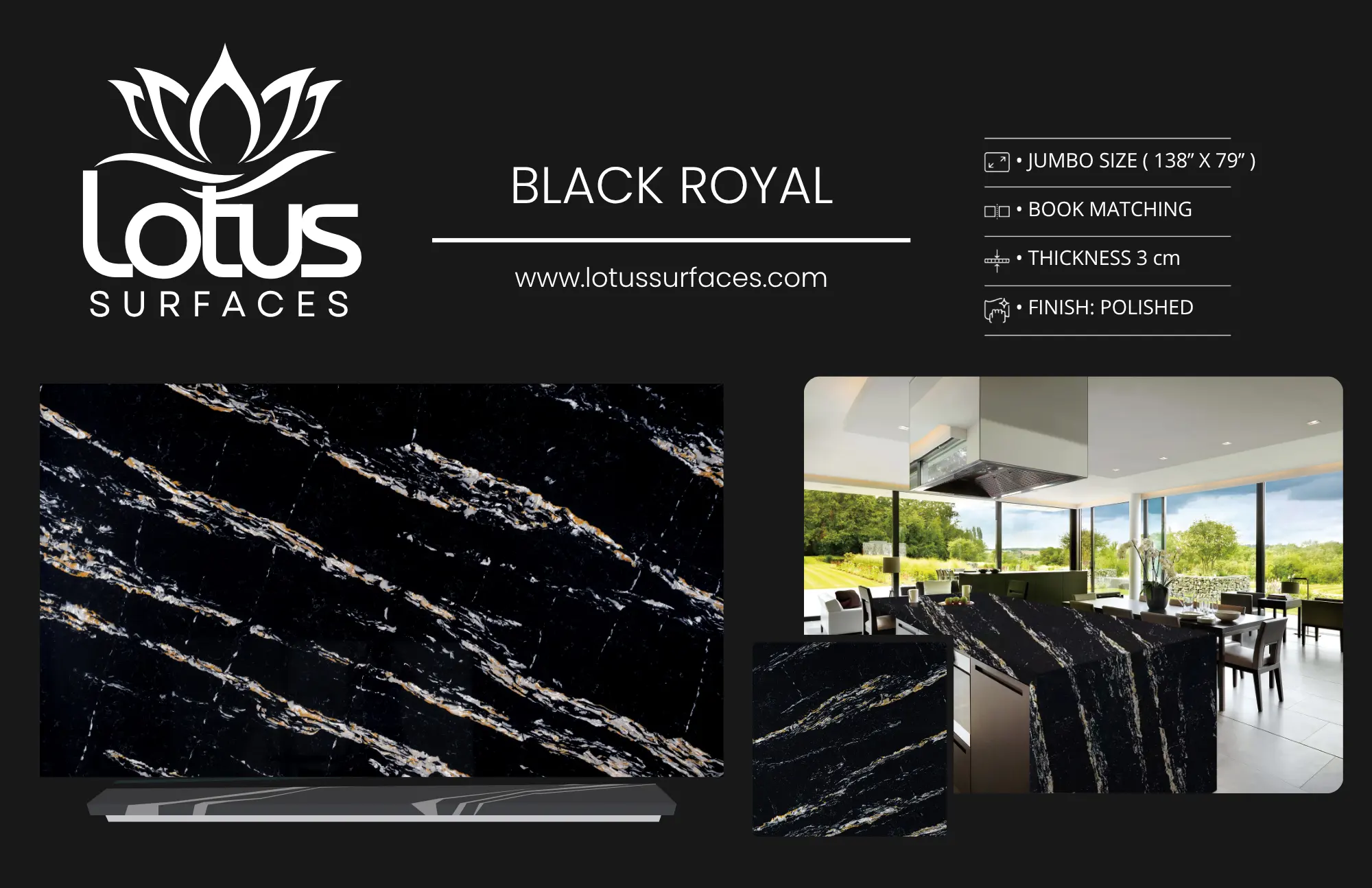
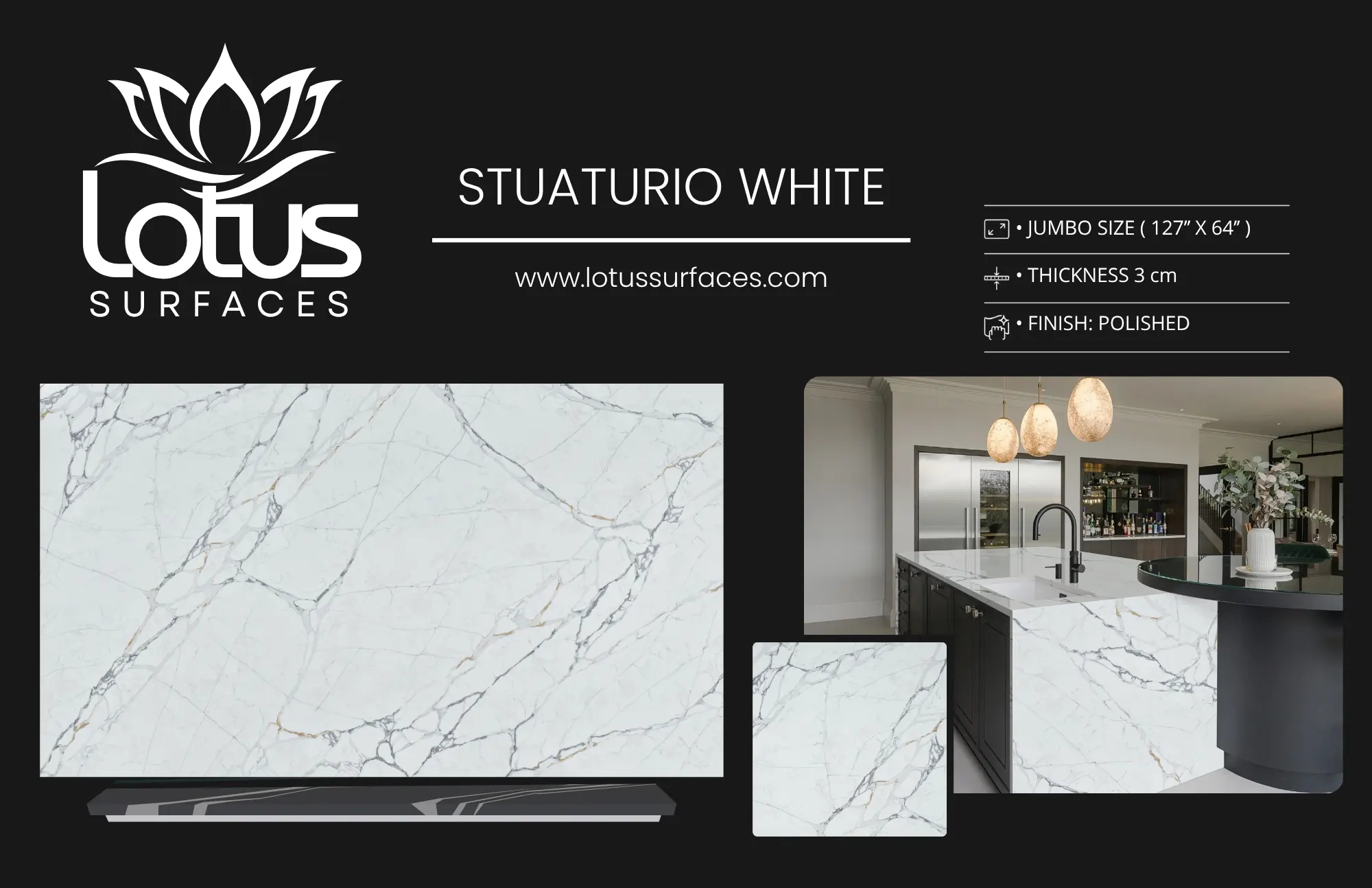
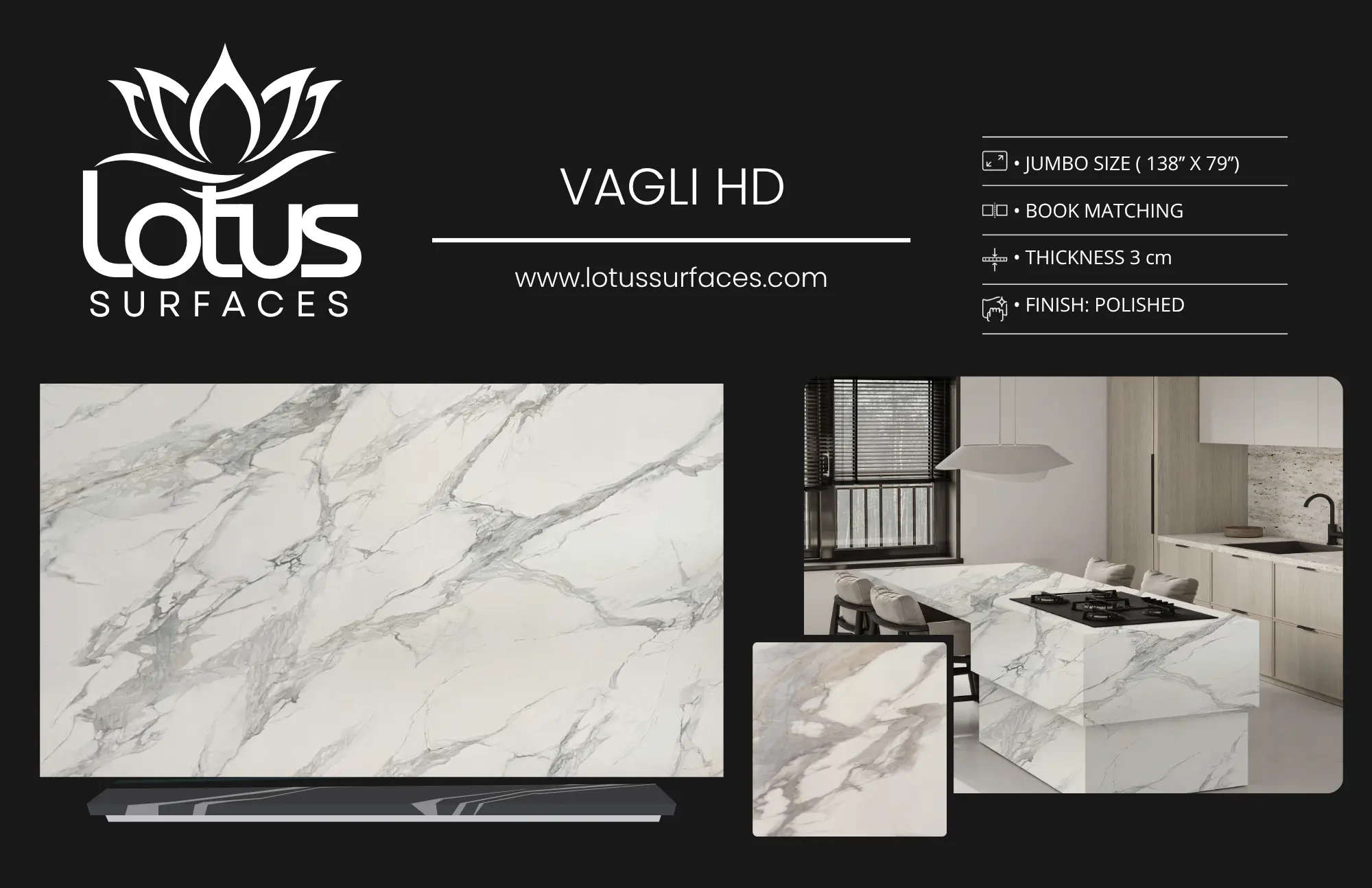
Custom shapes allow for the inclusion of features like integrated sinks, cooktops, or breakfast bars, enhancing the kitchen’s functionality. For instance, a waterfall edge can create a seamless transition between the countertop and the floor, providing additional seating and workspace.
3. Unique Aesthetic Appeal
Custom countertops can be designed to reflect the homeowner’s personal style, incorporating unique shapes and finishes that create a stunning focal point in the kitchen. This enhances the overall aesthetic appeal of the space.
4. Increased Property Value
Investing in custom countertops can increase the value of the home, as they are often viewed as a premium feature by potential buyers. A well-designed kitchen with custom countertops can make a lasting impression and set a property apart in the competitive Atlanta real estate market.
Popular Custom Countertop Shapes for Unique Layouts
Here are some popular custom countertop shapes that can address the challenges of non-standard kitchen layouts:
| Countertop Shape | Best Use Case | Advantages |
|---|---|---|
| Waterfall Edge | Islands and peninsulas | Creates a sleek, modern look; provides additional seating |
| Curved Countertops | Compact kitchens with limited space | Softens sharp angles; maximizes flow in tight areas |
| Multi-Level Countertops | Open-concept layouts | Creates distinct zones for cooking and dining; visually appealing |
| Integrated Sink | Functional kitchens | Streamlines cleaning; enhances workspace |
| Custom Cutouts | Unique design preferences | Accommodates features like cooktops and appliances; adds a personal touch |
Design Tips for Custom Countertop Integration
When designing custom countertops for non-standard kitchen layouts, consider the following tips:
- Consult with Professionals: Work with experienced countertop fabricators who understand the challenges of non-standard layouts. Lotus Surfaces, for instance, offers expert guidance on selecting the right materials and designs.
- Prioritize Functionality: Ensure that the countertop design meets your functional needs, such as adequate workspace, storage, and seating.
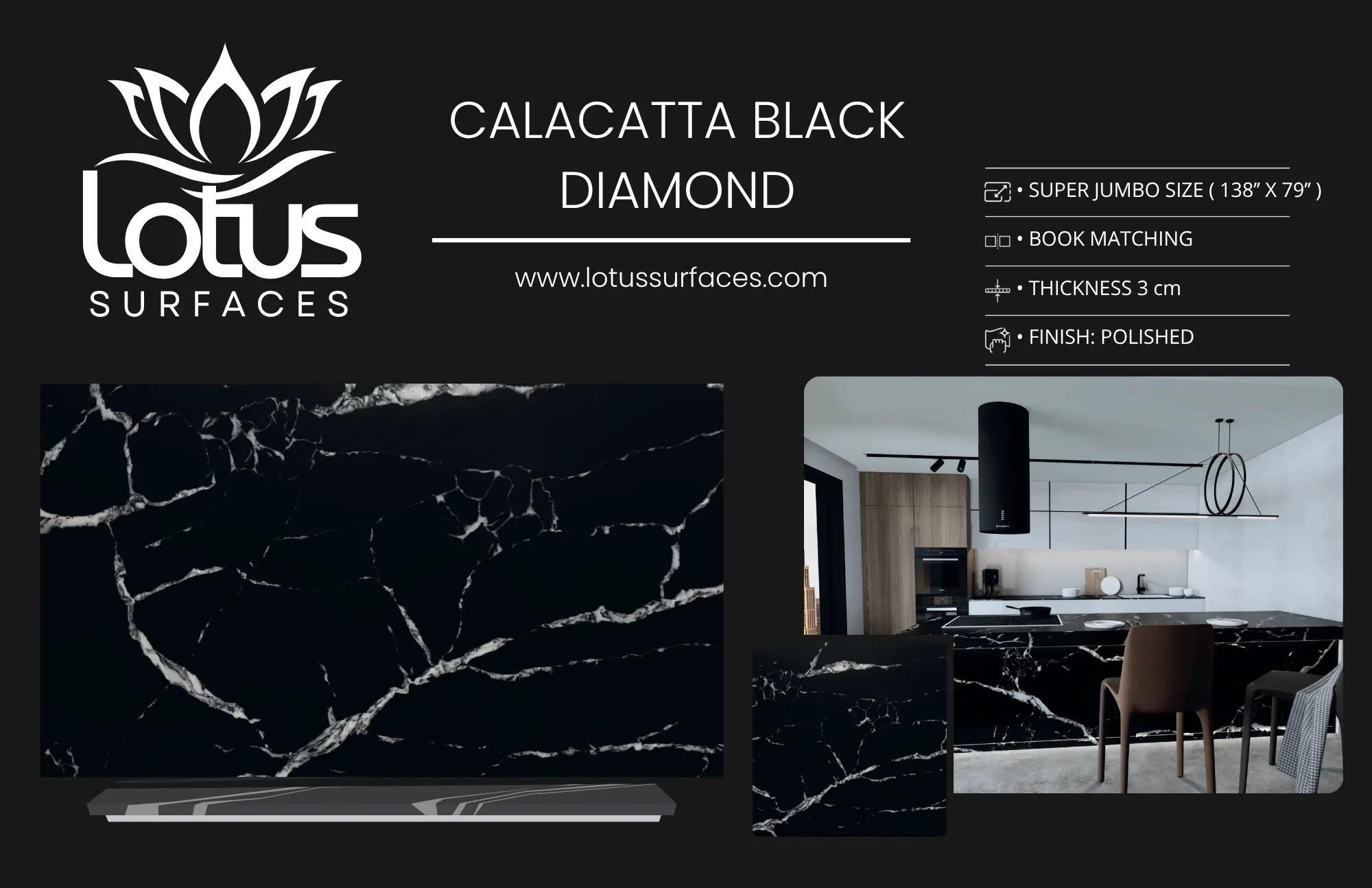
- Choose the Right Material: Select materials that not only fit the aesthetic but also withstand the wear and tear of daily use. For example, quartz countertops are known for their durability and low maintenance.
- Consider Lighting: Proper lighting can enhance the appearance of custom countertops, making them a centerpiece of your kitchen design.
- Plan for Installation: Ensure that the installation process is well-planned, as custom countertops may require more precise measurements and handling than standard options.
The Installation Process for Custom Countertops
The installation of custom countertops typically involves several steps:
- Consultation and Design: Discuss your needs with a countertop fabricator and create a design plan that considers your kitchen layout.
- Measurement: Accurate measurements are crucial. The fabricator will create a template based on the layout of your kitchen.
- Fabrication: The countertops are fabricated based on the approved design and measurements, ensuring that all custom features are included.
- Installation: The installation team will carefully place the countertops, ensuring proper alignment and seam placement. This may involve precision CNC cutting and edge profiling.
- Final Touches: After installation, final adjustments and sealing are performed to protect the countertop and ensure longevity.
Cost Considerations for Custom Countertops
While custom countertops can be a significant investment, they offer long-term value. Here are some cost factors to consider:
- Material Selection: Different materials come with varying price points. For example, quartz and granite are typically more expensive than laminate.
- Design Complexity: More intricate designs and custom shapes will increase fabrication and installation costs.
- Installation Fees: Professional installation is recommended for custom countertops, and fees will vary based on the complexity of the project.
- Long-term Benefits: Consider the increased property value and enhanced functionality that custom countertops provide, making them a worthwhile investment.
FAQs
1. What are custom countertops?
Custom countertops are tailored surfaces designed to fit specific dimensions, shapes, and styles, allowing homeowners to achieve a unique look that complements their kitchen’s design.
2. How do custom countertops solve layout challenges?
Custom countertops can be designed to fit snugly into any space, ensuring that every inch of the kitchen is utilized effectively, especially in non-standard layouts.
3. What materials are best for custom countertops?
Popular materials for custom countertops include quartz, granite, and porcelain, each offering unique benefits in terms of durability and aesthetics.
4. How much do custom countertops cost?
The cost of custom countertops varies based on material selection, design complexity, and installation fees. It’s essential to consult with a fabricator for accurate pricing.
5. Can I integrate a sink into a custom countertop?
Yes, custom countertops can be designed with integrated sinks, providing a streamlined look and enhancing workspace efficiency.
6. How long does the installation process take?
The installation process can take anywhere from a few days to a couple of weeks, depending on the complexity of the design and the availability of materials.
7. Are custom countertops worth the investment?
Yes, custom countertops can increase the value of your home and provide enhanced functionality and aesthetic appeal, making them a worthwhile investment.
8. How can I maintain my custom countertops?
Maintenance depends on the material; for instance, quartz countertops require less care than natural stone. Always follow the manufacturer’s guidelines for cleaning and maintenance.