
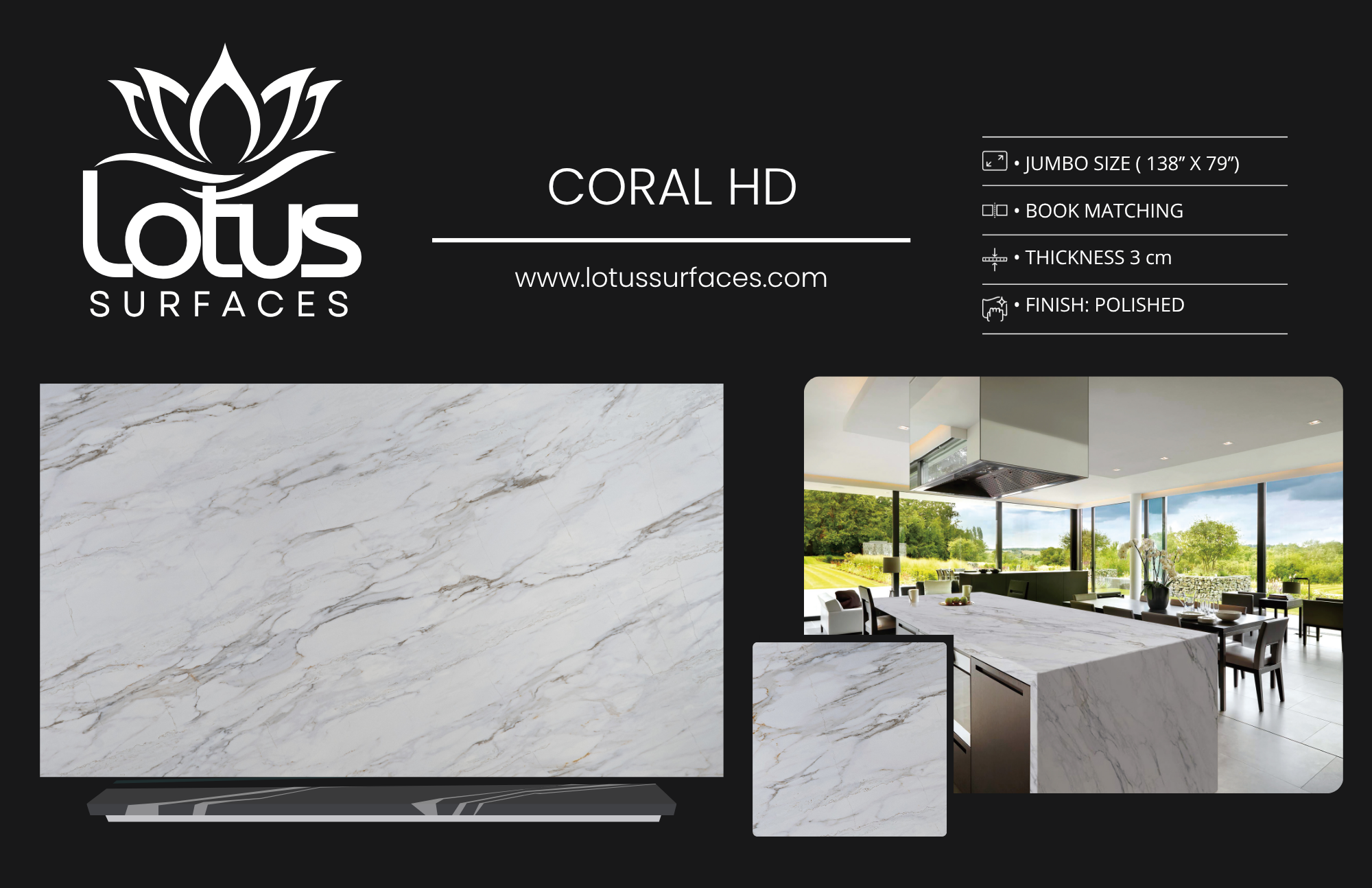
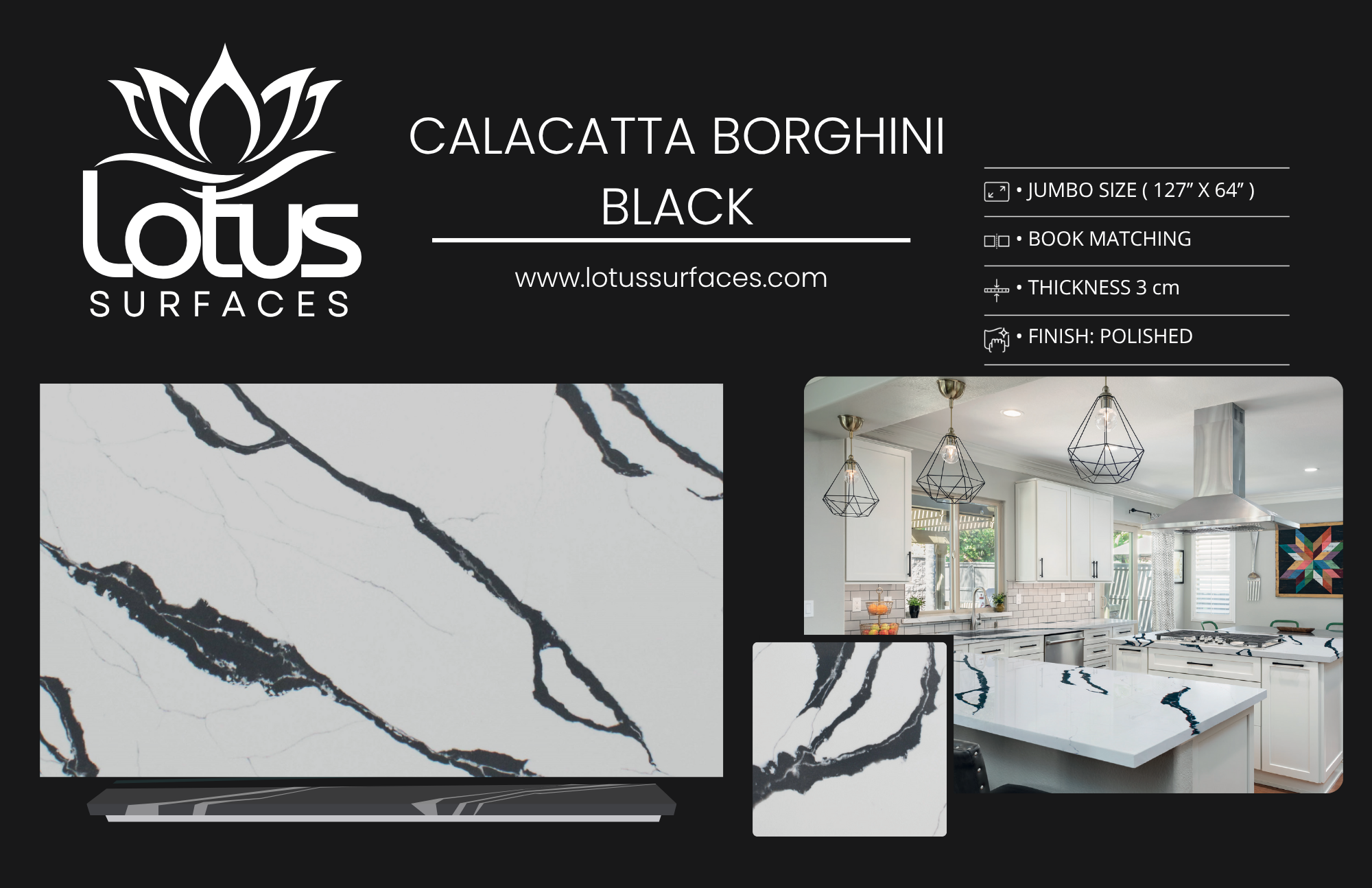
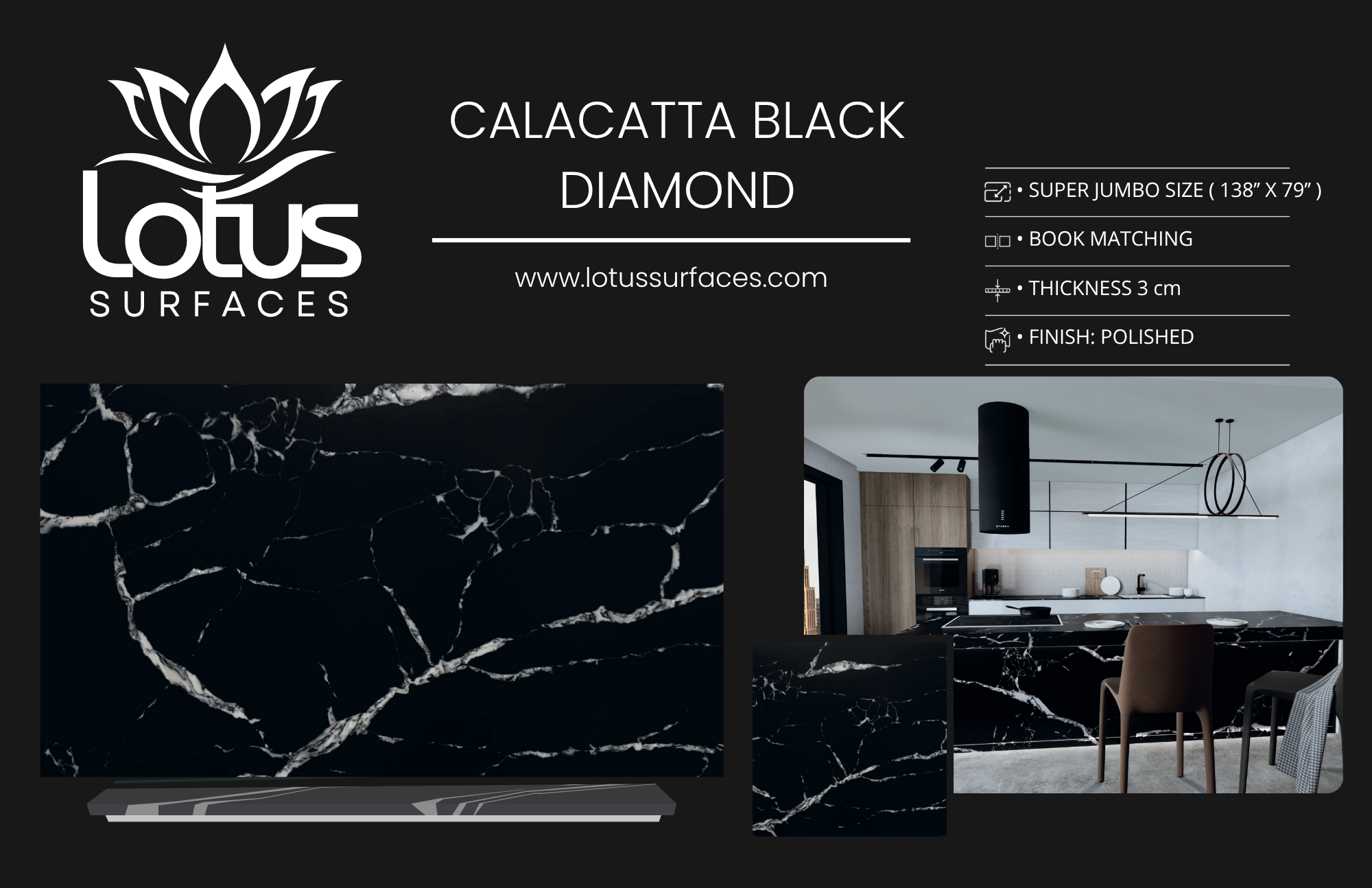
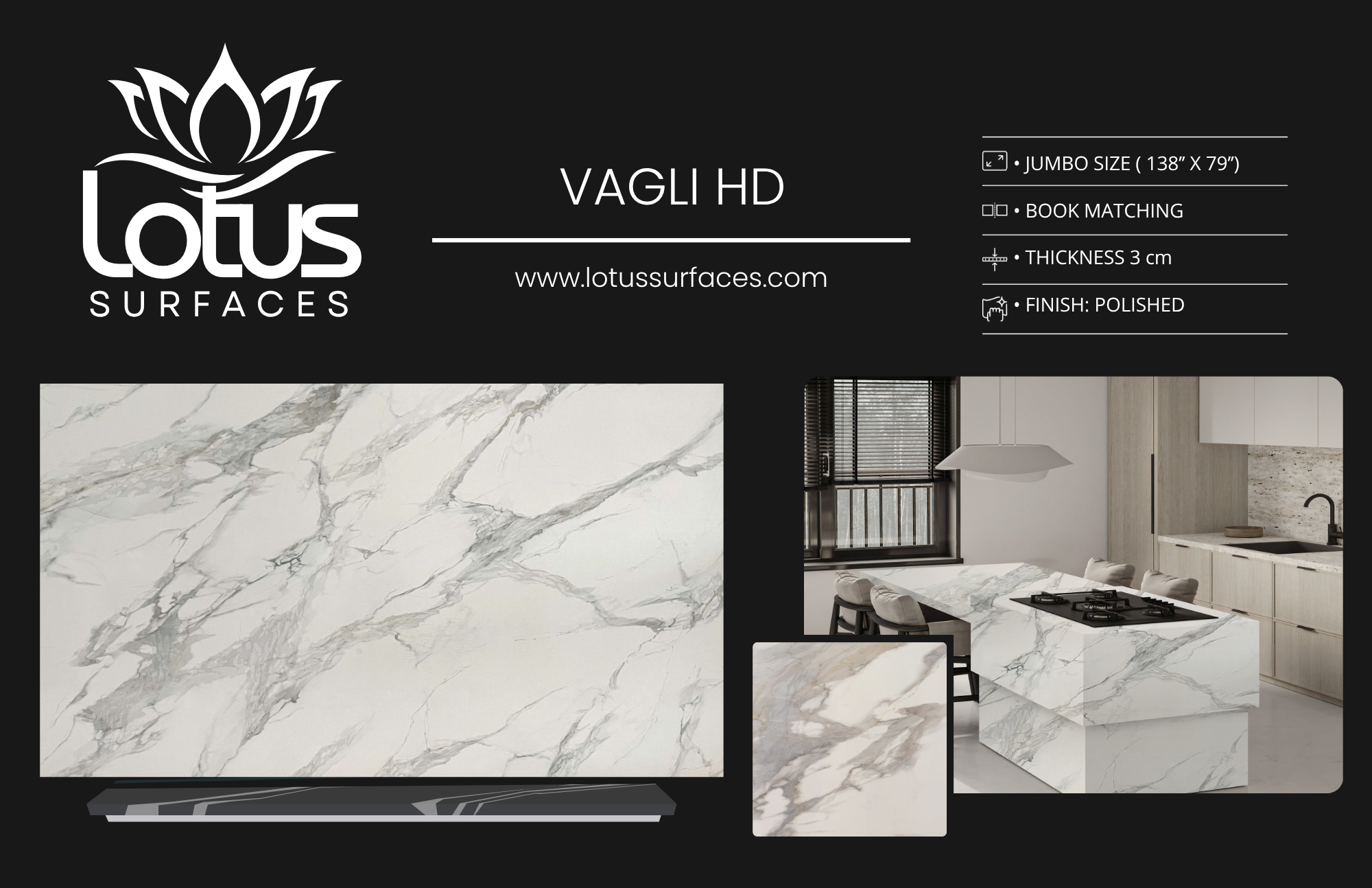
How Countertop Selection Impacts Your Kitchen’s Light Reflection and Brightness
How Countertop Selection Impacts Your Kitchen’s Light Reflection and Brightness
When it comes to kitchen renovations, the selection of countertops is a critical decision that goes beyond mere aesthetics. Homeowners in Norcross, Atlanta, and the Greater Atlanta Metro Area are increasingly recognizing that the right countertop can significantly influence not just the beauty of their kitchen, but also its functionality, light reflection, and overall brightness. In this article, we will explore how different countertop materials impact light reflection and brightness, helping you make an informed choice for your home. By the end, you will understand the nuances of various materials, their properties, and how they can elevate your kitchen’s ambiance.
1. The Science of Light Reflection
Understanding how light interacts with surfaces is fundamental to selecting the right countertop. Light reflection refers to how much light bounces off a surface, which directly affects the perceived brightness of a room. According to the U.S. Department of Energy, lighter surfaces tend to reflect more light than darker ones. This principle is essential when considering the overall brightness of your kitchen.
In general, surfaces can be categorized based on their reflectivity:
- Specular Reflection: This occurs when light reflects off a smooth surface at a definite angle, creating a mirror-like effect. Examples include polished granite or quartz.
- Diffuse Reflection: This happens when light hits a rough surface and scatters in various directions, resulting in softer illumination. Materials like honed granite or matte finishes fall into this category.
Choosing the right type of reflectivity can enhance the natural light in your kitchen, making it feel more spacious and inviting. For instance, if your kitchen has limited natural light, opting for a countertop that maximizes light reflection can make a significant difference.
2. Countertop Materials: A Comparative Overview
When selecting countertops, homeowners often consider materials such as quartz, granite, and porcelain. Each of these materials has unique properties that affect light reflection and brightness. Below is a comparative overview of popular countertop materials:
| Material | Light Reflectivity | Durability | Maintenance |
|---|---|---|---|
| Quartz | High | Excellent | Low |
| Granite | Medium to High | Very Good | Medium |
| Porcelain | High | Excellent | Low |
| Marble | Medium | Good | High |
### 2.1 Quartz Countertops
Quartz countertops are engineered surfaces made from natural quartz crystals combined with resins and pigments. They typically have a high light reflectivity, making them a popular choice for homeowners aiming to enhance kitchen brightness. Moreover, quartz is non-porous, which means it resists stains and is easy to maintain. If you’re in the Norcross area looking for quartz countertops, you’ll find various colors and finishes that can suit any design scheme.
### 2.2 Granite Countertops
Granite is a natural stone that offers a unique and elegant aesthetic. While its light reflectivity can vary based on the finish (polished granite reflects more light than honed granite), it generally provides a medium to high reflectivity. Its durability is excellent, but it requires periodic sealing to maintain its beauty. For those considering granite in the Atlanta area, it’s essential to consult with a trusted granite fabricator to ensure you select the right finish for your kitchen.
### 2.3 Porcelain Countertops
Porcelain countertops are made from dense clay and are known for their high light reflectivity. They are incredibly durable and resistant to scratches and stains, making them ideal for high-traffic kitchens. Homeowners in Atlanta are increasingly opting for porcelain due to its versatility and modern appeal. If you’re interested in exploring porcelain countertops, you’ll find a range of styles that can complement any kitchen design.
### 2.4 Marble Countertops
While marble provides a luxurious feel, its light reflectivity is generally lower than that of quartz or porcelain. Additionally, marble is porous and can stain easily, requiring more maintenance. For those who appreciate its unique veining and elegance, it’s essential to weigh the aesthetic benefits against practical concerns in a busy kitchen environment.
3. The Role of Color in Light Reflection
The color of your chosen countertop plays a crucial role in how light is reflected and absorbed in your kitchen. Lighter colors tend to reflect more light, making spaces feel larger and brighter. Darker colors, while elegant, can absorb light and make a space feel smaller and cozier. Here’s how color impacts light reflection:
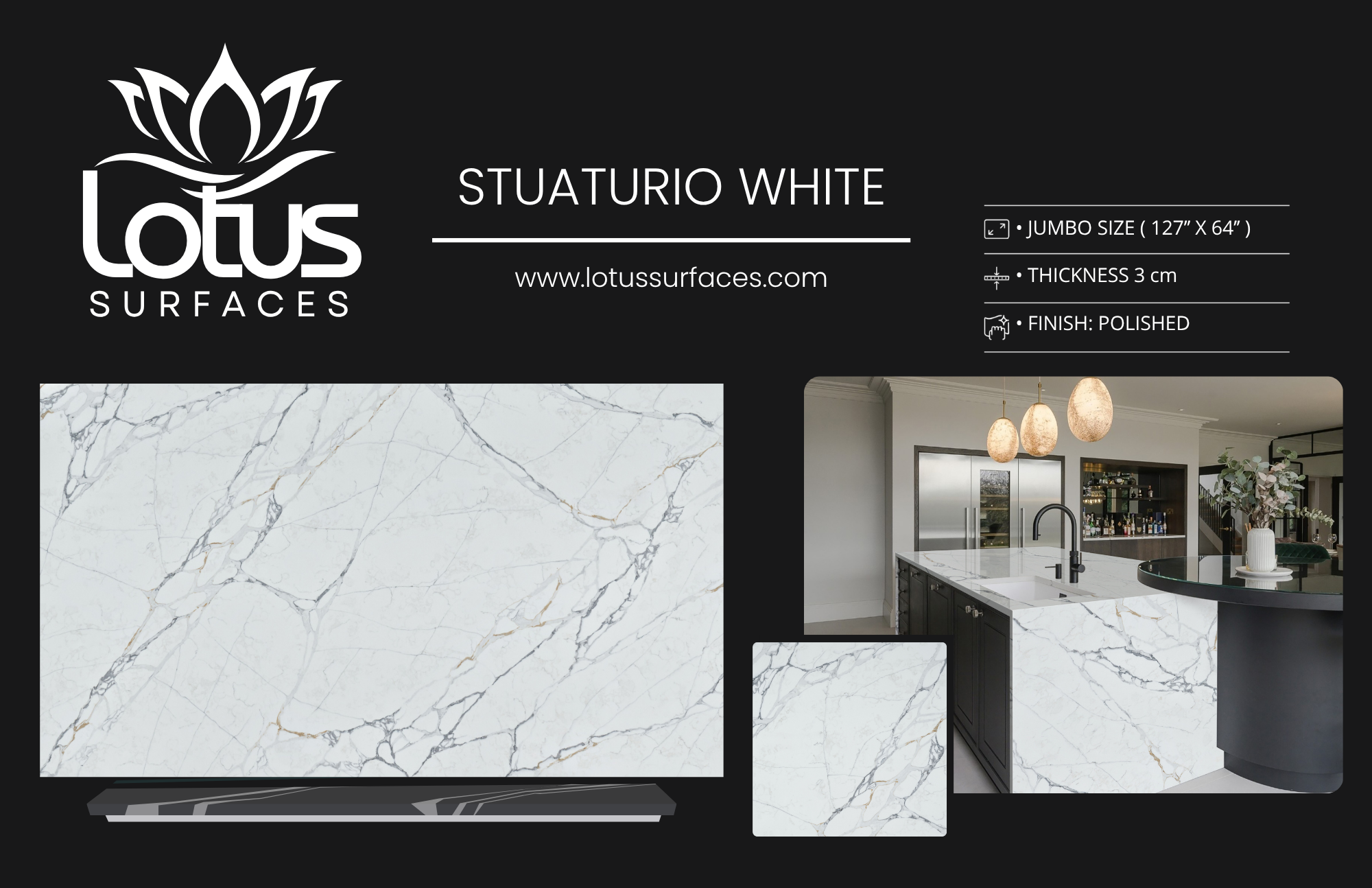
- White and Light Colors: These colors reflect up to 90% of light, making them ideal for small kitchens or those with limited natural light.
- Medium Colors: Colors like beige or light gray reflect about 60-70% of light. They offer a balanced approach, providing some warmth while still reflecting a significant amount of light.
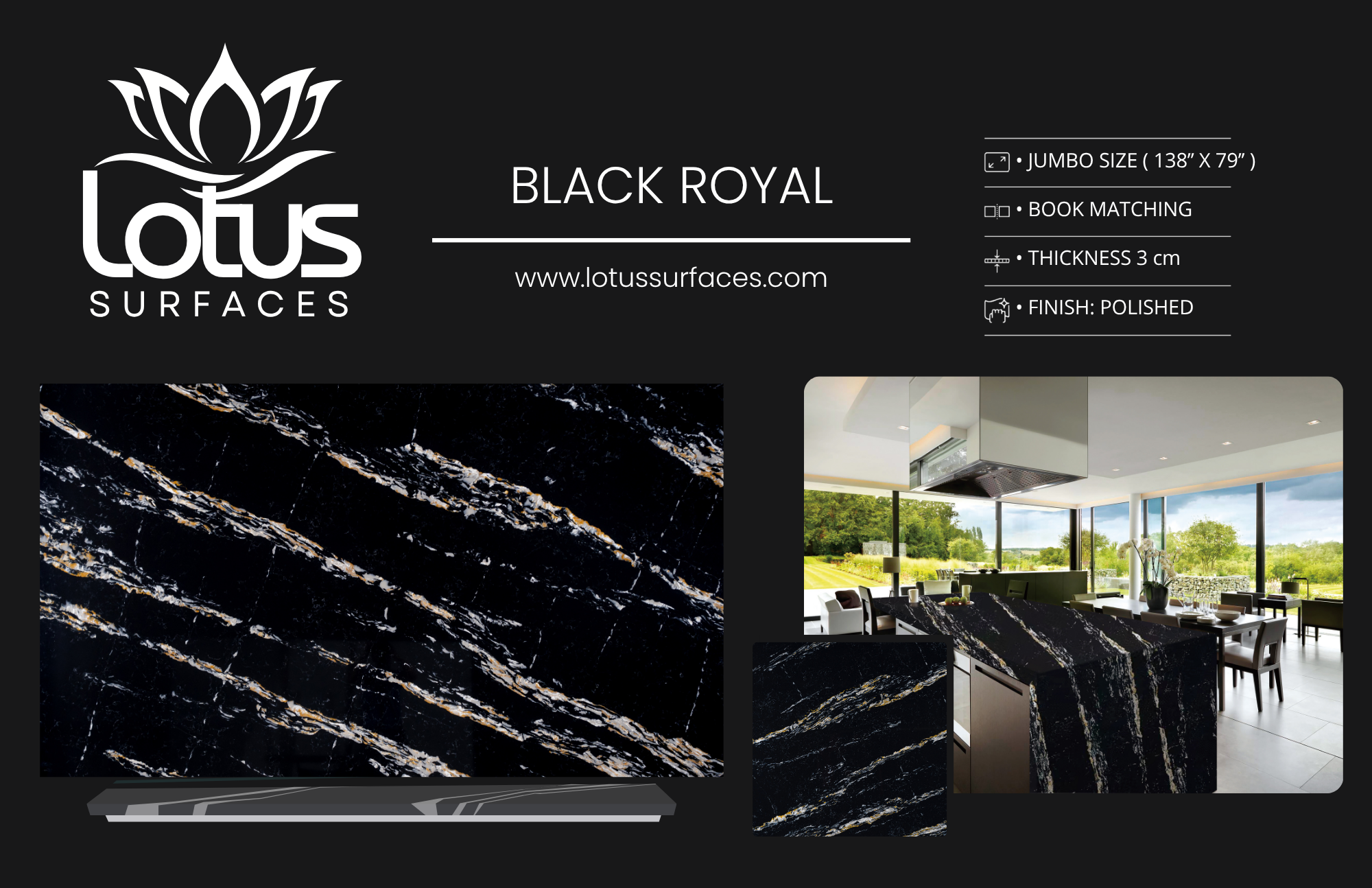
- Dark Colors: Dark hues absorb more light, reflecting only about 10-30%. While they can create a dramatic effect, they may also make a space feel smaller.
When selecting a color for your countertops, consider the overall color scheme of your kitchen. Pairing light countertops with darker cabinetry can create a striking contrast while enhancing light reflection. Additionally, using lighter countertops can help balance darker elements in your kitchen design.
4. Surface Finish and Texture: How They Affect Brightness
Beyond color, the finish and texture of your countertops can significantly influence how light is reflected. Here are the main types of finishes and their effects on light:
- Polished Finish: This finish is highly reflective and can create a mirror-like effect. It’s ideal for maximizing brightness but may show fingerprints and smudges more easily.
- Honed Finish: With a matte appearance, honed finishes diffuse light rather than reflect it. While they provide a softer look, they may not enhance brightness as effectively as polished surfaces.
- Textured Finish: Textured surfaces can add visual interest but typically absorb more light than smooth finishes. They can be used strategically in design to create contrast but may not be the best choice for brightness.
Choosing the right finish can enhance the aesthetic and functional qualities of your countertops. If you’re unsure which finish works best for your kitchen, consult with a professional at your local countertop fabricator for personalized guidance.
5. Expert Tips for Choosing the Right Countertop
Selecting the right countertop involves more than just choosing a pretty surface. Here are some expert tips to help guide your decision-making process:
- Assess Your Lighting: Evaluate the natural light in your kitchen. If your space lacks natural light, consider lighter-colored, high-reflectivity countertops.
- Consider Your Overall Design: Ensure your countertop choice complements your cabinetry, flooring, and overall kitchen theme. A cohesive design enhances both beauty and functionality.
- Think About Maintenance: Some materials require more upkeep than others. If you lead a busy lifestyle, opt for low-maintenance options like quartz or porcelain.
- Consult Professionals: Work with experienced fabricators and designers who understand local trends and can provide tailored advice. At Lotus Surfaces, our team is here to help you select the perfect countertop for your needs.
- Get Samples: Always request samples of your top choices. Seeing how they look in your kitchen’s lighting can help you make a more informed decision.
6. Conclusion
Choosing the right countertop is a crucial decision that impacts your kitchen’s light reflection and brightness. Lighter colors, polished finishes, and high-reflectivity materials like quartz and porcelain can enhance the ambiance of your space, making it feel larger and more inviting. In contrast, darker colors and matte finishes may absorb light, creating a cozier atmosphere. By considering these factors and consulting with professionals, you can create a kitchen that not only looks beautiful but also functions well for your lifestyle. If you’re ready to start your countertop selection journey, contact us at Lotus Surfaces for expert guidance and premium options tailored to your needs.
7. Frequently Asked Questions
What type of countertop reflects the most light?
Quartz and polished granite countertops typically reflect the most light due to their smooth surfaces and lighter colors.
How does countertop color affect my kitchen’s brightness?
Lighter colors reflect more light, making your kitchen feel brighter, while darker colors absorb light and can make the space feel smaller.
Is a polished or honed finish better for light reflection?
A polished finish is better for light reflection as it creates a mirror-like surface, while honed finishes diffuse light.
What countertop materials are best for small kitchens?
Light-colored quartz or porcelain countertops are excellent choices for small kitchens as they enhance brightness and create an illusion of space.
Can I change the finish of my existing countertops?
Yes, existing countertops can often be refinished or resurfaced to change their finish, but it’s best to consult a professional.
How do I maintain the brightness of my countertops?
Regular cleaning and sealing (for porous materials) can help maintain the brightness and appearance of your countertops.
Are darker countertops suitable for a bright kitchen?
Yes, darker countertops can work well in a bright kitchen, especially when paired with light cabinetry and ample natural light.
What are the most popular countertop materials in Atlanta?
Quartz, granite, and porcelain are among the most popular countertop materials in Atlanta due to their durability and aesthetic appeal.
