
The Complete Guide to Countertop Transitions Between Kitchen and Adjacent Rooms
When planning a kitchen renovation, one of the most crucial aspects to consider is the transition of countertops between the kitchen and adjacent rooms. This guide will delve into the best practices, materials, and design considerations for creating seamless transitions that enhance both functionality and aesthetic appeal. Whether you’re a homeowner in Norcross, GA, or anywhere in the Greater Atlanta area, understanding how to effectively manage these transitions will elevate your home design and ensure a cohesive look.
Understanding Countertop Transitions
Countertop transitions refer to the points where the kitchen countertops meet those in adjacent spaces such as dining areas, living rooms, or even hallways. These transitions play a vital role in creating a unified look throughout your home. They can also impact the functionality of your kitchen and surrounding spaces. Understanding the types of transitions available and how they can be effectively utilized is essential for homeowners looking to enhance their interior design.
Countertop transitions can be categorized into two main types: vertical transitions and horizontal transitions. Vertical transitions occur when the height of the countertop changes, such as when moving from a kitchen countertop to a bathroom vanity top. Horizontal transitions occur when the material or style of the countertop changes.
Materials for Countertop Transitions
The choice of materials for countertop transitions is critical. Homeowners in the Greater Atlanta metro area have a variety of options, including:
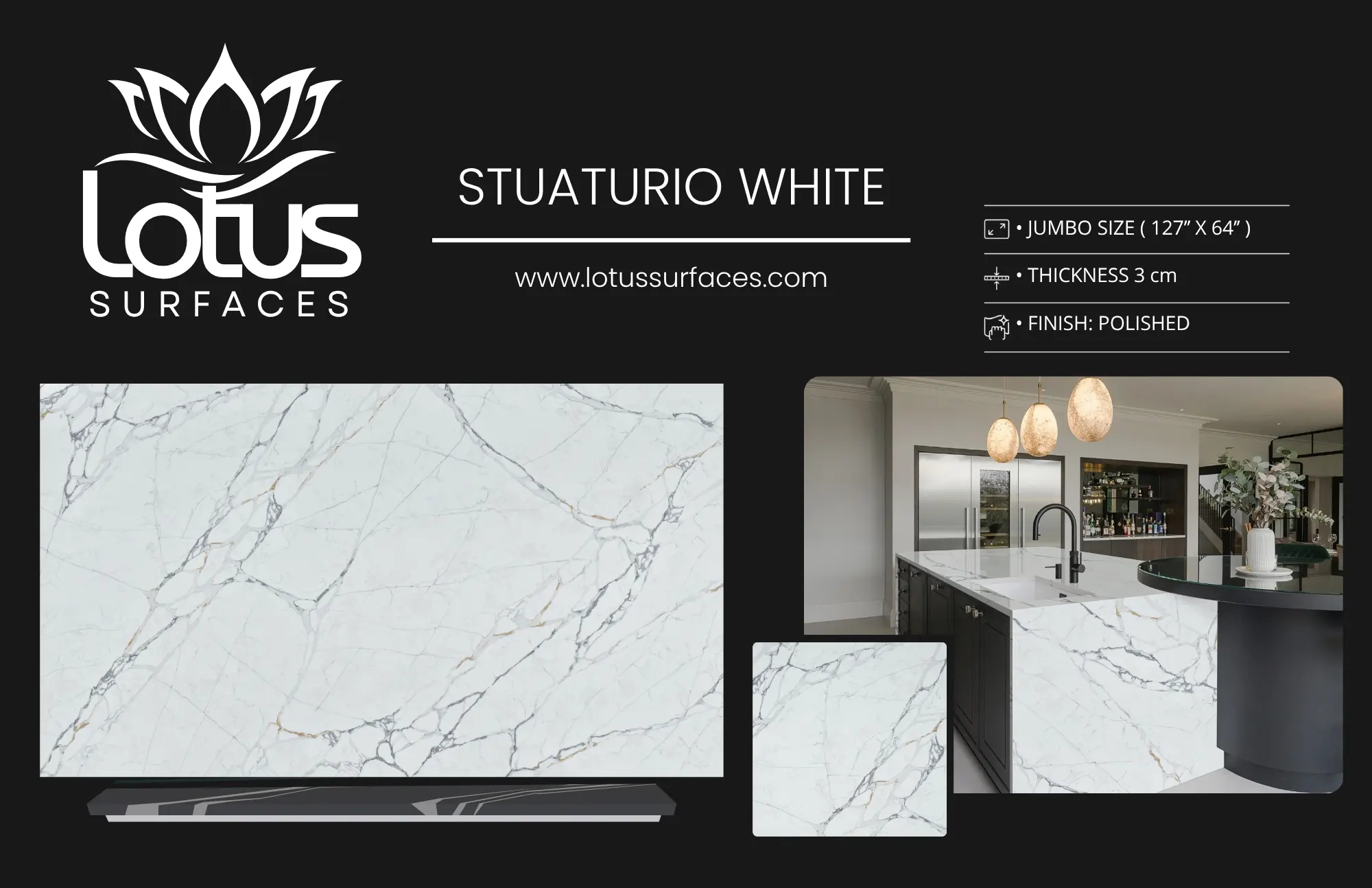
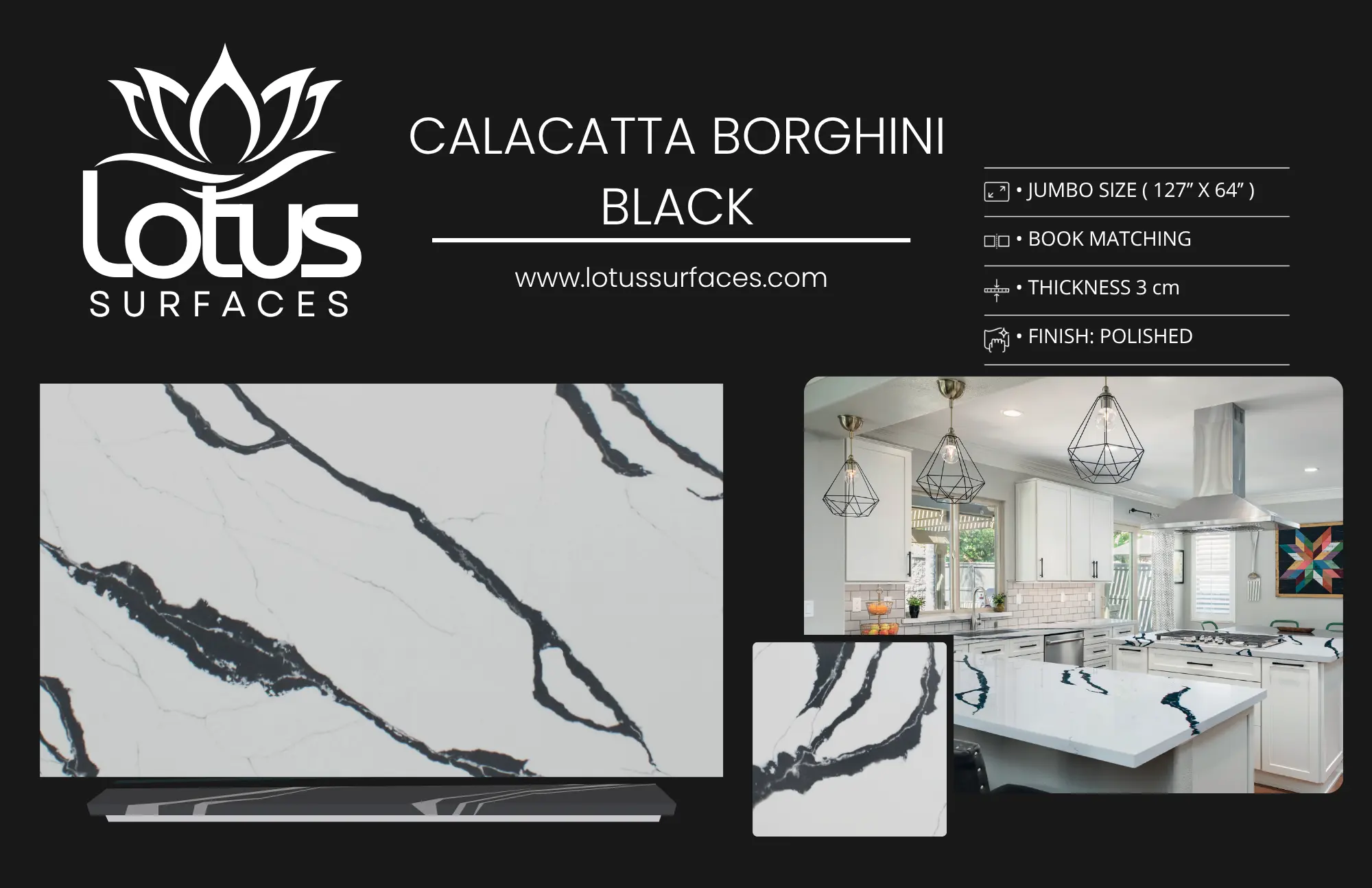
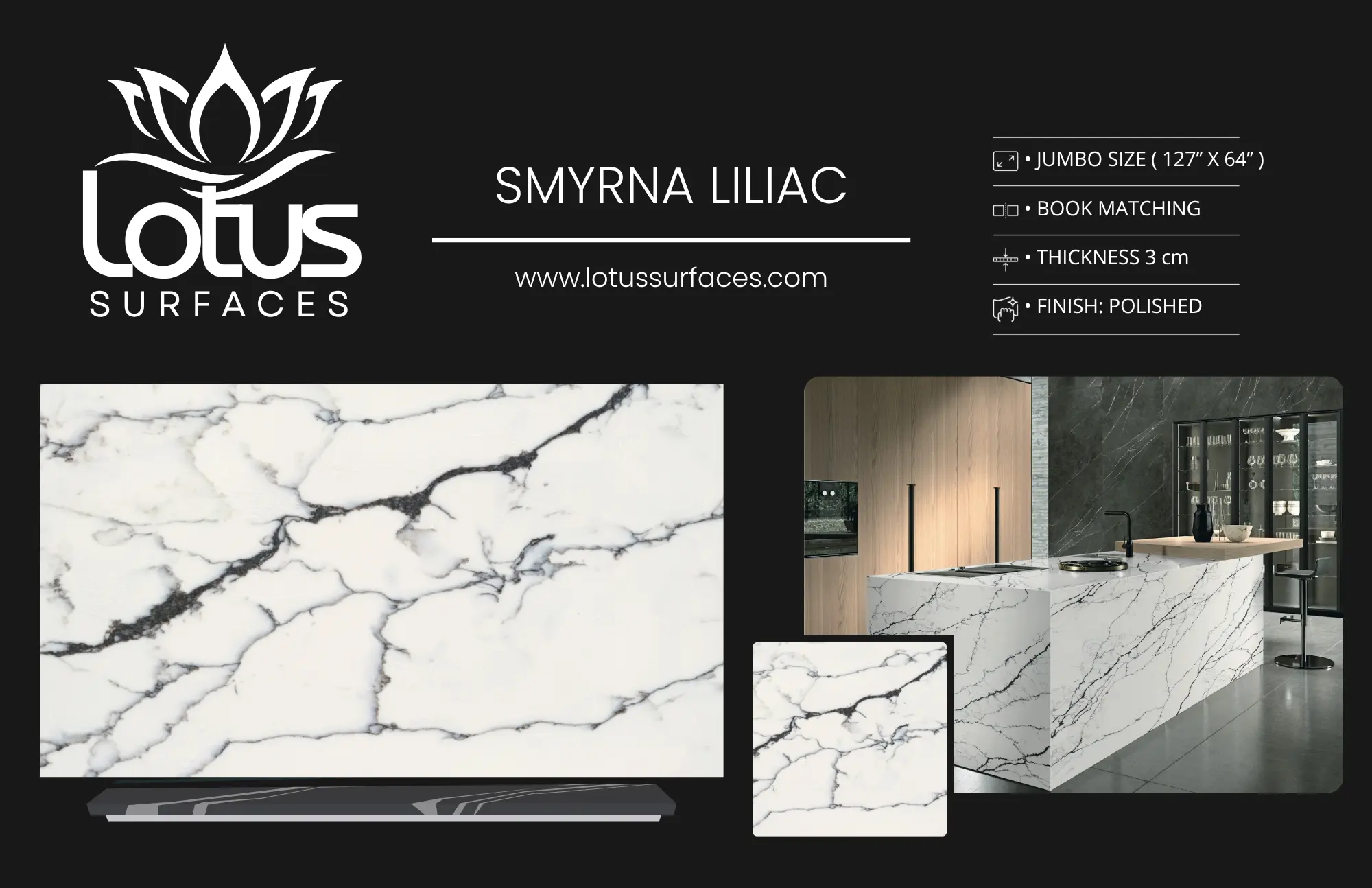
- Quartz: Known for its durability and low maintenance, quartz countertops can create a seamless transition between rooms. Their wide range of colors and patterns allows for customization.
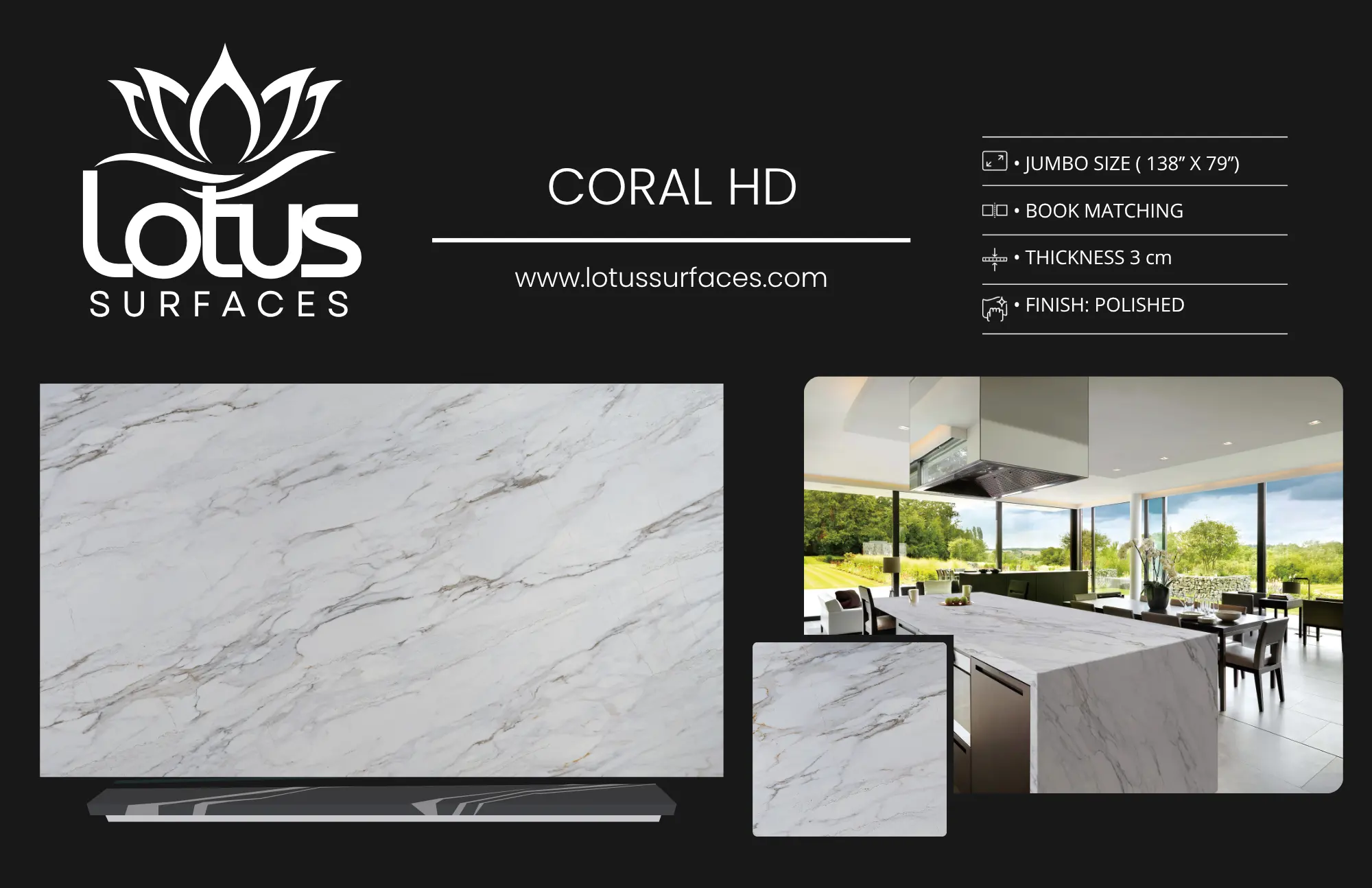
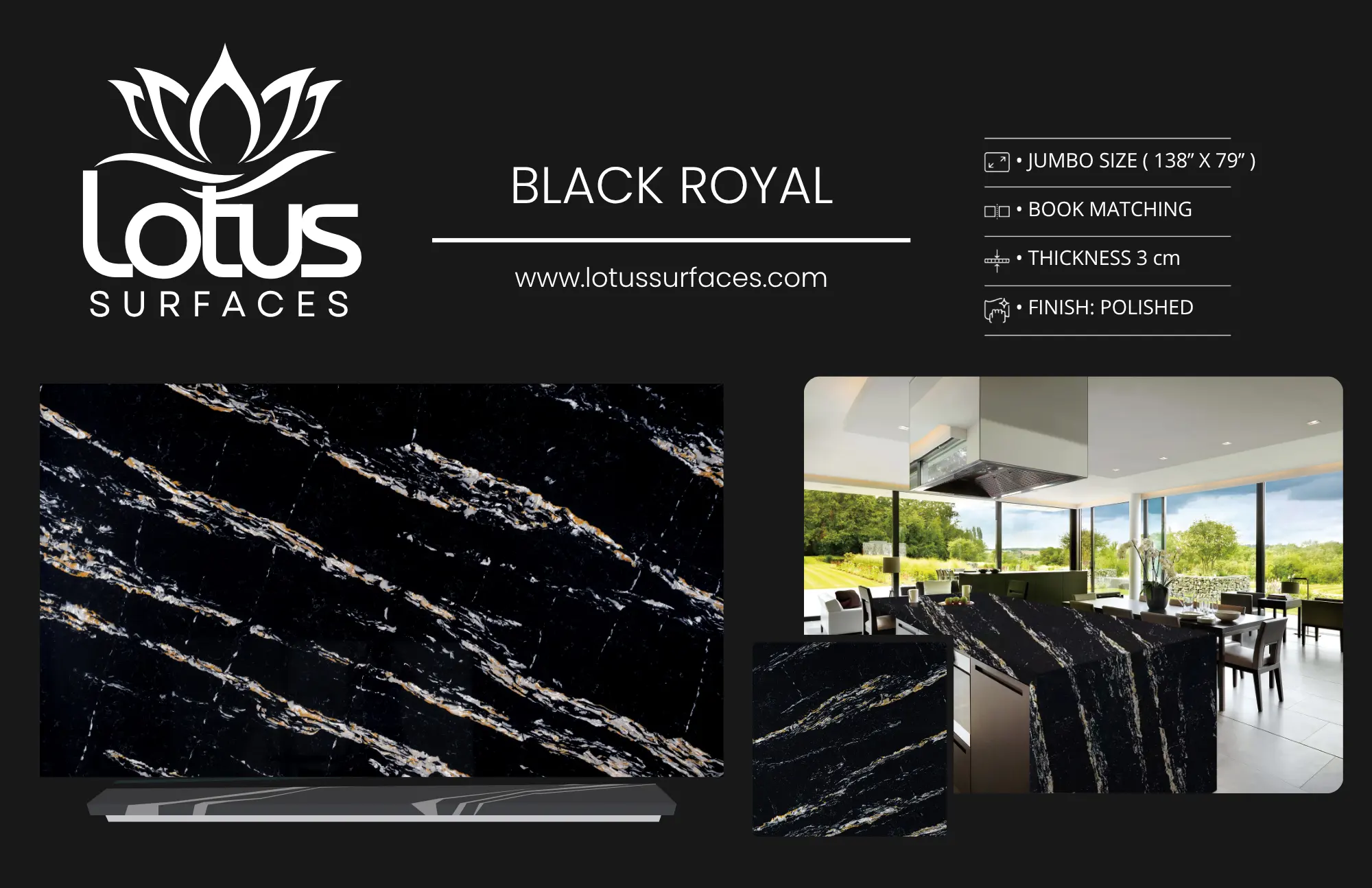
- Granite: A popular choice for its natural beauty and resilience, granite can provide a striking contrast or a harmonious blend between different areas.
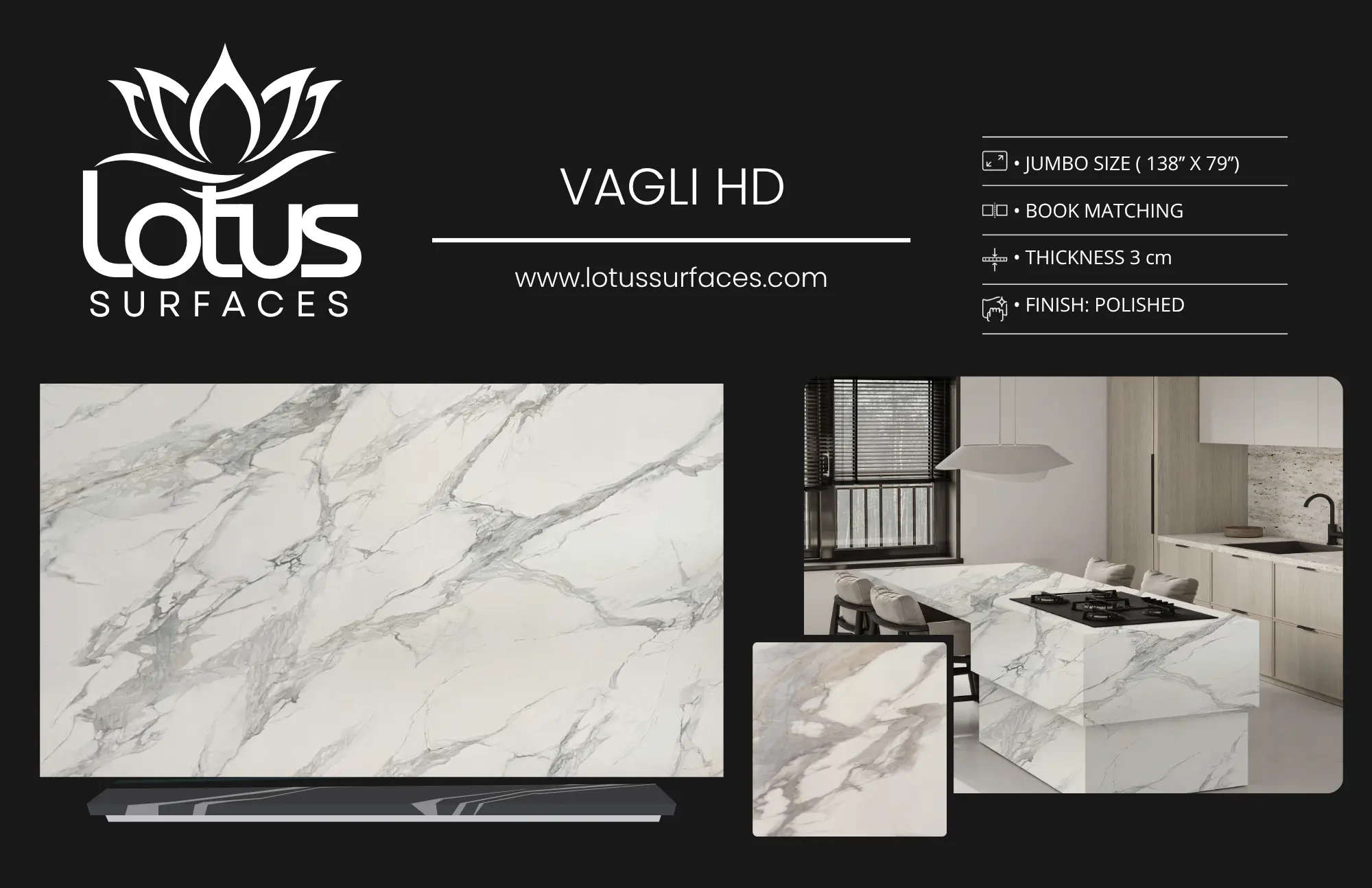
- Porcelain: Porcelain slabs are increasingly being used for their strength and resistance to stains and scratches. They are perfect for creating modern transitions.
- Wood: Wooden countertops can offer a warm, inviting transition when moving from the kitchen to a dining area. However, they require more maintenance.
When selecting materials, consider how they will complement the overall design of your home and the specific needs of each space. For instance, if you have children or pets, durable materials like quartz or porcelain might be preferable.
Design Considerations
Designing a successful countertop transition involves more than just choosing materials. Here are several factors to consider:
- Color Coordination: Ensure that the colors of your countertops flow well from one room to the next. A cohesive palette can enhance the overall aesthetic.
- Texture Variation: Mixing textures can add visual interest. For example, pairing a polished granite countertop in the kitchen with a matte porcelain surface in the adjacent dining area can create a dynamic look.
- Height Differences: If there’s a significant height difference between countertops in adjacent rooms, consider using a gradual slope or a decorative transition strip to ease the change.
- Functionality: Think about how the transition will be used. For instance, if you frequently entertain, ensuring a smooth transition that accommodates foot traffic is essential.
Best Practices for Countertop Transitions
To achieve the best results in your countertop transitions, follow these best practices:
- Plan Ahead: Before starting your renovation, create a detailed plan that includes measurements, materials, and design elements. This will help you visualize the finished product and avoid costly mistakes.
- Consult with Professionals: Engage with experienced countertop fabricators and installers, like those at Lotus Surfaces. Their expertise can guide you in selecting the right materials and ensuring proper installation.
- Test Samples: Before making a final decision, request samples of the materials you’re considering. This will allow you to see how they look in your space and under different lighting conditions.
- Consider Maintenance: Different materials require different levels of care. Be sure to choose options that fit your lifestyle and maintenance preferences.
Expert Tips for Homeowners
Here are additional expert tips:
- Incorporate Lighting: Use lighting to highlight your transitions. Under-cabinet lighting in the kitchen can create a stunning effect that draws attention to the countertop.
- Use Backsplashes Wisely: Consider how your backsplash will interact with the countertop transitions. A full-height backsplash can create a seamless look in kitchens.
- Think About Flow: The transition should complement the flow of your home. Open-concept designs benefit from smooth transitions that guide the eye through the space.
Frequently Asked Questions
What are the best materials for countertop transitions?
Some of the best materials include quartz, granite, porcelain, and wood. The choice depends on the overall design and functionality required.
How do I choose the right color for my countertop transition?
Consider the color palette of your home and choose a color that complements both the kitchen and adjacent rooms.
Can I mix different countertop materials?
Yes, mixing different materials can create visual interest but should be done thoughtfully to ensure a cohesive look.
What is the best way to maintain countertop transitions?
Regular cleaning and appropriate sealing (if required) will help maintain the beauty and longevity of your countertop transitions.
How do I ensure a seamless transition between different countertop heights?
Use decorative transition strips or design a gradual slope to ease the height difference.
Is it necessary to have a professional install my countertops?
While DIY is possible, hiring a professional ensures precision and can help avoid costly mistakes.
What are the benefits of using quartz for countertop transitions?
Quartz is durable, low maintenance, and available in a wide range of colors and patterns, making it an excellent choice for transitions.
How can I incorporate lighting into my countertop transitions?
Use under-cabinet lighting or accent lighting to highlight the transitions and create a warm ambiance.
Conclusion
Creating beautiful and functional transitions between kitchen countertops and adjacent rooms is essential for any home renovation. By understanding the materials, design considerations, and best practices, homeowners in Norcross and the Greater Atlanta area can achieve stunning results. Remember to consult with professionals like Lotus Surfaces to ensure that your vision becomes a reality.