The 10 Most Asked Questions About Quartz Countertops in Georgia
When planning a kitchen or bathroom renovation, quartz countertops often come to the forefront of homeowners’ minds. Known for their durability and beauty, they are an excellent choice for many Georgia homes. However, with so many options and considerations, it’s natural to have questions. Today, we’re addressing the ten most frequently asked questions about quartz countertops, helping you make informed decisions for your home.
1. What are quartz countertops made of?
Quartz countertops are engineered stones made from about 90-95% crushed natural quartz crystals, combined with resins, polymers, and pigments. This manufacturing process allows for a wide variety of colors and patterns, making quartz a versatile choice for any design vision.
2. Are quartz countertops durable?
Yes, quartz countertops are highly durable. They are non-porous, which means they resist staining and are less likely to harbor bacteria compared to natural stones. Additionally, they are scratch-resistant and can withstand the rigors of daily use in busy kitchens and bathrooms.
3. How do quartz countertops perform in Georgia’s humid climate?
Quartz countertops thrive in Georgia’s humid climate due to their non-porous nature. Unlike natural stones that can absorb moisture, quartz does not require sealing and is less susceptible to mold and mildew, making it an excellent fit for the state’s weather conditions.
4. Can I use quartz countertops outdoors?
While quartz is durable, it is not recommended for outdoor use. The resins in quartz can be sensitive to UV light, leading to discoloration and degradation over time. For outdoor spaces, consider materials specifically designed for exterior use, such as granite or porcelain.
5. How do I maintain quartz countertops?
Maintaining quartz countertops is relatively easy. Regular cleaning with a mild soap and warm water is usually sufficient. Avoid harsh chemicals and abrasive cleaners, as these can damage the surface. For tougher stains, a gentle scrub with a non-abrasive sponge should do the trick. Additionally, it’s best to use cutting boards and trivets to protect your countertops from scratches and heat.
6. Are there any limitations to quartz countertops?
While quartz countertops are incredibly resilient, they are not completely heat-resistant. Placing hot pots and pans directly on the surface can damage the resin, leading to discoloration or cracking. Always use trivets or heat pads to protect your countertops from high temperatures.
7. How does quartz compare to granite?
Both quartz and granite are excellent choices for countertops, but they have distinct differences. Granite is a natural stone, meaning it has unique patterns and variations, while quartz is engineered, offering more consistency in design. Quartz is also non-porous, making it easier to maintain, while granite requires periodic sealing to prevent staining. Ultimately, the choice between quartz and granite depends on your design preferences and lifestyle needs.
8. What colors and patterns are available for quartz countertops?
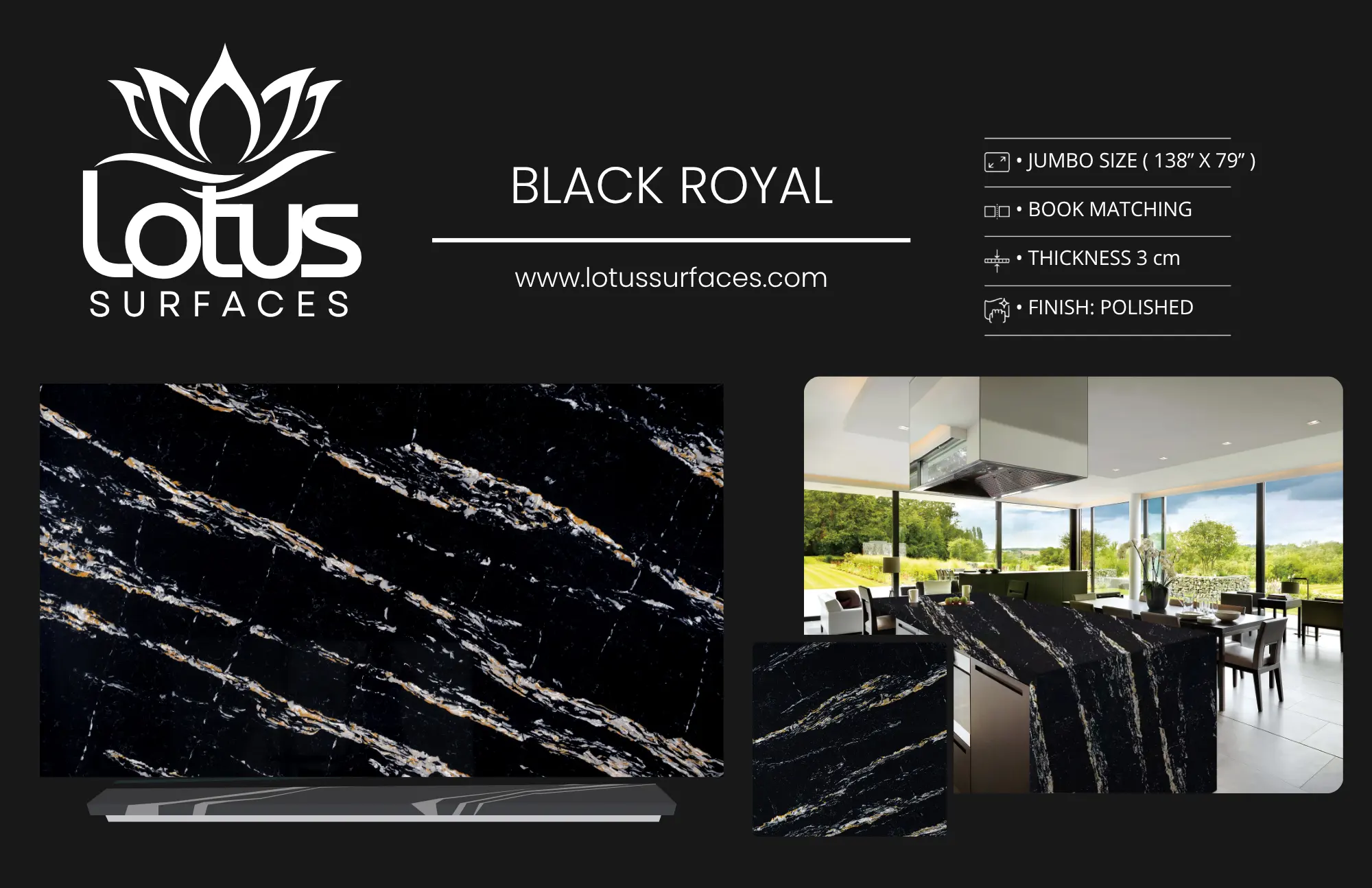
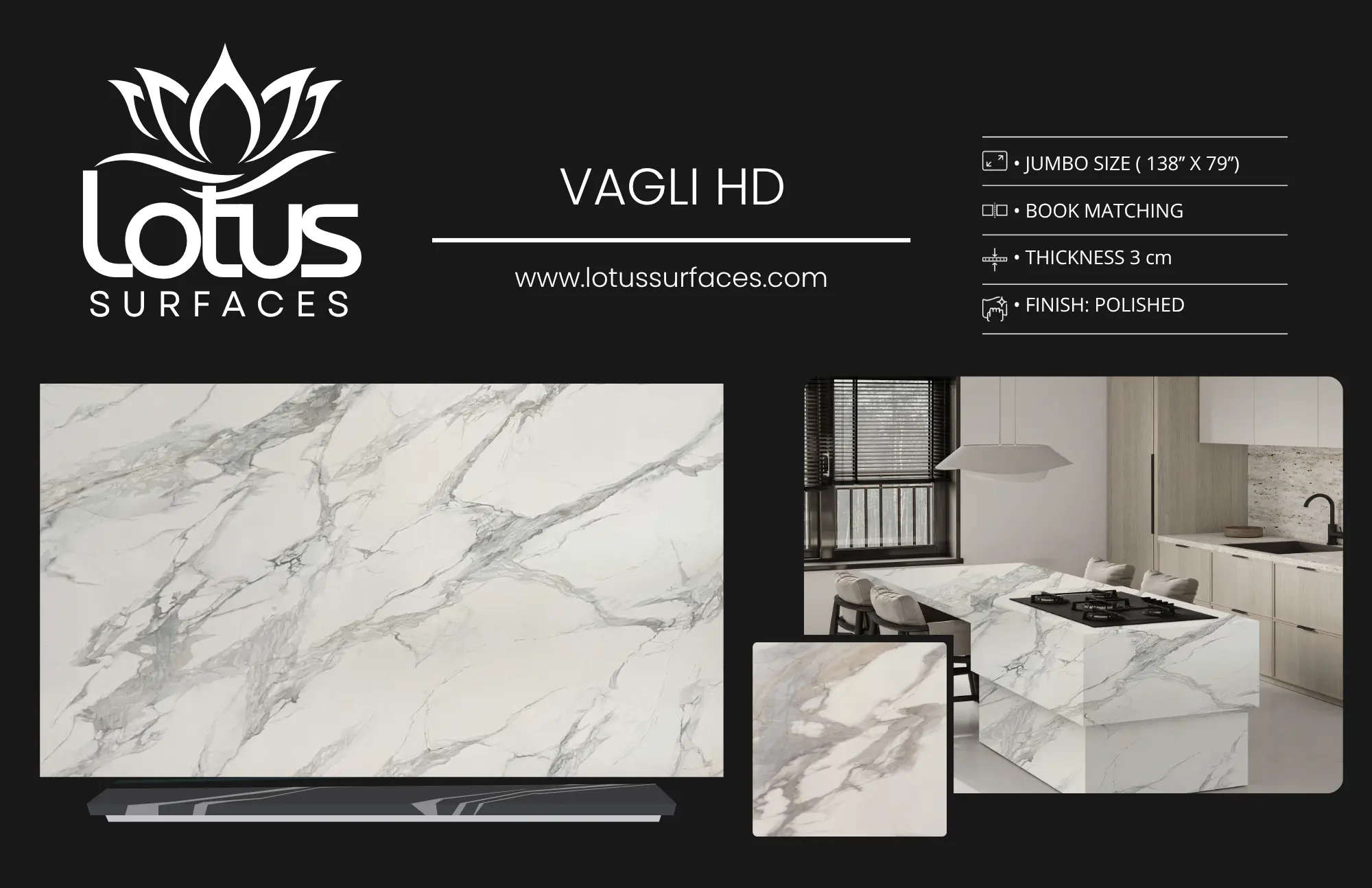
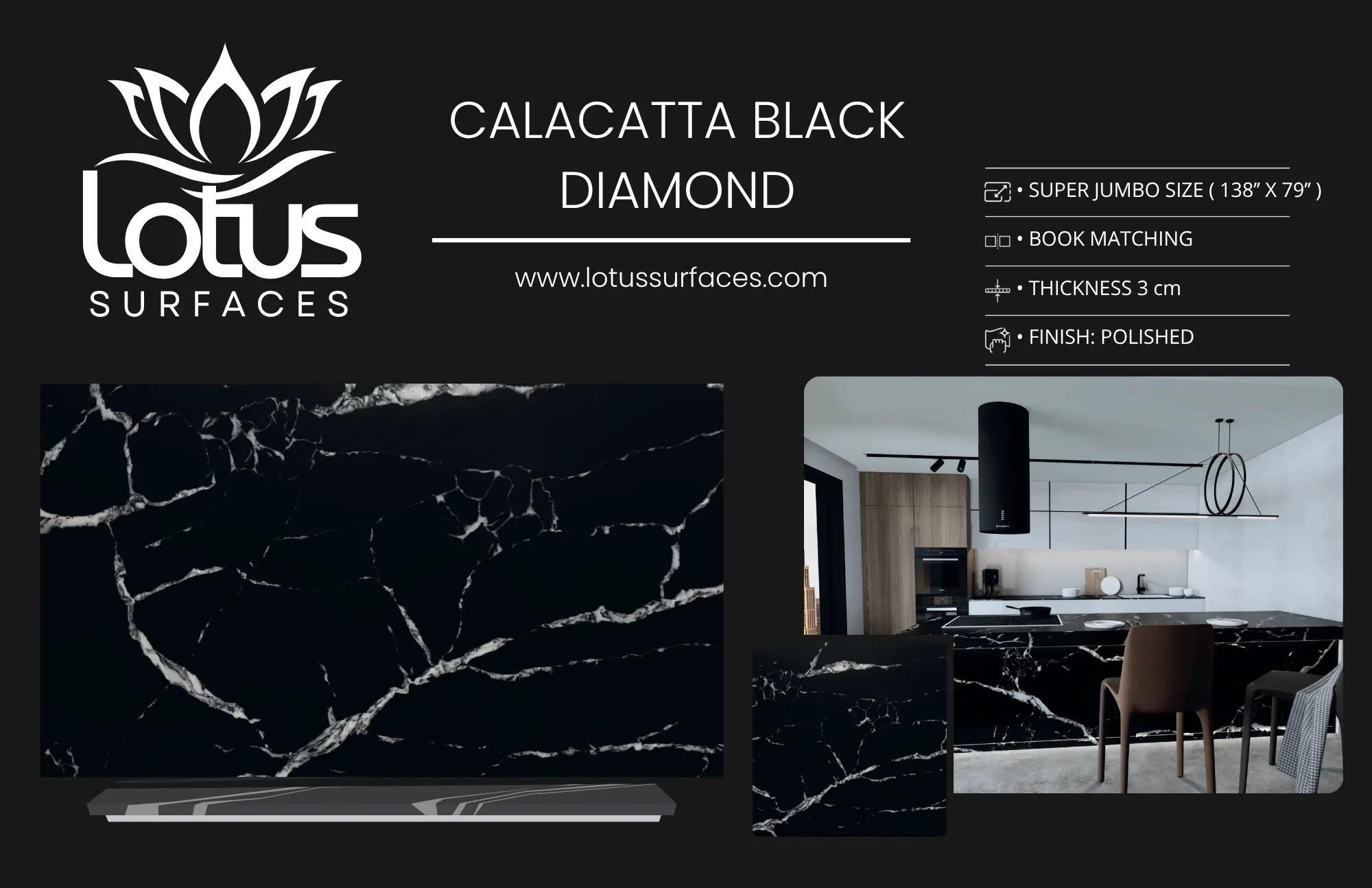
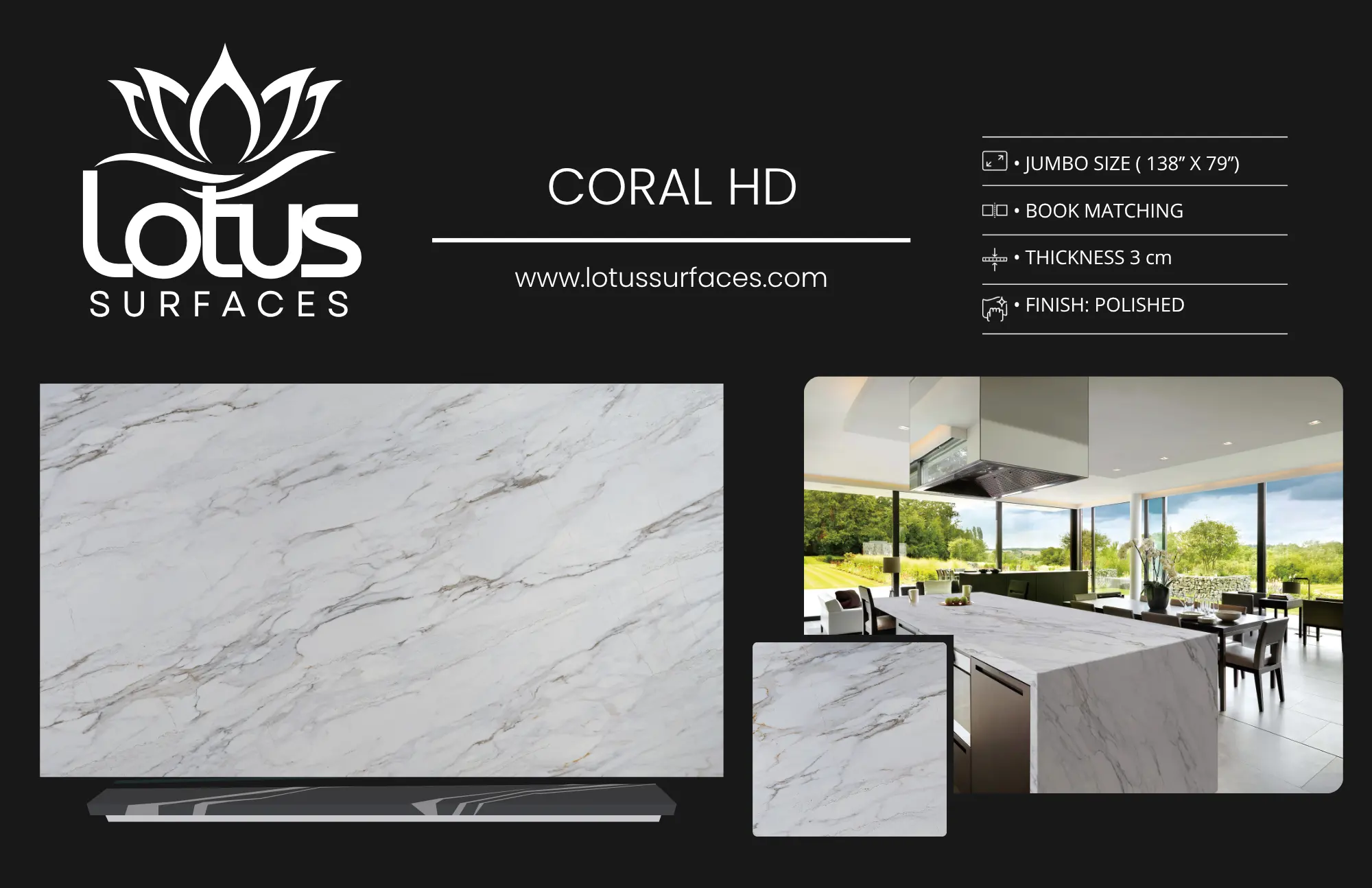
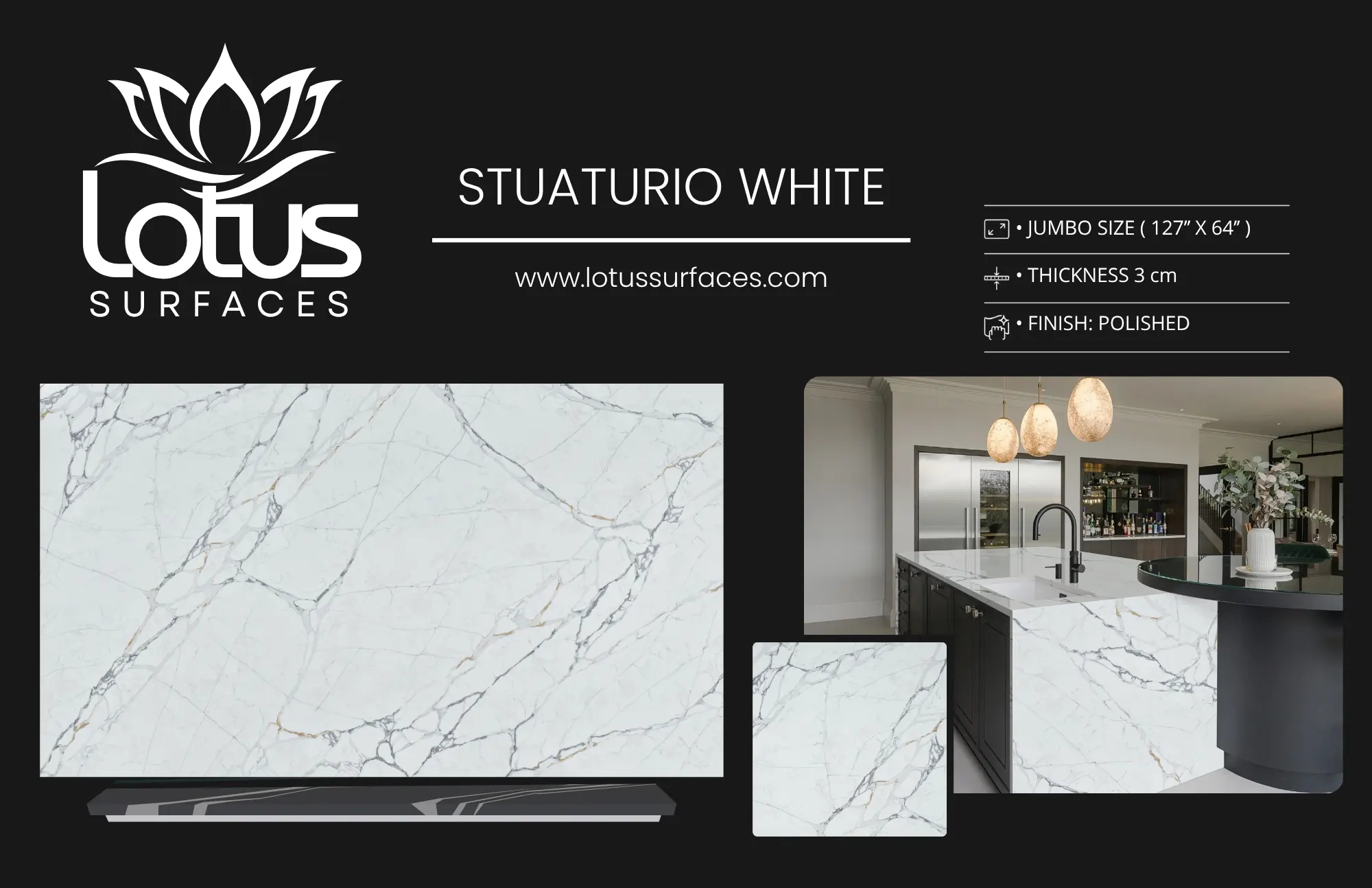
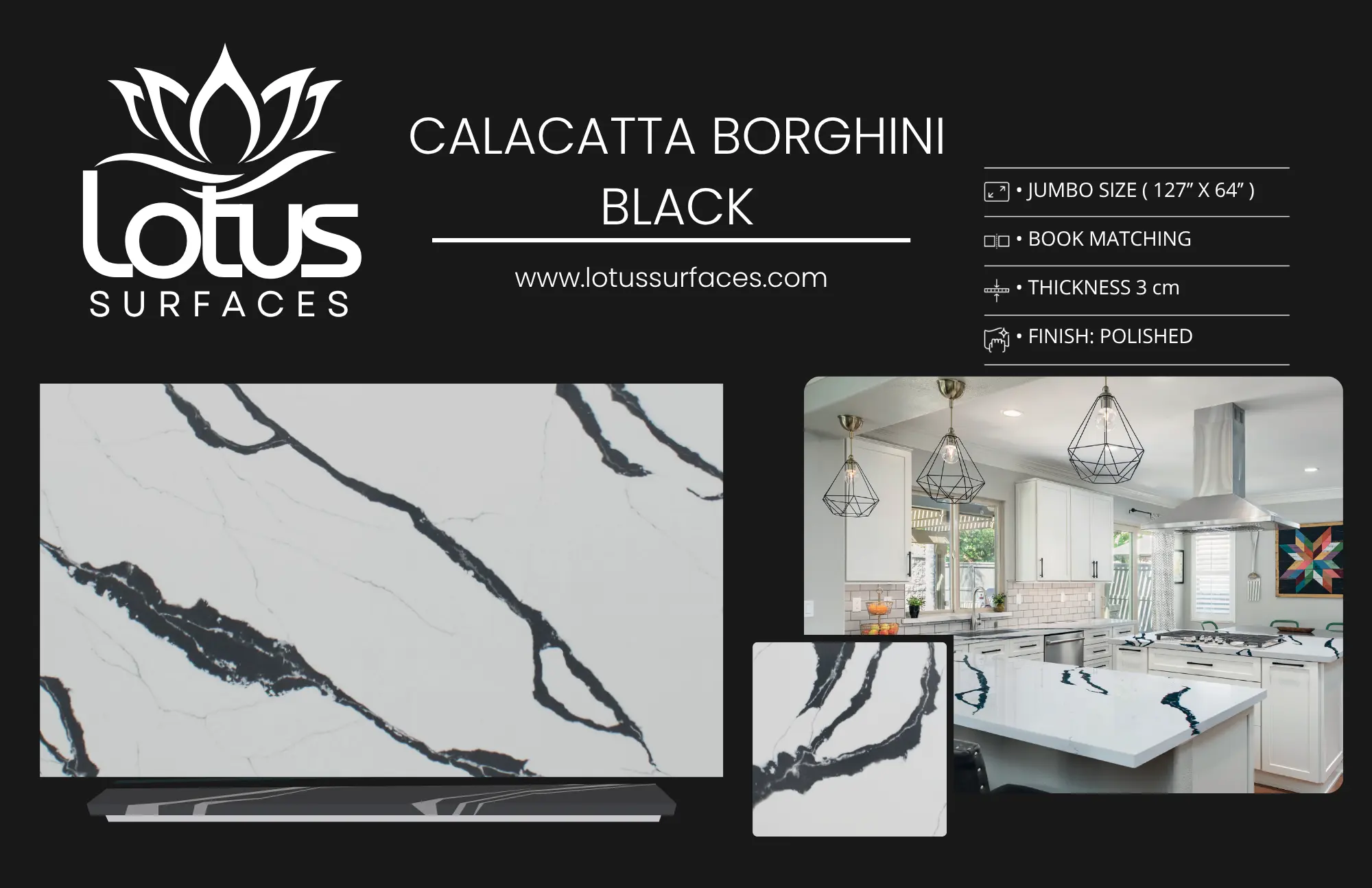
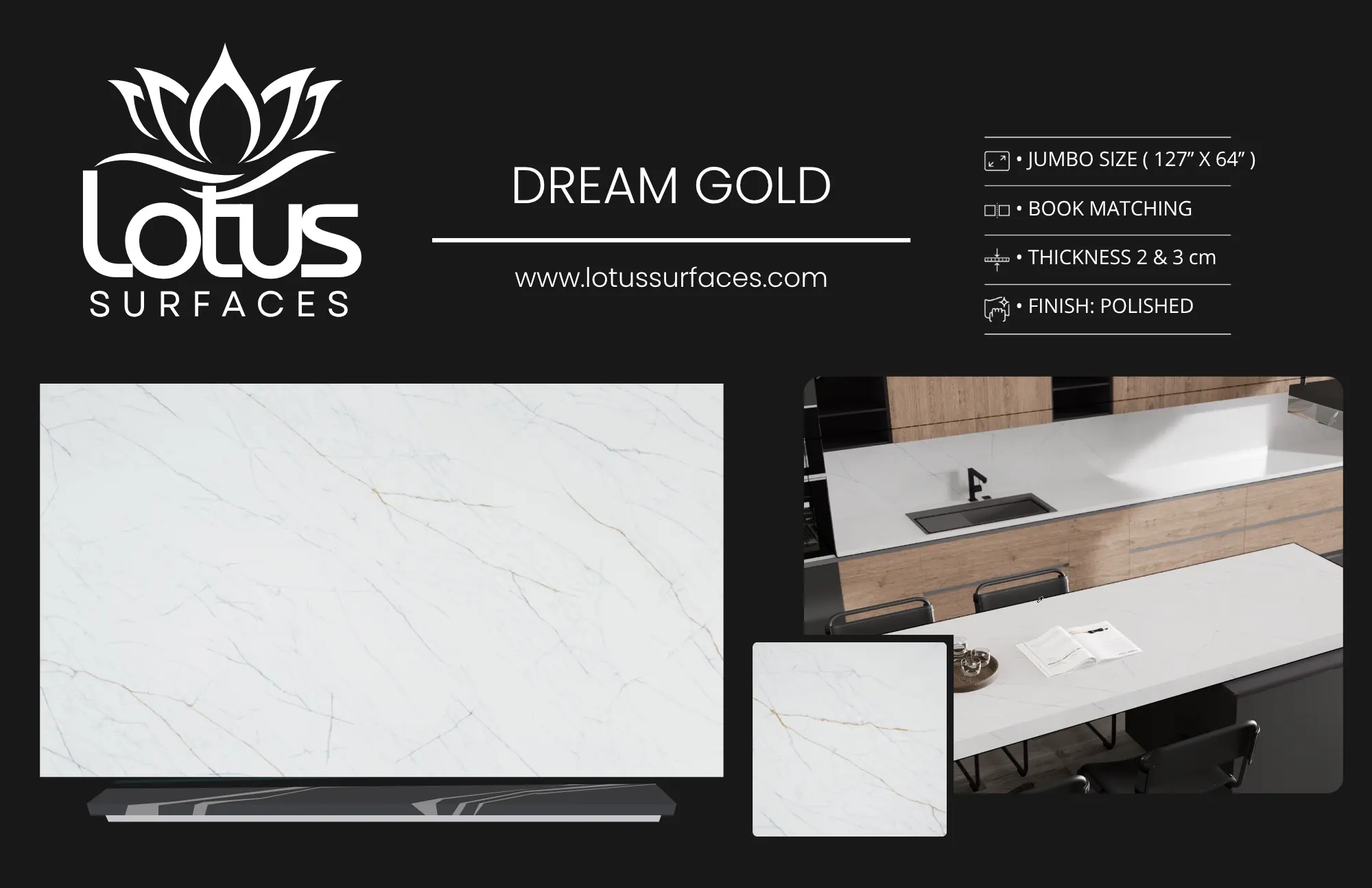
One of the significant advantages of quartz countertops is the vast array of colors and patterns available. From classic whites and grays to bold blues and blacks, quartz can complement any design scheme. You can also find options that mimic the look of natural stone, giving you the best of both worlds.
9. How do I choose a local fabricator for my quartz countertops?
When selecting a local fabricator, look for a company with a solid reputation, like Lotus Surfaces. Consider their experience, portfolio, and customer reviews. Ensure they offer personalized consultations and extensive material options to help you find the perfect quartz for your space. Additionally, working with local fabricators means you can visit their showrooms and see the slabs in person before making a decision.
10. Why should I choose quartz countertops for my renovation?
Choosing quartz countertops for your renovation is an investment in your home. They combine beauty, durability, and low maintenance, making them an ideal choice for busy households. With the wide range of styles available, you can easily find a design that enhances your living space while providing lasting value.
In summary, quartz countertops are a fantastic option for Georgia homeowners looking for a combination of aesthetics and performance. If you have more questions or need personalized guidance, call us at +1 346-833-9076 to schedule your countertop consultation. Visit our Norcross showroom at 1875 Graves Rd to view slabs in person and discover the perfect quartz for your home.
Frequently Asked Questions
-
How do I clean quartz countertops?
Use mild soap and warm water for regular cleaning. Avoid harsh chemicals and abrasive materials.
-
Can I cut on quartz countertops?
While quartz is scratch-resistant, it’s best to use cutting boards to protect the surface.
-
Do quartz countertops need sealing?
No, quartz countertops are non-porous and do not require sealing.
-
What is the lifespan of quartz countertops?
With proper care, quartz countertops can last a lifetime.
-
Can quartz countertops be repaired?
Minor scratches can often be polished out, but significant damage may require professional repair.
-
Are quartz countertops environmentally friendly?
Quartz countertops are made from natural materials and can often be recycled, making them an eco-friendly choice.
-
How are quartz countertops installed?
Installation involves precise measurements, cutting, and professional fitting by experienced fabricators.
-
What is the cost of quartz countertops?
Costs vary based on material selection, design, and installation. Contact us for a personalized consultation.