
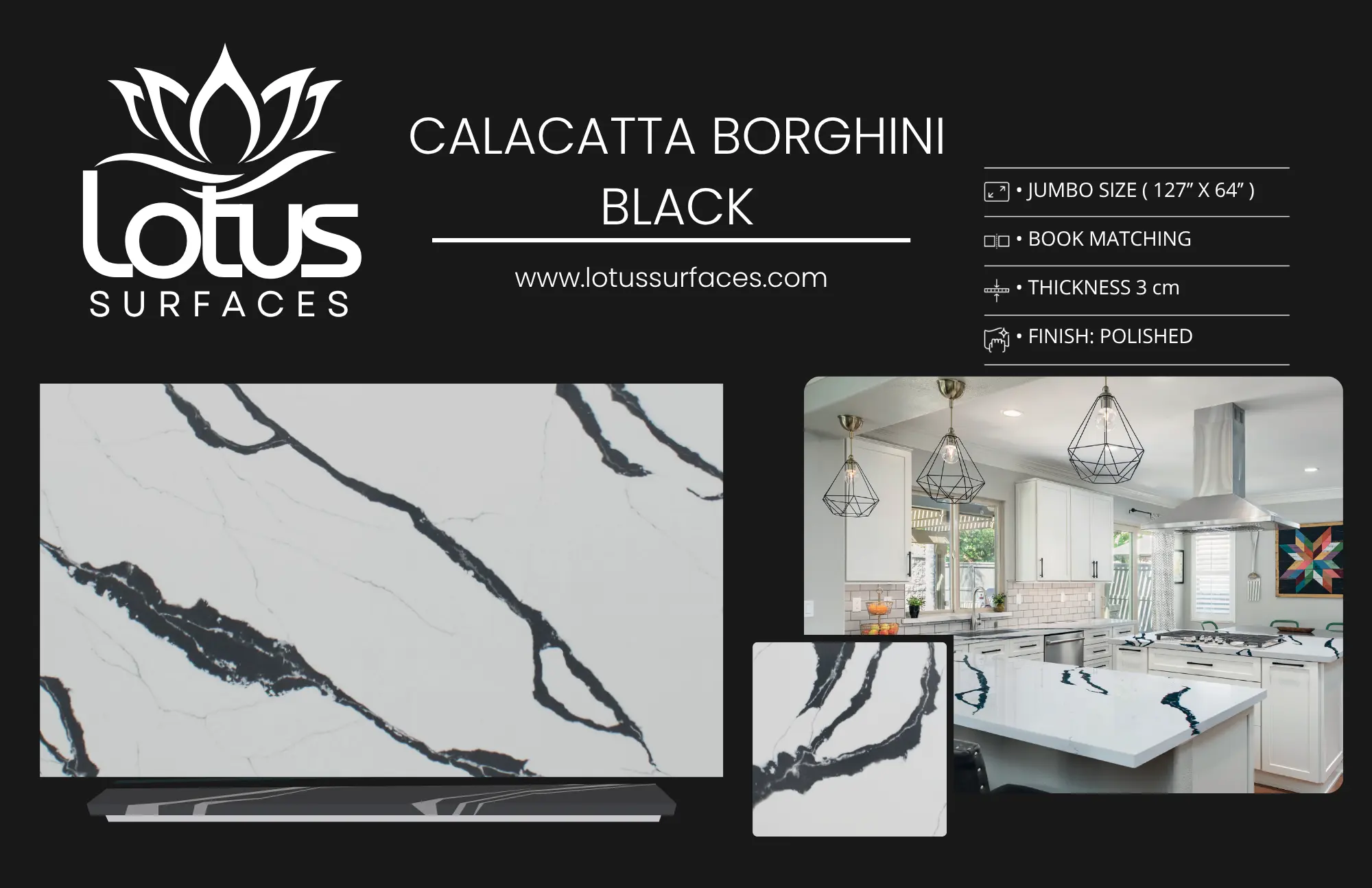

The Complete Guide to Porcelain Slab Thickness and Application Options
When it comes to selecting the perfect surface for your home, understanding the nuances of porcelain slab thickness and its diverse application options is essential. At Lotus Surfaces, we pride ourselves on providing a comprehensive range of premium materials that redefine beauty, strength, and functionality. In this guide, we’ll delve deep into everything you need to know about porcelain slabs, including thickness variations, applications, and installation tips to ensure that your decision is well-informed and tailored to your specific needs.
What is Porcelain Slab?
Porcelain slabs are large-format tiles made from a mixture of natural clay, feldspar, and other raw materials. They undergo a high-temperature firing process, which results in a dense and durable product that is resistant to moisture, stains, and scratches. This makes porcelain slabs an excellent choice for both residential and commercial applications.
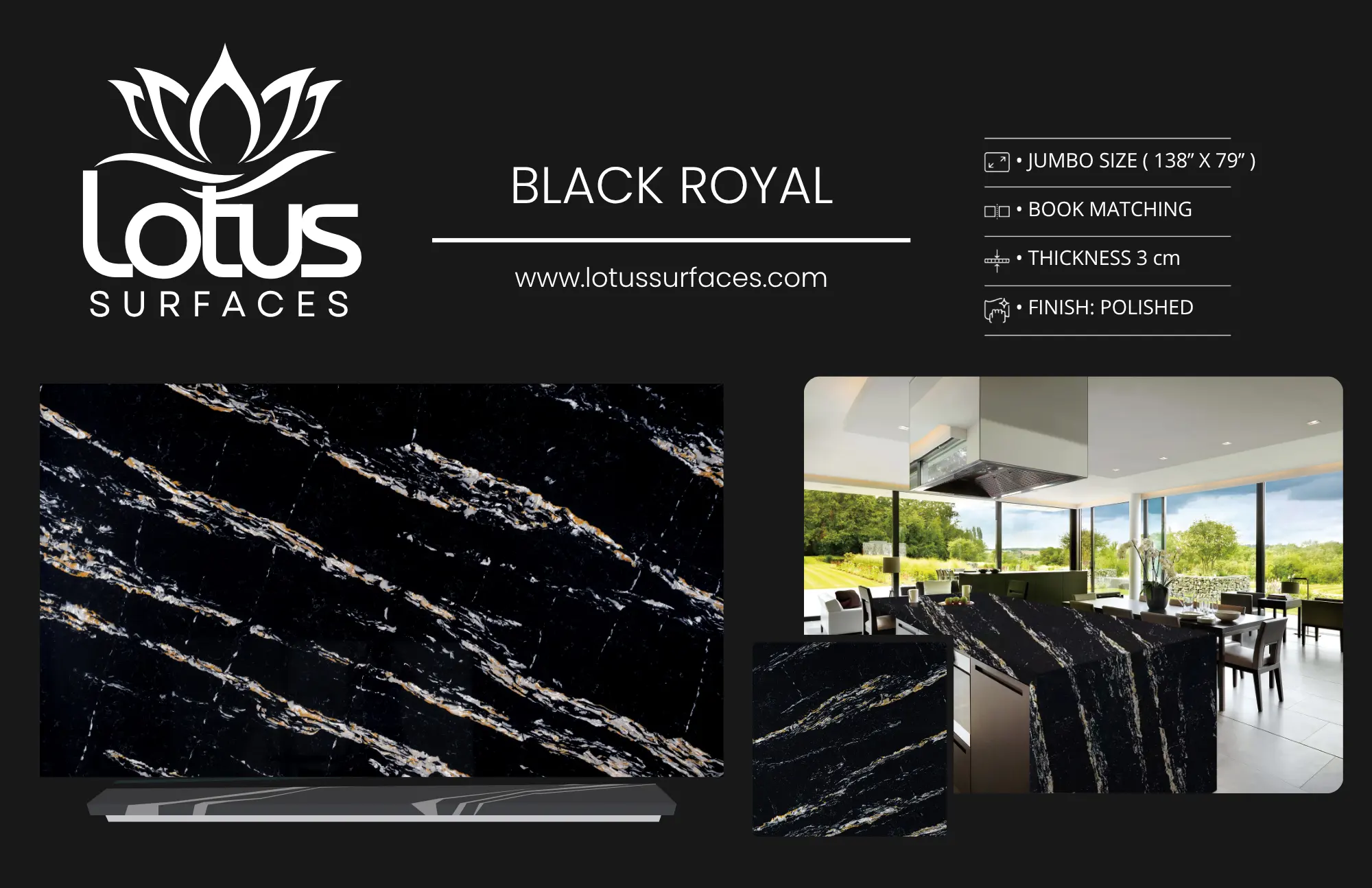
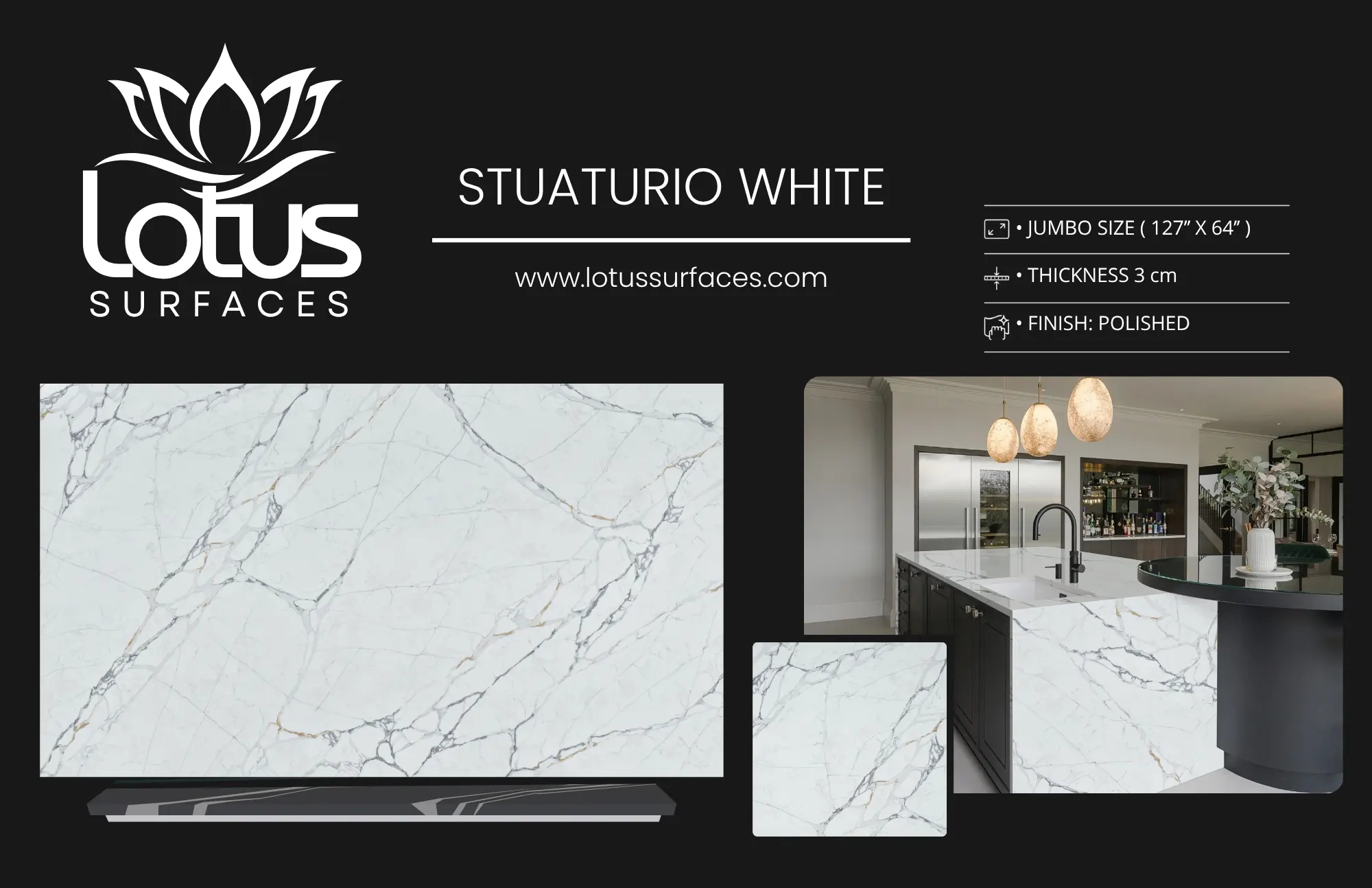
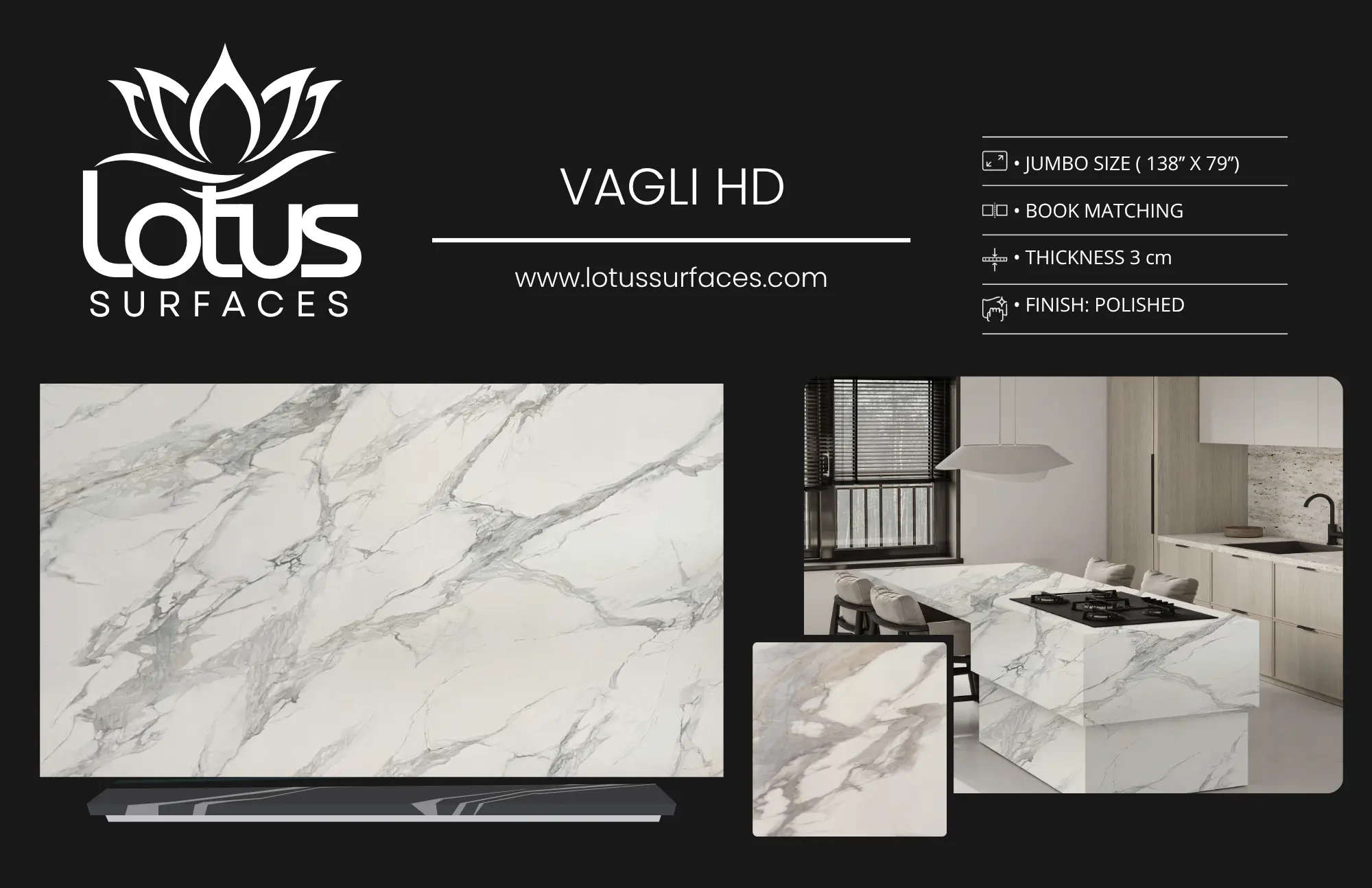
The versatility of porcelain slabs allows them to mimic the appearance of natural stones like marble and granite, providing homeowners with elegant designs without the maintenance challenges associated with these materials. With the increasing popularity of porcelain slabs, many homeowners in the Greater Atlanta area are turning to this option for their kitchen and bathroom renovations.
Porcelain Slab Thickness Explained
Porcelain slabs come in various thicknesses, typically ranging from 6mm to 20mm. The thickness you choose will depend on the intended application and the overall aesthetic you wish to achieve. Here’s a breakdown of the common thickness options:
| Thickness (mm) | Common Applications | Benefits |
|---|---|---|
| 6mm | Wall cladding, countertops | Lightweight, easy to handle, cost-effective |
| 12mm | Countertops, flooring | Durable, versatile, good balance of weight and strength |
| 20mm | Heavy-duty applications, outdoor use | Exceptional strength, impact resistance, ideal for high-traffic areas |
For kitchen countertops, a thickness of 12mm or 20mm is often recommended due to the durability required for daily use. Porcelain slabs with a thickness of 20mm also offer the added benefit of being suitable for outdoor kitchens, making them a favorite among homeowners looking to enhance their outdoor living spaces.
Application Options for Porcelain Slabs
Porcelain slabs can be used in a variety of applications, each taking advantage of their unique properties:
1. Kitchen Countertops
Porcelain slabs make for stunning kitchen countertops due to their resistance to heat, stains, and scratches. With a wide range of colors and patterns available, homeowners can achieve the desired aesthetic while ensuring long-lasting functionality. The smooth surface of porcelain is also easy to clean, making it a practical choice for busy kitchens.
2. Bathroom Vanities
In bathroom renovations, porcelain slabs provide an elegant and durable surface for vanity tops. The water-resistant properties of porcelain slabs help prevent mold and mildew growth, ensuring a hygienic environment. For a cohesive look, you can also use porcelain slabs for full-height backsplashes, creating a seamless design.
3. Wall Cladding
Porcelain slabs are an excellent choice for wall cladding, whether in kitchens, bathrooms, or living spaces. Their lightweight nature allows for easy installation, and their variety of designs can enhance the aesthetic appeal of any room.
4. Flooring
Porcelain slabs can also be used for flooring, providing a durable surface that can withstand heavy foot traffic. The non-porous nature of porcelain makes it resistant to stains and moisture, making it ideal for both residential and commercial settings.
5. Outdoor Applications
With the increasing trend of outdoor living spaces, porcelain slabs are becoming a popular choice for outdoor kitchens and patios. The thickness of 20mm ensures that they can withstand the elements while maintaining their appearance and functionality.
Installation Tips for Porcelain Slabs
Installing porcelain slabs requires precision and expertise to achieve the best results. Here are some tips for a successful installation:
1. Proper Measurements
Before installation, accurate measurements are crucial. This ensures that the slabs fit perfectly in your designated space without any gaps or misalignments. At Lotus Surfaces, we provide professional measurement and digital templating services to ensure precision.
2. Use the Right Adhesive
Choosing the correct adhesive is vital for a successful installation. A high-quality thin-set mortar is typically recommended for porcelain slab installations. This will provide a strong bond and ensure longevity.
3. Seam Placement Planning
For larger slabs, planning the seam placement is essential for both aesthetics and functionality. Ensure that seams are placed in low-traffic areas and where they are less visible to maintain a clean look.
4. Professional Installation
While DIY projects can be rewarding, professional installation is recommended for porcelain slabs. Experienced installers understand the nuances of working with porcelain and can provide a flawless finish.
Maintenance and Care of Porcelain Slabs
Maintaining porcelain slabs is relatively easy due to their durable and non-porous nature. Here are some tips for keeping your porcelain surfaces looking their best:
- Regular Cleaning: Use a mild detergent and warm water to clean porcelain surfaces. Avoid harsh chemicals that can damage the finish.
- Sealing: Unlike natural stones, porcelain slabs typically do not require sealing. However, it’s essential to check with your supplier for specific maintenance recommendations.
- Prevent Scratches: While porcelain is scratch-resistant, using cutting boards and avoiding abrasive materials will help maintain its appearance.
Frequently Asked Questions
1. What is the best thickness for porcelain countertops?
The best thickness for porcelain countertops is typically between 12mm and 20mm, depending on the intended use and desired durability.
2. Can porcelain slabs be used outdoors?
Yes, porcelain slabs, especially those with a thickness of 20mm, are suitable for outdoor applications due to their resistance to weather elements.
3. How do I clean porcelain slabs?
Clean porcelain slabs with mild detergent and warm water. Avoid harsh chemicals that could damage the surface.
4. Are porcelain slabs more durable than granite?
Porcelain slabs are highly durable and resistant to scratches and stains, often making them more suitable for high-traffic areas compared to granite.
5. How do I choose the right porcelain slab for my project?
Consider factors such as thickness, color, pattern, and application type. Consulting with professionals can help guide your decision.
6. Do porcelain slabs require sealing?
Porcelain slabs typically do not require sealing due to their non-porous nature, but it’s best to follow the manufacturer’s recommendations.
7. Can I install porcelain slabs myself?
While DIY installations are possible, hiring a professional is recommended for the best results, especially for large slabs.
8. What are the advantages of using porcelain slabs?
Porcelain slabs offer durability, low maintenance, resistance to moisture and stains, and a wide variety of design options, making them an excellent choice for various applications.
Conclusion
Understanding the thickness and application options for porcelain slabs is crucial for making informed decisions for your renovation projects. With their versatility, durability, and aesthetic appeal, porcelain slabs are an excellent choice for homeowners in the Greater Atlanta area. At Lotus Surfaces, we are committed to helping you find the perfect porcelain solutions for your kitchen and bathroom renovations. Contact us today to explore our wide selection of porcelain slabs and get expert guidance from our experienced team.