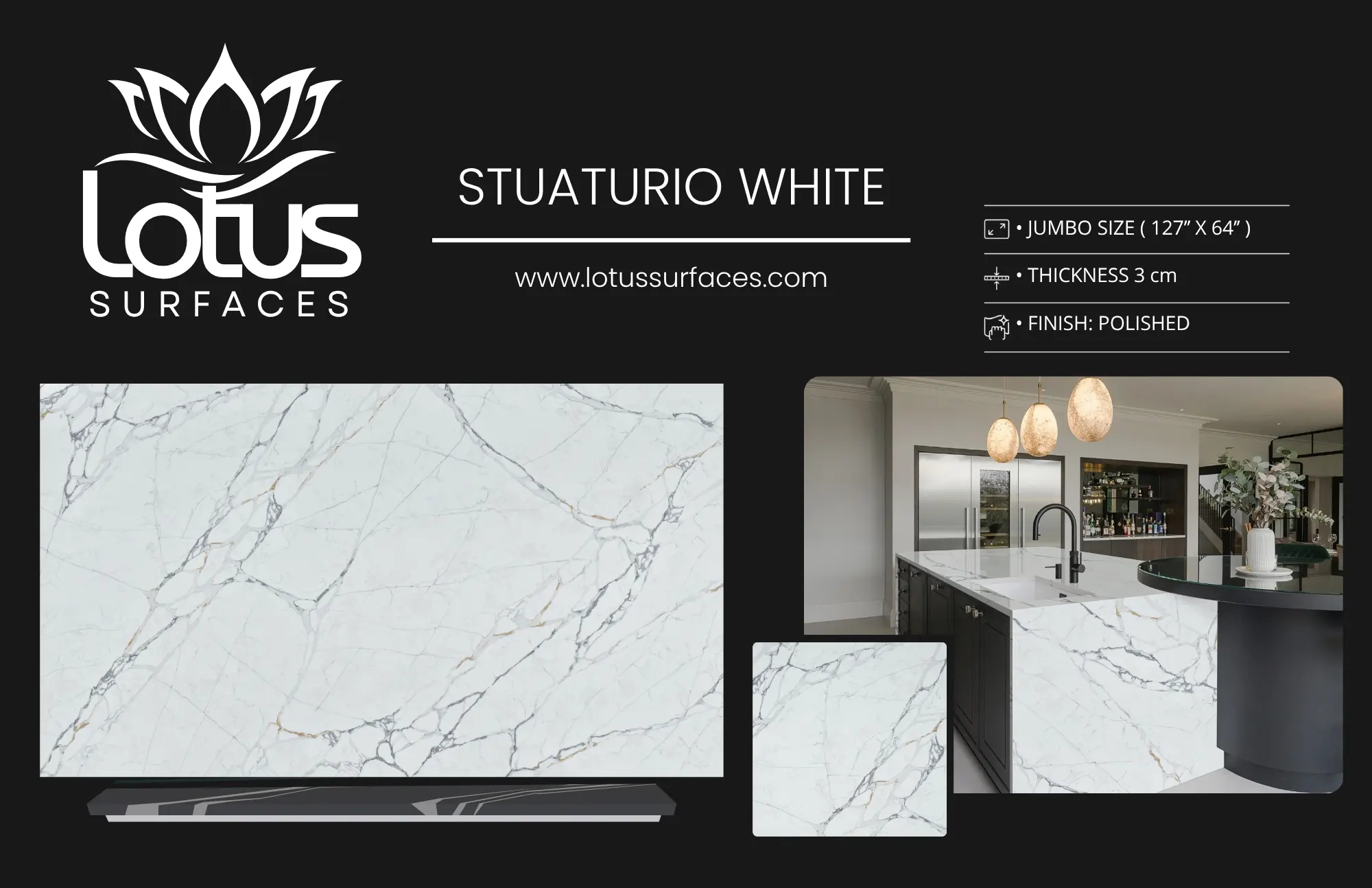

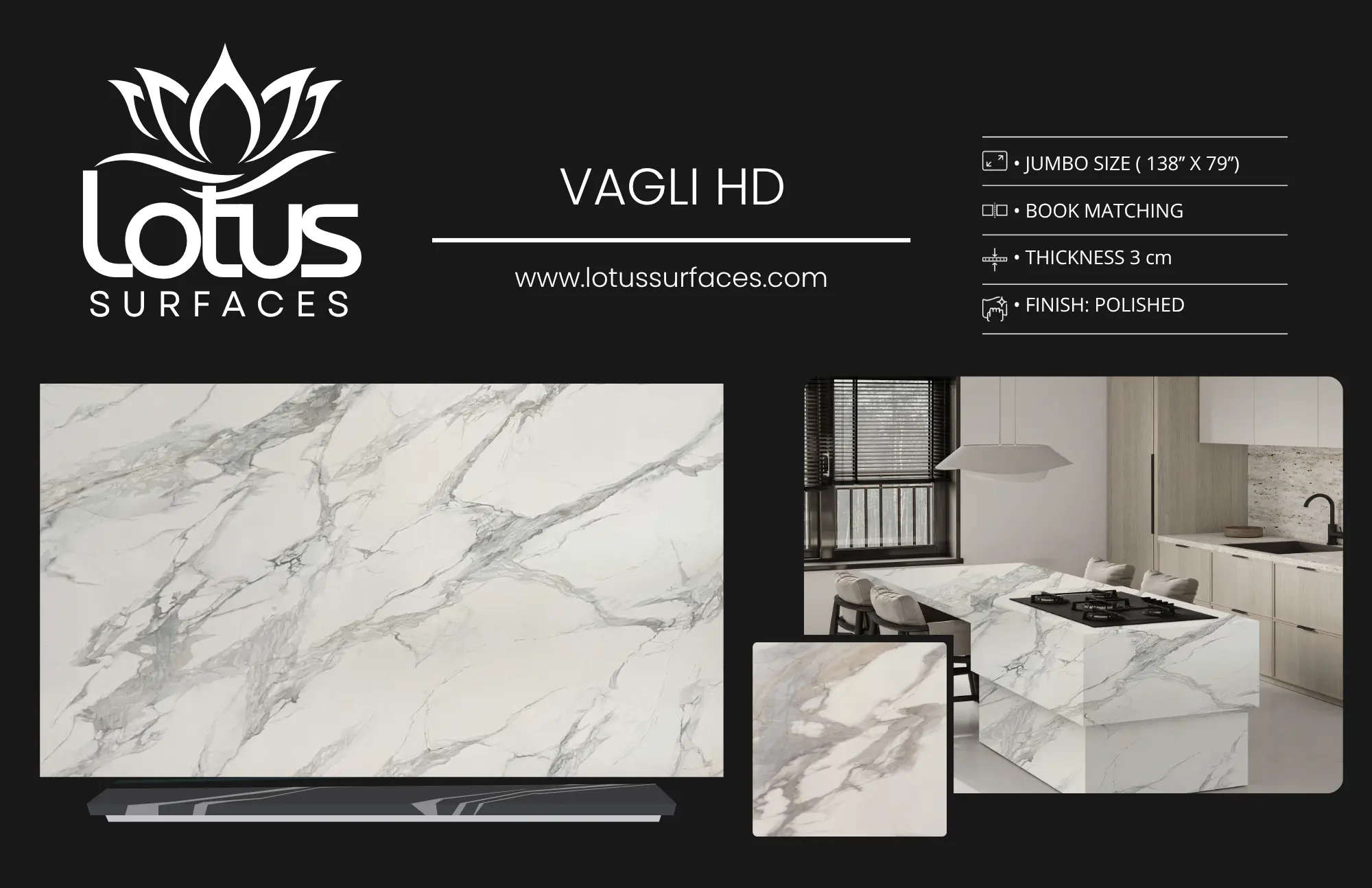
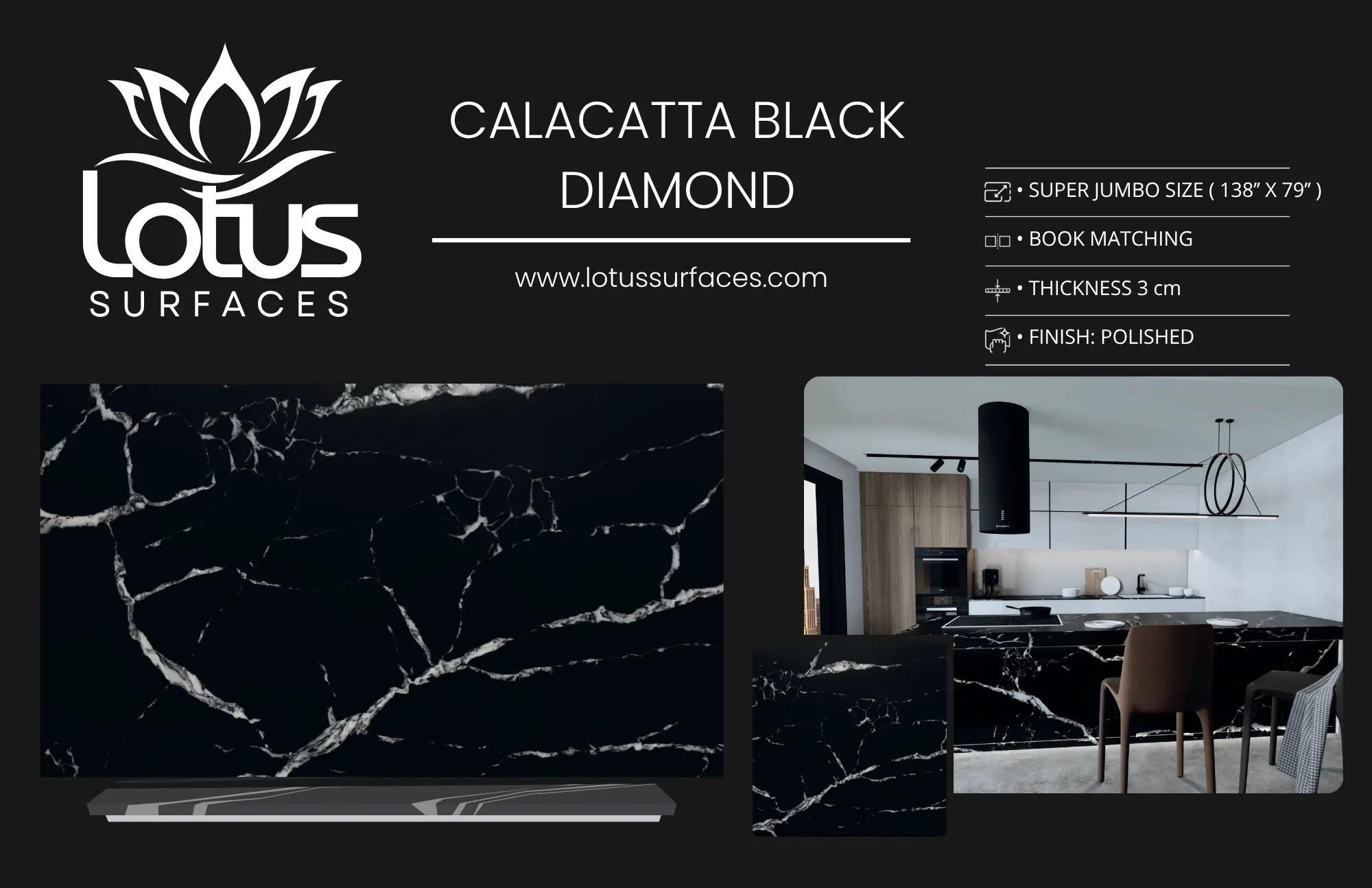
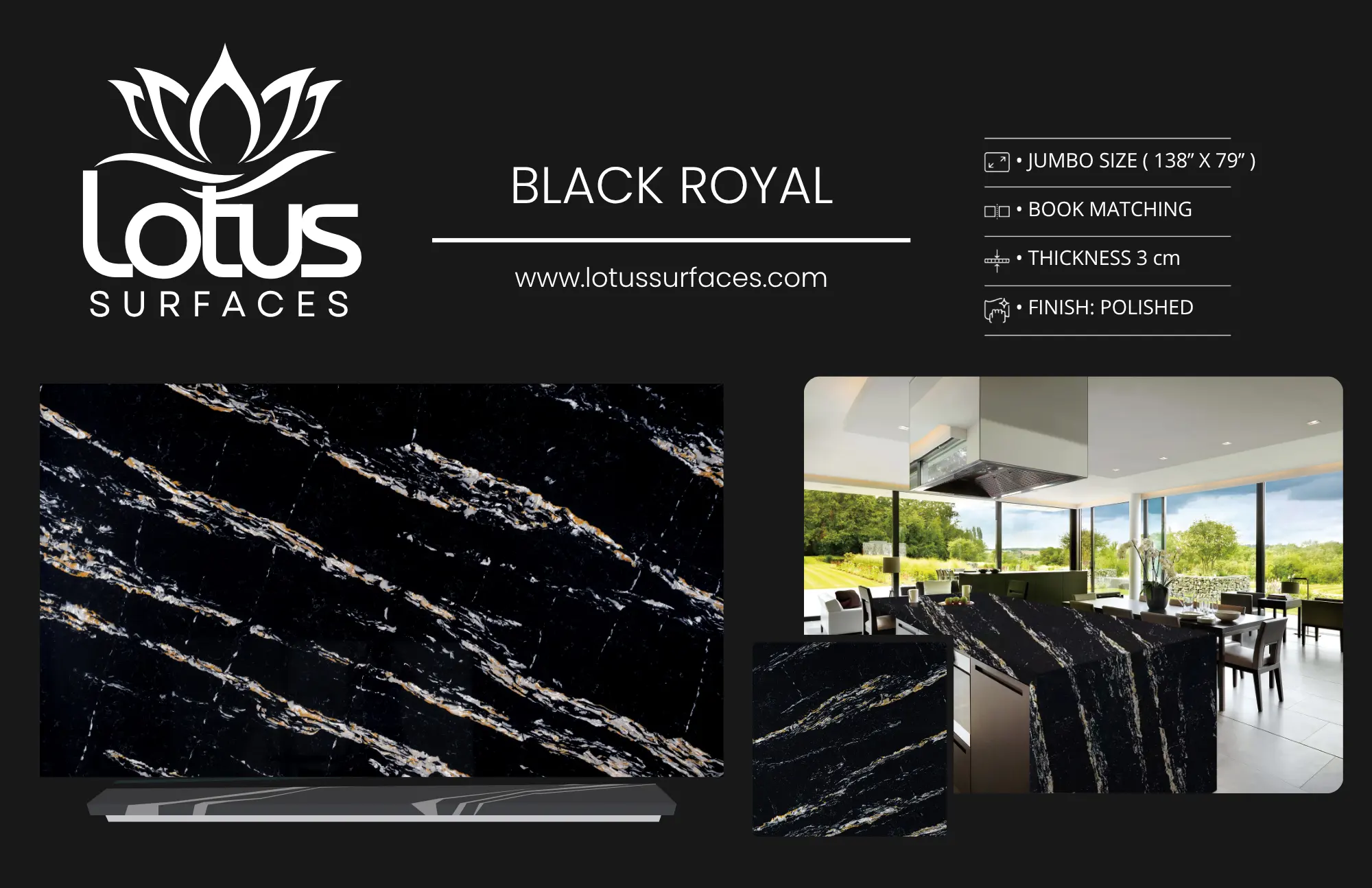
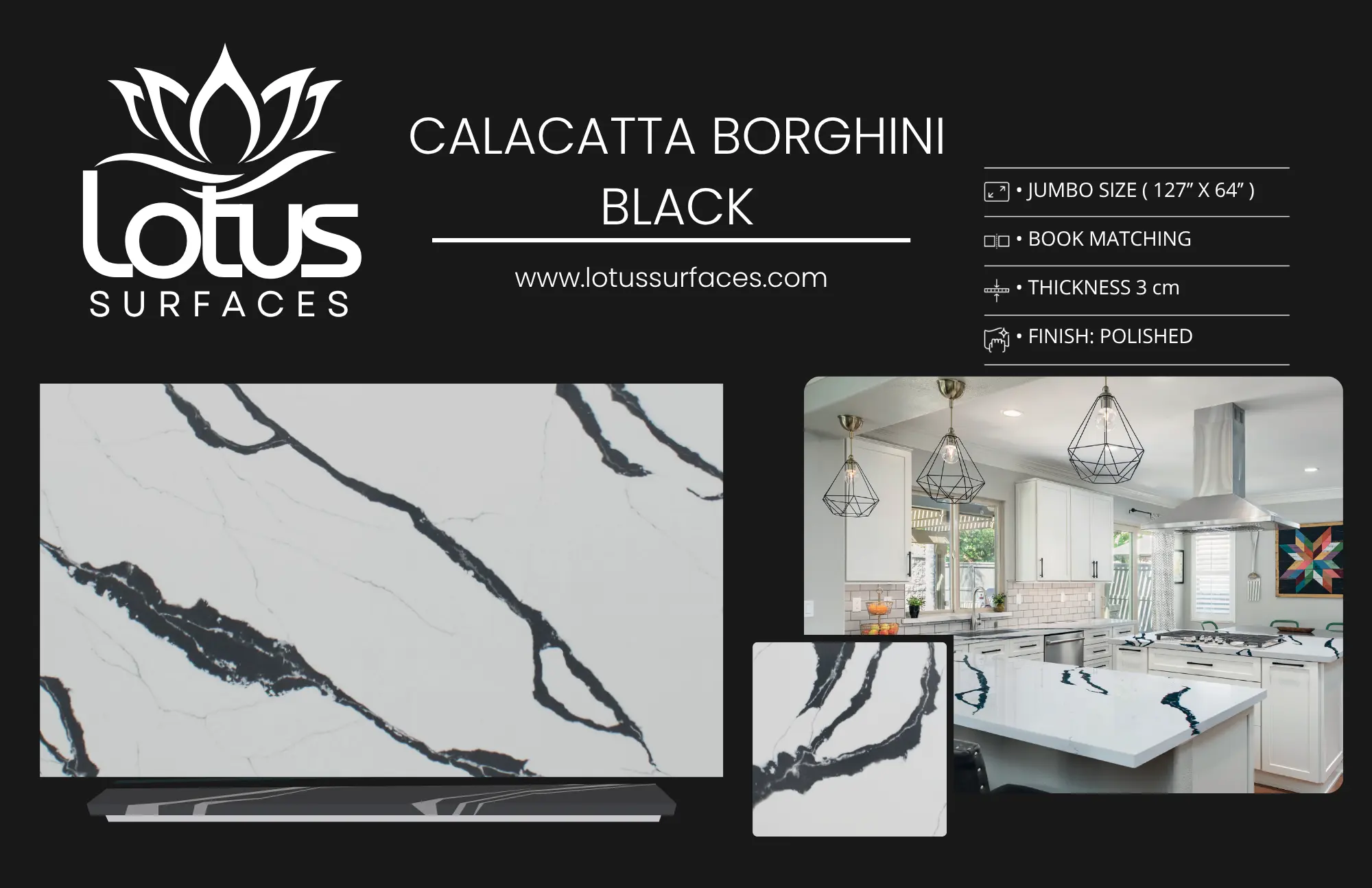

How Porcelain Countertops Meet the Demands of High-Traffic Commercial Kitchens
In the bustling environment of a commercial kitchen, the surfaces you choose can significantly impact efficiency, aesthetics, and overall functionality. Among the various materials available, porcelain countertops have emerged as a top choice for many restaurant owners and chefs. With their remarkable durability, resistance to stains, and ability to withstand high temperatures, porcelain countertops are redefining what it means to have reliable surfaces in high-traffic areas. In this comprehensive guide, we will explore how porcelain countertops handle the demands of high-traffic commercial kitchens, providing insights into their benefits, maintenance, and installation processes.
What Are Porcelain Countertops?
Porcelain countertops are made from a type of ceramic that is fired at extremely high temperatures, resulting in a dense and durable surface. This material is engineered to mimic the look of natural stone while offering superior performance characteristics. Porcelain is non-porous, meaning it does not absorb moisture or stains, making it an ideal choice for environments like commercial kitchens where spills and messes are common.
Benefits of Porcelain Countertops for Commercial Kitchens
Choosing porcelain countertops for your commercial kitchen comes with a myriad of advantages:
- Heat Resistance: Porcelain can withstand high temperatures without warping or cracking, making it suitable for areas near ovens and stovetops.
- Stain Resistance: The non-porous nature of porcelain prevents stains from penetrating the surface, allowing for easy cleanup of spills from food and beverages.
- Durability: Porcelain countertops are resistant to scratches and chips, ensuring longevity even in high-traffic environments.
- Variety of Designs: Available in a wide range of colors and patterns, porcelain can complement any kitchen aesthetic.
- Low Maintenance: Unlike natural stone, porcelain does not require sealing, making it easier to maintain over time.
Durability and Resistance of Porcelain Countertops
In a commercial kitchen, durability is paramount. Porcelain countertops excel in this area due to their robust construction. They are resistant to:
| Type of Resistance | Description |
|---|---|
| Heat | Can withstand temperatures up to 1,800°F without damage. |
| Stains | Non-porous surface prevents absorption of liquids, making clean-up easy. |
| Scratches | Hard surface resists scratches from knives and utensils. |
| Impact | Highly resistant to chips and cracks, even under heavy use. |
| Fading | Color and design remain vibrant over time, even with exposure to sunlight. |
This level of durability means that restaurant owners can rely on porcelain countertops to maintain their appearance and functionality even in the most demanding settings.
Installation Process of Porcelain Countertops
Installing porcelain countertops requires precision and expertise, particularly in a commercial kitchen where measurements must be accurate to ensure a perfect fit. The installation process typically includes the following steps:
- Consultation: Discuss your needs with a professional countertop fabricator to determine the best design and material specifications.
- Measurement: Accurate measurements are taken to ensure that the countertops fit seamlessly into your kitchen space.
- Fabrication: The porcelain slabs are cut and shaped according to the specifications. This process may involve CNC cutting and edge profiling.
- Installation: The fabricated countertops are carefully installed, ensuring that seams are aligned and that the surface is level.
- Final Touches: After installation, any necessary adjustments are made, and the surface is cleaned and polished for a flawless finish.
At Lotus Surfaces, our experienced team provides professional guidance and support throughout the installation process, ensuring that your new porcelain countertops are installed with precision and care. For more information, visit our countertops page.
Maintenance Tips for Porcelain Countertops
While porcelain countertops are low-maintenance, proper care can help preserve their beauty and functionality. Here are some expert maintenance tips:
- Regular Cleaning: Use a mild detergent and warm water to clean the surface. Avoid abrasive cleaners that could scratch the surface.
- Immediate Spill Cleanup: Wipe up spills as soon as they occur to prevent any potential staining, even though porcelain is stain-resistant.
- Avoid Heavy Impacts: While porcelain is durable, it’s still wise to avoid dropping heavy objects on the surface to prevent chips.
- Use Cutting Boards: Although porcelain is scratch-resistant, using cutting boards can help maintain the surface’s integrity over time.
- Heat Pads: Use heat pads or trivets under hot pots and pans to protect the countertop from sudden temperature changes.
Cost Factors for Porcelain Countertops
The cost of porcelain countertops can vary based on several factors, including:
- Material Quality: Higher quality porcelain may come with a higher price tag.
- Design Complexity: Custom designs or unique patterns can increase costs.
- Installation Fees: Professional installation may add to the overall expense, but it ensures a proper fit and finish.
- Location: Prices may vary based on geographical location and availability of materials.
On average, porcelain countertops can range from $50 to $150 per square foot, including installation. For a detailed quote tailored to your commercial kitchen needs, contact us at Lotus Surfaces.
Expert Insights on Choosing Porcelain Countertops
When choosing countertops for a commercial kitchen, consider the following expert insights:
Additionally, consult with experienced fabricators who understand the specific needs of commercial kitchens. At Lotus Surfaces, we offer personalized slab viewing and selection experiences to help you choose the perfect countertop material for your space.
Frequently Asked Questions
1. Are porcelain countertops suitable for outdoor kitchens?
Yes, porcelain countertops are highly resistant to UV rays and extreme weather conditions, making them an excellent choice for outdoor kitchens.
2. How do porcelain countertops compare to granite?
While both materials are durable, porcelain countertops are non-porous and require less maintenance than granite, which must be sealed regularly.
3. Can I use harsh chemicals on porcelain countertops?
It is best to avoid harsh chemicals and abrasive cleaners. A mild detergent is typically sufficient for cleaning.
4. How long do porcelain countertops last?
With proper maintenance, porcelain countertops can last for decades, making them a worthwhile investment for commercial kitchens.
5. Are porcelain countertops customizable?
Yes, porcelain countertops can be customized in terms of color, pattern, and edge profiles to fit your kitchen’s design.
6. What is the best way to remove stains from porcelain countertops?
Although porcelain is stain-resistant, if a stain does occur, using a mixture of baking soda and water can help lift it.
7. Can I install porcelain countertops myself?
While DIY installation is possible, it is recommended to hire a professional to ensure a proper fit and avoid potential issues.
8. How do I choose the right thickness for my porcelain countertops?
The thickness of porcelain countertops typically ranges from 1/4 inch to 1 inch. Thicker options provide more durability and a more substantial look.