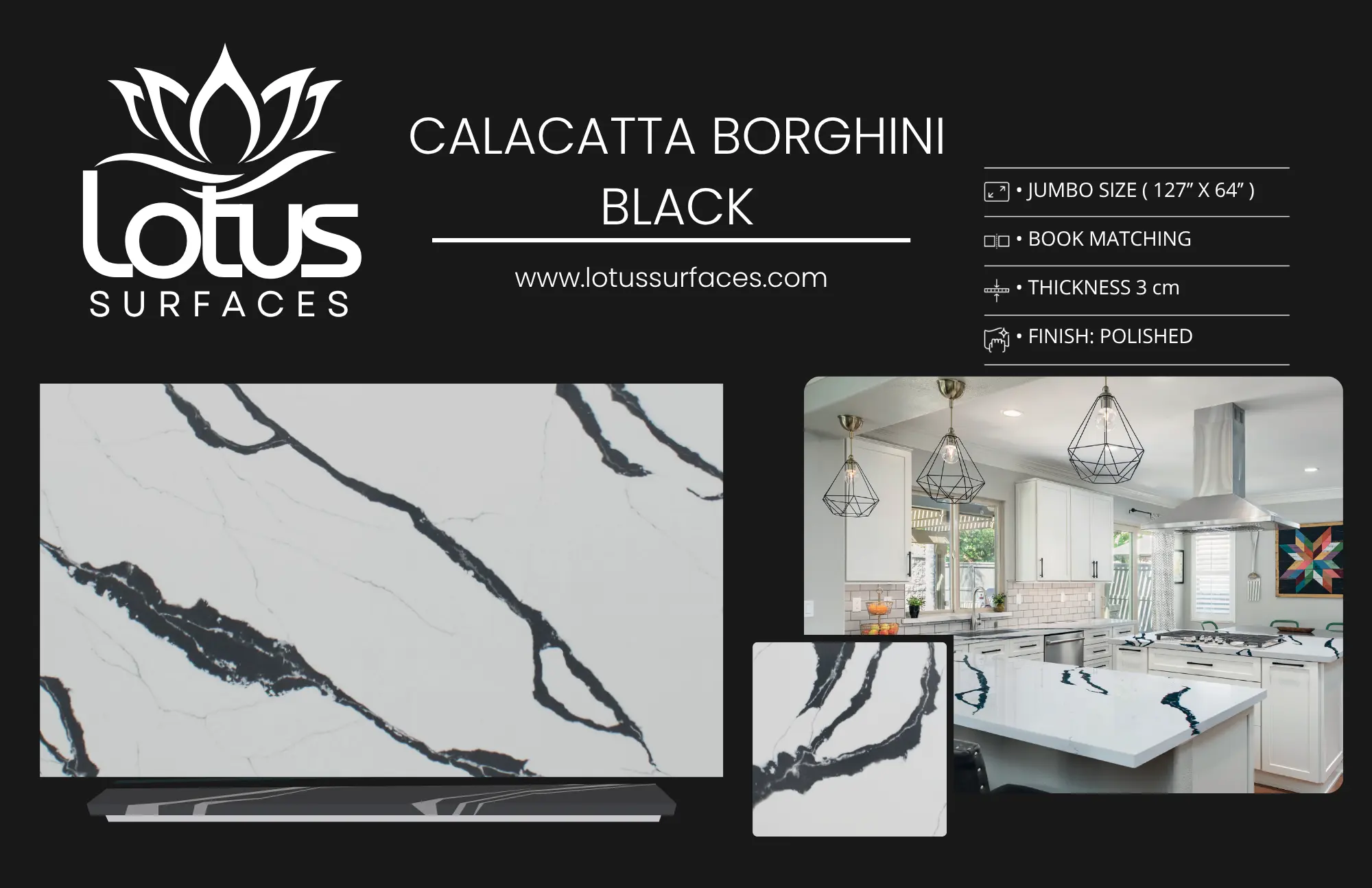
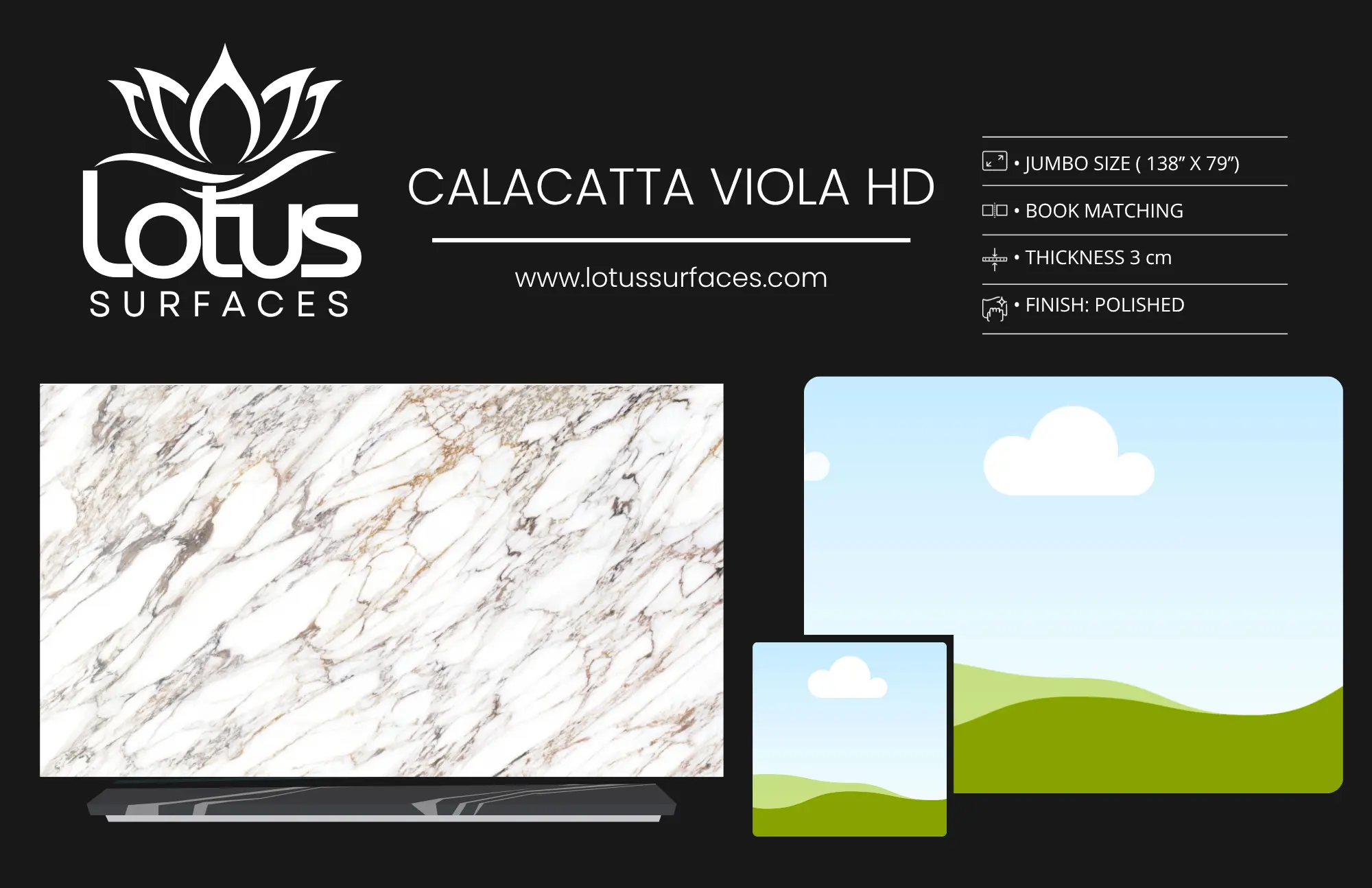
The Complete Guide to Quartzite vs. Quartz: Key Differences Explained
When it comes to choosing the right material for your countertops, understanding the differences between quartzite and quartz is essential. Both materials offer unique advantages and aesthetic appeal, but they cater to different needs and preferences. In this comprehensive guide, we will delve into the key differences between quartzite and quartz, helping you make an informed decision for your kitchen or bathroom renovation. Whether you are a homeowner in Norcross, Atlanta, or anywhere in the Greater Atlanta Metro Area, this guide will provide you with the insights needed to choose the best countertop material for your space.
1. What is Quartzite?
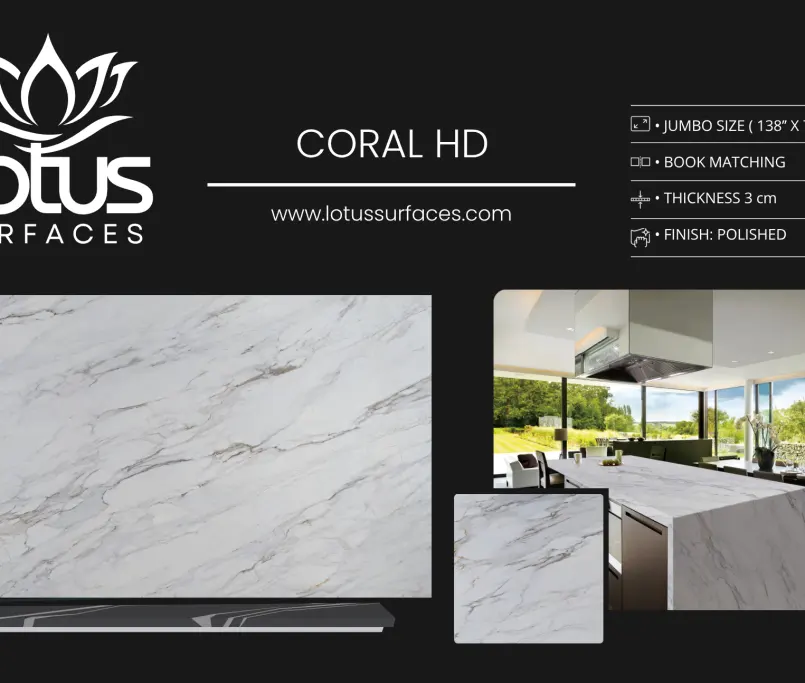
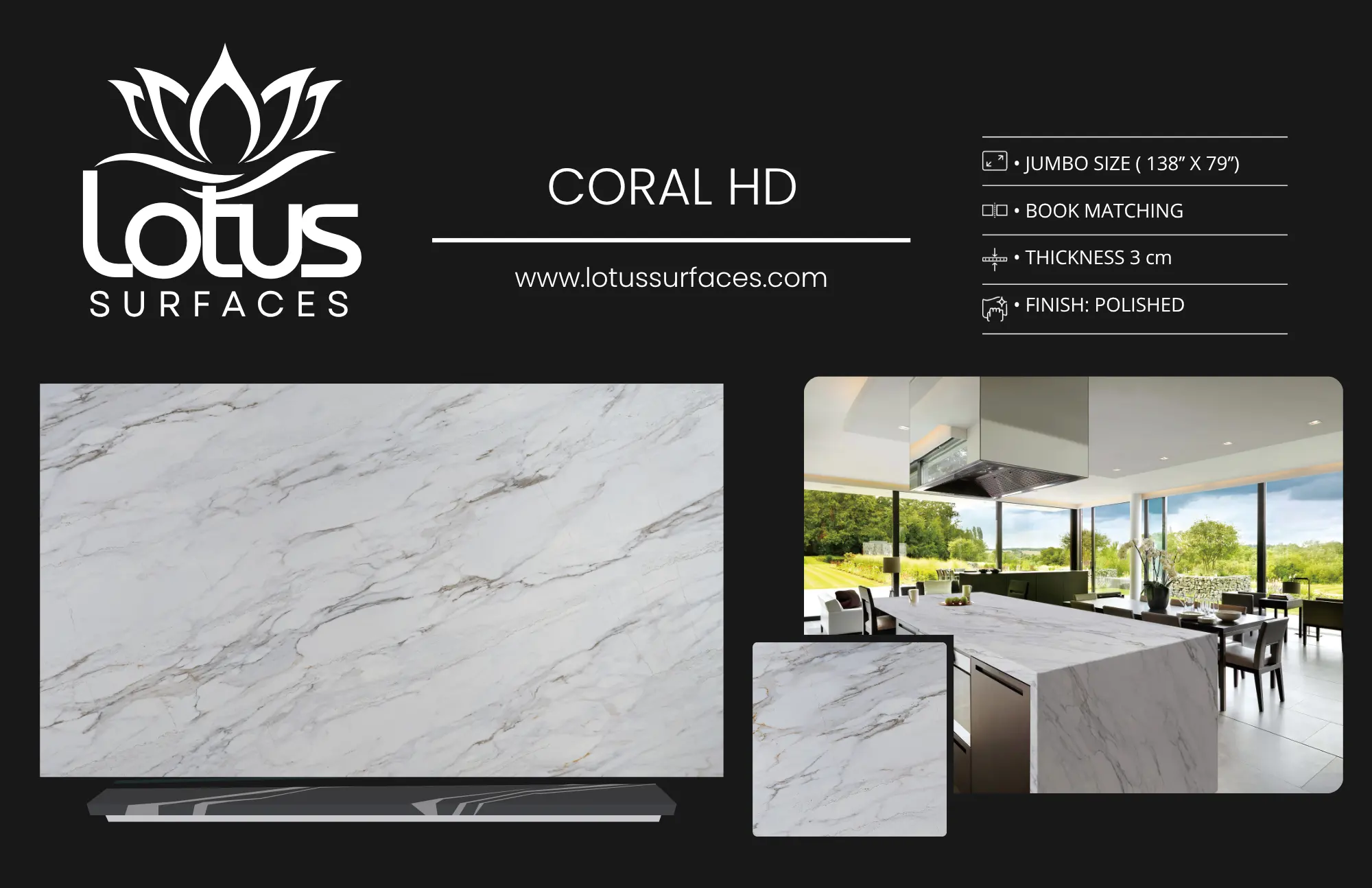
Quartzite is a natural stone that originates from sandstone. Under intense heat and pressure, the sandstone undergoes metamorphism, which transforms it into quartzite. This process enhances the stone’s durability, making it an excellent choice for countertops, particularly in high-traffic areas like kitchens and bathrooms. Quartzite is often characterized by its striking appearance, featuring unique color variations and patterns that can elevate the aesthetic of any space.
Features of Quartzite
- Durability: Quartzite is known for its hardness and resistance to scratches, making it suitable for everyday use.
- Heat Resistance: This material can withstand high temperatures, which is ideal for kitchen environments.
- Natural Beauty: Each slab of quartzite is unique, offering a range of colors and patterns that add character to your home.
2. What is Quartz?
Quartz, on the other hand, is an engineered stone composed of approximately 90-95% crushed natural quartz crystals mixed with resins and pigments. This combination allows for a wide variety of colors, patterns, and finishes, providing homeowners with extensive customization options. Quartz countertops are non-porous, making them resistant to stains and easy to maintain.
Features of Quartz
- Consistency: Unlike natural stones, quartz offers a more uniform appearance, which can be appealing for modern designs.
- Non-Porous Surface: The non-porous nature of quartz makes it resistant to bacteria and stains.
- Variety: With numerous colors and patterns available, quartz can easily complement any interior design.
3. Key Differences Between Quartzite and Quartz
| Feature | Quartzite | Quartz |
|---|---|---|
| Type | Natural Stone | Engineered Stone |
| Durability | Highly Durable | Very Durable |
| Heat Resistance | Excellent | Good |
| Stain Resistance | Moderate (requires sealing) | High (non-porous) |
| Appearance | Unique, natural patterns | Uniform, customizable |
| Maintenance | Requires sealing | Low maintenance |
4. Pros and Cons of Quartzite vs. Quartz
Quartzite Pros
- Natural beauty with unique patterns
- Highly resistant to scratches and heat
- Long-lasting and durable
Quartzite Cons
- Requires sealing to maintain stain resistance
- Generally more expensive than quartz
Quartz Pros
- Wide variety of colors and patterns
- Non-porous and low maintenance
- More affordable than quartzite
Quartz Cons
- Less heat resistant than quartzite
- Can be less visually appealing to some
5. Maintenance and Care
Maintaining your countertops is crucial for longevity and appearance. Here are some tips for both quartzite and quartz:
Quartzite Maintenance
- Seal your quartzite countertops every 6-12 months to prevent staining.
- Clean spills immediately with a mild detergent and warm water.
- Avoid abrasive cleaners that can scratch the surface.
Quartz Maintenance
- Wipe down with a damp cloth and mild soap for daily cleaning.
- No sealing is required, but avoid harsh chemicals that can damage the surface.
- Use cutting boards to prevent scratches.
6. Choosing the Right Material for Your Home
When deciding between quartzite and quartz, consider the following factors:
1. Aesthetic Preference
If you prefer a natural look with unique patterns, quartzite may be the better choice. However, if you want a consistent appearance and a variety of color options, quartz is ideal.
2. Budget
Quartzite tends to be more expensive due to its natural sourcing and processing. If you’re on a tighter budget, quartz may provide a more economical solution.
3. Usage
For high-traffic areas that require durability and heat resistance, quartzite excels. For spaces needing low maintenance and stain resistance, quartz is preferable.
7. Conclusion
Both quartzite and quartz have their unique advantages, making them suitable for different applications. Understanding the differences between these two materials will help you make an informed decision for your kitchen or bathroom renovation. If you’re located in Norcross, Atlanta, or the Greater Atlanta Metro Area, consider visiting Lotus Surfaces for personalized guidance on choosing the perfect countertop material for your home.
8. FAQ
What is the main difference between quartzite and quartz?
The main difference is that quartzite is a natural stone, while quartz is an engineered stone made from natural quartz crystals and resins.
Is quartzite more expensive than quartz?
Generally, quartzite is more expensive than quartz due to its natural sourcing and processing.
Do quartz countertops need to be sealed?
No, quartz countertops are non-porous and do not require sealing.
How do I maintain quartzite countertops?
Seal quartzite countertops every 6-12 months and clean spills with a mild detergent.
Can quartz withstand heat?
While quartz is heat resistant, it is not as heat resistant as quartzite and should be protected from extreme temperatures.
Which material is better for kitchen countertops?
It depends on your preferences; quartzite offers durability and natural beauty, while quartz provides low maintenance and a variety of options.
Are there any color limitations with quartz?
No, quartz comes in a wide range of colors and patterns, allowing for extensive customization.
What are some common uses for quartzite?
Quartzite is commonly used for countertops, flooring, and wall cladding due to its durability and aesthetic appeal.