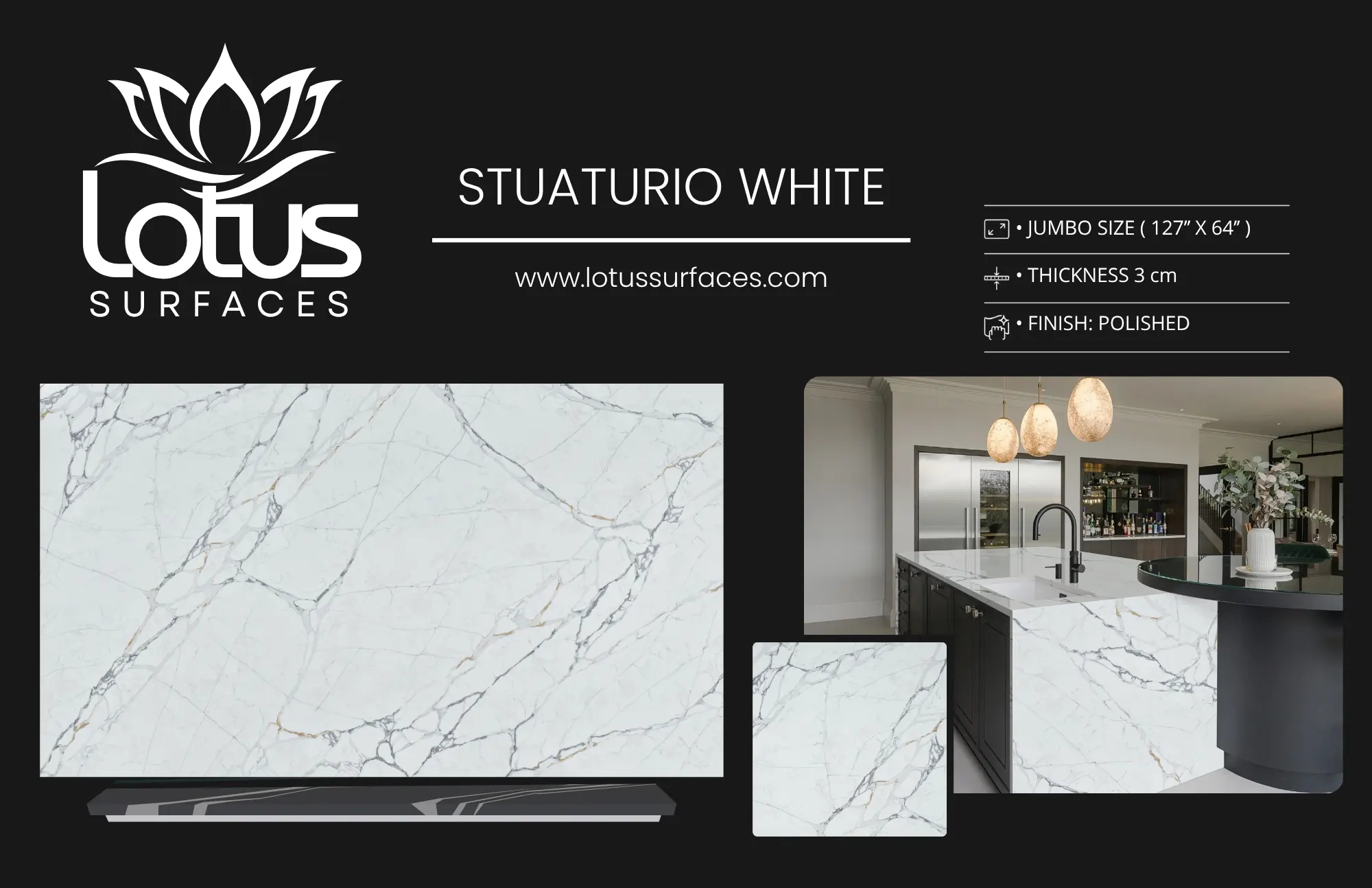
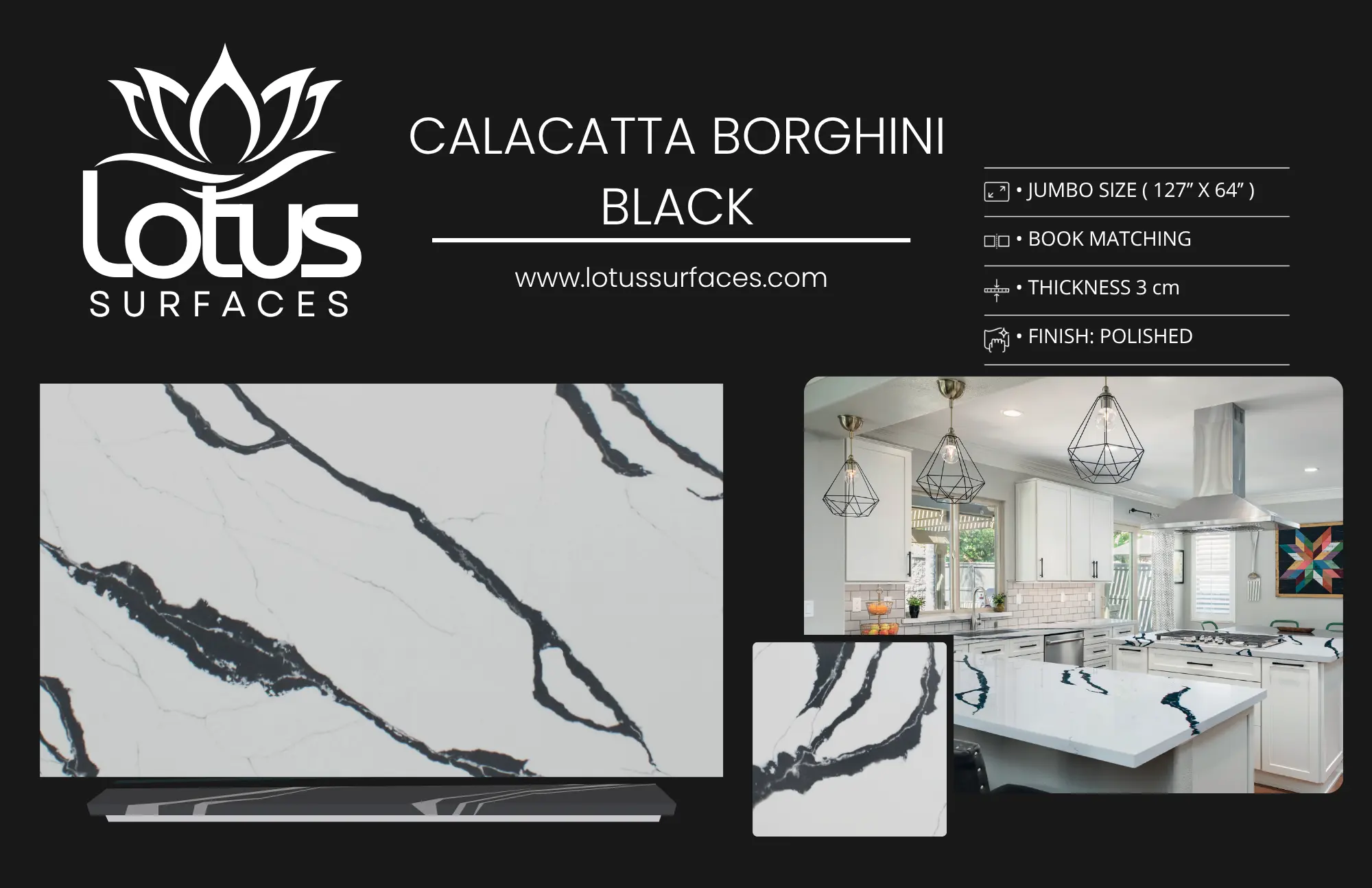
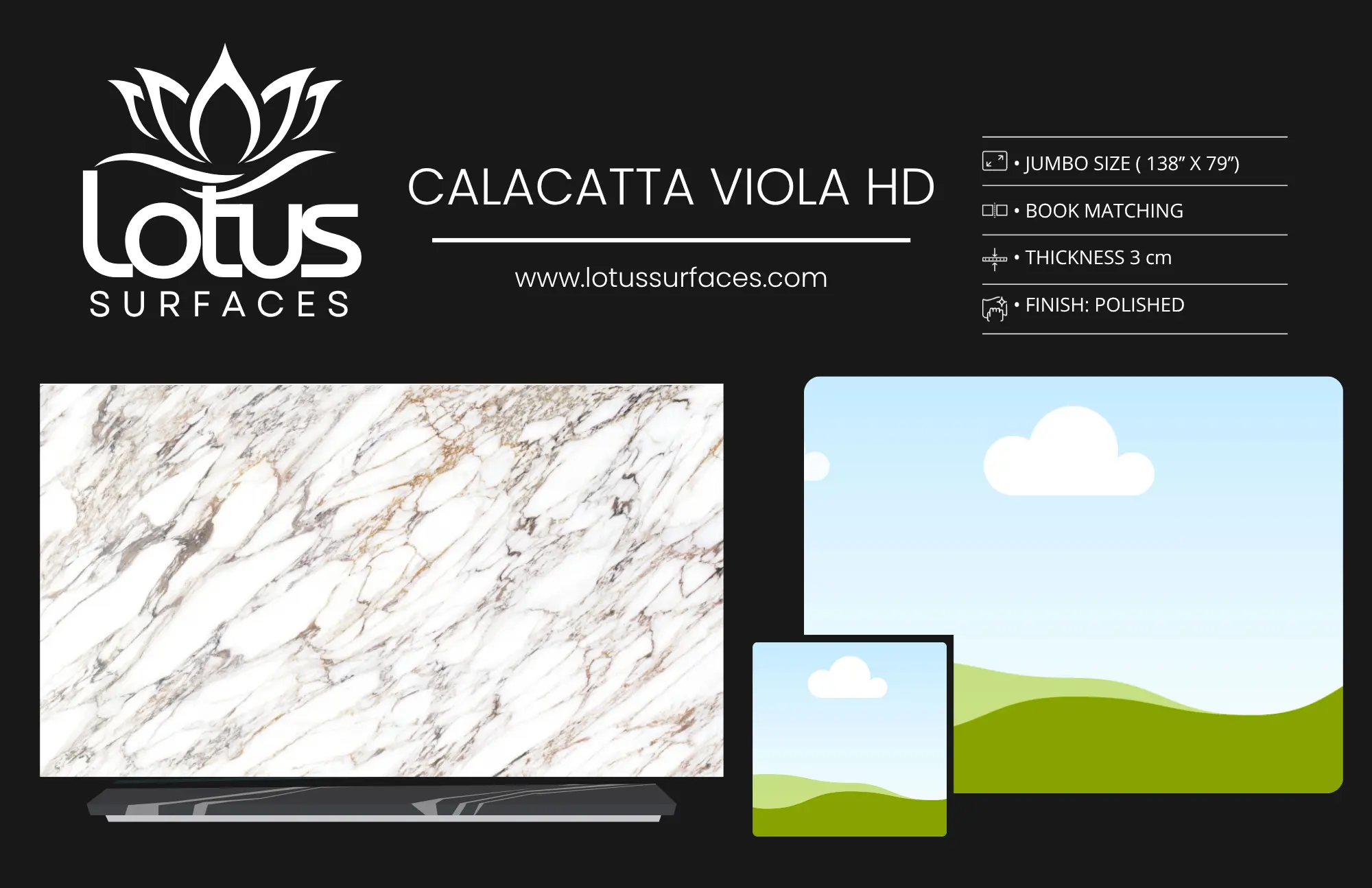
The Complete Guide to Countertop Solutions for ADA-Compliant Kitchen Designs
Designing an ADA-compliant kitchen is not just a matter of adhering to regulations; it’s about creating a functional, safe, and beautiful space that caters to the needs of all users. One of the most pivotal elements in achieving this goal is selecting the right countertops. In this comprehensive guide, we will explore various countertop solutions that meet ADA standards, ensuring your kitchen is both accessible and aesthetically pleasing. Whether you’re a homeowner in Norcross, Atlanta, or the Greater Atlanta area, this guide will equip you with the knowledge to make informed decisions about your kitchen remodel.
By the end of this article, you will understand the essential features of ADA-compliant countertops, the best materials to consider, and expert tips to enhance the overall design of your kitchen. Let’s dive in!
Understanding ADA Guidelines
The Americans with Disabilities Act (ADA) provides clear guidelines for designing spaces that are accessible to individuals with disabilities. When it comes to kitchen countertops, there are specific standards that must be met to ensure usability for everyone, including those who rely on wheelchairs or have limited mobility. Here are some key ADA guidelines relevant to countertop design:
- Height: Countertops should be between 28 and 34 inches from the floor. This height allows for easy access for individuals in wheelchairs.
- Clearance: There must be a knee clearance of at least 27 inches high, 30 inches wide, and 19 inches deep beneath the countertop.
- Surface Texture: The countertop surface should be smooth and free of sharp edges to prevent injuries.
- Accessibility: All countertops should be designed to allow for easy reach and use of kitchen appliances and fixtures.
For more detailed information, you can visit the ADA Standards for Accessible Design.
Best Countertop Materials for ADA Compliance
Choosing the right materials for ADA-compliant countertops is crucial. The materials should not only meet ADA standards but also be durable, easy to maintain, and visually appealing. Below are some of the best countertop materials to consider:
| Material | Pros | Cons |
|---|---|---|
| Quartz | Non-porous, durable, low maintenance | Can be more expensive than other options |
| Granite | Natural stone, unique patterns, heat resistant | Requires sealing, can be heavy |
| Porcelain | Highly durable, scratch-resistant, easy to clean | Limited color options compared to quartz |
| Solid Surface | Seamless appearance, easy to repair | Can be susceptible to scratches |
| Butcher Block | Warm aesthetic, easy to cut on | Requires regular maintenance, can stain |
Among these, quartz countertops are increasingly popular for ADA-compliant kitchens in Norcross, Atlanta, and surrounding areas. Their non-porous surface makes them easy to clean and maintain, while their durability ensures they will last for years to come. Additionally, quartz countertops can be customized to fit any design aesthetic.
For more information on different countertop options, check out our countertop materials page.
Design Considerations for ADA-Compliant Countertops
When designing an ADA-compliant kitchen, several design principles should be considered to enhance accessibility while maintaining style:
1. Color Contrast
Colors play a significant role in creating a visually accessible kitchen. Choose countertop colors that contrast with cabinets and flooring to help individuals with visual impairments navigate the space more easily.
2. Edge Profiles
Opt for rounded or beveled edges on countertops to reduce the risk of injury. Sharp edges can pose a hazard, especially for individuals with limited mobility.
3. Integrated Features
Incorporate integrated sinks and cooktops into the countertop design. This not only provides a seamless look but also allows for easier access and use.
4. Adjustable Heights
Consider installing adjustable-height countertops that can accommodate both standing and seated users. This flexibility ensures that everyone can use the kitchen comfortably.
Installation Tips for Accessibility
Proper installation is critical to ensuring that your ADA-compliant kitchen functions as intended. Here are some expert tips for installing countertops:
- Professional Measurement: Always have a professional measure your space to ensure the countertops are the correct height and fit your kitchen layout.
- Seam Alignment: Plan for accurate seam placement to enhance aesthetics and functionality. Poor seam alignment can lead to difficulties in use.
- Digital Templating: Utilize digital templating technology for precise measurements. This technology reduces errors and ensures a perfect fit.
- Consult with Experts: Work with experienced countertop installers who understand ADA requirements and can provide guidance on best practices.
Care and Maintenance of Countertops
Maintaining your countertops is essential for longevity and hygiene. Here are some care tips specific to various materials:
Quartz
Clean with mild soap and water. Avoid harsh chemicals that can damage the surface.
Granite
Seal regularly to protect against stains. Use a pH-balanced cleaner for daily cleaning.
Porcelain
Wipe with a soft cloth and mild detergent. Avoid abrasive cleaners that can scratch the surface.
Solid Surface
Clean with warm, soapy water. For stubborn stains, a gentle abrasive cleaner can be used.
Butcher Block
Oil regularly to maintain the wood’s integrity. Clean with a damp cloth and mild soap.
Frequently Asked Questions
1. What are ADA-compliant countertops?
ADA-compliant countertops are designed to meet the accessibility standards set by the Americans with Disabilities Act, ensuring they are usable by individuals with disabilities.
2. What materials are best for ADA-compliant countertops?
Quartz, granite, porcelain, and solid surface materials are excellent choices for ADA-compliant countertops due to their durability and ease of maintenance.
3. What is the recommended height for ADA countertops?
The recommended height for ADA-compliant countertops is between 28 and 34 inches from the floor.
4. How do I ensure my countertop design is accessible?
Consider factors such as height, surface texture, color contrast, and integrated features to enhance accessibility.
5. Can I customize my ADA-compliant countertops?
Yes! Many materials, especially quartz and solid surfaces, can be customized to fit your design preferences while meeting ADA standards.
6. How do I maintain my ADA-compliant countertops?
Regular cleaning with appropriate products based on the material type is essential for maintaining the appearance and functionality of your countertops.
7. What is the best edge profile for ADA-compliant countertops?
Rounded or beveled edges are recommended to minimize injury risks for users with mobility challenges.
8. Where can I find professional countertop installation services in Atlanta?
Lotus Surfaces offers professional countertop fabrication and installation services throughout the Greater Atlanta area. Contact us for a consultation!
Conclusion
Designing an ADA-compliant kitchen is a rewarding endeavor that enhances the quality of life for all users. By carefully selecting the right countertop materials, considering design elements, and ensuring proper installation, you can create a beautiful and accessible kitchen space. If you’re ready to start your kitchen renovation in Norcross or the Greater Atlanta area, contact Lotus Surfaces at in**@***********es.com or call us at +1 346-833-9076 for expert guidance and high-quality countertop solutions. Let us help you redefine beauty, strength, and functionality in your home!