
Why Full-Slab Backsplashes Eliminate Grout Lines for a Sleek, Modern Kitchen
In the quest for a modern kitchen that combines functionality with elegance, homeowners are increasingly turning to full-slab backsplashes. These innovative design elements not only enhance the aesthetic appeal of your cooking space but also eliminate the hassle of grout lines. If you’re considering a kitchen renovation, understanding the benefits of full-slab backsplashes is essential. In this comprehensive guide, we’ll explore why these backsplashes are becoming a staple in contemporary kitchen design, how they compare to traditional tiled options, and expert tips for choosing the right materials for your home.
1. What Are Full-Slab Backsplashes?
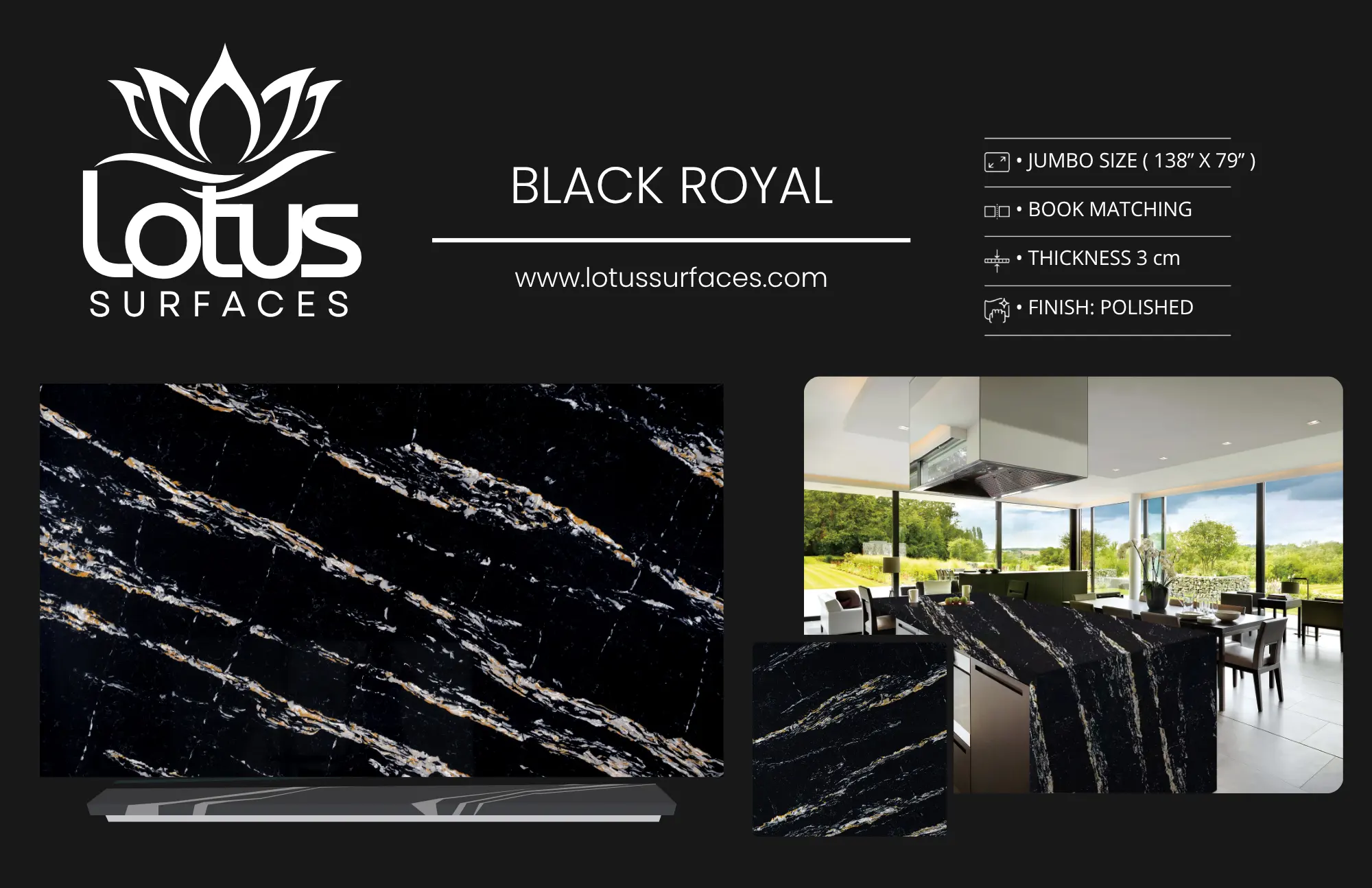
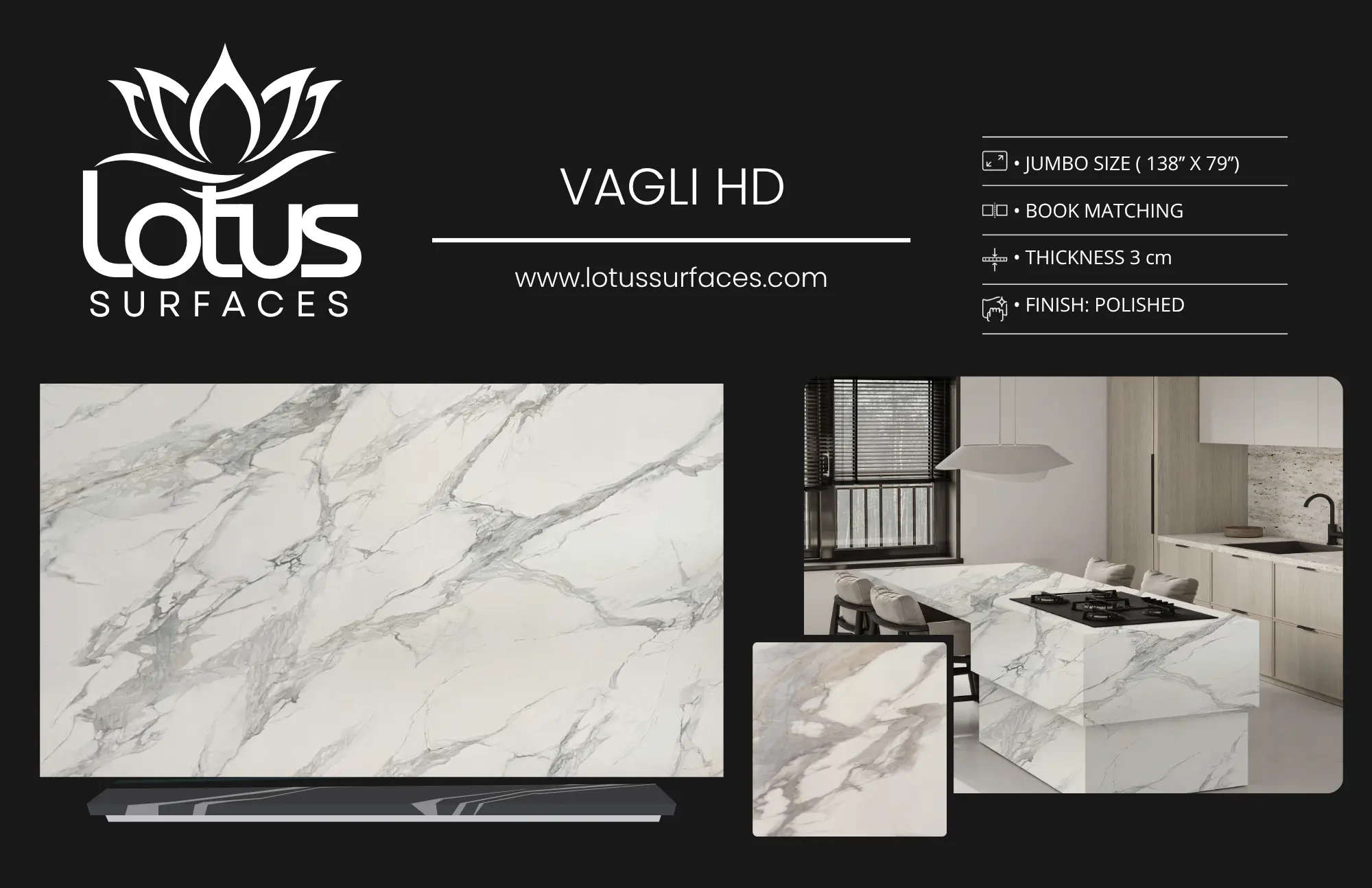
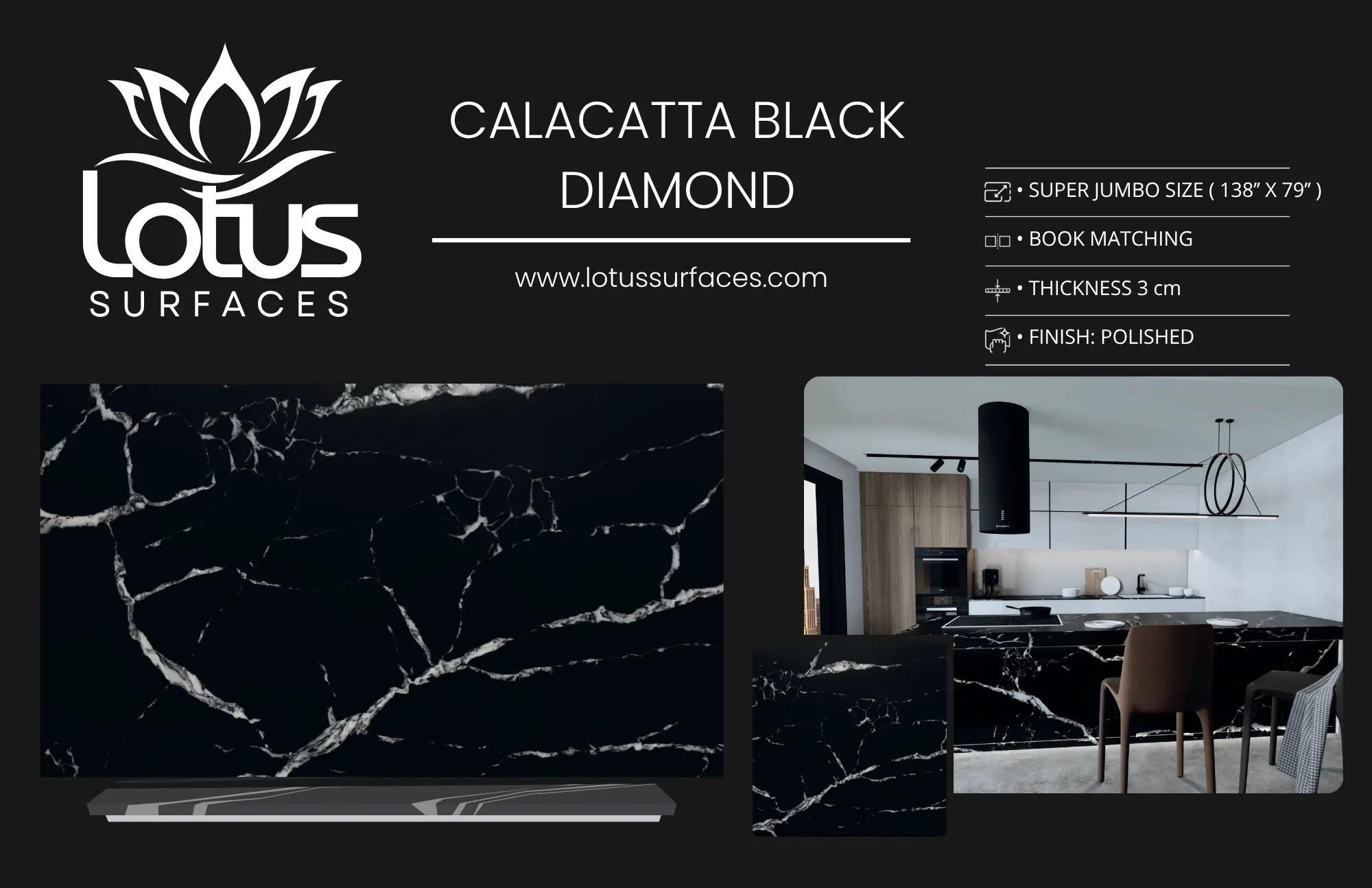
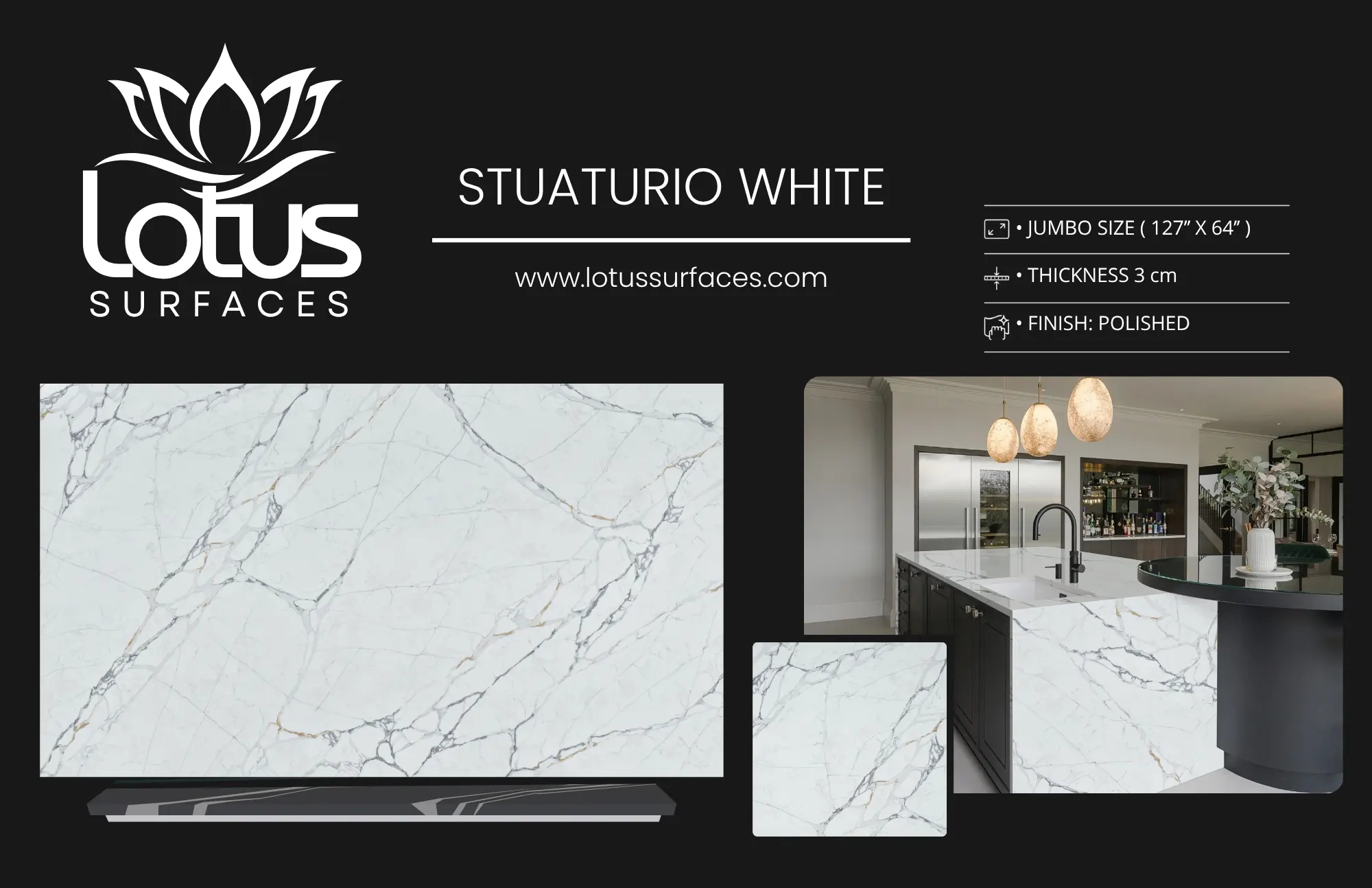
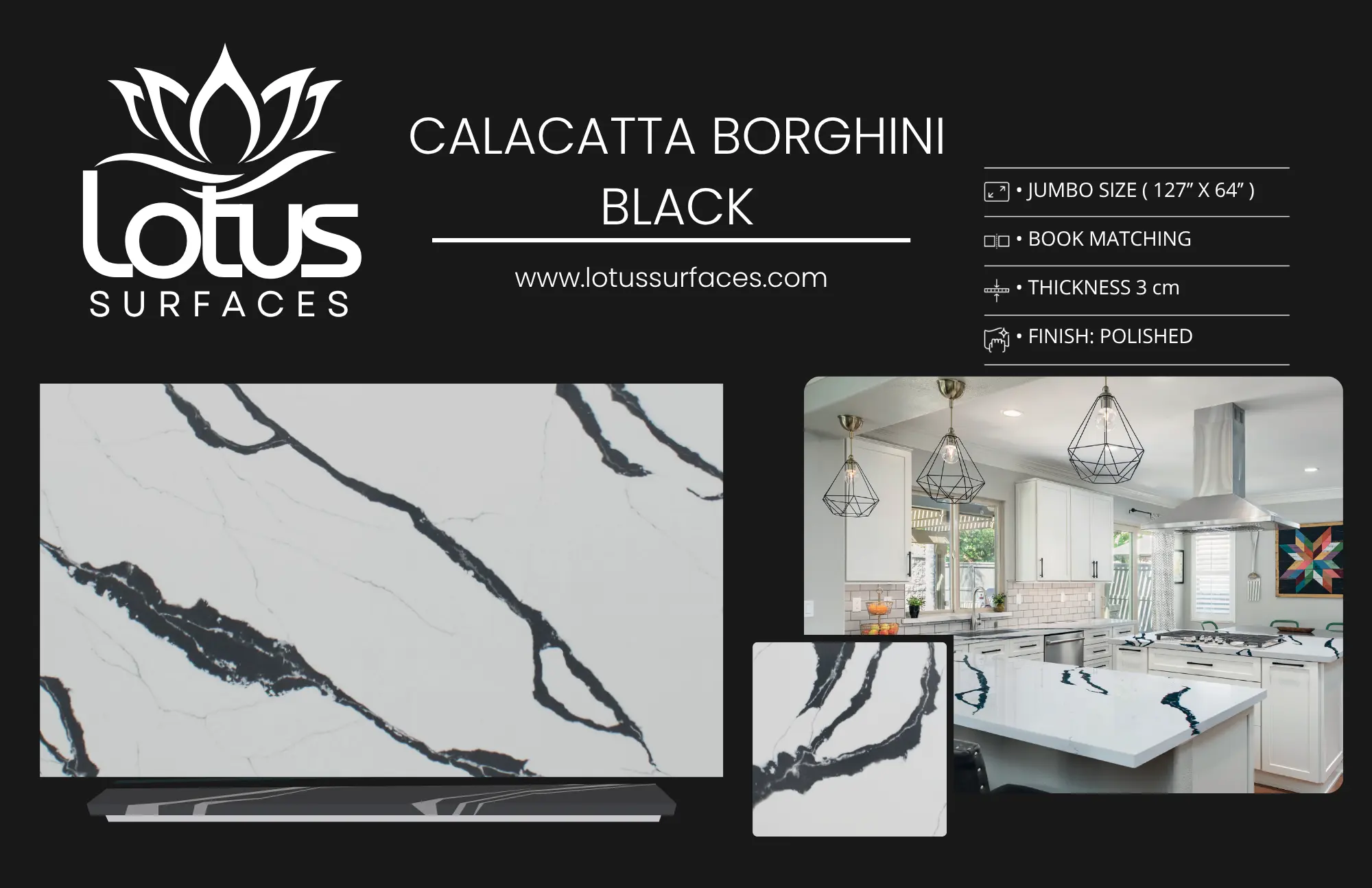
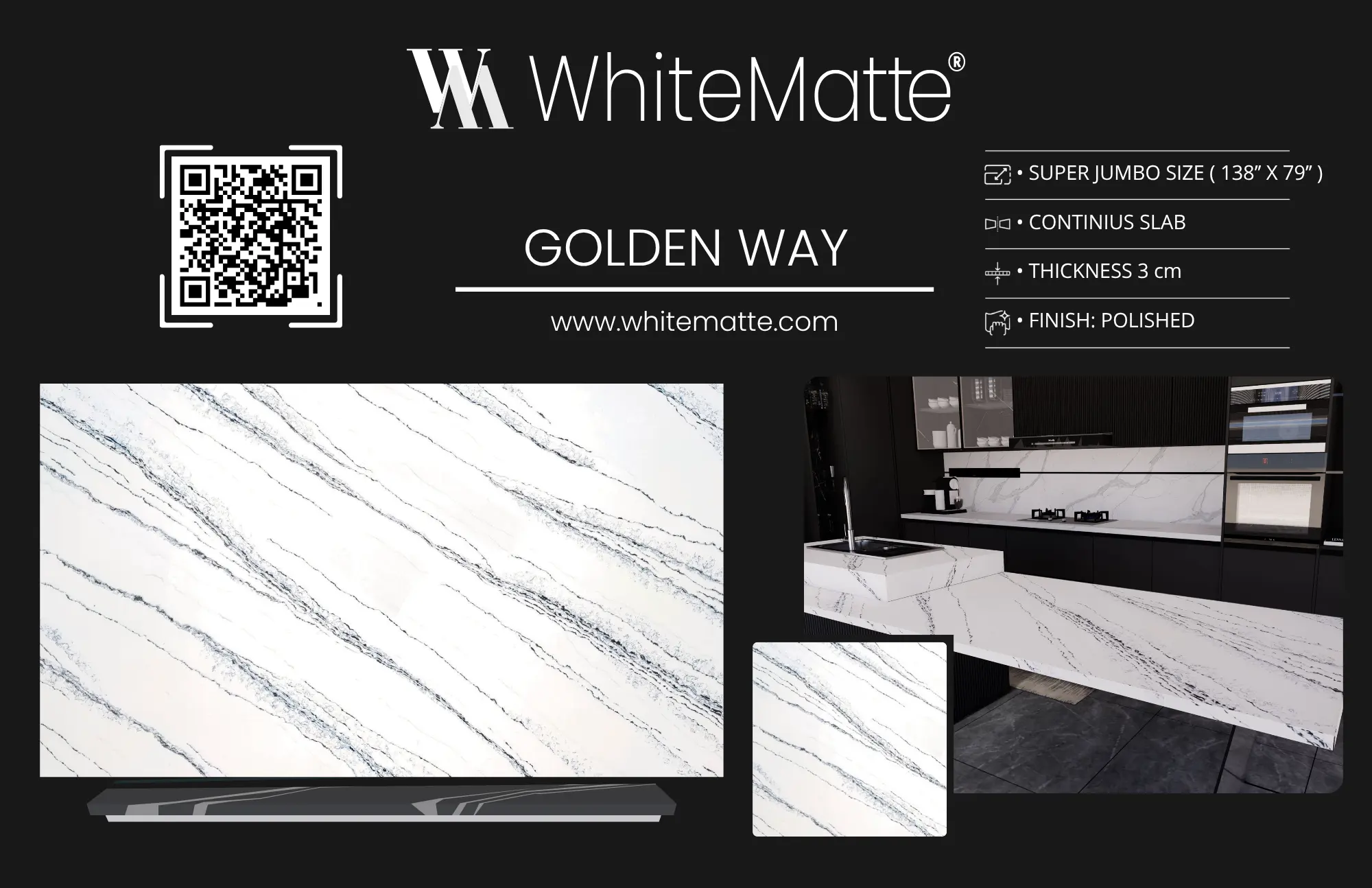
Full-slab backsplashes are large, continuous pieces of material that extend from the countertop to the bottom of the upper cabinets or ceiling. Unlike traditional tile backsplashes that are made of small, individual pieces separated by grout lines, full-slab options provide a seamless and polished look. These backsplashes can be made from various materials, including quartz, granite, porcelain, and even marble, each offering unique aesthetic and practical benefits.
2. Benefits of Full-Slab Backsplashes
Full-slab backsplashes come with numerous advantages that make them a compelling choice for homeowners. Here are some of the most notable benefits:
- Seamless Appearance: The primary appeal of a full-slab backsplash is its sleek, uninterrupted surface. This design choice creates a modern, sophisticated vibe in any kitchen.
- Reduced Maintenance: Without grout lines, cleaning becomes significantly easier. Grout can trap dirt and stains, making it more challenging to maintain. Full-slab backsplashes can simply be wiped down, saving you time and effort.
- Increased Durability: Many full-slab materials, such as quartz and granite, are highly resistant to scratches, heat, and stains, ensuring that your backsplash remains beautiful for years to come.
- Design Versatility: Full-slab backsplashes can be customized to fit various design themes, from modern minimalism to classic elegance. Homeowners can choose colors, patterns, and textures that complement their overall kitchen design.
- Enhanced Value: Investing in quality materials and a modern design can increase the resale value of your home. Potential buyers often prefer updated kitchens with high-end finishes like full-slab backsplashes.
3. Comparing Full-Slab Backsplashes with Traditional Tile
When considering a backsplash, it’s essential to weigh the pros and cons of full-slab backsplashes against traditional tiled options. Here’s a comparison to help you make an informed decision:
| Feature | Full-Slab Backsplash | Traditional Tile Backsplash |
|---|---|---|
| Appearance | Seamless and modern | Varied, but can appear busy |
| Maintenance | Easy to clean, no grout | Requires regular cleaning of grout |
| Durability | Highly durable | Durability varies by material |
| Installation | Requires professional installation | Can be DIY or professional |
| Cost | Generally higher initial cost | Lower initial cost, but potential long-term maintenance costs |
4. Choosing the Right Material for Your Backsplash
Selecting the right material for your full-slab backsplash is crucial for achieving the desired look and functionality. Here are some popular materials to consider:
- Quartz: Known for its durability and low maintenance, quartz is available in a wide range of colors and patterns, making it a popular choice for modern kitchens.
- Granite: A timeless option, granite offers natural beauty and strength. Each slab is unique, providing a one-of-a-kind look.
- Porcelain: Porcelain slabs are highly resistant to stains and moisture, making them ideal for kitchens. They come in various designs, including those that mimic natural stone.
- Marble: For a touch of luxury, marble backsplashes are stunning, though they require more maintenance to prevent staining.
For homeowners in the Greater Atlanta area, Lotus Surfaces offers a wide selection of these materials, along with expert guidance on choosing the right option for your kitchen. Our countertop fabrication services ensure that you receive high-quality products tailored to your needs.
5. Installation Process for Full-Slab Backsplashes
The installation of a full-slab backsplash typically requires professional expertise to ensure a perfect fit and finish. Here’s an overview of the installation process:
- Measurement: Accurate measurements are crucial. Professionals will measure the area where the backsplash will be installed to ensure a perfect fit.
- Material Selection: Choose your preferred material and design. Consider factors such as color, texture, and thickness.
- Cutting the Slab: Using precision CNC cutting, the slab is cut to the required dimensions, ensuring accurate seam placement and alignment.
- Dry Fitting: Before final installation, a dry fit is conducted to ensure everything aligns correctly.
- Installation: The slab is then secured to the wall using strong adhesives. Professionals will ensure that the edges are finished neatly.
- Final Touches: Once installed, any necessary finishing touches are applied, such as caulking edges for a seamless look.
6. Maintenance Tips for Full-Slab Backsplashes
While full-slab backsplashes are easier to maintain than traditional tiled options, there are still some best practices to ensure they remain in pristine condition:
- Regular Cleaning: Wipe down your backsplash with a soft cloth and mild soap to remove any spills or stains.
- Avoid Harsh Chemicals: Steer clear of abrasive cleaners that could scratch the surface. Instead, opt for pH-balanced cleaners.
- Seal as Needed: For natural stone materials like granite and marble, ensure they are sealed regularly to protect against stains and moisture.
- Promptly Address Spills: Clean up spills immediately to prevent staining, especially with porous materials like marble.
7. Frequently Asked Questions (FAQ)
What are the advantages of full-slab backsplashes?
Full-slab backsplashes provide a seamless appearance, reduce maintenance by eliminating grout lines, and are highly durable.
How do full-slab backsplashes compare to traditional tile?
Full-slab backsplashes offer a modern look, easier maintenance, and greater durability compared to traditional tile backsplashes.
What materials are best for full-slab backsplashes?
Popular materials include quartz, granite, porcelain, and marble, each offering unique aesthetic and functional benefits.
Can I install a full-slab backsplash myself?
While DIY installation is possible, it is recommended to hire professionals to ensure proper fitting and finishing.
How do I maintain a full-slab backsplash?
Regular cleaning with mild soap, avoiding harsh chemicals, and sealing natural stone materials are key maintenance practices.
Are full-slab backsplashes more expensive than traditional tile?
Generally, full-slab backsplashes have a higher initial cost, but they can save money in the long run due to reduced maintenance.
What is the installation process like for full-slab backsplashes?
The installation process involves measuring, selecting materials, cutting slabs, dry fitting, and finally securing the slabs to the wall.
How can I choose the right color for my backsplash?
Consider the overall color scheme of your kitchen, and choose a color that complements your countertops and cabinetry.
Conclusion
In conclusion, full-slab backsplashes are a transformative choice for modern kitchens, offering a clean, seamless look while eliminating the maintenance hassles associated with grout lines. With various material options available and a professional installation process, homeowners can achieve a stunning kitchen design that enhances both beauty and functionality. If you’re in the Greater Atlanta area and ready to elevate your kitchen with a full-slab backsplash, contact Lotus Surfaces today for personalized guidance and expert installation services.