
Sintered Stone Countertops vs. Traditional Porcelain and Quartz: The Ultimate Comparison
When it comes to selecting the perfect countertop for your kitchen or bathroom, homeowners often find themselves navigating a plethora of options. Among these, sintered stone countertops have emerged as a popular choice, alongside traditional materials such as porcelain and quartz. This comprehensive guide aims to delve deep into how sintered stone countertops compare to traditional porcelain and quartz, helping you make an informed decision for your home renovation project.
In this article, we will explore the unique properties of each material, their respective advantages and disadvantages, and how they measure up in terms of durability, maintenance, aesthetics, and cost. By the end of this guide, you will have a clearer understanding of which countertop material aligns best with your needs and preferences.
What is Sintered Stone?
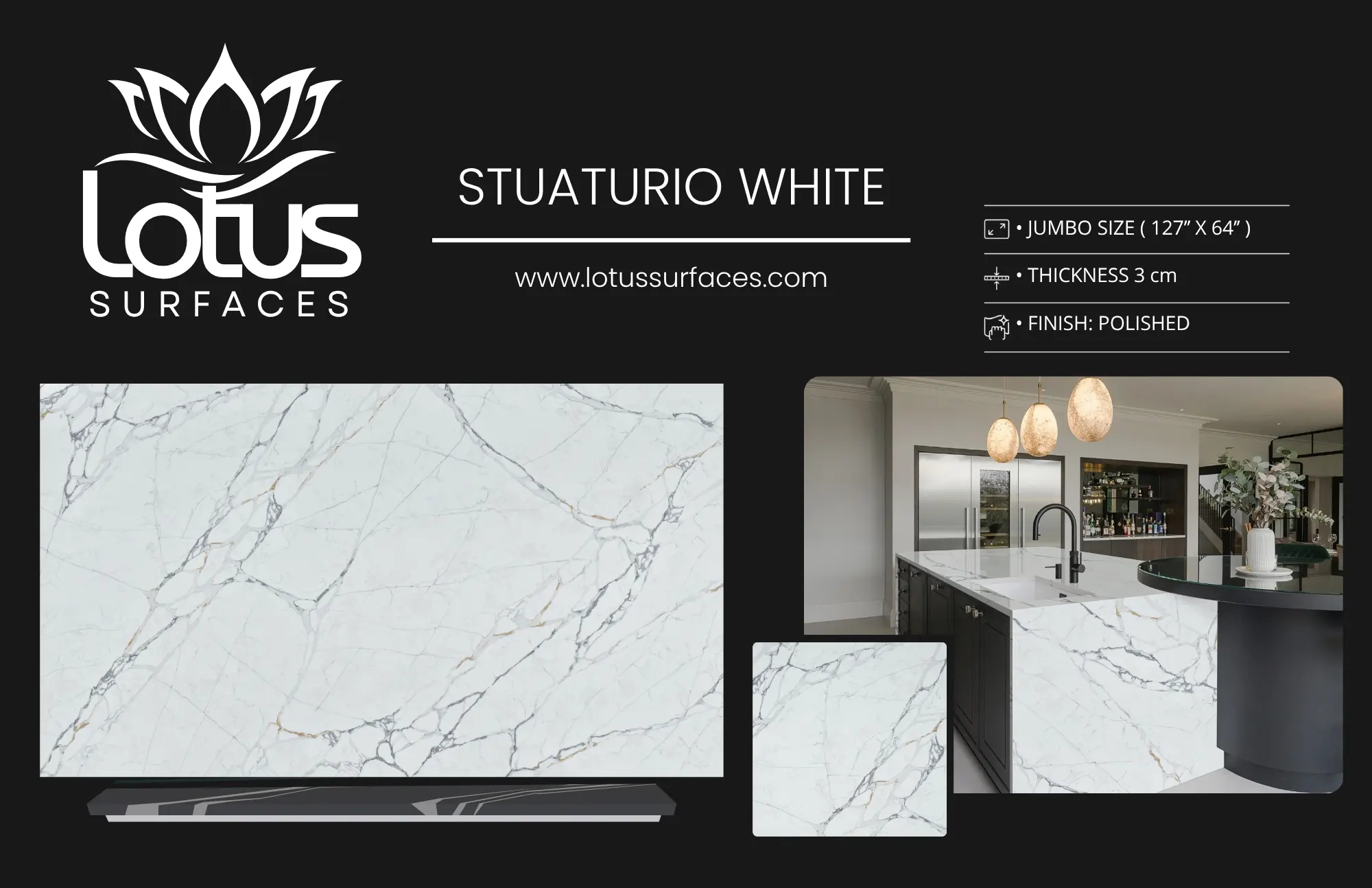
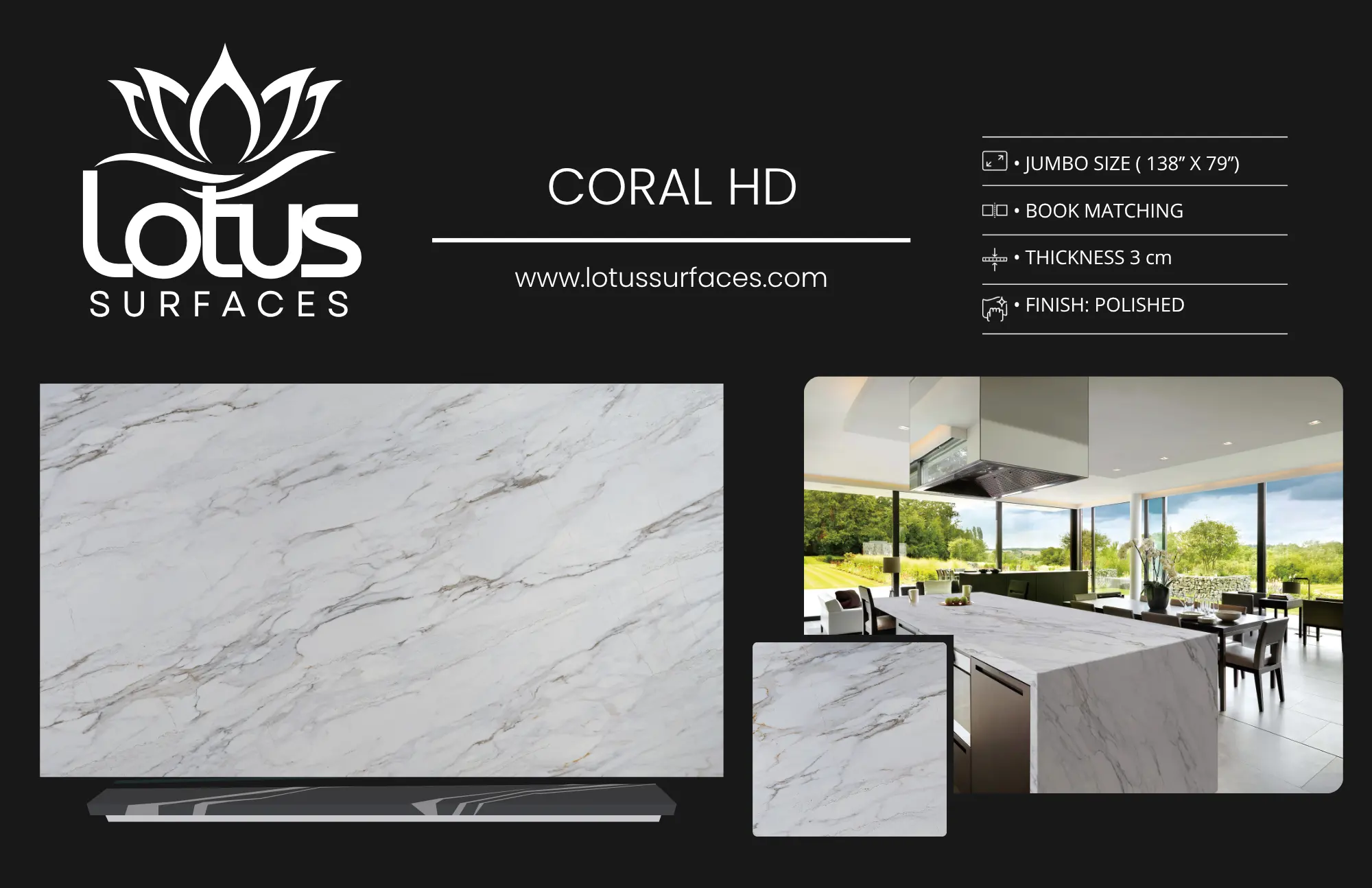
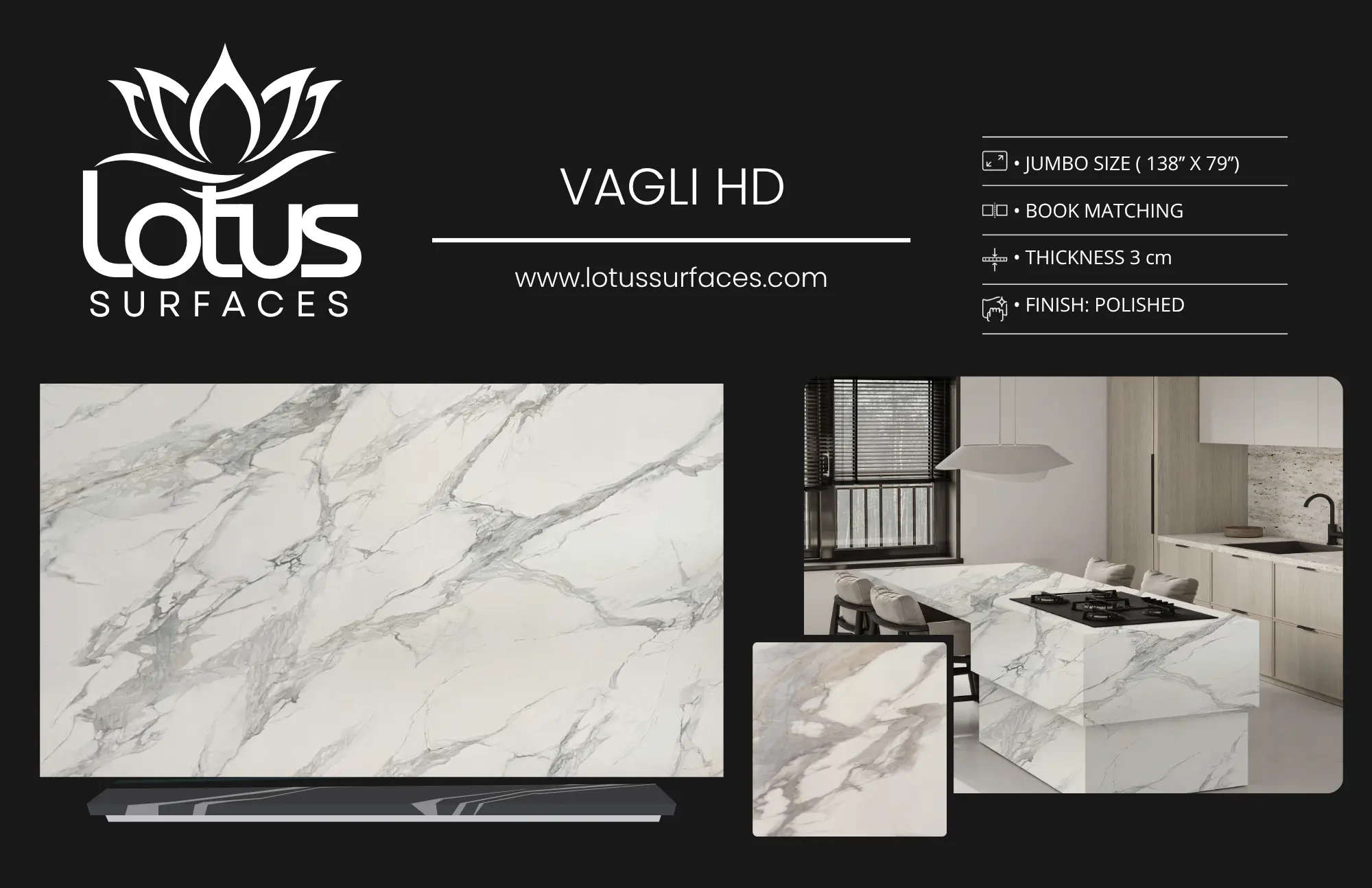
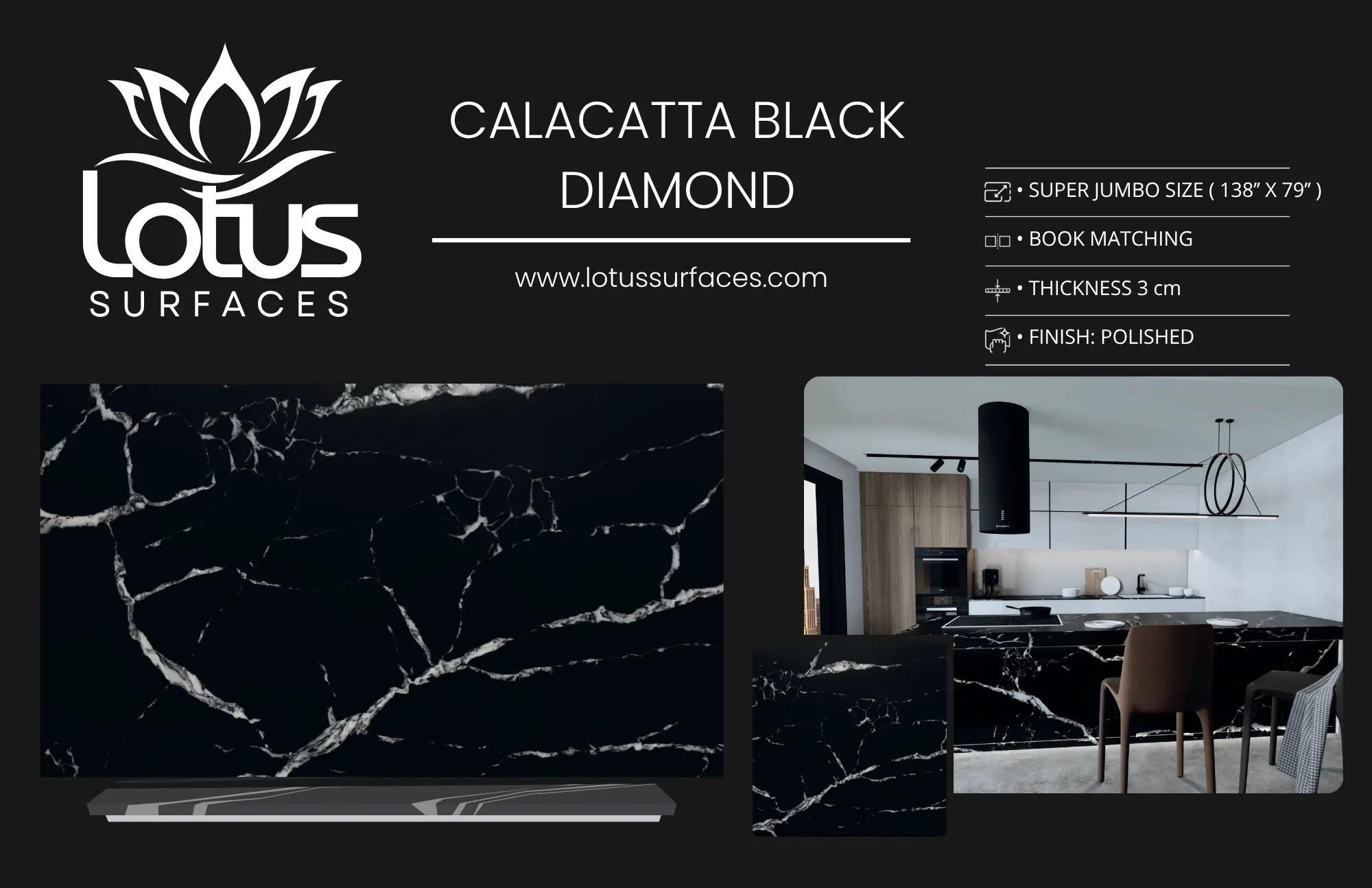
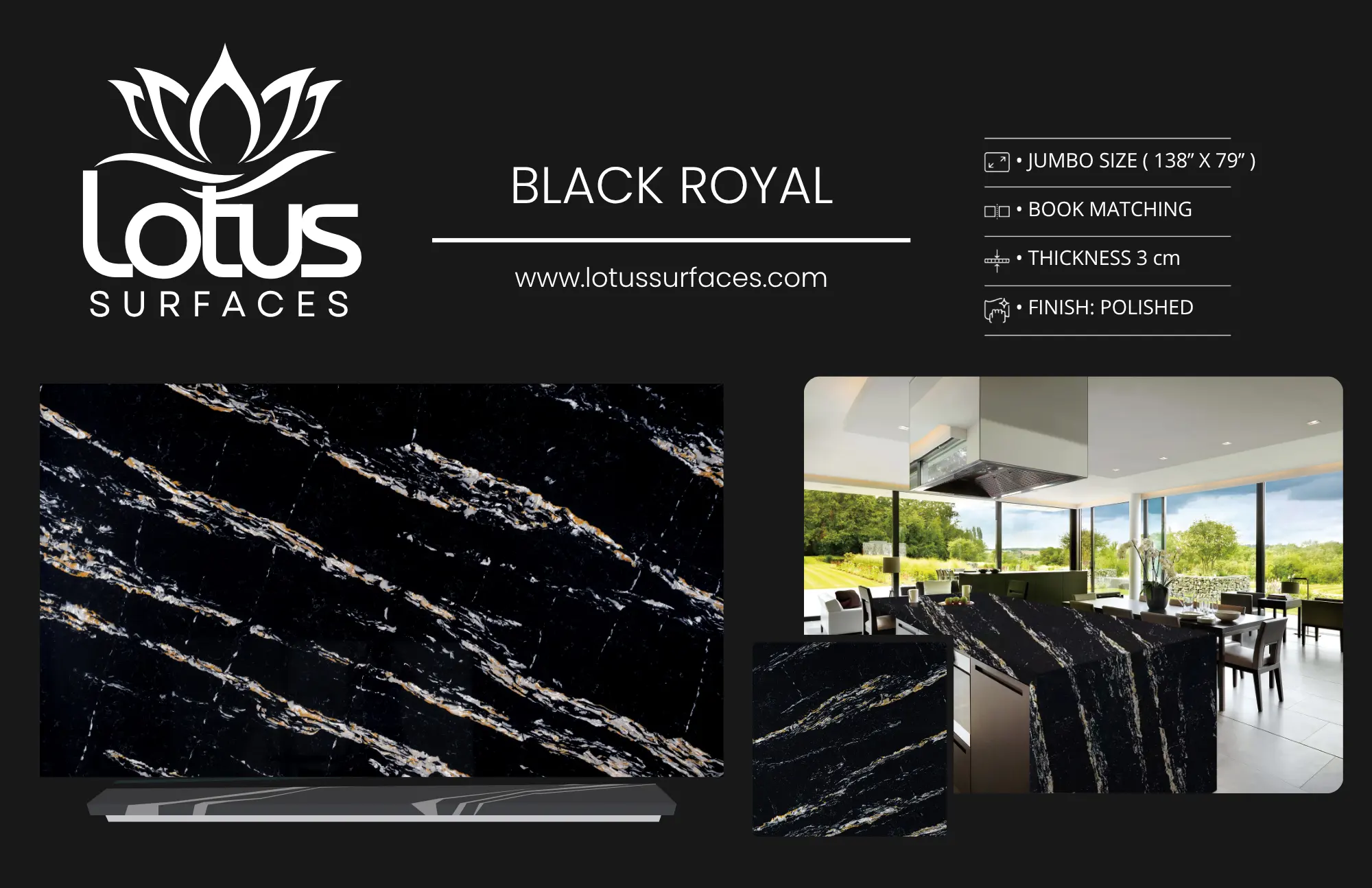
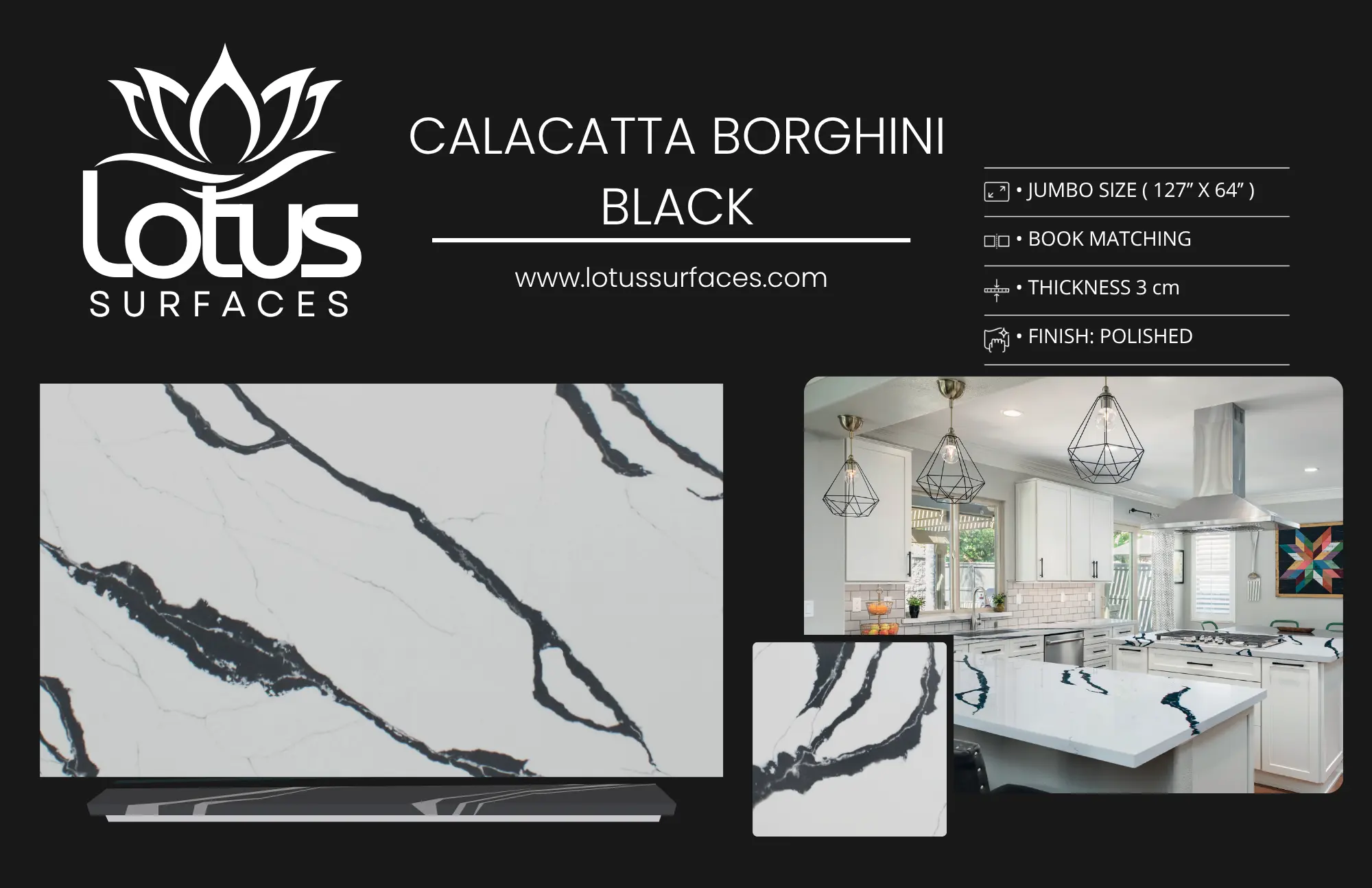
Sintered stone is an innovative material crafted through a process that involves extreme heat and pressure to fuse natural minerals into a dense, non-porous surface. This manufacturing technique results in a product that boasts remarkable durability and resilience, making it an excellent choice for kitchen and bathroom countertops. Sintered stone is available in a variety of colors and patterns, providing homeowners with extensive design options.
One of the standout features of sintered stone is its resistance to scratches, stains, and heat. This makes it an ideal material for high-traffic areas, as it can withstand the rigors of daily use without compromising its appearance. Additionally, sintered stone is eco-friendly, as it is made from natural materials and can be recycled.
What is Traditional Porcelain?
Porcelain countertops are composed of fine clay and other natural materials that are fired at high temperatures. This process results in a dense, durable surface that is resistant to moisture, stains, and scratches. Porcelain is often used in various applications, including tiles, sinks, and countertops.
One of the primary benefits of porcelain countertops is their versatility. They can be manufactured in a wide range of colors, patterns, and finishes, allowing homeowners to achieve their desired aesthetic. However, while porcelain is durable, it can be more prone to chipping and cracking compared to sintered stone, especially if subjected to heavy impacts.
What is Quartz?
Quartz countertops are engineered stone surfaces made from approximately 90-95% crushed natural quartz crystals, combined with resins and pigments. This composition gives quartz countertops their signature durability, non-porous nature, and low maintenance requirements.
Quartz is available in a broad spectrum of colors and patterns, mimicking the appearance of natural stones like granite and marble. It is also highly resistant to stains and scratches, making it a popular choice for kitchen and bathroom applications. However, quartz is sensitive to heat; placing hot pots or pans directly on the surface can lead to damage.
Durability Comparison
| Material | Durability Rating | Scratch Resistance | Heat Resistance | Impact Resistance |
|---|---|---|---|---|
| Sintered Stone | High | Excellent | Excellent | High |
| Porcelain | Medium to High | Good | Good | Medium |
| Quartz | High | Good | Fair | Medium |
As illustrated in the table above, sintered stone stands out for its exceptional durability, offering superior scratch and heat resistance compared to both porcelain and quartz. While quartz also boasts high durability, its heat sensitivity can be a drawback in comparison to sintered stone.
Maintenance and Care
When it comes to maintenance, each material has its own requirements:
- Sintered Stone: Requires minimal maintenance. Regular cleaning with mild soap and water is sufficient. It does not require sealing.
- Porcelain: Generally low-maintenance, but it is essential to clean spills promptly to avoid staining. It may require periodic sealing to maintain its appearance.
- Quartz: Easy to maintain, requiring only soap and water for cleaning. However, it is important to avoid harsh chemicals and high heat.
Overall, sintered stone requires the least maintenance, making it an excellent choice for busy households.
Aesthetic Appeal
Aesthetics play a crucial role in selecting a countertop material. Sintered stone is available in a wide variety of colors and patterns, including options that mimic natural stone. This versatility allows homeowners to find the perfect match for their design vision.
Porcelain also offers extensive design options, often featuring intricate patterns and finishes. However, the appearance may sometimes lack the depth and richness found in natural stones.
Quartz, being engineered, can replicate the look of natural stone but may not have the same authentic feel as sintered stone or porcelain. Homeowners should consider their design preferences when choosing between these materials.
Cost Analysis
Cost is often a significant factor in the decision-making process:
- Sintered Stone: Pricing typically ranges from $50 to $100 per square foot, depending on the brand and design.
- Porcelain: Generally more affordable, with prices ranging from $40 to $80 per square foot.
- Quartz: Pricing can vary widely, usually between $60 and $150 per square foot, depending on the quality and brand.
While sintered stone may have a higher initial cost, its durability and low maintenance can result in long-term savings.
Expert Insights and Tips
Additionally, always check if the fabricator offers a warranty or guarantee on their products. At Lotus Surfaces, we pride ourselves on providing high-quality materials and professional guidance, ensuring you make the best choice for your renovation project.
Conclusion
In conclusion, sintered stone countertops offer a compelling alternative to traditional porcelain and quartz. With their superior durability, low maintenance, and extensive design options, they are an excellent choice for homeowners looking to enhance their kitchens and bathrooms. While each material has its unique advantages, sintered stone stands out for its overall performance and aesthetic appeal.
When considering a countertop for your home in the Greater Atlanta area, consult with experienced professionals like those at Lotus Surfaces to explore your options and ensure a seamless installation process.
FAQs
1. What is the main difference between sintered stone and quartz countertops?
The primary difference lies in their composition and manufacturing processes. Sintered stone is made from natural minerals and fused under high pressure and heat, while quartz is engineered from crushed natural quartz mixed with resins.
2. Are sintered stone countertops more expensive than quartz?
Yes, sintered stone countertops generally have a higher price point compared to quartz, but their durability and low maintenance can make them more cost-effective in the long run.
3. How do I clean my sintered stone countertop?
Cleaning sintered stone is straightforward; simply use mild soap and water. Avoid harsh chemicals and abrasive scrubbers to maintain its appearance.
4. Can sintered stone countertops withstand heat?
Yes, sintered stone countertops have excellent heat resistance, making them suitable for kitchen environments where hot pots and pans are common.
5. Are porcelain countertops more durable than quartz?
Porcelain countertops are durable but can be more prone to chipping compared to quartz. However, they are resistant to moisture and stains.
6. How long do sintered stone countertops last?
With proper care, sintered stone countertops can last for decades, thanks to their durability and resistance to wear and tear.
7. Can I use sintered stone for outdoor countertops?
Yes, sintered stone is suitable for outdoor use due to its resistance to UV rays and extreme weather conditions.
8. What should I consider when choosing a countertop material?
Consider factors such as durability, maintenance, aesthetic preferences, and budget. Consulting with professionals can also help you make the best decision.
