
The Complete Guide to Transitional Kitchen Countertop Design for Timeless Appeal
Transitional kitchen countertop design strikes a perfect balance between traditional charm and modern functionality, making it an ideal choice for homeowners in Norcross and the Greater Atlanta area looking to create a timeless space. This comprehensive guide will explore the essential elements of transitional design, helping you understand how to choose the right materials, colors, and styles for your kitchen countertops. By the end of this article, you’ll have the knowledge and confidence to transform your kitchen into a stunning and functional space that reflects your unique style.
Understanding Transitional Design
Transitional design is characterized by a harmonious blend of traditional and contemporary elements, creating a cohesive look that is both timeless and inviting. This style often features clean lines, neutral color palettes, and a mix of textures that contribute to a sophisticated yet comfortable atmosphere.
When it comes to kitchen countertops, transitional design allows for versatility. Homeowners can choose from various materials, colors, and finishes that complement both classic and modern kitchen elements. This flexibility is particularly appealing for those seeking to create a space that evolves with their tastes over time.
Key Elements of Transitional Countertops
To achieve a successful transitional kitchen countertop design, consider the following key elements:
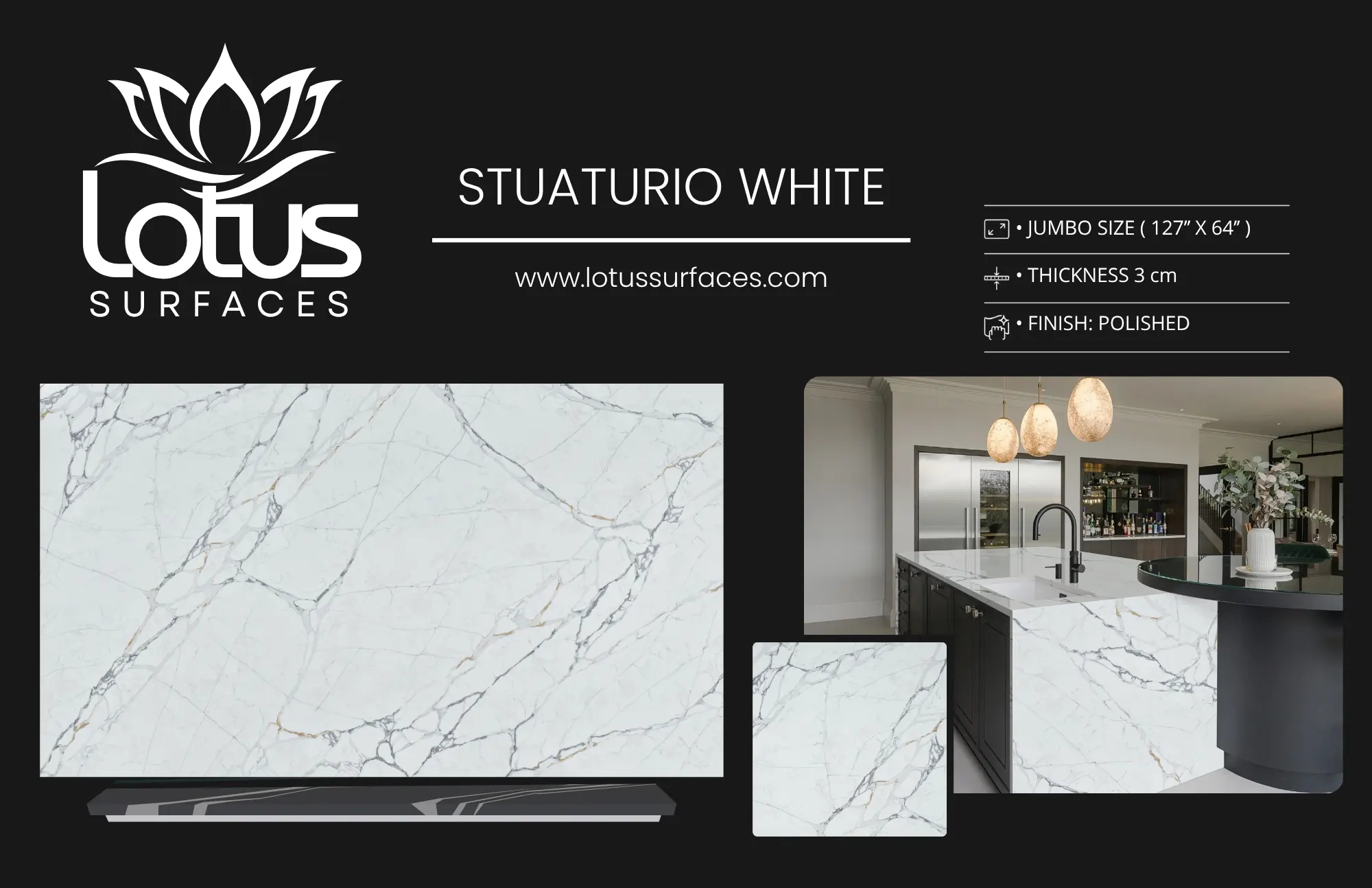
- Balance: Strive for a balance between traditional and modern features. For example, pairing a classic white quartz countertop with contemporary cabinetry can create an appealing contrast.
- Neutral Color Schemes: Transitional kitchens often utilize a neutral color palette, allowing for easy integration of various design elements. Shades of gray, beige, and soft whites are popular choices.
- Textural Variety: Incorporate a mix of textures to add depth and interest. Smooth countertops can be paired with textured backsplashes or cabinetry to create visual intrigue.
- Functional Features: Ensure that your countertops not only look good but also serve functional purposes, such as providing ample workspace and durability.
Popular Materials for Transitional Countertops
When selecting materials for your transitional kitchen countertops, consider the following options:
| Material | Pros | Cons |
|---|---|---|
| Quartz | Durable, low maintenance, available in various colors and patterns | Can be more expensive than other options |
| Granite | Natural beauty, heat resistant, unique patterns | Requires sealing, can be heavy |
| Porcelain | Highly durable, stain resistant, available in large formats | Limited color options compared to quartz |
| Quartzite | Natural stone appearance, durable, heat resistant | Higher cost, requires sealing |
| Solid Surface | Seamless appearance, easy to repair, available in many colors | Less heat resistant, can scratch easily |
Each of these materials has its unique benefits and drawbacks, so it’s essential to consider your lifestyle and design preferences when making a selection. For example, if you’re looking for low-maintenance options, quartz or porcelain may be ideal choices. If you prefer a natural stone aesthetic, granite or quartzite could be more suitable.
Color Palettes and Finishes
Color plays a significant role in the overall design of your transitional kitchen. The right color palette can help create a cohesive and inviting atmosphere. Here are some popular color combinations and finishes for transitional countertops:
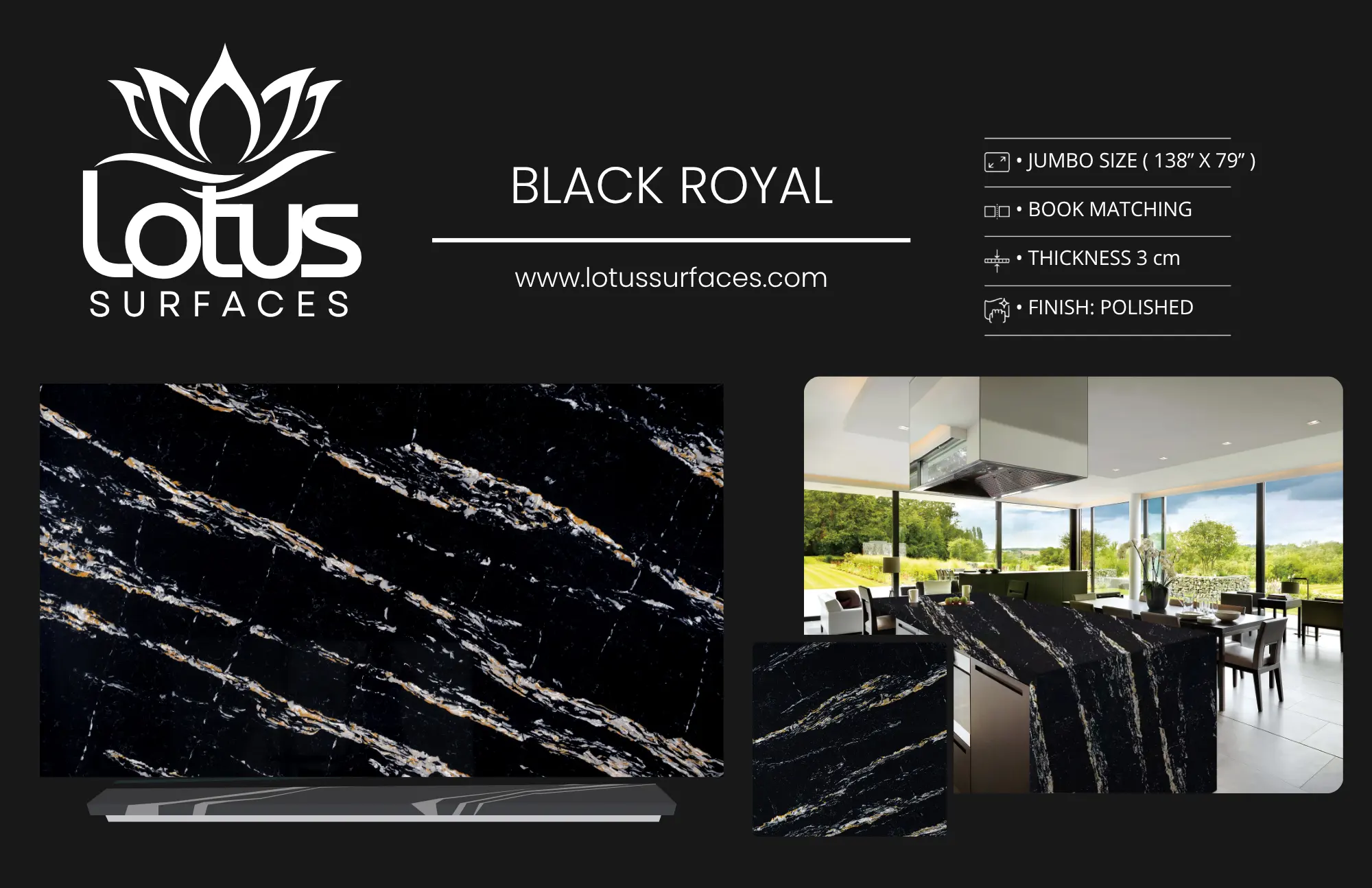
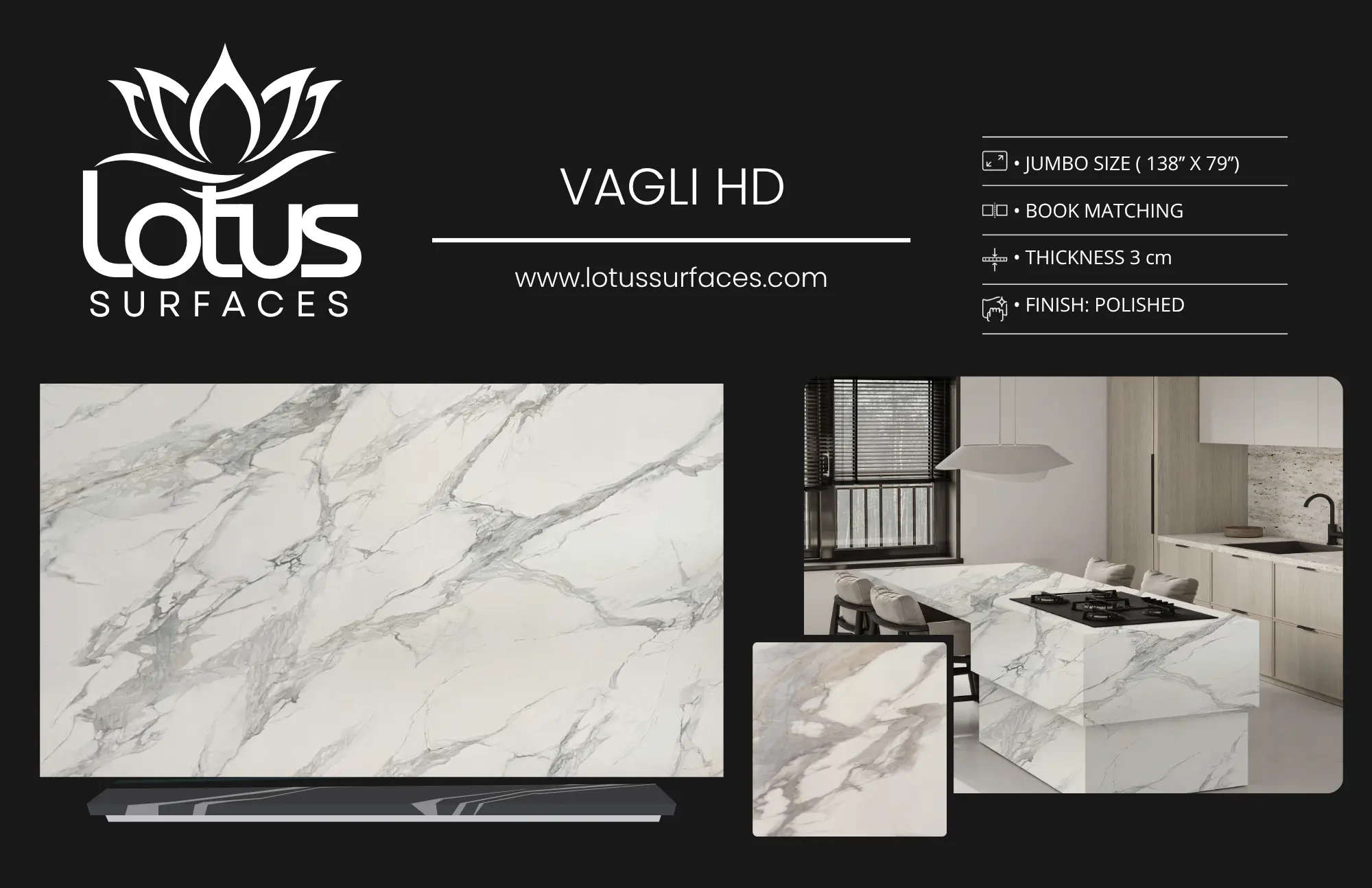
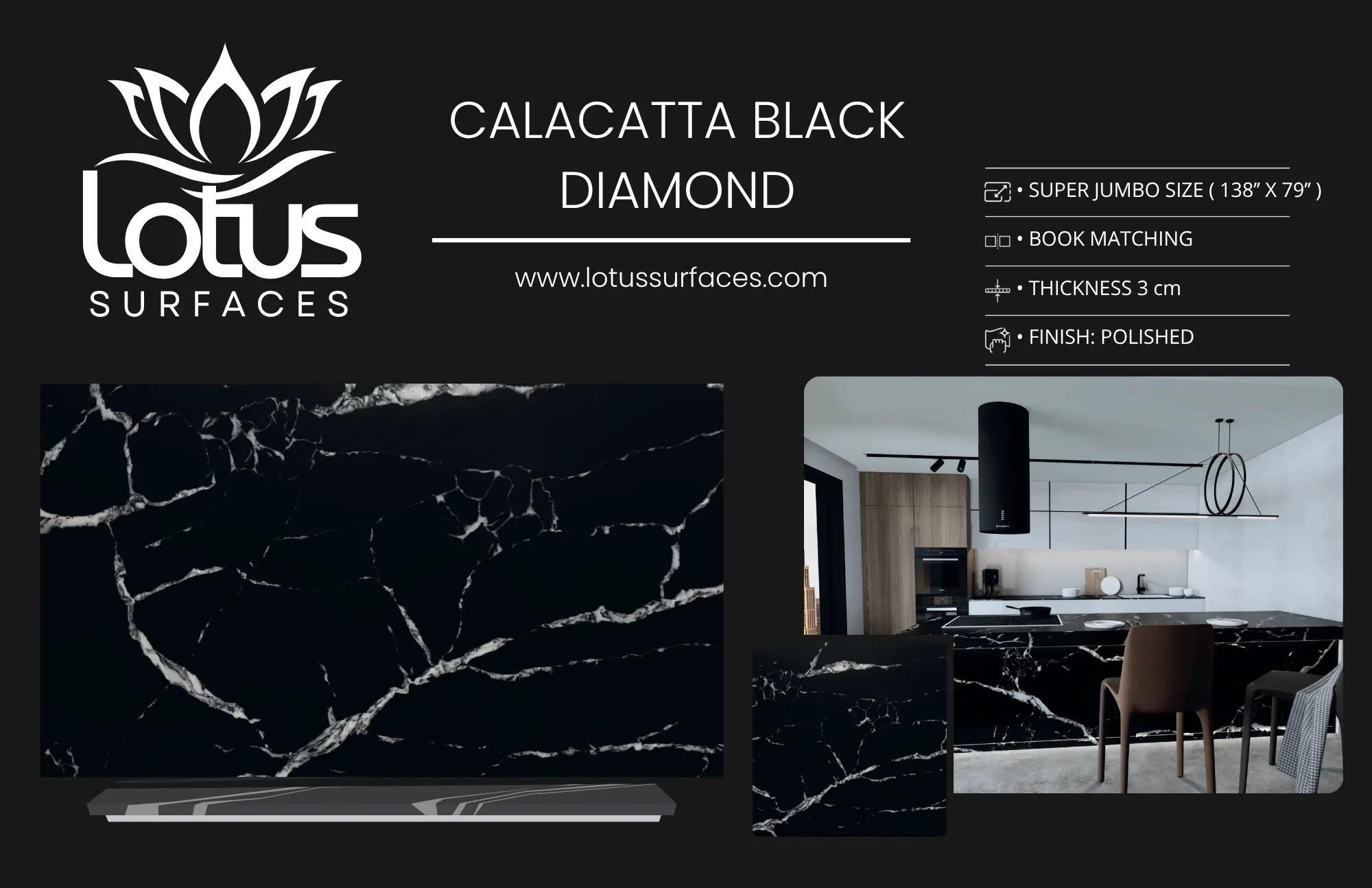
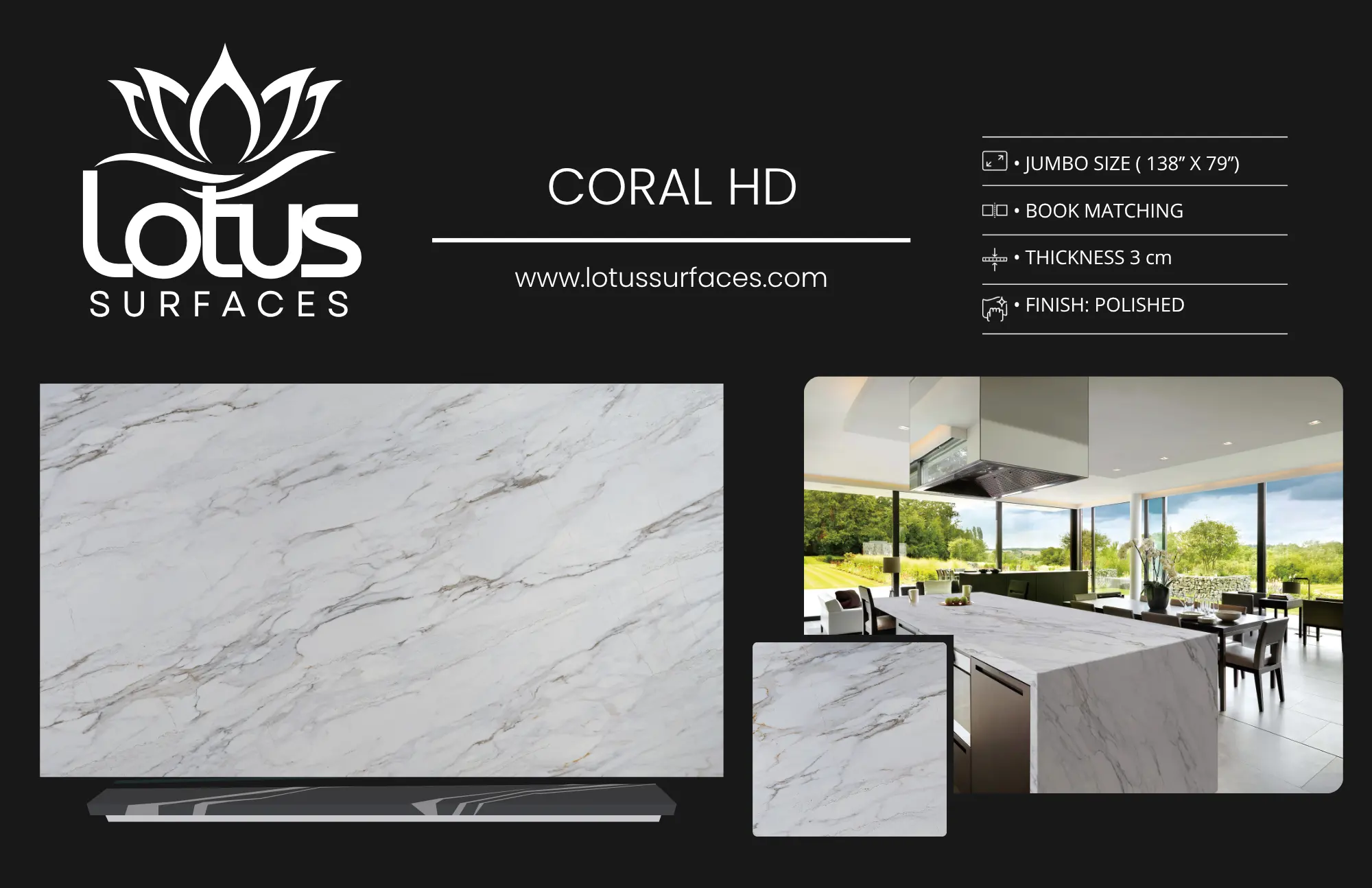
- White and Gray: A classic combination that provides a clean and fresh look. White quartz or granite countertops paired with gray cabinetry create a timeless appeal.
- Beige and Cream: Soft beige or cream countertops can warm up a kitchen space, offering a welcoming ambiance. Pair with darker cabinetry for contrast.
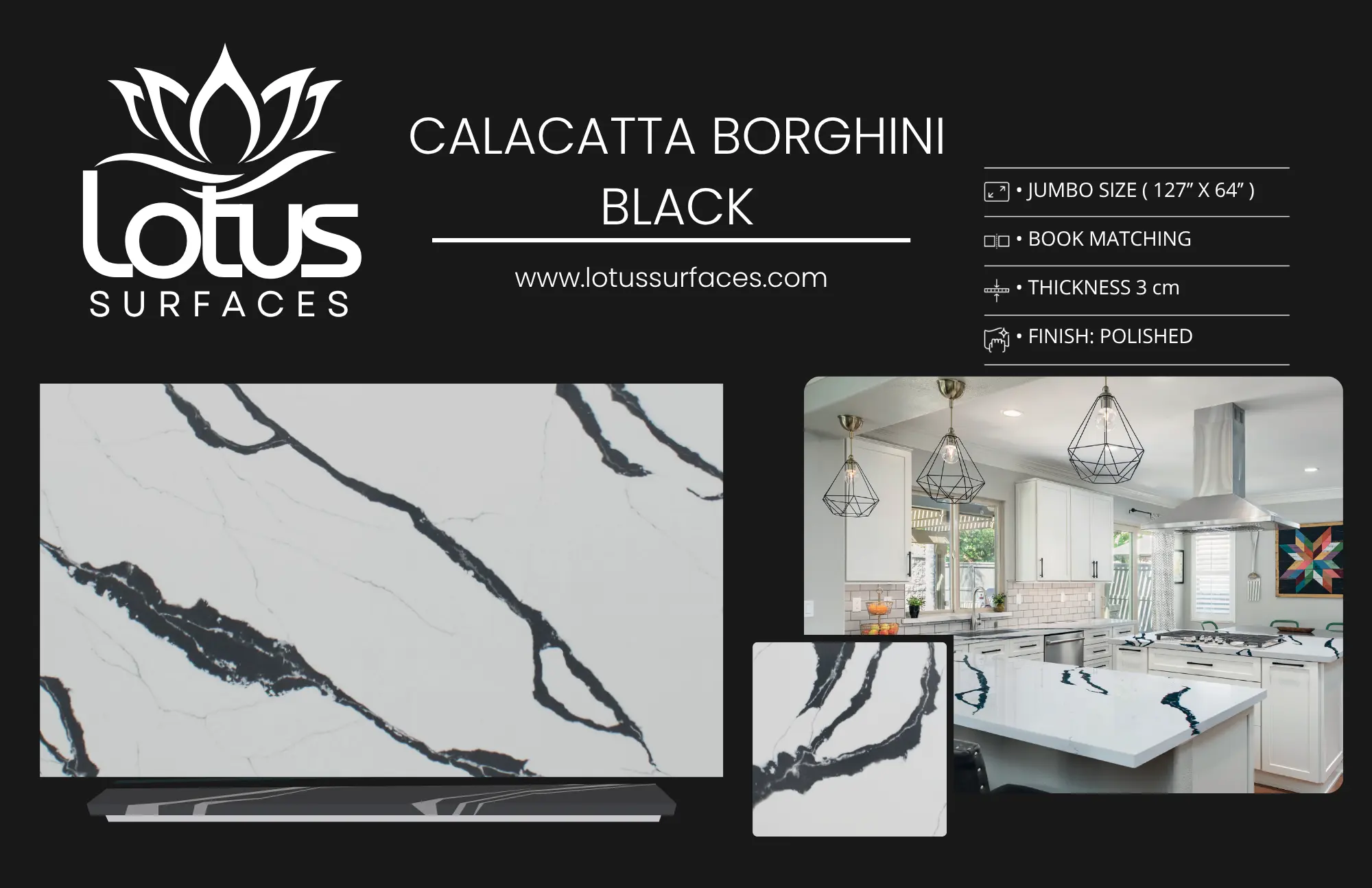
- Bold Accents: Consider using bold colors for your backsplash or cabinetry while keeping countertops neutral. This approach allows for personal expression without overwhelming the space.
Finishes also play a critical role in the visual appeal of your countertops. Polished finishes offer a sleek and modern look, while honed or matte finishes provide a softer, more understated aesthetic.
Design Tips for Transitional Kitchens
To create a successful transitional kitchen, keep the following design tips in mind:
- Mix Materials: Don’t be afraid to combine different materials in your kitchen design. For example, you might pair a granite countertop with a porcelain backsplash to create contrast.
- Focus on Lighting: Good lighting can enhance the beauty of your countertops. Consider under-cabinet lighting to highlight your workspace and create an inviting atmosphere.
- Incorporate Open Shelving: Open shelving can add a modern touch to your transitional kitchen while providing a practical solution for displaying dishes and decor.
- Choose Complementary Hardware: Select cabinet hardware that complements your countertop material and overall design scheme. For example, brass or matte black hardware can enhance the elegance of your kitchen.
Maintenance and Care
Maintaining your transitional kitchen countertops is essential for ensuring their longevity and beauty. Here are some maintenance tips for various materials:
- Quartz: Clean with mild soap and water. Avoid harsh chemicals that can damage the surface.
- Granite: Seal every 1-2 years to prevent staining. Clean with a pH-balanced cleaner.
- Porcelain: Use a soft cloth and mild detergent for cleaning. Porcelain is resistant to stains and scratches, making it relatively low maintenance.
- Quartzite: Similar to granite, seal regularly and clean with a gentle cleaner.
- Solid Surface: Wipe down with warm soapy water and avoid abrasive cleaners to prevent scratches.
Expert Insights and Tips
Additionally, consult with a professional countertop fabricator to ensure proper measurements and installation. At Lotus Surfaces, our experienced team can guide you in choosing the perfect materials and designs tailored to your needs. Explore our range of countertops for your transitional kitchen.
Frequently Asked Questions
What is transitional kitchen design?
Transitional kitchen design is a style that combines traditional and contemporary elements to create a cohesive and timeless look. It often features a mix of textures, neutral color palettes, and functional designs.
What are the best materials for transitional countertops?
Popular materials for transitional countertops include quartz, granite, porcelain, quartzite, and solid surface. Each material offers unique benefits and aesthetic appeal.
How do I choose the right color for my kitchen countertops?
Consider a neutral palette that complements your cabinetry and overall kitchen design. Popular combinations include white and gray or beige and cream.
How can I maintain my kitchen countertops?
Maintenance varies by material, but generally involves regular cleaning with mild soap and water, sealing natural stones like granite and quartzite, and avoiding harsh chemicals.
Can I mix different countertop materials in my kitchen?
Yes! Mixing materials can add visual interest and depth to your kitchen design. Just ensure that they complement each other and fit within your overall aesthetic.
What are some design tips for a transitional kitchen?
Mix materials, focus on lighting, incorporate open shelving, and choose complementary hardware to enhance the transitional style.
How do I ensure proper installation of my countertops?
Consult with a professional countertop fabricator for accurate measurements and installation. This ensures a flawless finish and optimal functionality.
What trends are popular in transitional kitchen design?
Current trends include bold accent colors, open shelving, and mixed materials. Staying updated with design trends can help you create a modern yet timeless kitchen.
