
Ultimate Guide to Designing a Walk-In Shower with Porcelain Slab Walls
Creating a stunning walk-in shower with porcelain slab walls and a matching vanity top is an exciting way to elevate your bathroom’s aesthetics and functionality. Porcelain slabs offer a modern, sleek, and durable option for homeowners in Norcross and the greater Atlanta area. In this comprehensive guide, we will delve into the essential steps and design considerations for achieving a beautiful and practical walk-in shower, while also ensuring that your vanity top complements the overall look.
Understanding Porcelain Slab Benefits
Porcelain slabs are an excellent material choice for walk-in showers due to their numerous benefits. Here are some key advantages:
- Durability: Porcelain is highly resistant to scratches, stains, and moisture, making it ideal for wet environments.
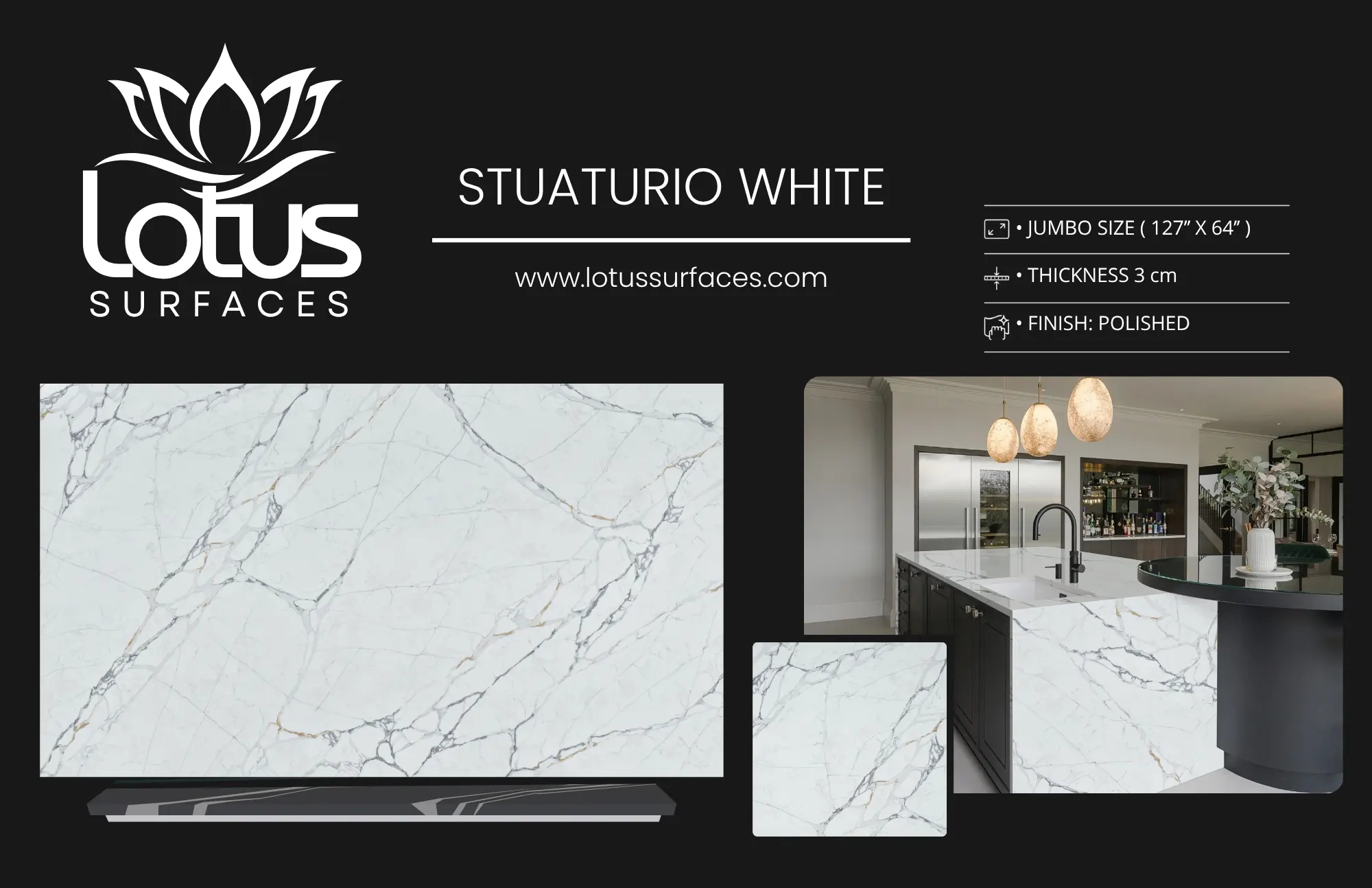
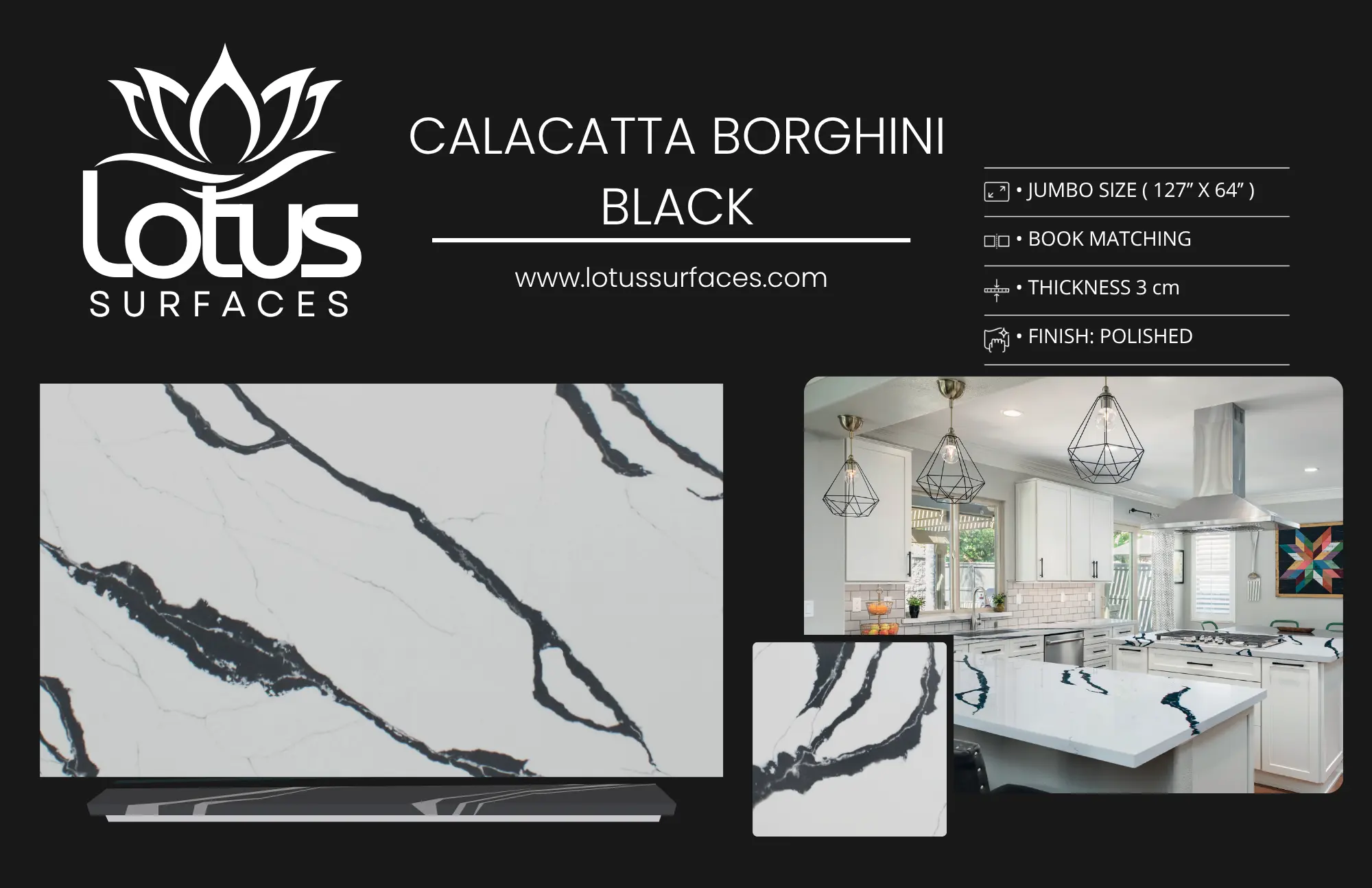
- Aesthetic Appeal: With a variety of colors and patterns available, porcelain slabs can mimic natural stone, providing a luxurious appearance.
- Low Maintenance: Unlike traditional tile, porcelain slabs have fewer grout lines, reducing the time required for cleaning and maintenance.
- Versatility: Porcelain can be used for both shower walls and vanity tops, allowing for seamless design integration.
According to a study by the American Bath Group, homeowners who choose porcelain for their bathroom renovations often report higher satisfaction due to its longevity and aesthetic appeal.
Designing Your Walk-In Shower
Designing a walk-in shower involves various considerations to ensure functionality and style. Here are the steps to follow:
Step 1: Determine the Size and Layout
Before selecting materials, measure the available space for your walk-in shower. Common dimensions range from 36 inches by 36 inches to larger 60-inch by 30-inch designs. Ensure that the layout allows for easy access and complements the rest of your bathroom.
Step 2: Choose a Shower Base
Decide whether you want a pre-fabricated shower base or a custom-built one. A custom shower base offers greater design flexibility and can be made from the same porcelain slabs as your walls for a cohesive look.
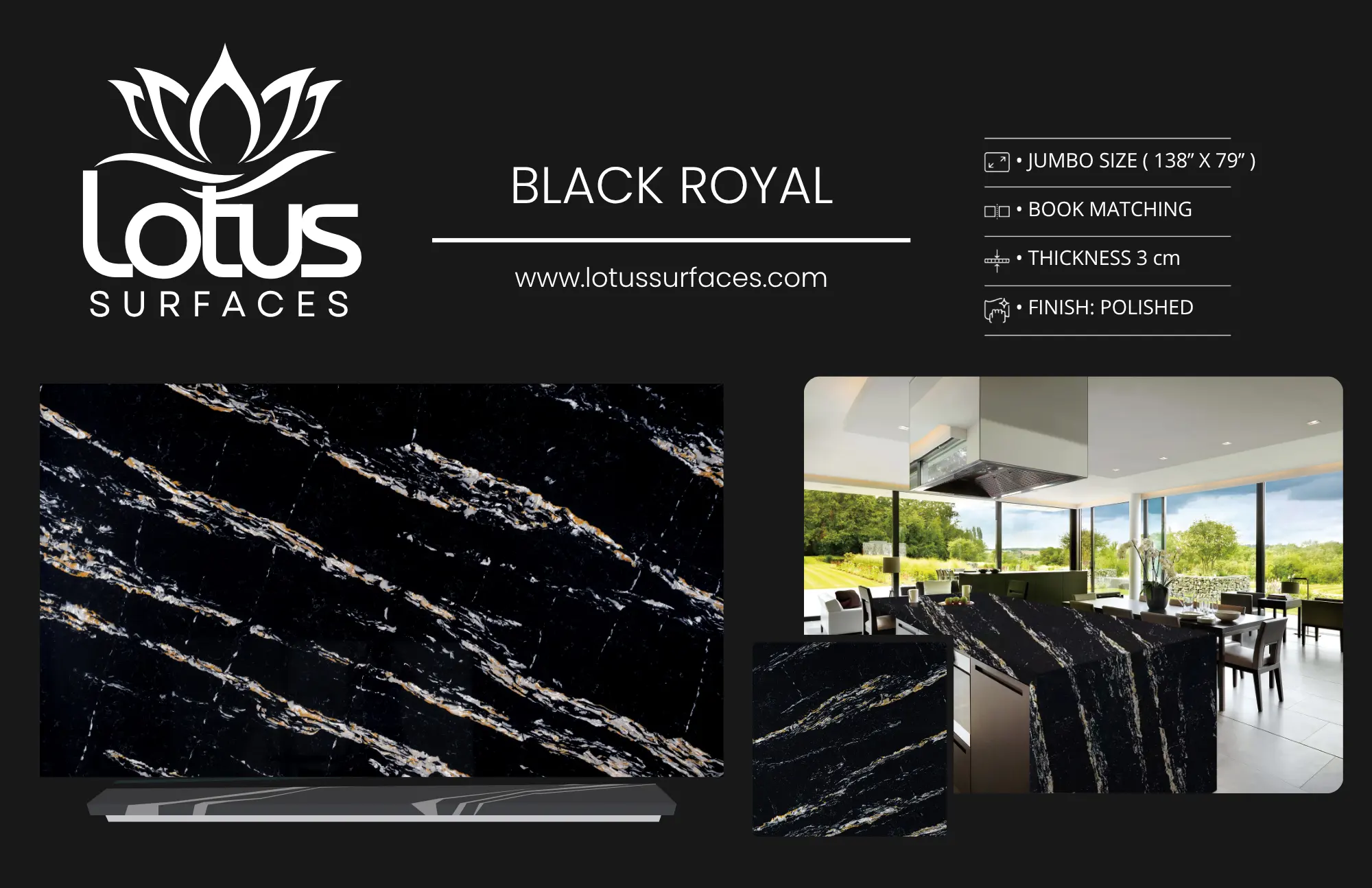
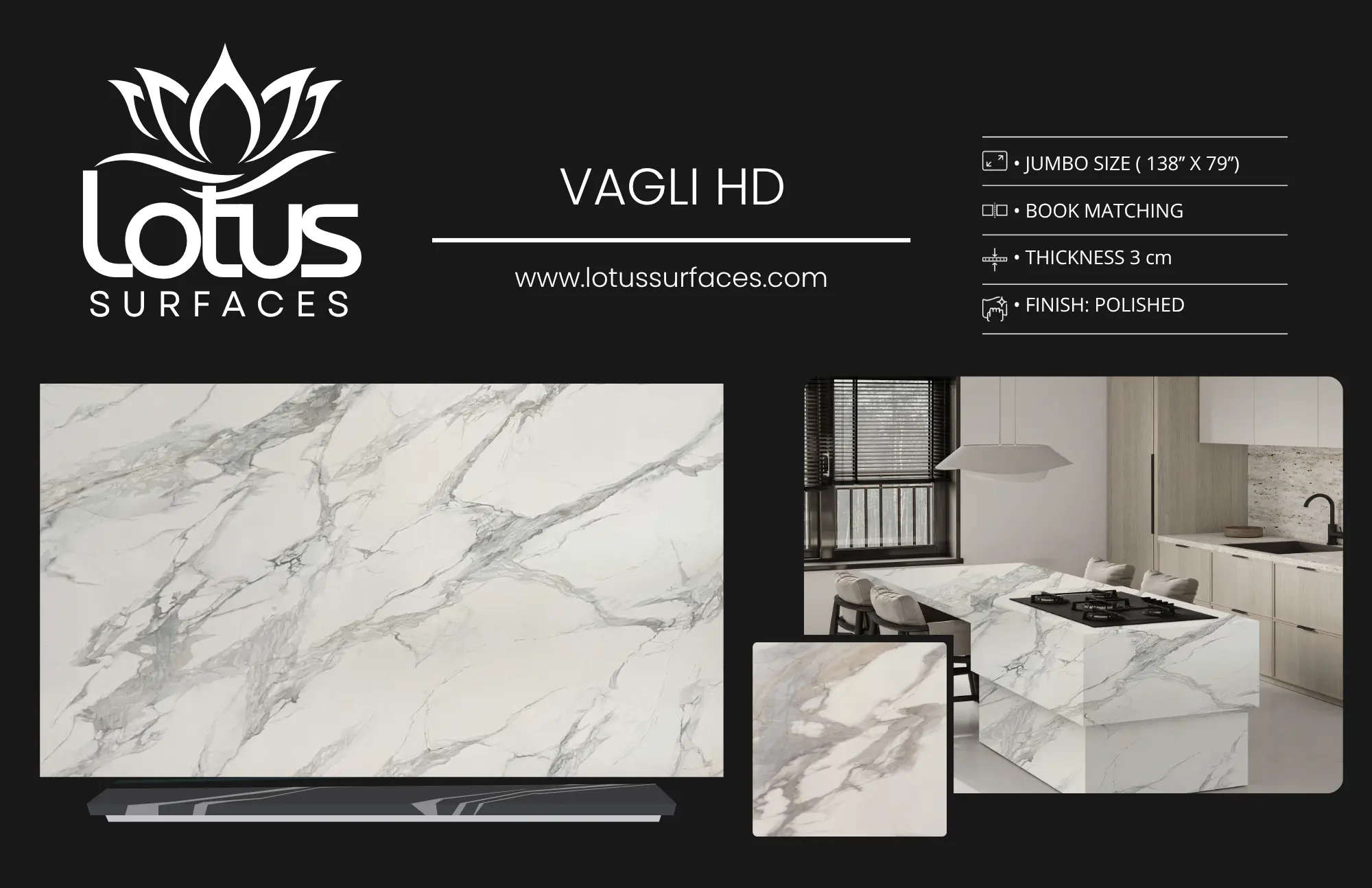
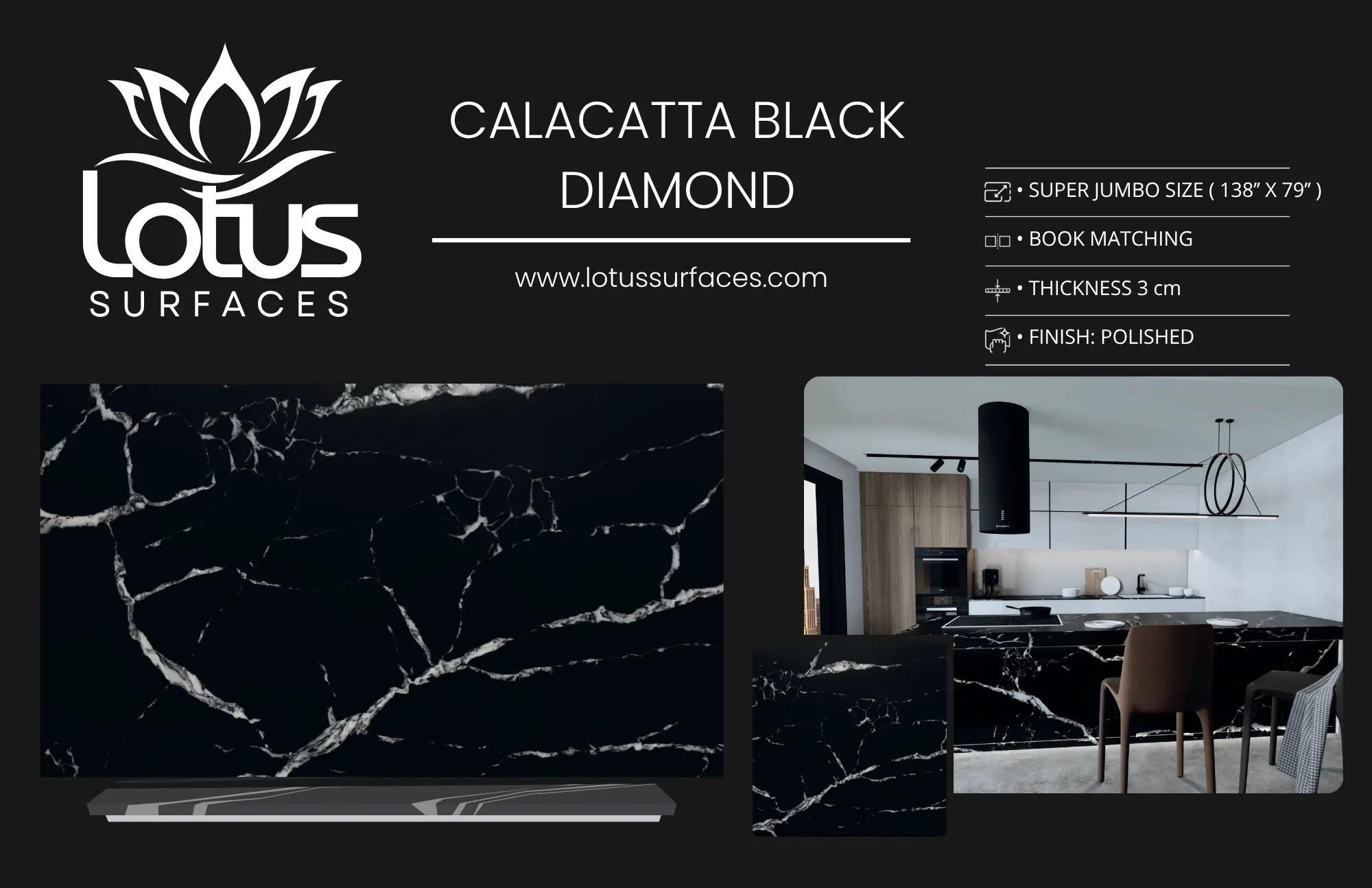
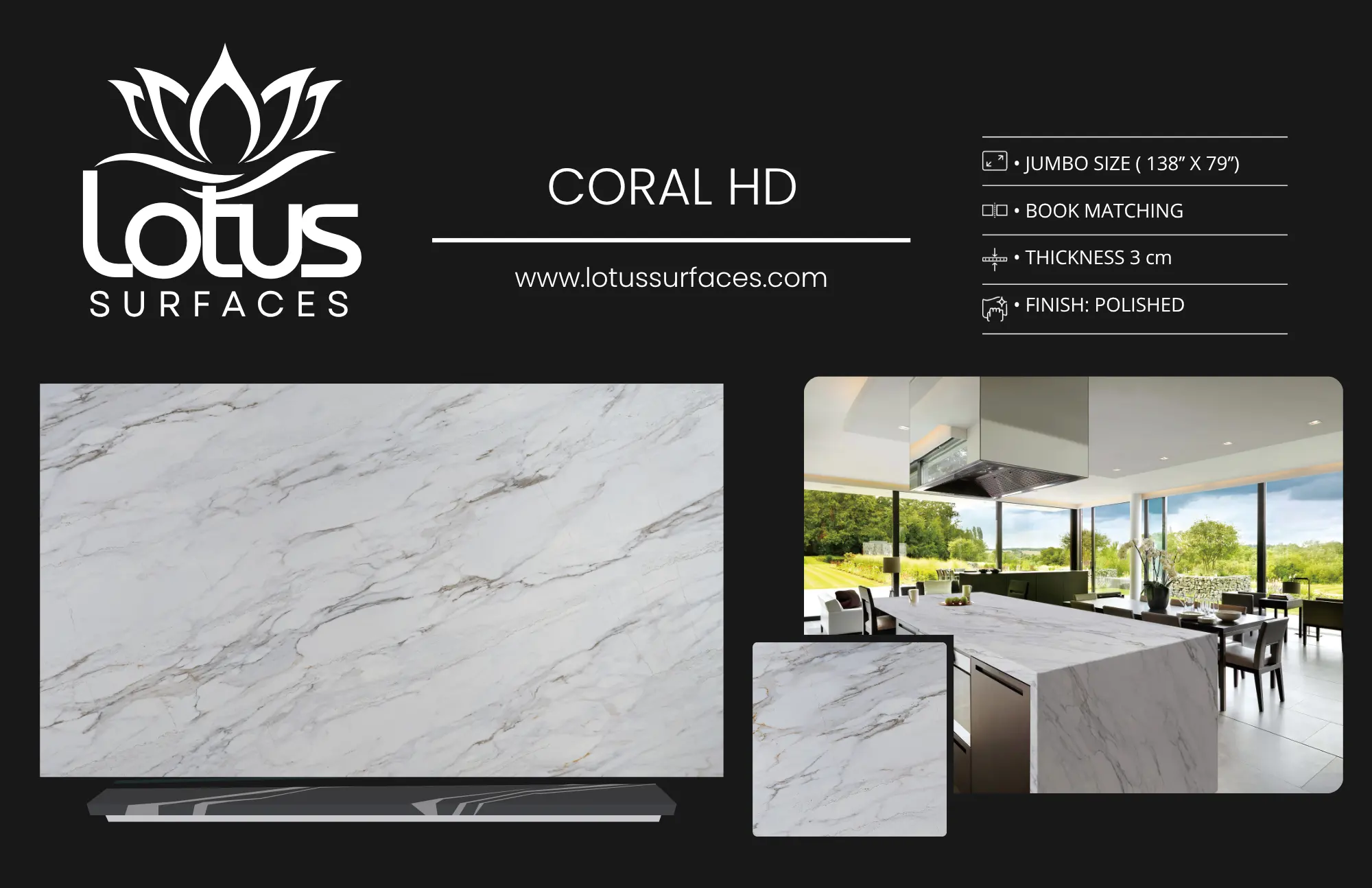
Step 3: Select Porcelain Slab Colors and Patterns
When choosing your porcelain slabs, consider the overall color scheme of your bathroom. Popular options include:
- Neutral Tones: Whites, grays, and beiges create a calming atmosphere.
- Bold Patterns: Marble or granite-look porcelain can add drama and elegance.
- Textured Finishes: Textured porcelain can enhance grip and add visual interest.
Step 4: Plan for Shower Fixtures
Choose your showerhead, faucets, and additional fixtures. Ensure that their finishes coordinate with your porcelain slabs for a polished look.
Step 5: Consider Lighting
Incorporate lighting options that enhance the beauty of your porcelain slabs. Recessed lighting or wall sconces can create a spa-like ambiance.
Choosing the Right Vanity Top
A matching vanity top can elevate your walk-in shower design. Here’s how to select the perfect one:
Step 1: Match the Material
Opt for a porcelain slab vanity top that complements your shower walls. This creates a harmonious look throughout your bathroom.
Step 2: Select the Edge Profile
Choose an edge profile that suits your style. Popular options include:
| Edge Profile | Description |
|---|---|
| Beveled | Sharp angles create a modern look. |
| Ogee | Curved edges provide a traditional feel. |
| Flat | Sleek and minimalist design. |
Step 3: Consider Sink Placement
Decide on the sink placement based on your vanity size and user convenience. Undermount sinks can create a seamless look with your vanity top.
Installation Process for Porcelain Slabs
Installing porcelain slab walls and vanity tops requires precision and expertise. Here’s an overview of the installation process:
Step 1: Prepare the Substrate
Ensure that the wall surfaces are clean, dry, and structurally sound. This might involve patching any holes or imperfections.
Step 2: Measure and Cut the Slabs
Using advanced technology like laser measurement, accurately cut the porcelain slabs to fit your shower walls and vanity top. Precision is crucial to ensure proper seams and alignment.
Step 3: Apply Adhesive
Use a high-quality thin-set adhesive specifically designed for porcelain. Apply evenly to the substrate using a notched trowel.
Step 4: Install the Slabs
Carefully position the slabs onto the adhesive, ensuring even spacing. Use spacers to maintain uniform gaps.
Step 5: Seal the Joints
Once installed, seal the joints between slabs to prevent moisture penetration. This is critical in wet environments like showers.
Step 6: Install Fixtures
Finally, install your shower fixtures and ensure everything is functioning correctly. Test the water flow and adjust if necessary.
Maintenance Tips for Porcelain Shower Walls
To keep your porcelain shower walls looking pristine, follow these maintenance tips:
- Regular Cleaning: Use a mild detergent and soft cloth to clean the surfaces regularly.
- Avoid Harsh Chemicals: Stay away from abrasive cleaners that can damage the porcelain finish.
- Check Grout Lines: Regularly inspect grout lines for any signs of wear or damage and reseal as needed.
Expert Insights for a Successful Project
Additionally, consider scheduling periodic maintenance checks to ensure that both your shower and vanity top remain in excellent condition. This proactive approach can extend the life of your investments.
FAQs
What are the benefits of using porcelain slabs for shower walls?
Porcelain slabs are durable, low maintenance, and available in a variety of styles, making them ideal for walk-in showers.
How do I clean porcelain shower walls?
Use a mild detergent and a soft cloth. Avoid abrasive cleaners that can scratch the surface.
Can I install porcelain slabs myself?
While DIY installation is possible, it is recommended to hire professionals for precise measurements and installation.
What is the average cost of porcelain slab installation?
Costs can vary widely based on size and complexity, but homeowners in Atlanta can expect to pay between $50-$100 per square foot.
How do I choose the right color for my porcelain slabs?
Consider your existing bathroom color scheme and choose a color that complements or contrasts effectively for visual interest.
Are porcelain slabs slippery when wet?
Textured porcelain can provide better grip and reduce slipperiness, making it a safer option for showers.
What edge profiles are available for vanity tops?
Common edge profiles include beveled, ogee, and flat, each offering different aesthetic appeals.
How do I maintain my porcelain vanity top?
Regularly clean your vanity top with a mild detergent and soft cloth, and avoid harsh chemicals.
Conclusion
Designing a walk-in shower with porcelain slab walls and a matching vanity top can transform your bathroom into a luxurious retreat. By following the steps outlined in this guide, you can ensure a successful project that combines beauty, functionality, and durability. For expert assistance and high-quality materials, contact Lotus Surfaces today.
