


The Complete Guide to Countertop Surface Finishing: Polishing, Honing, and Leathering
Choosing the right surface finish for your countertops is crucial in achieving both aesthetic appeal and functional performance. Whether you are considering quartz, granite, or porcelain countertops in Norcross, GA, understanding the differences between polishing, honing, and leathering can significantly enhance your renovation project. This comprehensive guide will walk you through everything you need to know about countertop surface finishing, how each technique affects the look and feel of your surfaces, and what to consider when making your choice.
Understanding Countertop Finishes
Countertop surfaces can be finished in various ways to achieve different looks and functionalities. Each finishing technique has its unique characteristics, benefits, and maintenance requirements. Understanding these options is essential for homeowners in the Greater Atlanta Metro Area seeking high-quality fabrication and installation from a trusted countertop fabricator.
There are three main types of countertop finishes: polishing, honing, and leathering. Each offers distinct advantages and can dramatically influence the overall aesthetic of your kitchen or bathroom. In the following sections, we will delve into each method in detail.
Polishing: The Glossy Shine
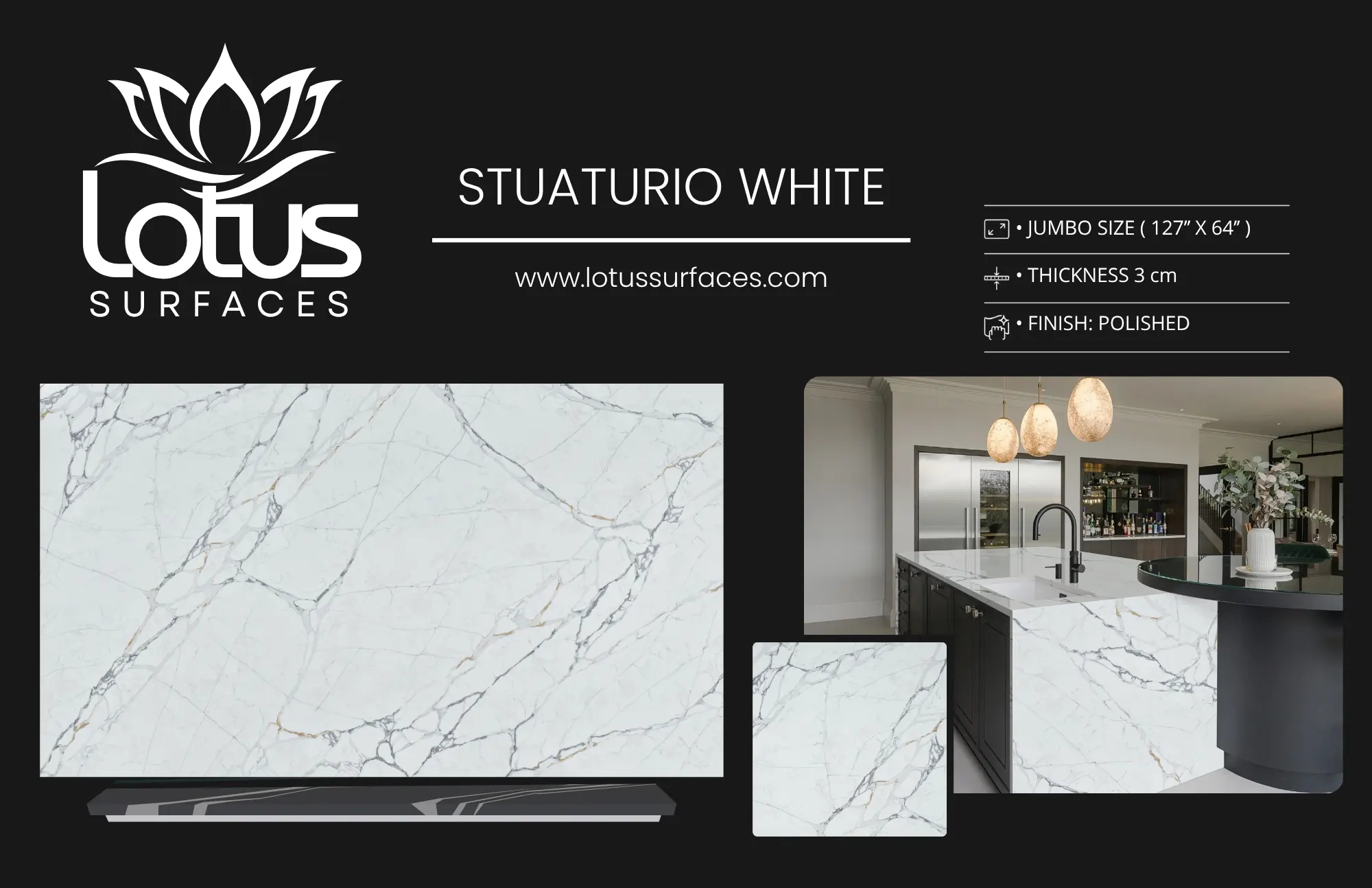
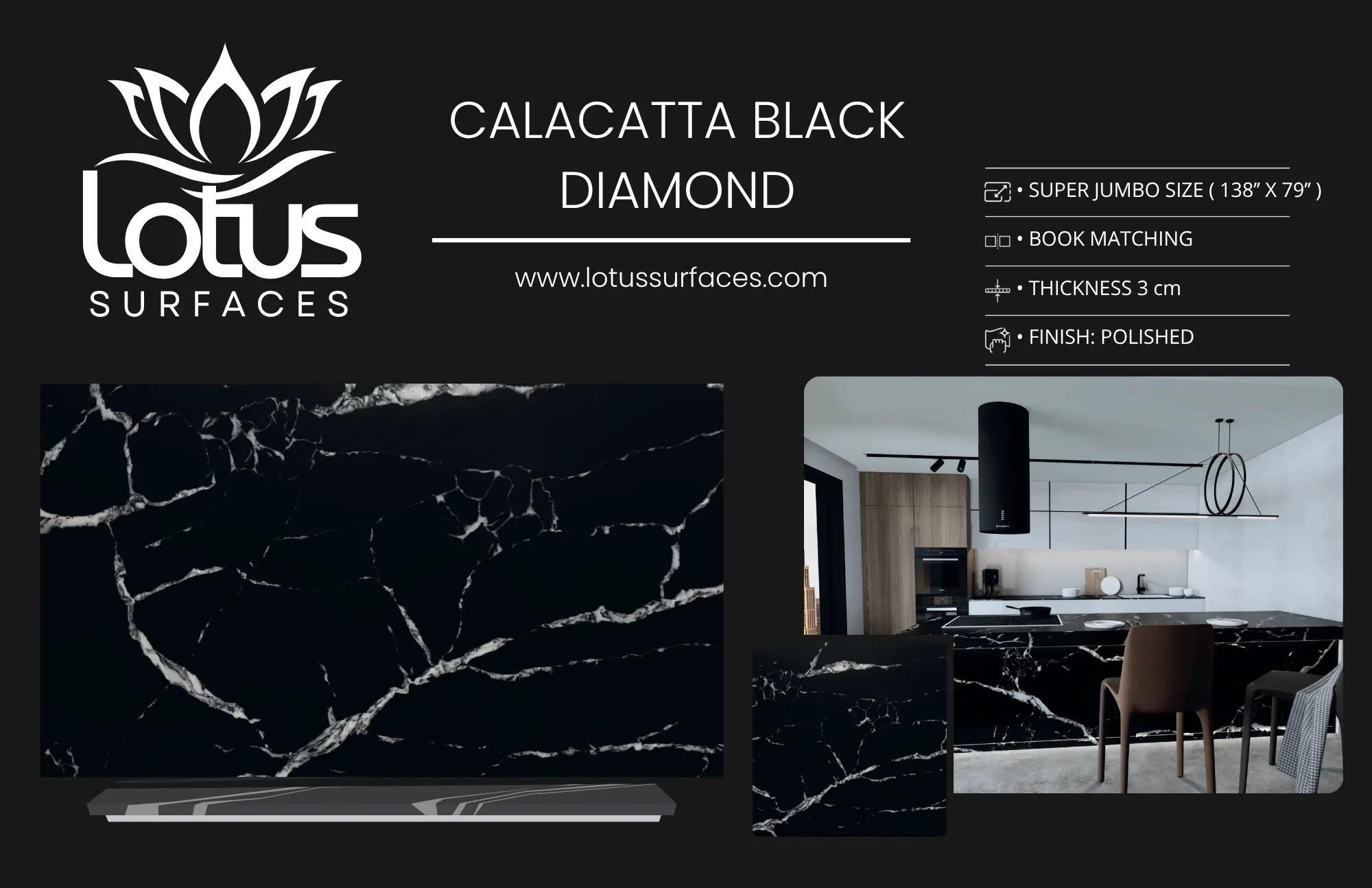
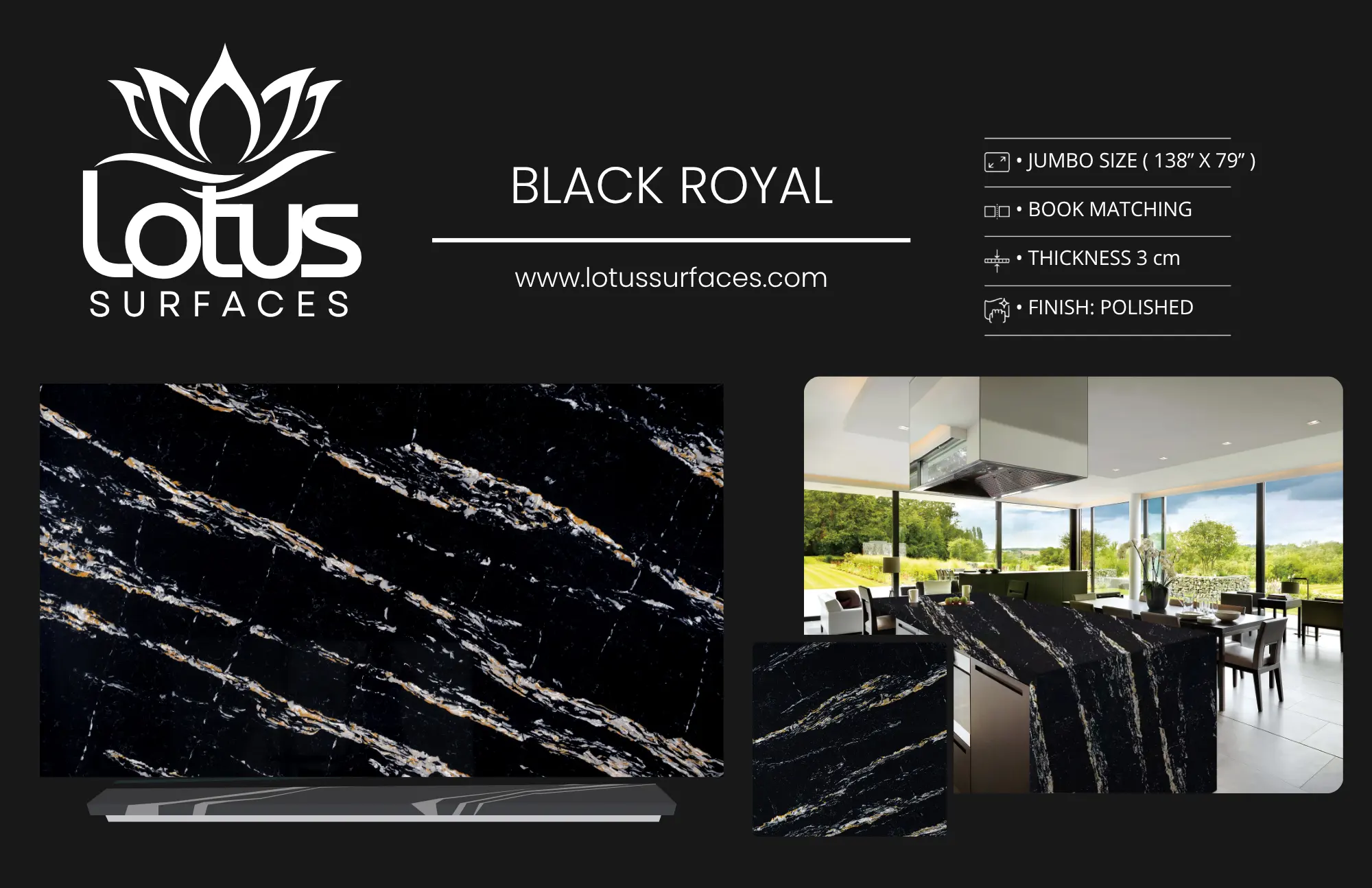
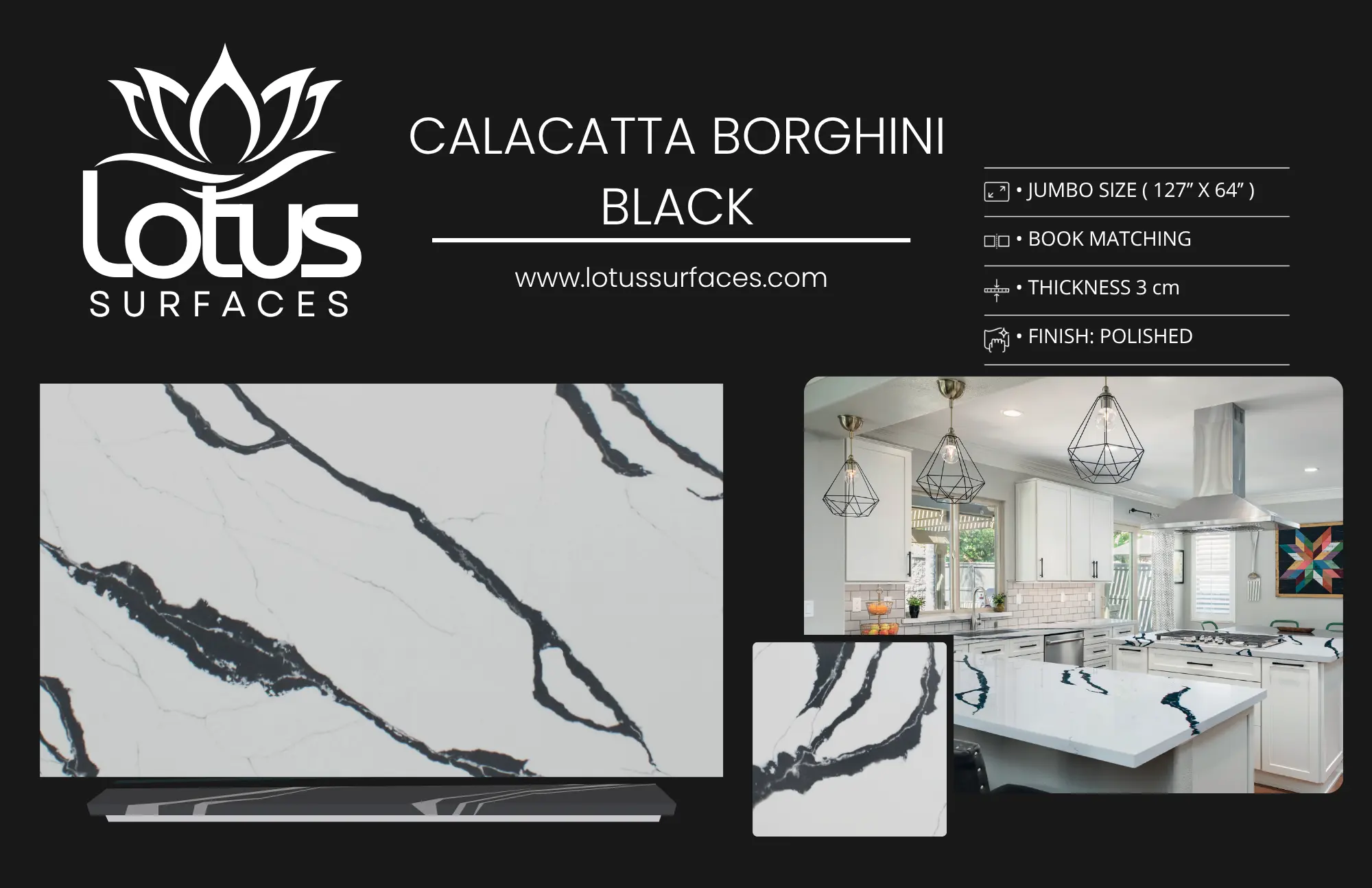
Polishing is a popular finishing technique that creates a high-gloss surface on stone countertops. This method involves grinding the stone with progressively finer abrasives until a smooth, reflective surface is achieved. Polished countertops are known for their beautiful shine and vibrant colors, making them ideal for those looking to make a statement.
Benefits of Polished Countertops
- Aesthetic Appeal: Polished surfaces enhance the color and pattern of the stone, giving it a luxurious look.
- Stain Resistance: The smooth surface repels spills and stains, making it easier to clean and maintain.
- Durability: Polished countertops can withstand heavy use, making them suitable for kitchens and bathrooms.
Maintenance of Polished Countertops
While polished surfaces are relatively easy to maintain, they do require some attention. Regular cleaning with a mild detergent and water is advised, and it’s important to avoid abrasive cleaners that can dull the shine. Additionally, sealing your polished countertops every 6-12 months will help protect them from stains and moisture.
Honing: The Matte Finish
Honing is a finishing technique that results in a matte or satin finish on the surface of the stone. This process involves grinding the stone with less abrasive materials than polishing, resulting in a smoother, less reflective surface. Honed countertops are becoming increasingly popular for their understated elegance.
Benefits of Honed Countertops
- Subtle Aesthetic: Honed surfaces provide a softer look, making them suitable for both modern and traditional designs.
- Scratch Resistance: The matte finish is less prone to showing scratches and fingerprints compared to polished surfaces.
- Natural Feel: Honed countertops often feel warmer to the touch, giving them a more natural appearance.
Maintenance of Honed Countertops
Honed surfaces require a different maintenance approach. They are more porous than polished countertops, which means they may require more frequent sealing to prevent stains. Regular cleaning with a pH-balanced cleaner is recommended to maintain the finish and appearance.
Leathering: The Textured Surface
Leathering is a finishing technique that creates a textured surface on stone countertops. This method involves using a diamond-tipped brush to create a soft, tactile finish that is both visually appealing and functional. Leathered finishes are particularly favored for their unique look and feel.
Benefits of Leathered Countertops
- Unique Texture: The leathered finish adds depth and character to the stone, making it a great choice for statement pieces.
- Stain Resistance: Similar to honed surfaces, leathered countertops are generally more resistant to stains than polished ones.
- Easy Maintenance: Leathered surfaces are easy to clean and require less frequent sealing, making them a practical choice for busy households.
Maintenance of Leathered Countertops
To maintain leathered countertops, regular cleaning with a mild soap and water solution is sufficient. Unlike polished surfaces, leathered countertops do not require as much sealing, making them a low-maintenance option.
Comparison of Finishing Techniques
| Finish Type | Aesthetic | Durability | Maintenance | Ideal Use |
|---|---|---|---|---|
| Polished | High gloss, vibrant colors | High | Moderate (requires sealing) | Modern kitchens, high-traffic areas |
| Honed | Matte, soft look | High | High (requires frequent sealing) | Elegant kitchens, bathrooms |
| Leathered | Textured, natural feel | Moderate | Low (easy to maintain) | Rustic kitchens, family areas |
Choosing the Right Finish for Your Countertops
When selecting the right finish for your countertops, consider the following factors:
- Style Preference: Think about the overall aesthetic you want to achieve in your kitchen or bathroom. Polished finishes may suit modern designs, while honed or leathered finishes may complement more traditional looks.
- Usage: Consider how much wear and tear your countertops will experience. High-traffic areas may benefit from polished finishes, while areas with less frequent use may be well-suited to honed or leathered options.
- Maintenance Commitment: Evaluate how much time and effort you are willing to invest in maintaining your countertops. If you prefer low-maintenance options, leathered finishes may be ideal.
Maintenance and Care for Finished Countertops
Proper maintenance is essential to prolonging the life of your countertops, regardless of the finish. Here are some general tips:
- Use coasters and cutting boards to prevent scratches and stains.
- Wipe up spills immediately to avoid staining, especially on honed surfaces.
- Regularly clean with pH-balanced cleaners to preserve the finish.
- Avoid harsh chemicals or abrasive cleaners that can damage the surface.
Expert Tips on Countertop Finishing
As seasoned countertop fabricators, we recommend the following:
Frequently Asked Questions
What is the difference between polished and honed finishes?
The primary difference lies in the shine and texture; polished finishes are glossy and reflective, while honed finishes are matte and less reflective.
Are leathered countertops easy to maintain?
Yes, leathered countertops are relatively low maintenance and require less frequent sealing compared to polished or honed surfaces.
Can I change the finish of my countertop later?
Yes, it is possible to change the finish of your countertop, but it requires professional refinishing services.
Which countertop finish is best for kitchens?
Polished finishes are often preferred for kitchens due to their durability and stain resistance, but honed finishes are also popular for their understated elegance.
How often should I seal my countertops?
Polished countertops typically require sealing every 6-12 months, while honed and leathered surfaces may require more frequent sealing depending on usage.
What materials can be finished using these techniques?
These finishing techniques can be applied to various materials, including granite, quartz, and porcelain.
Is it possible to DIY countertop finishing?
While some homeowners may attempt DIY refinishing, it is recommended to hire professionals for the best results, especially for polished finishes.
Where can I find a countertop fabricator near me?
For homeowners in Greater Atlanta, consider contacting Lotus Surfaces, where we offer premium quality materials and expert finishing services.
