

Why Immediate Spill Cleanup Prevents Permanent Etching on Calcite-Based Stone
Calcite-based stones, such as marble and limestone, are celebrated for their beauty and elegance in home design, particularly in kitchen and bathroom settings. However, they are also prone to damage from spills and stains, which can lead to permanent etching if not addressed promptly. In this article, we will explore the importance of immediate spill cleanup, the science behind etching, and how homeowners can protect their stunning surfaces effectively. By understanding the nuances of calcite-based stones, you can maintain their beauty while enhancing the longevity of your investment.
What is Calcite-Based Stone?
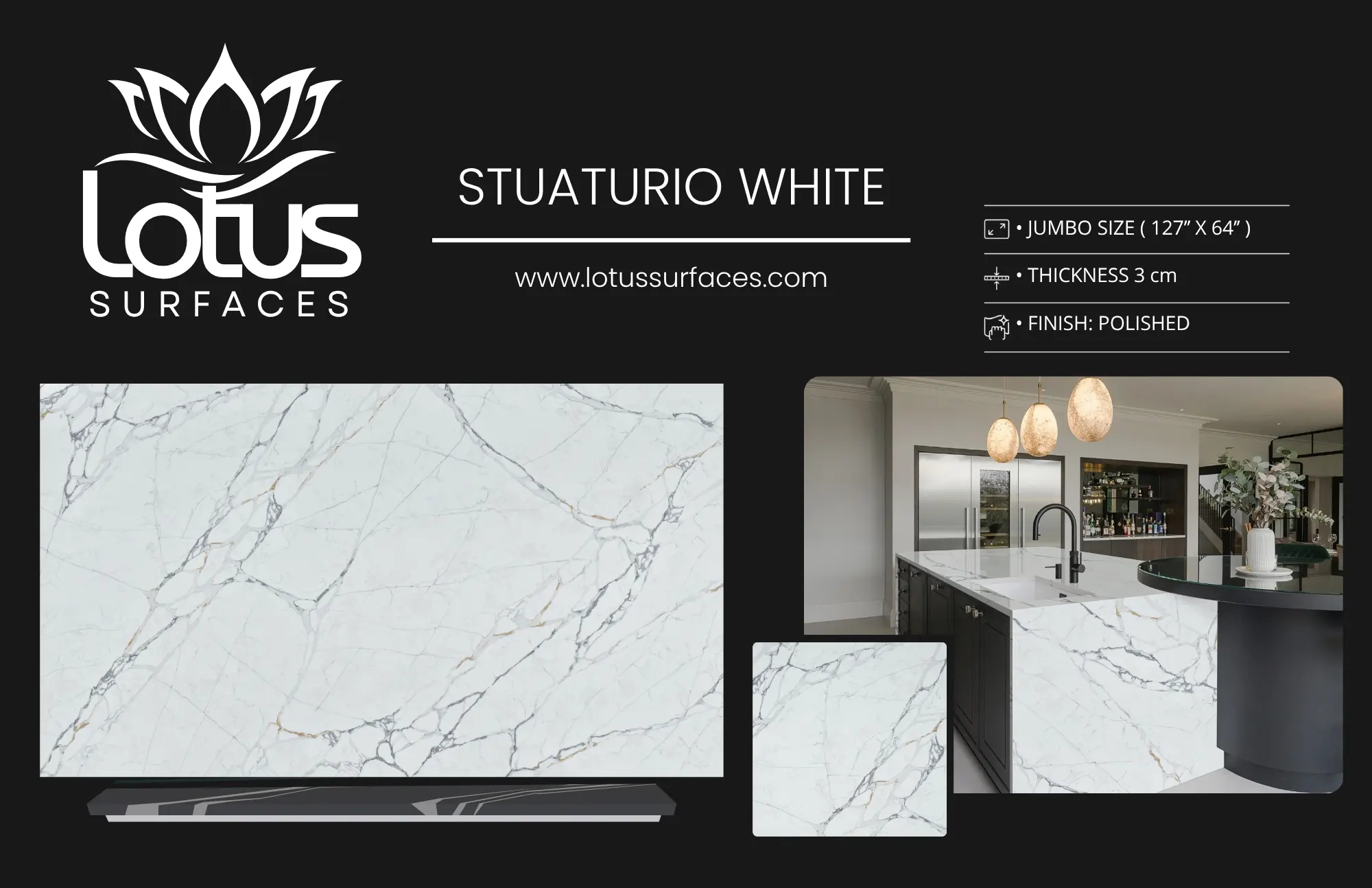
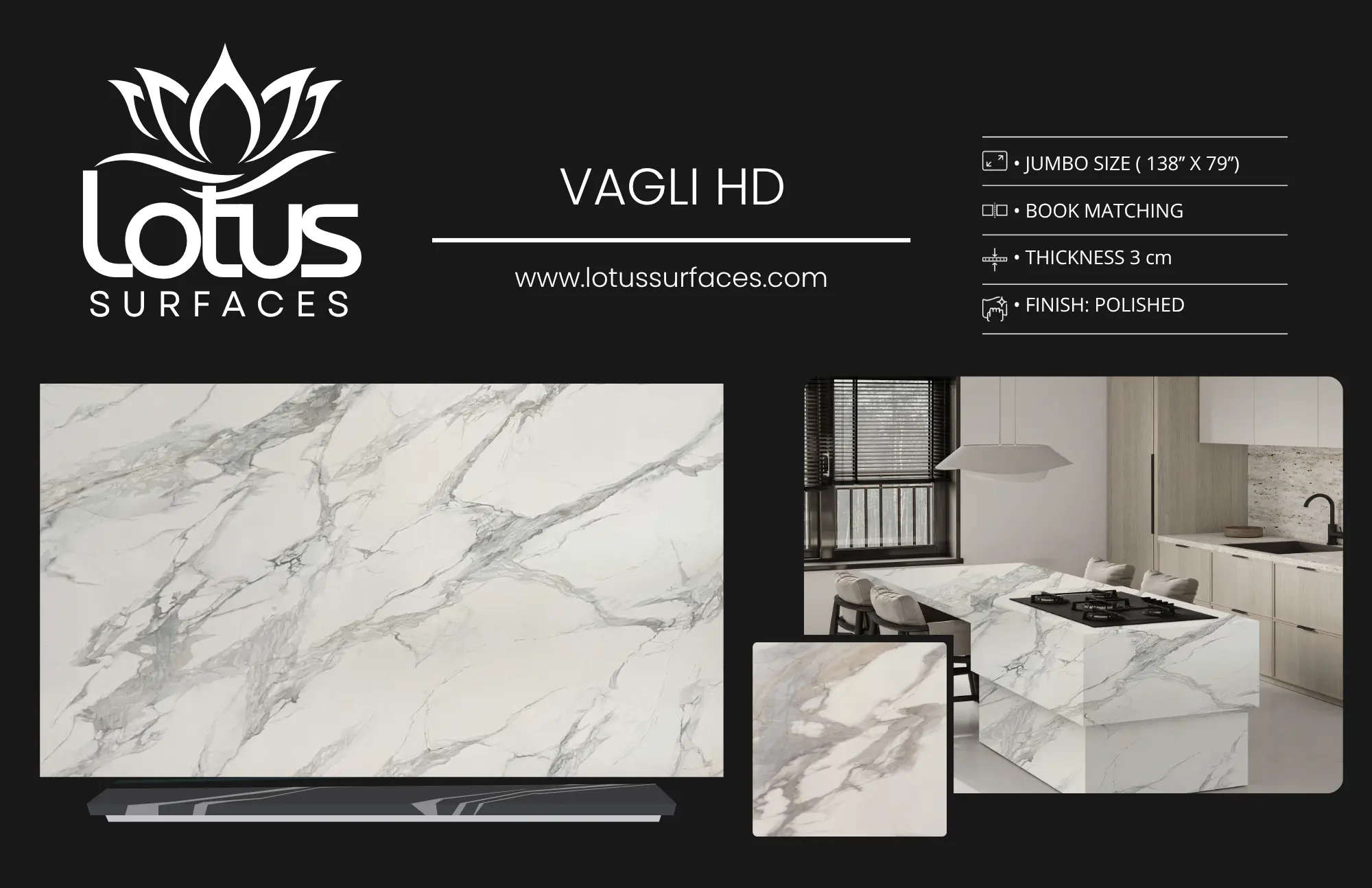
Calcite-based stones, primarily consisting of calcite (calcium carbonate), are widely used in residential and commercial projects due to their aesthetic appeal and versatility. Common examples include:
- Marble: Known for its luxurious appearance, marble is often used for countertops, flooring, and decorative accents.
- Limestone: Frequently utilized in architectural applications, limestone offers a more rustic aesthetic and is often used in outdoor settings.
- Travertine: This stone is a form of limestone that is often used in flooring and wall applications, valued for its unique texture.
While these stones are visually stunning, they are also sensitive to acidic substances, which can lead to etching and discoloration if not promptly addressed.
Understanding Etching on Calcite-Based Stones
Etching occurs when acidic substances, such as lemon juice, vinegar, or even some cleaning products, come into contact with calcite-based stones. The acid reacts with the calcium carbonate in the stone, leading to a chemical reaction that removes a small layer of the surface. This results in dull spots or marks that can significantly detract from the stone’s natural beauty.
Common Causes of Etching
- Food Spills: Citrus fruits, wine, and vinegar can cause immediate damage if left unattended.
- Household Cleaners: Some cleaning products contain acids that can react negatively with calcite-based stones.
- Environmental Factors: Humidity and temperature variations can exacerbate the effects of spills.
Statistics on Stone Damage
According to a study by the Natural Stone Institute, over 60% of homeowners report experiencing damage to their stone surfaces due to improper care or delayed cleanup. This statistic underscores the importance of understanding and addressing potential risks to your investment.
Why Immediate Cleanup is Essential
Immediate spill cleanup is crucial for several reasons:
1. Preventing Permanent Damage
The faster you clean up spills, the less chance they have to cause permanent etching. Even a few minutes can make a significant difference in how the stone reacts to an acidic substance.
2. Maintaining Aesthetic Appeal
Etching not only affects the surface texture but also the overall appearance of your stone. By ensuring prompt cleanup, you maintain the elegance and beauty of your surfaces.
3. Cost-Effectiveness
Repairing etched surfaces can be costly and may require professional restoration services. Immediate cleanup can save homeowners from incurring these expenses.
Best Practices for Cleaning Spills
Here are actionable tips for cleaning spills on calcite-based stones:
1. Use the Right Tools
- Soft Cloths: Always use soft, non-abrasive cloths to avoid scratching the surface.
- pH-Neutral Cleaners: Opt for pH-neutral stone cleaners specifically designed for calcite-based stones.
2. Clean Up Immediately
As soon as a spill occurs, blot the area with a soft cloth. Avoid rubbing, as this can spread the acid and worsen the etching.
3. Rinse Thoroughly
After blotting the spill, rinse the area with clean water to remove any residue from the cleaner or the spill itself.
4. Dry the Surface
Use a dry cloth to wipe the surface, ensuring that no moisture remains, as this can attract dirt and grime.
Preventive Measures for Homeowners
To further protect your calcite-based surfaces, consider the following preventive measures:
1. Seal Your Surfaces
Sealing your stone surfaces can provide an additional layer of protection against spills. A high-quality stone sealer can help prevent liquids from penetrating the stone.
2. Use Coasters and Mats
Always use coasters under drinks and mats under cooking appliances to minimize the risk of spills.
3. Educate Household Members
Ensure that everyone in your household understands the importance of immediate cleanup and the potential risks associated with neglecting spills.
Expert Insights on Maintaining Calcite-Based Surfaces
As experienced countertop fabricators serving the Greater Atlanta area, we at Lotus Surfaces understand the challenges homeowners face when it comes to maintaining beautiful calcite-based surfaces. Our team recommends regular maintenance, including periodic sealing and gentle cleaning practices, to keep your surfaces looking their best.
Frequently Asked Questions
1. What types of spills can cause etching on calcite-based stones?
Acidic spills such as citrus juices, vinegar, and wine are common culprits that can lead to etching.
2. How can I tell if my stone has been etched?
Etching typically appears as dull spots or areas that lack the natural shine of the stone.
3. Can etching be repaired?
Yes, etching can often be repaired by honing the surface, but it is best to prevent it through immediate cleanup.
4. How often should I seal my calcite-based stone surfaces?
It is recommended to seal your surfaces every 6 to 12 months, depending on usage and exposure to spills.
5. What should I use to clean calcite-based stones?
Use a pH-neutral cleaner specifically designed for stone surfaces to avoid damage.
6. Are there any household items I should avoid using on calcite-based stones?
Avoid using vinegar, lemon juice, or any acidic cleaners, as they can cause etching.
7. How can I prevent spills from damaging my stone surfaces?
Using coasters, mats, and ensuring immediate cleanup can help prevent damage from spills.
8. Where can I find professional help for my stone surfaces?
For professional countertop fabrication and installation services in the Greater Atlanta area, contact Lotus Surfaces for expert guidance and support.
