
Ultimate Guide: How to Prevent Hard Water Stains on Bathroom Vanity Countertops
Hard water stains can be an unsightly nuisance for homeowners, especially on bathroom vanity countertops. These stains, often caused by mineral deposits left behind from water evaporation, can mar the beauty of even the most elegant surfaces, including quartz, granite, and porcelain countertops. In this comprehensive guide, we will explore effective strategies to prevent hard water stains on your bathroom vanity countertops, ensuring they remain pristine and beautiful for years to come. By understanding the causes of hard water stains and implementing our expert tips, you can maintain the elegance of your bathroom countertops.
Understanding Hard Water
Hard water is defined as water that contains high levels of dissolved minerals, primarily calcium and magnesium. According to the U.S. Environmental Protection Agency (EPA), hard water is prevalent in many regions, and its effects can be detrimental to household surfaces. The hardness of water is measured in grains per gallon (gpg) or parts per million (ppm), with water containing more than 3.5 gpg considered hard.
Causes of Hard Water
Several factors contribute to hard water, including:
- Natural Mineral Deposits: Water can become hard as it travels through limestone and chalk deposits, picking up minerals along the way.
- Geographical Location: Areas with high mineral content in the soil often experience hard water issues.
- Water Supply Sources: Well water and certain municipal water supplies may have higher levels of hardness.
Impact of Hard Water on Bathroom Vanity Countertops
Hard water can have several negative effects on bathroom vanity countertops, including:
- Staining: Mineral deposits can leave unsightly stains on surfaces, making them look dirty and unkempt.
- Etching: Over time, hard water can etch the surface of countertops, leading to permanent damage, especially on softer materials like marble.
- Soap Scum Build-Up: Hard water reacts with soap, creating a film that can accumulate on countertops and make cleaning more difficult.
Understanding these impacts is crucial for homeowners in the Greater Atlanta area, such as those in Norcross and surrounding regions, where hard water can be common.
How to Prevent Hard Water Stains
Preventing hard water stains on bathroom vanity countertops involves a combination of proactive measures and regular maintenance. Here are some effective strategies:
1. Install a Water Softener
One of the most effective ways to combat hard water is by installing a water softener. This device works by exchanging calcium and magnesium ions with sodium ions, significantly reducing water hardness. By softening your water, you can prevent mineral deposits from forming on your countertops.
2. Use a Daily Cleaning Spray
Utilizing a daily cleaning spray specifically designed for hard water can help minimize mineral build-up. Look for products that contain citric acid or other natural ingredients that effectively dissolve mineral deposits without damaging your countertops.
3. Wipe Down Surfaces Regularly
Make it a habit to wipe down your bathroom vanity countertops after each use. This simple practice prevents water from drying and leaving behind mineral deposits. Use a microfiber cloth for effective cleaning without scratching the surface.
4. Apply a Protective Sealant
Applying a protective sealant to your countertops can create a barrier against moisture and mineral deposits. Depending on the type of countertop material, consult with a professional fabricator like Lotus Surfaces to determine the best sealant for your vanity.
5. Use a Squeegee
After showering, use a squeegee to remove excess water from the vanity countertop. This helps prevent water from pooling and drying on the surface, reducing the chances of hard water stains.
6. Choose the Right Countertop Material
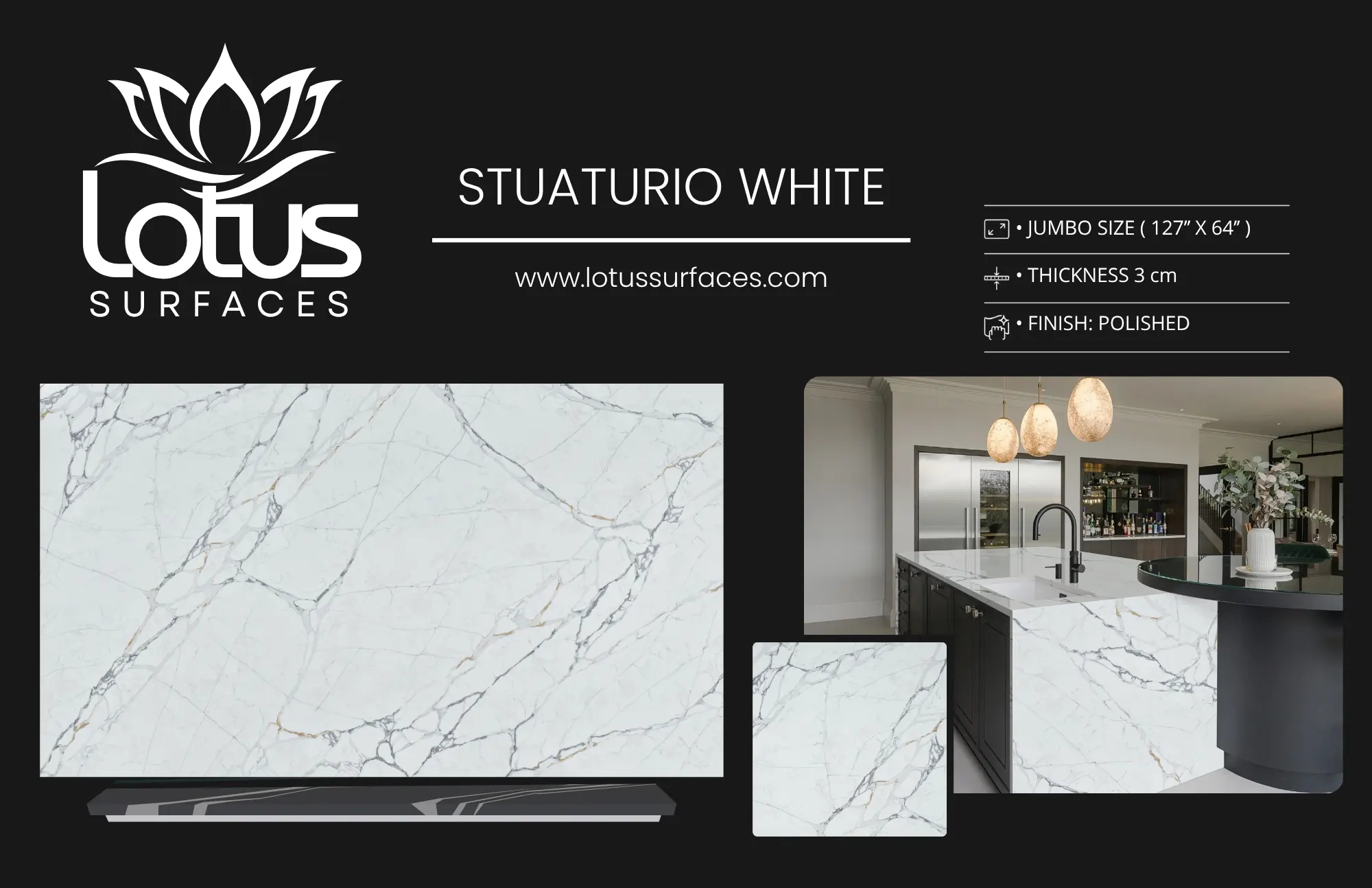
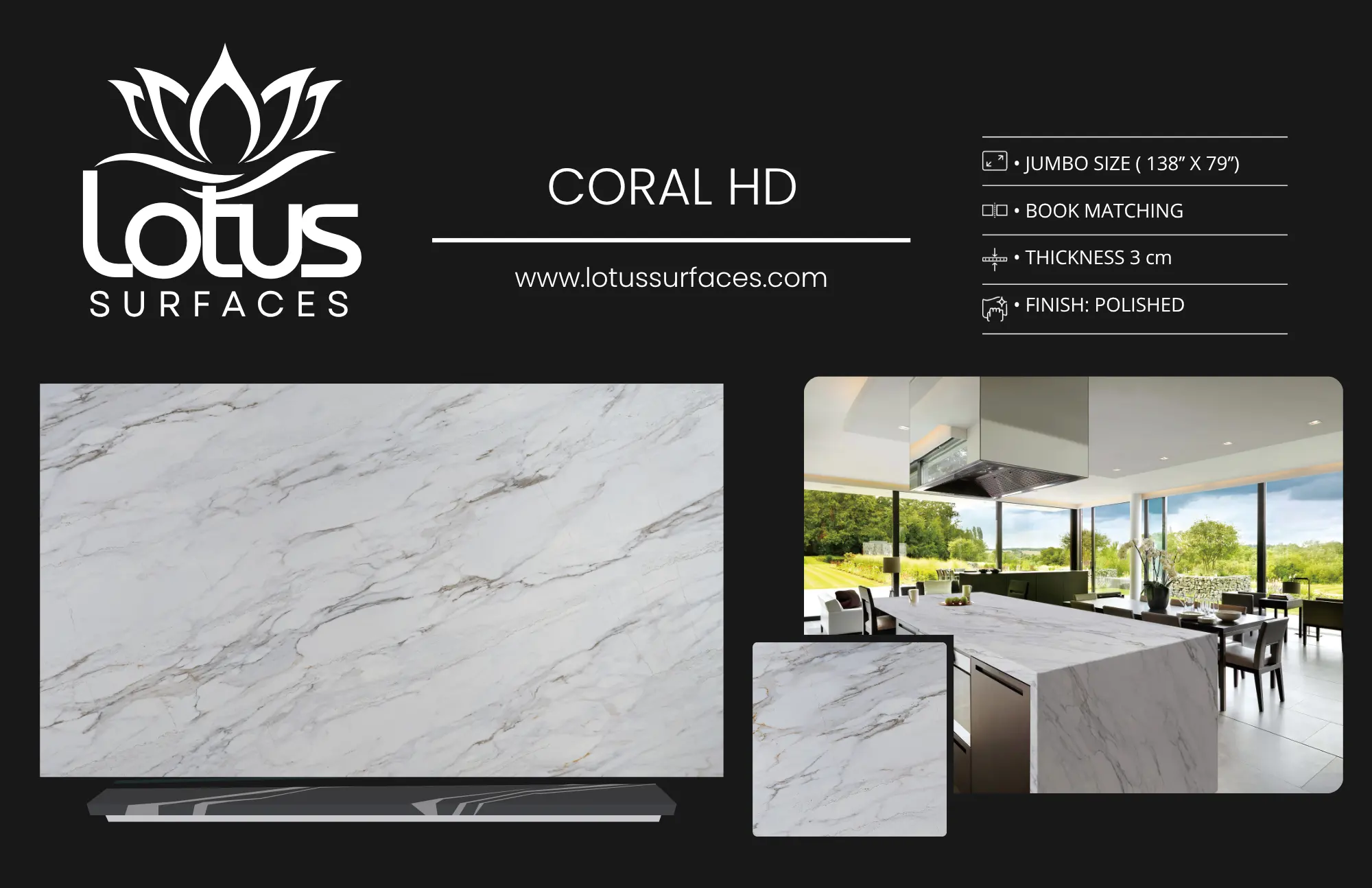
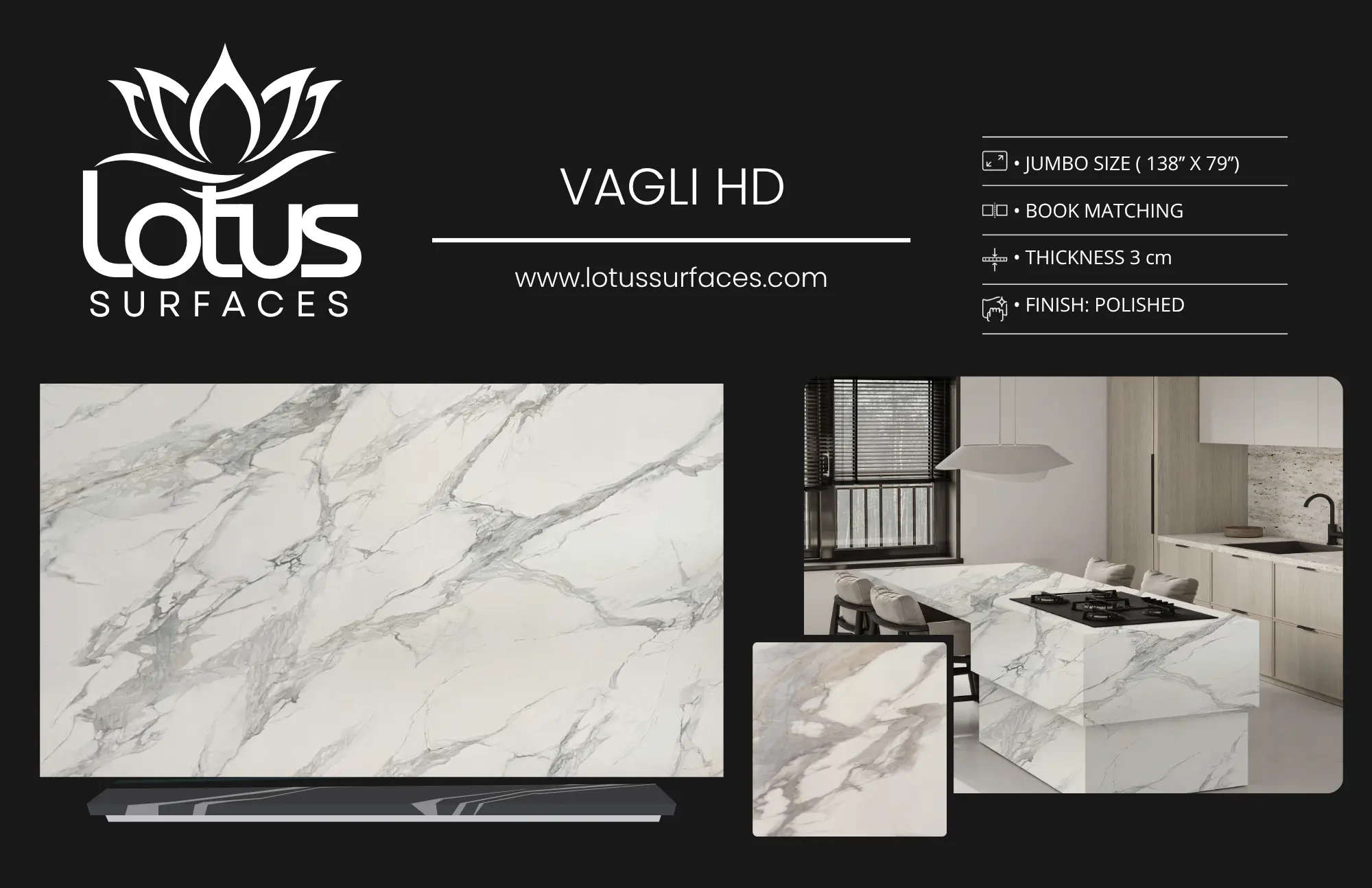
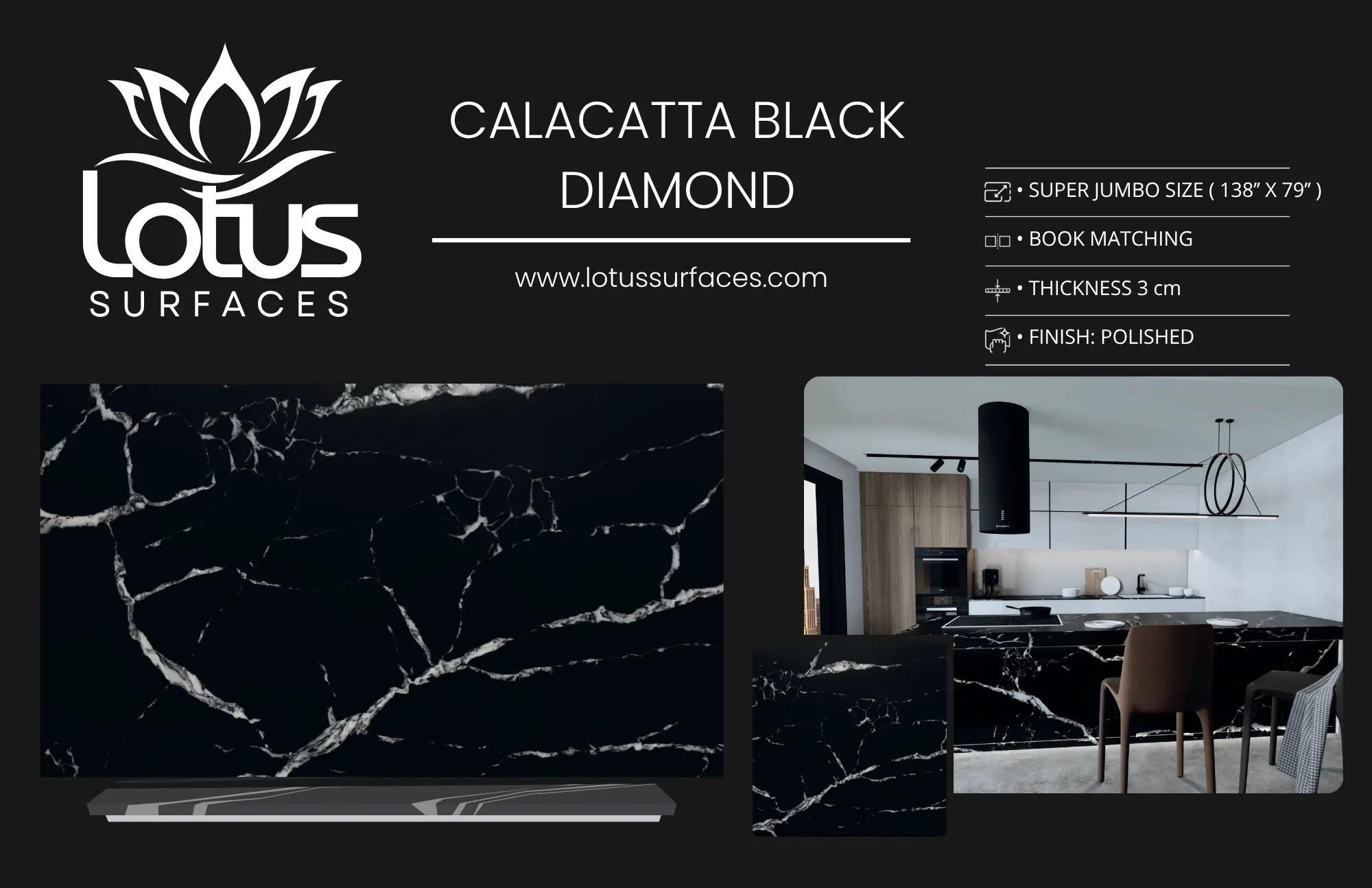
Some materials are more resistant to hard water stains than others. For example, quartz and certain types of porcelain are less porous and more resistant to staining than natural stones like marble or granite. Consider these options when selecting your bathroom vanity countertops.
Cleaning Tips for Hard Water Stains
If you already have hard water stains on your countertops, don’t worry! Here are some effective cleaning tips to restore their shine:
1. Vinegar and Water Solution
Mix equal parts white vinegar and water in a spray bottle. Spray the solution on the stained areas and let it sit for 5-10 minutes before wiping it away with a soft cloth. The acidity of vinegar helps dissolve mineral deposits.
2. Baking Soda Paste
For tougher stains, create a paste using baking soda and water. Apply the paste to the stained area, let it sit for 15-20 minutes, then scrub gently with a soft sponge. Rinse thoroughly with water.
3. Commercial Hard Water Stain Removers
Consider using commercial products designed specifically for hard water stains. Look for those that are safe for your countertop material and follow the manufacturer’s instructions for best results.
4. Avoid Harsh Chemicals
When cleaning your countertops, avoid acidic or abrasive cleaners that can damage the surface. Instead, opt for gentle, pH-balanced cleaners that won’t harm your vanity.
Best Countertop Materials for Hard Water Areas
Choosing the right countertop material can make a significant difference in how well your surfaces withstand hard water stains. Here’s a comparison table of popular countertop materials:
| Material | Hard Water Resistance | Maintenance Level | Durability |
|---|---|---|---|
| Quartz | High | Low | Very High |
| Granite | Moderate | Medium | High |
| Porcelain | High | Low | High |
| Marble | Low | High | Moderate |
As seen in the table, quartz and porcelain are excellent choices for homeowners in Atlanta dealing with hard water issues. These materials are not only beautiful but also practical.
Frequently Asked Questions
1. What are hard water stains?
Hard water stains are mineral deposits that form on surfaces when water evaporates, leaving behind calcium and magnesium residues.
2. How can I tell if my water is hard?
You can test your water’s hardness using a water hardness test kit available at most hardware stores or by contacting your local water authority.
3. Will hard water stains damage my countertops?
Yes, over time, hard water stains can etch and damage countertops, particularly softer materials like marble.
4. Can I use vinegar to remove hard water stains?
Yes, a vinegar and water solution can effectively dissolve hard water stains without damaging most countertop surfaces.
5. How often should I clean my bathroom vanity countertops?
It’s recommended to wipe down your countertops daily to prevent hard water stains and maintain cleanliness.
6. Is it worth installing a water softener?
Yes, installing a water softener can significantly reduce hard water issues, protecting your countertops and appliances from mineral build-up.
7. What is the best material for bathroom countertops in hard water areas?
Quartz and porcelain are excellent choices for areas with hard water due to their resistance to staining and ease of maintenance.
8. Can I use harsh chemicals to clean hard water stains?
It’s best to avoid harsh chemicals, as they can damage your countertops. Opt for gentle, pH-balanced cleaners instead.
