How to Style a Kitchen Island Differently From Your Main Countertop in Atlanta
When it comes to kitchen design, the kitchen island often serves as the focal point of the space. It’s where family gathers, meals are prepped, and memories are made. However, styling your kitchen island differently from your main countertop can create a dynamic and visually appealing environment. In this article, we’ll explore various approaches to achieve a harmonious yet distinct look for your kitchen island, enhancing both functionality and aesthetics.
Understanding the Importance of Differentiation
Styling your kitchen island differently from your main countertop not only adds interest but also helps define areas within your kitchen. By differentiating their styles, you can create zones for cooking, eating, and socializing. A well-styled kitchen island can serve as a statement piece that complements the overall design of your kitchen while reflecting your personal taste.
1. Choose Contrasting Materials
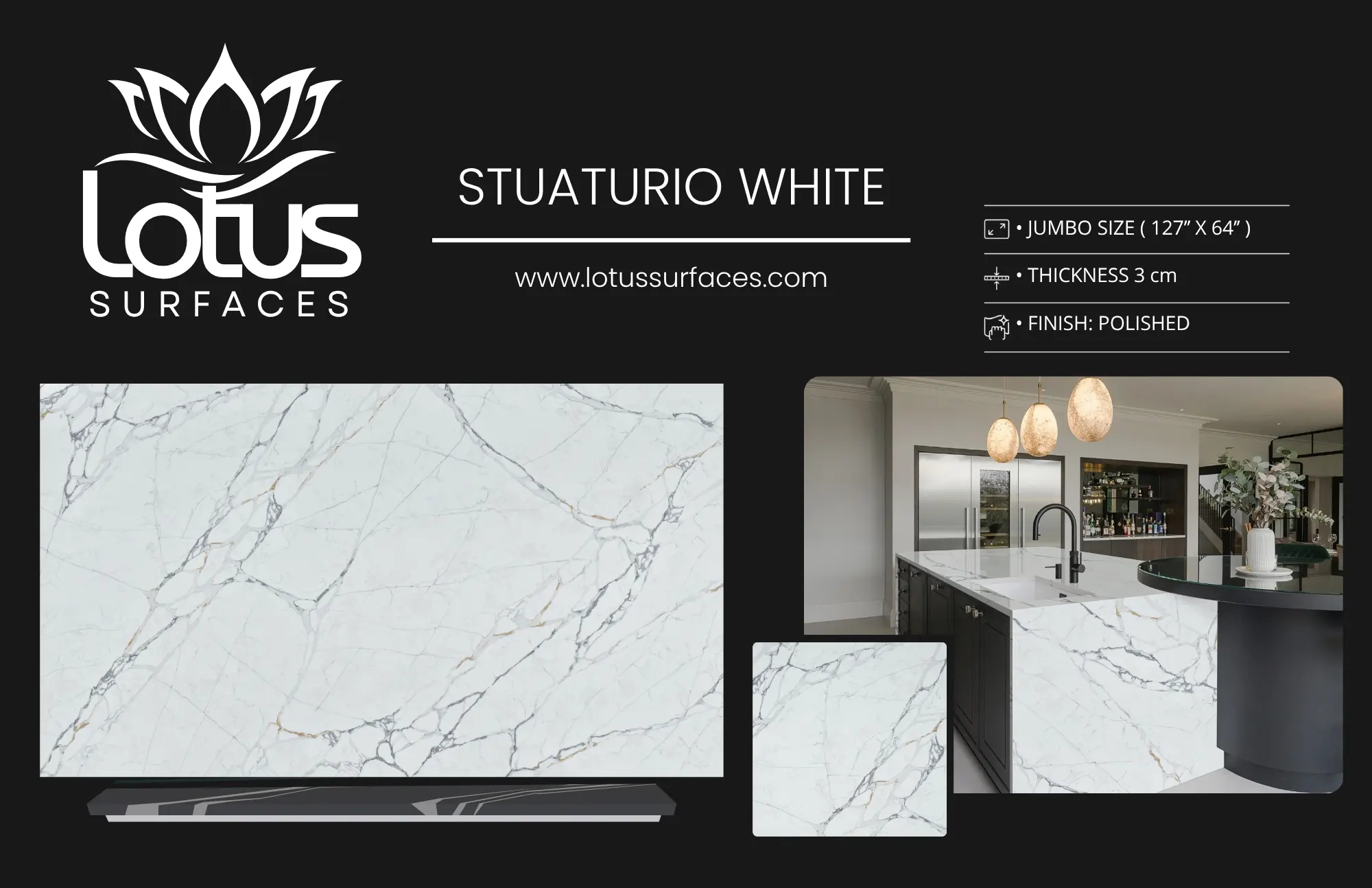
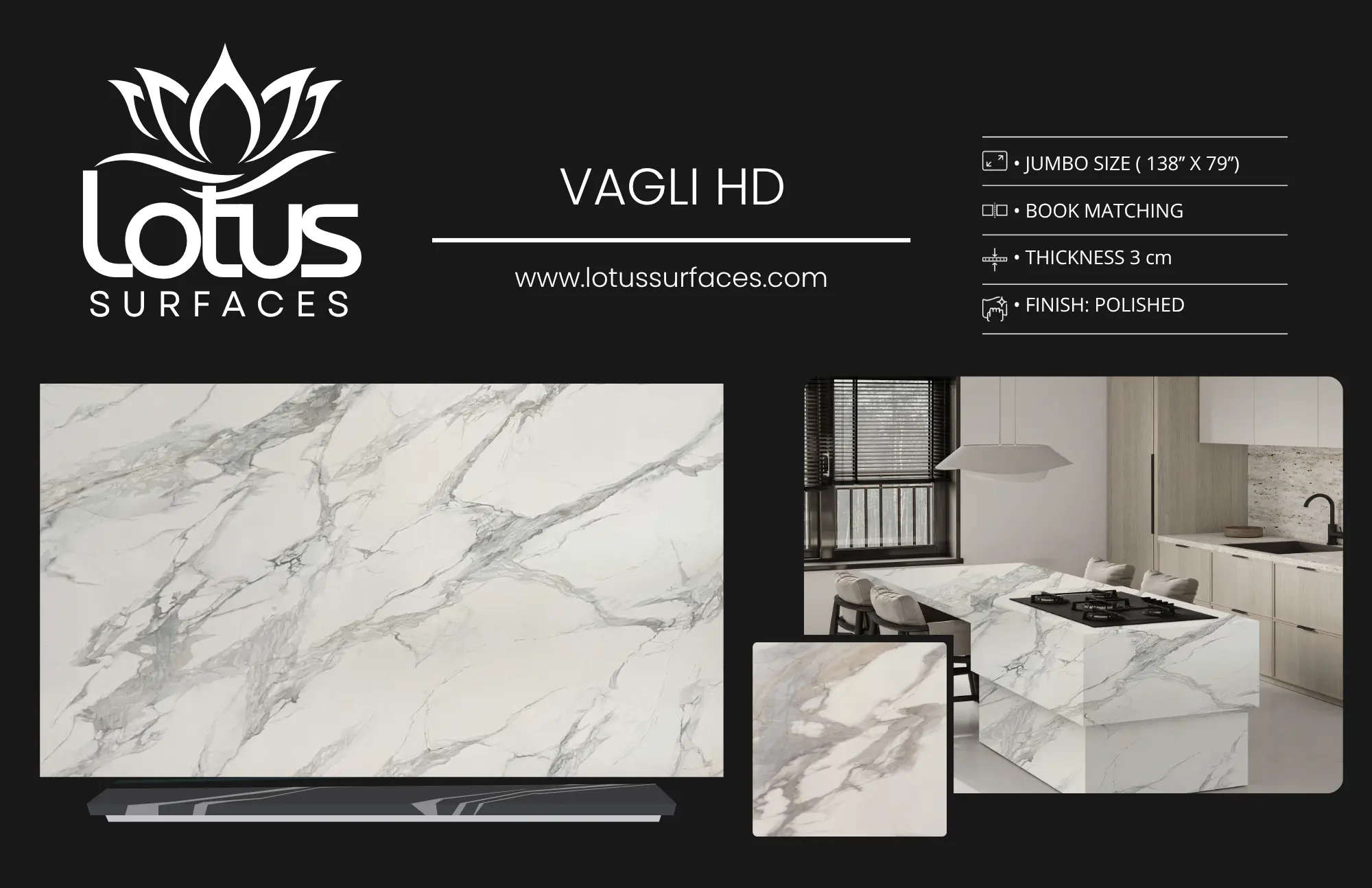
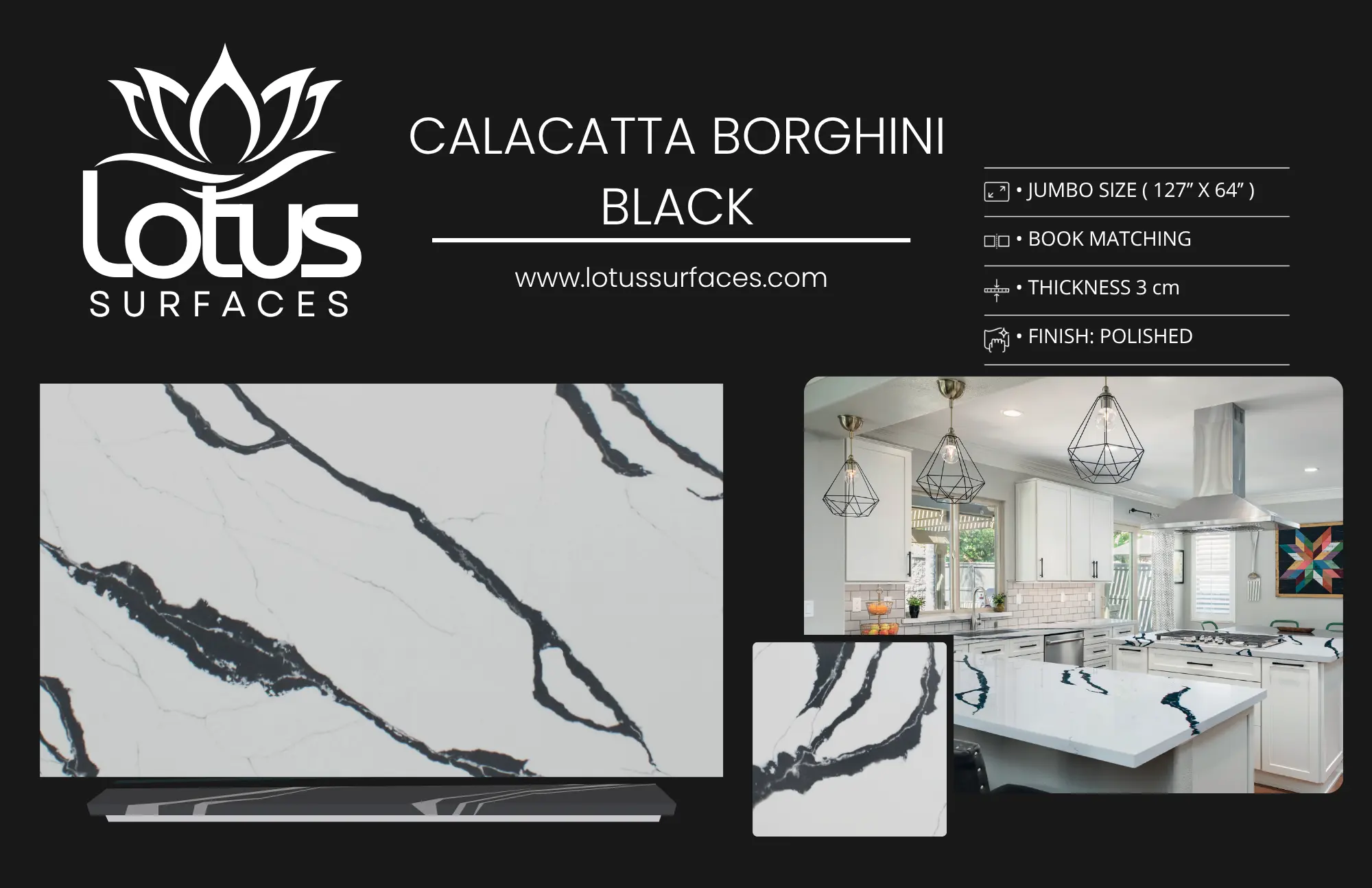
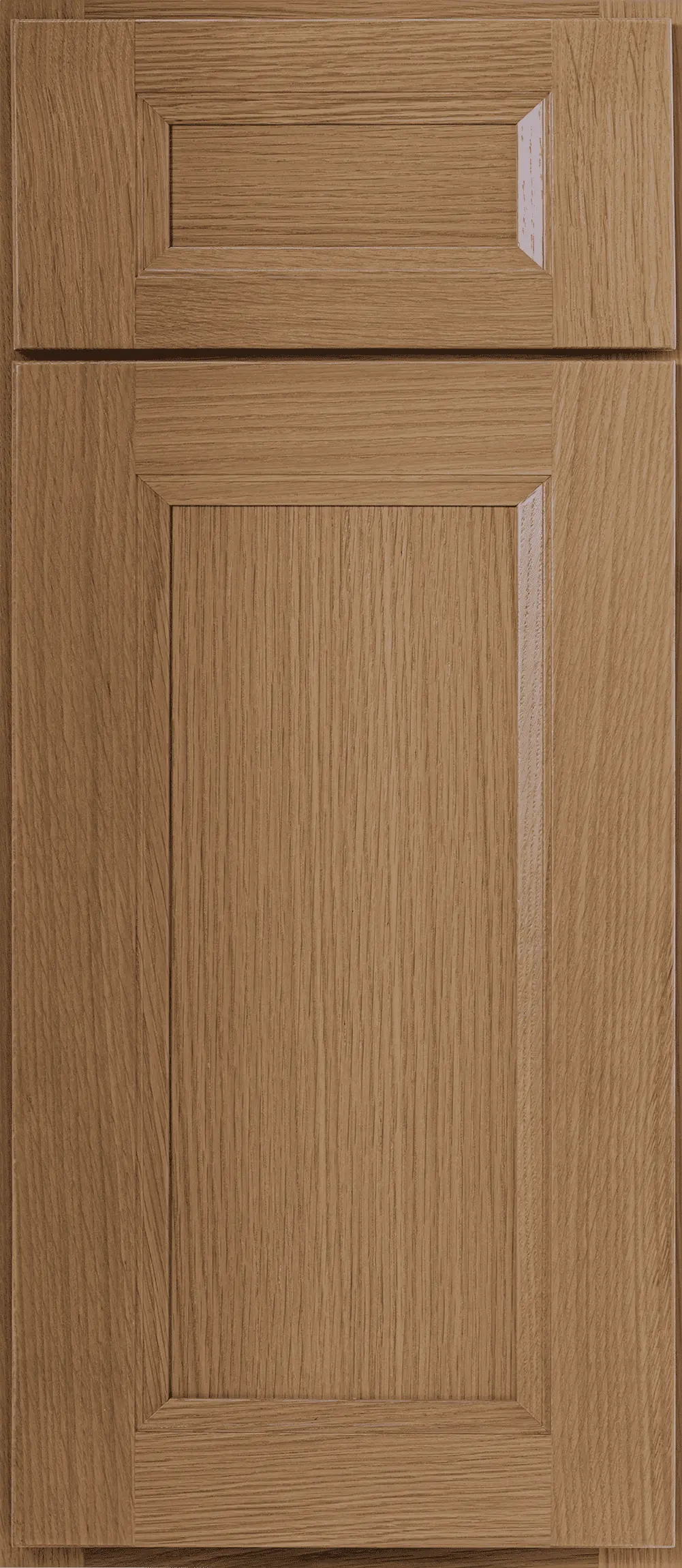
One effective way to differentiate your kitchen island from your main countertop is by selecting contrasting materials. For instance, if your main countertop is a classic white quartz, consider opting for a rich wooden surface for your island. The warmth of wood can add a rustic touch, creating a cozy and inviting atmosphere. Alternatively, pairing a granite island with a sleek porcelain main countertop can introduce a modern flair.
2. Play with Color Schemes
Color plays a crucial role in kitchen design. If your main countertop is a neutral shade, consider using a bold color for your island. A deep navy blue or emerald green can make your island pop and serve as a visual anchor in the space. On the other hand, if your main countertop features vibrant patterns, choose a solid color for your island to maintain balance and prevent visual clutter.
3. Incorporate Different Styles
Mixing styles is another strategy for styling your kitchen island. If your main countertop is modern and sleek, consider a farmhouse-style island with a distressed finish. This juxtaposition creates an eclectic yet cohesive look that showcases your unique style. Additionally, you can add decorative elements such as vintage bar stools or a rustic centerpiece to enhance the island’s character.
4. Varying Heights
Using varying heights in your kitchen can create visual interest. If your main countertop is standard height, consider designing your island as a raised bar or a lower workstation. This not only differentiates the two surfaces visually but also enhances functionality. A raised island can serve as a casual dining area, while a lower section can be used for food preparation.
5. Textural Contrast
Textures can dramatically change the feel of your kitchen. If your main countertop is smooth and polished, consider a textured finish for your island, such as honed stone or a rough-hewn wood. This contrast not only adds depth but also invites touch, making the kitchen more engaging. Layering different textures can create a rich, tactile experience.
6. Decorative Features
Incorporating decorative features is an excellent way to style your kitchen island distinctly. Consider adding open shelving, decorative brackets, or a unique backsplash behind the island. These elements can highlight the island as a separate entity and provide additional storage or display space. For instance, a colorful tile backsplash can create a stunning visual backdrop that draws attention to the island.
7. Lighting Choices
Lighting is a key factor in defining spaces within your kitchen. Choose pendant lights that differ from your main lighting fixtures to highlight your island. Opt for bold, statement-making fixtures that add character and charm. For example, if your main area features recessed lighting, consider hanging industrial-style pendants above the island to create a sense of intimacy.
Creating a Cohesive Overall Design
While it’s important to style your kitchen island differently, it’s equally crucial to ensure that both surfaces work together harmoniously. Here are some tips to maintain cohesion:
1. Color Harmony
Even if your island features a different color, ensure that it complements the color palette of your main countertop and surrounding cabinetry. Choose hues that are within the same color family or that create a pleasing contrast.
2. Material Consistency
While contrasting materials can add interest, ensure that they share some commonality. For example, if you use granite for your island, choose a granite that has similar undertones to your main countertop.
3. Design Flow
Ensure that the design elements flow seamlessly from one surface to the other. If you have decorative elements on your island, consider mirroring some of those features on your main countertop, such as decorative canisters or a similar style of bar stools.
Why Choose Lotus Surfaces for Your Countertop Needs
At Lotus Surfaces, we understand that the kitchen is the heart of the home. Our premium selection of quartz, granite, porcelain, and quartzite surfaces provides endless opportunities to create a stunning kitchen island that complements your main countertop beautifully. With our experienced team and in-house fabrication facility in Norcross, we offer personalized consultations to help bring your design vision to life.
Whether you’re looking to install a unique island or enhance your existing countertops, our professionals are here to guide you every step of the way. Our commitment to quality craftsmanship ensures that your investment in your home will last for years to come.
Frequently Asked Questions
How do I choose materials for my kitchen island?
Consider your main countertop materials and how you want the island to contrast or complement them. Think about durability, maintenance, and your design style.
What is the ideal height for a kitchen island?
Standard kitchen islands are typically 36 inches high, but you can create a raised bar at 42 inches for casual dining or a lower workstation for prep tasks.
Can I use the same material for both surfaces?
Yes, using the same material can create a cohesive look, but varying the finish or color can add interest while maintaining harmony.
What lighting works best for a kitchen island?
Pendant lights are popular for kitchen islands, and choosing fixtures that differ from your main lighting can create a beautiful focal point.
How can I maintain my countertops?
Different materials have specific maintenance needs. For example, quartz is low-maintenance, while granite may require sealing. Always refer to manufacturer guidelines for care.
What styles are trending for kitchen islands?
Current trends include mixed materials, bold colors, and unique shapes that break away from traditional rectangular designs.
Can I add seating to my island?
Absolutely! Adding seating can turn your island into a social hub. Ensure you have enough overhang for comfortable dining.
Why is professional installation important?
Professional installation ensures that your countertops are fitted accurately and safely, which is crucial for durability and longevity.
How do I get started with my countertop project?
Contact us at Lotus Surfaces to schedule a consultation. We’ll help you select the perfect materials and guide you through the process.
What should I expect during the installation process?
The installation process typically involves measuring, fabricating your selected materials, and then installing them, ensuring precision and care throughout.
Get Started on Your Dream Kitchen
Styling your kitchen island differently from your main countertop can elevate your kitchen’s design while meeting your functional needs. If you’re ready to explore surface options for your kitchen project, contact us online or call +1 346-833-9076 to schedule your countertop consultation. You can also visit our Norcross showroom at 1875 Graves Rd to view slabs in person and discover the possibilities for your dream kitchen. Let’s bring your vision to life!