
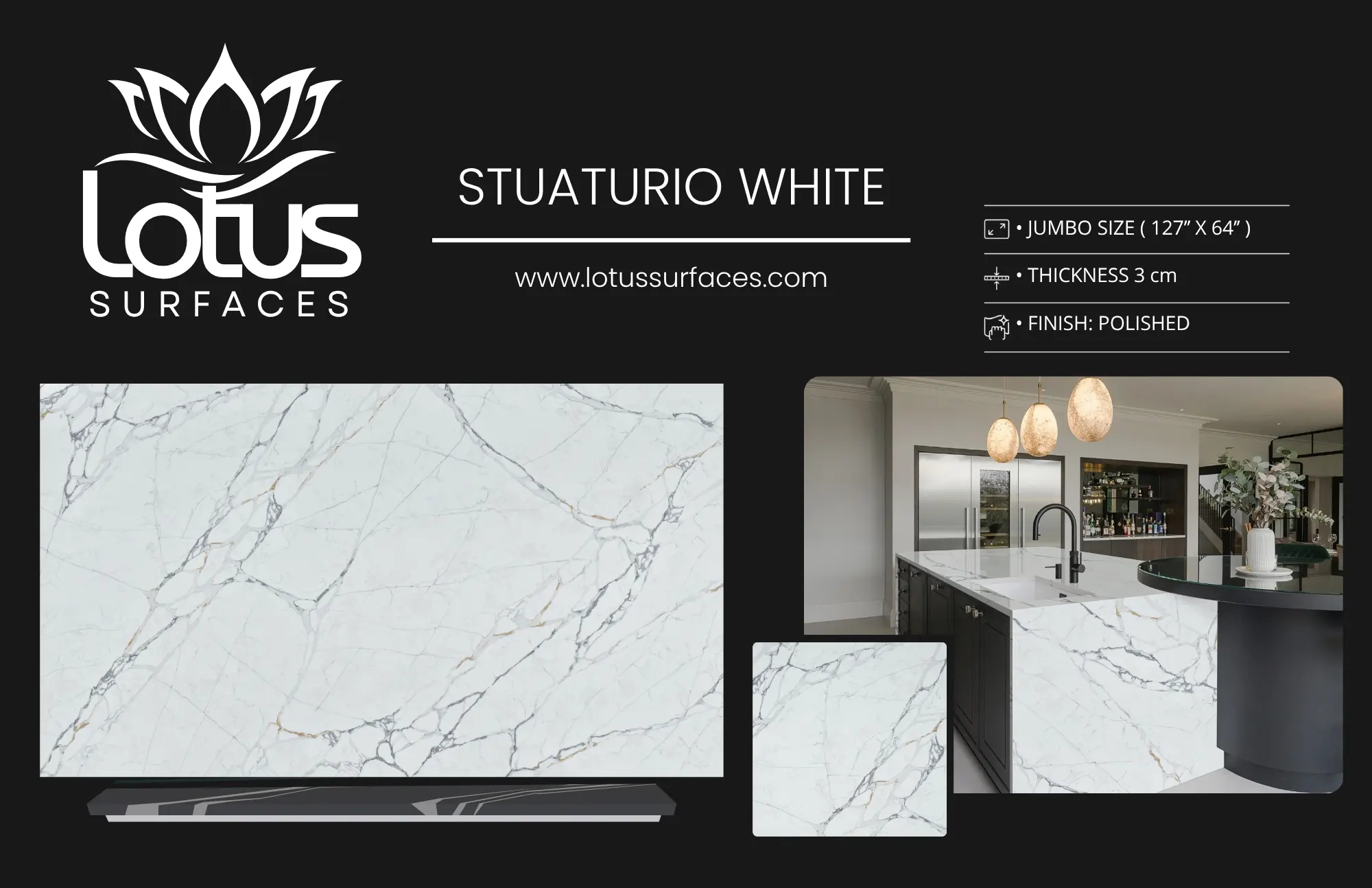
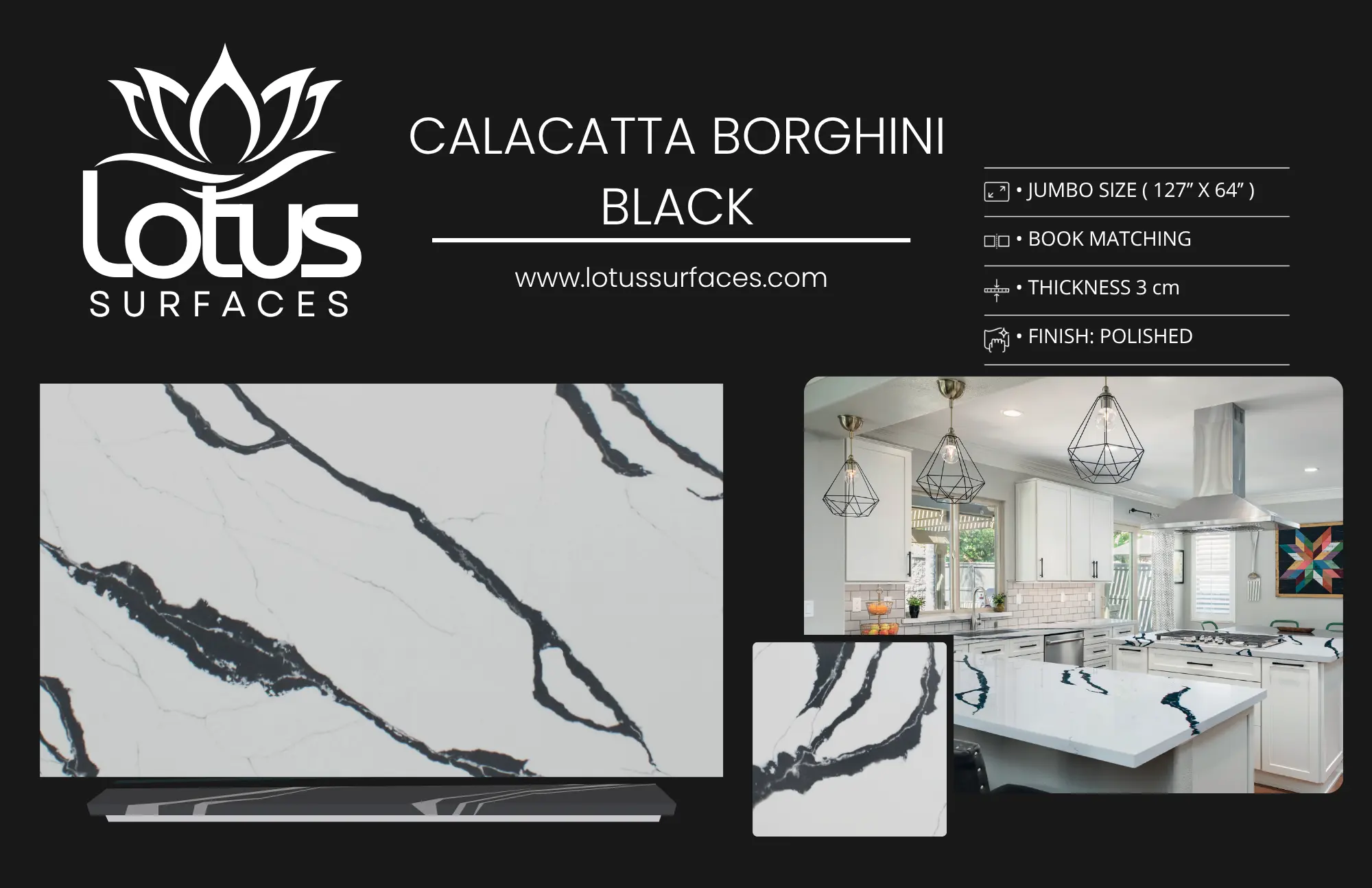
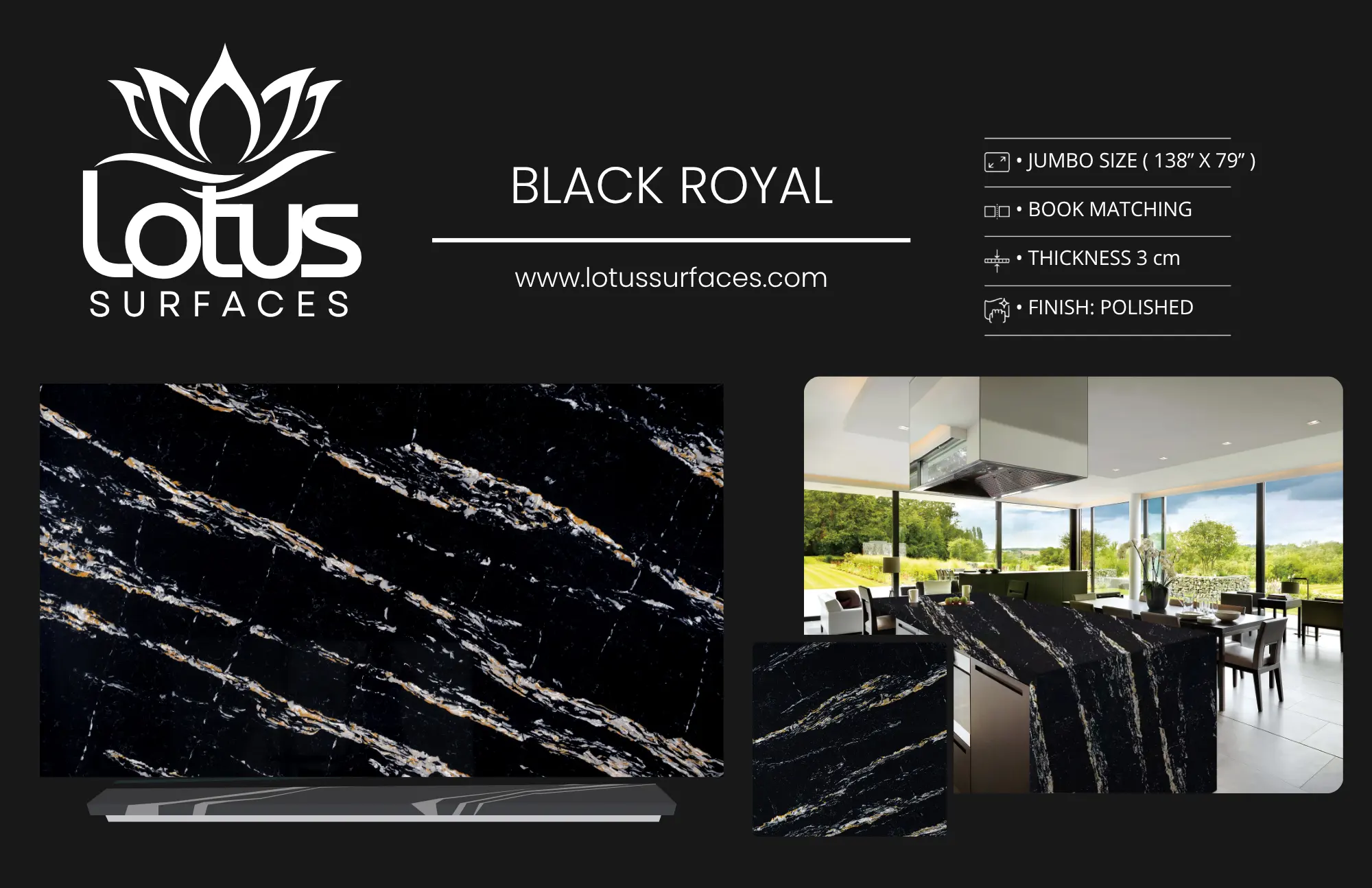


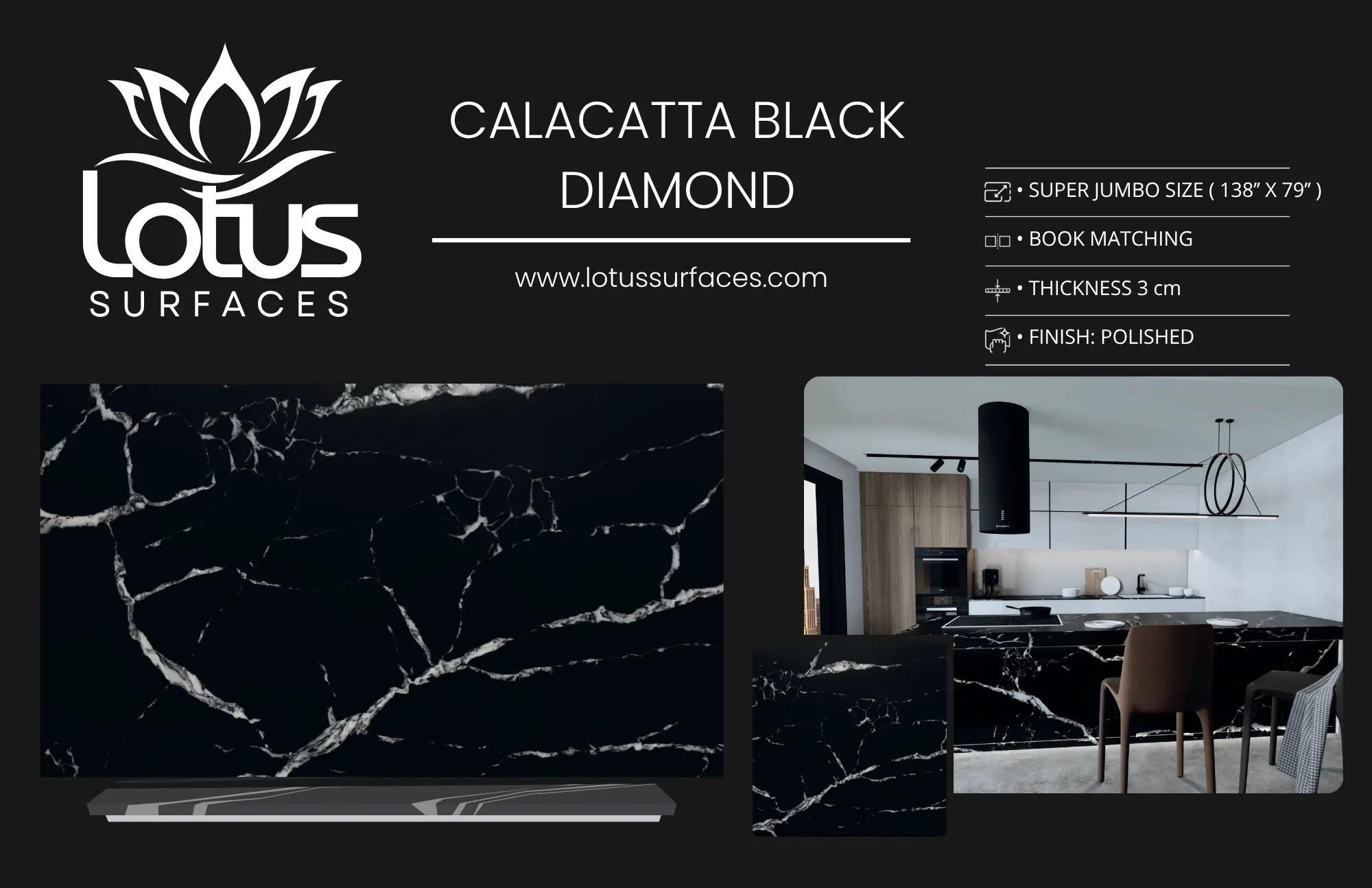
Illuminate Your Kitchen: How Kitchen Island Lighting Interacts with Countertop Material Reflectivity
When designing a kitchen, the interplay between lighting and countertop materials is a critical consideration that can significantly impact both aesthetics and functionality. Homeowners in the Greater Atlanta area, particularly those in Norcross, are increasingly recognizing the importance of how kitchen island lighting interacts with countertop material reflectivity. This article will delve into the nuances of this interaction, providing you with expert insights to enhance your kitchen’s ambiance and usability.
Understanding Countertop Material Reflectivity
Countertop material reflectivity is a key factor in kitchen design that influences how light interacts with surfaces. Different materials offer varying levels of reflectivity, which can enhance or diminish the overall brightness of a space. Common countertop materials include:
- Quartz: Known for its durability and variety, quartz countertops often have a glossy finish that reflects light effectively, making them ideal for brightening up kitchen spaces.
- Granite: With its natural beauty and unique patterns, granite can vary in reflectivity depending on the finish. Polished granite surfaces offer high reflectivity, while honed finishes provide a more subdued effect.
- Porcelain: This material is increasingly popular for its resistance to stains and scratches. Porcelain countertops can be designed with high-gloss finishes, enhancing reflectivity.
- Quartzite: Known for its luxurious appearance, quartzite surfaces often mimic marble with a high level of reflectivity.
Understanding the reflectivity of these materials helps homeowners choose appropriate lighting solutions that complement their kitchen design. For more information on different countertop materials, check out our detailed guide on countertops.
The Role of Lighting in Kitchen Design
Lighting is more than just a functional necessity; it plays a pivotal role in creating the mood and atmosphere of a kitchen. Effective lighting can:
- Enhance the aesthetic appeal of the kitchen.
- Improve visibility for cooking and food preparation.
- Highlight design features, including countertops and cabinetry.
- Influence the perceived size of the space.
In the context of kitchen islands, lighting serves multiple purposes. It can act as task lighting for food preparation, ambient lighting for overall illumination, and accent lighting to showcase decorative features. Understanding these roles is crucial for homeowners aiming to create a cohesive design.
Types of Kitchen Island Lighting
When selecting lighting for kitchen islands, homeowners have a variety of options, including:
Pendant Lights
Pendant lights are a popular choice for kitchen islands due to their versatility and style. They come in various designs, from modern to rustic, and can be used alone or in clusters to create a dramatic effect. The reflectivity of the countertop can enhance the light emitted from pendant fixtures, creating a warm, inviting atmosphere.
Chandeliers
Chandeliers add a touch of elegance to kitchen spaces. They work particularly well in larger kitchens and can be an excellent choice for island lighting. When paired with reflective countertops, chandeliers can create stunning visual effects, enhancing the overall beauty of the kitchen.
Recessed Lighting
For a sleek and modern look, recessed lighting is an excellent choice. It provides general illumination without taking up visual space. However, the effectiveness of recessed lighting can be affected by the reflectivity of the countertops. More reflective surfaces can help distribute light evenly across the kitchen.
Under-Cabinet Lighting
This type of lighting is often overlooked but is crucial for both functionality and aesthetics. Under-cabinet lights illuminate the countertop area, making food preparation easier while also enhancing the beauty of the countertop material.
How Reflectivity Affects Lighting Choices
The interaction between kitchen island lighting and countertop material reflectivity is a complex one. Here are some key considerations:
- High Reflectivity: Countertops with high reflectivity, such as polished quartz or granite, can amplify the brightness of the kitchen. In such cases, homeowners may opt for softer lighting to balance the brightness and avoid overwhelming the space.
- Low Reflectivity: For materials with lower reflectivity, such as honed granite or matte finishes, brighter lighting can help create a sense of openness and vibrancy in the kitchen.
Additionally, the color of the countertop can affect how light is perceived. Darker surfaces may absorb more light, requiring brighter fixtures to achieve the desired illumination. Conversely, lighter surfaces can reflect light more effectively, potentially needing fewer fixtures.
| Countertop Material | Reflectivity Level | Recommended Lighting Type |
|---|---|---|
| Quartz | High | Pendant Lights |
| Granite (Polished) | High | Chandeliers |
| Granite (Honed) | Medium | Recessed Lighting |
| Porcelain | High | Under-Cabinet Lighting |
| Quartzite | Medium | Pendant Lights |
Creating Harmony Between Lighting and Countertops
To achieve a harmonious kitchen design, it’s essential to consider the following:
- Balance: Strive for a balance between the brightness of the lighting and the reflectivity of the countertops. For example, if you have a highly reflective countertop, consider using dimmable fixtures to adjust the brightness as needed.
- Layering: Use a combination of ambient, task, and accent lighting to create a layered lighting effect that enhances the kitchen’s beauty and functionality.
- Color Temperature: Choose lighting with a color temperature that complements your countertop. Warmer tones can enhance the natural beauty of wood or stone, while cooler tones can emphasize modern materials.
For expert guidance on designing your kitchen, our team at Lotus Surfaces is here to help. We specialize in countertop solutions that redefine beauty and functionality.
Case Studies: Successful Lighting Designs
To illustrate the principles discussed, let’s explore a few case studies of kitchens that have effectively integrated lighting and countertop materials:
Case Study 1: Modern Quartz Kitchen
A homeowner in Norcross opted for a sleek quartz countertop with a high-gloss finish. To complement the reflectivity, they installed dimmable pendant lights above the island. This setup allowed them to adjust the ambiance according to different occasions, whether they were hosting guests or enjoying a quiet family dinner.
Case Study 2: Rustic Granite Island
In a rustic kitchen in Duluth, the homeowner chose honed granite countertops paired with warm-toned recessed lighting. This combination created a cozy atmosphere while ensuring adequate task lighting for food preparation.
Case Study 3: Elegant Porcelain Design
A kitchen in Sandy Springs featured stunning porcelain countertops with a polished finish. The homeowner chose a modern chandelier as the focal point, which beautifully reflected off the surface, adding elegance to the space.
Expert Tips for Choosing Lighting
When selecting lighting for your kitchen island, consider the following expert tips:
- Consider the size of your kitchen island when selecting fixtures. Larger islands may require multiple fixtures for even illumination.
- Think about the height of your ceiling. Pendant lights should hang at an appropriate height to avoid obstructing views.
- Choose adjustable fixtures that allow you to change the direction of light for versatile use.
FAQs
What is countertop material reflectivity?
Countertop material reflectivity refers to how much light a surface can reflect. Different materials have varying levels of reflectivity, affecting how lighting is perceived in a kitchen.
How does lighting affect kitchen design?
Lighting plays a crucial role in enhancing the aesthetics, functionality, and overall ambiance of a kitchen. It can highlight design features and improve visibility for cooking and food preparation.
What types of lighting are best for kitchen islands?
Pendant lights, chandeliers, recessed lighting, and under-cabinet lighting are all excellent choices for kitchen islands, depending on the desired style and function.
How can I balance lighting and countertop reflectivity?
To balance lighting and countertop reflectivity, choose fixtures that complement the surface’s brightness. For highly reflective surfaces, consider using dimmable lights to avoid overwhelming brightness.
What color temperature should I choose for kitchen lighting?
Choose a color temperature that complements your countertop—warmer tones work well with natural materials, while cooler tones enhance modern surfaces.
Can I use multiple lighting types in my kitchen?
Yes, layering different types of lighting (ambient, task, and accent) can create a more dynamic and functional kitchen atmosphere.
How does countertop color affect lighting choices?
Darker countertops may absorb more light, requiring brighter fixtures, while lighter surfaces can reflect light better, potentially needing fewer light sources.
Where can I find quality countertop materials in Atlanta?
For premium quality countertops, consider visiting Lotus Surfaces in Norcross, where you can explore a wide range of materials and receive expert guidance.
Conclusion
In conclusion, the interaction between kitchen island lighting and countertop material reflectivity is a fundamental aspect of kitchen design that can enhance both functionality and aesthetics. By understanding the principles discussed in this article, homeowners can create beautifully illuminated spaces that reflect their personal style while maximizing usability. For personalized advice and quality countertop solutions, contact us at Lotus Surfaces.
