
Why Countertop Color Selection Should Start with Your Cabinet and Flooring Choices
Choosing the right countertop color is one of the most critical decisions in any kitchen or bathroom renovation project. It significantly impacts the overall aesthetics and functionality of the space. However, many homeowners overlook the importance of aligning their countertop choices with existing cabinet and flooring selections. This article will explore why your countertop color selection should start with your cabinet and flooring choices, providing you with expert insights and actionable tips to ensure a cohesive and stylish design.
Understanding Color Theory
Color theory is the foundation of design and plays a vital role in creating visually appealing spaces. It revolves around the color wheel, which categorizes colors into primary, secondary, and tertiary hues. Understanding how colors interact with one another can help you make informed decisions about your countertop selections.
Colors can be classified into three main categories:
- Warm Colors: Reds, oranges, and yellows evoke warmth and energy.
- Cool Colors: Blues, greens, and purples create a calming and serene atmosphere.
- Neutral Colors: Whites, blacks, grays, and browns provide a versatile backdrop that complements other colors.
When selecting countertop colors, consider how they interact with the colors of your cabinets and flooring. For instance, pairing warm-colored countertops with cool-toned cabinets can create an imbalance in the overall design.
The Importance of Harmony in Your Space
Creating harmony in your kitchen or bathroom is essential for achieving a cohesive and inviting atmosphere. Harmony refers to the pleasing arrangement of different elements within a space, including color, texture, and style. When your countertops, cabinets, and flooring are in harmony, they work together to create a unified look.
Here are a few reasons why harmony is crucial in design:
- Aesthetic Appeal: A harmonious color palette enhances the beauty of your space and makes it more visually appealing.
- Increased Value: A well-designed space can increase your home’s value, making it more attractive to potential buyers.
- Emotional Impact: Colors can evoke emotions and influence how you feel in your space. Harmonious colors can create a sense of calm and comfort.
To achieve harmony, consider the following:
- Choose a color palette that complements your cabinets and flooring.
- Use a mix of colors and textures that work well together.
- Maintain a balance between bold and subtle colors.
How to Choose Countertop Colors Based on Cabinets and Flooring
Choosing the right countertop color starts with a thorough understanding of your cabinet and flooring selections. Here’s a step-by-step guide to help you make informed decisions:
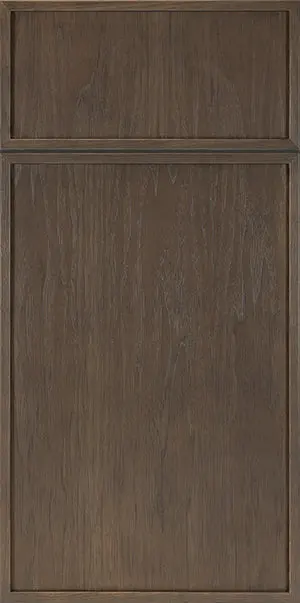
- Assess Your Cabinet Color: Determine whether your cabinets are warm, cool, or neutral. This will help you choose complementary countertop colors.
- Evaluate Your Flooring Material: Consider the color and texture of your flooring. For example, hardwood floors may have warm undertones, while tile floors may have cooler tones.
- Identify a Color Scheme: Choose a color scheme that aligns with your overall design goals. You can opt for a monochromatic, analogous, or complementary color scheme.
- Test Samples: Always test countertop samples in your space, considering natural light and the surrounding colors. This will give you a better understanding of how the colors interact.
- Consult with Professionals: Don’t hesitate to seek advice from professionals. At Lotus Surfaces, our experienced team can guide you through the selection process and ensure your choices align with your design vision.
Popular Countertop Colors and Their Effects
When it comes to countertops, certain colors have gained popularity due to their versatility and aesthetic appeal. Here’s a breakdown of some popular countertop colors and the effects they can create:
| Countertop Color | Effect | Ideal Pairings |
|---|---|---|
| White | Brightens space, creates a clean look | Dark cabinets, warm wood tones |
| Gray | Neutral backdrop, sophisticated feel | Both warm and cool cabinets |
| Beige | Warm, inviting atmosphere | Warm wood cabinets, earth tones |
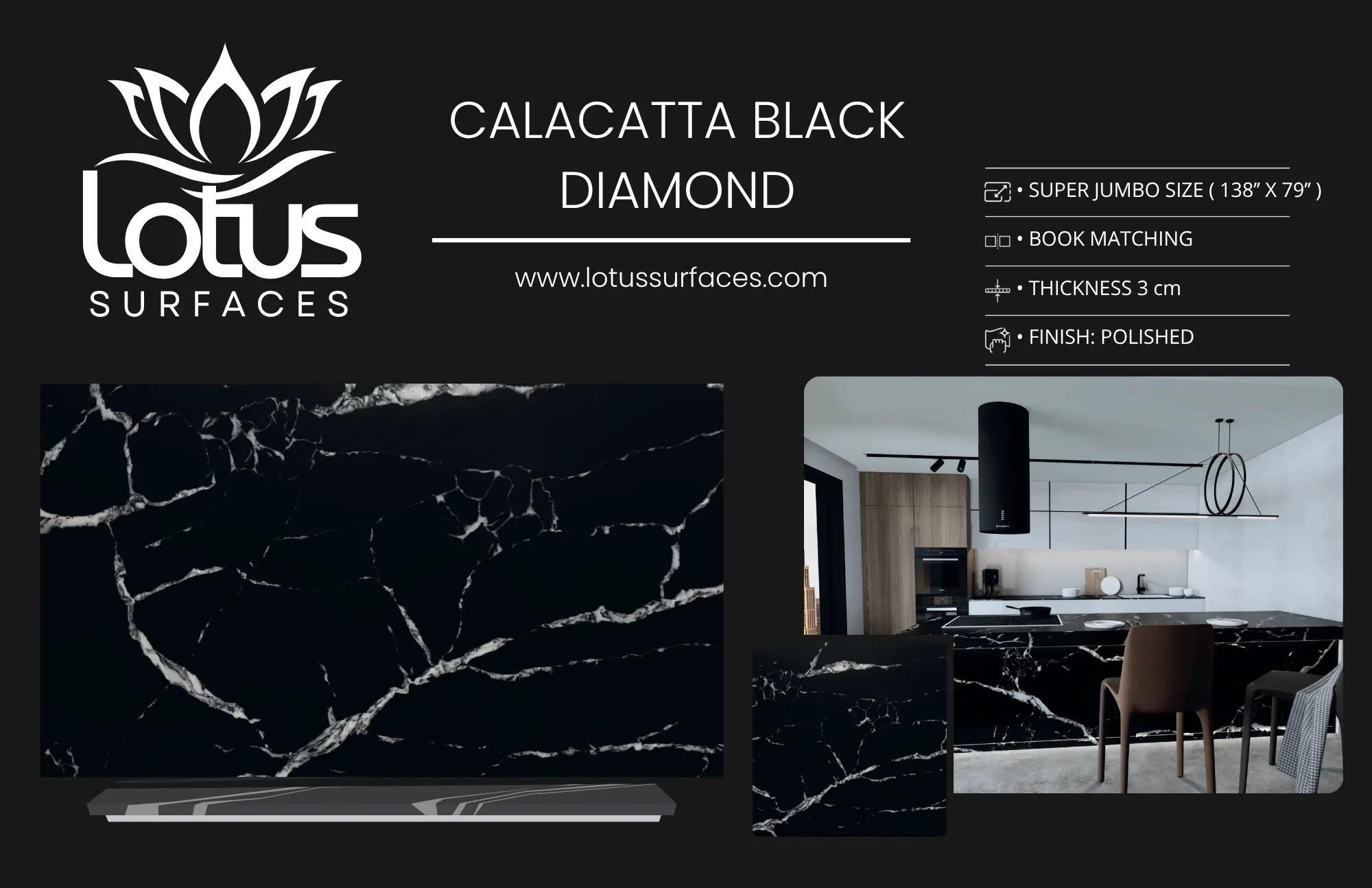
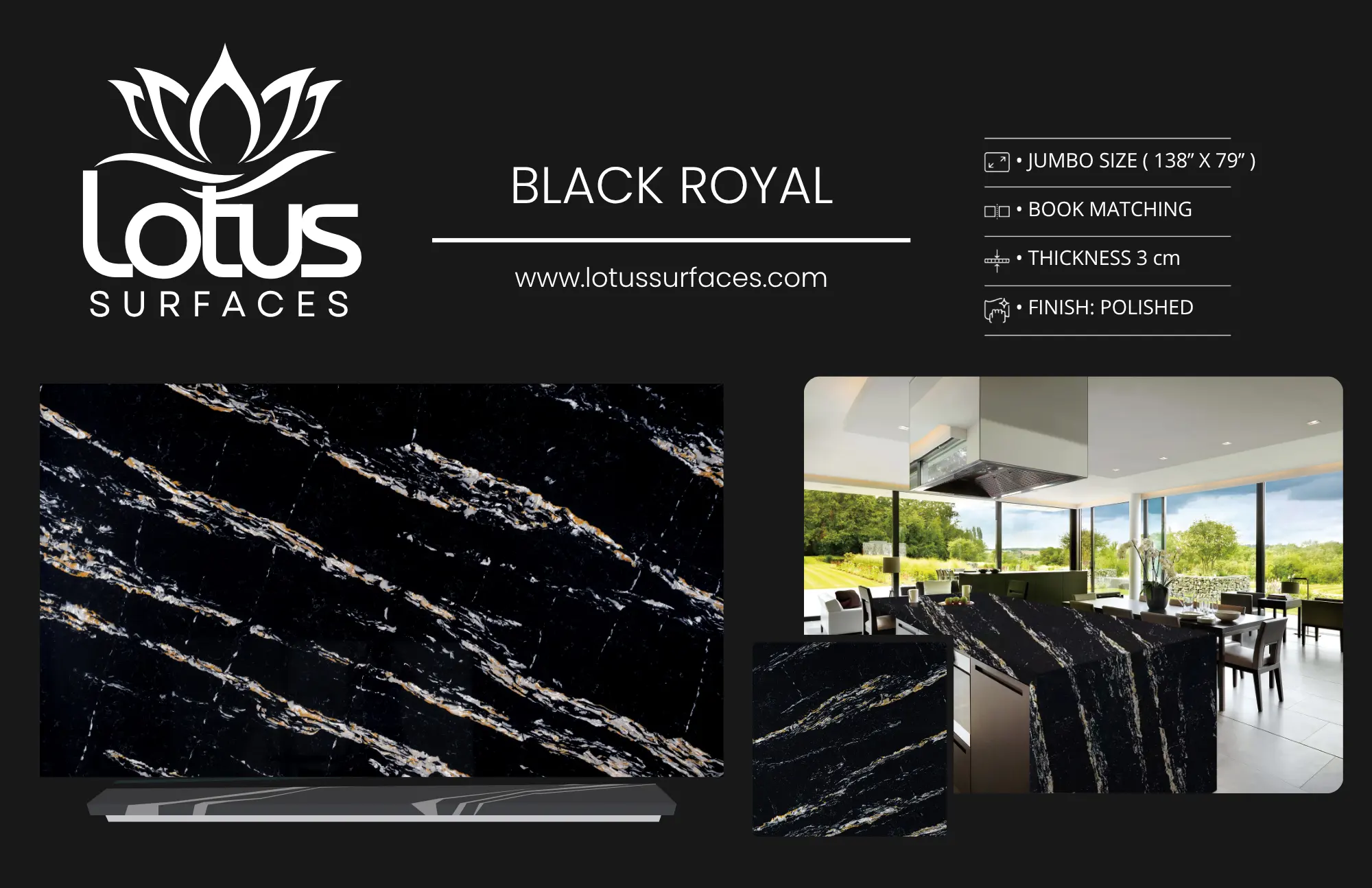
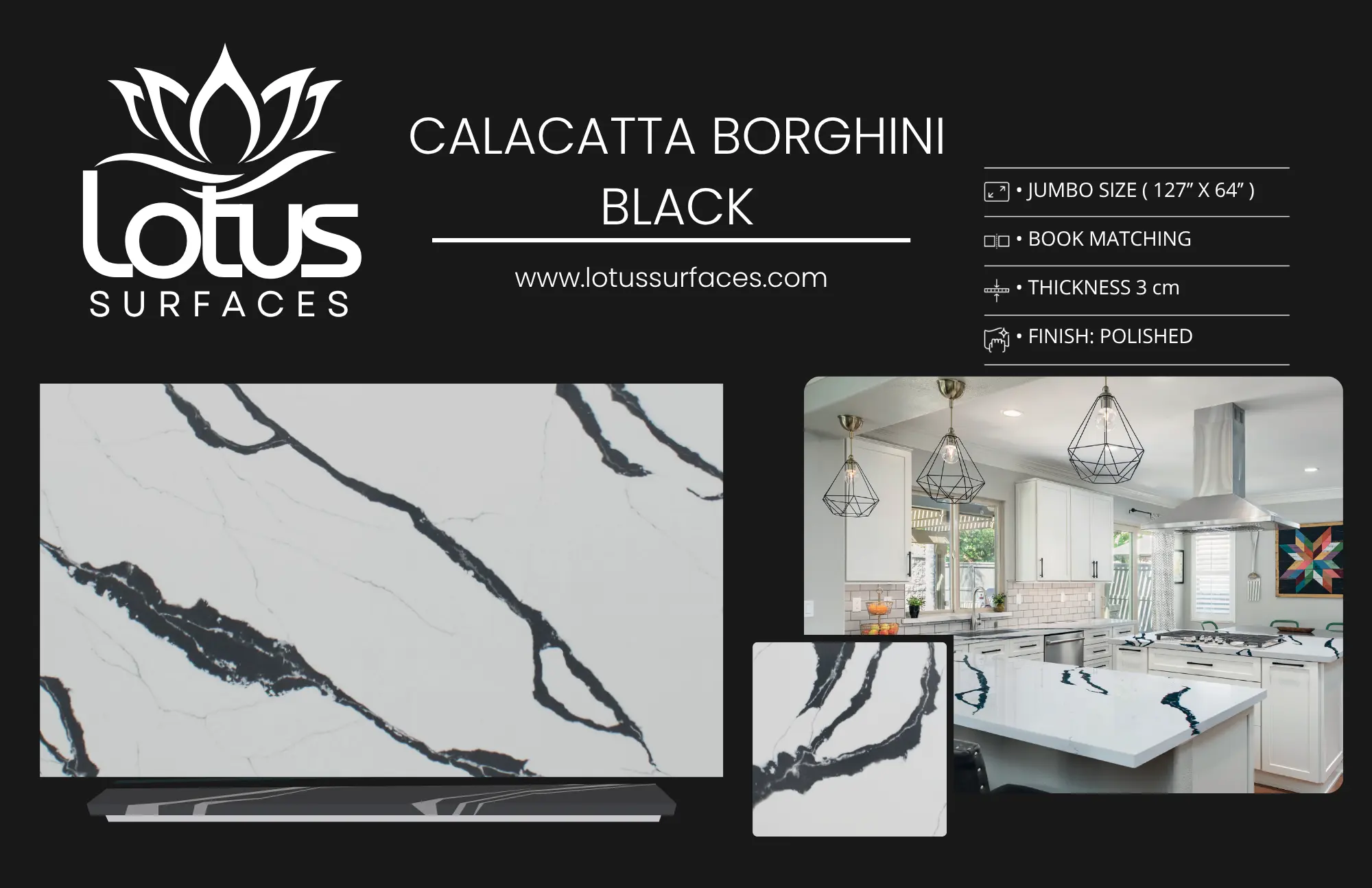
| Black | Dramatic contrast, modern appeal | White or light cabinets |
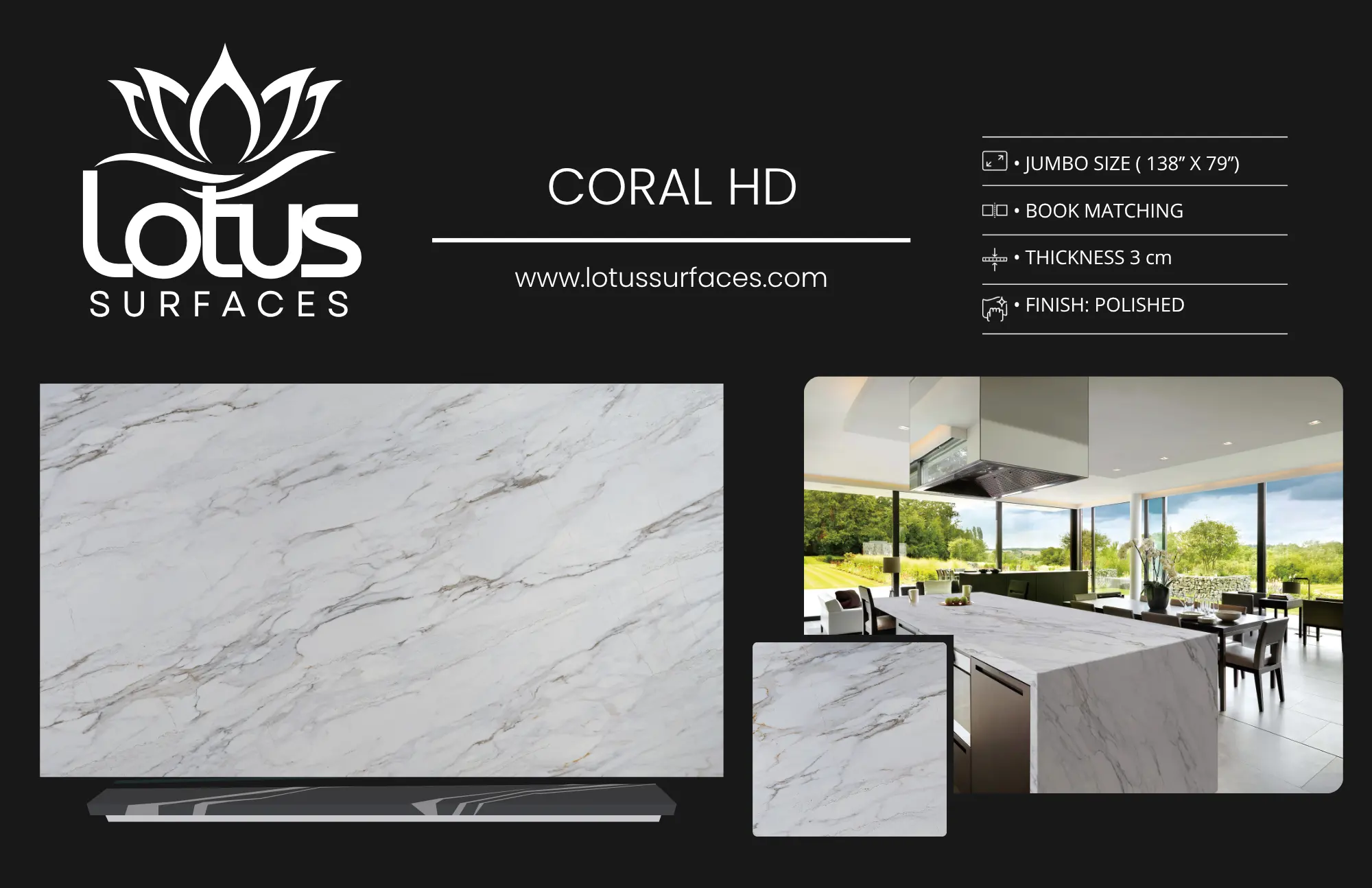
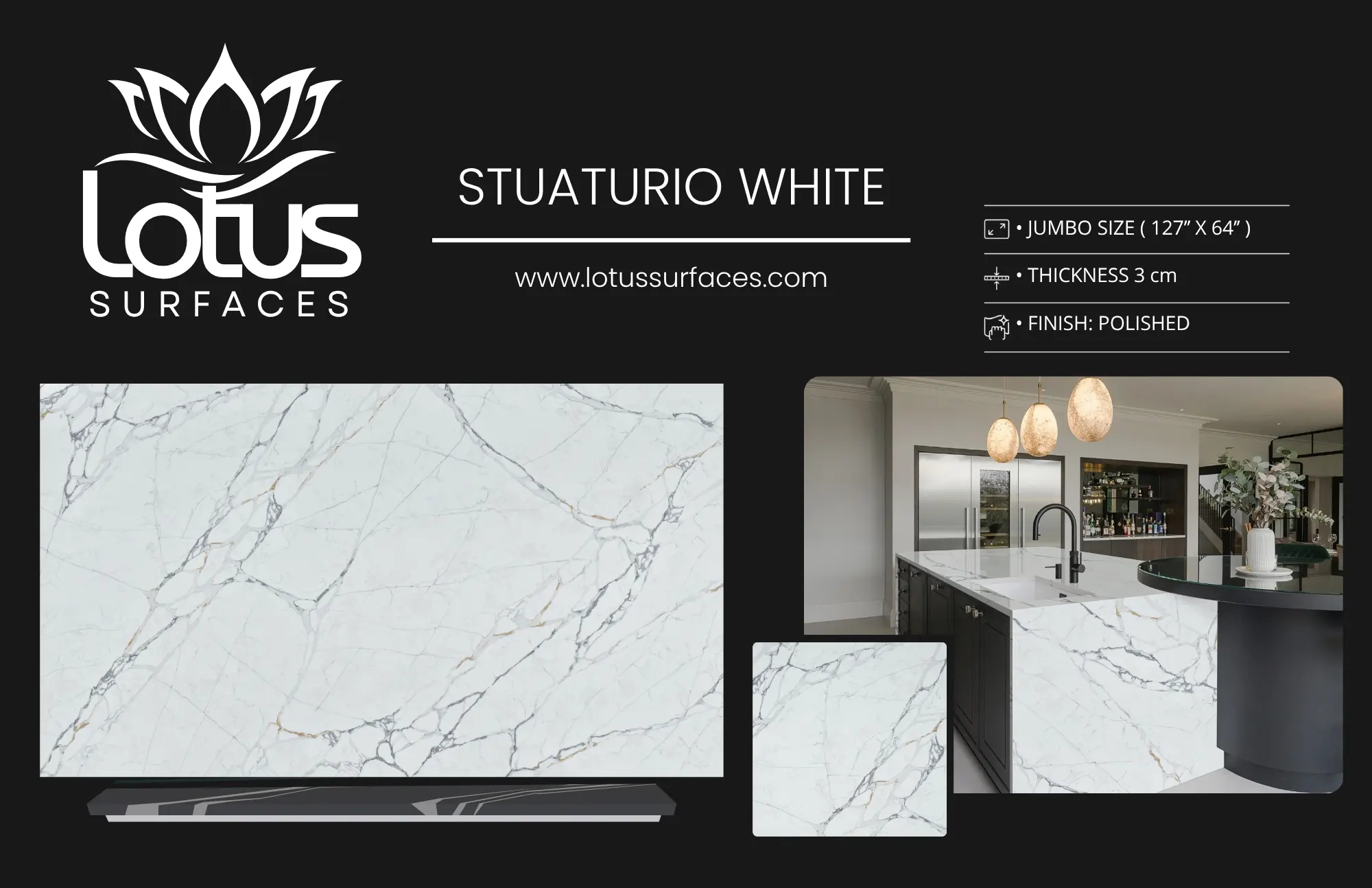
| Marble Patterns | Luxurious, timeless elegance | Neutral cabinets, soft colors |
Practical Tips for Color Selection
Here are some additional tips to help you choose the right countertop colors:
- Consider Lighting: Natural and artificial lighting can significantly impact how colors appear. Test your chosen colors in different lighting conditions.
- Think About Maintenance: Some colors and materials require more maintenance than others. Lighter colors may show stains more easily, while darker colors may require more frequent cleaning.
- Balance Patterns and Colors: If your cabinets or flooring have intricate patterns, opt for solid colors for your countertops to avoid overwhelming the space.
Common Mistakes to Avoid
While selecting countertop colors, homeowners often make several common mistakes. Avoiding these pitfalls can save you time, money, and frustration:
- Ignoring the Overall Design: Always keep the overall design of your space in mind. Countertops should complement, not clash with, other elements.
- Rushing the Decision: Take your time when selecting colors. Rushing can lead to regret and costly rework.
- Neglecting Samples: Always test samples in your space before making a final decision to ensure you’re happy with your choice.
FAQ Section
1. What countertop colors work best with white cabinets?
White cabinets pair well with a variety of countertop colors, including dark gray, black, or even colorful options like blue or green for a pop of color.
2. How can I tell if my cabinets are warm or cool?
Warm cabinets have yellow or red undertones, while cool cabinets have blue or gray undertones. A simple way to test is by placing a piece of white paper next to the cabinet color and observing any tint.
3. Should my countertops match my flooring?
No, your countertops don’t need to match your flooring. Instead, they should complement each other to create a harmonious design.
4. What is the best way to test countertop colors?
The best way to test countertop colors is to bring home samples and place them next to your cabinets and flooring in different lighting conditions.
5. How do I choose between quartz and granite countertops?
Both materials have their advantages. Quartz is non-porous and low-maintenance, while granite offers natural beauty and uniqueness. Your choice should depend on your lifestyle and design preferences.
6. Can I mix different countertop materials?
Yes, mixing materials can create a unique look. For example, you can use a solid surface for the main countertop and a different material for an island.
7. What are the most popular countertop colors for kitchens?
Popular kitchen countertop colors include white, gray, beige, and black, often chosen for their versatility and ability to match various cabinet colors.
8. How often should I update my countertops?
While it depends on wear and tear, a good rule of thumb is to consider updating your countertops every 10-15 years to keep up with design trends and maintain functionality.
9. What are the benefits of choosing lighter countertops?
Lighter countertops can make a space feel larger and brighter, reflecting light and creating an open atmosphere.
10. Are there any eco-friendly countertop options?
Yes, there are several eco-friendly options available, including recycled glass, bamboo, and sustainably sourced wood.
11. How do I maintain my countertops?
Maintenance varies by material. Generally, clean with a mild soap and water solution, avoid harsh chemicals, and use cutting boards to prevent scratches.
12. Can I install countertops myself?
While some homeowners may choose to install countertops themselves, it’s often best to hire professionals to ensure a proper fit and finish, especially for materials like granite and quartz.
In conclusion, selecting the right countertop color is a nuanced process that should begin with an assessment of your cabinet and flooring choices. By understanding color theory, maintaining harmony in your design, and following practical tips, you can create a stunning and cohesive space that meets your needs. At Lotus Surfaces, our experienced team is here to help you navigate this important decision, providing professional guidance and support throughout your renovation journey.