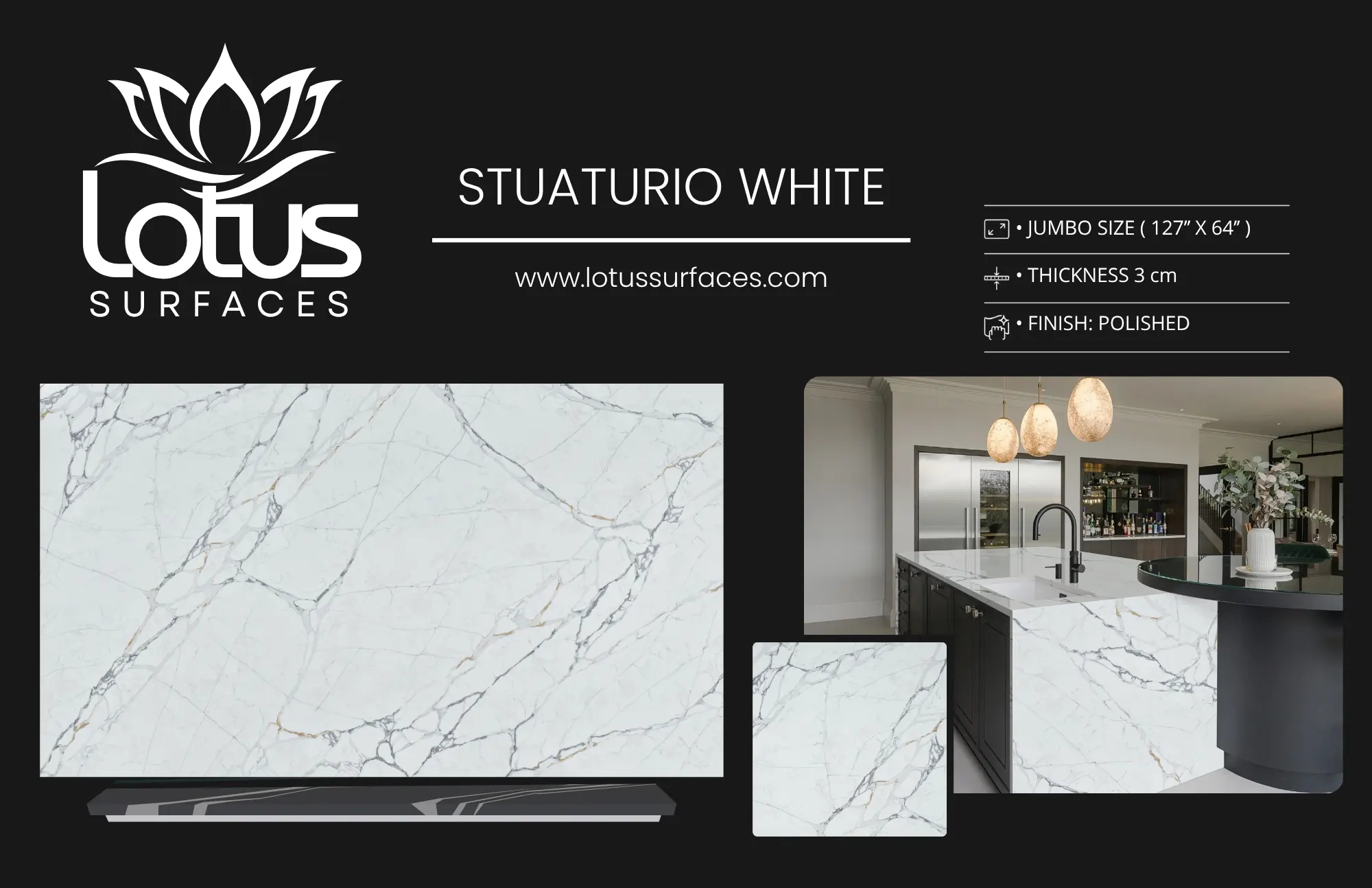
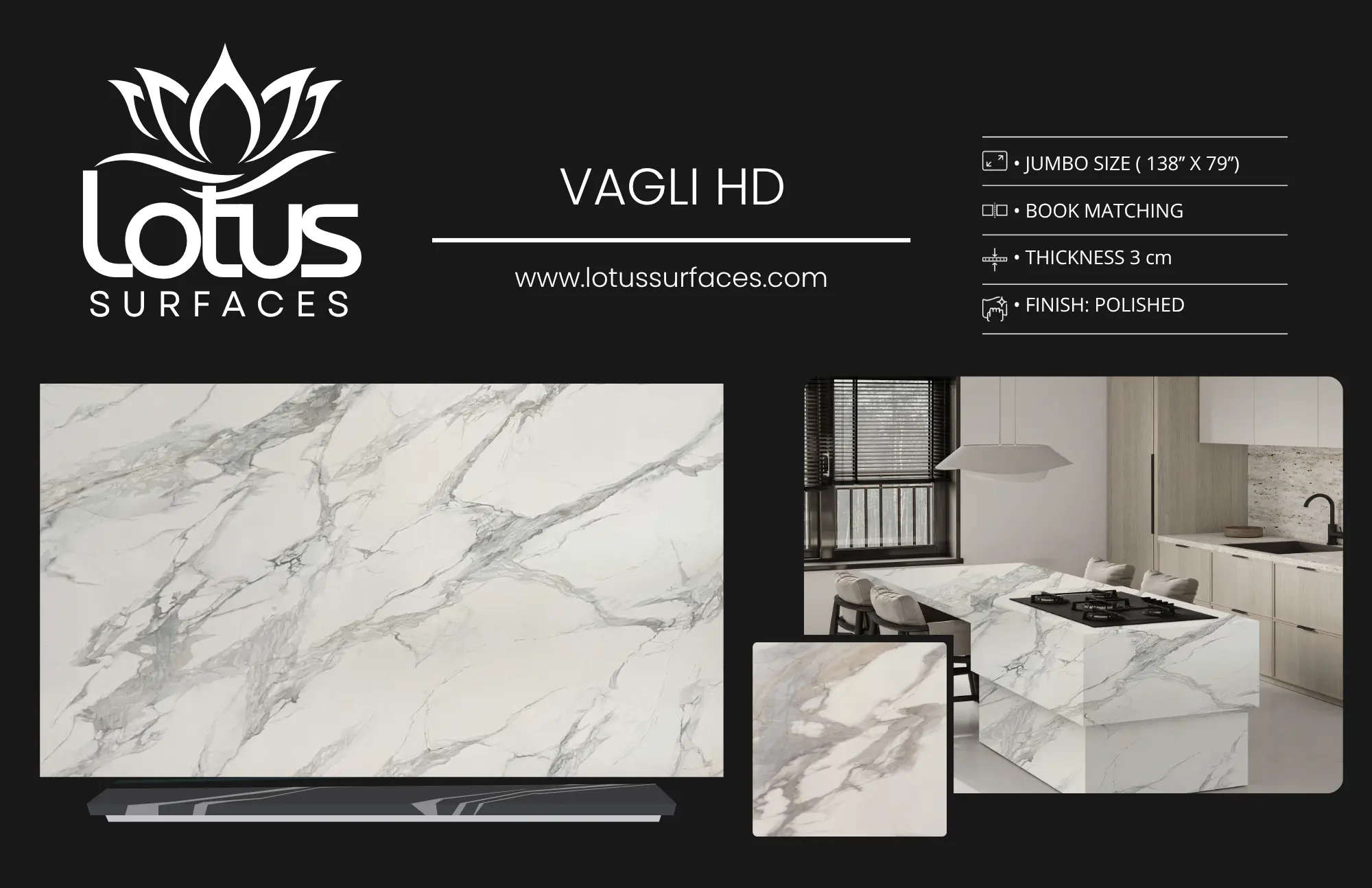
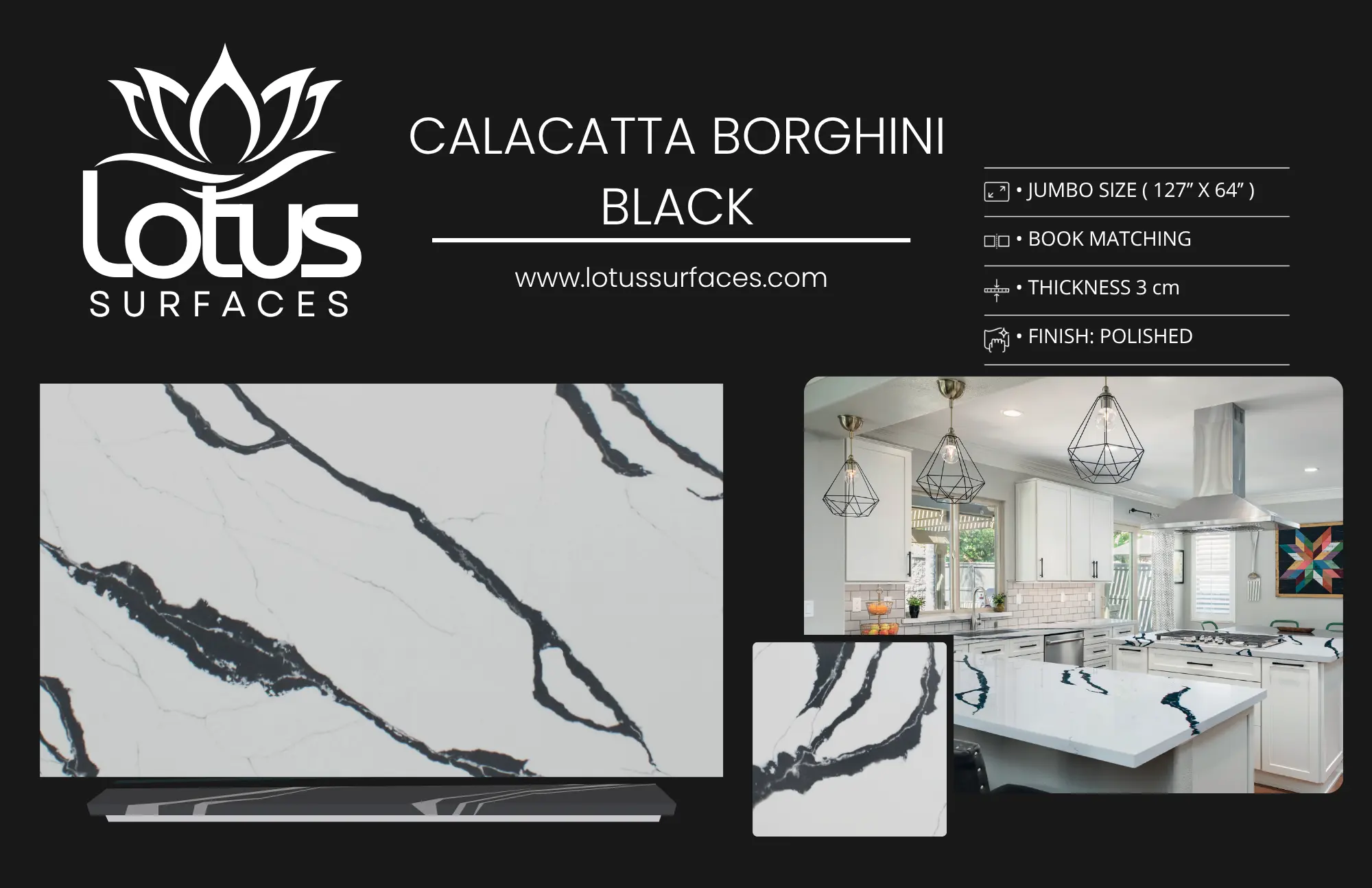
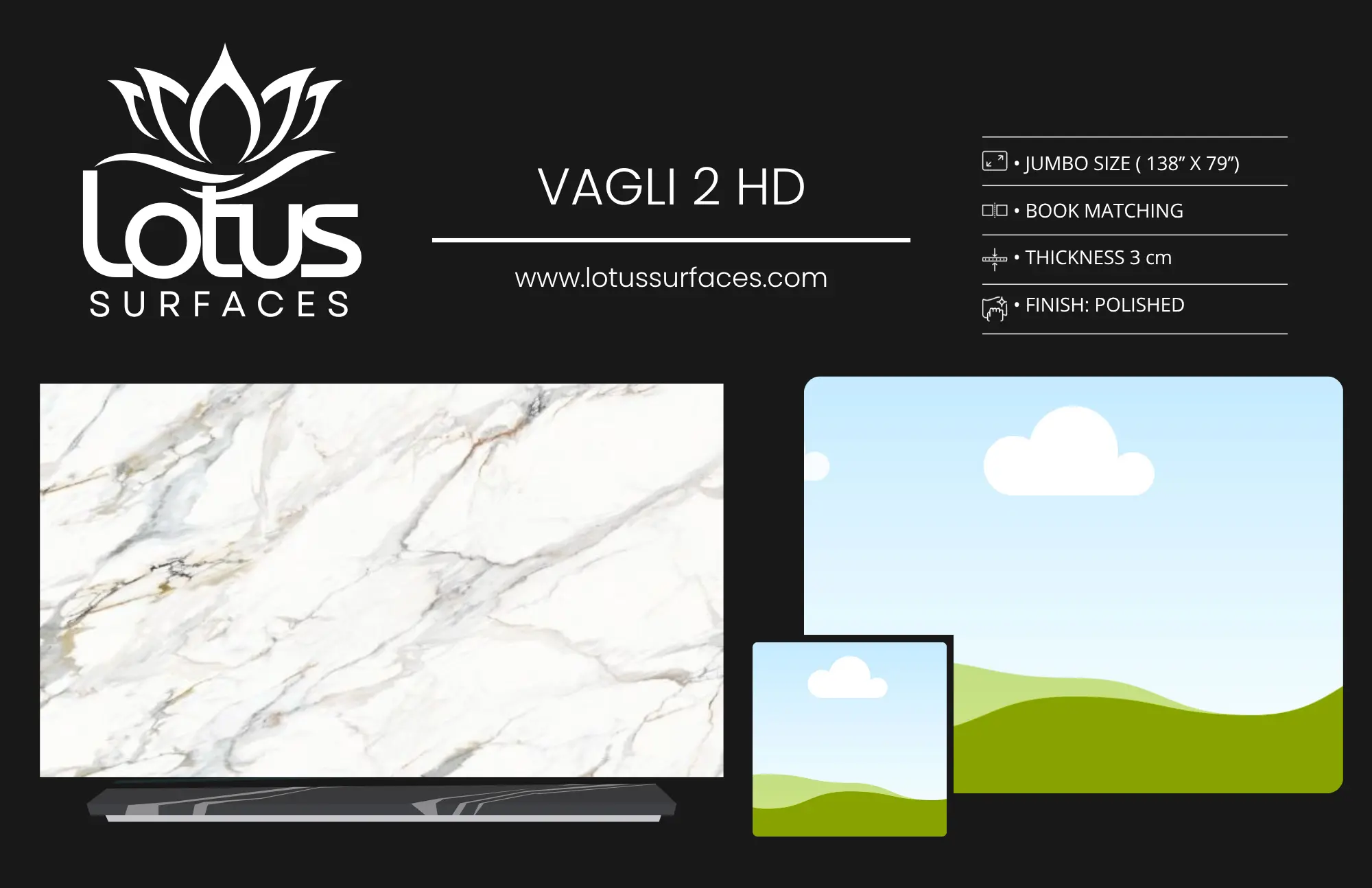
Why Slab Layout and Orientation Matter for Pattern Continuity Across Countertops
When it comes to selecting countertops for your kitchen or bathroom, many homeowners focus on material quality, color, and texture. However, one crucial aspect that is often overlooked is the layout and orientation of the slabs used in the installation. Understanding how slab layout and orientation impact pattern continuity can significantly enhance the aesthetic appeal of your surfaces and ensure a seamless, professional finish. In this comprehensive guide, we will explore why these factors matter and how they can affect your overall design.
Understanding Slab Layout
Slab layout refers to how the individual pieces of stone or engineered material are arranged during the installation process. This involves considering the dimensions, patterns, and grain of the slabs. For example, quartz countertops, granite countertops, and porcelain slabs each have unique characteristics that can influence how they should be laid out.
When planning a layout, professional installers often take into account the following:
- Slab Size: Larger slabs may require fewer seams, which can enhance the visual continuity of the pattern.
- Pattern Direction: The natural veining or patterns in the stone can guide the direction in which the slabs are oriented.
- Seam Placement: Strategic seam placement can minimize visibility and maintain the integrity of the design.
By understanding these elements, homeowners can work with their fabricators to create a layout that showcases the beauty of their chosen materials.
The Importance of Pattern Continuity
Pattern continuity is crucial for achieving a cohesive look across your countertops. When slabs are laid out correctly, the patterns flow seamlessly from one piece to another, creating an elegant and polished appearance. On the contrary, poor layout can lead to jarring transitions that disrupt the visual flow.
Here are some reasons why pattern continuity matters:
- Aesthetic Appeal: A well-executed pattern enhances the overall beauty of your space, making it feel more harmonious and inviting.
- Value Addition: Homes with high-quality, visually appealing countertops tend to have higher resale values.
- Design Cohesion: Maintaining continuity across surfaces helps to unify different areas of your home, especially in open-concept spaces.
For instance, if you’re planning a kitchen renovation in Norcross, GA, you want to ensure that your kitchen countertops complement your cabinetry and other design elements. This is where working with a qualified countertop fabricator becomes essential.
Techniques for Slab Orientation
There are several techniques that installers use to optimize slab orientation for pattern continuity:
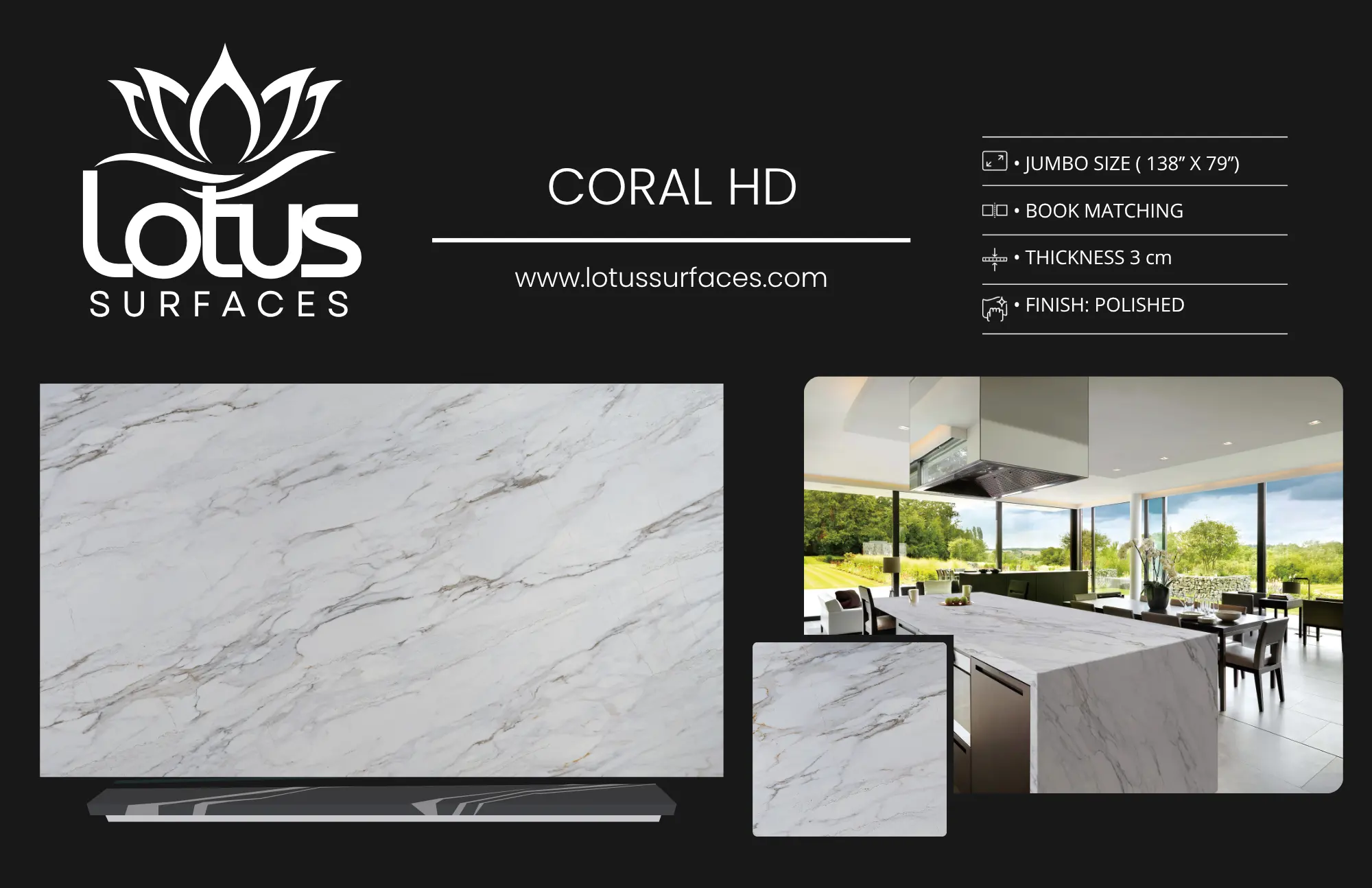
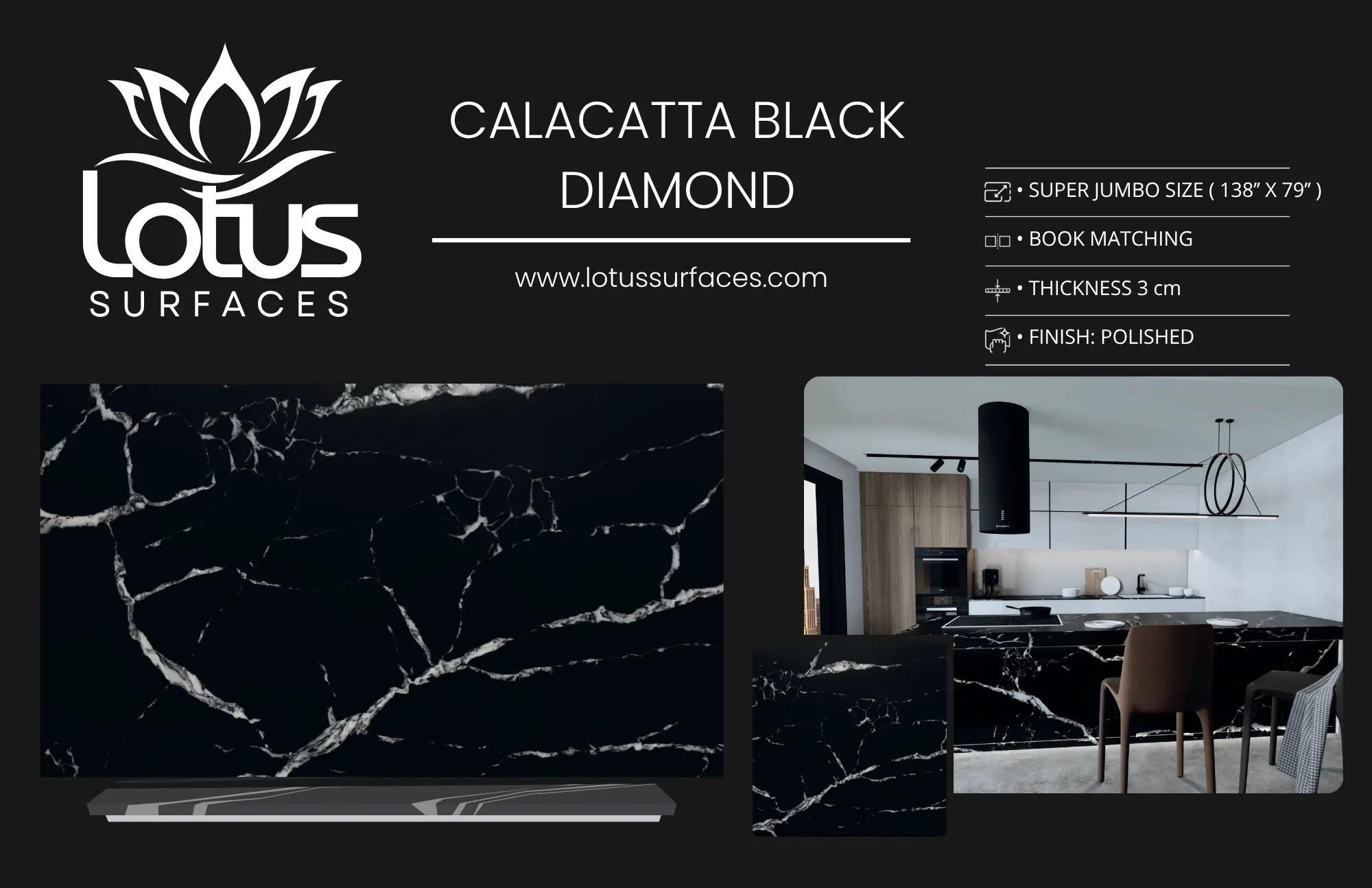
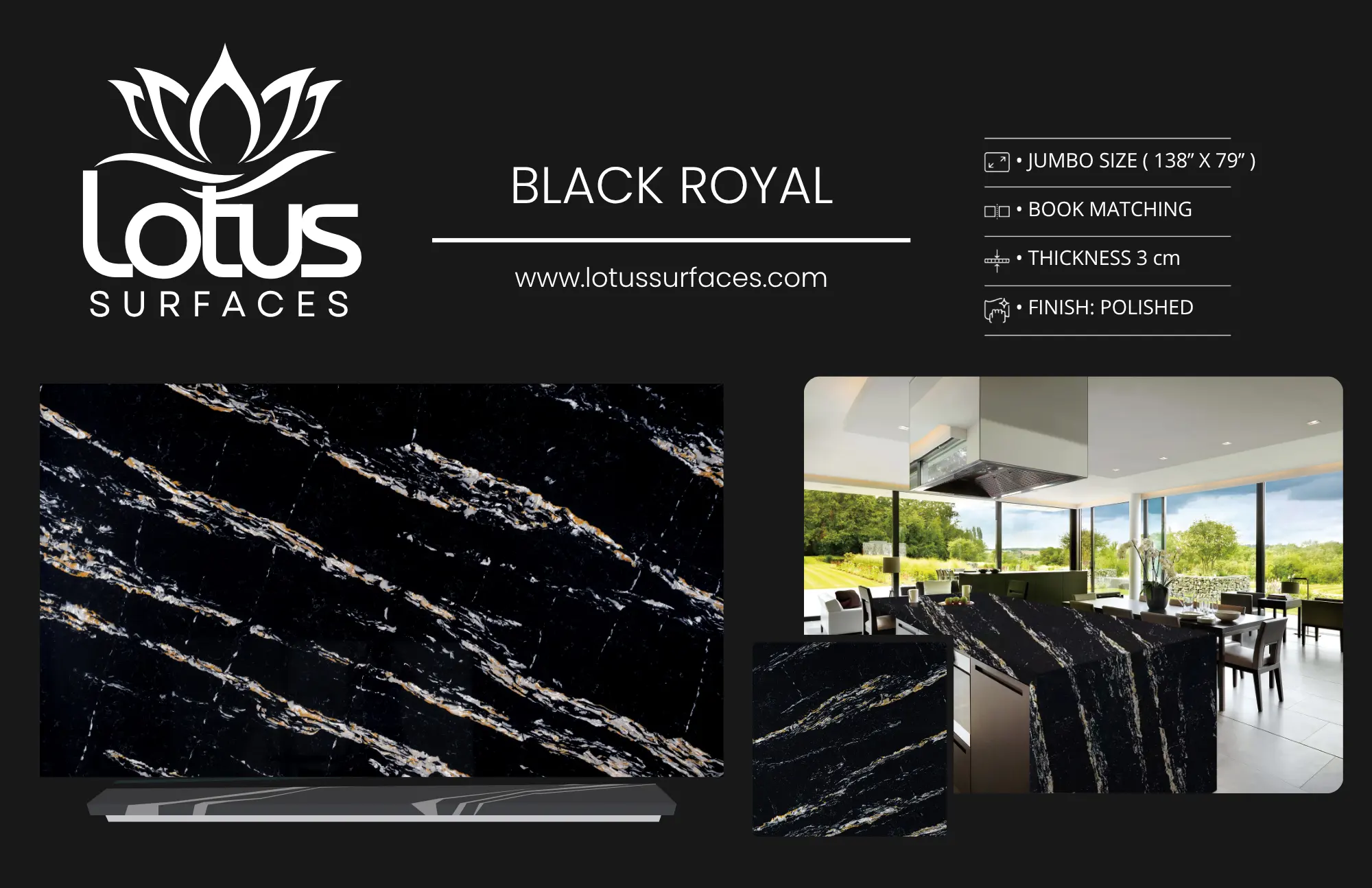
1. Book Matching
In this technique, two slabs are placed adjacent to each other in a mirrored fashion, showcasing the natural patterns in a symmetrical design. This method works exceptionally well with stones that have prominent veining, like certain types of granite or quartzite.
2. Vein Matching
This method involves aligning the veins of the slabs to create a continuous flow of pattern across the surface. This technique is popular for both quartz and natural stone countertops and can significantly elevate the visual impact.
3. Random Layout
For a more organic look, some homeowners opt for a random layout. This technique involves varying the orientation of different slabs to create a unique, eclectic appearance. While this can be visually striking, it requires careful planning to maintain some level of cohesion.
Impact of Slab Layout on Design
The layout and orientation of your countertops can dramatically influence the overall design of your space. Here are some key impacts to consider:
- Light Reflection: The way slabs are oriented can affect how light interacts with the surface. For example, a horizontal layout might catch the light differently than a vertical one.
- Visual Weight: The arrangement of slabs can alter the perceived weight of the countertops. A balanced layout can create a sense of harmony, while an imbalanced layout might feel chaotic.
- Integration with Other Elements: The orientation of your countertops should also take into account other design elements in your kitchen or bathroom, such as cabinetry, backsplashes, and flooring.
Choosing the Right Layout for Your Space
When selecting a layout for your countertops, consider the following factors:
1. Material Type
Each material has its unique characteristics. For example, quartz countertops in Norcross are known for their consistent patterns, making them easier to align for continuity. On the other hand, natural stones like granite can have more variation, requiring careful planning to achieve a cohesive look.
2. Color and Pattern
The color and pattern of your slabs can influence the layout. Lighter colors tend to reflect light better and may require a different orientation than darker colors, which can absorb light.
3. Space Dimensions
The size and shape of your kitchen or bathroom will also dictate the best layout. Larger spaces can accommodate more intricate designs, while smaller areas might benefit from simpler layouts to avoid overwhelming the eye.
Expert Tips for Achieving Seamless Patterns
Here are some additional expert tips:
- Work closely with your fabricator to discuss your vision and preferences. They can provide valuable insights based on their experience with different materials.
- Request a digital template or mock-up to visualize how your chosen layout will look in your space.
- Consider the use of caulking to help hide seams and enhance the overall appearance of your countertops.
Frequently Asked Questions
1. Why is slab layout important for my countertops?
Slab layout is crucial because it affects how patterns flow across your countertops, impacting their overall aesthetic appeal and cohesiveness.
2. What are the best techniques for slab orientation?
Some effective techniques include book matching, vein matching, and random layout, each offering different visual effects.
3. How can I ensure pattern continuity in my countertops?
Work with an experienced fabricator who can help plan the layout and orientation of your slabs for optimal pattern continuity.
4. What materials are best for achieving seamless patterns?
Quartz and certain types of granite are excellent choices due to their consistent patterns and colors.
5. How does slab orientation affect light reflection?
The orientation can impact how light interacts with the surface, influencing the overall brightness and visual appeal of the countertops.
6. Can I mix materials for my countertops?
Yes, but careful planning is required to ensure that the patterns and colors harmonize across different materials.
7. What should I consider when choosing a slab layout?
Factors to consider include material type, color and pattern, and the dimensions of your space.
8. How can I visualize my countertop layout before installation?
Many fabricators offer digital templating services or mock-ups to help you visualize the final look.
9. What are the common mistakes to avoid when planning slab layout?
Common mistakes include not considering the overall design cohesion, overlooking seam placement, and failing to view slabs in person.
10. How can I maintain my countertops after installation?
Regular cleaning and maintenance tailored to the specific material will help preserve the beauty and longevity of your countertops.
11. What types of countertops offer the best pattern continuity?
Quartz and high-quality granite provide excellent pattern continuity due to their manufacturing processes and natural veining.
12. Is professional installation necessary for achieving the best results?
Yes, professional installation is crucial for ensuring that your slabs are laid out correctly and that pattern continuity is achieved.