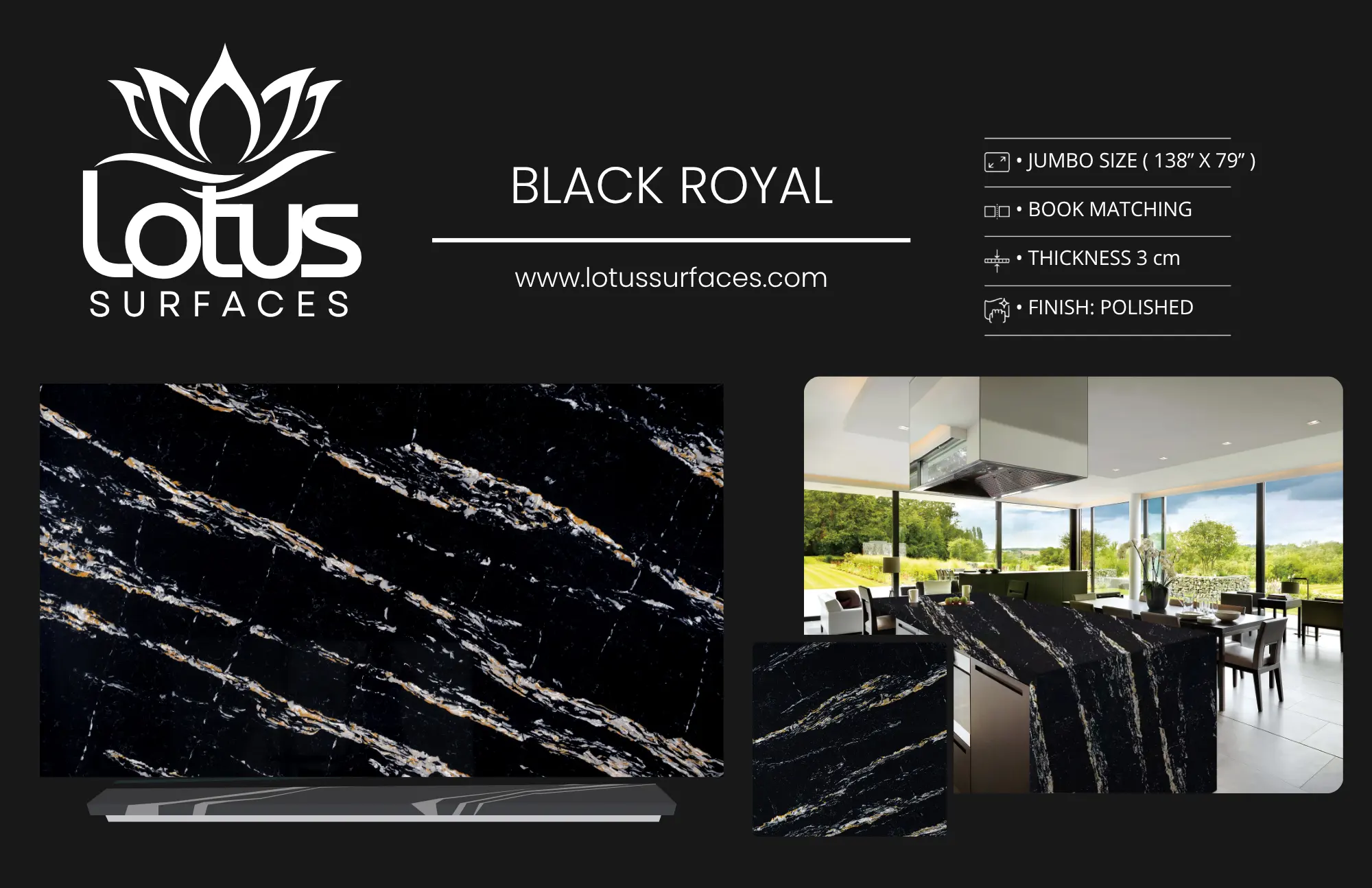
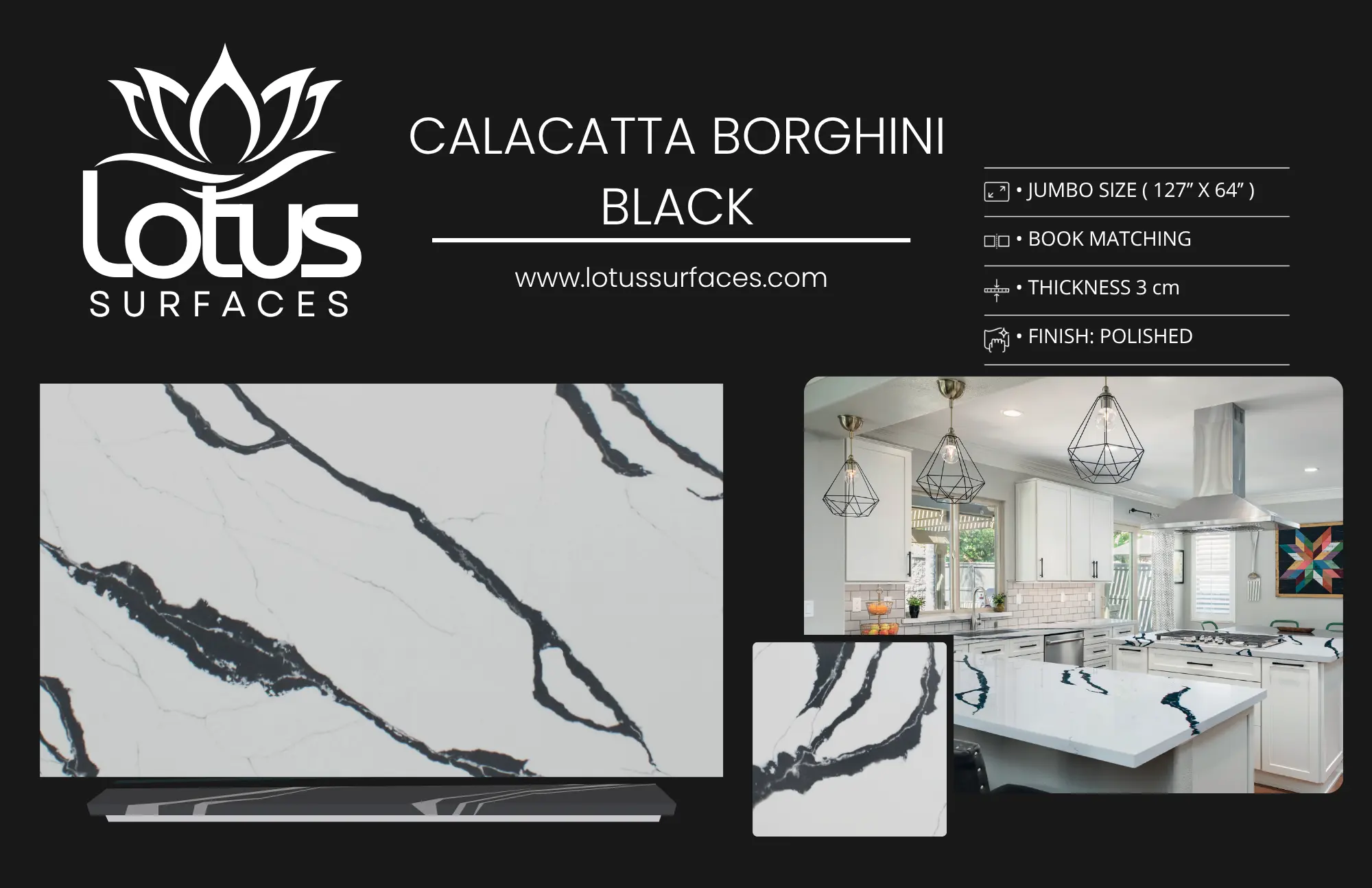
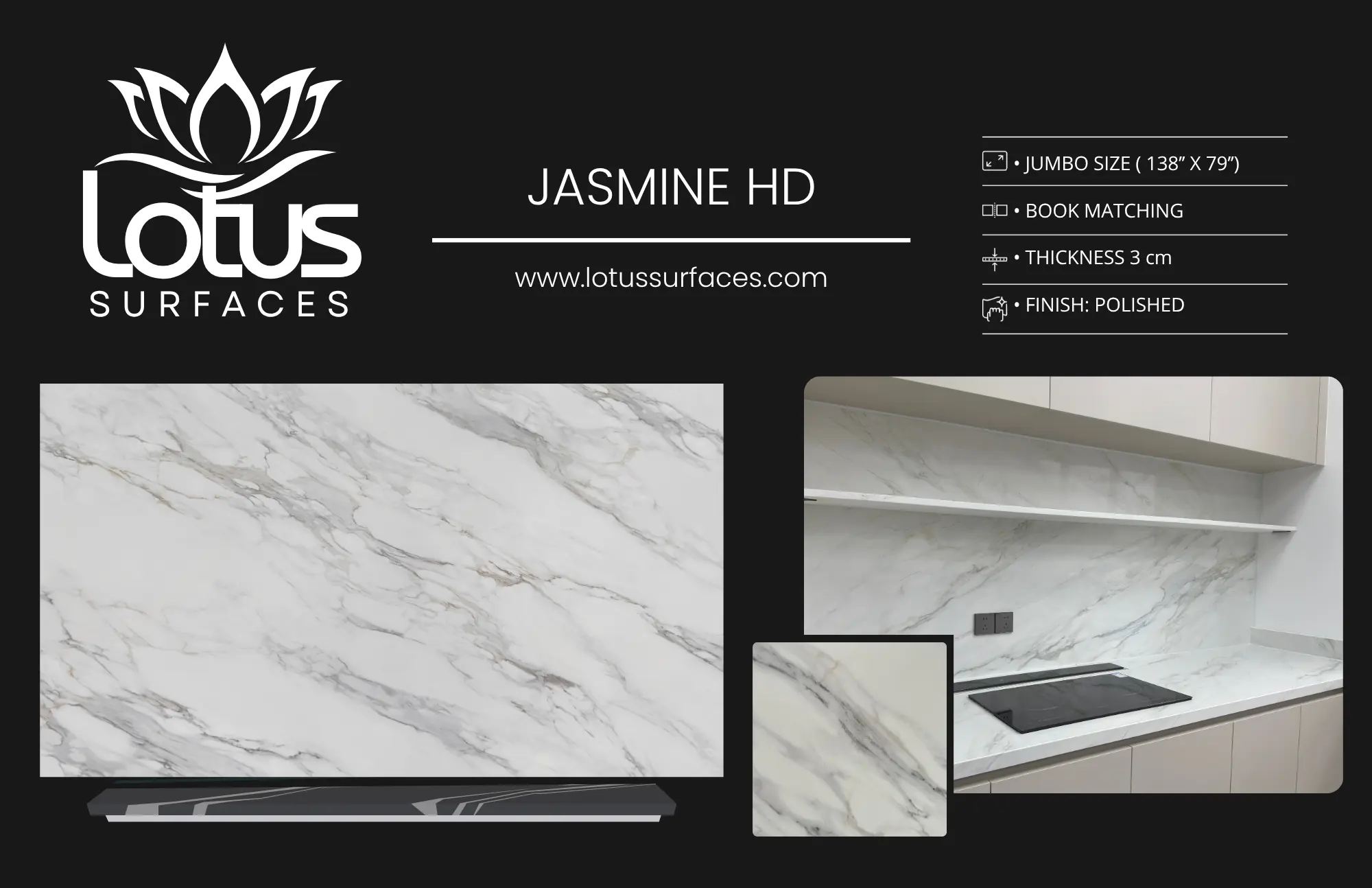
Expert Guide: How to Match Your Countertop to Tile, Paint, and Cabinets
Choosing the perfect countertop for your kitchen or bathroom can be a daunting task, especially when considering how it will harmonize with existing tile, paint, and cabinetry. If you’re a homeowner in Norcross or the Greater Atlanta area looking to elevate your space, understanding the nuances of material selection and color coordination is essential. In this comprehensive guide, we will explore how to match your countertop to existing elements, ensuring a cohesive and beautiful design. From understanding material characteristics to expert tips on color matching, this article will equip you with the knowledge you need to make informed decisions about your countertop choices.
Understanding Material Characteristics
Before diving into color matching, it’s crucial to understand the characteristics of the materials you are working with. Countertops come in various materials, each with unique properties that affect their appearance and functionality. Here are some of the most popular countertop materials available:
- Quartz: Engineered stone made from 90-95% crushed natural stone and resin. Available in a wide range of colors and patterns, quartz is known for its durability and low maintenance.
- Granite: A natural stone that is unique in color and pattern. Granite requires sealing to maintain its appearance and is known for its heat and scratch resistance.
- Porcelain: A durable material that is resistant to stains and scratches. Porcelain countertops can mimic the appearance of natural stone and are ideal for modern designs.
- Quartzite: A natural stone that is harder than granite, offering a beautiful aesthetic. It is also resistant to heat and scratches but can be more challenging to maintain.
Understanding the characteristics of these materials will help you select a countertop that not only looks great but also fits your lifestyle and maintenance preferences. For more detailed insights about each material, check out our countertop materials page.
Choosing the Right Color Palette
When selecting a countertop, color coordination is key. The right color palette can create a harmonious space that feels cohesive and inviting. Here are some considerations for choosing the right color palette:
- Consider Existing Elements: Take into account the color and style of your existing tile, paint, and cabinetry. This will help you determine which colors will complement or contrast effectively.
- Use a Color Wheel: A color wheel can be a helpful tool in selecting complementary or contrasting colors. Colors opposite each other on the wheel create a vibrant contrast, while colors next to each other create a more subdued look.
- Test Samples: Always get samples of the countertop material and hold them against your existing elements. This will give you a better sense of how the colors work together in your space.
Incorporating a cohesive color palette will enhance the overall aesthetic and ensure that your countertop feels like a natural extension of your home. For more tips on color selection, refer to our blog, where we explore the latest design trends.
Matching Countertops with Tile
Tile is often a significant design feature in kitchens and bathrooms, making it essential to choose a countertop that complements it. Here are some strategies for matching countertops with tile:
1. Consider Tile Color and Texture
The color and texture of your tile can significantly influence your countertop choice. For example:
- If you have dark tile, consider lighter countertops to create contrast and avoid a heavy look.
- Textured tiles can be complemented with smooth countertops for a balanced aesthetic.
- For patterned tiles, opt for solid-colored countertops to avoid visual clutter.
2. Match the Style
Ensure that the style of the countertop aligns with the style of the tile. For instance:
- Modern tiles pair well with sleek, minimalist quartz or porcelain countertops.
- Rustic tiles can be beautifully complemented by natural stone countertops like granite or quartzite.
3. Use a Comparison Table
Here’s a quick comparison of how different countertop materials can match with tile:
| Tile Style | Recommended Countertop Material | Color Suggestions |
|---|---|---|
| Subway Tile | Quartz, Granite | White, Gray, Black |
| Decorative Ceramic | Porcelain, Quartz | Neutral tones to complement patterns |
| Natural Stone | Granite, Quartzite | Earthy tones, soft whites |
By carefully considering tile characteristics, you can find a countertop that enhances the overall design of your space. For more ideas on tile and countertop combinations, visit our blog.
Coordinating with Paint Colors
The paint color in your kitchen or bathroom sets the mood of the space, making it another critical element to consider when choosing a countertop. Here’s how to coordinate your countertop with paint colors:
1. Use the 60-30-10 Rule
This interior design rule suggests that 60% of your space should be one color (typically walls), 30% another color (furniture or large decor), and 10% an accent color (countertops or accessories). For example:
- 60%: Wall color (soft gray)
- 30%: Cabinetry (white)
- 10%: Countertop (black quartz)
2. Match Undertones
When selecting a countertop, pay attention to the undertones in your paint. For instance:
- If your walls have warm undertones (yellows, reds), consider warm-toned countertops like beige granite.
- For cool undertones (blues, greens), cooler-toned countertops like gray quartz work well.
3. Create Visual Flow
Ensure that there is visual flow between your paint color and countertop. Here are some tips:
- Use similar shades for a monochromatic look.
- Choose contrasting colors for a bold statement.
To further explore color coordination, refer to our FAQs section for more insights.
Harmonizing with Cabinetry Styles
Cabinetry is one of the most significant elements in kitchen and bathroom design. Here’s how to harmonize your countertop with cabinetry styles:
1. Match Style
The style of your cabinetry should influence your countertop choice:
- Traditional cabinetry pairs well with classic materials like granite.
- Contemporary cabinetry often works best with sleek quartz or porcelain.
2. Contrast for Impact
Sometimes, contrasting your countertop with cabinetry can create a striking visual effect. For example:
- Dark cabinetry with light countertops creates a stunning contrast.
- Light cabinetry with bold, patterned countertops adds interest.
3. Use a Color Palette
Ensure that your countertop color complements the cabinetry color:
- White cabinetry can be paired with almost any countertop color.
- Dark wood cabinetry looks great with lighter countertops.
For more insights on cabinetry and countertop combinations, visit our cabinets page.
Expert Tips for a Cohesive Design
Now that you have a better understanding of how to match your countertop with existing elements, here are some expert tips for creating a cohesive design:
- Mix and Match: Don’t be afraid to combine different materials and colors, but keep the overall design in mind.
- Stay Consistent: Ensure that all elements in your space work together to create a unified look.
- Consult a Professional: If you’re unsure, consider consulting with a countertop expert or interior designer to guide your decisions.
Comparison of Popular Countertop Materials
To aid in your selection process, here’s a comparison of popular countertop materials, focusing on their aesthetics, durability, and maintenance:
| Material | Aesthetics | Durability | Maintenance |
|---|---|---|---|
| Quartz | Wide variety of colors and patterns | Very durable, scratch and stain-resistant | Low maintenance, no sealing required |
| Granite | Unique natural patterns | Highly durable, heat resistant | Requires periodic sealing |
| Porcelain | Modern, sleek look | Very durable, stain and scratch-resistant | Low maintenance |
| Quartzite | Beautiful natural patterns | Extremely durable, heat resistant | Requires sealing |
This comparison can help you weigh your options and choose the best countertop material for your needs. For a deeper dive into each material, visit our quartzite guide.
Conclusion
Choosing the right countertop is an essential step in creating a beautiful and functional kitchen or bathroom. By understanding the characteristics of different materials and how to coordinate them with existing tile, paint, and cabinetry, you can create a cohesive design that reflects your style. Remember to consider the overall aesthetic of your space and consult with professionals if needed. With the right approach, you can transform your home with stunning countertops that enhance both beauty and functionality.
FAQs
Frequently Asked Questions
1. What countertop colors go best with white cabinets?
Colors like gray, black, or even warm wood tones can complement white cabinets beautifully.
2. Can I mix different countertop materials?
3. What is the best countertop for a modern kitchen?
4. How do I choose a countertop that matches my tile?
5. Are quartz countertops better than granite?
6. What should I consider when choosing a countertop color?
7. How do I maintain my granite countertop?
8. What are the pros and cons of porcelain countertops?