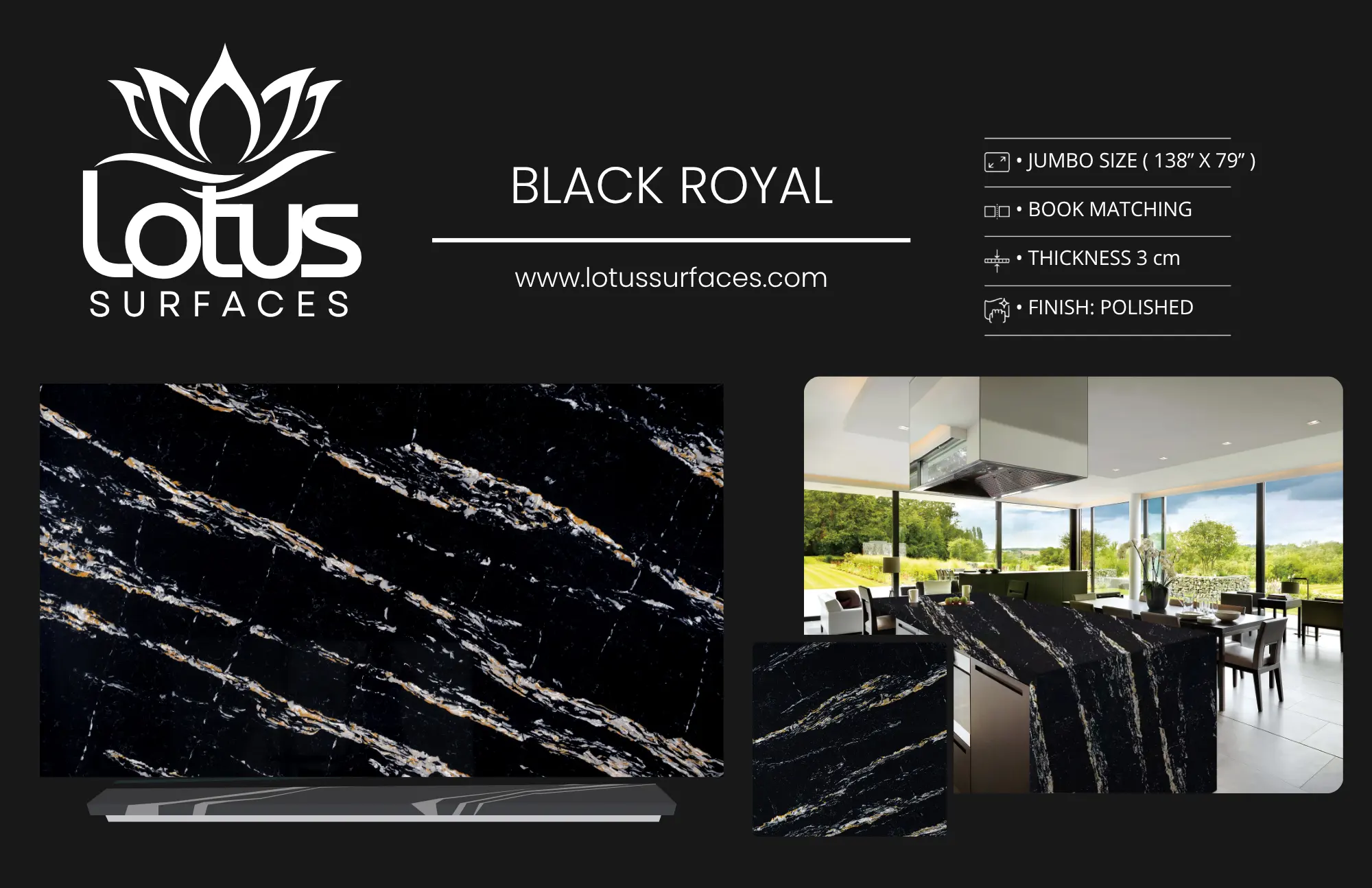
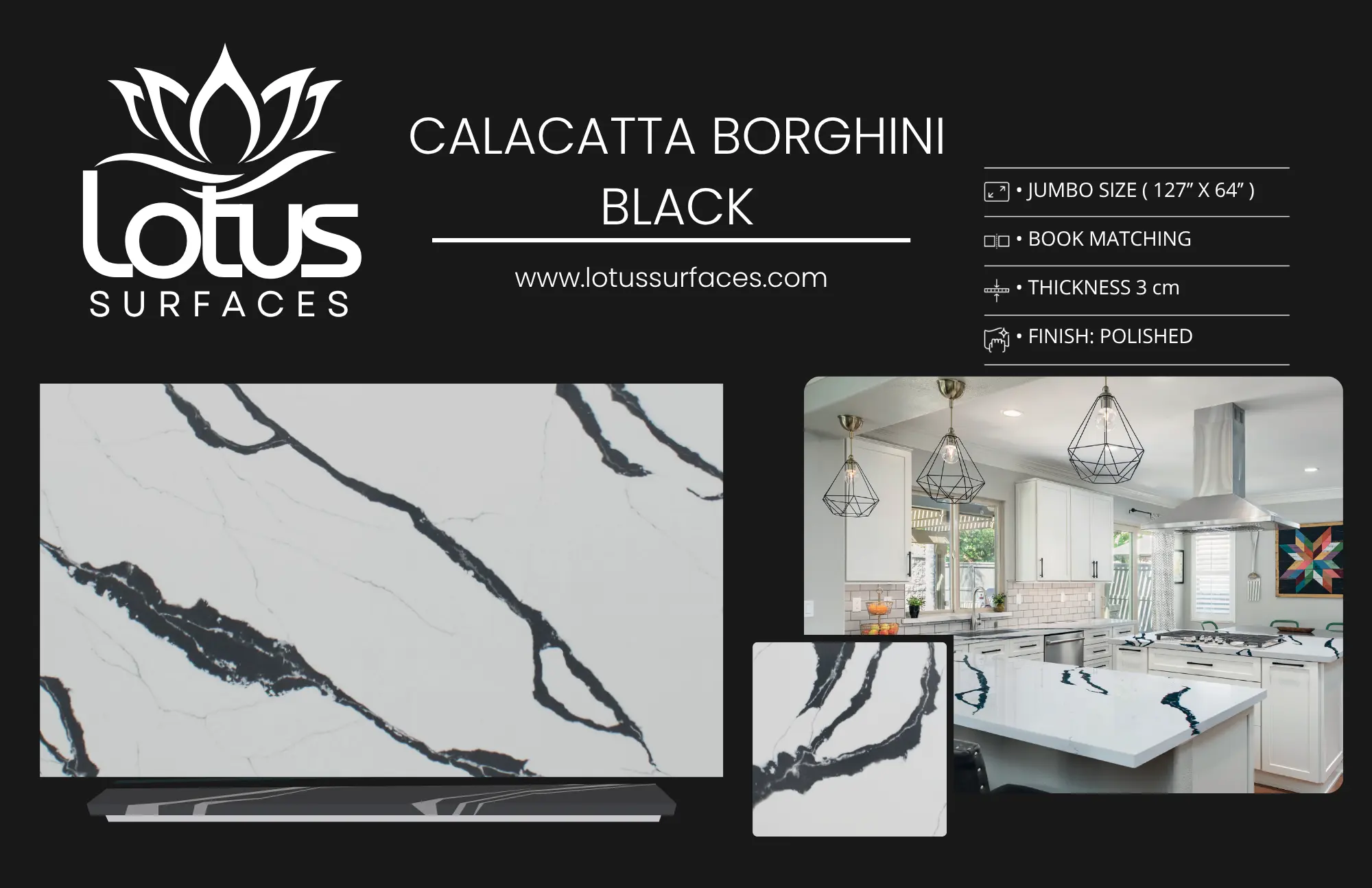
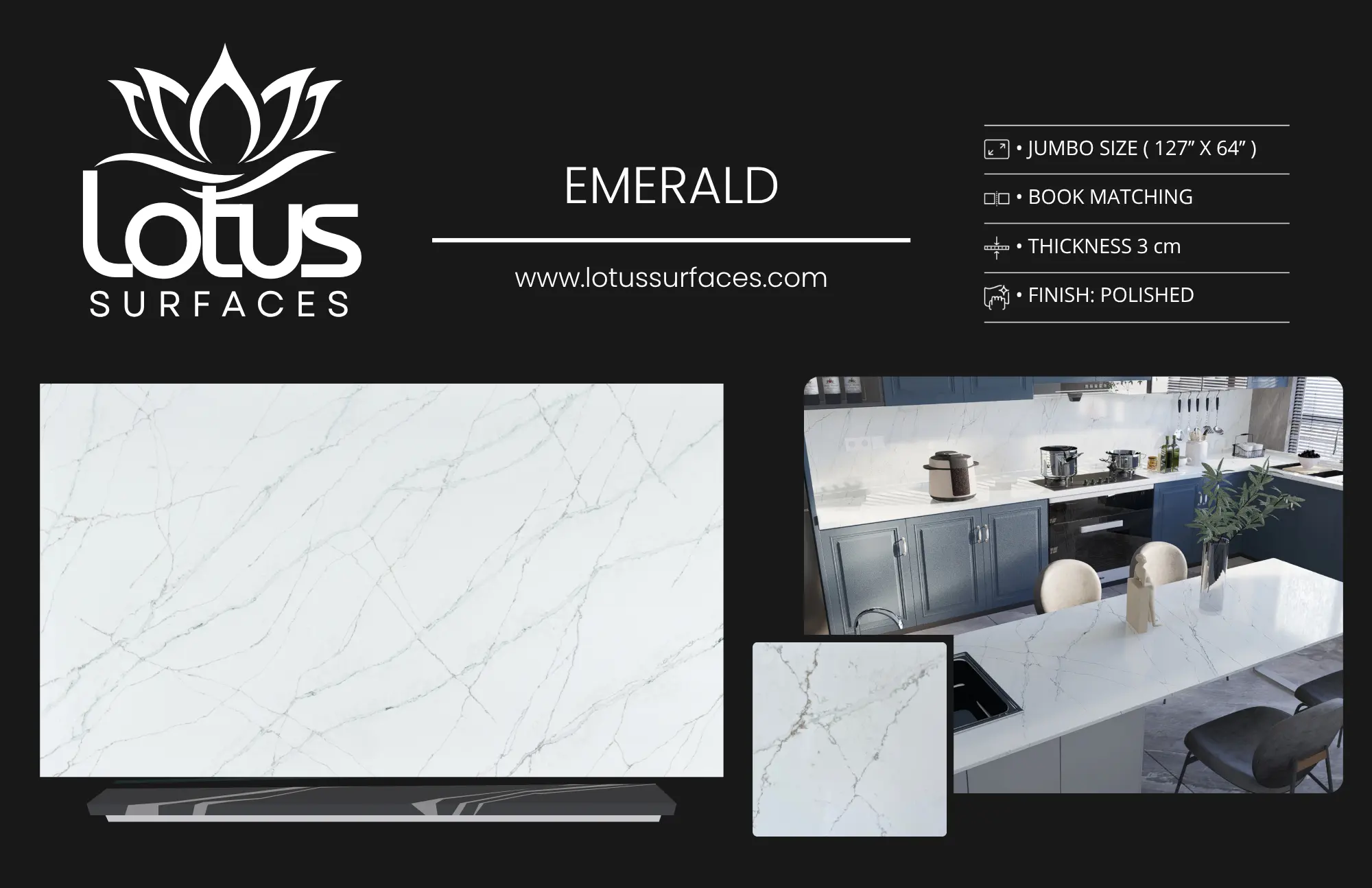
Why Choosing the Right Countertop Thickness Creates Perfect Visual Proportion
When it comes to kitchen and bathroom renovations, the choice of countertop thickness is often overlooked. However, selecting the right thickness is crucial for achieving the perfect visual proportion in your spaces. Whether you are considering quartz countertops in Norcross, granite options in Atlanta, or porcelain surfaces, understanding how thickness impacts aesthetics can elevate your interior design. In this comprehensive guide, we will explore the significance of countertop thickness, examine various materials, and provide expert insights to help you make informed decisions.
Understanding Countertop Thickness
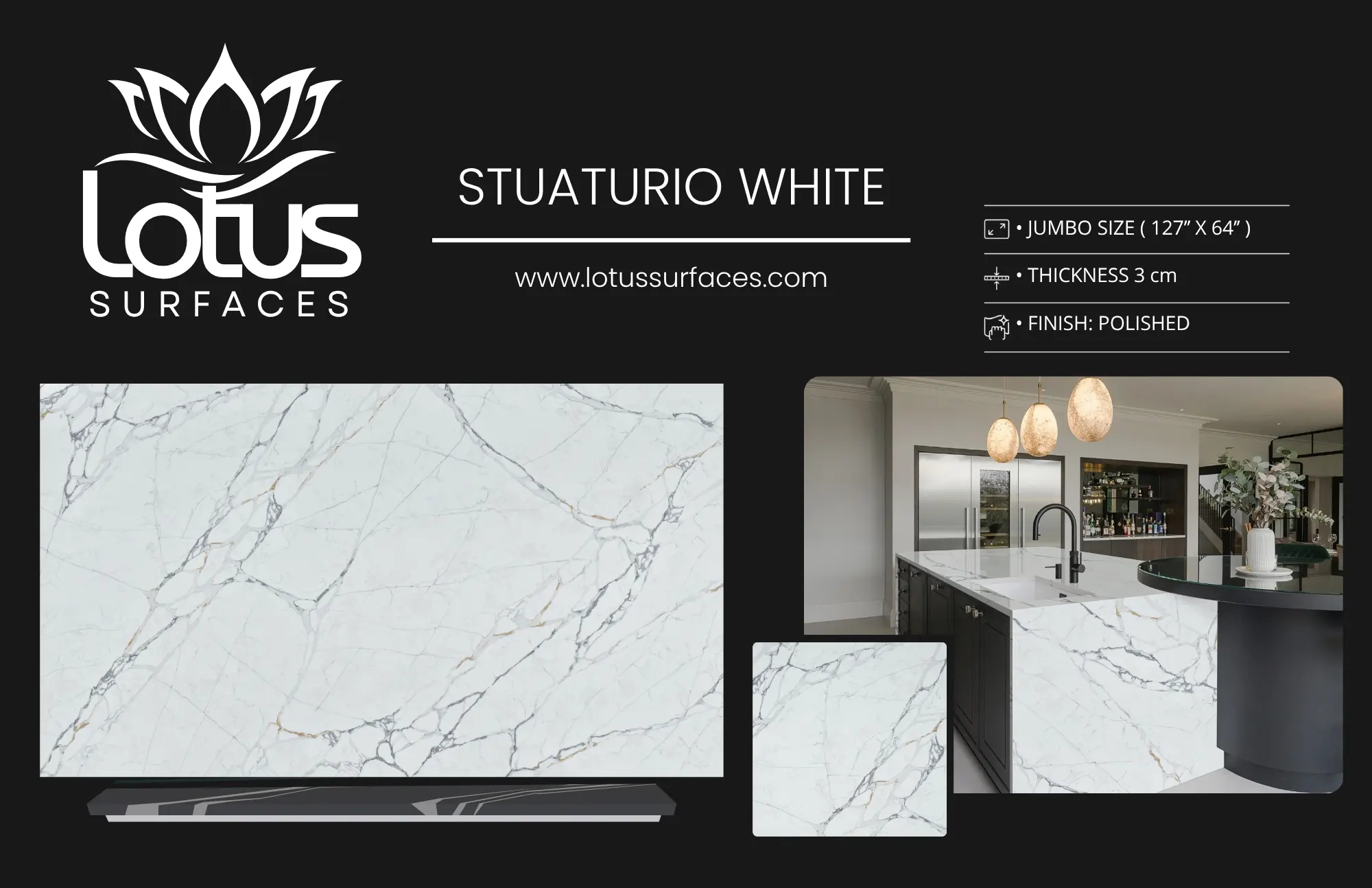
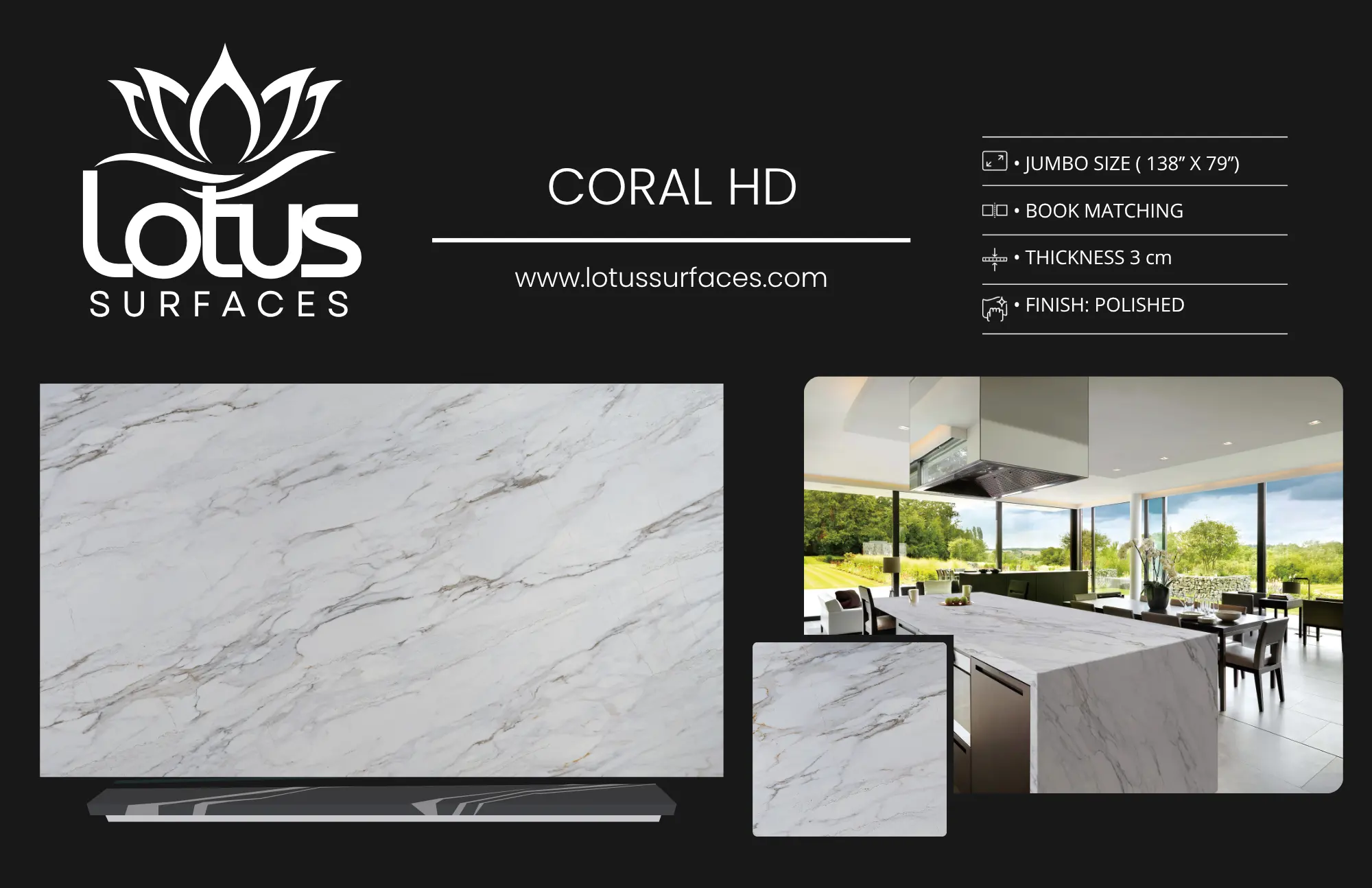
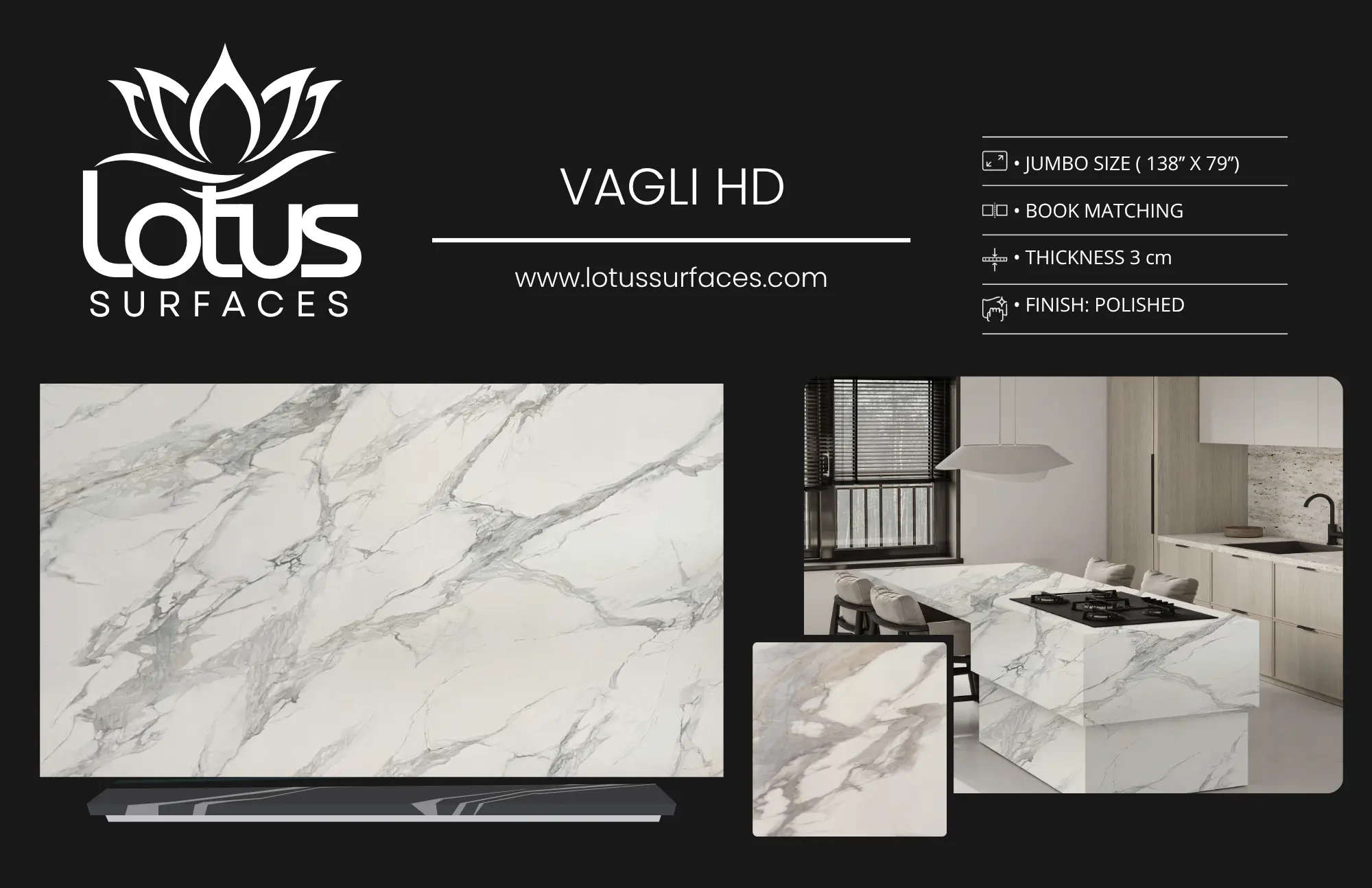
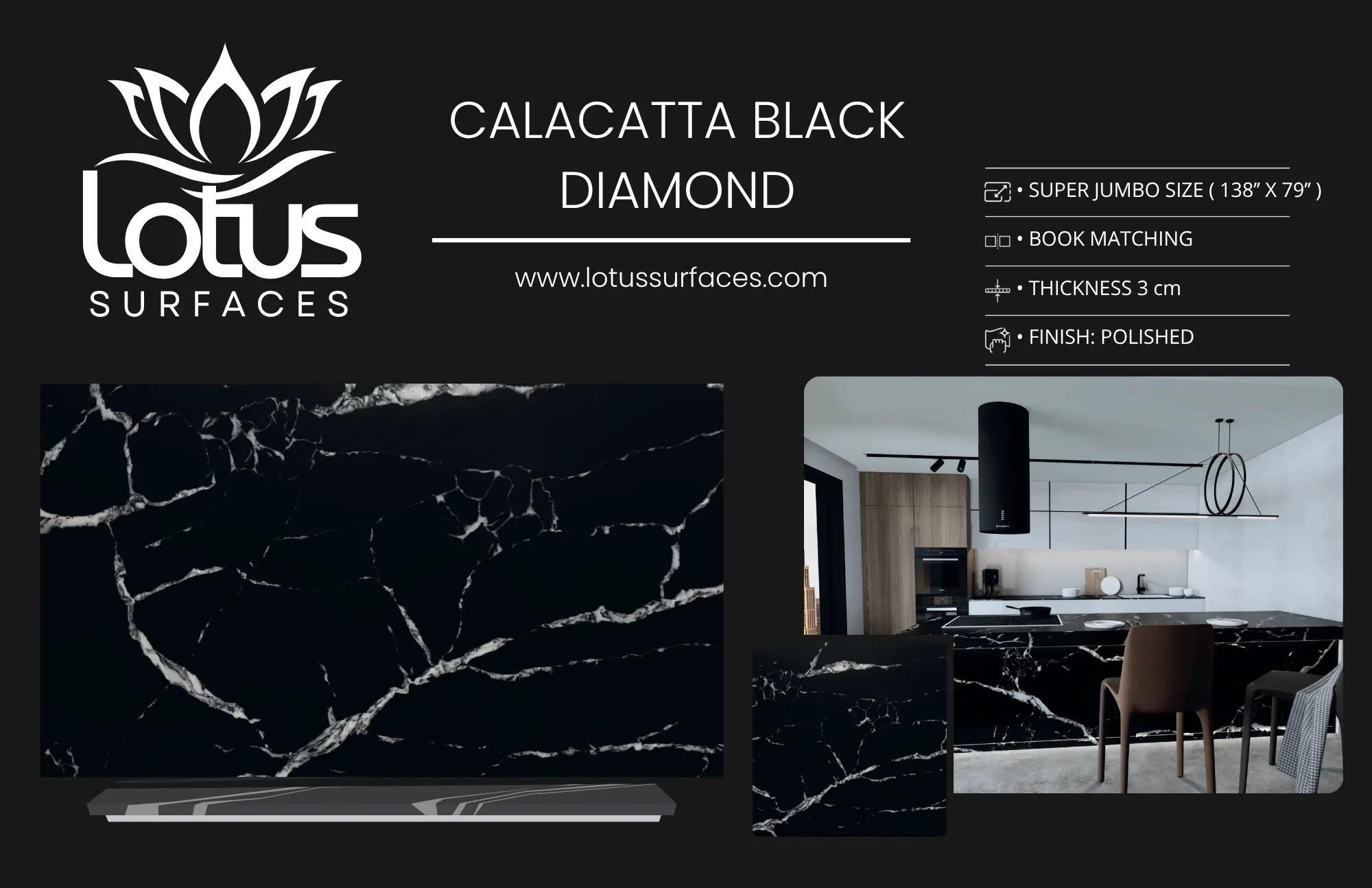
Countertops are available in various thicknesses, typically ranging from 1 cm (0.39 inches) to 3 cm (1.18 inches) or even thicker for specific materials. The thickness you choose can significantly affect the overall look and feel of your kitchen or bathroom. A thicker countertop can create a more luxurious and substantial appearance, while a thinner option can lend a modern and sleek aesthetic.
According to a report by the National Kitchen and Bath Association (NKBA), countertop thickness is a key consideration for homeowners during renovations. NKBA emphasizes the importance of integrating functionality with design, and countertop thickness plays a vital role in this balance.
Material Matters: How Thickness Varies by Type
Different countertop materials come with their own recommended thicknesses based on durability, application, and aesthetic appeal. Here’s a breakdown of common materials and their typical thickness options:
| Material | Standard Thickness | Notes |
|---|---|---|
| Quartz | 2 cm (0.79 in), 3 cm (1.18 in) | Engineered stone, versatile in design |
| Granite | 2 cm (0.79 in), 3 cm (1.18 in) | Natural stone, durable and heat-resistant |
| Porcelain | 1 cm (0.39 in), 2 cm (0.79 in) | Lightweight and highly resistant to stains |
| Marble | 2 cm (0.79 in), 3 cm (1.18 in) | Elegant but more prone to scratches |
| Soapstone | 2 cm (0.79 in), 3 cm (1.18 in) | Unique aesthetic, soft and easy to work with |
Choosing the right thickness not only depends on the material but also on the specific needs of your project. For instance, if you’re planning to install a waterfall edge, a thicker material may be necessary to achieve the desired visual impact.
Visual Proportion: The Aesthetic Impact of Thickness
Visual proportion refers to the relationship between the dimensions of different elements in a space. The thickness of your countertops plays a significant role in establishing this balance. A thicker countertop can create a bold statement, while a thinner one can make a space feel more open and airy.
Consider the following factors when evaluating visual proportion:
- Style of Cabinets: The thickness of your countertop should complement the cabinet design. For instance, modern cabinets with clean lines may pair well with a thinner countertop, while traditional cabinets may benefit from a thicker surface.
- Overall Room Size: In smaller spaces, thinner countertops can help create an illusion of more space, while larger areas can handle the substantial presence of thicker materials.
- Color and Pattern: Darker, patterned countertops may appear heavier, making thickness more critical in achieving a balanced look.
Research from the Architectural Digest suggests that homeowners should consider the entire design scheme when selecting countertop thickness, as it can dramatically affect the room’s overall aesthetic.
Practical Considerations: Durability and Functionality
While aesthetics are essential, practical considerations should not be overlooked. The thickness of your countertop can affect its durability and functionality. Here are some key points to consider:
- Durability: Thicker countertops generally provide more strength and resistance to chipping and cracking. This is particularly important in high-traffic areas.
- Weight: Heavier materials require more robust support structures. Ensure your cabinets can handle the weight of thicker countertops, especially with dense materials like granite or quartzite.
- Edge Profiles: Thicker countertops allow for more elaborate edge profiles, which can enhance the visual appeal and create a more sophisticated look.
According to a study published by the Consumer Reports, the longevity of countertops is significantly influenced by their thickness, with thicker options showing better performance over time.
Choosing the Right Thickness for Your Space
To select the ideal countertop thickness, consider the following steps:
- Evaluate Your Space: Assess the size and layout of your kitchen or bathroom. Smaller areas may benefit from thinner countertops, while larger spaces can accommodate thicker options.
- Match with Cabinetry: Choose a thickness that complements your cabinets. If your cabinets are thick and substantial, a thicker countertop may create a harmonious look.
- Consider Usage: Think about how you use your kitchen or bathroom. If you frequently prepare food or entertain, a thicker, more durable countertop may be necessary.
- Visualize the Design: Use design software or consult with a professional to visualize how different thicknesses will look in your space.
At Lotus Surfaces, we offer a wide range of countertop options, including quartz, granite, and porcelain, to help you find the perfect thickness for your renovation project. Our experienced team can provide personalized guidance tailored to your specific needs.
Expert Tips for Selecting Countertop Thickness
Here are additional expert tips to consider:
- Consult with Professionals: Engage with countertop fabricators or interior designers who can provide insights based on experience and industry trends.
- Think Long-Term: Consider your future needs. A thicker countertop may provide better longevity and adaptability as your design preferences evolve.
- Incorporate Edge Profiles: Choose an edge profile that complements the thickness of your countertop. Thicker countertops can accommodate more elaborate designs, enhancing overall aesthetics.
Frequently Asked Questions
1. What is the standard thickness for quartz countertops?
The standard thickness for quartz countertops typically ranges from 2 cm (0.79 in) to 3 cm (1.18 in).
2. How does countertop thickness affect durability?
Thicker countertops are generally more durable and resistant to chipping and cracking, making them suitable for high-traffic areas.
3. Can I use a thinner countertop for a kitchen island?
Yes, thinner countertops can be used for kitchen islands, but it’s essential to ensure adequate support and consider the overall design.
4. What thickness is best for bathroom vanity tops?
For bathroom vanity tops, a thickness of 2 cm (0.79 in) is standard, but 3 cm (1.18 in) can provide a more luxurious look.
5. How do I choose the right thickness for my kitchen?
Evaluate your space, match with cabinetry, consider usage, and visualize the design to determine the right thickness for your kitchen.
6. Are thicker countertops more expensive?
Generally, thicker countertops can be more expensive due to the amount of material used and the complexity of fabrication.
7. How does countertop thickness affect the overall design?
Countertop thickness influences visual proportion, durability, and the ability to incorporate edge profiles, all of which impact the overall design aesthetic.
8. Can I change the thickness of my existing countertops?
While it’s challenging to alter the thickness of existing countertops, you can replace them with new materials that fit your desired specifications.