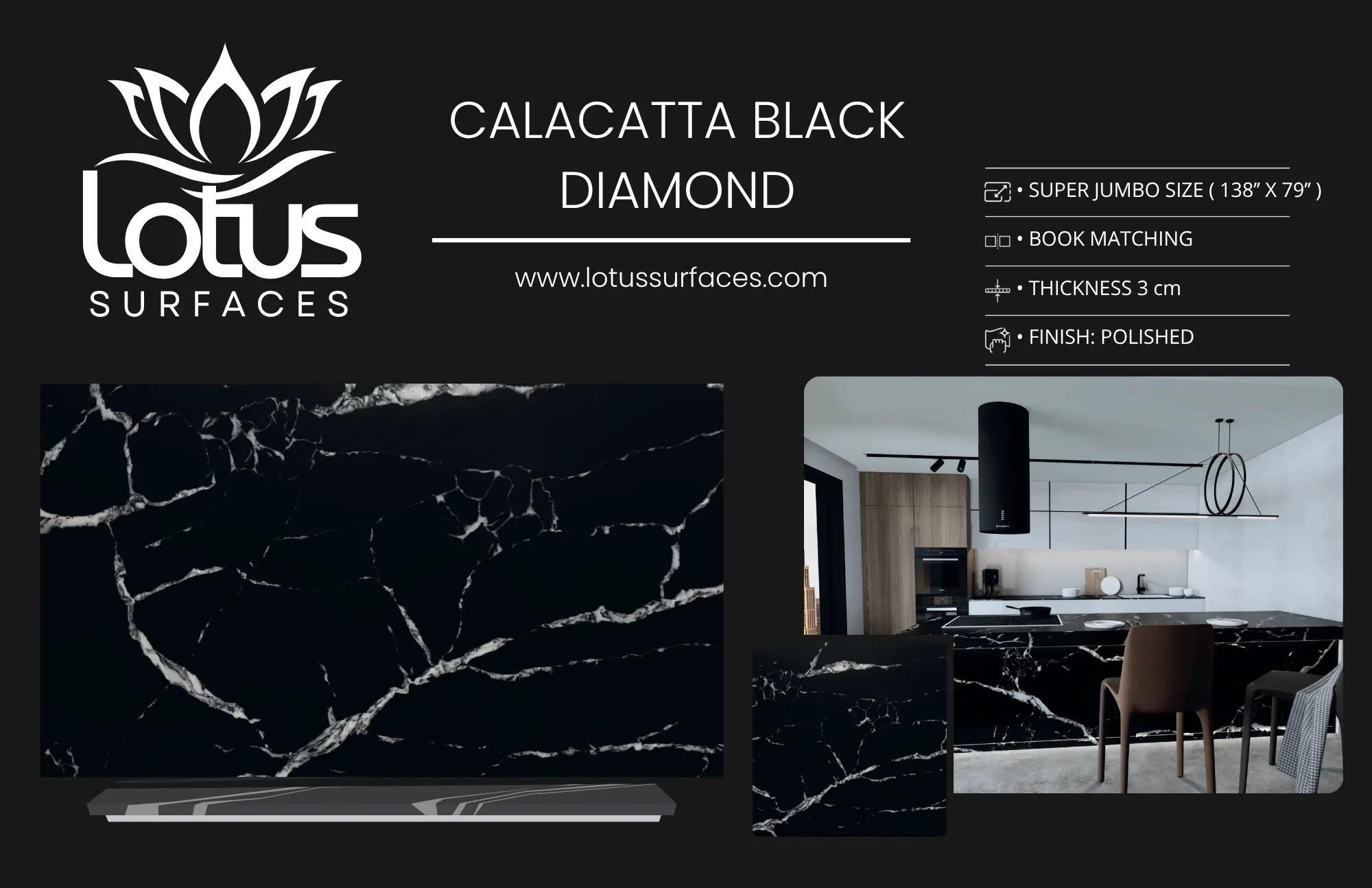
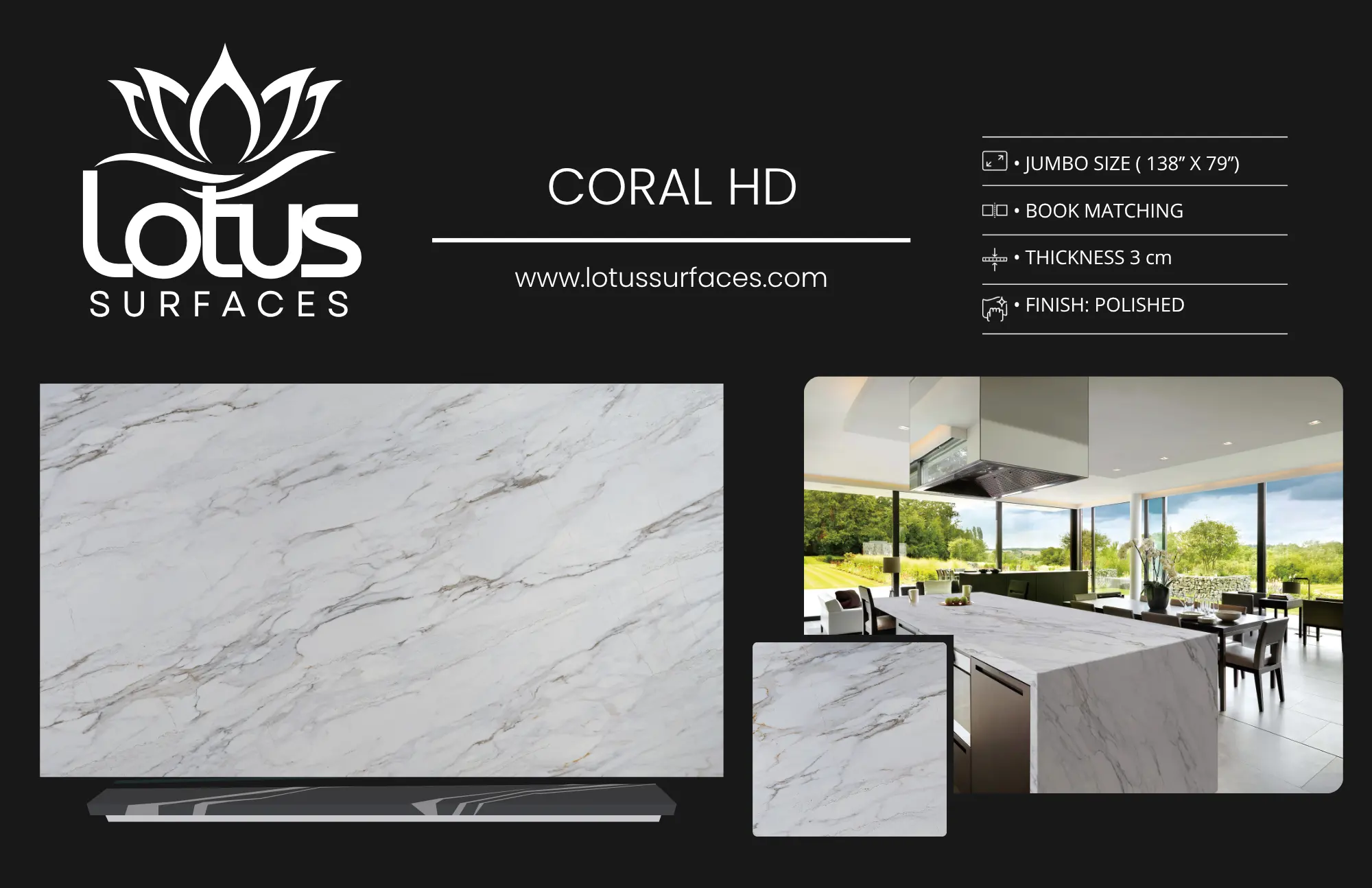
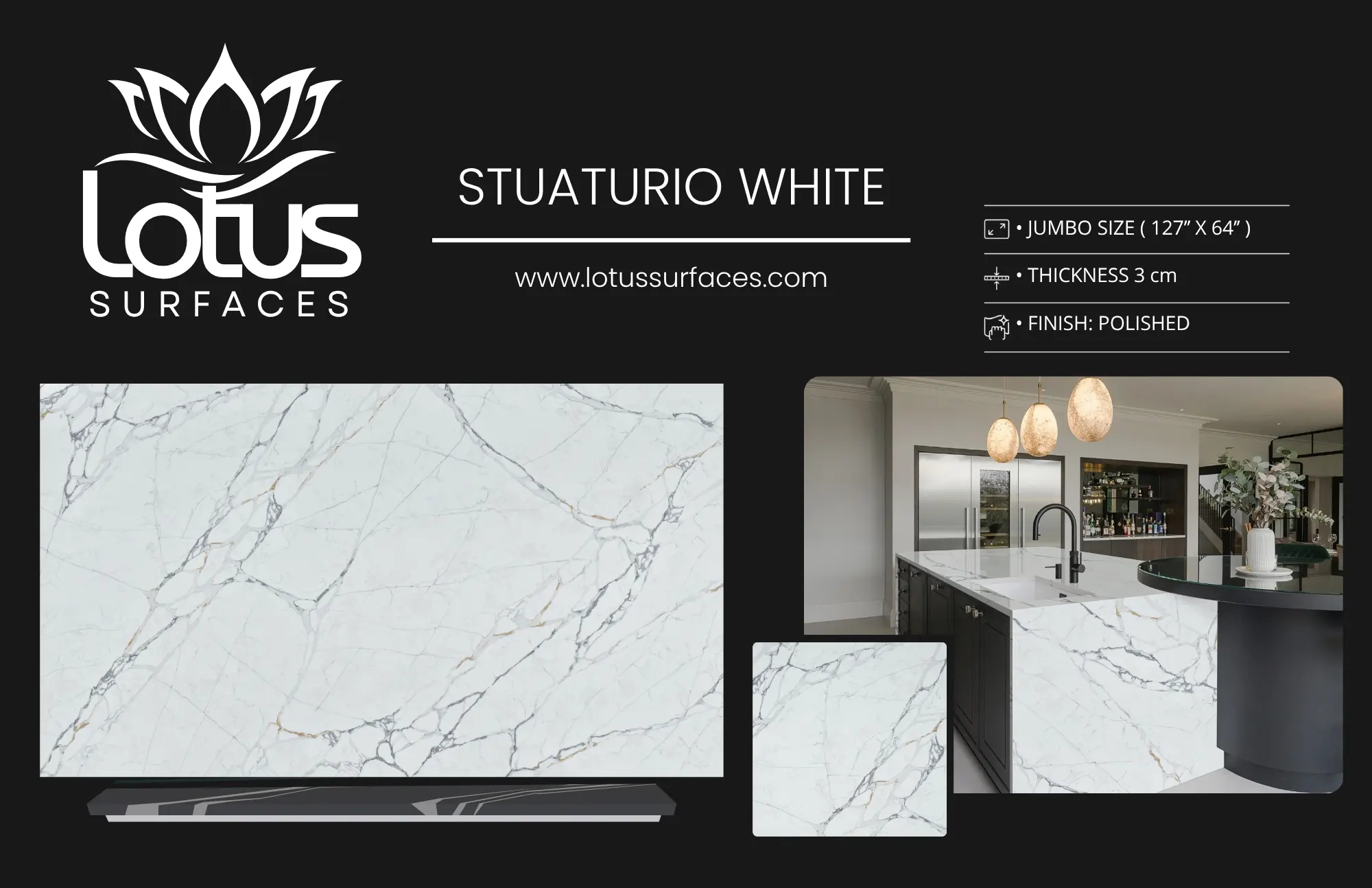
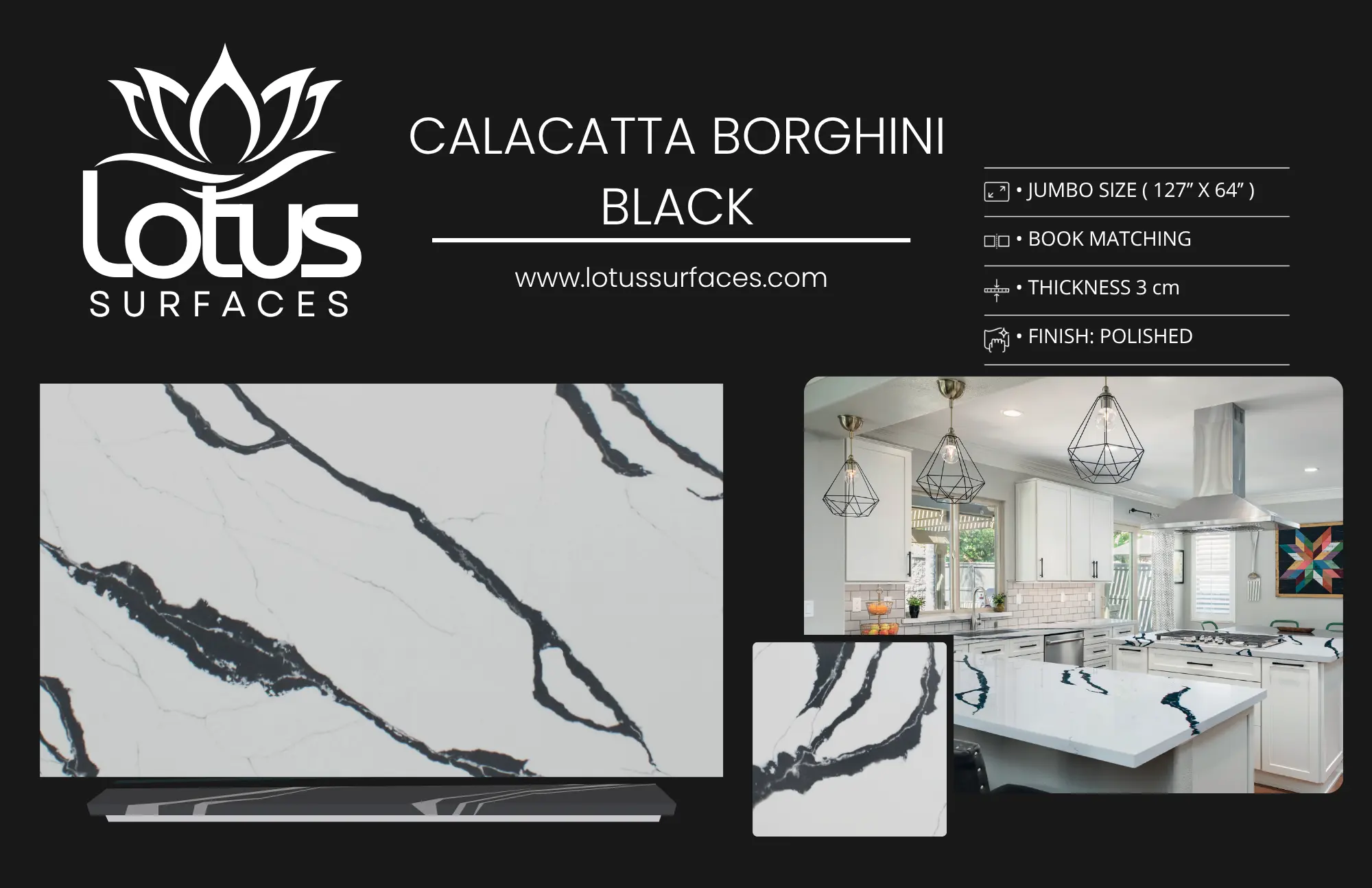
Thick Mitered Edges: Elevate Your Kitchen Island’s Luxury and Presence
When it comes to kitchen design, the details matter, and one of the most impactful features that can transform the look and feel of your kitchen island is the use of thick mitered edges. Not only do they contribute to an overall substantial appearance, but they also evoke a sense of luxury that can elevate your entire space. In this comprehensive guide, we will delve into why thick mitered edges are a game-changer for kitchen islands, exploring their aesthetic appeal, practical benefits, and how they can redefine your kitchen experience. Whether you’re planning a renovation or simply looking to enhance your existing space, understanding the value of thick mitered edges will empower your design choices.
1. What Are Thick Mitered Edges?
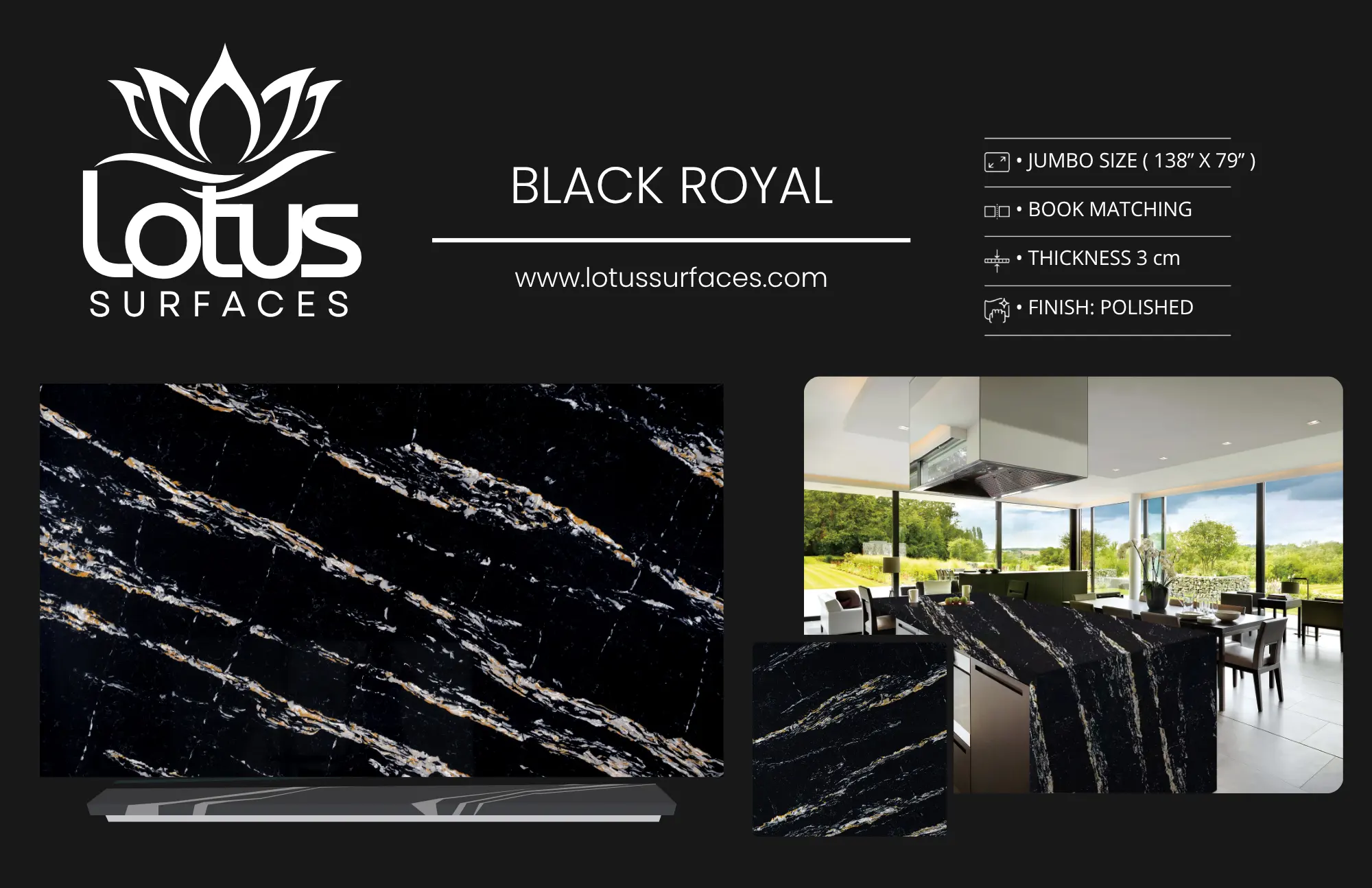
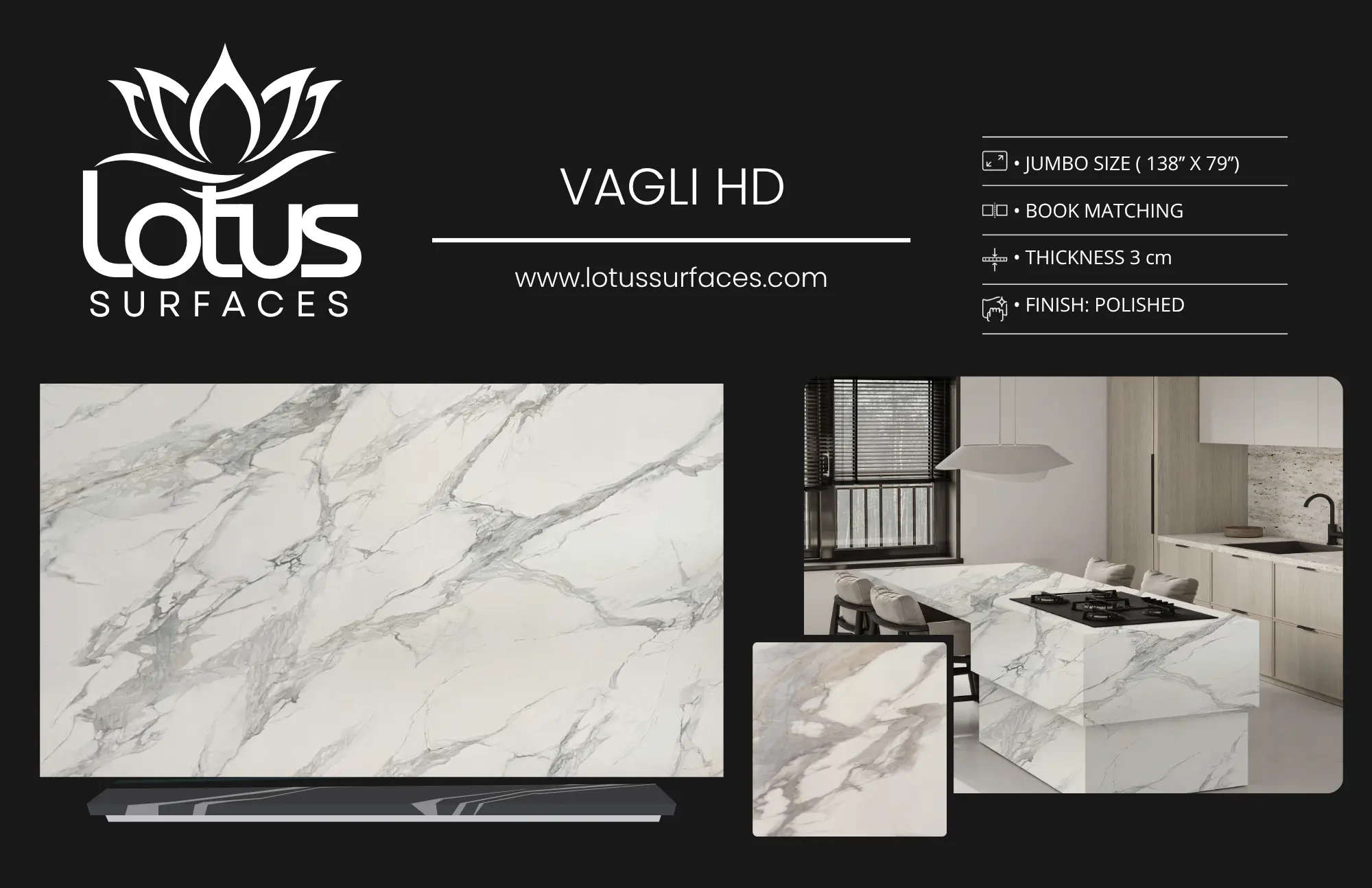
Thick mitered edges are created by joining two pieces of material at a 45-degree angle, forming a seamless appearance that gives the illusion of a thicker countertop. This technique is particularly popular in the fabrication of quartz, granite, and porcelain surfaces, as it allows for a clean, elegant finish that enhances the visual weight of the countertop. The resulting edge not only looks sophisticated but also provides a robust structure that can withstand the rigors of everyday use.
2. Aesthetic Appeal of Thick Mitered Edges
One of the primary reasons homeowners and designers gravitate toward thick mitered edges is their striking aesthetic appeal. Here are some key aspects to consider:
- Visual Weight: Thick edges create a sense of presence and substantiality that thinner edges simply cannot match. This added mass can make a kitchen island appear more anchored and cohesive within the overall design.
- Luxury Feel: The seamless transition created by mitered edges exudes luxury, giving the impression of high-end craftsmanship. This is particularly effective in modern and contemporary kitchen designs where clean lines and minimalism are essential.
- Customization: Mitered edges can be customized to suit various design styles, from rustic to industrial. Homeowners can choose finishes, colors, and materials that complement their overall aesthetic.
3. Practical Benefits of Mitered Edges
Beyond their aesthetic advantages, thick mitered edges offer several practical benefits:
- Durability: The construction of thick mitered edges typically involves a robust substrate, which enhances the durability of the countertop. This makes them less prone to chipping and cracking compared to thinner edges.
- Ease of Maintenance: The seamless design of mitered edges minimizes crevices where dirt and grime can accumulate, making cleaning a breeze. Homeowners can maintain a hygienic kitchen environment with less effort.
- Versatility: Mitered edges can be applied to various countertop materials, including quartz, granite, and porcelain, allowing homeowners to select the material that best fits their needs and preferences.
4. Design Considerations for Kitchen Islands
When designing a kitchen island with thick mitered edges, several factors should be considered to ensure a harmonious and functional layout:
- Proportions: The size and scale of the island should be proportional to the overall kitchen space. A large island with thick mitered edges can dominate a small kitchen, while a smaller island might require a more delicate edge profile.
- Material Selection: Choose materials that not only match the aesthetic of the kitchen but also provide the necessary durability. For example, quartz countertops offer a wide range of colors and patterns, making them ideal for modern designs.
- Color Coordination: Coordinating the color of the mitered edges with other elements in the kitchen, such as cabinetry and flooring, can create a cohesive look that ties the space together.
5. Comparing Mitered Edges to Other Edge Profiles
To better understand the advantages of thick mitered edges, it’s helpful to compare them with other common edge profiles:
| Edge Profile | Aesthetic Appeal | Durability | Maintenance |
|---|---|---|---|
| Thick Mitered Edge | High-end, luxurious | Very durable | Low maintenance |
| Beveled Edge | Traditional, clean | Moderately durable | Moderate maintenance |
| Round Edge | Soft, approachable | Durable | Easy to clean |
| Flat Edge | Minimalistic | Durable | Moderate maintenance |
This table highlights that while all edge profiles have their merits, thick mitered edges stand out for their luxurious appearance and superior durability.
6. Expert Tips for Choosing the Right Mitered Edge
When considering thick mitered edges for your kitchen island, keep the following expert tips in mind:
- Assess Your Space: Consider the overall layout and design of your kitchen. A thick mitered edge can enhance the visual weight of a large island, while a more delicate edge may be suitable for smaller spaces.
- Material Compatibility: Ensure that the chosen material can support the weight and thickness of a mitered edge. Quartz and granite are excellent options for achieving this look.
- Finish Matters: The finish of the countertop can significantly affect the overall aesthetic. High-polish finishes reflect light beautifully, while honed finishes can add a softer touch.
7. Conclusion
Thick mitered edges are more than just a design choice; they are a statement of luxury and sophistication in kitchen design. By enhancing the visual weight and durability of your kitchen island, they create a substantial and inviting space that is perfect for cooking, entertaining, and family gatherings. If you’re considering a kitchen renovation or simply want to elevate your existing space, thick mitered edges are a worthy investment that will stand the test of time. For more information on selecting the perfect countertops and edge profiles, visit our [countertops page](https://lotussurfaces.com/countertops/) or contact us for personalized guidance.
8. FAQ Section
What are mitered edges?
Mitered edges are created by joining two pieces of material at a 45-degree angle, resulting in a thick, seamless appearance that enhances the visual weight of countertops.
Why choose thick mitered edges for a kitchen island?
Thick mitered edges provide a luxurious, substantial look, enhance durability, and offer low maintenance compared to thinner edge profiles.
What materials can be used for mitered edges?
Common materials for mitered edges include quartz, granite, and porcelain, each offering unique benefits and design options.
Are mitered edges more expensive than standard edges?
Yes, thick mitered edges typically require more material and labor, which can increase the overall cost of the countertop.
How do I maintain countertops with mitered edges?
Maintenance involves regular cleaning with mild soap and water, as the seamless design minimizes dirt accumulation.
Can mitered edges be used in outdoor kitchens?
Yes, mitered edges can be used in outdoor kitchens, but it is essential to choose materials that withstand outdoor conditions.
What is the best thickness for mitered edges?
While it can vary based on design preferences, a thickness of 1.5 to 2 inches is often recommended for a substantial look.
Do mitered edges affect installation time?
Yes, mitered edges may require more precise fabrication and installation, potentially extending the installation time compared to simpler edge profiles.