



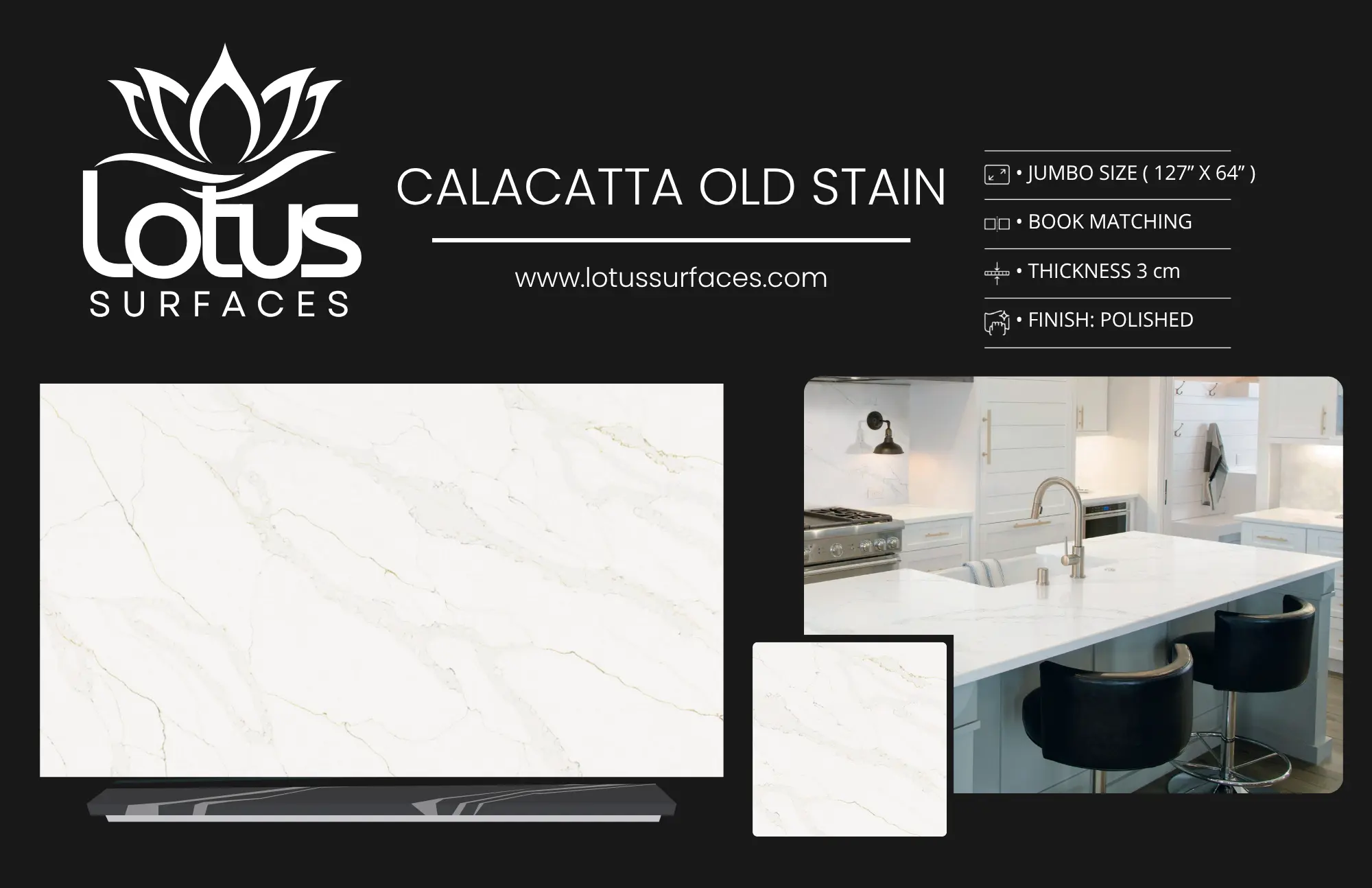
How Countertop Remnants From Your Kitchen Project Can Complete Your Bathrooms
When planning a kitchen renovation, many homeowners focus on the main components, such as cabinets, appliances, and, of course, countertops. However, one often overlooked aspect is how countertop remnants from your kitchen project can be effectively utilized to elevate your bathrooms. Not only does this practice enhance design cohesiveness throughout your home, but it also provides a sustainable approach to home improvement by minimizing waste. In this comprehensive guide, we will explore how utilizing remnants can transform your bathrooms, the benefits of using these materials, and expert tips for making the most of your countertop remnants.
Understanding Countertop Remnants
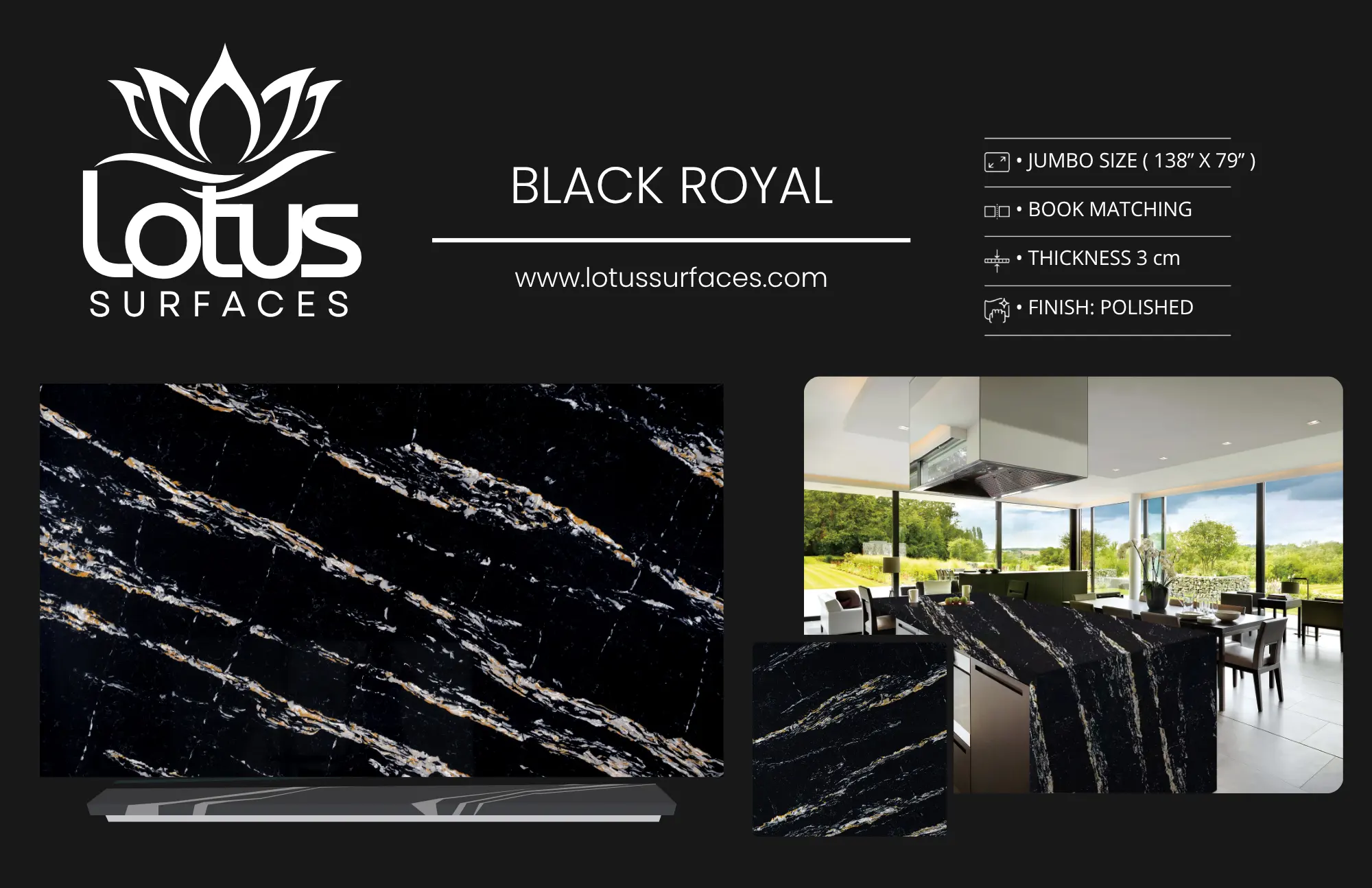
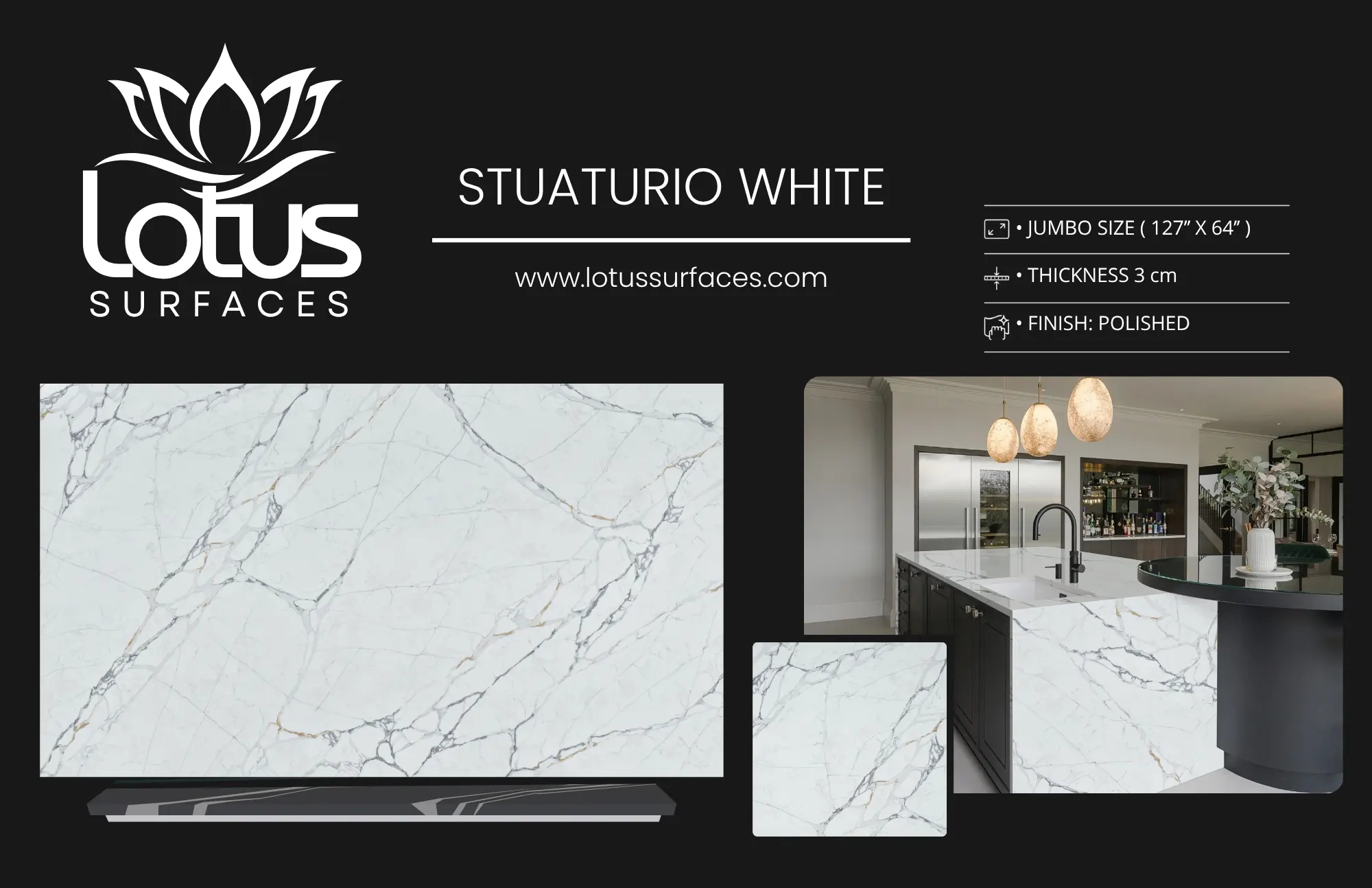
Countertop remnants are leftover pieces of material that remain after the fabrication of larger surfaces, such as kitchen countertops. These remnants can range in size and shape and are often perfect for smaller projects, such as bathroom vanities, shelves, or accent pieces. At Lotus Surfaces, we pride ourselves on providing high-quality countertops made from premium materials like quartz, granite, and porcelain. Understanding the potential of these remnants can lead to creative and budget-friendly solutions for your home.
Benefits of Using Countertop Remnants in Bathrooms
Utilizing remnants from your kitchen project offers numerous benefits, particularly when it comes to bathroom renovations:
- Cost-Effective: Countertop remnants are usually sold at a discounted price compared to full slabs, making them a budget-friendly option for homeowners looking to upgrade their bathrooms.
- Environmentally Friendly: By repurposing remnants, you contribute to sustainability efforts by reducing waste and the demand for new materials.
- Design Cohesion: Using the same material in both your kitchen and bathroom creates a harmonious design theme throughout your home, enhancing the overall aesthetic.
- Unique Features: Each remnant has its unique patterns and colors, allowing for customized designs that can add character to your bathroom.
Popular Countertop Materials and Their Uses
There are several popular materials used in countertops, each offering different aesthetics and functionalities. Here’s a breakdown of some of the most common materials:
| Material | Durability | Maintenance | Cost |
|---|---|---|---|
| Quartz | High | Low | $$$ |
| Granite | Very High | Medium | $$$ |
| Porcelain | High | Low | $$ |
Each of these materials can be sourced from remnants after your kitchen project, allowing you to maximize your investment while adding unique elements to your bathroom.
Creative Ways to Use Countertop Remnants
There are countless creative ways to incorporate countertop remnants into your bathroom design. Here are some ideas to inspire your project:
- Vanity Tops: A remnant can be cut to size for a stunning bathroom vanity top, providing the same elegance found in your kitchen.
- Backsplashes: Smaller pieces can be used as backsplash material, offering a cohesive look with your countertops.
- Shelves: Use remnants to create open shelving for displaying decorative items or toiletries.
- Accent Pieces: Consider using remnants as accent pieces, such as a small table or decorative tray.
Expert Tips for Choosing the Right Remnants
When selecting remnants for your bathroom, consider the following expert tips:
- Measure Carefully: Ensure you have accurate measurements of your space to choose the right size and shape of the remnant.
- Color Coordination: Look for remnants that complement or match your existing bathroom decor for a seamless integration.
- Quality Check: Inspect the remnant for any flaws or damages that could affect its durability and appearance.
- Consult Professionals: Consult with experienced fabricators at Lotus Surfaces for guidance on selecting and installing your remnants.
The Process of Installing Countertop Remnants
Installing countertop remnants can be a straightforward process, but it’s crucial to follow these steps for a successful outcome:
- Preparation: Clear the installation area and ensure all surfaces are clean and dry.
- Measurements: Take precise measurements of the area where the remnant will be installed.
- Cutting: If necessary, have your remnant cut to size by a professional fabricator.
- Securing: Use adhesive to secure the remnant in place, ensuring it is level and properly aligned.
- Finishing Touches: Add any necessary finishing touches, such as sealing edges or installing a backsplash.
Comparison of Countertop Materials for Kitchen and Bathroom
When comparing countertop materials for kitchens and bathrooms, it’s essential to consider factors like durability, maintenance, and aesthetics. Here’s a quick comparison:
| Material | Kitchen Use | Bathroom Use |
|---|---|---|
| Quartz | Highly durable and non-porous; ideal for heavy use | Resistant to stains and easy to maintain |
| Granite | Natural beauty and exceptional durability | Requires periodic sealing but offers timeless elegance |
| Porcelain | Versatile and resistant to scratches and heat | Low maintenance and available in various designs |
Choosing the right material for both kitchens and bathrooms can ensure that your home not only looks great but also functions effectively.
FAQs
What are countertop remnants?
Countertop remnants are leftover pieces of material from larger countertop slabs, which can be repurposed for smaller projects like bathroom vanities.
How can I use countertop remnants in my bathroom?
You can use remnants for vanity tops, backsplashes, shelves, or unique accent pieces.
Are countertop remnants cheaper than full slabs?
Yes, remnants are generally sold at a discounted price compared to full slabs, making them a cost-effective option.
Can I mix different countertop materials in my home?
Absolutely! Mixing materials can create a unique look, but ensure they complement each other for a cohesive design.
How do I care for my countertop remnants?
Caring for countertop remnants depends on the material. Generally, clean with mild soap and water, and avoid harsh chemicals.
Is it easy to install countertop remnants?
While some homeowners can install them themselves, it’s best to consult professionals for precise cutting and installation.
What are the best materials for bathroom countertops?
Popular materials include quartz, granite, and porcelain, each offering unique benefits and aesthetics.
How can I find countertop remnants near me?
Contact local countertop fabricators, like Lotus Surfaces, to inquire about available remnants.
In conclusion, utilizing countertop remnants from your kitchen project is an excellent way to enhance your bathrooms while promoting sustainability and cost-effectiveness. Whether you choose quartz, granite, or porcelain, these remnants can add unique beauty and functionality to your home. For personalized guidance and quality materials, reach out to Lotus Surfaces today!