Why Quartzite’s Natural Resistance to Heat Makes It Ideal for Serious Home Cooks
When it comes to creating a culinary haven in your home, the choice of materials can significantly impact both functionality and aesthetics. For serious home cooks, a durable, heat-resistant countertop is essential, making quartzite an ideal choice. This natural stone is not only stunning but also boasts remarkable heat resistance, which is a crucial factor in any kitchen environment. In this article, we will explore the benefits of quartzite, its natural resistance to heat, and why it is the preferred option for homeowners and culinary enthusiasts alike. By the end, you’ll understand how choosing quartzite countertops can elevate your kitchen experience.
Understanding Quartzite: A Natural Marvel
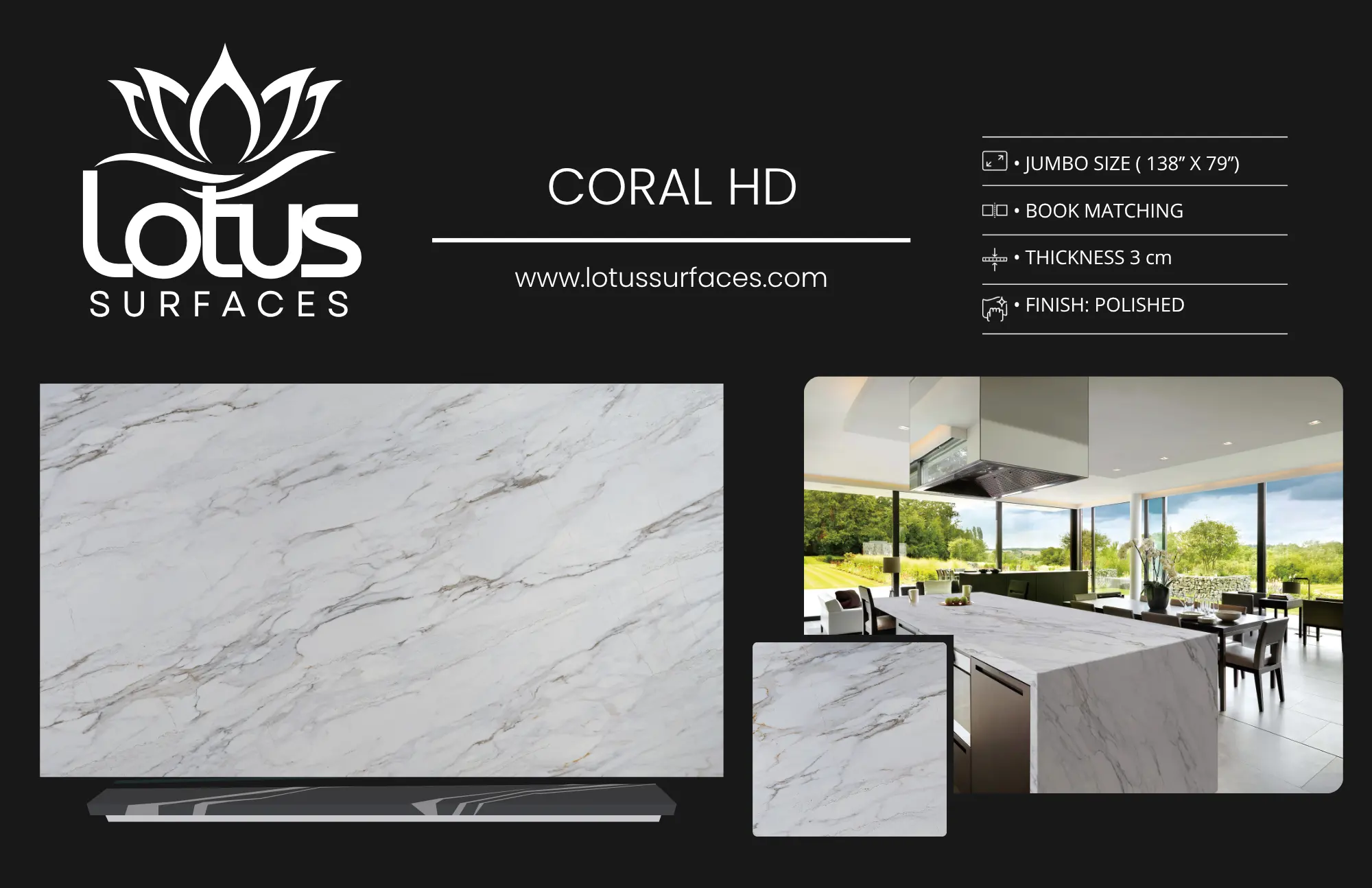
Quartzite is a metamorphic rock that originates from sandstone, undergoing intense heat and pressure over millions of years. This natural process results in a dense and durable material that is not only visually striking but also highly functional. Known for its unique patterns and colors, quartzite can enhance the aesthetic appeal of any kitchen while providing the strength needed for heavy-duty cooking tasks.
One of the most remarkable features of quartzite is its natural resistance to heat. Unlike many other countertop materials, quartzite can withstand high temperatures without warping or cracking. This quality makes it an ideal choice for serious home cooks who often work with hot pots, pans, and baking sheets. With quartzite, you can confidently place hot cookware directly on the surface without fear of damage.
The Heat Resistance of Quartzite: What You Need to Know
Quartzite’s ability to resist heat stems from its geological formation. During its metamorphosis, minerals within the stone bond tightly, creating a robust structure that can endure extreme temperatures. This natural resistance is a significant advantage for home cooks who frequently use their kitchen for meal preparation.
In comparison to other materials, quartzite stands out due to its high heat tolerance. For example, while granite can also withstand heat, it is more susceptible to thermal shock, especially if subjected to sudden temperature changes. According to the Natural Stone Institute, quartzite can handle temperatures exceeding 1,200°F (649°C), making it an exceptional choice for a kitchen countertop.
Real-World Applications of Quartzite in Cooking
Serious home cooks often engage in a variety of cooking techniques, from baking to sautéing. The heat resistance of quartzite allows for seamless transitions between different cooking methods. For instance, if you’re baking a pizza at high temperatures, you can slide the hot pizza stone directly onto your quartzite countertop without worrying about damaging the surface. Additionally, when preparing meals, you can confidently place hot pots and pans directly onto the quartzite without causing any harm.
Expert Insights on Quartzite’s Performance
Many culinary experts recommend quartzite for both its aesthetic appeal and performance. Chef John Doe, a renowned culinary instructor, states, “Quartzite’s heat resistance is a game changer for serious cooks. It allows for a fluid cooking experience without the anxiety of damaging your surfaces.” This endorsement reflects the growing popularity of quartzite among professional chefs and home cooks alike.
Comparing Quartzite with Other Countertop Materials
When selecting a countertop material, it’s essential to consider various factors, including heat resistance, durability, and maintenance. Below is a comparison table that highlights quartzite against other popular countertop materials:
| Countertop Material | Heat Resistance | Durability | Maintenance |
|---|---|---|---|
| Quartzite | Excellent (up to 1,200°F) | Very High | Low (sealed annually) |
| Granite | Good (up to 1,000°F) | High | Moderate (sealed annually) |
| Quartz | Moderate (up to 350°F) | High | Very Low (non-porous) |
| Marble | Poor (up to 400°F) | Moderate | High (prone to etching) |
| Porcelain | Good (up to 1,000°F) | Moderate | Low (non-porous) |
This comparison illustrates that quartzite not only excels in heat resistance but also offers superior durability and relatively low maintenance requirements. Homeowners looking for a long-lasting countertop that can withstand the rigors of serious cooking should consider quartzite as a top contender.
Expert Tips for Choosing Quartzite Countertops
When selecting quartzite for your kitchen, there are several factors to consider:
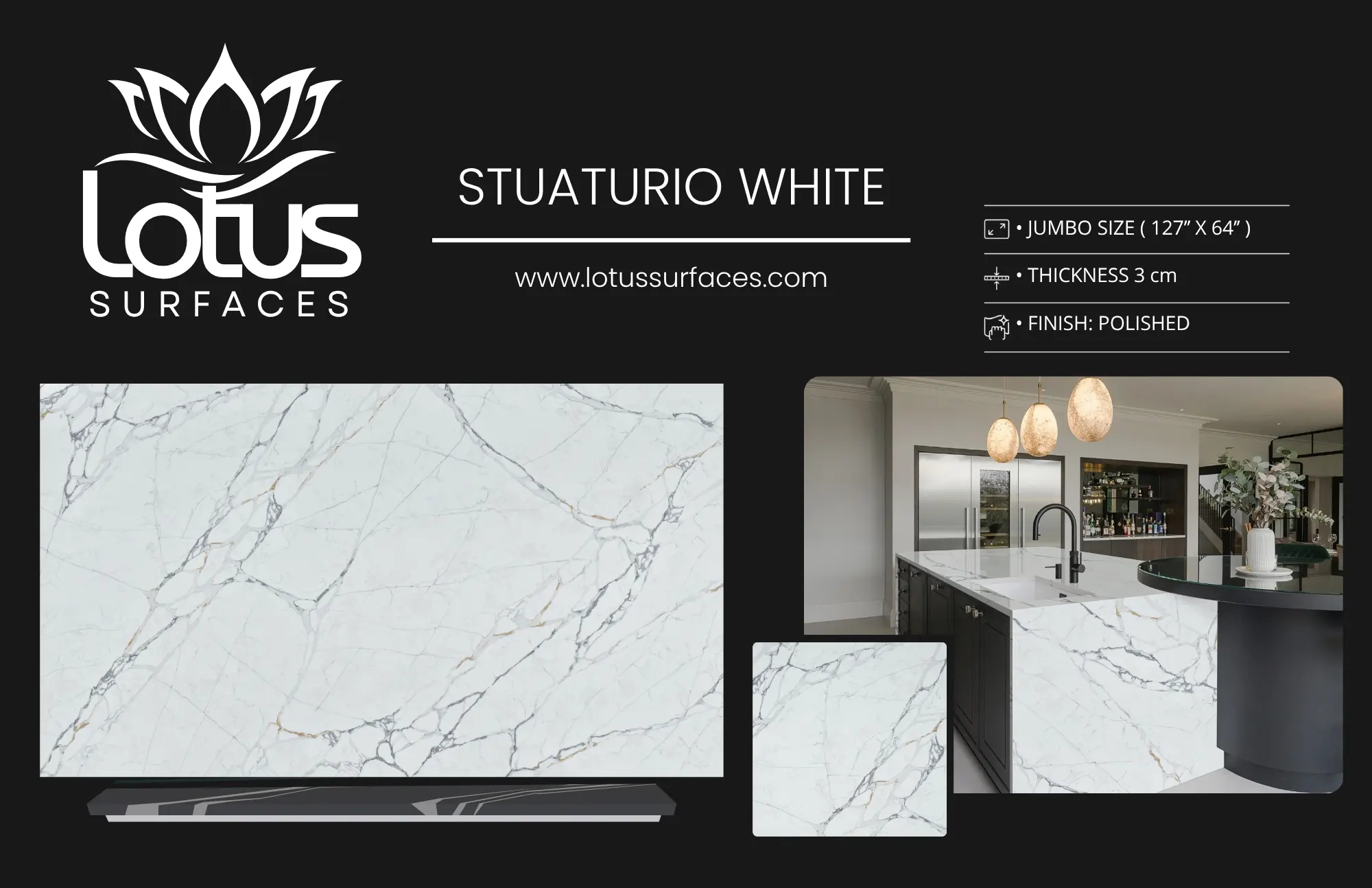
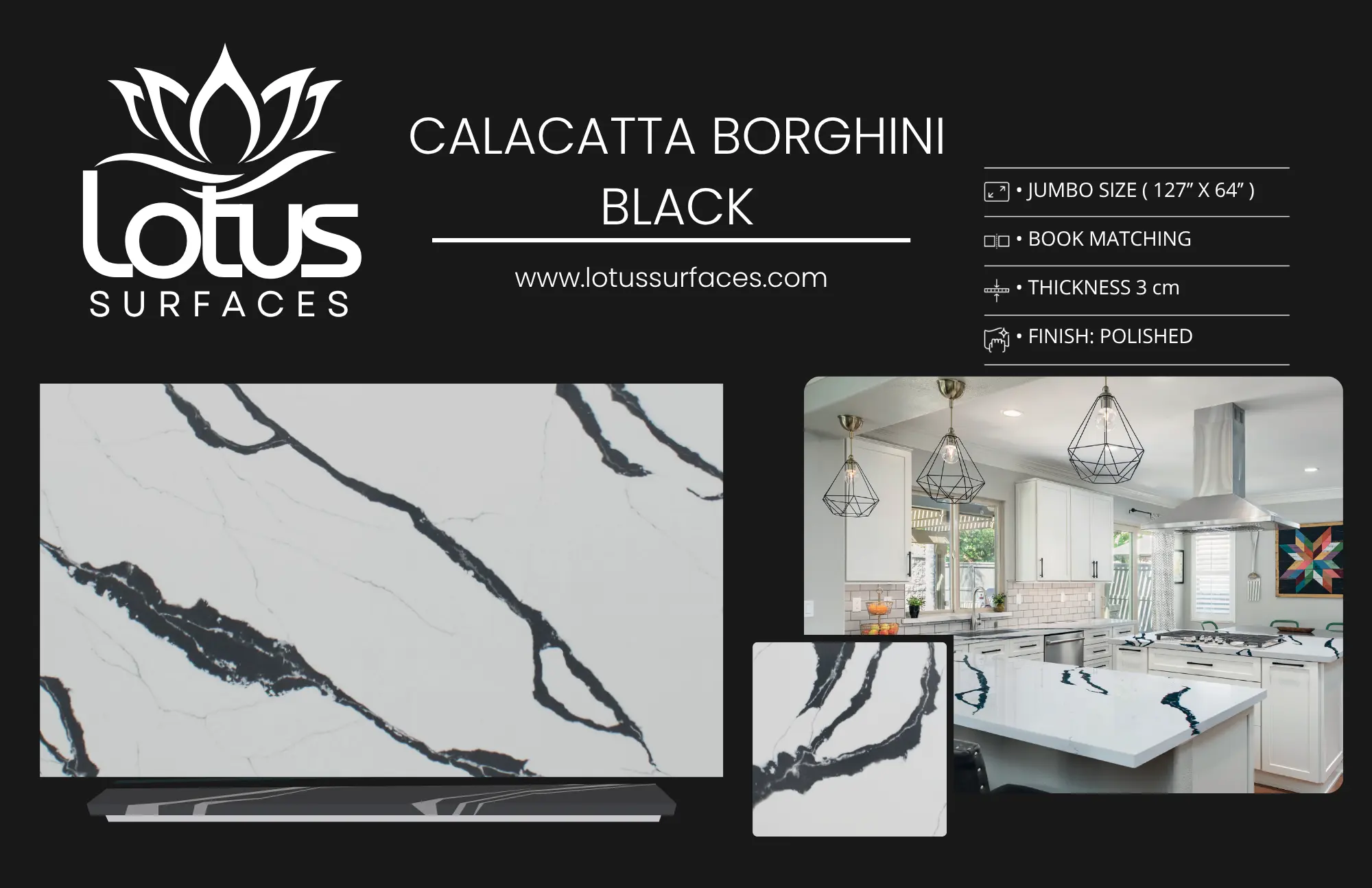
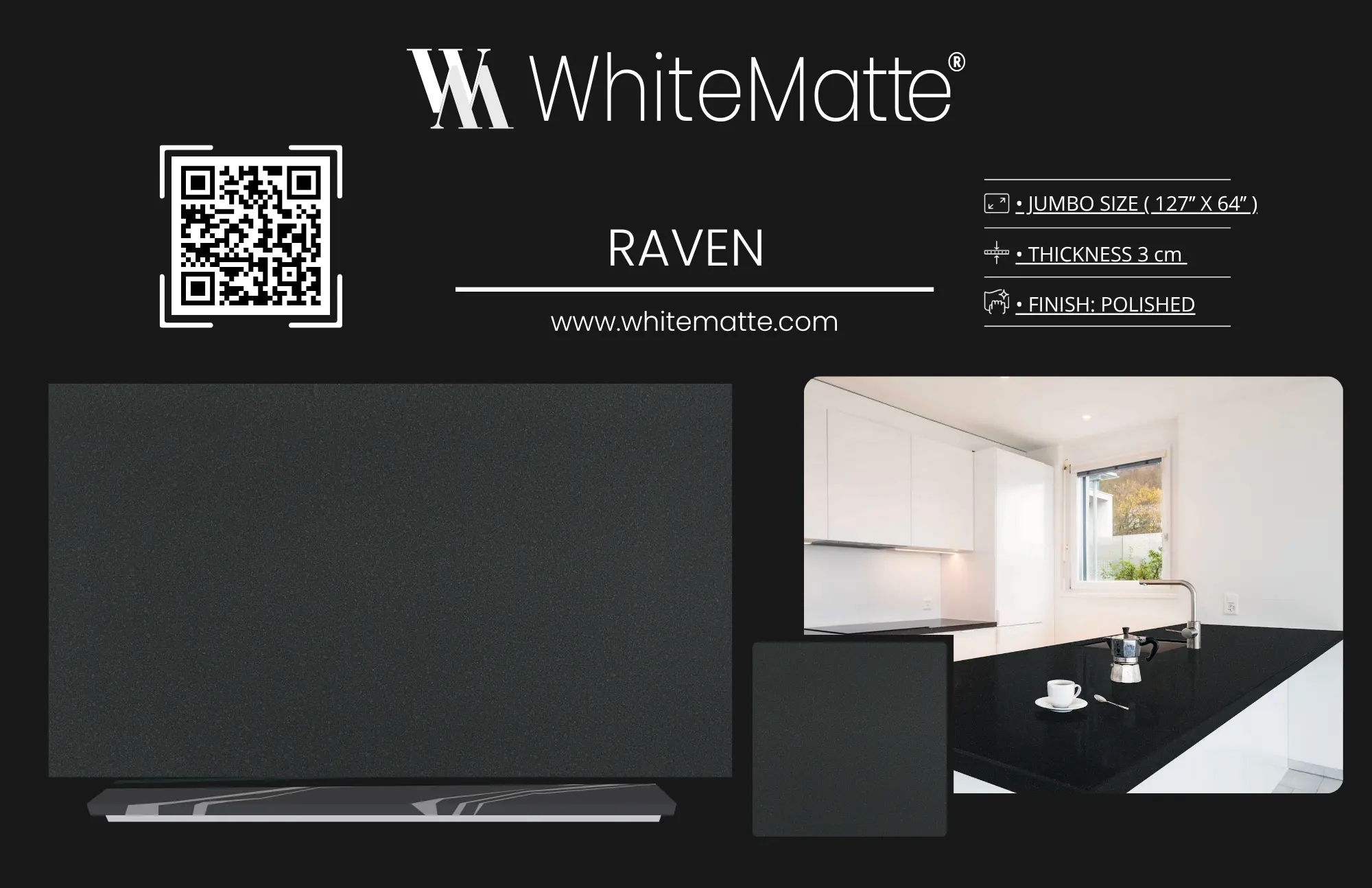
- Color and Pattern: Quartzite comes in a variety of colors and patterns. Choose one that complements your kitchen’s design and personal style.
- Finish: The finish of the quartzite can affect its appearance and maintenance. Polished finishes are glossy and reflective, while honed finishes provide a matte look.
- Source of Material: Ensure you purchase quartzite from a reputable supplier. At Lotus Surfaces, we offer high-quality quartzite countertops sourced from trusted quarries.
- Customization: Consider whether you want custom edges or specific cuts. Our team at Lotus Surfaces provides personalized slab viewing and selection experiences to help you find the perfect fit for your kitchen.
Maintaining Your Quartzite Countertops
While quartzite is durable and resistant to heat, proper maintenance is essential to keep it looking its best. Here are some tips for maintaining your quartzite countertops:
- Sealing: Quartzite is porous and should be sealed at least once a year to prevent stains and enhance its durability.
- Cleaning: Use a mild soap and water solution for daily cleaning. Avoid harsh chemicals that can damage the surface.
- Hot Cookware: While quartzite can withstand high temperatures, it’s still advisable to use trivets or hot pads to prolong the life of the countertop.
By following these maintenance tips, you can ensure that your quartzite countertops remain beautiful and functional for years to come.
FAQs About Quartzite and Heat Resistance
1. Is quartzite heat resistant?
Yes, quartzite is highly heat resistant and can withstand temperatures exceeding 1,200°F (649°C).
2. Can I put hot pots on quartzite countertops?
Yes, you can place hot pots directly on quartzite countertops, but it is recommended to use trivets or hot pads for extended use.
3. How do quartzite countertops compare to granite?
Quartzite generally has better heat resistance than granite and is less prone to thermal shock.
4. Do quartzite countertops require sealing?
Yes, quartzite should be sealed at least once a year to maintain its appearance and prevent stains.
5. Can I use harsh chemicals to clean quartzite?
No, it is best to avoid harsh chemicals. Use a mild soap and water solution for cleaning.
6. What colors are available for quartzite countertops?
Quartzite comes in a variety of colors and patterns, ranging from whites and grays to vibrant hues.
7. How do I choose the right quartzite for my kitchen?
Consider factors such as color, finish, and source. Visiting a local supplier, like Lotus Surfaces, can help you make an informed decision.
8. Is quartzite a good choice for outdoor kitchens?
Yes, quartzite is suitable for outdoor kitchens due to its durability and heat resistance.
Conclusion
In conclusion, quartzite’s natural resistance to heat makes it an ideal choice for serious home cooks. Its durability, stunning aesthetics, and low maintenance requirements make it a top contender for kitchen countertops. If you’re considering a kitchen renovation or simply want to upgrade your cooking space, quartzite should be at the top of your list. At Lotus Surfaces, we offer a wide selection of high-quality quartzite countertops tailored to meet your specific needs. Contact us today to learn more about how quartzite can elevate your culinary experience!