
How Italian and Spanish Porcelain Innovations Are Transforming the Global Countertop Market
In recent years, the countertop market has experienced a significant evolution, particularly with the rise of Italian and Spanish porcelain innovations. This shift is not merely a trend; it represents a fundamental change in how homeowners and designers perceive and select countertop materials. As the demand for high-quality, durable, and aesthetically pleasing surfaces grows, the innovations from these European powerhouses have taken center stage. In this article, we will explore the reasons behind this transformation, the unique features of Italian and Spanish porcelain, and how they are reshaping the countertop landscape globally.
The Rise of Porcelain in Countertops
Porcelain has long been celebrated for its beauty and durability in various applications, but its rise as a preferred material for countertops is a relatively recent phenomenon. Historically, materials like granite and quartz dominated the market due to their availability and perceived robustness. However, advancements in porcelain technology, particularly from Italy and Spain, have revolutionized this perception, leading to a surge in demand for porcelain countertops.
According to a recent study by the Statista, the global countertop market is projected to reach $178.5 billion by 2027, with porcelain surfaces expected to capture a significant portion of this growth. This shift is largely attributed to the increasing consumer awareness of the advantages porcelain offers, including its versatility, design options, and superior performance.
Key Innovations in Italian and Spanish Porcelain
Italy and Spain have been at the forefront of porcelain innovation, introducing cutting-edge technologies and design techniques that have set new standards in the industry. Some of the key innovations include:
- Thin Tile Technology: Italian manufacturers have pioneered the development of ultra-thin porcelain slabs, which can be as thin as 3mm. This innovation allows for easier handling and installation while maintaining strength and durability.
- Digital Printing: Advanced digital printing techniques enable manufacturers to create intricate designs and textures that closely mimic natural stone. This technology allows for endless customization options, appealing to a wide range of aesthetic preferences.
- Eco-Friendly Production: Many Italian and Spanish brands have embraced sustainable practices, utilizing recycled materials and reducing waste during production. This commitment to sustainability resonates with environmentally conscious consumers.
These innovations not only enhance the aesthetic appeal of porcelain countertops but also improve their functionality, making them a top choice for homeowners and designers alike.
Comparing Porcelain with Traditional Countertop Materials
When considering countertop materials, it is essential to understand how porcelain compares to traditional options like granite and quartz. The following comparison table outlines the key differences:
| Feature | Porcelain | Granite | Quartz |
|---|---|---|---|
| Durability | Highly resistant to scratches and stains | Durable but porous; needs sealing | Durable but can be damaged by heat |
| Weight | Lightweight and easy to handle | Heavy; requires strong support | Medium weight; manageable |
| Design Options | Endless customization with digital printing | Limited natural patterns | Wide range but less natural look |
| Maintenance | Easy to clean; non-porous | Requires sealing and special care | Low maintenance but sensitive to heat |
This comparison highlights the advantages of porcelain, particularly in terms of durability, design flexibility, and maintenance. As homeowners in the Greater Atlanta area seek high-quality surfaces for their kitchens and bathrooms, the benefits of porcelain countertops become increasingly evident.
Benefits of Using Italian and Spanish Porcelain Countertops
Choosing Italian and Spanish porcelain countertops offers several distinct advantages:
- Exceptional Durability: Porcelain is known for its ability to withstand high temperatures, moisture, and heavy usage without compromising its integrity. This makes it ideal for kitchen and bathroom applications.
- Design Versatility: With a wide array of colors, patterns, and finishes available, porcelain can suit any design style, from modern to traditional.
- Eco-Friendly Options: Many manufacturers are committed to sustainable practices, providing options made from recycled materials.
- Value for Money: While the initial investment may be higher than some traditional materials, the long-term durability and low maintenance requirements can lead to cost savings over time.
Design Versatility and Aesthetic Appeal
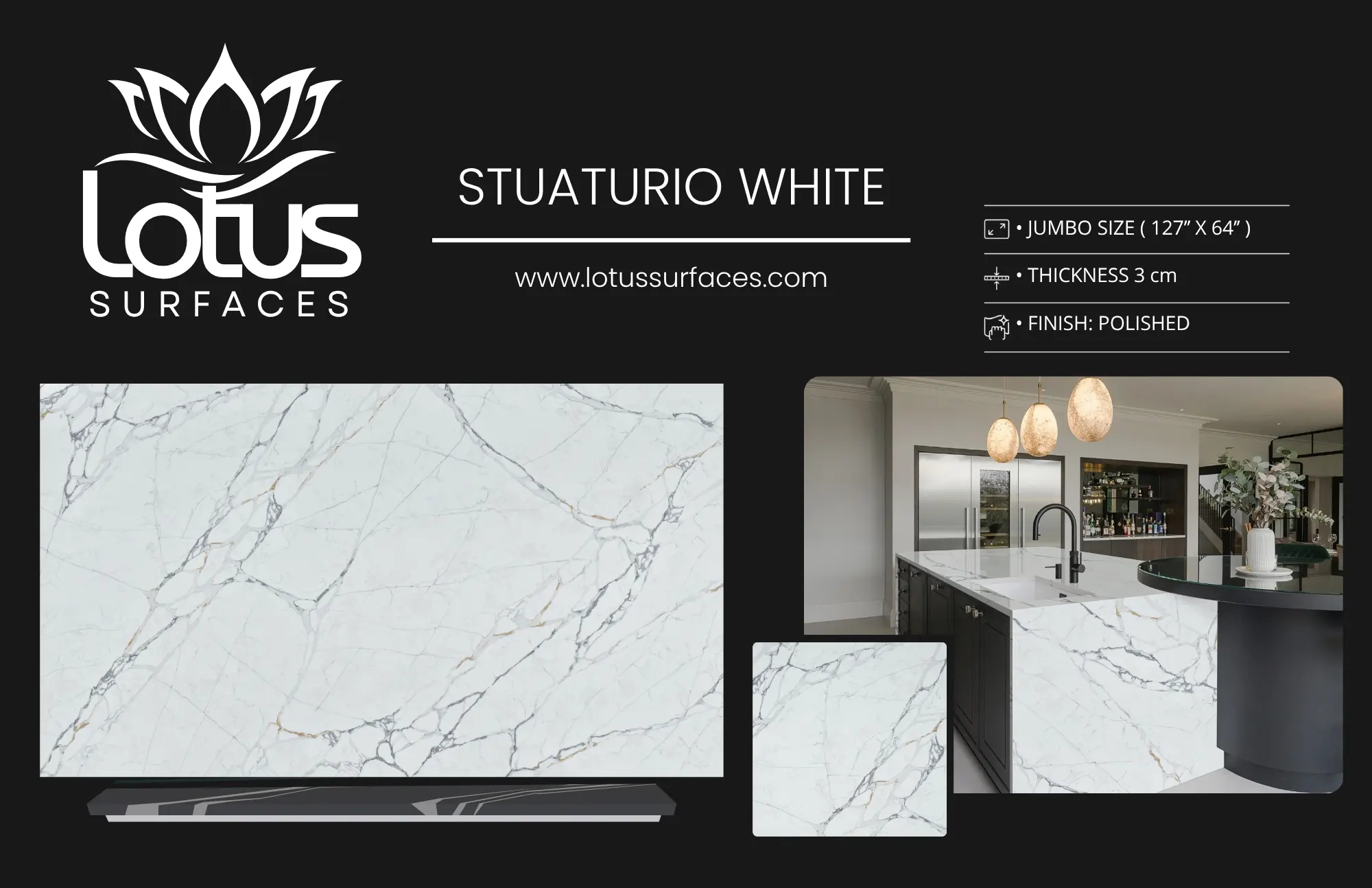
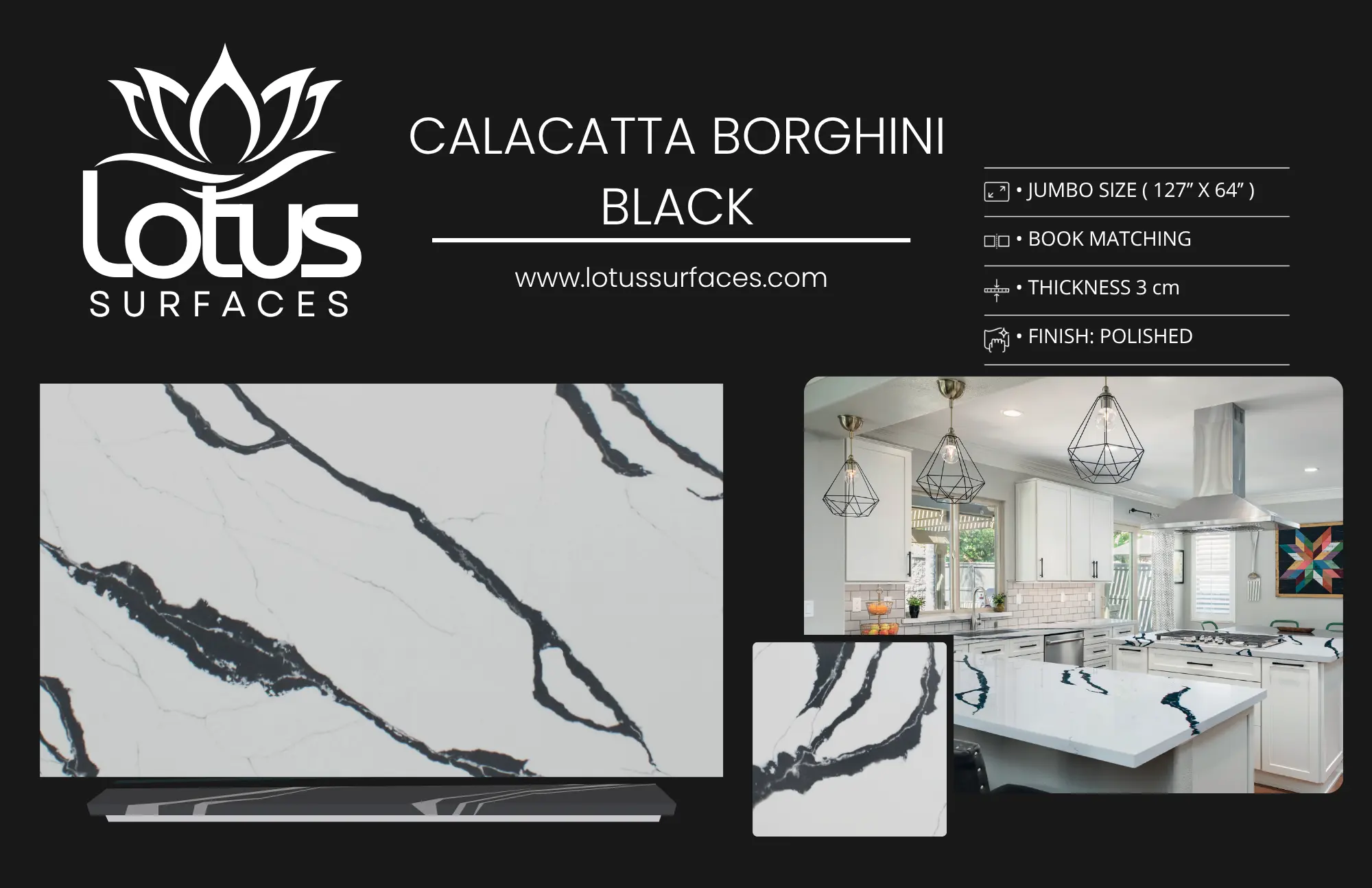
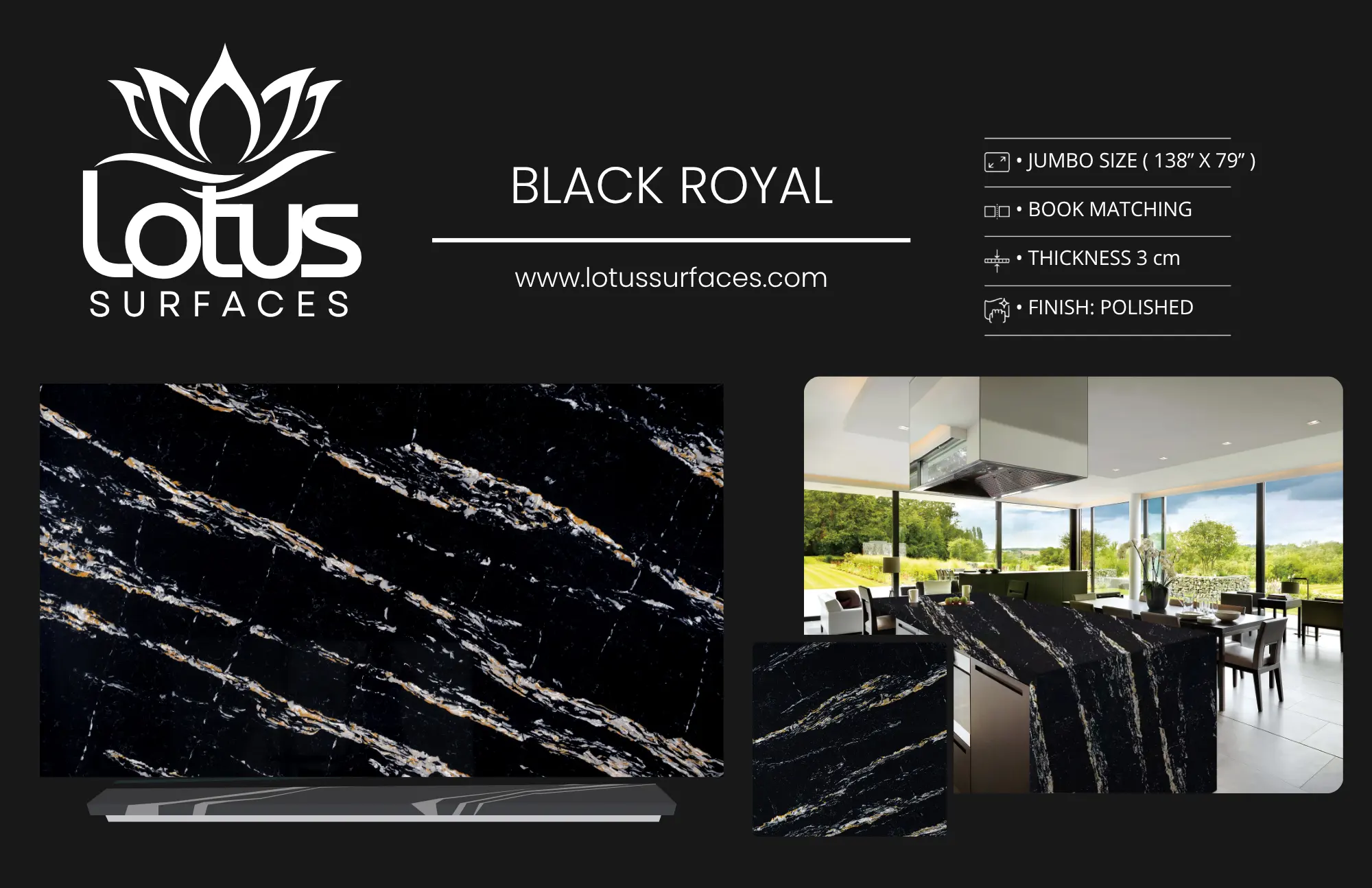
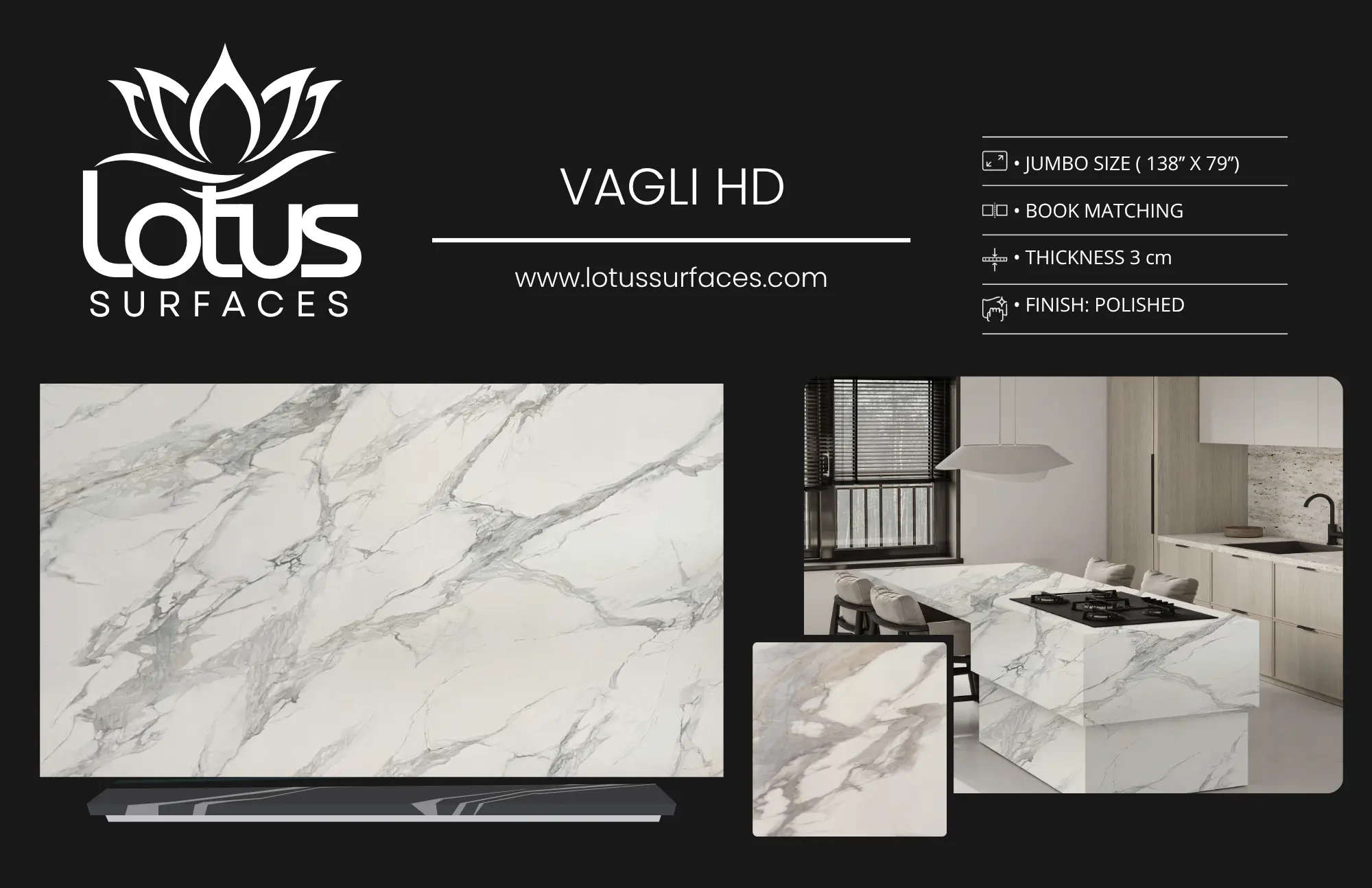
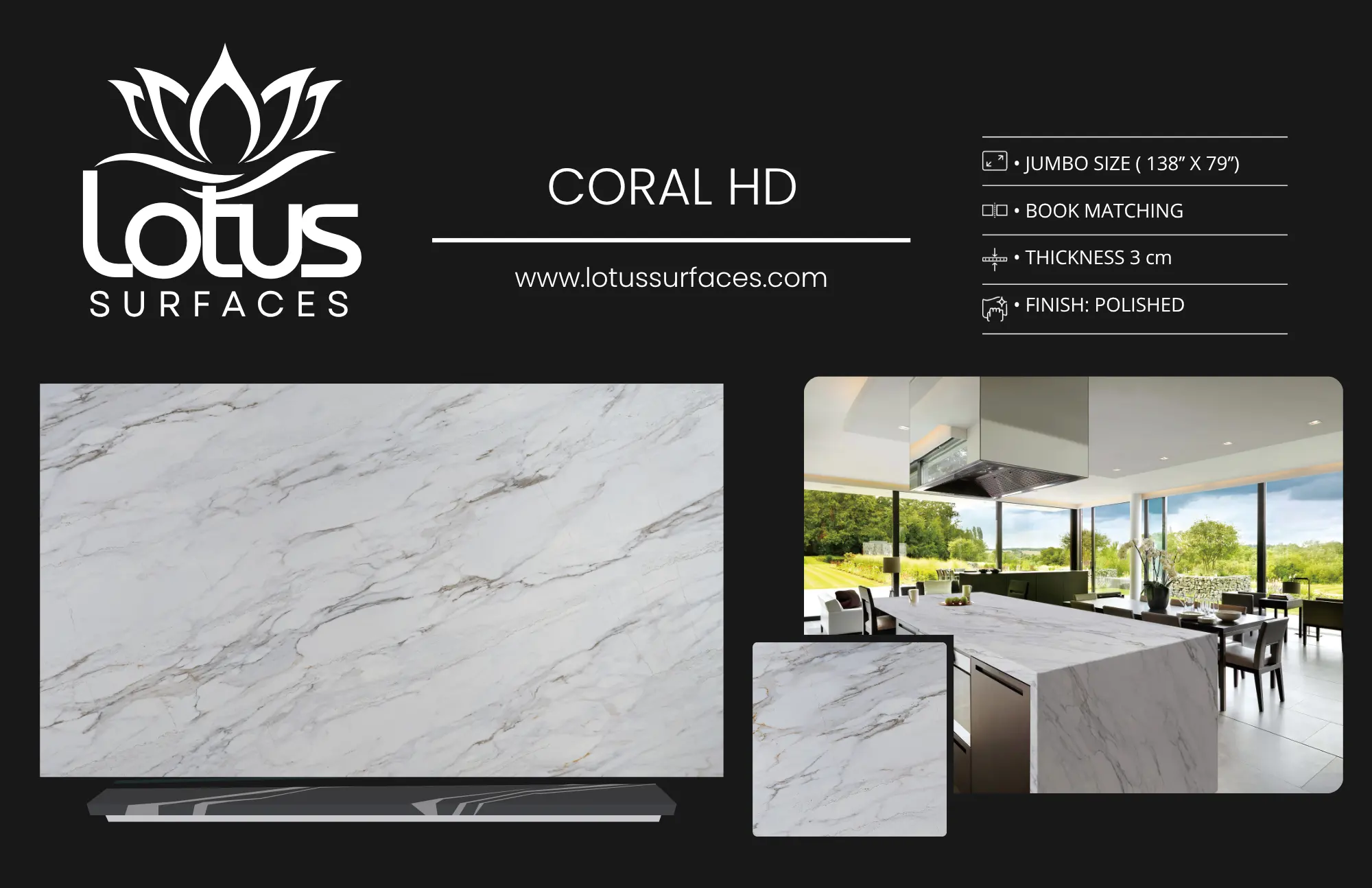
The aesthetic appeal of porcelain countertops is one of the primary reasons for their growing popularity. Italian and Spanish manufacturers are renowned for their artistic designs, and the ability to customize surfaces to match specific preferences is a game-changer. Homeowners can achieve the look of natural stone, concrete, or even wood without sacrificing performance.
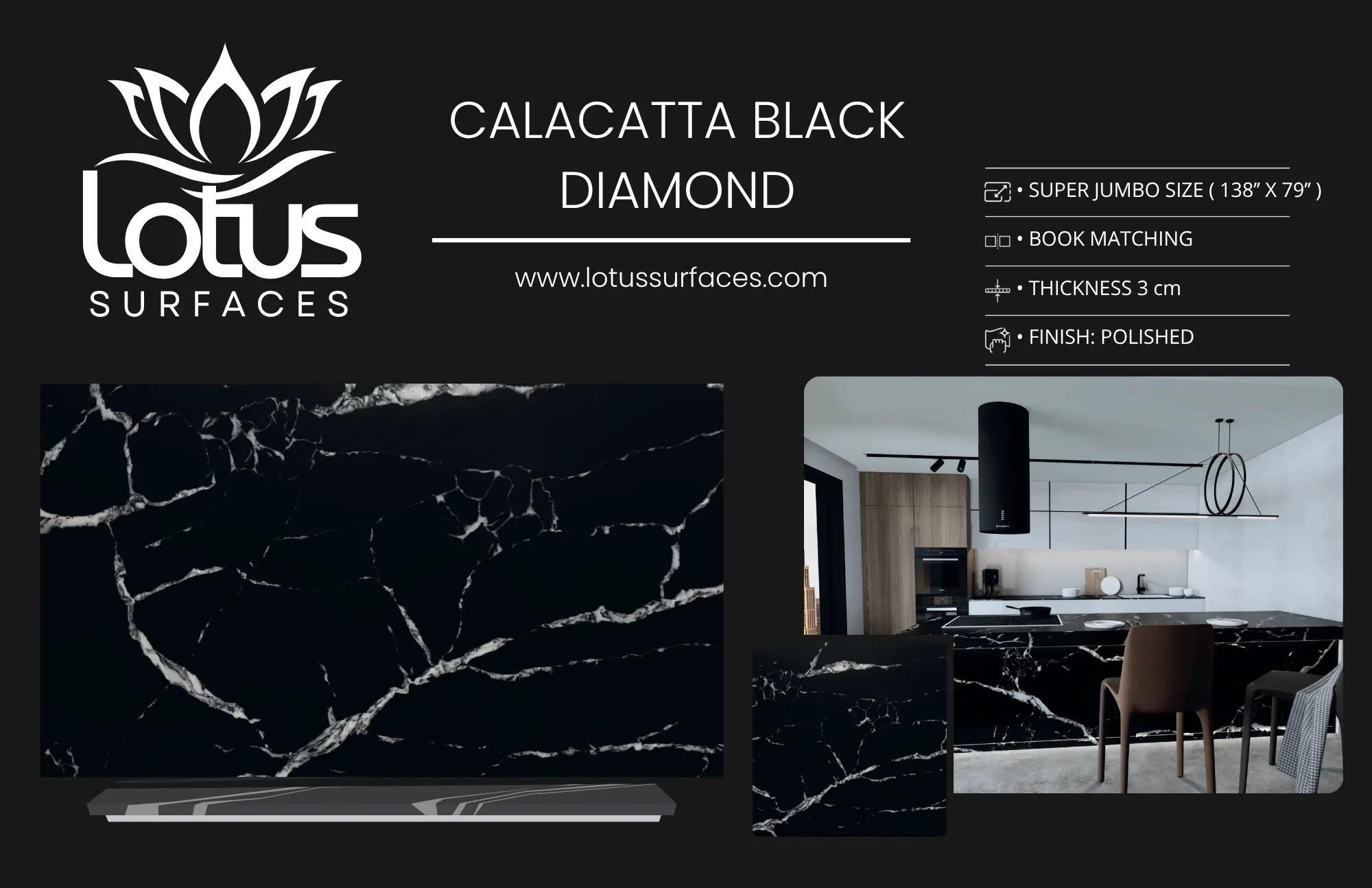
For instance, the use of digital printing technology has enabled manufacturers to create porcelain that mimics the look of Calacatta marble or rustic wood grain. This versatility allows homeowners in the Greater Atlanta area to select countertops that complement their overall interior design seamlessly. For more insights on choosing the right countertops, check out our guide on how to choose the perfect countertop for your Alpharetta home.
Installation and Maintenance Considerations
When it comes to installation, porcelain countertops are generally easier to handle than heavier materials like granite. However, it is essential to work with experienced professionals to ensure proper installation and fit. At Lotus Surfaces, we offer expert countertop installation services tailored to the unique needs of Georgia homeowners.
Maintenance is another area where porcelain shines. Unlike granite, which requires regular sealing, porcelain is non-porous, making it resistant to staining and easy to clean. A simple wipe with soap and water is often sufficient to keep your surfaces looking pristine.
Case Studies: Successful Applications
To illustrate the impact of Italian and Spanish porcelain innovations, let’s explore a few case studies:
- Residential Kitchen Renovation: A family in Johns Creek opted for a large-format porcelain slab that mimicked natural stone for their kitchen remodel. The result was a stunning, seamless surface that provided both beauty and functionality.
- Commercial Space Transformation: A restaurant in Atlanta chose porcelain countertops for their durability and ease of maintenance. The sleek design not only enhanced the aesthetic but also met the high demands of a commercial kitchen environment.
These examples showcase how porcelain countertops can elevate the design and functionality of spaces, making them a preferred choice for both residential and commercial applications.
Future Trends in Porcelain Countertops
As the countertop market continues to evolve, several trends are emerging:
- Increased Customization: Homeowners are seeking more personalized designs, leading to a rise in custom porcelain options.
- Sustainability Focus: Eco-friendly materials and production practices will become increasingly important as consumers prioritize sustainability.
- Integration with Smart Technology: Future designs may incorporate smart technology, allowing for interactive surfaces.
Conclusion
The innovations in Italian and Spanish porcelain are undeniably changing the countertop market on a global scale. As homeowners and designers recognize the benefits of these materials, the demand for porcelain surfaces is likely to continue its upward trajectory. With their combination of durability, aesthetic appeal, and eco-friendliness, porcelain countertops represent a smart investment for any renovation project. If you’re considering a kitchen or bathroom remodel in the Greater Atlanta area, explore our range of high-quality countertop options at Lotus Surfaces.
FAQs
1. What are the advantages of porcelain countertops?
Porcelain countertops are highly durable, resistant to stains and scratches, and available in a wide variety of designs.
2. How do porcelain countertops compare to granite?
Porcelain is lighter, non-porous, and requires less maintenance compared to granite, which is heavier and needs regular sealing.
3. Are porcelain countertops eco-friendly?
Yes, many porcelain countertops are produced using recycled materials and sustainable practices.
4. Can porcelain countertops mimic the look of natural stone?
Yes, advanced digital printing allows porcelain to replicate the appearance of natural stone closely.
5. How do I maintain porcelain countertops?
Simply clean with soap and water; avoid harsh chemicals and abrasive sponges to preserve the surface.
6. What thickness do porcelain countertops come in?
Porcelain countertops can be as thin as 3mm, thanks to advancements in manufacturing technology.
7. Are porcelain countertops suitable for outdoor use?
Yes, porcelain is highly resistant to weather elements, making it suitable for outdoor applications.
8. How do I choose the right countertop material for my home?
Consider factors such as durability, maintenance, design preferences, and budget when selecting your countertop material.
